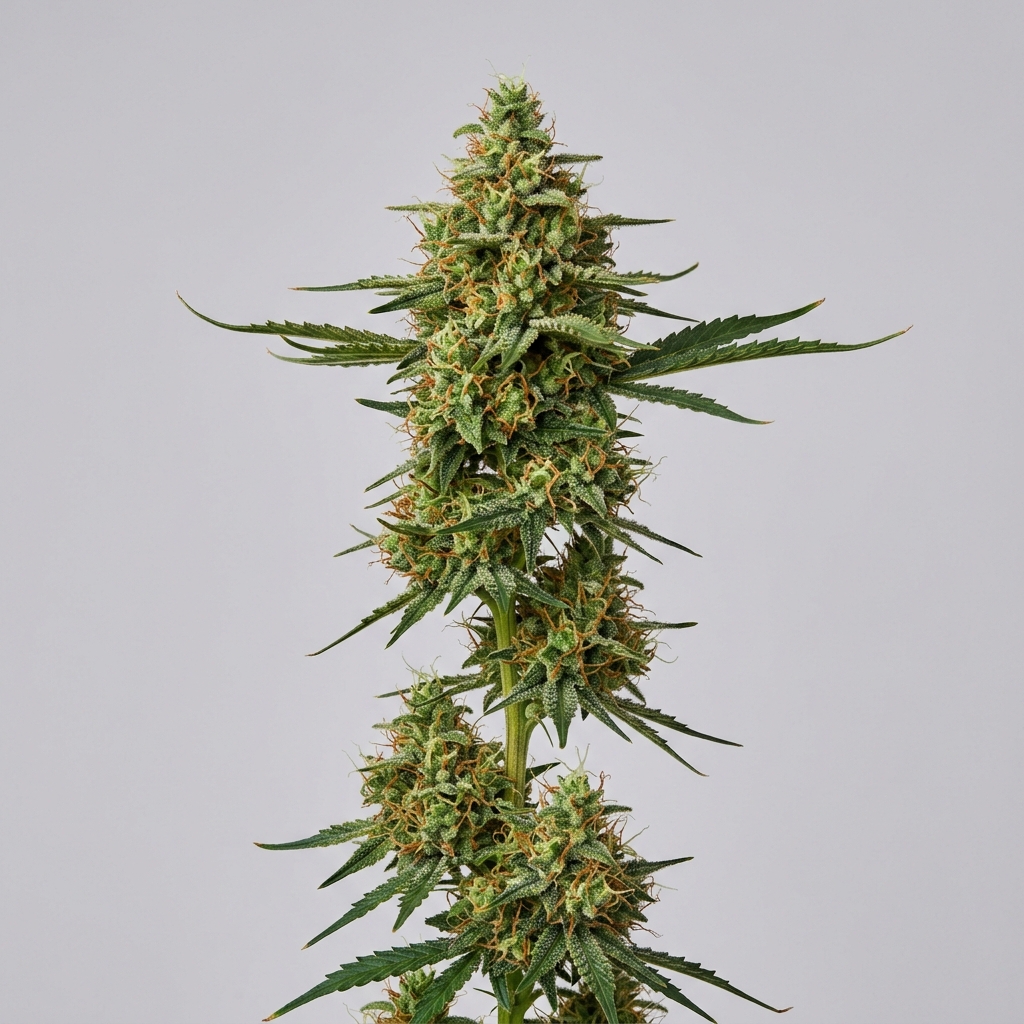
Atomical Haze (Cannabis Strain)
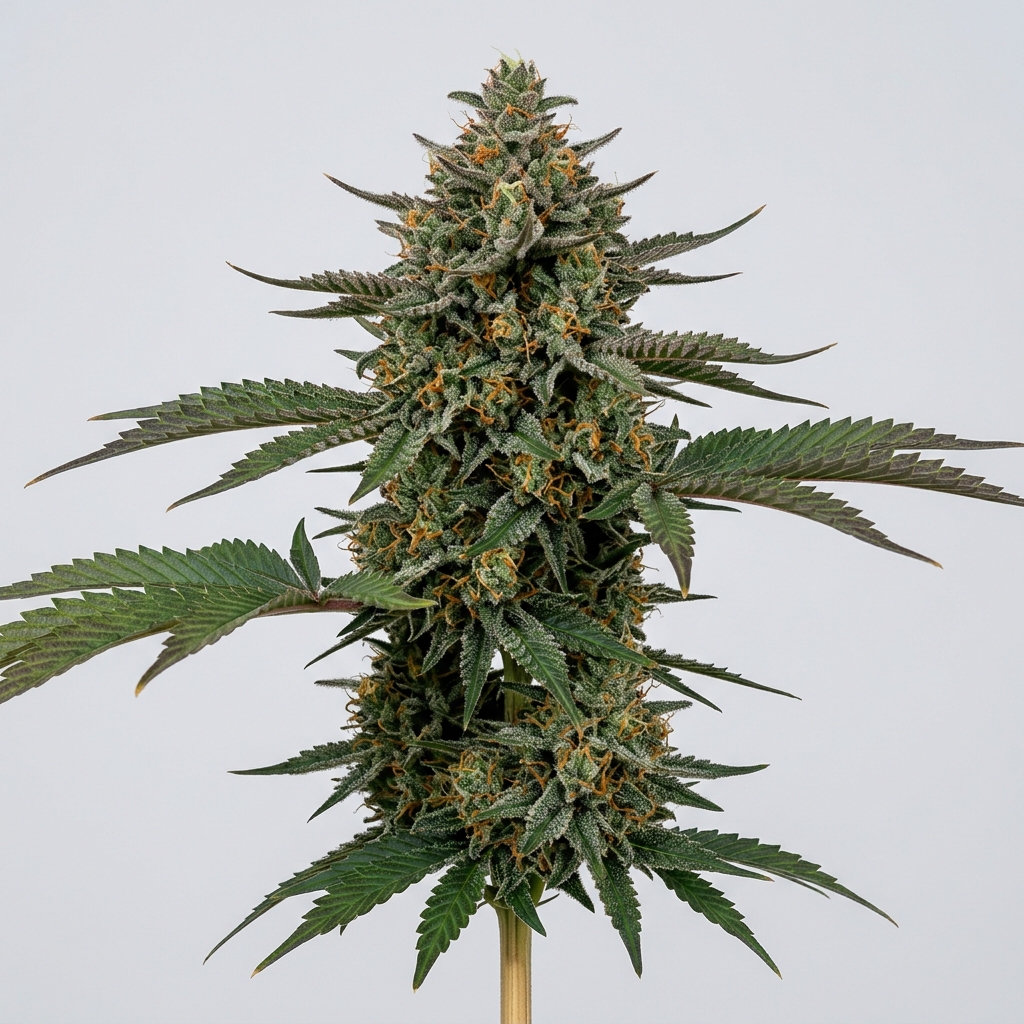
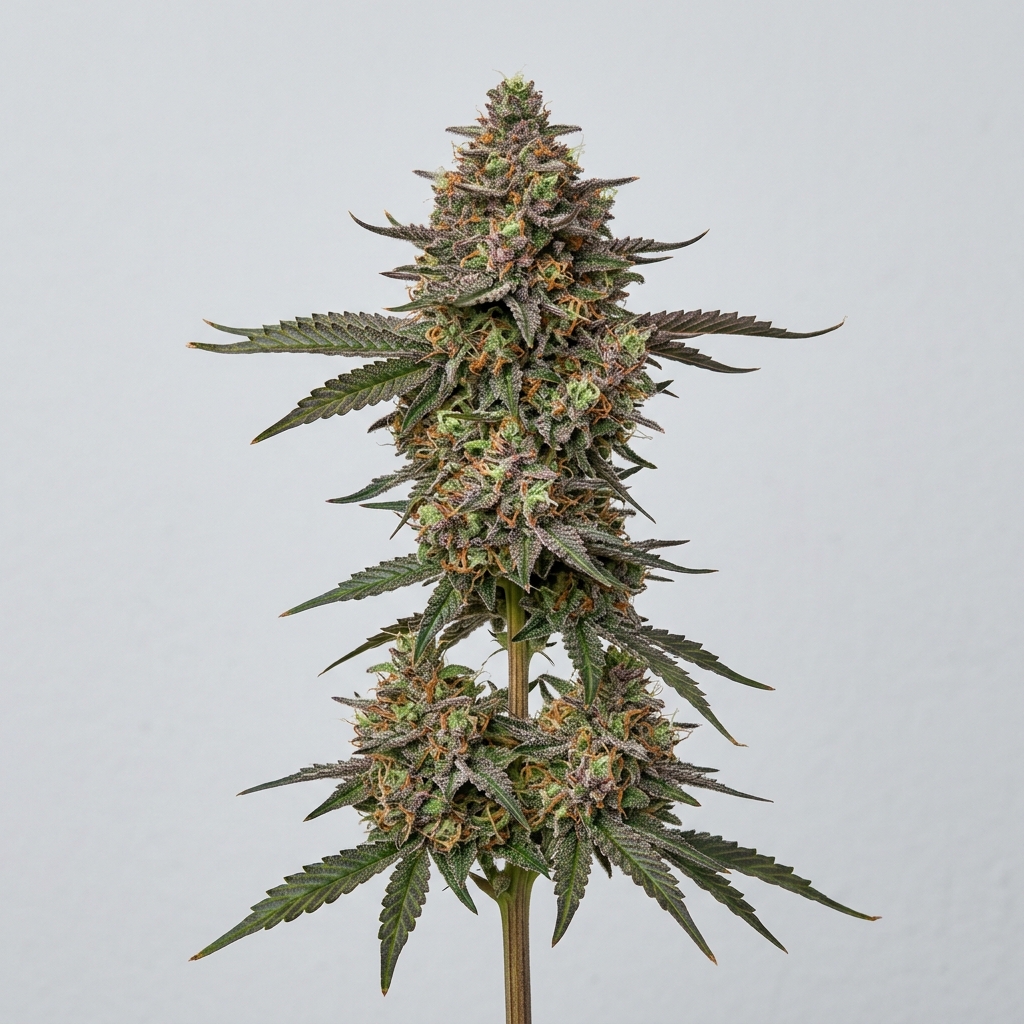
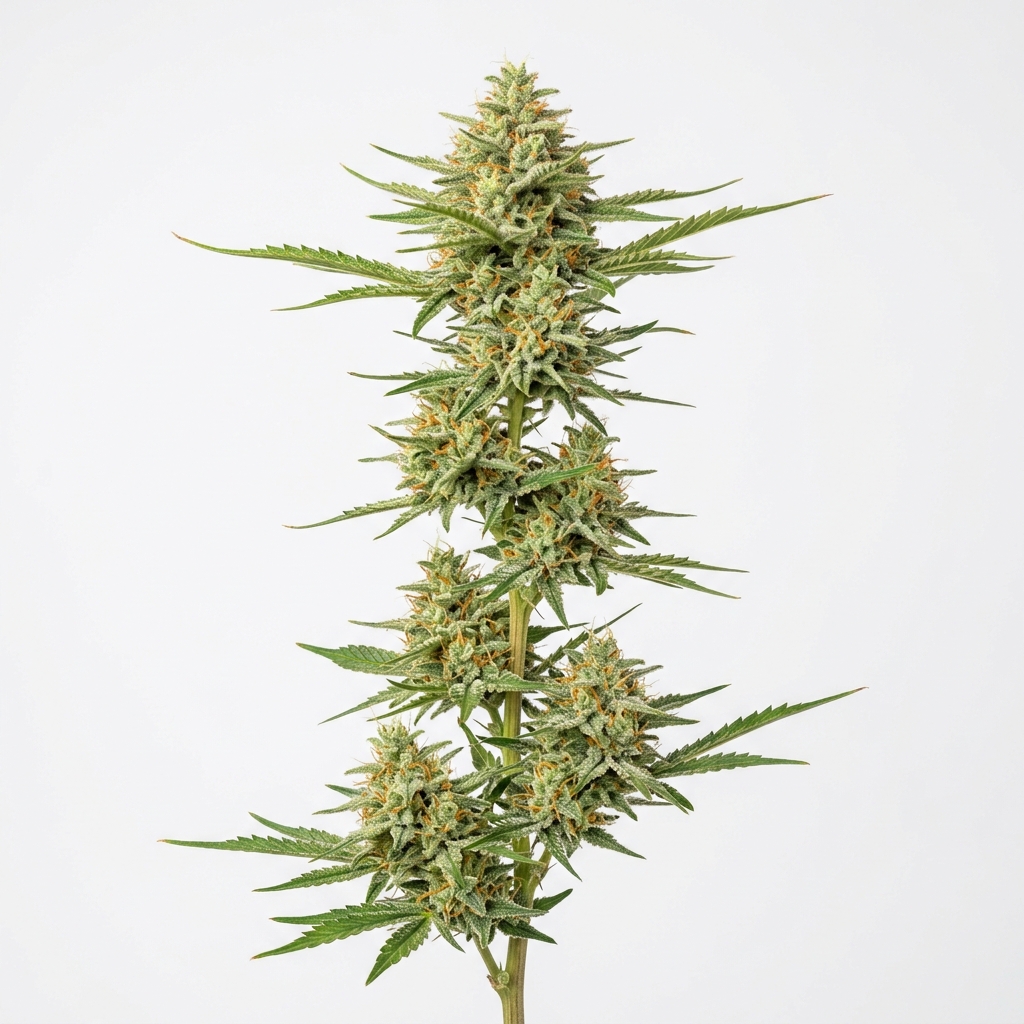
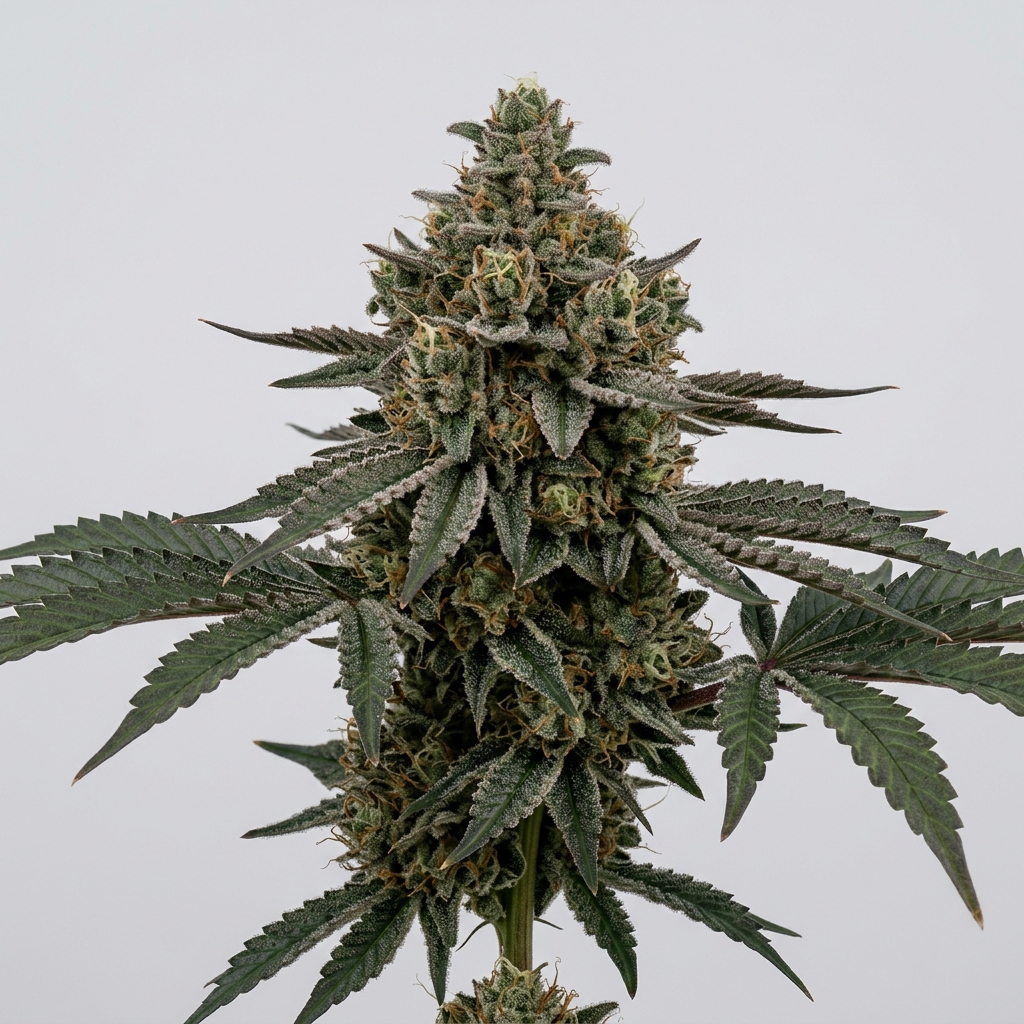
Atomical Haze is a sativa-dominant hybrid (typically testing between 18% and 22% THC) bred by crossing classic Haze with an Indian Sativa and a select Afghan Indica. Known for its sharp citrus and sweet kiwi aroma, this cultivar delivers a soaring, energetic daytime experience paired with a surprisingly heavy resin output. The plant shows classic sativa stretch but develops dense, resin-rich spear colas thanks to its Afghan heritage, making it a favorite among growers seeking classic Haze qualities with improved yields and faster finishing times.
Unlike traditional Hazes that can run thin and wispy, this cultivar produces swollen calyxes coated in glassy buds that hold their structure well through the cure. It serves as a modern bridge between old-school landrace sativas and practical indoor cultivation requirements.
Quick Facts
| Fact | Details |
|---|---|
| Genetics | Haze × Indian Sativa × Afghan Indica |
| Variety | Sativa-dominant Hybrid (approx. 80/20) |
| THC Range | 18% – 22% |
| Flowering Time | 9 weeks (approx. 63 days) |
| Yield Potential | Moderate to High |
| Plant Height | Tall (significant stretch) |
| Climate Preference | Warm, Mediterranean, semi-arid |
| Difficulty | Moderate |
Scientific & Botanical Overview
Cultivated to temper the wild growth patterns of equatorial sativas, this cultivar showcases a distinct morphology. The influence of the Afghan indica genetics shows in the lateral branch strength, which supports heavy upper colas without premature snapping. The internodal spacing remains moderate, allowing for excellent light penetration and airflow through the canopy.
The bract-to-leaf ratio is exceptionally high for a Haze-dominant variety, simplifying the trimming process. Its fan leaves are narrow and deeply serrated, typical of its South Asian ancestry, while the trichome density increases rapidly during the final three weeks of bloom.
Resin production is characterized by long-stalked capitate-glandular trichomes that produce a greasy resin layer. This layer acts as a natural barrier against mild environmental fluctuations, though late-flower humidity must be carefully monitored to protect the dense cluster formations.
Effects & Use-Cases (Reported)
Commonly reported effects: Users frequently describe a rapid, clear-headed lift that promotes focus, physical energy, and creative drive. The initial cerebral rush transitions smoothly into a mild, warm muscle relaxation that does not induce heavy sedation or couch-lock.
Use-case context: This cultivar is highly suited for daytime activities, social gatherings, or artistic projects where mental clarity is required. Its uplifting profile makes it a popular choice for morning use or as a mid-afternoon pick-me-up.
Note: High-THC sativa cultivars can occasionally induce mild anxiety or restlessness in sensitive individuals; cautious dosing is recommended.
Aroma & Flavors
Aroma: The primary aroma is a sharp citrus lift dominated by sour kiwi and sweet lemon, underpinned by a deep, earthy pine and metallic haze base.
Flavor: On the exhale, the smoke carries a tart fruit sweetness with a clean, mint finish and a lingering spicy herbal note.
Terpene associations: Lab analyses frequently point to a dominance of terpinolene, beta-caryophyllene, and myrcene, which combine to create its signature sweet-yet-spicy profile.
Tested Cannabinoid & Terpene Ranges
| Compound | Tested Range |
|---|---|
| Δ9-THC | 18.0% – 22.0% |
| CBD | < 0.1% |
| Terpinolene | 0.4% – 0.8% |
| Beta-Caryophyllene | 0.2% – 0.5% |
| Myrcene | 0.1% – 0.4% |
| Limonene | 0.1% – 0.3% |
Note: Cannabinoid and terpene levels are highly variable and depend on specific phenotype, environmental conditions, and cultivation methods.
Cultivation Notes
- Vegetative Stage: Maintain a short vegetative cycle indoors to accommodate the significant stretch that occurs once the light cycle is flipped.
- Training Techniques: Responds exceptionally well to Screen of Green (ScrOG) setups and early topping, which helps distribute energy to lateral branches.
- Nutrient Requirements: Prefers a moderate nutrient regimen; excessive nitrogen during early flower can lead to clawing and delayed bud development.
- Humidity Control: Keep relative humidity below 45% during the final three weeks of flowering to prevent moisture retention in the dense spear colas.
- Harvest Window: Look for amber trichome development on the calyxes rather than the sugar leaves to determine peak maturity.
Grower Notes (Week-by-Week Snapshot)
- Weeks 1–3 (The Stretch): Expect the plant to double or triple in height. Implement early LST (low-stress training) or tuck branches under a trellis net to manage the canopy height.
- Weeks 4–6 (Bud Set & Resin Initiation): Small, white pistil clusters form rapidly along the branches. The first signs of wet frost appear on the calyxes, accompanied by a faint citrus aroma.
- Weeks 7–9 (Cola Swelling & Ripening): The buds swell into dense, elongated spears. Lower the temperature slightly to preserve volatile terpenes, and flush with plain water during the final 7 to 10 days.
- Post-Harvest (Slow Dry & Cure): Hang dry at 60°F (15°C) and 60% relative humidity for 11 to 14 days to preserve the delicate kiwi and pine aromatic notes before curing in airtight jars.
Genetic Lineage
The genetic foundation of this cultivar relies on a classic Haze parent, which provides the soaring cerebral effects and complex, sweet-sour terpene profile. To improve the traditional Haze’s long flowering cycle and often loose bud structure, breeders integrated a robust Indian Sativa landrace, which added structural resilience and exotic fruit notes.
The final puzzle piece is a selected Afghan Indica male. This addition shortened the flowering window significantly, tightened the internodal spacing, and contributed a heavy resin-producing trait that transforms the airy sativa buds into dense, greasy colas.
Research Insights
Horticultural interest in this cultivar often focuses on its high concentration of terpinolene, a terpene relatively uncommon in modern indica-dominant hybrids. When combined with moderate levels of beta-caryophyllene, this profile may influence how cannabinoids interact with central receptors, potentially explaining the clear-headed, non-sedating energy reported by consumers.
Additionally, the hybridization of landrace sativas with Afghan indica genetics serves as an important study in breeding efficiency. By selecting for specific growth traits, breeders successfully retained the complex sativa cannabinoid profile while securing a growth pattern suited for standardized indoor cultivation.
Frequently Asked Questions
Is Atomical Haze difficult to grow indoors?
It is moderately difficult due to its sativa stretch. However, using training methods like ScrOG and keeping the vegetative stage short makes it highly manageable for growers with basic experience.
What does Atomical Haze smell like?
It features a dominant sweet kiwi and sour citrus aroma, accented by a classic metallic Haze undertone and a hint of earthy pine.
How long does Atomical Haze take to flower?
Indoors, the flowering cycle is typically completed in 9 weeks (approximately 63 days). Outdoors, it is usually ready for harvest by late October.
What are the primary effects of this strain?
It is known for delivering a clear-headed, energetic, and creative cerebral lift, making it highly suitable for daytime use and focus-driven tasks.
Educational Disclaimer
This profile is for educational purposes only. Cannabinoid and terpene profiles vary by phenotype, environmental conditions, and cultivation methods.
Rate and review this strain
Ratings and reviews are accepted only from signed-in Google accounts.
Sign in with Google to leave a rating and written review.
Latest Reviews
0 reviewsNo reviews yet. Be the first Google user to rate and review this strain.