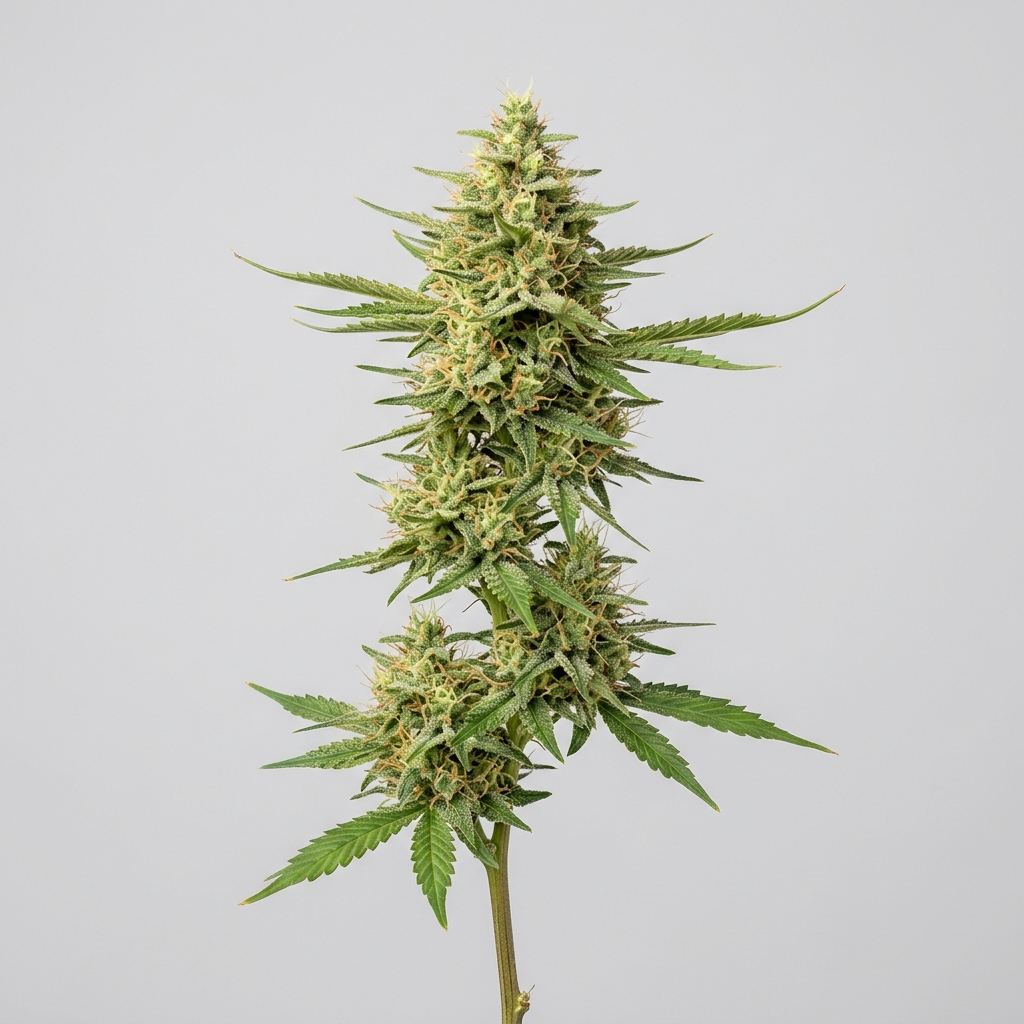
Alice in Wonderland (Cannabis Strain)
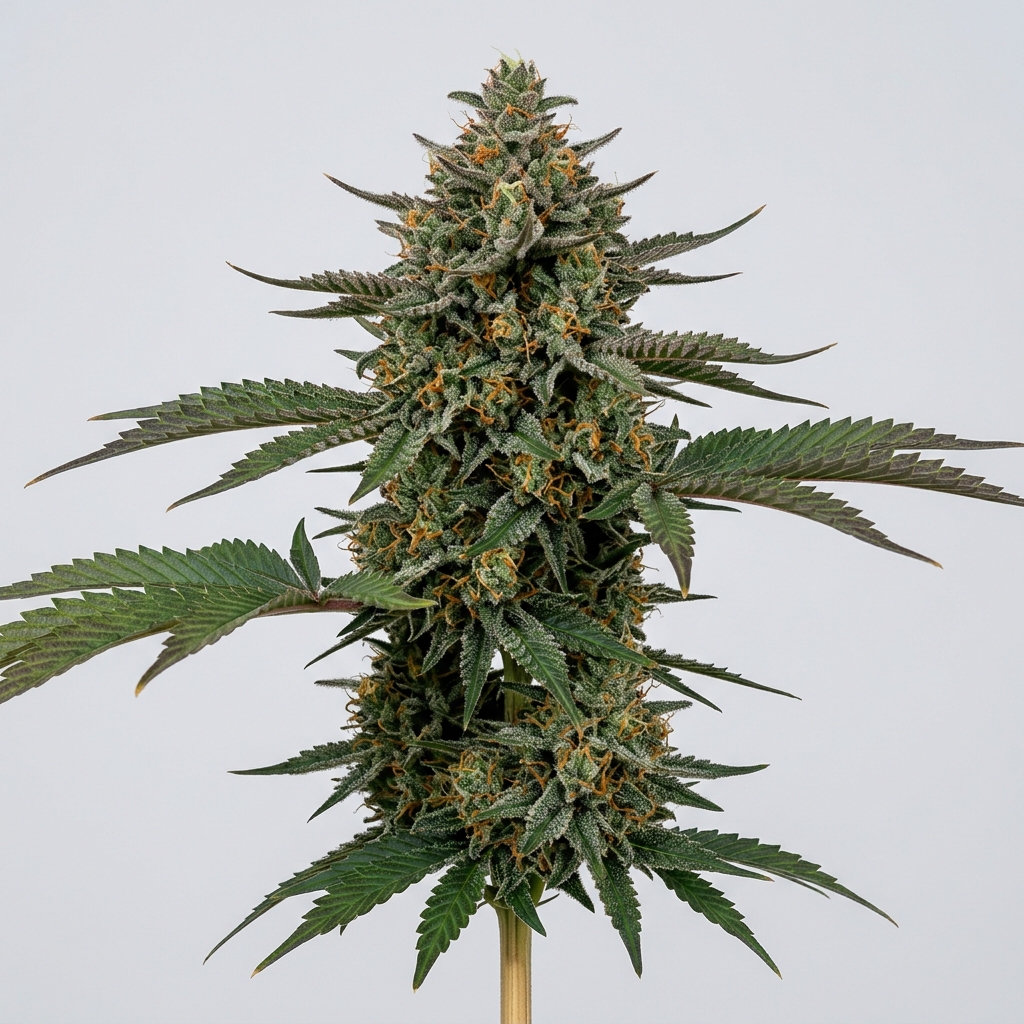
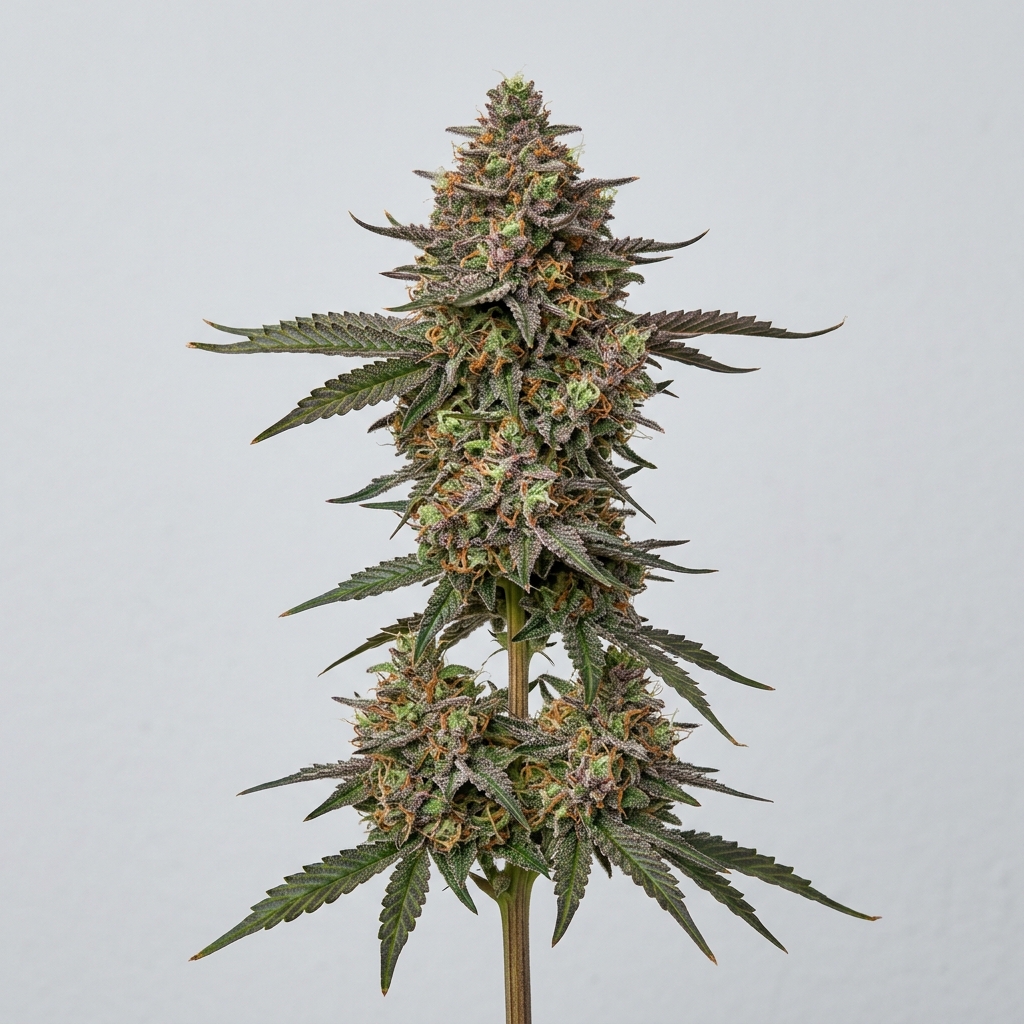
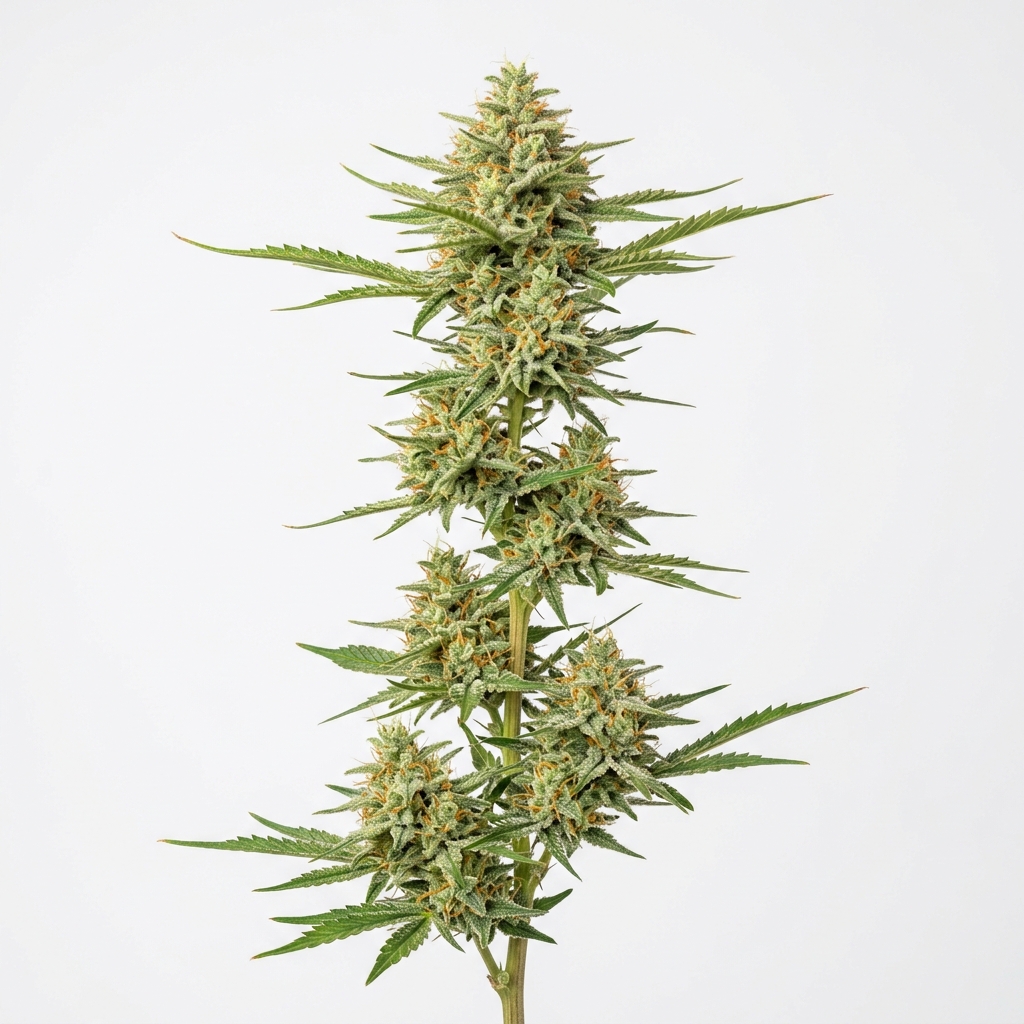
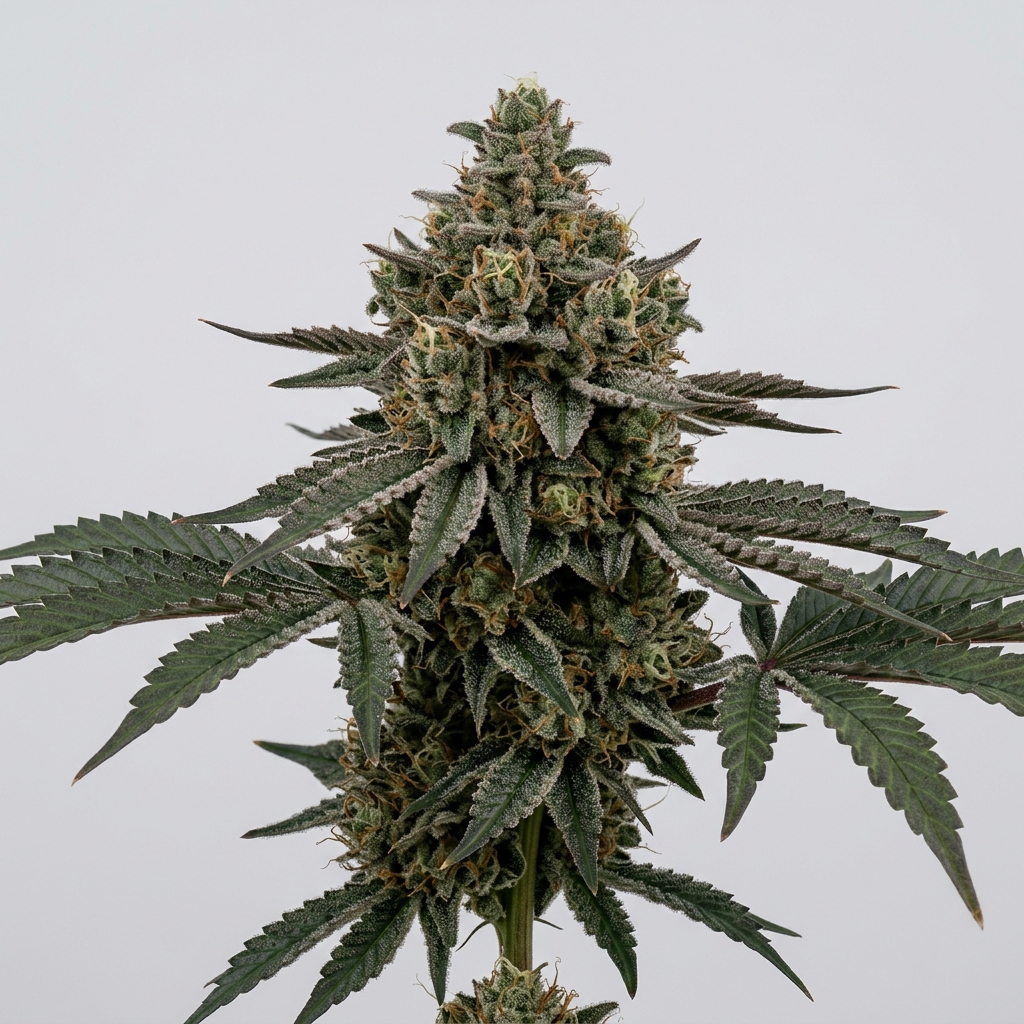
Alice in Wonderland is a sativa-dominant cultivar known for its clear-headed, sensory-enhancing effects and moderate THC levels ranging from 15% to 23%. Commonly selected as a distinct phenotype of the classic Willy’s Wonder, this strain delivers a complex aromatic profile of sweet floral notes, herbal earthiness, and a subtle lemon undertone. The plant develops elongated, spear-shaped colas with light green bracts and a moderate dusting of glassy trichomes, making it a favored choice for daytime cultivation and sensory clarity.
Growers value this selection for its steady vegetative pace and manageable stretch compared to modern haze-dominant sativas. While it demands attention to airflow during late flower, its structural reliability and clean, non-racy cerebral profile have earned it a dedicated following among legacy growers and boutique extraction artists.
Quick Facts
| Key Metric | Details |
|---|---|
| Genetics | Phenotype selection of Willy’s Wonder |
| Variety | Sativa-dominant Hybrid |
| THC Range | 15% – 23% |
| Flowering Time | 8 – 9 Weeks |
| Yield Potential | Moderate to High |
| Plant Height | Medium to Tall |
| Climate Preference | Temperate, low humidity |
| Difficulty | Moderate |
Scientific & Botanical Overview
Morphologically, Alice in Wonderland shows classic hybrid traits with a slight sativa lean, displaying medium-to-broad fan leaves that narrow as the plant matures. The internodal spacing is moderate, allowing good light penetration through the canopy before the stretch phase begins. This balance makes it highly adaptable to both multi-tier indoor setups and traditional greenhouse environments.
Bud structure leans toward elongated spear colas rather than tight, rounded spheres. The calyxes are moderately swollen and produce a fine layer of glassy, non-greasy resin that preserves volatile terpenes well into the curing phase. Under close inspection, the trichome heads are medium-sized, carrying a high density of monoterpenes that contribute to the plant’s sharp aromatic signature.
Anthocyanin expression is rare in this cultivar, with flowers typically maintaining a bright, lime-green coloration accented by pale orange pistils. The stem strength is adequate, though heavy upper branches may require support during the final weeks of flower. Maintaining low humidity during this ripening period is critical to preserving the integrity of the dense bracts.
Effects & Use-Cases (Reported)
Commonly reported effects: Cerebral clarity, sensory enhancement, gentle physical relaxation, and sustained focus without heavy sedation.
Use-case context: Well-suited for daytime activities, creative sessions, and outdoor tasks where mental acuity is preferred over physical heaviness. It is frequently selected by those seeking an active profile that does not induce physical lethargy or cognitive fog.
Note: Individual tolerance and dosage play a significant role; higher consumption may increase sensory sensitivity in sensitive individuals.
Aroma & Flavors
Aroma: Sweet chamomile, damp earth, and a sharp herbal background with hints of dry pine.
Flavor: Smooth floral honey on the inhale, transitioning to a dry, woody spice and a clean citrus lift on the exhale.
Terpene associations: Terpinolene, myrcene, and beta-caryophyllene dominate the analytical profile, shaping its herbal-sweet character.
Tested Cannabinoid & Terpene Ranges
| Compound | Tested Range |
|---|---|
| Δ9-THC | 15.0% – 23.0% |
| CBG | 0.5% – 1.2% |
| Terpinolene | 0.4% – 0.9% |
| Myrcene | 0.2% – 0.6% |
| Beta-Caryophyllene | 0.15% – 0.45% |
Note: Cannabinoid and terpene levels are highly variable and depend on specific phenotype selection, environmental conditions, and cultivation practices.
Cultivation Notes
- Humidity control: Keep relative humidity under 45% during the final three weeks of flower to prevent moisture retention in the dense, elongated colas.
- Nutrition: Responds well to a moderate nitrogen regimen in veg, with a smooth transition to phosphorus and potassium as bud sites establish.
- Training: Responds excellently to low-stress training (LST) and topping, which helps distribute energy to secondary branches and creates a more even canopy.
- Harvest timing: Harvest when trichomes are mostly milky with a small percentage of amber to preserve the uplifting, clear-headed terpene profile.
- Phenotype management: Look for phenotypes that exhibit a sweet, floral nose early in week five of flower, as these typically carry the desired sensory traits.
Grower Notes (Week-by-Week Snapshot)
- Weeks 1–3 (Vegetative & Early Stretch): Establish strong root zones and apply light canopy training; expect a moderate stretch of about 50-80% once the light cycle is flipped.
- Weeks 4–6 (Mid-Flower): Bud sites begin to cluster into spear shapes; ensure lower fan leaves are selectively defoliated to optimize airflow.
- Weeks 7–9 (Late Flower & Ripening): Resin production peaks with a glassy, frosty appearance; reduce humidity and monitor stem stability as colas gain weight.
- Post-Harvest (Dry & Cure): A slow 10-to-14-day dry at 60°F and 60% humidity is essential to lock in the delicate floral and herbal terpenes.
Genetic Lineage
The genetic history of Alice in Wonderland is closely tied to the legacy cultivar Willy’s Wonder (William’s Wonder), a famous indica-dominant hybrid originating from the 1980s. While Willy’s Wonder itself is known for its heavy, relaxing properties, this particular selection was isolated and stabilized for its distinct sativa-like growth patterns and clear, cerebral effects.
Some legacy accounts suggest a minor outcross to an undocumented sativa landrace to enhance its cerebral qualities, though modern testing and structural analysis point to a highly specialized phenotype selection. This lineage ensures a robust genetic backbone capable of thriving in varied indoor setups.
Research Insights
Analytical testing reveals a terpene profile unusually rich in terpinolene, a compound more commonly associated with active sativa varieties than classic Afghan-derived lineages. This high terpinolene concentration, combined with moderate levels of myrcene, appears to modulate the overall experience, favoring mental clarity over physical sedation.
The presence of minor cannabinoids like CBG suggests potential for further breeding programs aimed at non-psychoactive modulation. Breeders frequently target this specific chemotype to introduce sweet, floral characteristics into high-potency gas-forward cultivars.
Frequently Asked Questions
Is Alice in Wonderland an indica or a sativa?
Alice in Wonderland is a sativa-dominant hybrid, selected primarily for its uplifting cerebral effects and elongated growth structure.
What does Alice in Wonderland smell like?
The strain features a distinct aroma of sweet floral chamomile and damp earth, accented by a sharp herbal undertone and a clean citrus finish.
How long does Alice in Wonderland take to flower?
This cultivar typically finishes its flowering cycle in 8 to 9 weeks when grown indoors under standard light schedules.
Is this strain difficult to grow?
It is moderately easy to grow, though it requires attention to late-flower humidity and canopy management to prevent moisture issues in its spear-shaped colas.
Educational Disclaimer
This content is for educational and informational purposes only. Cultivation and consumption of cannabis are subject to local laws and regulations.
Rate and review this strain
Ratings and reviews are accepted only from signed-in Google accounts.
Sign in with Google to leave a rating and written review.
Latest Reviews
0 reviewsNo reviews yet. Be the first Google user to rate and review this strain.