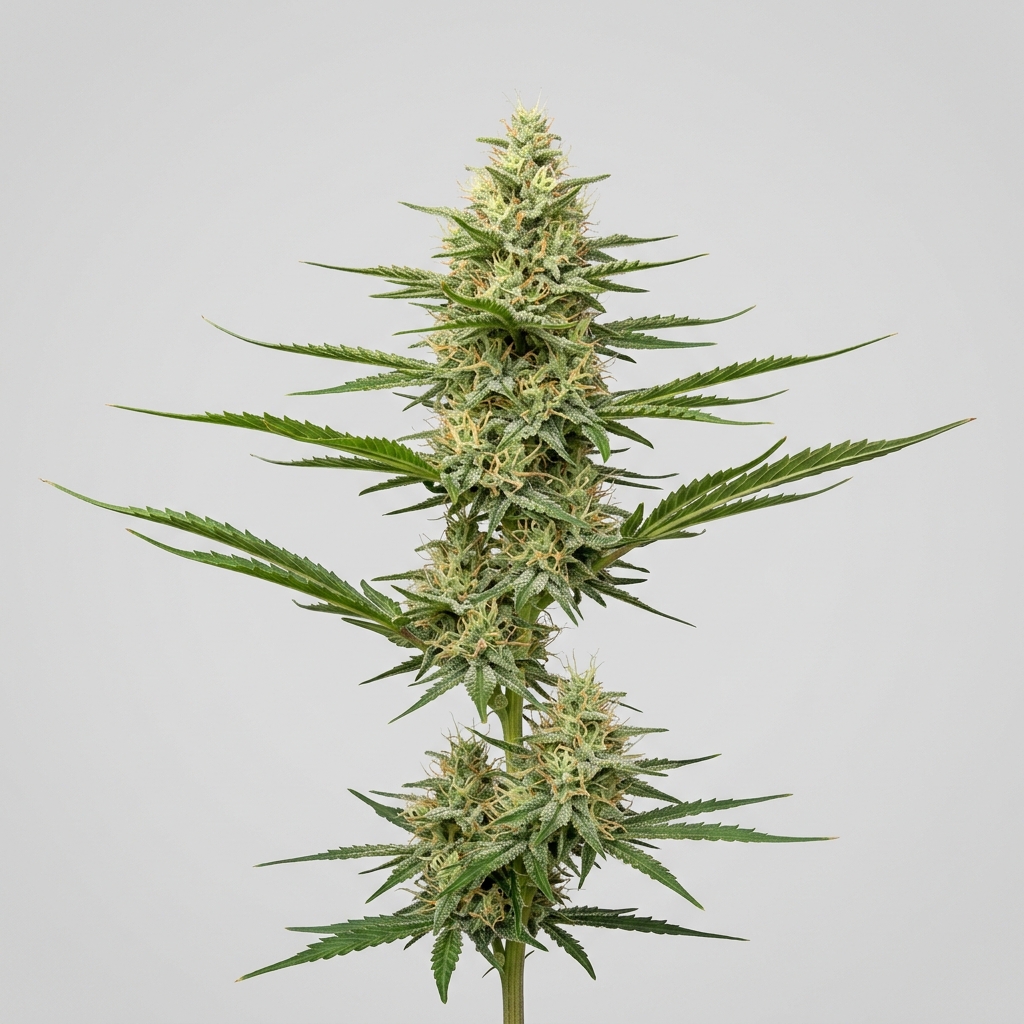
Moby Dick CBD (Cannabis Strain)
Moby Dick CBD is a balanced, Sativa-dominant hybrid that pairs the vigorous growth of the legendary Moby Dick with a selected CBD Crew clone to deliver a functional 1:1 to 1:2 cannabinoid ratio. Typically testing between 4% to 10% THC and 8% to 15% CBD, this cultivar retains the massive yield potential and bright lemon-incense profile of the original Haze-dominant lineage. The plants develop long, spear-like colas with a moderate coating of glassy resin, making them a staple for growers seeking therapeutic utility without intense psychoactivity.
Cultivators value this variety for its rapid vegetative development and impressive resistance to common molds. While it retains the signature stretch of its Sativa heritage, the addition of CBD-rich genetics slightly tames the flowering period, resulting in dense, heavy bracts that require structural support in late bloom.
Quick Facts
| Field | Details |
|---|---|
| Genetics | Moby Dick × CBD-rich clone |
| Variety | Sativa-dominant hybrid (60% Sativa / 40% Indica) |
| THC Range | 4.0% – 10.0% |
| CBD Range | 8.0% – 15.0% |
| Flowering Time | 9 – 10 weeks |
| Yield Potential | High |
| Plant Height | Tall |
| Climate Preference | Warm, sunny, Mediterranean |
| Difficulty | Moderate |
Scientific & Botanical Overview
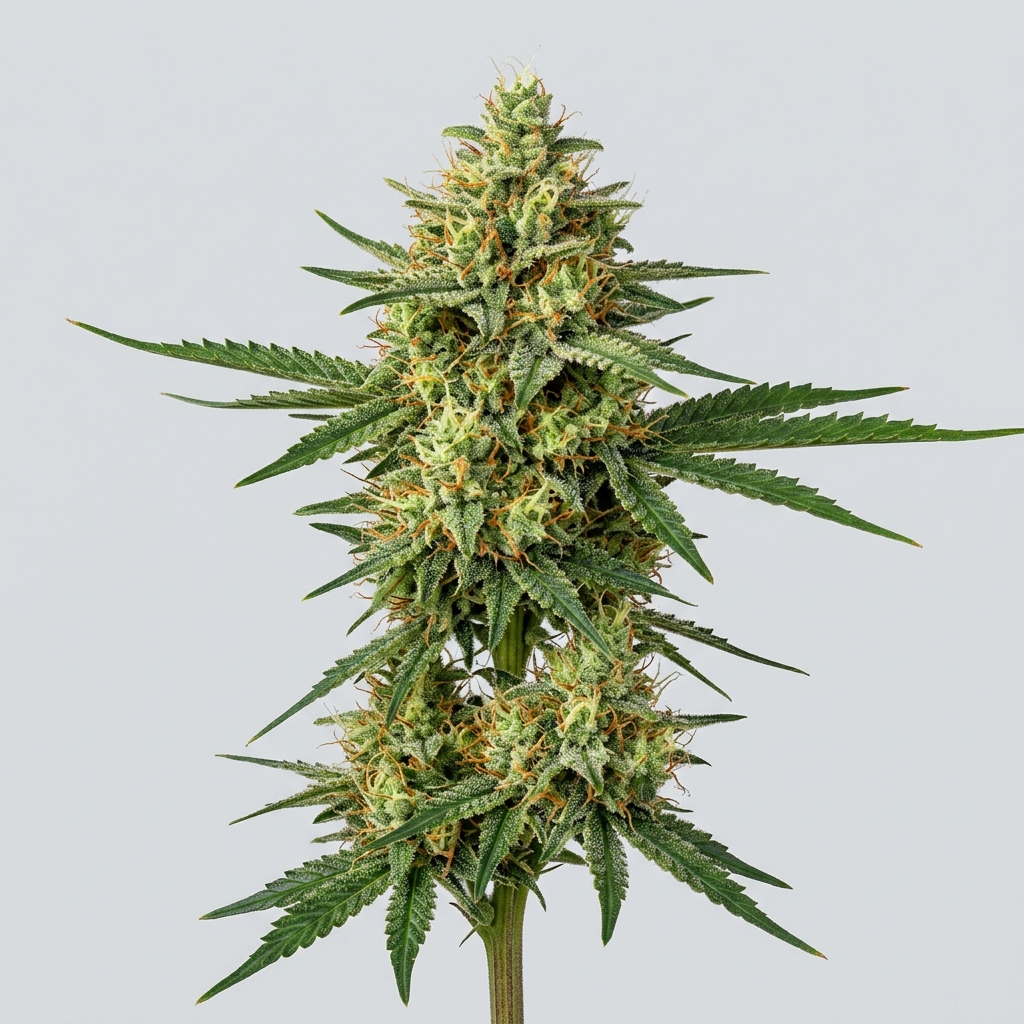
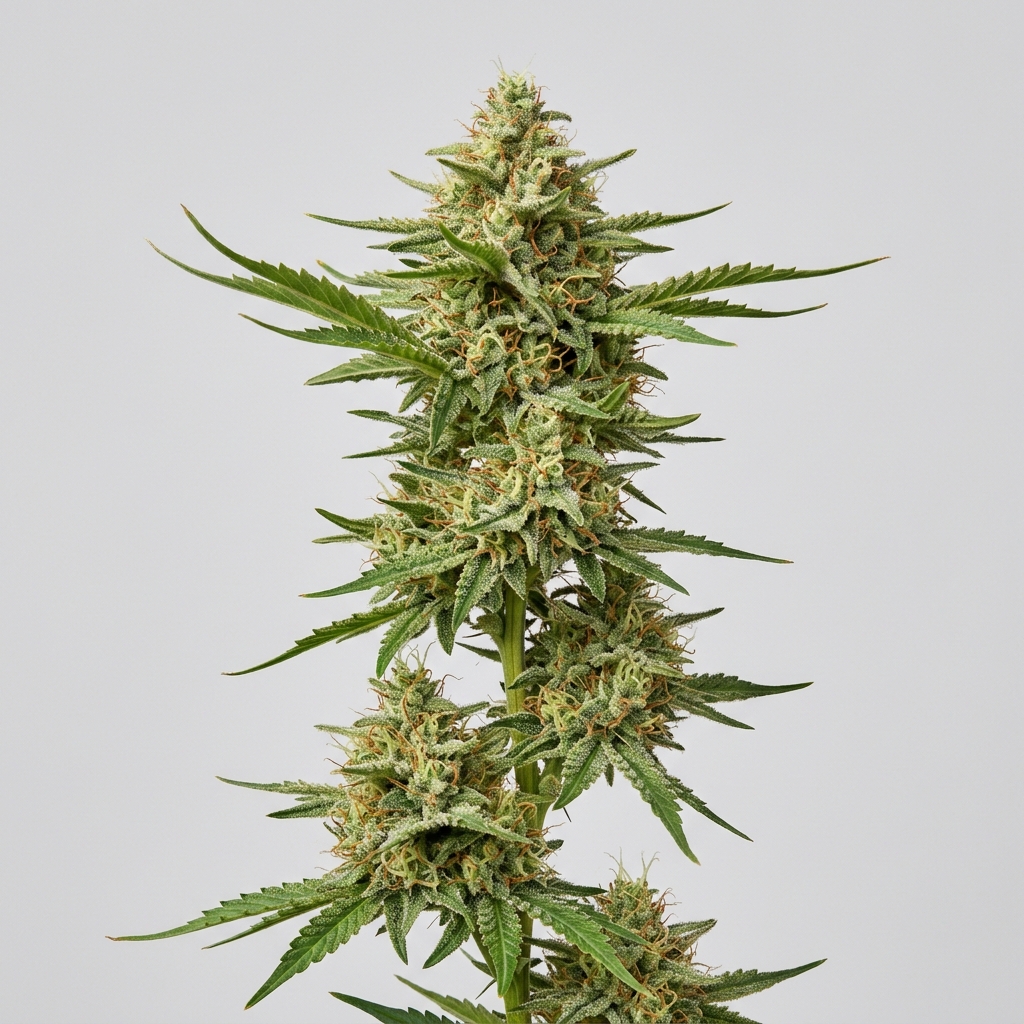
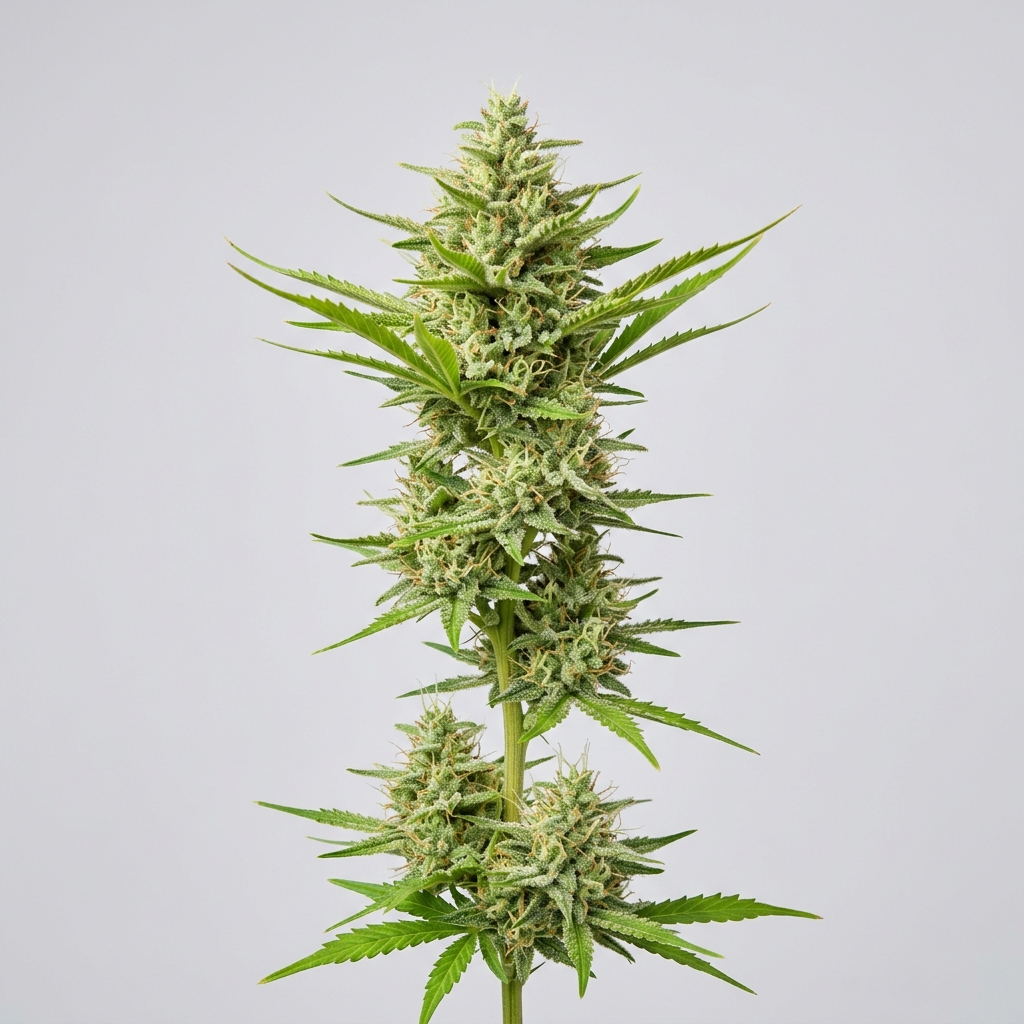
Botanically, this cultivar shows classic Sativa morphology with broad internodal spacing and thin, lanceolate fan leaves. Vegetative growth is rapid, showing strong vertical extension. Under high-intensity lighting, the plant establishes a dominant central leader that responds well to early topping and low-stress training.
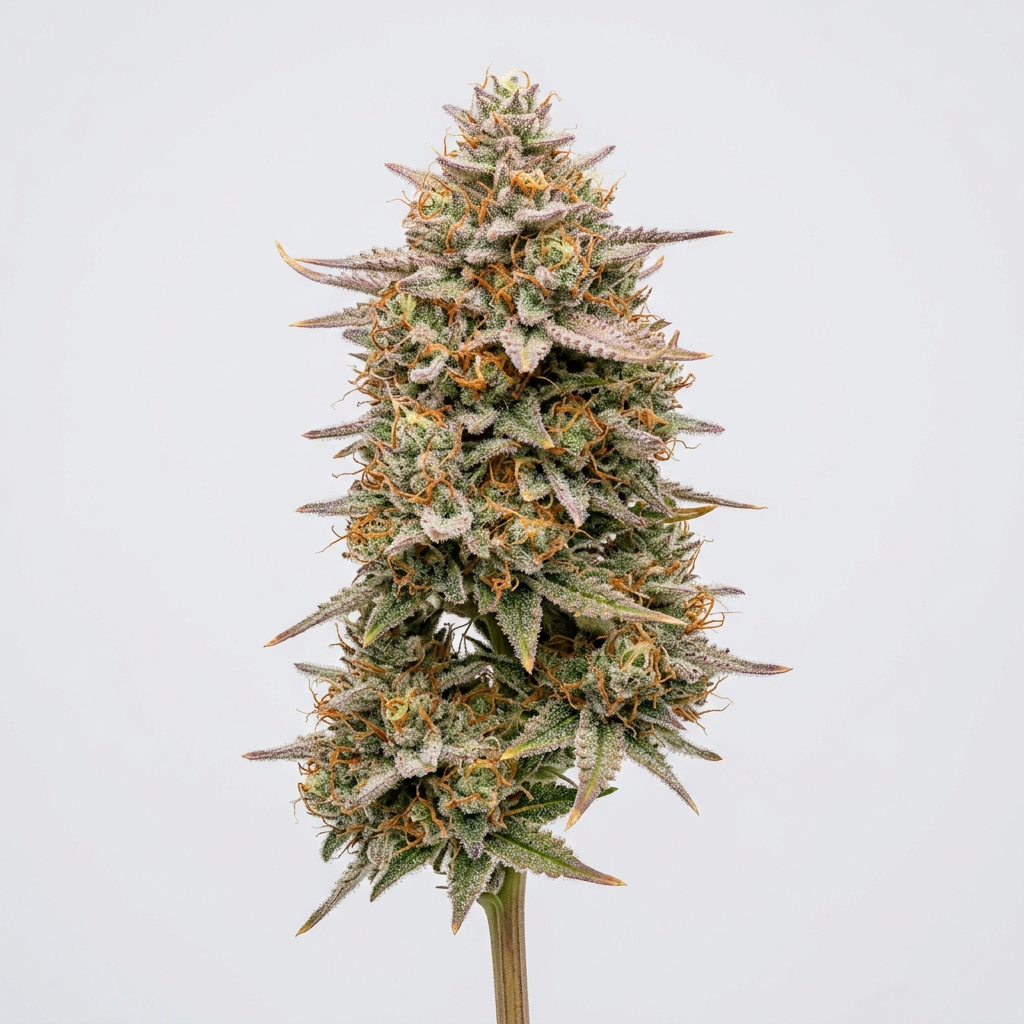
The floral development is characterized by elongated, spear-shaped colas that swell significantly during the final three weeks of bloom. Unlike pure Sativas, the bracts show a tighter, more compact structure, likely influenced by the Indica-leaning elements of its White Widow ancestry. The trichome distribution is dense but composed of smaller stalked capitate glands, giving the buds a silvery, wet-frost appearance rather than a thick, greasy resin layer.
This cultivar maintains high transpiration rates and requires consistent airflow to manage humidity within the dense canopy. Its robust vascular system supports heavy nutrient uptake, particularly during the transition to flower, where it demands steady levels of nitrogen before shifting to phosphorus and potassium.
Effects & Use-Cases (Reported)
Commonly reported effects: Users frequently describe a clear, functional lift that sharpens focus without inducing physical tension or racey thoughts. The balanced ratio of CBD to THC mitigates the intense cerebral rush typically associated with pure Haze genetics, leaving a calm, steady state of alertness.
Use-case context: This profile makes the cultivar well-suited for daytime use, creative tasks, or social activities where mental clarity is preferred. It is often selected by those who find high-THC strains overwhelming but still require the uplifting qualities of a Sativa.
Note: Individual experiences vary based on tolerance and specific phenotype chemistry. Balanced ratios can still produce mild psychoactive effects, especially in sensitive individuals.
Aroma & Flavors
Aroma: The primary scent is a sharp citrus lift dominated by fresh lemon peel, backed by a deep, woody incense undertone. As the buds are broken apart, a subtle earthy pine and spice emerge, reminiscent of classic Dutch Haze varieties.
Flavor: On the palate, it delivers a clean, herbal taste with a distinct cedar wood and lemon-pepper finish. The smoke or vapor is remarkably smooth, lacking the heavy fuel or sweet candy notes common in modern dessert hybrids.
Terpene associations: Analytical testing frequently highlights a dominance of terpinolene, myrcene, and pinene, which work together to produce its bright, forest-like aromatic profile.
Tested Cannabinoid & Terpene Ranges
| Compound | Tested Range |
|---|---|
| Δ9-THC | 4.0% – 10.0% |
| CBD | 8.0% – 15.0% |
| CBG | 0.5% – 1.5% |
| Terpinolene | 0.3% – 0.8% |
| Myrcene | 0.2% – 0.6% |
| Pinene | 0.1% – 0.4% |
Cannabinoid and terpene levels are highly variable and depend on specific cultivation methods, environmental factors, and curing techniques.
Cultivation Notes
- Humidity management: Keep relative humidity below 50% during mid-to-late flower to prevent mold in the large, dense colas.
- Training techniques: use ScrOG (Screen of Green) or early topping to manage the significant vertical stretch during the first three weeks of bloom.
- Nutrient requirements: This cultivar is a heavy feeder; maintain a steady macro-nutrient regimen, but flush thoroughly during the final 10 to 14 days.
- Pruning: Perform heavy defoliation of the lower third of the canopy before inducing flower to improve airflow and direct energy to the upper spear colas.
- Phenotype variation: Look for phenotypes that exhibit a balanced 1:1 ratio, which typically show slightly darker green leaves and a more pronounced cedar wood aroma.
Grower Notes (Week-by-Week Snapshot)
- Weeks 1–3 (Vegetative & Transition): Rapid vertical growth begins immediately upon switching to a 12/12 light cycle. Secure main branches to support structures early, as the stems will stretch up to double their original height.
- Weeks 4–6 (Mid-Flower): White pistils form dense clusters along the elongated branches. The lemon-incense aroma becomes noticeable, and trichomes begin to coat the surrounding sugar leaves.
- Weeks 7–9 (Late Flower & Ripening): Colas swell and gain significant weight. Monitor calyxes for swelling and check trichome clarity, looking for a transition from clear to mostly milky with minimal amber.
- Post-Harvest (Dry & Cure): Hang-dry the whole plant at 60°F (15°C) and 60% relative humidity for 11 to 14 days. A slow cure in sealed containers for at least three weeks is essential to preserve the volatile terpinolene and pinene fractions.
Genetic Lineage
The lineage of this cultivar is rooted in the classic European cannabis scene, combining the high-yielding, Sativa-dominant Moby Dick with a selected high-CBD clone from the CBD Crew breeding library. The original Moby Dick parent brings the heavy-hitting genetics of Haze and White Widow, known for their soaring vigor and resin production.
By introducing the CBD-rich donor, breeders successfully tempered the intense, sometimes racey psychoactivity of the original parent while retaining its structural integrity and massive yield potential. This cross represents a deliberate shift toward functional, therapeutic cannabis without sacrificing the agronomic traits that commercial growers rely on.
Research Insights
Scientific interest in balanced cultivars like this one focuses on the interactive effects of THC and CBD working in tandem. Research suggests that CBD acts as a negative allosteric modulator of the CB1 receptor, which helps reduce the potential for anxiety and paranoia often triggered by high-THC Sativas.
Additionally, the high concentration of the terpene terpinolene combined with pinene is studied for its potential to support alertness and cognitive clarity. This specific chemical matrix provides a unique model for studying how non-psychoactive cannabinoids modify the overall sensory and therapeutic profile of traditional Haze cultivars.
Frequently Asked Questions
Is Moby Dick CBD completely non-psychoactive?
No. While the high CBD content significantly tempers the psychoactive effects, the presence of 4% to 10% THC can still produce a mild, clear-headed cerebral lift, especially for users with low tolerance.
How much does this strain stretch during flowering?
This cultivar inherits a strong Sativa growth pattern and can easily double in size during the first three weeks of flower. Early training and trellis nets are highly recommended to manage the canopy height.
What is the ideal climate for outdoor cultivation?
It thrives in warm, sunny, Mediterranean-like climates with plenty of airflow. Its natural resistance to mold helps it tolerate late-season humidity, but shelter from heavy autumn rains is ideal.
What does the aroma of Moby Dick CBD smell like?
It features a prominent lemon and wood incense profile, with clean notes of fresh pine and spice on the finish, closely resembling classic Dutch Haze varieties.
Educational Disclaimer
This content is for educational and informational purposes only. Cultivation and consumption laws vary by jurisdiction. Always consult local regulations and a healthcare professional before use.
Rate and review this strain
Ratings and reviews are accepted only from signed-in Google accounts.
Sign in with Google to leave a rating and written review.
Latest Reviews
0 reviewsNo reviews yet. Be the first Google user to rate and review this strain.