California Hash Plant (Cannabis Strain)
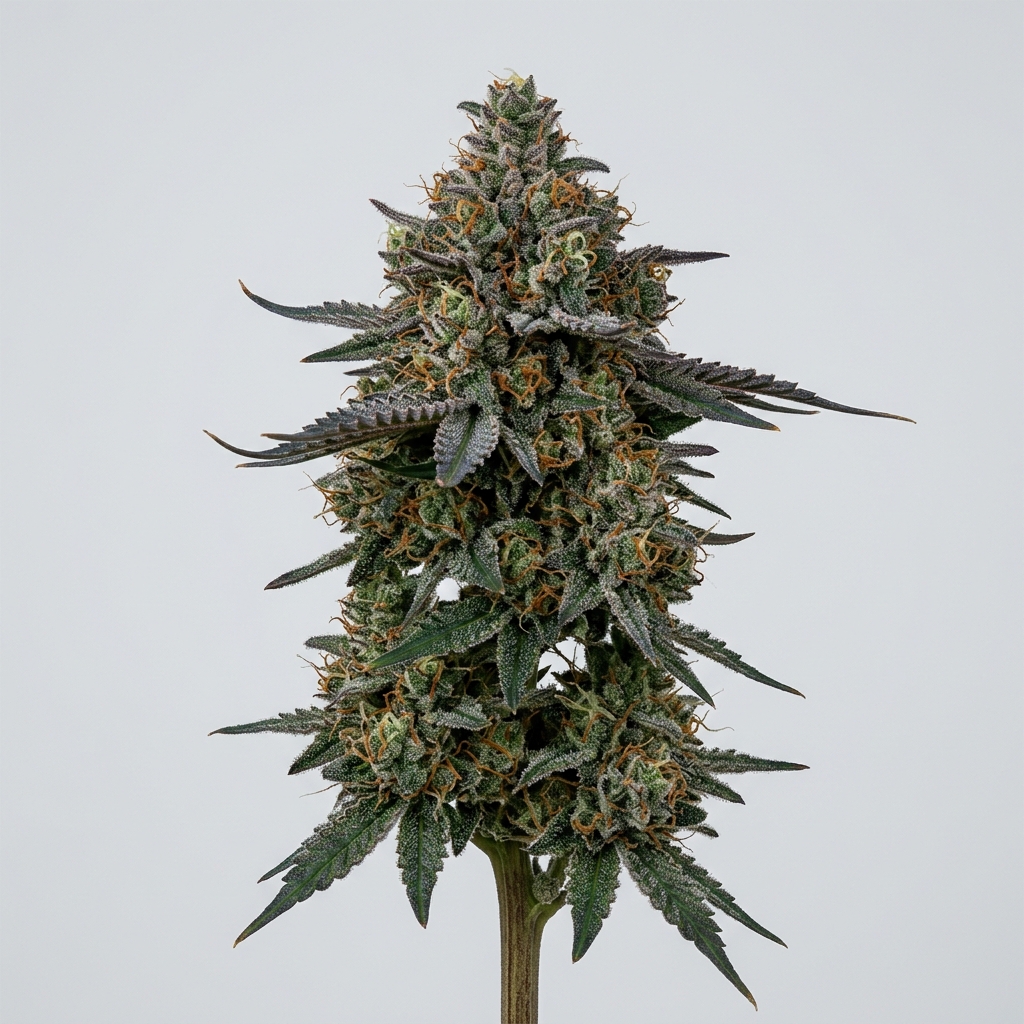
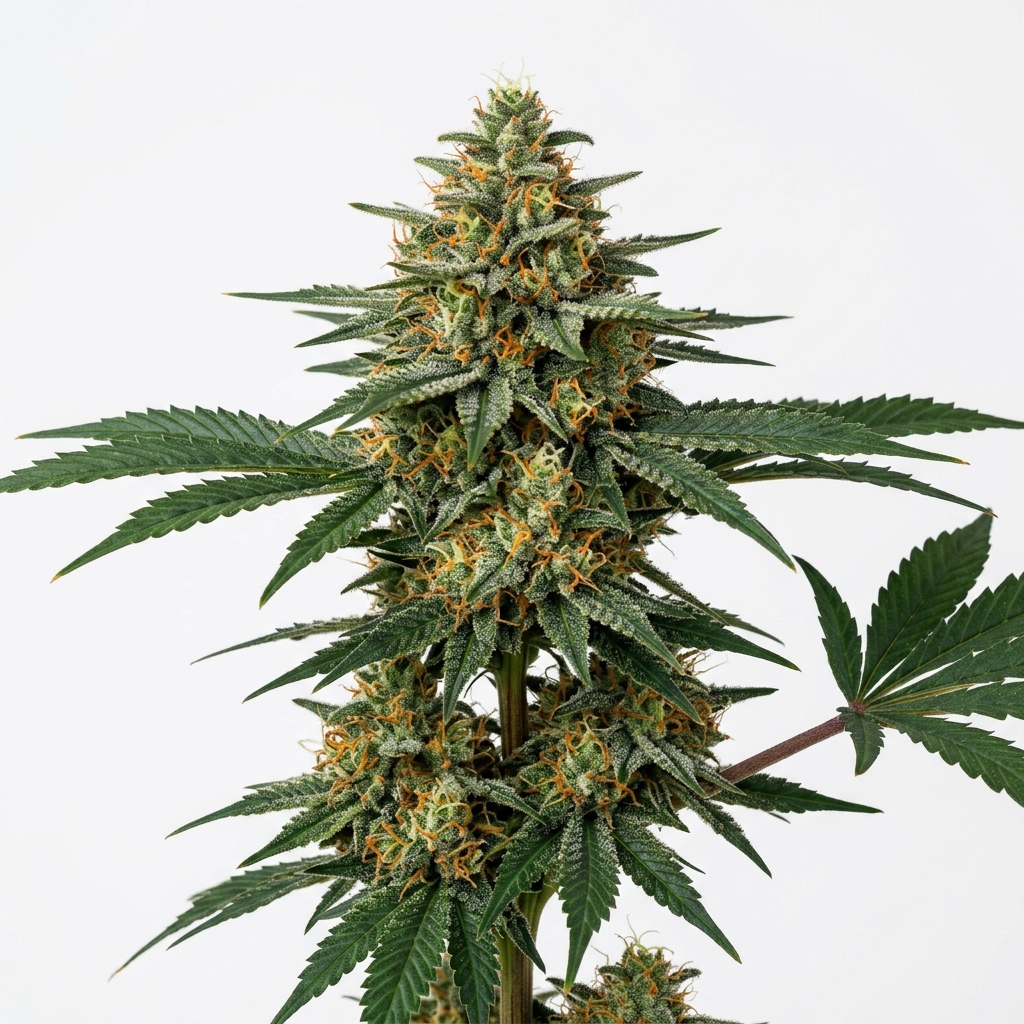
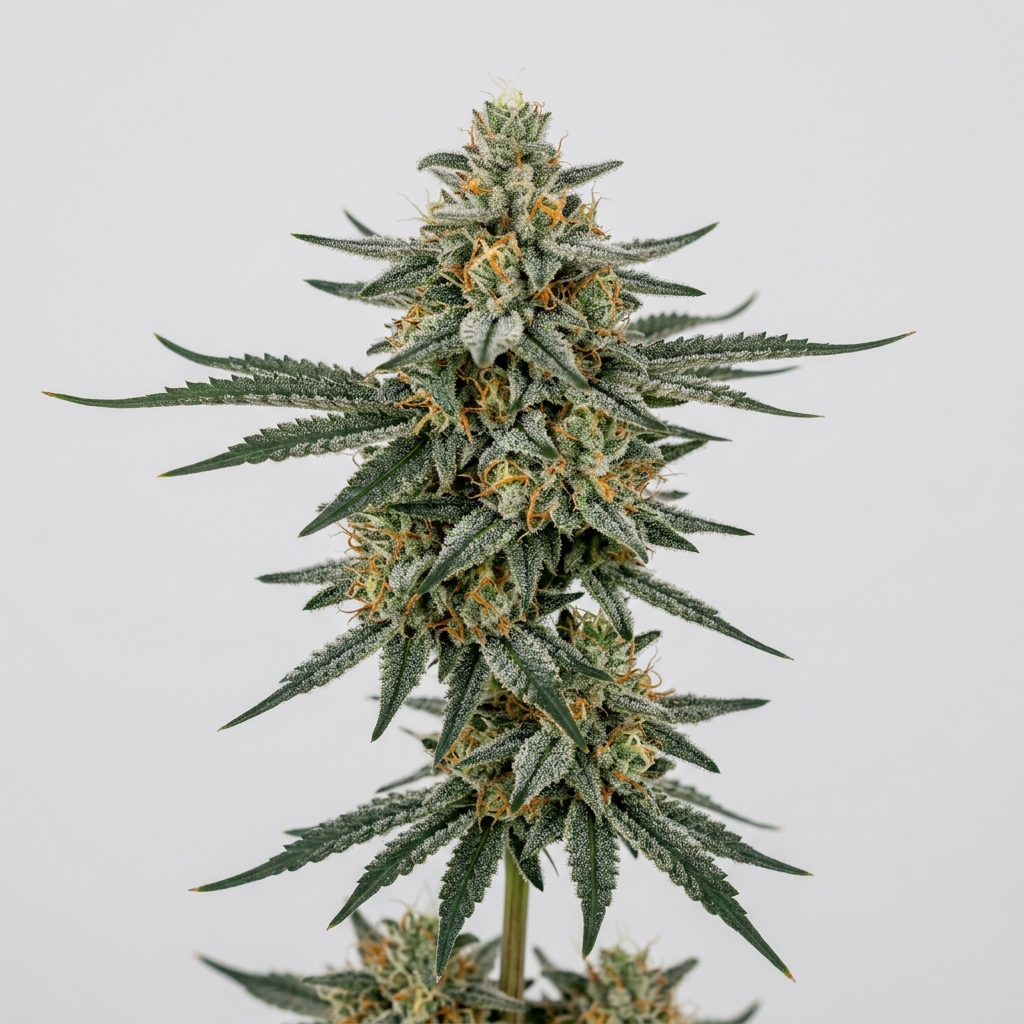
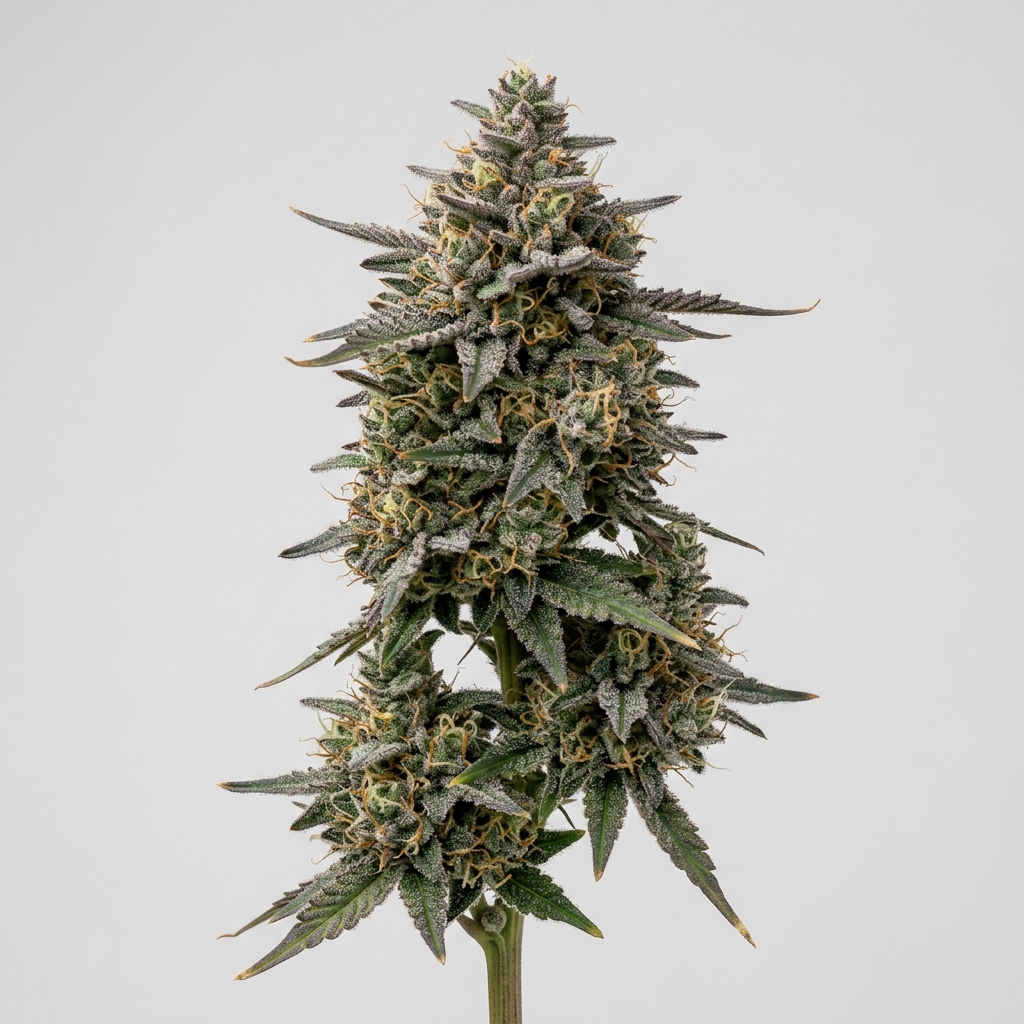
California Hash Plant is a classic indica-dominant cultivar testing between 12% and 16% THC, created by crossing a highly resilient California Hash Plant phenotype with Northern Lights. Known for its quick-finishing cycle and greasy resin production, this strain delivers a pure, earthy hash aroma with subtle pine undertones. The plants remain compact and bushy, producing dense, resin-rich flowers that have long made it a favorite for traditional solventless extraction.
This cultivar thrives in challenging climates where late-season dampness threatens other varieties. Its robust physical structure and high resistance to mold make it a reliable choice for both commercial greenhouses and backyard cultivators seeking classic indica reliability.
Quick Facts
| Field | Details |
|---|---|
| Genetics | California Hash Plant × Northern Lights |
| Variety | Indica-dominant (90% / 10%) |
| THC Range | 12% – 16% |
| Flowering Time | 45 – 50 Days |
| Yield Potential | Moderate to High |
| Plant Height | Short to Medium |
| Climate Preference | Cool to Temperate, highly mold-resistant |
| Difficulty | Easy to Moderate |
Scientific & Botanical Overview
California Hash Plant shows classic indica morphology, characterized by broad fan leaves, tight internodes, and a short, stocky frame. The vegetative phase focuses on lateral branching, creating a dense canopy that requires selective defoliation to maintain optimal airflow. This compact structure makes it highly efficient for indoor sea-of-green (SOG) setups.
During the transition to flower, the stretch is highly controlled, rarely exceeding 50% of its vegetative height. The plants develop dense bracts and swollen calyxes that quickly coat themselves in a layer of wet frost, reflecting its heritage as an extraction-grade cultivar. The pistils remain relatively short, turning a deep amber color as the plant reaches maturity.
The resin glands are particularly durable, featuring thick stalks and large heads that remain stable during handling. This structural integrity of the trichomes makes the dried flowers highly suitable for dry-sifting and ice water washing, yielding clean concentrates with minimal plant contaminant.
Effects & Use-Cases (Reported)
Commonly reported effects: Users frequently describe a heavy, grounding physical relaxation accompanied by a calm, quiet mental state. The onset is gradual, settling into the limbs with a warm, soothing sensation that lacks the sharp, racing cerebral edge of sativa-dominant hybrids.
Use-case context: This cultivar is best suited for late-evening use, wind-down routines, or quiet rest. The physical heaviness makes it a popular choice for post-activity recovery or preparing for deep sleep, where mental distraction needs to be minimized.
Note: Individual responses to cannabinoids vary; start with a conservative dose to assess personal tolerance.
Aroma & Flavors
Aroma: Deeply earthy and spicy, dominated by a traditional hashish musk with subtle notes of damp forest floor and sharp pine.
Flavor: A rich, wood-forward taste on the inhale, leaving a dry, herbal finish with a faint hint of sweet spice on the palate.
Terpene associations: The terpene profile is heavily influenced by myrcene, caryophyllene, and pinene, which drive the herbal, earthy, and piney characteristics of this classic profile.
Tested Cannabinoid & Terpene Ranges
| Compound | Typical Range |
|---|---|
| Delta-9-THC | 12.0% – 16.0% |
| CBD | 0.1% – 0.5% |
| Myrcene | 0.4% – 0.8% |
| Caryophyllene | 0.2% – 0.5% |
| Pinene | 0.1% – 0.3% |
Note: Cannabinoid and terpene levels are highly dependent on specific phenotypes, environmental conditions, and cultivation practices.
Cultivation Notes
- Keep late-flower humidity below 45% to protect the dense, compact colas from internal moisture buildup.
- Apply light to moderate nutrients, as this cultivar is highly efficient and can show signs of tip burn under aggressive feeding regimens.
- Incorporate early low-stress training (LST) to open up the tight, bushy canopy and encourage light penetration to lower bud sites.
- Harvest when the trichomes transition from milky to about 10-15% amber to capture the peak physical relaxation properties.
- Implement a slow dry at 60°F and 60% relative humidity for 10 to 14 days to preserve the delicate, volatile terpenes.
Grower Notes (Week-by-Week Snapshot)
- Weeks 1–3 (Vegetative & Early Flower): Focus on building a strong root system and establishing the canopy. The plant will remain squat; perform light pruning of the lowest fan leaves to improve air circulation near the soil.
- Weeks 4–6 (Mid-Flower): The stretch concludes quickly as the plant shifts its energy to bud formation. Dense, resin-rich flowers begin to cluster along the tight internodes, emitting a subtle earthy musk.
- Weeks 7–9 (Late Flower & Flush): Watch for rapid swelling of the calyxes and a heavy accumulation of wet frost. Flush with plain water during the final 7 to 10 days while monitoring trichome maturity closely, as some phenotypes finish as early as day 45.
Genetic Lineage
The lineage of this cultivar traces back to the classic landrace-derived hash plants of California, which were selected over generations for resin density and fast maturation. To stabilize these traits and improve yield, breeders crossed the original line with a classic Northern Lights selection.
This hybridization preserved the pure indica growth habit while enhancing the plant’s structural strength and resistance to environmental stressors. The resulting offspring remains one of the truest representations of old-school hash-making genetics available today.
Research Insights
Phytochemical analysis of this cultivar highlights a high concentration of sesquiterpenes alongside moderate monoterpenes, contributing to its distinctively heavy, musky aroma. The moderate THC levels combined with these specific terpenes create a balanced physical profile that avoids the intense cerebral anxiety sometimes associated with ultra-high THC modern polyhybrids.
The physical stability of the trichome heads has also made this strain a subject of interest for extraction efficiency studies. The resin glands resist mechanical rupture during harvesting and drying, preserving the terpene clarity until the flowers are processed.
Frequently Asked Questions
Is California Hash Plant suitable for beginners?
Yes, its short stature, fast flowering time, and high resistance to common molds and pests make it exceptionally forgiving for novice growers.
How long does California Hash Plant take to flower?
This strain has a remarkably fast flowering cycle, typically finishing in 45 to 50 days when grown indoors.
What does California Hash Plant smell like?
It features a deeply traditional aroma of earthy hashish, damp wood, and spicy pine, with very little sweet or fruity influence.
Can this strain be used for making concentrates?
Absolutely. Its ancestry lies in traditional hash-making, and its durable, resin-rich trichomes yield high-quality dry sift and bubble hash.
Educational Disclaimer
This content is for educational and informational purposes only. Cultivation and consumption of cannabis are subject to varying local laws and regulations. Consult local guidelines before undertaking cultivation.
Rate and review this strain
Ratings and reviews are accepted only from signed-in Google accounts.
Sign in with Google to leave a rating and written review.
Latest Reviews
0 reviewsNo reviews yet. Be the first Google user to rate and review this strain.