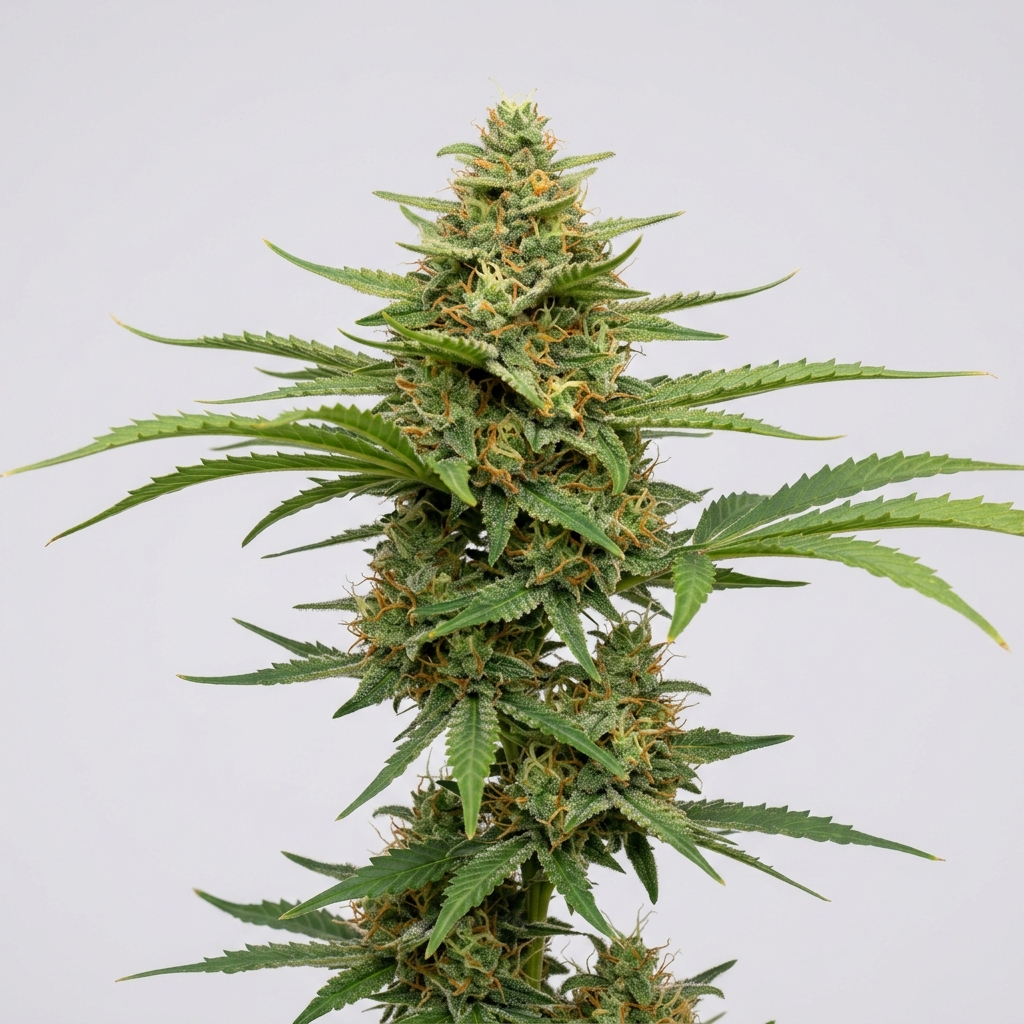
Pamir Gold (Cannabis Strain)
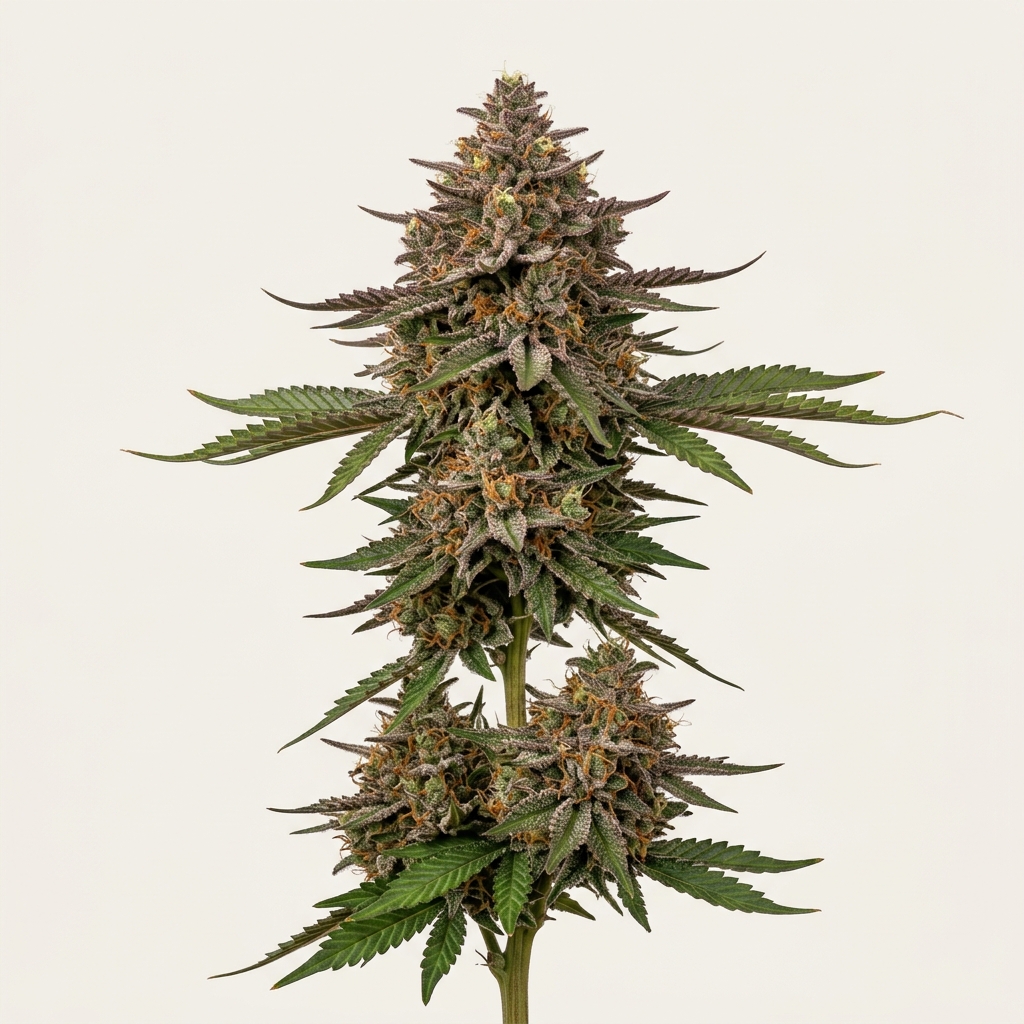
Pamir Gold is a resilient, landrace-derived hybrid engineered specifically for high-altitude outdoor cultivation. Originating from the western Himalayas and acclimated over years in the Swiss Alps, this cultivar delivers moderate potency, typically testing between 10% and 15% THC, combined with a sweet, orchard-fruit and herbal aroma. Its physical profile is characterized by sturdy spear colas, exceptional resistance to cold and mold, and a reliable, low-maintenance growth habit that thrives where most modern hybrids fail.
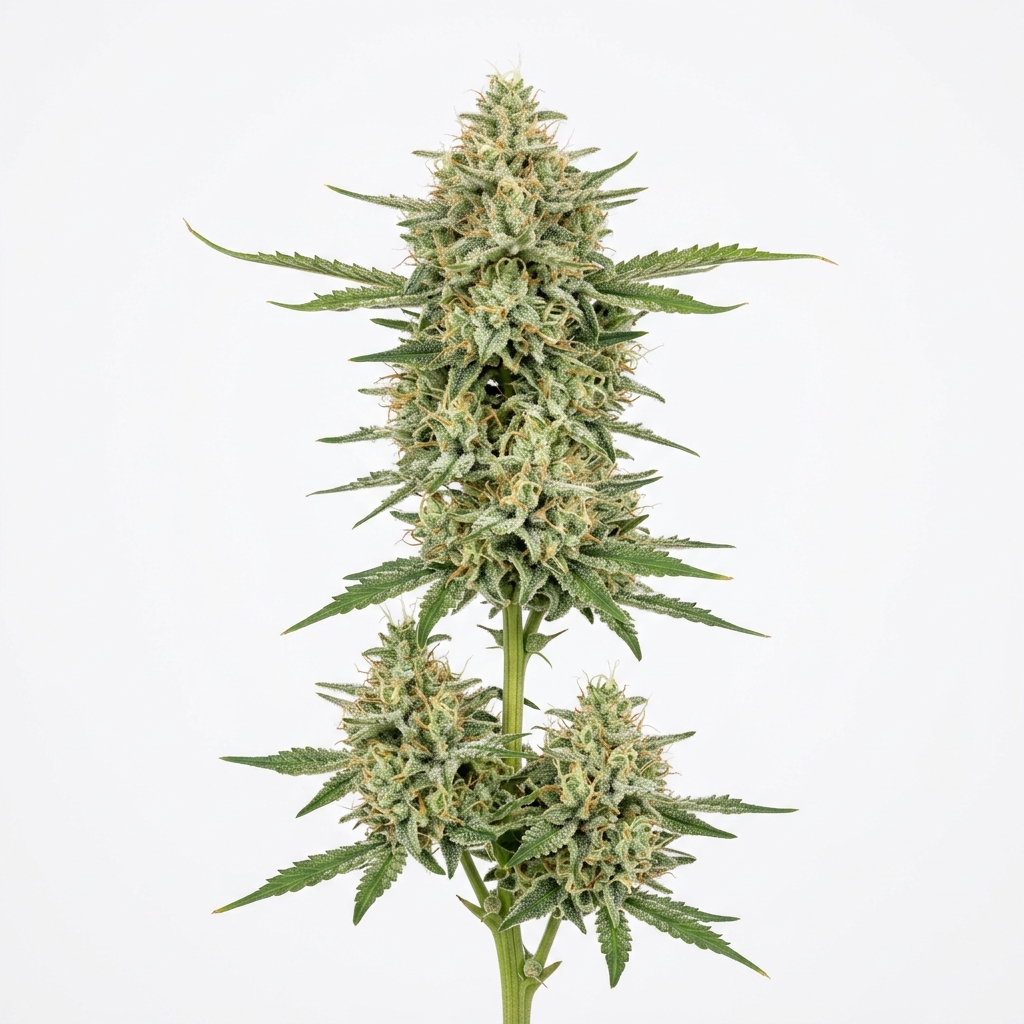
Developed for growers facing short, damp northern summers, the strain displays remarkable structural durability. The flowers mature with swollen calyxes and a fine dusting of resin that carries a distinct pear and spicy earth profile. It remains a staple for outdoor enthusiasts who prioritize crop security and functional, clear-headed effects over sheer THC density.
Quick Facts
| Trait | Details |
|---|---|
| Genetics | Western Himalayan Landrace (acclimated) |
| Variety | Indica-dominant hybrid (approx. 60/40) |
| THC Range | 10% – 15% |
| Flowering Time | 7 – 8 weeks (Early October outdoors) |
| Yield Potential | Moderate to High (especially outdoors) |
| Plant Height | Medium to Tall (1.5m – 2.5m outdoors) |
| Climate Preference | Cool, mountainous, temperate outdoor climates |
| Difficulty | Easy / Beginner-friendly |
Scientific & Botanical Overview
Botanically, Pamir Gold shows a robust hybrid morphology that leans toward its indica heritage in leaf structure but displays sativa-like stretch when planted directly in the ground. The internodal spacing is moderate, allowing sufficient airflow through the canopy to prevent moisture retention in the dense bracts. This physical adaptation is crucial for its high resistance to botrytis and powdery mildew during late-season temperature drops.
The strain’s resin production is steady rather than aggressive, producing small, glassy trichomes that cover the light green calyxes. Its chemical profile is dominated by classic monoterpenes that survive harsh environmental stressors, preserving the plant’s aromatic integrity under cold night temperatures. The stems are thick and fibrous, evolved to withstand high winds without requiring extensive support networks.
Cultivar stability is exceptionally high due to selective acclimation in alpine environments. Phenotypical variation is minimal, with most selections expressing the same hardy, cold-tolerant traits and predictable early October harvest window. This genetic consistency makes it a reliable choice for large-scale outdoor plots in marginal climates.
Effects & Use-Cases (Reported)
Commonly reported effects: Gentle physical relaxation, mild cerebral clarity, and a subtle mood lift without heavy sedation.
Use-case context: Ideal for daytime outdoor activities, physical labor, or social gatherings where functional focus is required.
Note: While its moderate THC levels make it highly approachable for beginners, the functional nature of the high means it may not satisfy those seeking intense, couch-locking physical sedation.
Aroma & Flavors
Aroma: Sweet pear, fresh peach, damp earth, and a subtle herbal spiciness.
Flavor: Smooth herbal tea, sweet orchard fruit, and a mild, peppery kush finish on the exhale.
Terpene associations:
Myrcene, Caryophyllene, and Pinene.
Tested Cannabinoid & Terpene Ranges
| Compound | Estimated Range |
|---|---|
| Δ9-THC | 10.0% – 15.0% |
| CBD | < 0.2% |
| Myrcene | 0.4% – 0.8% |
| Caryophyllene | 0.2% – 0.5% |
| Pinene | 0.1% – 0.3% |
Note: Cannabinoid and terpene profiles will vary based on altitude, soil composition, and UV exposure during the vegetative phase.
Cultivation Notes
- Humidity: Highly tolerant of late-season humidity, but performs best when kept under 55% RH during peak flower if grown indoors.
- Nutrition: Requires light to moderate feeding; excess nitrogen can lead to unnecessary vegetative stretch and loose bud structure.
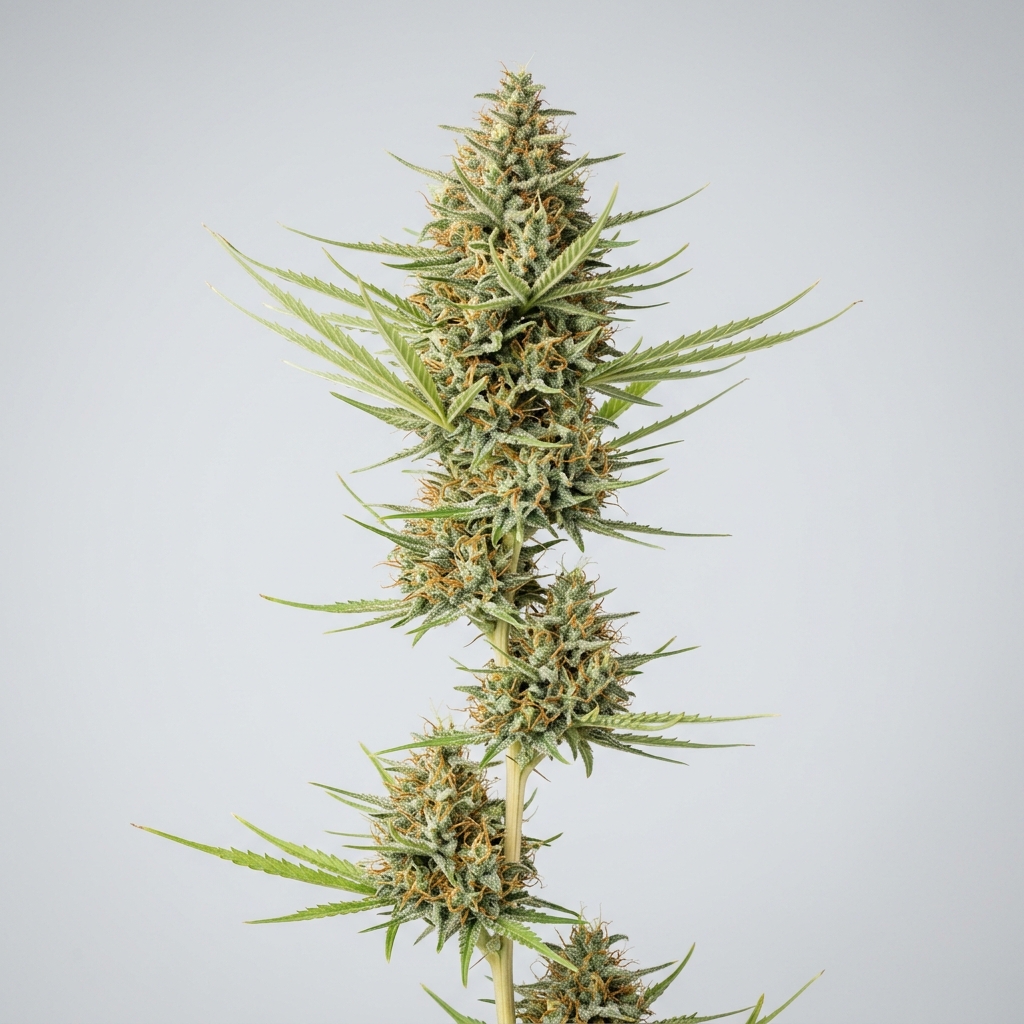
- Training: Responds well to simple topping to encourage lateral branching, though its natural Christmas-tree shape is highly wind-resistant.
- Harvest: Outdoors, harvest typically falls in early October in the Northern Hemisphere; indoors, flowers ripen fully in 50 to 56 days.
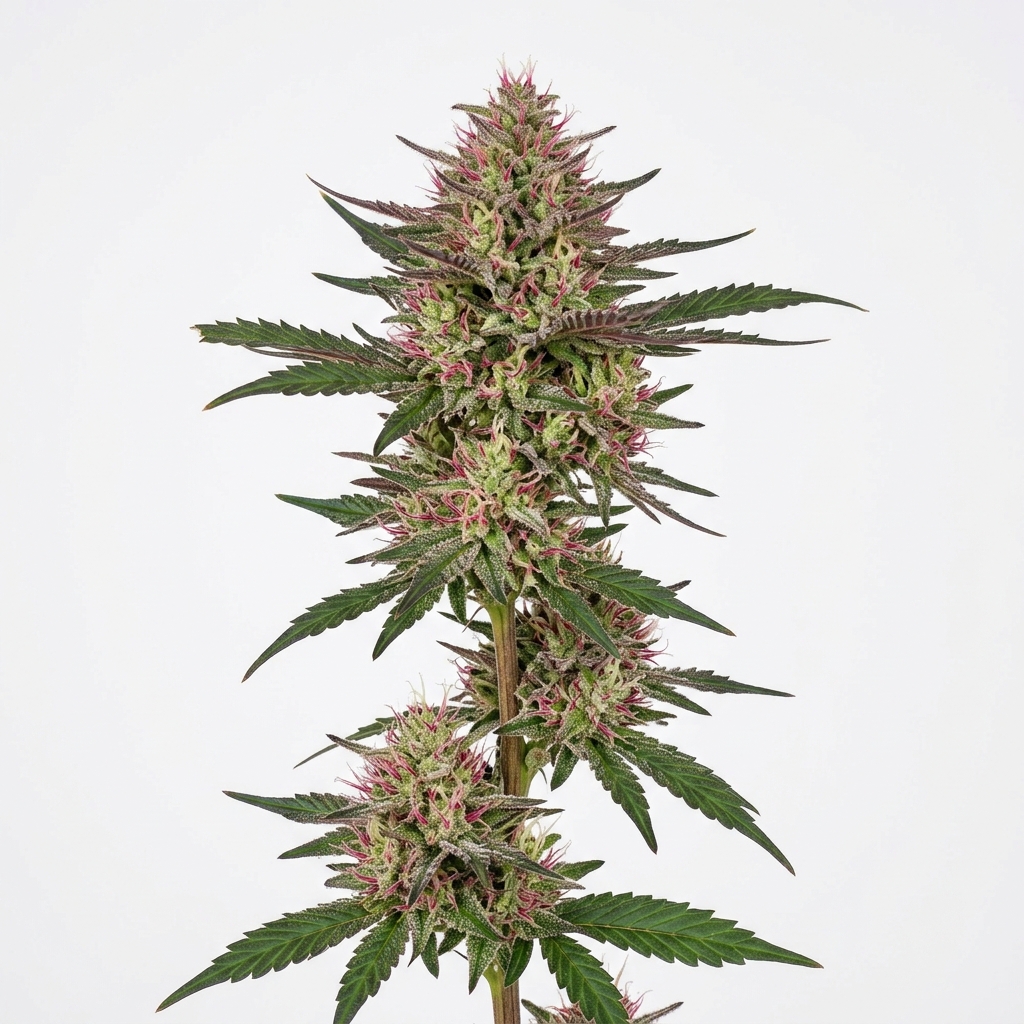
- Phenotype management: Keep an eye out for slight purple hues in cooler night temperatures, which often accompany a deeper sweet-berry aroma.
Grower Notes (Week-by-Week Snapshot)
- Weeks 1–3 (Vegetative & Early Stretch): The plant establishes a deep root system quickly. Outdoor plants will show moderate stretch, while indoor setups require early training to manage height.
- Weeks 4–6 (Mid-Flower Development): Spear-shaped colas begin to form along the main stems. Calyxes swell early, and a light coat of glassy resin starts to appear on the sugar leaves.
- Weeks 7–9 (Late Flower & Ripening): Resin production peaks, and the sweet pear aroma becomes highly pronounced. Flush with plain water during the final 10 days as pistils turn amber and trichomes turn milky.
Genetic Lineage
Pamir Gold was developed by Dutch Passion through a selective breeding program in the Swiss Alps during the late 1990s and early 2000s. The foundation of the genetic line is a hardy landrace hybrid sourced from the western Himalayan region, selected for its natural adaptation to high altitudes and short growing seasons.
By cross-referencing and acclimating these genetics over multiple generations in alpine conditions, breeders locked in the strain’s signature mold resistance and cold tolerance. The resulting cultivar retains its wild Himalayan resilience while offering the improved flower structure and sweet flavor profile demanded by modern European growers.
Research Insights
Phytochemical analysis of Pamir Gold highlights a classic terpene profile rich in myrcene and caryophyllene, which contributes to its earthy, soothing qualities. The presence of pinene supports the reported clear-headed, functional effects, mitigating the potential for brain fog or heavy lethargy often associated with high-THC indica landraces.
Agricultural research into alpine-acclimated cultivars suggests that UV-B exposure at high elevations can stimulate terpene synthesis and enhance overall plant defense mechanisms. While Pamir Gold maintains its mold resistance indoors, its full aromatic potential is often unlocked when grown under natural sunlight in its preferred outdoor environments.
Frequently Asked Questions
Is Pamir Gold suitable for indoor growing?
Yes, though it was bred specifically for outdoor environments, it can be grown successfully indoors. Indoor growers should manage its height with training and expect a fast 7- to 8-week flowering cycle.
How mold-resistant is Pamir Gold?
It is exceptionally mold-resistant. The strain was acclimated in the damp, cold Swiss Alps, making it one of the most reliable options for outdoor growers in climates prone to autumn rains.
What does Pamir Gold taste like?
The flavor is notably sweet and herbal, resembling ripe pears and peaches with a mild, earthy, and slightly spicy finish on the exhale.
What are the typical effects of Pamir Gold?
It offers a mild, functional, and clear-headed physical relaxation. Because its THC levels are moderate (10%-15%), it rarely induces heavy sedation or anxiety.
Educational Disclaimer
This article is for educational and informational purposes only. Cultivation and consumption of cannabis are subject to local laws and regulations. Always consult with local guidelines before initiating any cultivation project.
Rate and review this strain
Ratings and reviews are accepted only from signed-in Google accounts.
Sign in with Google to leave a rating and written review.
Latest Reviews
0 reviewsNo reviews yet. Be the first Google user to rate and review this strain.