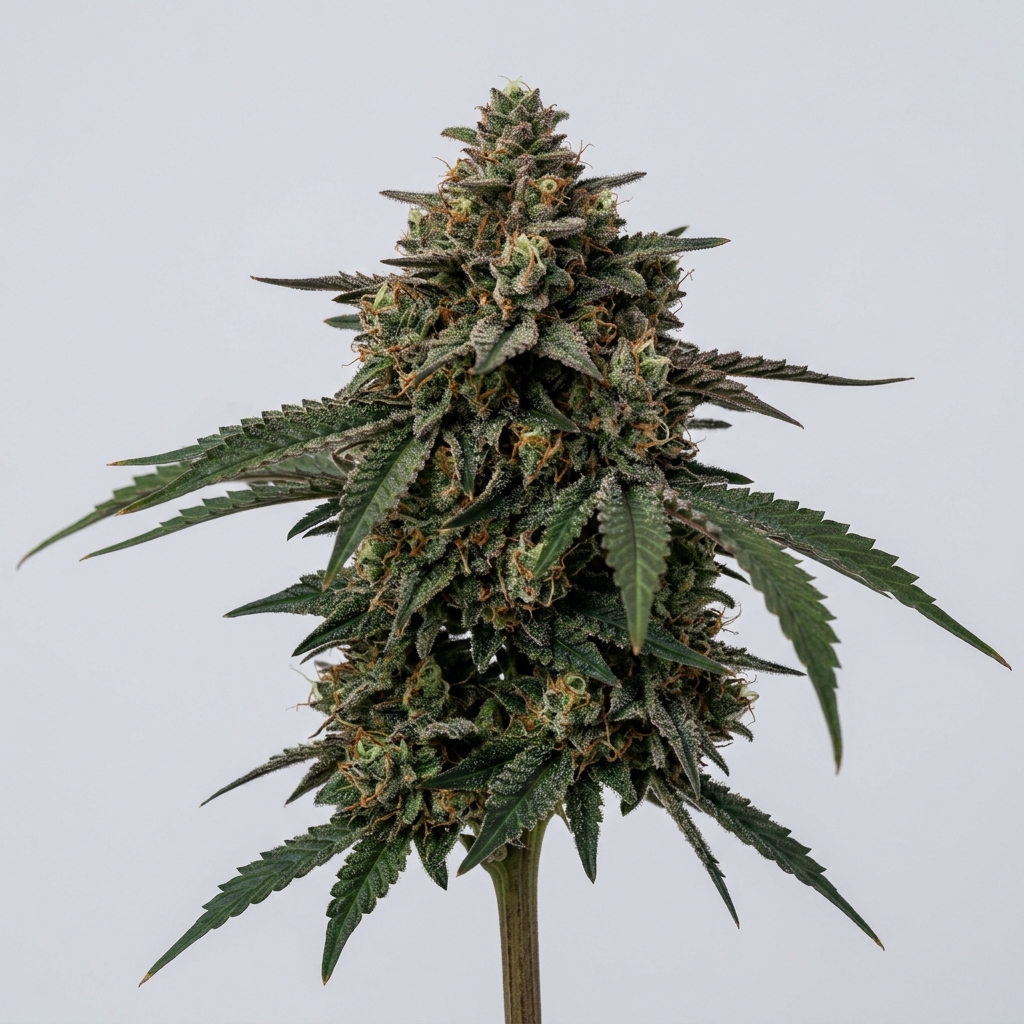
Ortega Indica (Cannabis Strain)
Ortega Indica is a classic, pure indica cultivar testing between 15% and 22% THC, derived from a heritage pairing of Northern Lights #1 and Northern Lights #5. Known for its dense, resin-rich flowers and compact growth habit, this variety delivers a deeply relaxing, physical profile carrying a signature aroma of sweet hash, dark berry, and spicy herbal undertones. It represents the quintessential old-school indica, favored by growers who value fast finishing times, heavy resin production, and reliable evening-oriented effects.
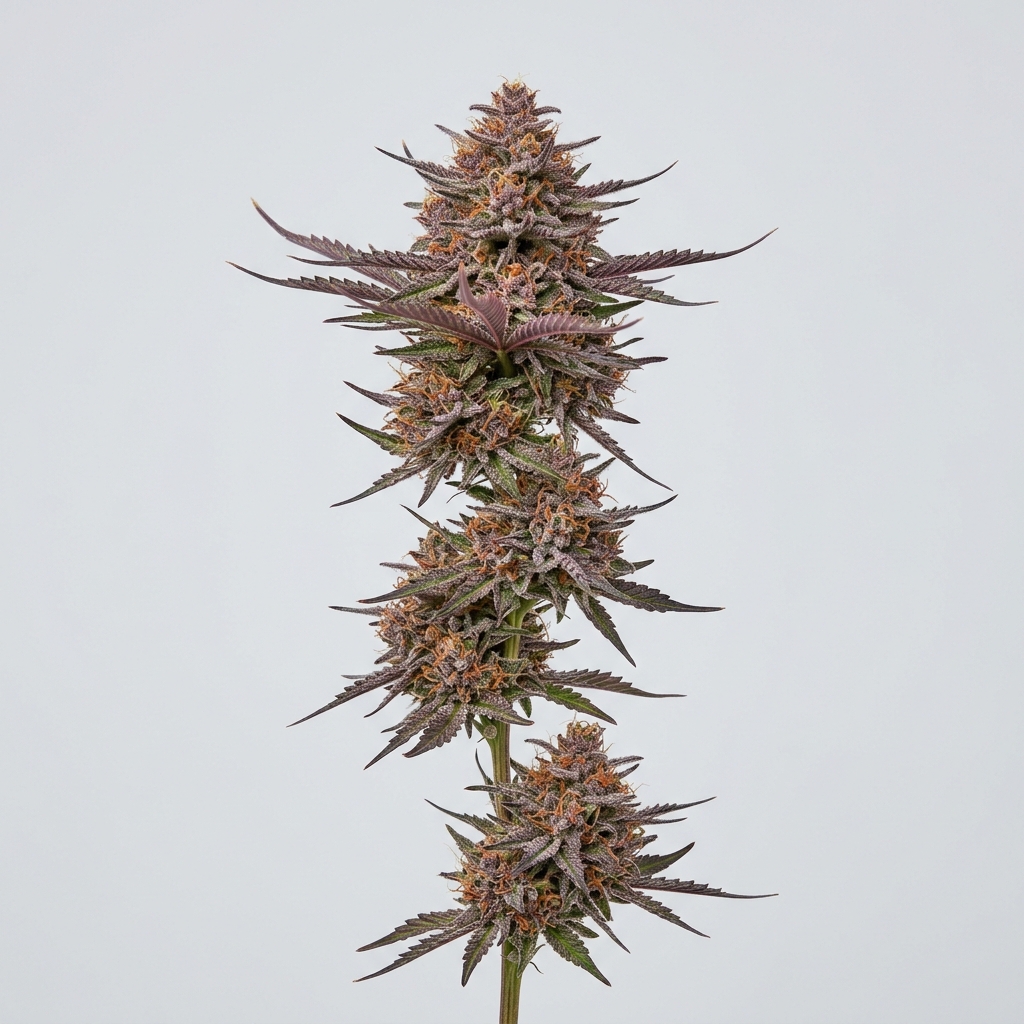
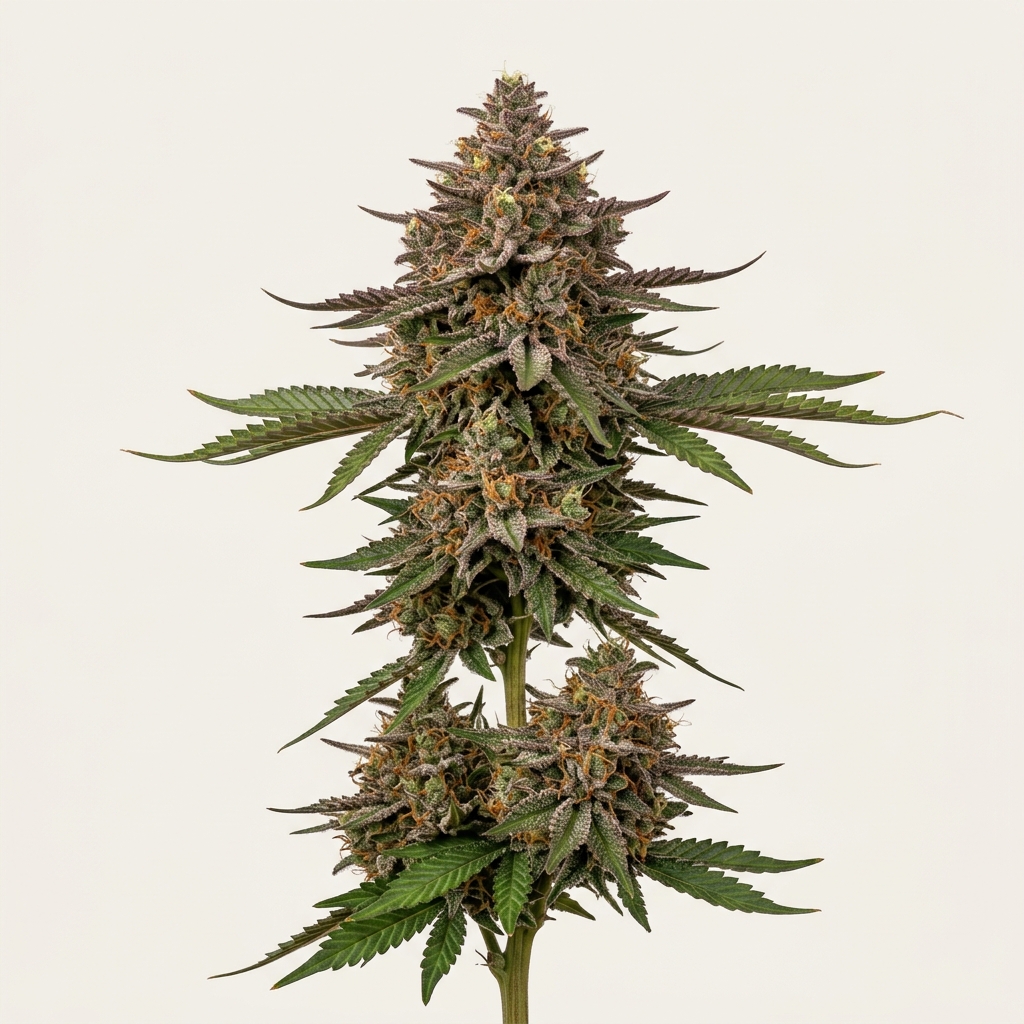
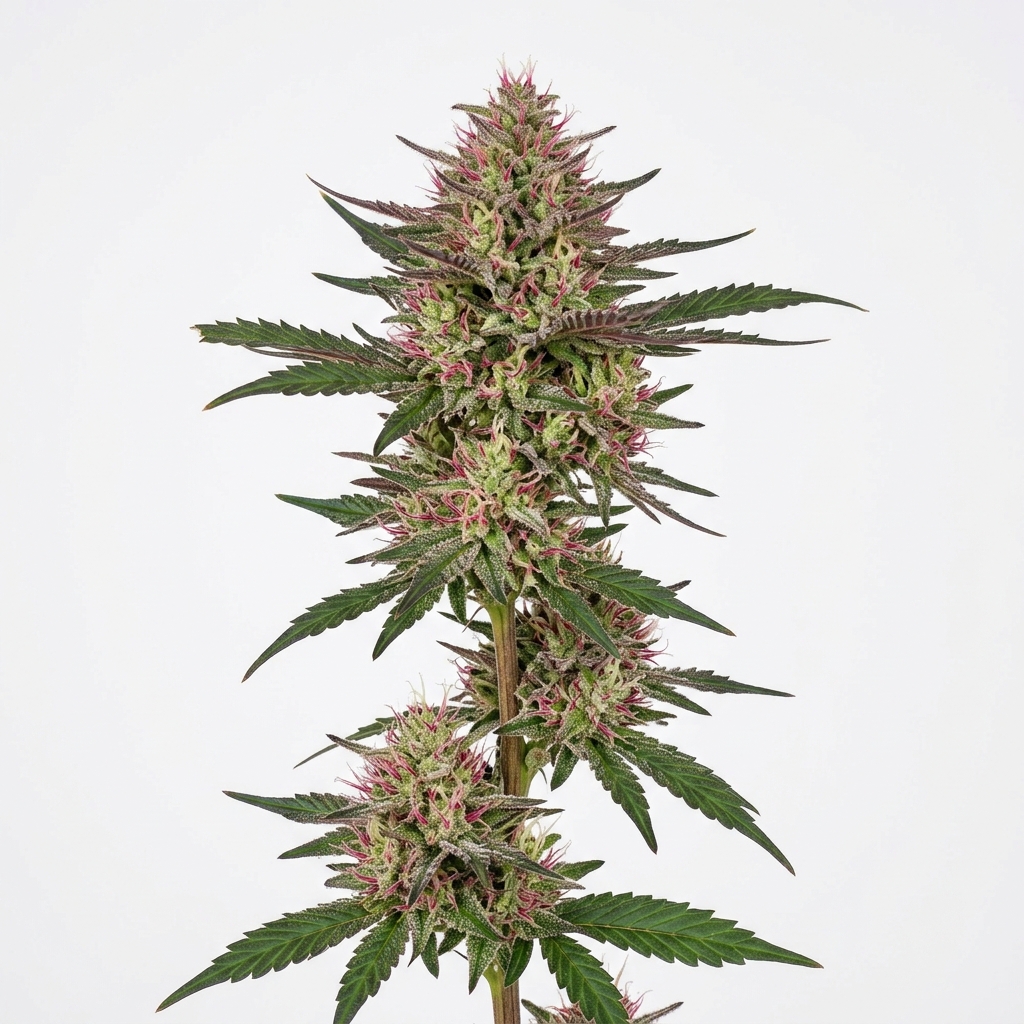
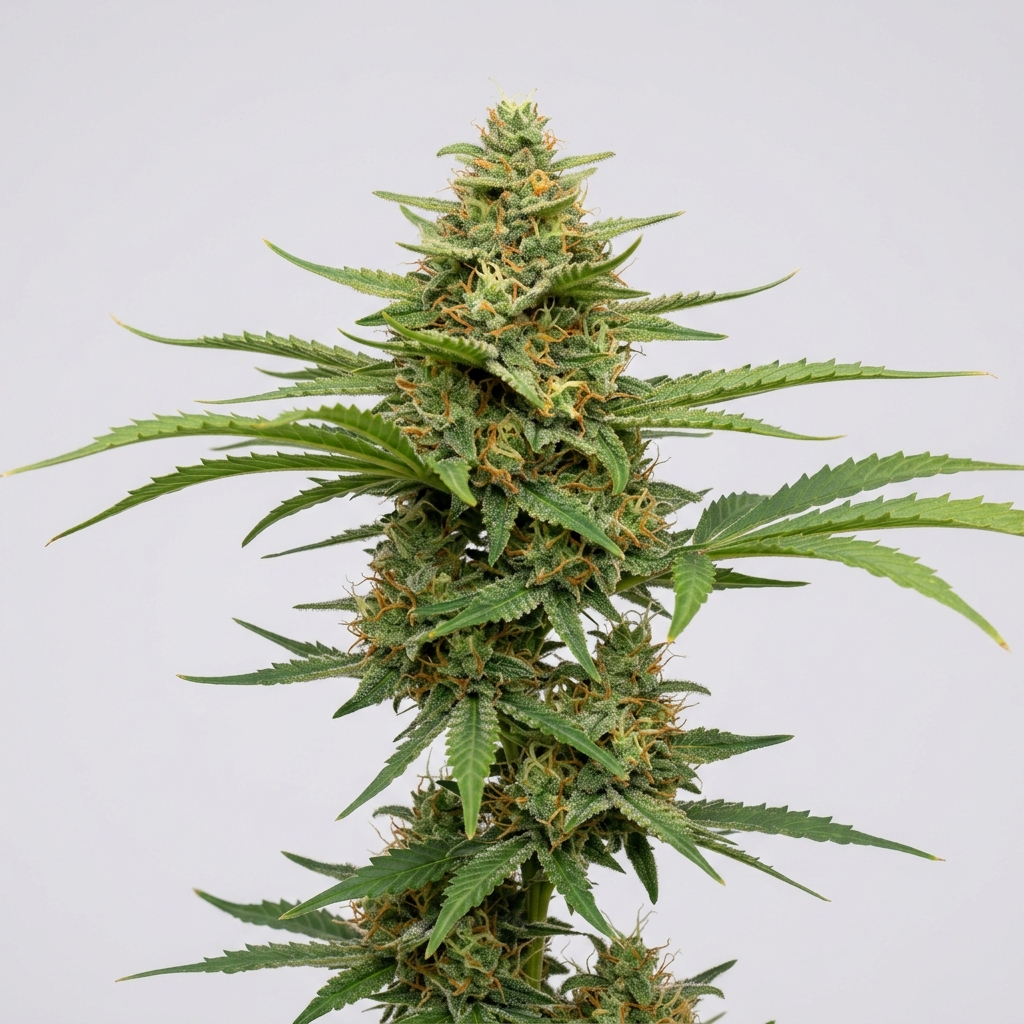
Unlike modern, highly-stretched hybrids, this cultivar maintains a stout, stocky stature with broad fan leaves and tight internodal spacing. Its greasy resin layer coats swollen calyxes that turn deep forest green, occasionally showing plum undertones under cooler night temperatures. For cultivators and connoisseurs alike, it remains a foundational benchmark for pure indica genetics.
Quick Facts
| Attribute | Details |
|---|---|
| Genetics | Northern Lights #1 × Northern Lights #5 |
| Variety | 100% Indica |
| THC Range | 15% – 22% |
| Flowering Time | 6 – 8 Weeks (42 – 56 Days) |
| Yield Potential | Moderate to High |
| Plant Height | Short (Compact) |
| Climate Preference | Temperate, dry, cool nights |
| Difficulty | Easy to Moderate |
Scientific & Botanical Overview
Ortega Indica shows classic landrace-derived morphology, characterized by a low-profile canopy, thick woody stems, and massive fan leaves that maximize light absorption. The internodal spacing is remarkably short, leading to a dense, singular main cola if left untrained. This tight structure demands careful environmental monitoring to prevent stagnant microclimates within the lower canopy.
The cultivar’s reproductive phase is rapid, often finishing in as little as six to eight weeks. During late flower, the bracts swell significantly, producing a high density of capitate-stalked trichomes that exude a sticky, greasy resin. This heavy resin coverage serves as a natural defense mechanism, characteristic of its high-altitude Afghani ancestry.
Anthocyanin accumulation is common in late flower, especially when night temperatures drop below 65°F (18°C). This causes the deep green foliage and dense bracts to develop subtle purple and blue hues. The overall plant structure remains rigid, rarely requiring heavy support compared to lanky modern sativas.
Effects & Use-Cases (Reported)
Commonly reported effects: Deep physical relaxation, heavy sedation, and a calming mental ease. Users frequently note a rapid transition from a mild, warming body buzz to a profound state of physical stillness, making it highly effective for late-evening use.
Use-case context: This cultivar is traditionally selected for nighttime wind-down routines, sleep preparation, and physical comfort. Its heavy-handed nature makes it less suitable for daytime activities or tasks requiring high mental focus.
Note: Individual responses to cannabis cultivars vary significantly based on personal biochemistry, dosage, and tolerance levels.
Aroma & Flavors
Aroma: Deeply earthy with a sweet, overripe berry edge and a sharp, spicy hash undertone that intensifies upon grinding the dried flowers.
Flavor: A smooth blend of herbal pine and rich, dark fruit on the inhale, leaving a lingering spice and dry earth finish on the palate.
Terpene associations: Dominant in myrcene, supported by caryophyllene and pinene, which contribute to its grounding, forest-like aromatic profile.
Tested Cannabinoid & Terpene Ranges
| Compound | Typical Range |
|---|---|
| Δ9-THC | 15.0% – 22.0% |
| CBD | < 1.0% |
| Myrcene | 0.6% – 1.2% |
| Caryophyllene | 0.3% – 0.7% |
| Pinene | 0.2% – 0.5% |
The listed ranges represent common analytical profiles from mature flower samples. Actual cannabinoid and terpene concentrations vary depending on environmental conditions, cultivation methods, and specific phenotypes.
Cultivation Notes
- Humidity: Maintain vegetative relative humidity (RH) around 55-60%, but drop it strictly to 40-45% during mid-to-late flower to protect the dense, compact colas from moisture retention.
- Nutrition: Responds well to moderate feeding schedules; avoid excessive nitrogen during early flower to prevent leafy bud structures.
- Training: Highly responsive to selective defoliation of broad fan leaves to improve airflow and light penetration to lower bud sites.
- Harvest: Harvest when trichomes are mostly milky white with about 10-15% amber to maximize its sedative qualities.
- Phenotype management: Look for phenotypes that exhibit the quickest flowering time while maintaining the signature sweet, berry-hash aroma.
Grower Notes (Week-by-Week Snapshot)
- Weeks 1–3 (Vegetative & Transition): Growth is slow and stocky. Focus on building a strong root system and top early to encourage lateral branching, as the stretch is minimal (typically doubling in size at most).
- Weeks 4–6 (Mid-Flower): Dense flower clusters form quickly along the main stem. Keep airflow high and prune lower, non-productive growth to direct energy to the upper canopy.
- Weeks 7–8 (Late Flower & Ripening): Calyxes swell rapidly and resin production peaks, turning the buds sticky and greasy. Lower night temperatures to stimulate color expression and flush thoroughly to preserve the clean, herbal flavor.
- Post-Harvest (Dry & Cure): Hang whole plants at 60°F (15°C) and 60% RH for 10-14 days. A slow cure of at least 21 days in sealed glass jars is essential to unlock the deep berry and spicy hash notes.
Genetic Lineage
Ortega Indica is a masterfully preserved backcross, widely attributed to the legendary breeding work of Shantibaba and Mr. Nice Seedbank. It draws its heritage directly from Northern Lights #1 and Northern Lights #5, two foundational Afghani-derived indica lines that revolutionized indoor breeding in the 1980s.
By crossing these elite selections, breeders stabilized a phenotype that highlights the best traits of pure landrace indicas: short stature, rapid flowering, and a heavy, resinous flower structure. This lineage ensures a highly stable genetic profile, making it a reliable choice for breeding projects aimed at introducing physical potency and fast finishing times.
Research Insights
Research into Ortega Indica often centers on its high concentration of myrcene and caryophyllene, terpenes known for their potential synergistic interaction with cannabinoids to promote physical relaxation. The cultivar’s specific ratio of these compounds is often studied as a classic example of the “entourage effect” in pure indica varieties.
Furthermore, its stable, non-hybridized growth characteristics make it a valuable subject for genetic mapping of landrace-derived traits. Researchers use cultivars like Ortega to study ancestral resistance to environmental stressors and the genetic pathways responsible for heavy resin production in arid climates.
Frequently Asked Questions
Is Ortega Indica a pure indica?
Yes, Ortega Indica is widely recognized as a 100% pure indica cultivar, bred from pure Afghani-derived Northern Lights phenotypes.
How long does Ortega Indica take to flower?
This cultivar is a fast finisher, typically completing its flowering cycle in 6 to 8 weeks (42 to 56 days) when grown indoors.
What does Ortega Indica smell like?
It features a rich, old-school aroma of sweet hash, dry earth, and deep, dark berries, accented by a spicy herbal finish.
Is Ortega Indica suitable for beginner growers?
Yes. Its compact size, sturdy branches, and rapid flowering make it highly manageable, though growers must monitor humidity closely due to its dense buds.
Educational Disclaimer
This content is for educational and informational purposes only. It is not intended as medical advice or as encouragement to engage in illegal activities. Always consult with a qualified healthcare professional before using cannabis products, and ensure compliance with local laws and regulations regarding cultivation and consumption.
Rate and review this strain
Ratings and reviews are accepted only from signed-in Google accounts.
Sign in with Google to leave a rating and written review.
Latest Reviews
0 reviewsNo reviews yet. Be the first Google user to rate and review this strain.