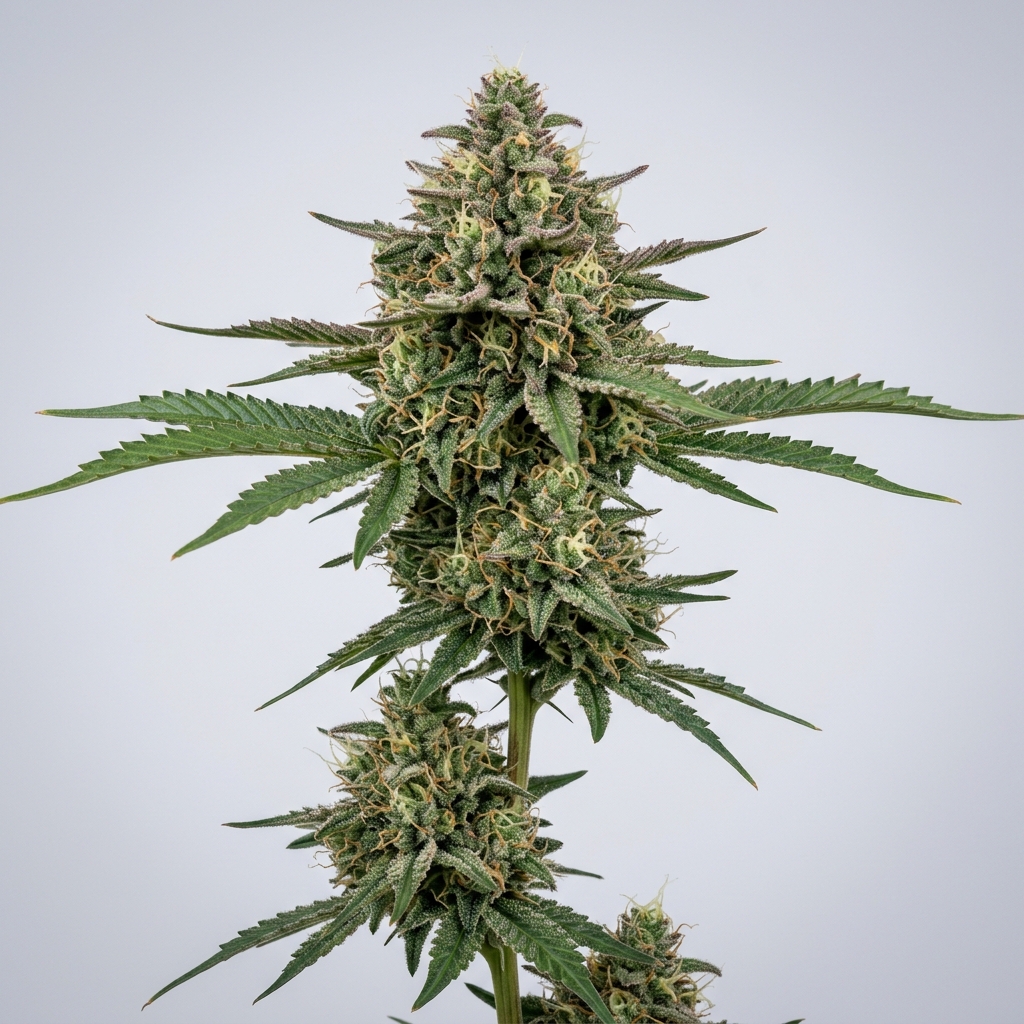
Triple Cheese (Cannabis Strain)
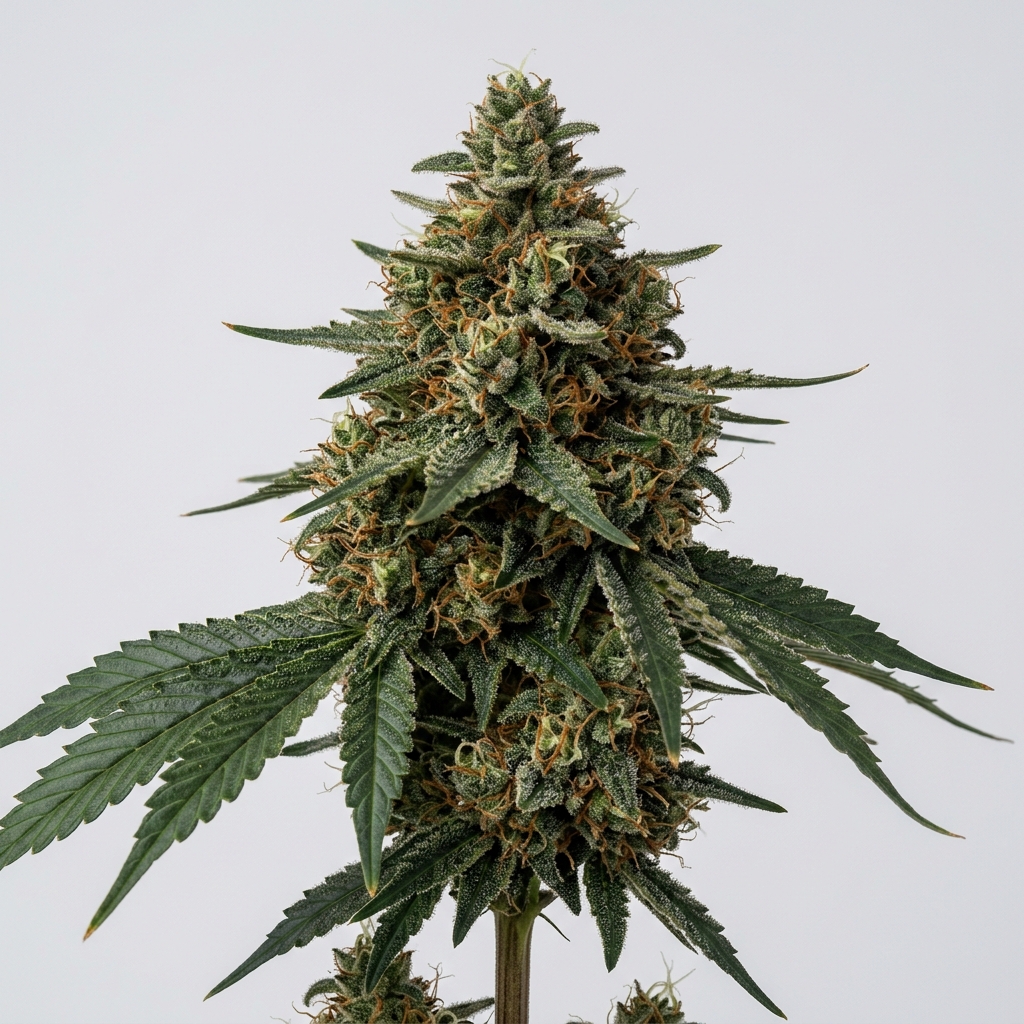
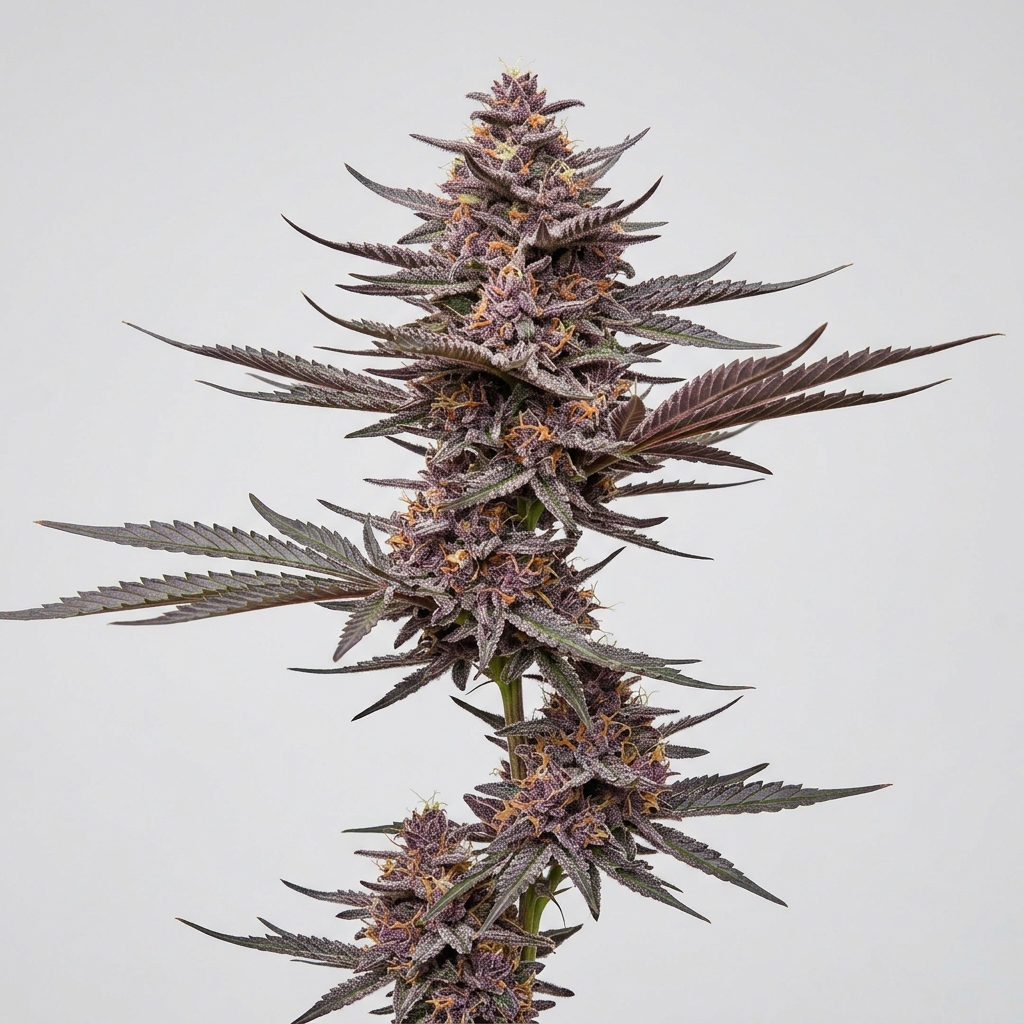
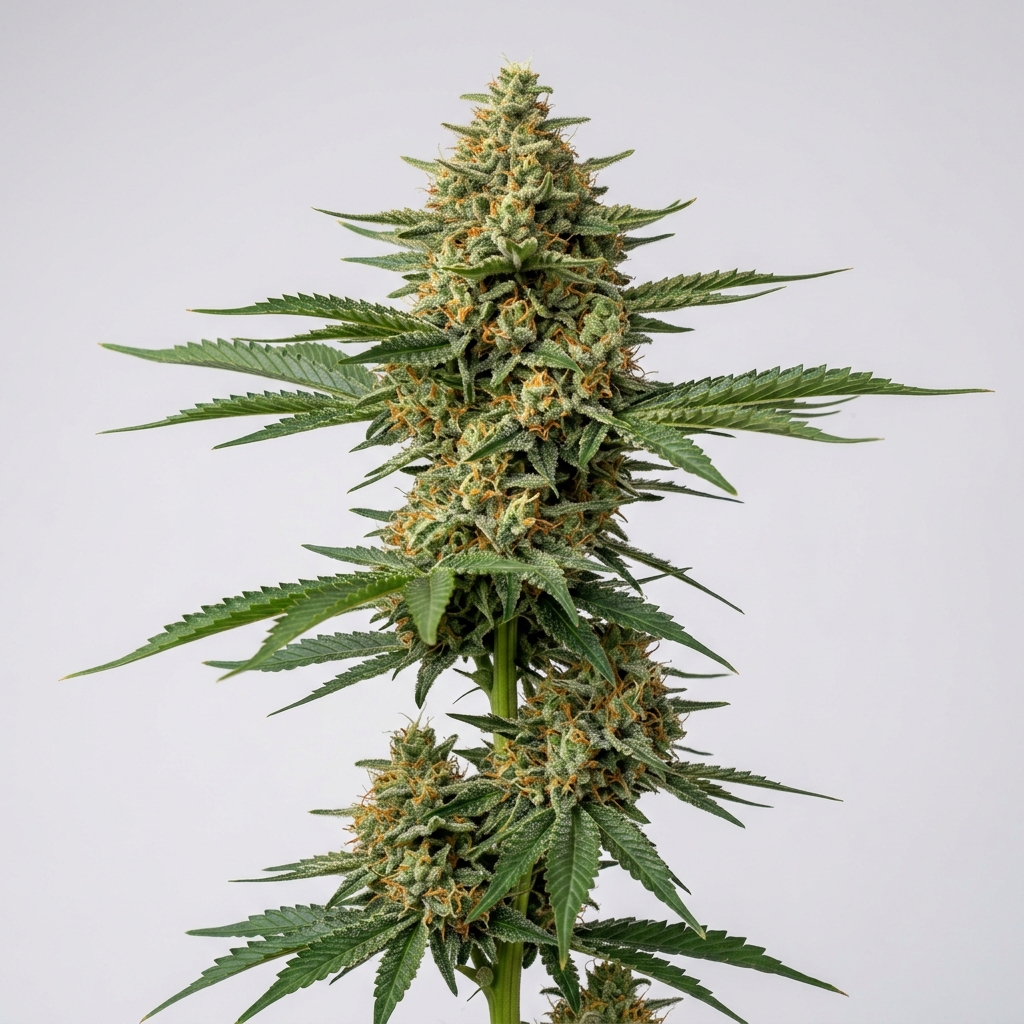
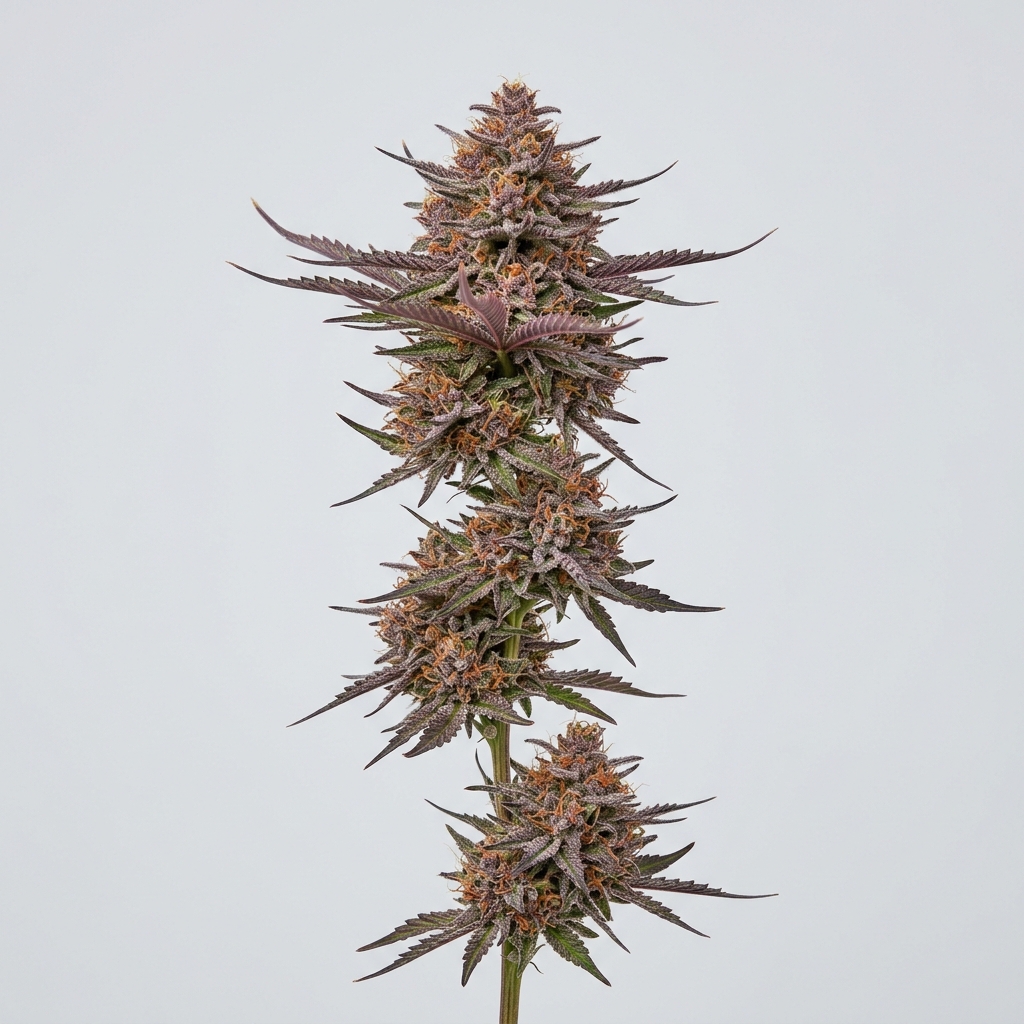
Triple Cheese is an indica-dominant cultivar (typically testing between 20% and 24% THC) created by crossing a select Blue Cheese phenotype with an old-school Cheese backcross. This heavy evening hybrid is celebrated for its intense sour dairy aroma, sweet berry undertones, and remarkable resin output. Structurally, the plant remains stocky and manageable, producing dense, heavy spear colas packed with swollen calyxes and a thick layer of greasy resin.
Cultivators favor the variety for its short flowering cycle and high yield potential, though the heavy weight of its mature buds often requires physical support in late bloom. For consumers, it delivers a deep, relaxing physical experience that reflects its classic UK Cheese heritage.
Quick Facts
| Field | Details |
|---|---|
| Genetics | Blue Cheese × Cheese |
| Variety | Indica-dominant Hybrid (80/20) |
| THC Range | 20% – 24% |
| Flowering Time | 50 – 55 Days |
| Yield Potential | High |
| Plant Height | Short to Medium |
| Climate Preference | Mild, temperate, low late-flower humidity |
| Difficulty | Easy to Moderate |
Scientific & Botanical Overview
Botanically, this cultivar shows classic indica morphology, characterized by broad fan leaves, tight internodes, and a stout, bushy stature. The plant allocates its energy into thick lateral branches that support dense, compact floral clusters rather than stretching vertically. This compact growth habit makes it highly suited for indoor environments with limited vertical space.
During the generative stage, the bracts swell significantly, creating heavy, tightly packed colas that limit airflow within the canopy. This dense structure requires careful environmental control, particularly during the final weeks of bloom to prevent moisture retention. The leaf-to-bud ratio is relatively low, simplifying the trimming process post-harvest.
The resin profile is highly concentrated, with trichomes maturing into a sticky, greasy layer that covers both the flowers and surrounding sugar leaves. This heavy resin production makes the cultivar a popular choice for solventless extraction methods, yielding concentrates that retain a distinct terpene clarity.
Effects & Use-Cases (Reported)
Commonly reported effects: Users frequently describe a heavy, warming physical sensation that begins in the limbs and settles into a deep, tranquil state. This physical relaxation is accompanied by a calm, slow-paced mental ease that helps quiet active thoughts without immediate sedation.
Use-case context: Given its deeply relaxing nature, this cultivar is best suited for late evening use, wind-down routines, or quiet rest. It is less ideal for daytime activities requiring high physical energy or sharp focus.
Note: Individual experiences may vary based on tolerance, dosage, and specific phenotype chemistry.
Aroma & Flavors
Aroma: Pungent and sharp, dominated by sour dairy, aged cheddar, and a damp, earthy skunk base. A subtle sweet berry undertone softens the heavy funk.
Flavor: Rich and savory, coating the palate with a creamy, blue-cheese funk on the inhale, followed by a sweet, slightly tart berry finish.
Terpene associations:
Myrcene provides the deep, earthy foundation, while caryophyllene adds a spicy, fuel-like edge, and limonene contributes a faint citrus lift.
Tested Cannabinoid & Terpene Ranges
| Compound | Tested Range |
|---|---|
| Δ9-THC | 20.0% – 24.0% |
| CBD | < 1.0% |
| Myrcene | 0.5% – 1.2% |
| Caryophyllene | 0.3% – 0.8% |
| Limonene | 0.2% – 0.5% |
Note: Cannabinoid and terpene levels are highly variable and depend on specific cultivation practices, curing methods, and phenotype variation.
Cultivation Notes
- Humidity Control: Keep relative humidity (RH) below 45% during the final three weeks of flowering to protect the dense, heavy colas from moisture buildup.
- Structural Support: Due to the extreme weight of the maturing spear colas, trellis netting or bamboo stakes are highly recommended to prevent branch breakage.
- Pruning & Defoliation: Implement strategic defoliation early in flower to improve light penetration and airflow through the dense, bushy canopy.
- Nutrient Regimen: This cultivar responds well to moderate-to-heavy feeding, particularly during the mid-flowering bulk phase, but requires a thorough flush to preserve flavor.
- Phenotype Selection: Look for phenotypes that exhibit the classic sharp cheese aroma early in bloom while maintaining a sturdy, self-supporting frame.
Grower Notes (Week-by-Week Snapshot)
- Weeks 1–3 (Transition & Early Bloom): The plant undergoes a controlled stretch, usually doubling in height. Focus on tucking broad fan leaves and establishing the primary canopy level under a trellis.
- Weeks 4–6 (Mid-Bloom & Bulking): Flowers begin to stack rapidly, forming dense clusters. The distinct sour dairy aroma becomes noticeable, and trichomes start coating the calyxes. Ensure support structures are in place.
- Weeks 7–8+ (Late Bloom & Ripening): The buds swell significantly, showing wet frost and amber-tinted trichomes. Reduce humidity to its lowest level and monitor the inner colas closely as you prepare for harvest.
- Post-Harvest (Slow Dry & Cure): A slow dry at 60°F (15°C) and 60% RH for 10 to 14 days is essential to lock in the volatile cheese terpenes and ensure a smooth burn.
Genetic Lineage
The lineage of this cultivar is rooted in the legendary UK Cheese family, a line famous for its distinct, savory terpene profile. By selecting a high-performing Blue Cheese phenotype—itself a cross of Blueberry and Cheese—breeders established a sweet, berry-infused foundation.
To amplify the savory, pungent characteristics, this selection was backcrossed with a powerful, old-school Cheese parent. This deliberate genetic pairing stabilized the short, stout growth habit while intensifying the signature sour dairy aroma that defines the cultivar today.
Research Insights
Analytical testing of this lineage reveals a unique terpene distribution where high concentrations of myrcene and caryophyllene work alongside trace amounts of linalool. This specific combination is often studied for its potential to produce a deep physical calm, commonly referred to as the entourage effect.
The cultivar’s rapid resin development in early flower also serves as a subject of interest for breeding programs focused on solventless extraction. The mechanical structure of its trichomes, featuring large, stable heads, allows for clean separation during the washing process.
Frequently Asked Questions
Is Triple Cheese hard to grow?
No, it is generally considered an easy-to-moderate strain to cultivate. Its short stature and robust nature make it forgiving for beginners, though growers must manage late-flower humidity to protect its dense buds.
What does Triple Cheese smell like?
The strain features an intense, savory aroma of aged cheese and sour dairy, balanced by a subtle sweet berry undertone inherited from its Blue Cheese parent.
How long does Triple Cheese take to flower?
This cultivar has a relatively fast flowering time, typically ripening within 50 to 55 days (approximately 7 to 8 weeks) when grown indoors.
What are the typical effects of this strain?
It primarily delivers a deeply relaxing physical sensation coupled with a calm, peaceful mindset, making it ideal for evening use or winding down.
Educational Disclaimer
This content is for educational and informational purposes only. Cannabis laws and regulations vary by jurisdiction. Always consult with a qualified professional before making any cultivation or consumption decisions.
Rate and review this strain
Ratings and reviews are accepted only from signed-in Google accounts.
Sign in with Google to leave a rating and written review.
Latest Reviews
0 reviewsNo reviews yet. Be the first Google user to rate and review this strain.