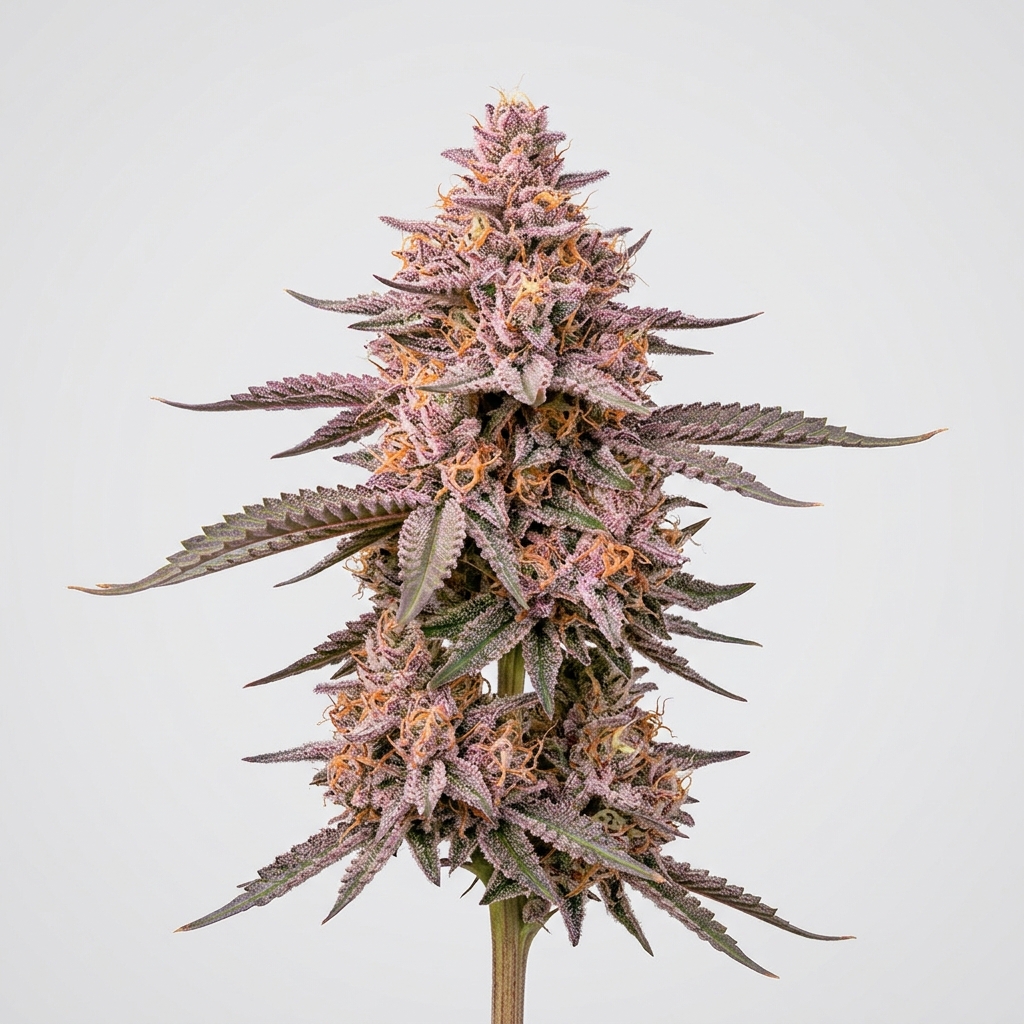
Pink Guava (Cannabis Strain)
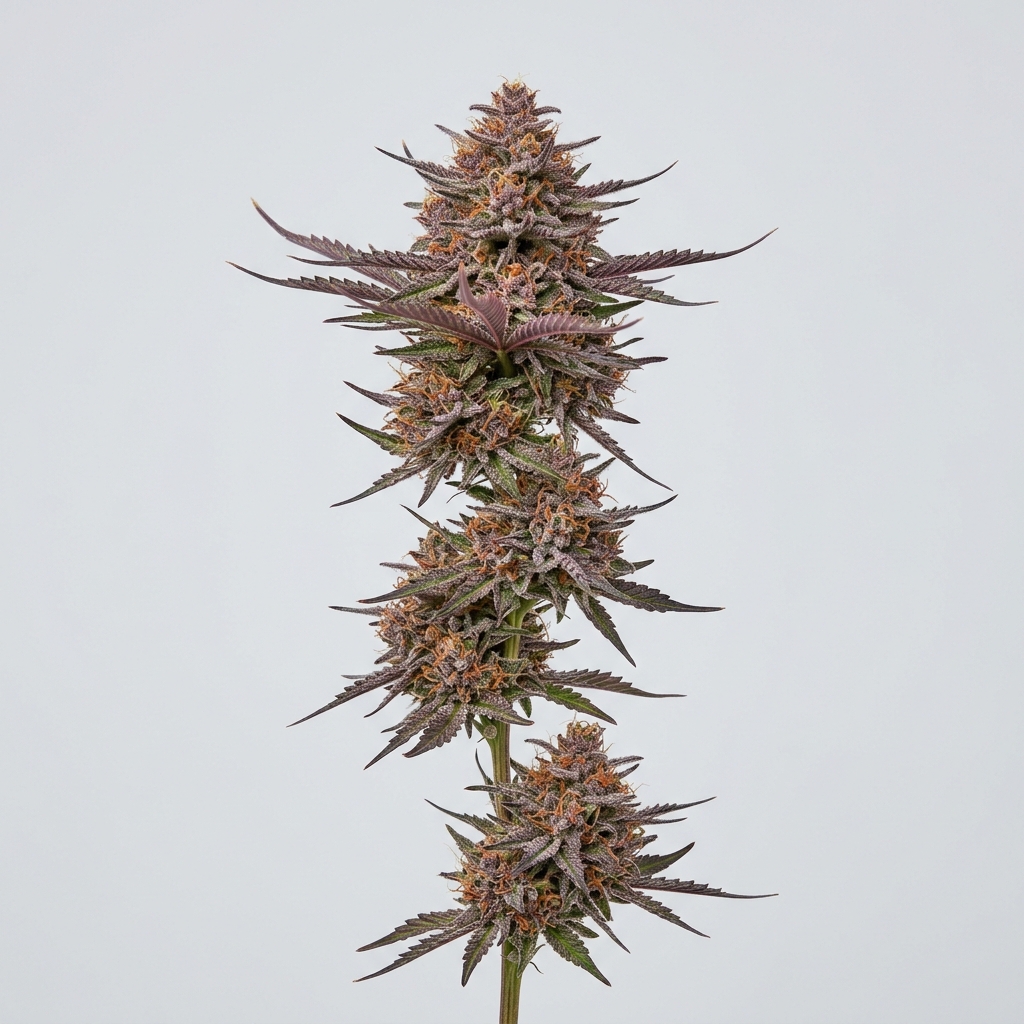
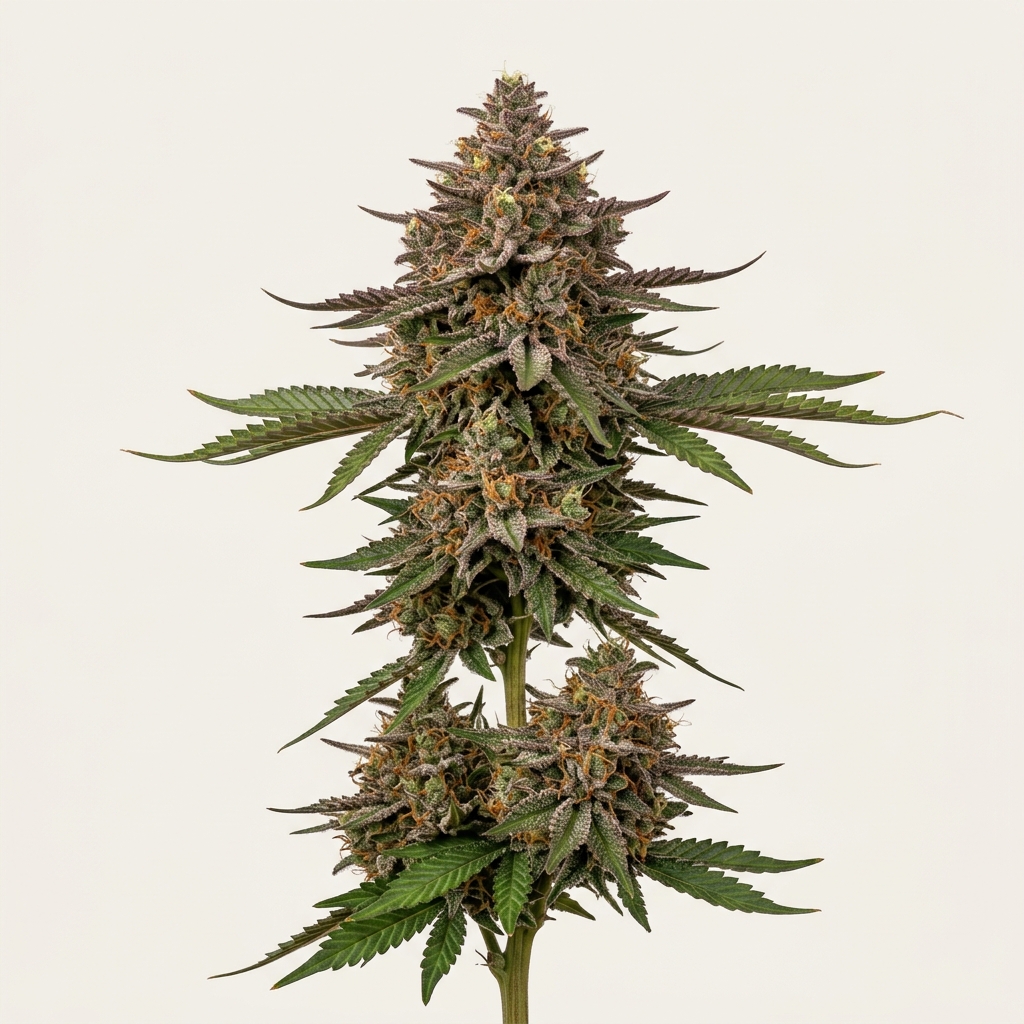
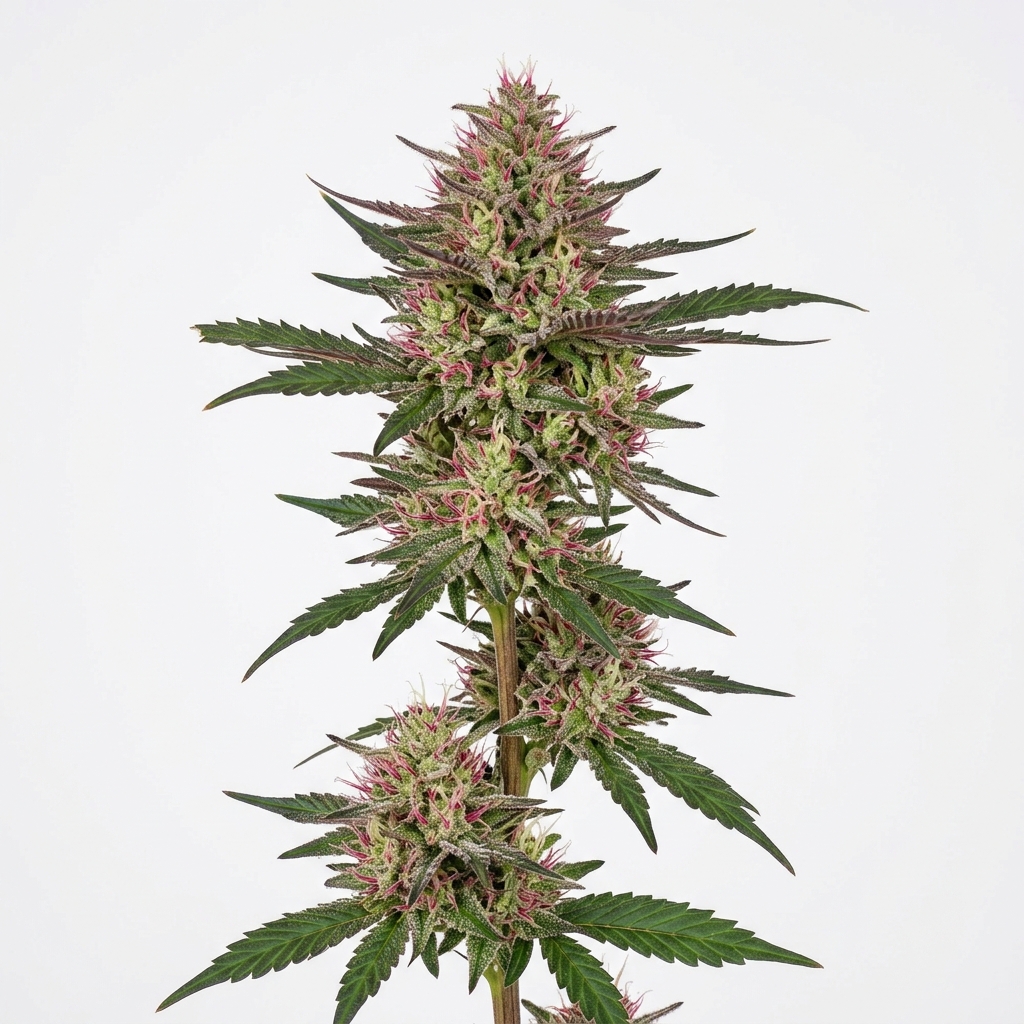
Pink Guava is a premium, tropical-forward hybrid strain typically testing between 20% and 26% THC, celebrated for its intense fruit-sweetness and exceptional resin density. Originating from select California breeding lines, this cultivar delivers a distinctive profile of ripe guava, tart citrus, and a subtle gas finish, making it a favorite for extraction-grade resin. The plant displays classic indica-leaning structural traits, producing dense, spear-shaped colas that exhibit vibrant pink and deep violet hues under optimal late-flower conditions.
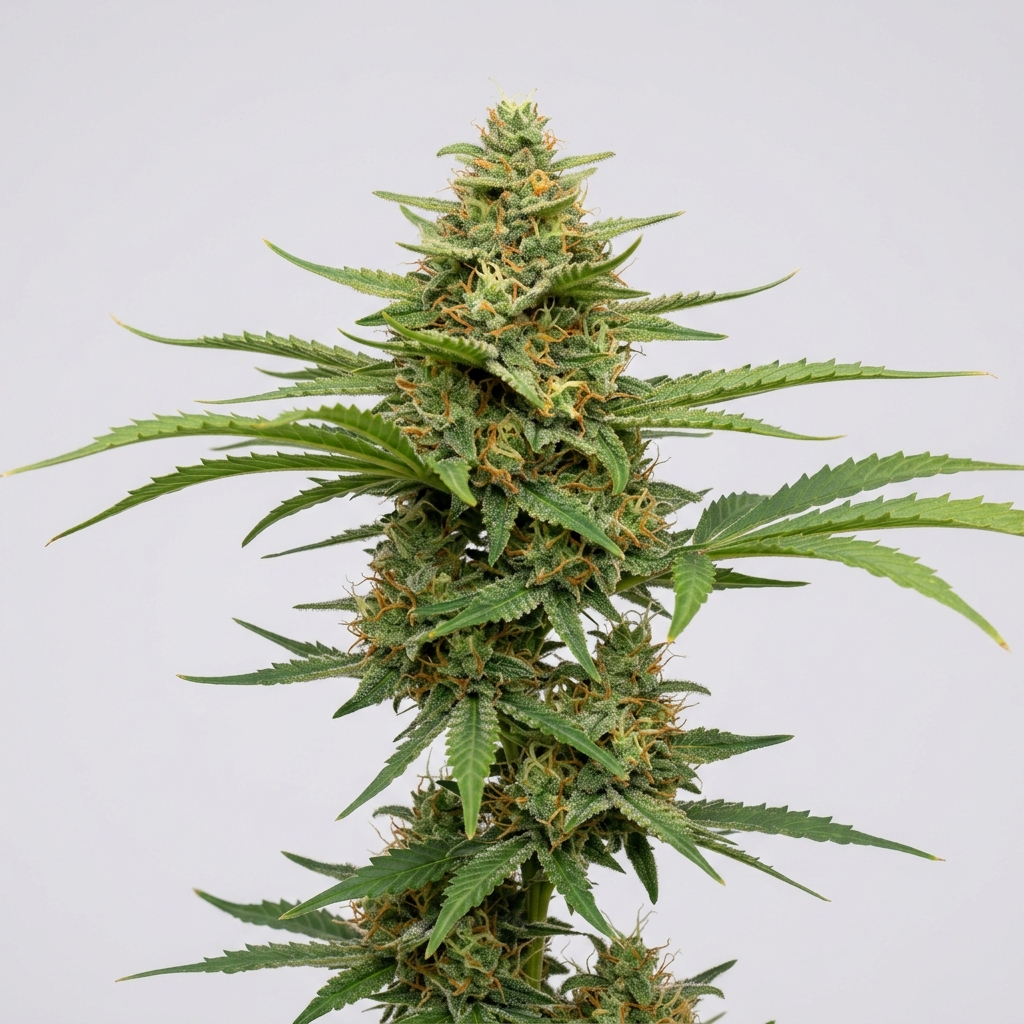
The cultivar is highly regarded for its visual appeal, featuring swollen calyxes coated in a thick layer of glassy, wet frost. Its growth habit requires attentive canopy management but rewards growers with highly aromatic, resin-rich flowers. The resulting harvest offers a balanced, sensory-focused experience that is both physically relaxing and mentally clarifying.
Quick Facts
| Key Metric | Details |
|---|---|
| Genetics | Gelato Phenotype (commonly reported as Gelato #41 × Guava) |
| Variety | Hybrid (Slightly Indica-Dominant) |
| THC Range | 20% – 26% |
| Flowering Time | 8 – 9 Weeks |
| Yield Potential | Moderate to High |
| Plant Height | Medium (Controlled stretch) |
| Climate Preference | Temperate, low late-flower humidity |
| Difficulty | Moderate |
Scientific & Botanical Overview
Botanically, Pink Guava shows a robust, bushy morphology characterized by broad fan leaves and tight internodes. The vegetative phase requires strategic pruning to ensure adequate airflow and light penetration to lower nodes, as the dense leaf canopy can trap moisture. As the plant transitions to flower, it displays a moderate, controlled stretch, consolidating its energy into tight clusters along the main branches.
The resin production of Pink Guava is notably early and aggressive, with capitate-stalked trichomes beginning to coat the bracts by the third week of flowering. These trichomes maintain a glassy clarity until late in the cycle, when they transition to a milky, amber-flecked finish. Under cooler night temperatures in the final weeks, the plant's anthocyanin production increases, turning the foliage and dense calyxes a deep purple and pastel pink.
Cultivars of this lineage are highly sensitive to microclimatic shifts, particularly during late-stage flower development. Maintaining a strict Vapor Pressure Deficit (VPD) is essential to prevent moisture accumulation within the dense, resin-rich flowers. The dense cell structure of the buds demands careful humidity control to preserve the integrity of the delicate terpene profile.
Effects & Use-Cases (Reported)
Commonly reported effects: Users frequently report an immediate, uplifting mental clarity paired with a soothing, warm physical relaxation. The onset is clean and functional, avoiding the heavy sedation often associated with related kush lines while still providing physical ease.
Use-case context: This balanced profile makes Pink Guava a versatile choice for daytime or early evening use, ideal for creative projects, social gatherings, or unwinding after a shift. Its sensory-forward nature is highly appreciated by flavor-focused consumers and extraction artists alike.
Note: Individual tolerance and unique physiology will influence the overall experience; beginners should approach this high-potency cultivar with measured moderation.
Aroma & Flavors
Aroma: The initial nose is dominated by a sharp, tropical sweetness reminiscent of overripe guava, passionfruit, and pink grapefruit, backed by a subtle, fuel-like undertone.
Flavor: On the palate, it delivers a creamy, dessert-like sweetness with a tart citrus lift, finishing with a mild herbal and minty earthiness.
Terpene associations: The aromatic complexity is driven by high concentrations of caryophyllene, limonene, and myrcene, which provide the signature balance of spice, citrus, and sweet musk.
Tested Cannabinoid & Terpene Ranges
| Compound | Typical Range |
|---|---|
| Δ9-THC | 20.0% – 26.0% |
| CBD | < 1.0% |
| CBG | 0.5% – 1.2% |
| Beta-Caryophyllene | 0.4% – 0.9% |
| Limonene | 0.3% – 0.7% |
| Myrcene | 0.2% – 0.5% |
Note: Cannabinoid and terpene levels are highly variable and depend heavily on cultivation methods, environmental factors, and specific phenotype selections.
Cultivation Notes
- Humidity Control: Keep relative humidity (RH) below 45% during the final three weeks of flowering to protect the dense, heavy colas from moisture retention.
- Nutrient Regimen: Pink Guava responds well to moderate nitrogen levels in vegetative growth, requiring a smooth transition to phosphorus- and potassium-rich inputs during mid-to-late flower.
- Canopy Training: use low-stress training (LST) and early topping to promote a flat, multi-topped canopy, maximizing light exposure to the lower bud sites.
- Defoliation: Perform a thorough defoliation around day 21 of flowering to improve airflow through the tight internodal spaces.
- Phenotype Variation: Look for phenotypes that exhibit early resin production and a distinct, tropical-sour aroma, as these typically yield the best terpene retention after curing.
Grower Notes (Week-by-Week Snapshot)
- Weeks 1–3 (Transition & Stretch): The plants undergo a manageable stretch, requiring early support structures like trellis netting. Prune the lowest third of the canopy to focus energy upward.
- Weeks 4–6 (Bud Set & Trichome Development): Dense, spear-shaped colas begin to form, and glassy resin starts coating the fan leaves. Maintain stable daytime temperatures and monitor nutrient runoff.
- Weeks 7–9 (Late Flower & Ripening): Drop night temperatures by 10–15°F to encourage the expression of deep purple and pink pigments. Flush with clean, pH-balanced water to clear residual salts and enhance terpene clarity.
- Post-Harvest (Dry & Cure): Implement a slow, 14-day dry at 60°F and 60% relative humidity, followed by a minimum of three weeks in airtight curing vessels to lock in the delicate tropical-gas aroma.
Genetic Lineage
Pink Guava is widely recognized as a highly specialized phenotype selected from the legendary Gelato family tree, often specifically linked to a backcross or variation of Gelato #41 and a unique Guava cut. This lineage infuses the cultivar with the creaminess of the Cookies line alongside the sharp, fuel-forward kick of older diesel ancestors. The selection process focused heavily on isolating the rare, tropical fruit terpenes that set this cut apart from more common cookie-dominant hybrids.
The genetic stability of Pink Guava makes it a valuable asset for contemporary breeders looking to introduce exotic, candy-like aromas without sacrificing resin quality or bud density. While variations exist among different nursery cuts, the authentic clone-only version is prized for its consistent pink-hued calyxes and pungent, tropical-gas nose.
Research Insights
Scientific interest in Pink Guava centers on its high concentration of volatile monoterpenes, particularly the interaction between limonene and caryophyllene. This specific terpene ratio is believed to modulate the uptake of cannabinoids, contributing to the strain's characteristically clear, functional physical effects. The presence of secondary terpenes like linalool and humulene further rounds out the therapeutic potential and aromatic depth of the flower.
From an agricultural standpoint, the cultivar serves as an excellent case study in anthocyanin expression. Researchers and commercial cultivators observe that the genetic pathways responsible for the pink and purple coloration are highly responsive to thermal stress, demonstrating how environmental manipulation can directly enhance the visual and market value of the final harvest.
Frequently Asked Questions
What is the genetic background of Pink Guava?
Pink Guava is a select hybrid phenotype derived from the Gelato lineage, often described as a cross involving Gelato #41 and a specialized Guava phenotype. This heritage delivers a distinct combination of creamy dessert notes, tropical fruit aromas, and dense, resin-coated buds.
How does Pink Guava get its pink color?
The pink and purple hues in Pink Guava are driven by high concentrations of natural pigments called anthocyanins. These pigments become highly active during the late flowering stage, especially when night temperatures are lowered during the final weeks of growth.
What are the primary aromas and flavors of Pink Guava?
This strain is famous for its sweet, tropical aroma of ripe guava, passionfruit, and pink grapefruit, balanced by a subtle earthy gas finish. The flavor is similarly sweet and creamy, leaving a tart citrus and mild herbal taste on the palate.
Is Pink Guava difficult to grow?
Pink Guava is considered moderately difficult to cultivate. Because it produces exceptionally dense colas and thick foliage, growers must carefully manage canopy humidity and perform strategic defoliation to prevent moisture-related issues like mold during late-stage flowering.
Educational Disclaimer
This article is intended solely for educational, informational, and botanical reference purposes. Cultivation of cannabis is subject to varying local, state, and federal laws. Always consult local regulations before germinating seeds or cultivating any cannabis cultivars.
Rate and review this strain
Ratings and reviews are accepted only from signed-in Google accounts.
Sign in with Google to leave a rating and written review.
Latest Reviews
0 reviewsNo reviews yet. Be the first Google user to rate and review this strain.