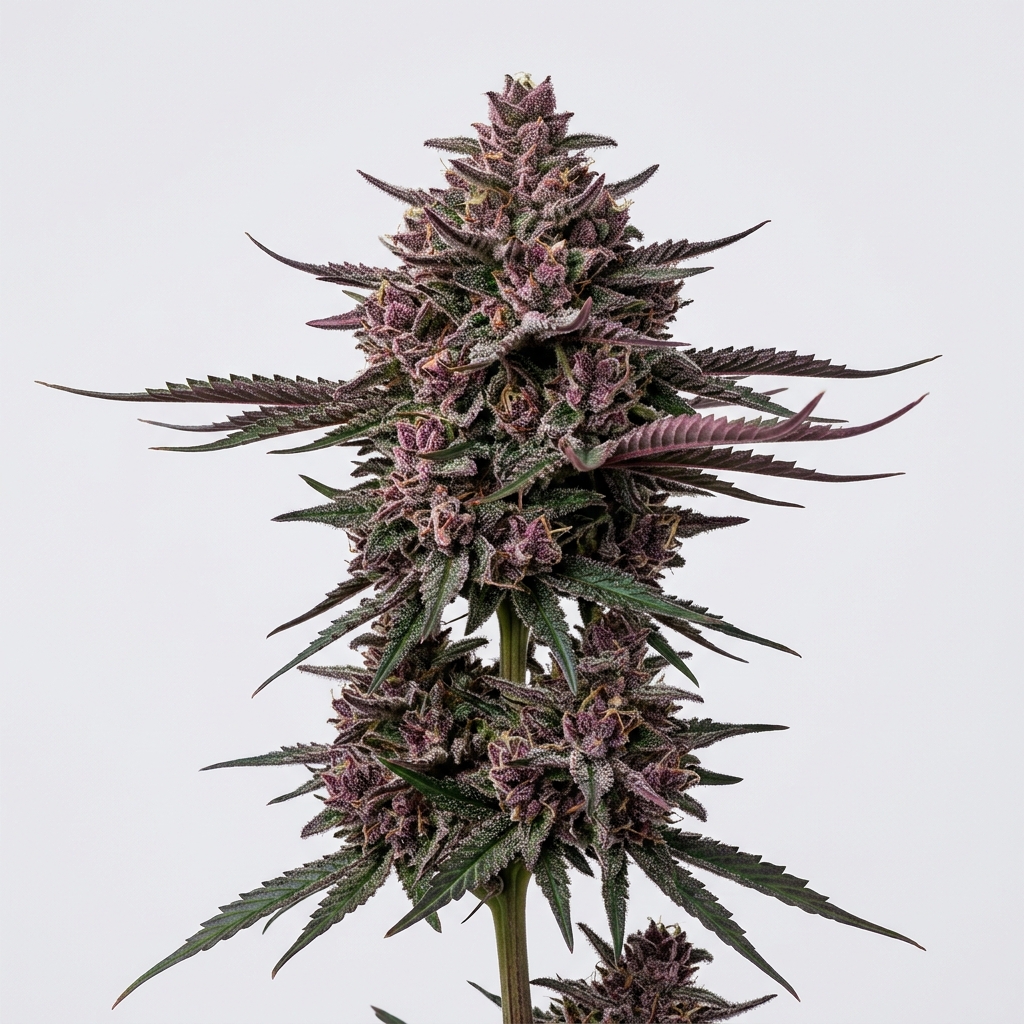
Obama Kush (Cannabis Strain)
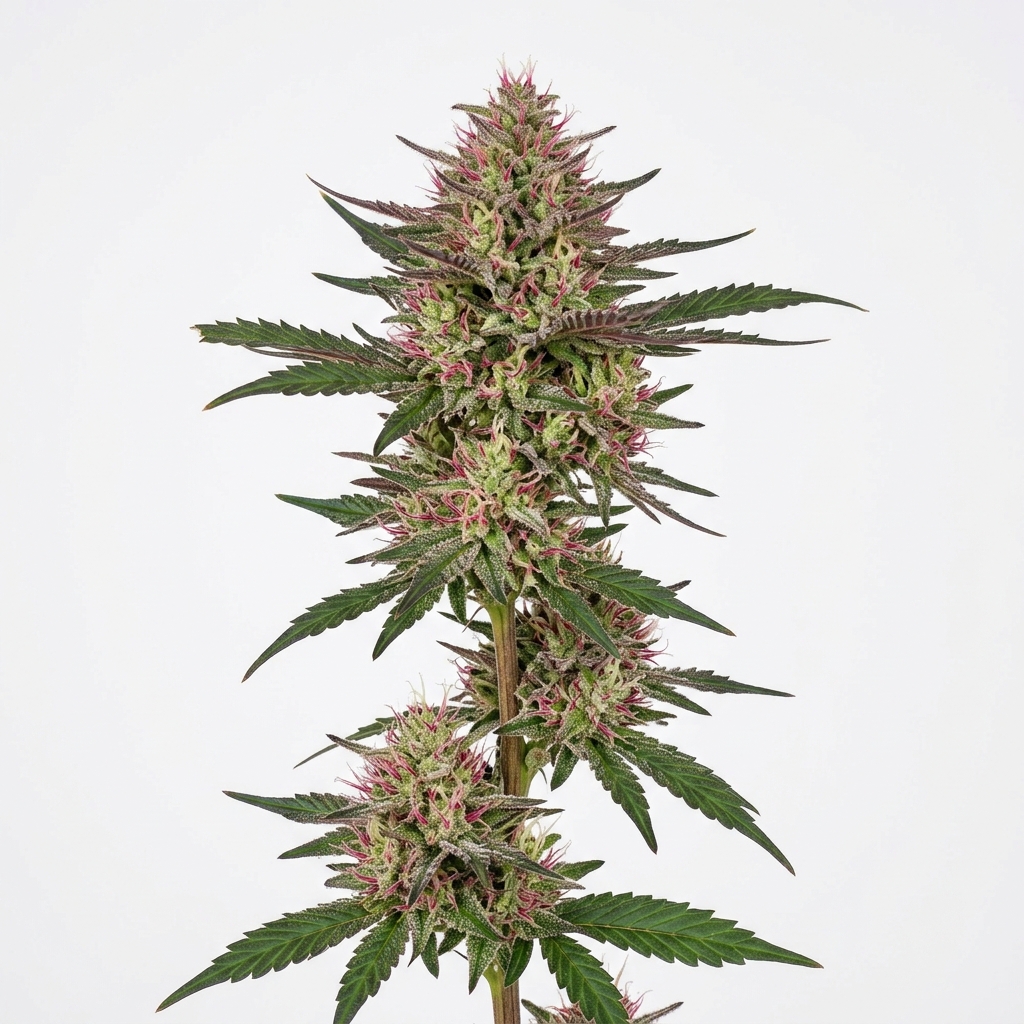
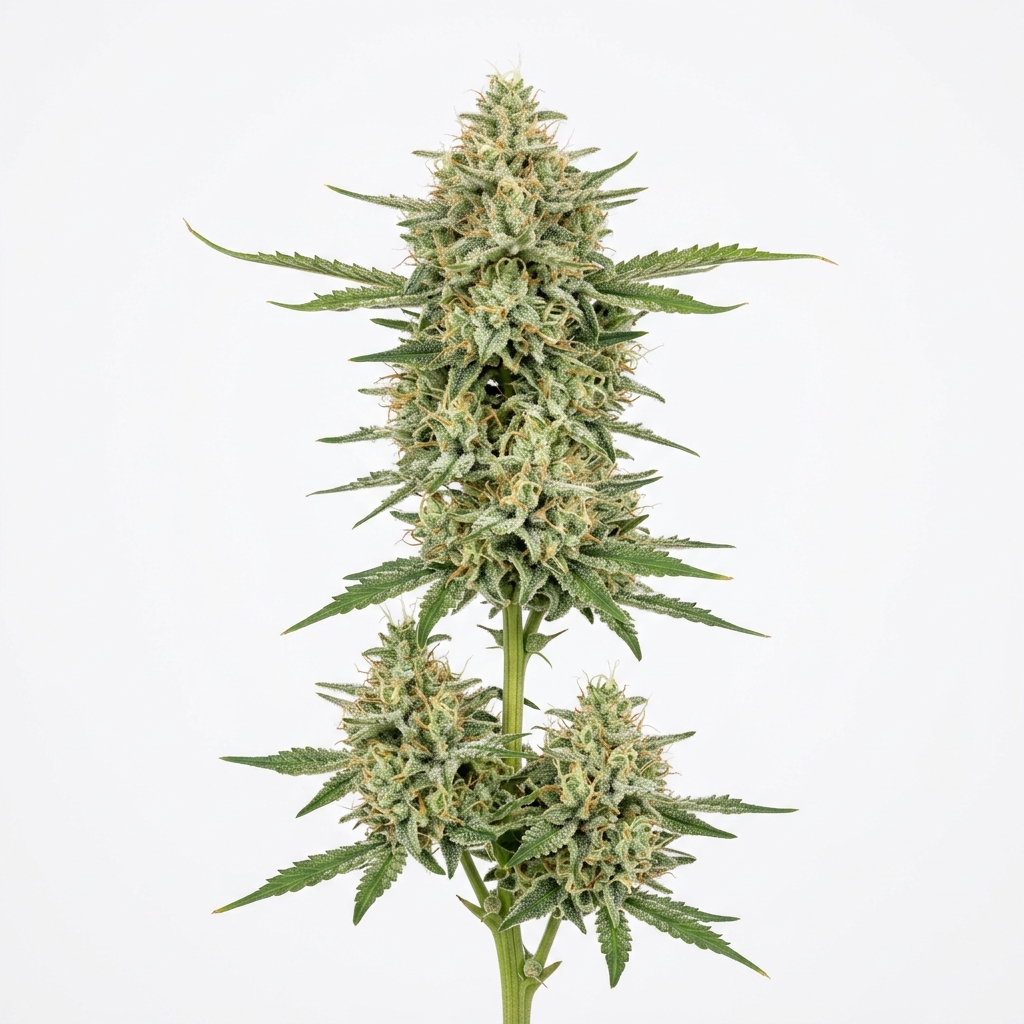
Obama Kush is an indica-dominant hybrid, typically testing between 16% and 22% THC, created by crossing a classic Afghani landrace with OG Kush. Known for its distinct purple-tinted, resin-rich flowers and a complex aroma of sweet grape and earthy kush, this Pacific Northwest staple yields dense, frosted buds on a sturdy, medium-sized frame. It balances a physical, deep-body relaxation with a clear-headed mental ease, making it a favorite for evening selection.
Unlike traditional heavy indicas that induce immediate sedation, this cultivar maintains a functional calm. Cultivators prize the strain for its vibrant violet hues, which develop readily under cool night temperatures during the final weeks of bloom.
Quick Facts
| Metric | Details |
|---|---|
| Genetics | Afghani × OG Kush |
| Variety | Indica-dominant hybrid |
| THC Range | 16% – 22% |
| Flowering Time | 7 – 9 weeks |
| Yield Potential | Moderate to high |
| Plant Height | Medium |
| Climate Preference | Temperate, low humidity |
| Difficulty | Moderate |
Scientific & Botanical Overview
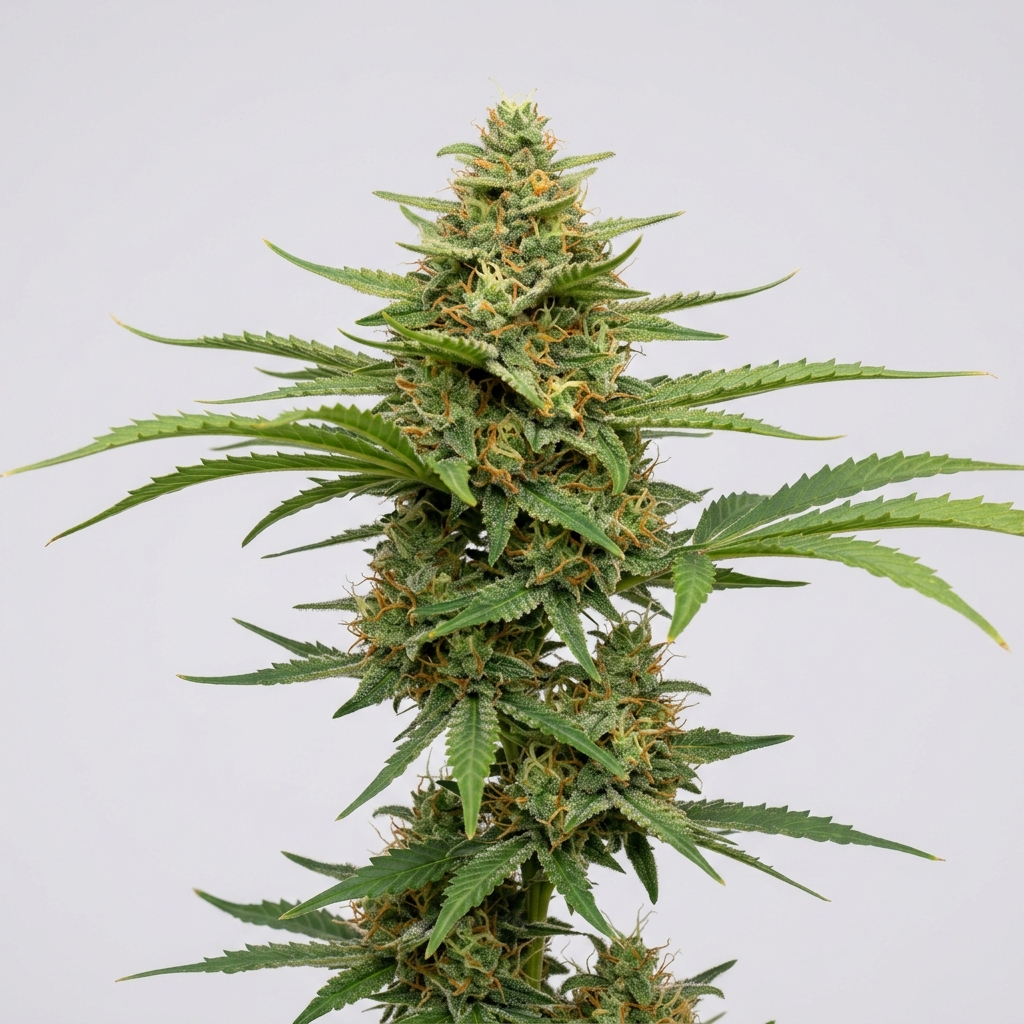
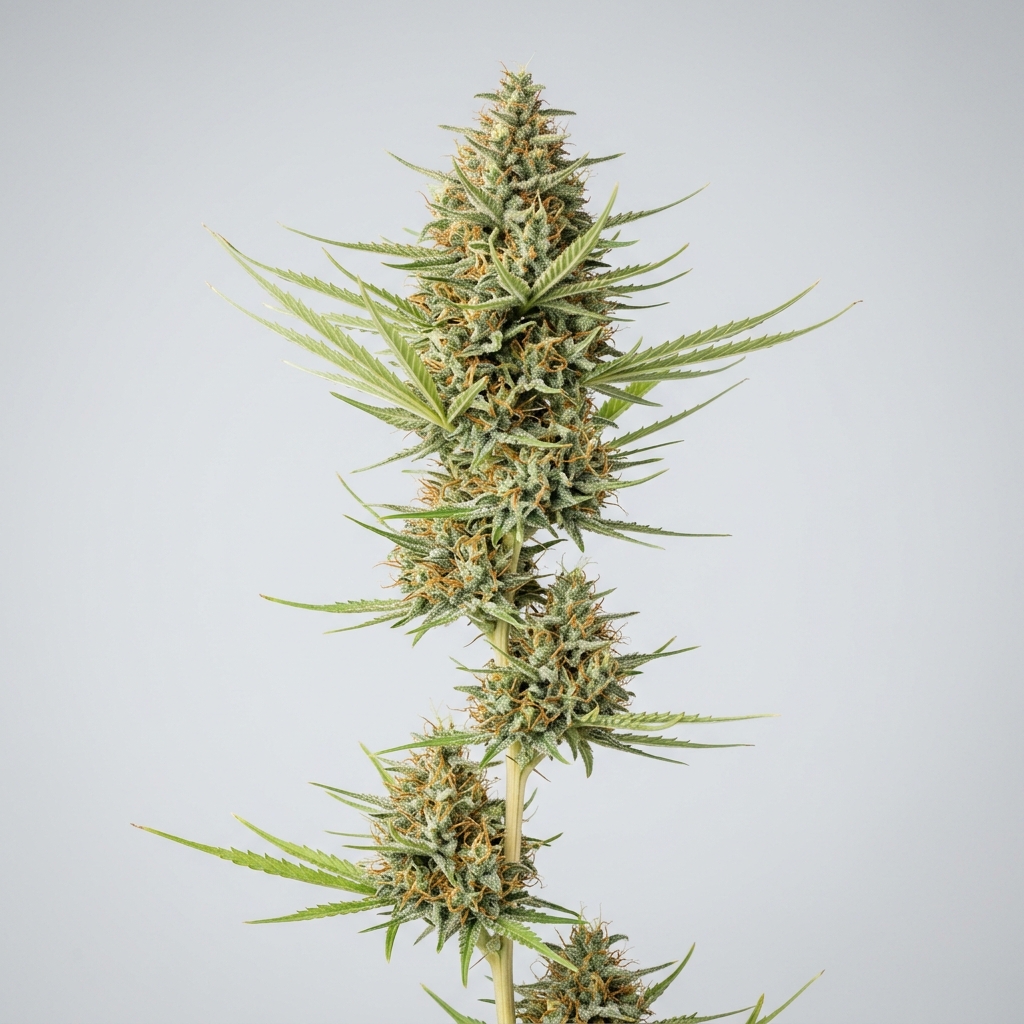
Botanically, Obama Kush showcases a classic landrace structure inherited from its Afghani parentage, blended with the lateral branching of OG Kush. The plants develop broad fan leaves with deep green coloration, transitioning to deep violet and magenta tones when exposed to temperature drops in late flower. Internodal spacing is relatively tight, producing dense clusters of swollen calyxes along the main branches.
The resin profile of this cultivar is characterized by small, closely packed trichomes that produce a greasy, tactile stickiness rather than a dry, sandy feel. The anthocyanin accumulation is highly pronounced, driving the purple pigmentation in the bracts and sugar leaves. This genetic trait is highly stable across most selected phenotypes.
Airflow management is critical during the mid-to-late flowering stages due to the density of the colas. The compact canopy structure requires proactive defoliation to prevent moisture pockets and ensure uniform light penetration to lower bud sites.
Effects & Use-Cases (Reported)
Commonly reported effects: Users frequently report a creeping, warm physical relaxation that settles into the limbs without inducing immediate couch-lock. This physical ease is accompanied by a subtle, uplifting cerebral clarity that keeps the mind engaged while the body rests.
Use-case context: This balanced physical profile makes the cultivar highly suited for evening wind-down, creative projects, or quiet social settings. It provides a functional transition into rest without the heavy, clouding sedation typical of pure landrace indicas.
Note: Individual tolerance and phenotype variation can shift these outcomes, and some selections may lean more heavily into physical sedation, especially when harvested with amber trichomes.
Aroma & Flavors
Aroma: A deep, earthy kush base layered with a distinct dark berry edge and hints of spicy hash. The scent is pungent but smooth, lacking the sharp chemical sting of modern fuel-forward hybrids.
Flavor: The smoke delivers a sweet grape and herbal berry profile on the inhale, followed by a woody, pine-tinged soil finish on the exhale.
Terpene associations: The terpene profile is typically dominated by caryophyllene, limonene, and myrcene, which collectively drive the balance of warm spice, citrus lift, and sweet herbal undertones.
Tested Cannabinoid & Terpene Ranges
| Compound | Typical Range |
|---|---|
| Δ9-THC | 16.0% – 22.0% |
| CBD | 0.1% – 0.5% |
| CBG | 0.2% – 1.0% |
| β-Caryophyllene | 0.3% – 0.8% |
| Limonene | 0.2% – 0.6% |
| Myrcene | 0.1% – 0.5% |
Note: Cannabinoid and terpene levels are highly variable and depend on specific phenotype, cultivation practices, and curing methods.
Cultivation Notes
- Humidity management: Maintain relative humidity below 45% during the final three weeks of flowering to protect the dense, purple colas from moisture issues.
- Nutrient requirements: Responds well to a moderate feeding schedule, showing sensitivity to excessive nitrogen during the early vegetative phase.
- Training techniques: use low-stress training (LST) and light topping to encourage lateral growth, maximizing the development of secondary colas.
- Temperature control: Introduce cool night temperatures (a drop of 10-15°F) in late bloom to stimulate the deep purple and violet hues.
- Harvest indicators: Look for a mix of milky and amber trichomes, typically peaking between days 50 and 60 of flowering.
Grower Notes (Week-by-Week Snapshot)
- Weeks 1–3 (The Stretch): The plant shows a moderate, highly manageable stretch upon transition to 12/12. Focus on tucking fan leaves and setting up trellis support to prepare for the heavy bud development ahead.
- Weeks 4–6 (Mid-Bloom): Bud sites swell rapidly, forming dense, resinous clusters. The aroma begins to shift from a fresh green scent to a sweet, earthy musk. Maintain consistent calcium and magnesium levels.
- Weeks 7–9 (Late Bloom & Color Shift): Lower night temperatures to bring out the purple coloration. Reduce humidity and monitor the dense colas closely. Flush the medium with plain water to clear built-up salts.
- Post-Harvest (Dry & Cure): Hang dry at 60°F and 60% relative humidity for 10 to 14 days. A slow cure in sealed glass jars for at least three weeks is essential to fully lock in the grape and earthy kush aroma.
Genetic Lineage
The lineage of this cultivar traces back to a deliberate pairing of a resin-heavy Afghani landrace with a classic OG Kush phenotype. Originating in the Pacific Northwest, this cross was selected to preserve the deep physical relaxation of the indica parent while infusing the complex, gas-kissed profile of the OG line.
The resulting hybrid shows the structural stability of its landrace heritage alongside the elevated terpene complexity of modern genetics. This lineage has secured its place as a foundational building block for regional purple breeding programs.
Research Insights
Analytical testing shows a high concentration of sesquiterpenes, particularly caryophyllene, which interacts with peripheral receptors to support physical ease. The presence of limonene provides a bright contrast, likely explaining the clear-headed, uplifting mental state reported by consumers.
Horticultural research indicates that the anthocyanin expression responsible for the strain's purple coloration does not compromise photosynthetic efficiency. Instead, it serves as a natural protective mechanism against environmental stressors while enhancing the visual appeal of the mature flowers.
Frequently Asked Questions
Is Obama Kush easy to grow for beginners?
Yes, it is considered moderately easy to cultivate. Its controlled stretch and sturdy structure make it forgiving, though close attention must be paid to humidity levels in late flower due to its dense bud structure.
Does Obama Kush always turn purple?
While the genetics strongly favor purple hues, triggering the deepest coloration usually requires a noticeable drop in night temperatures during the final weeks of flowering.
What does Obama Kush smell like?
It features a rich blend of sweet grape and dark berries, grounded by an earthy, spicy kush base with subtle notes of pine.
How does it differ from other purple strains?
Unlike many purple varieties that offer purely sedative, sleepy effects, this cultivar preserves a noticeable clear-headed clarity and functional physical relaxation.
Educational Disclaimer
This content is provided solely for educational and informational purposes. Cultivation of cannabis is subject to varying legal restrictions globally; check your local regulations before attempting to germinate or grow any cannabis cultivars.
Rate and review this strain
Ratings and reviews are accepted only from signed-in Google accounts.
Sign in with Google to leave a rating and written review.
Latest Reviews
0 reviewsNo reviews yet. Be the first Google user to rate and review this strain.