Granddaddy Purple #15 (Cannabis Strain)
Granddaddy Purple #15 is a premium, indica-dominant selection of the iconic West Coast classic, typically testing between 19% and 24% THC. This specific phenotype, selected for its intense color expression and tighter nodal spacing, traces its lineage back to the legendary cross of Purple Urkle and Big Bud. It delivers a rich profile of sweet grape, dark berry, and earthy hash, forming dense, resin-rich flowers that showcase striking deep purple hues under cooler late-flower temperatures. Growers favor this selection for its manageable stretch and heavy, resinous colas, making it a staple for evening-oriented collections.
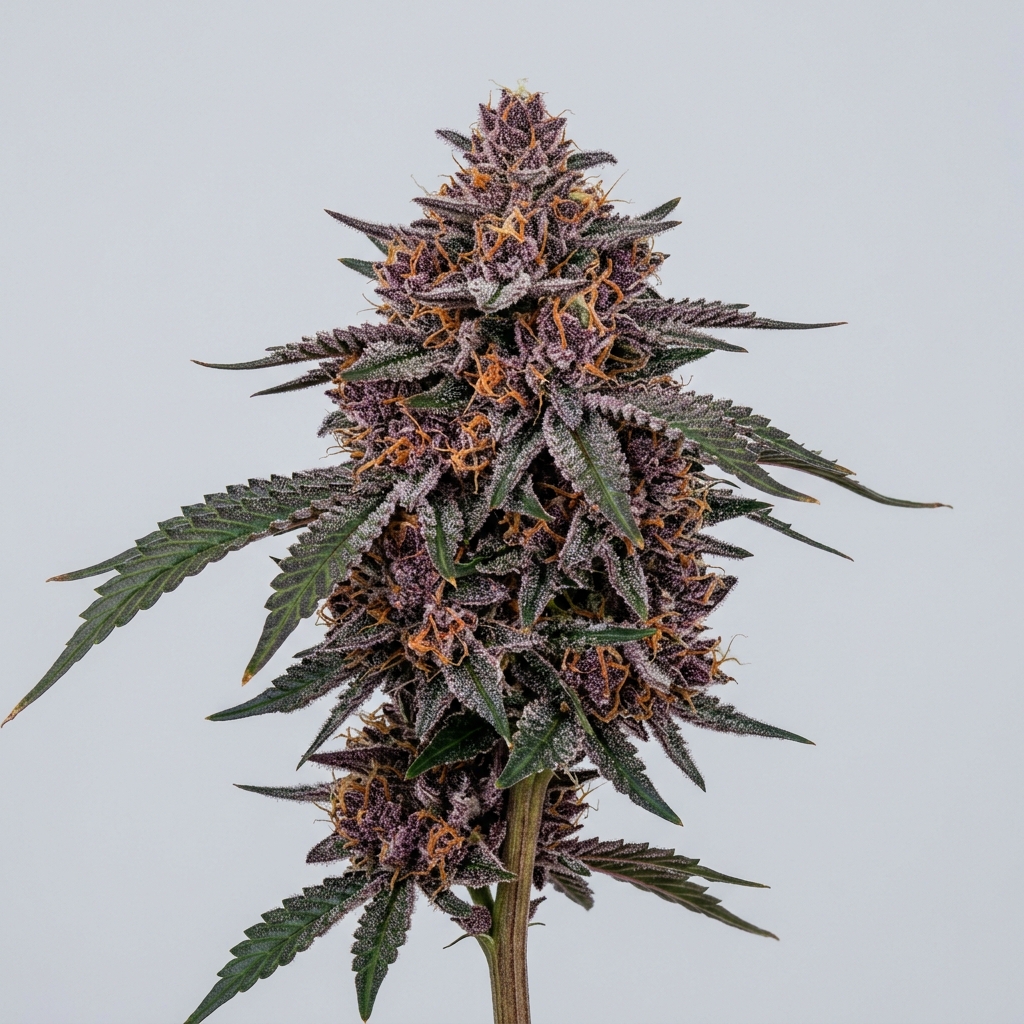
Unlike some taller purple phenotypes, the #15 selection maintains a sturdier, more compact frame that supports its heavy flower weight without excessive staking. The cured buds are exceptionally dense, displaying a thick coating of greasy resin over deep violet bracts. It remains highly regarded by cultivators who prioritize terpene clarity and classic grape-gas profiles over modern dessert-cross trends.
Quick Facts
| Field | Detail |
|---|---|
| Genetics | Purple Urkle × Big Bud |
| Variety | Indica-dominant hybrid |
| THC Range | 19% – 24% |
| Flowering Time | 8 – 9 weeks |
| Yield Potential | Moderate to high |
| Plant Height | Medium, compact |
| Climate Preference | Cool to temperate, low humidity |
| Difficulty | Moderate |
Scientific & Botanical Overview
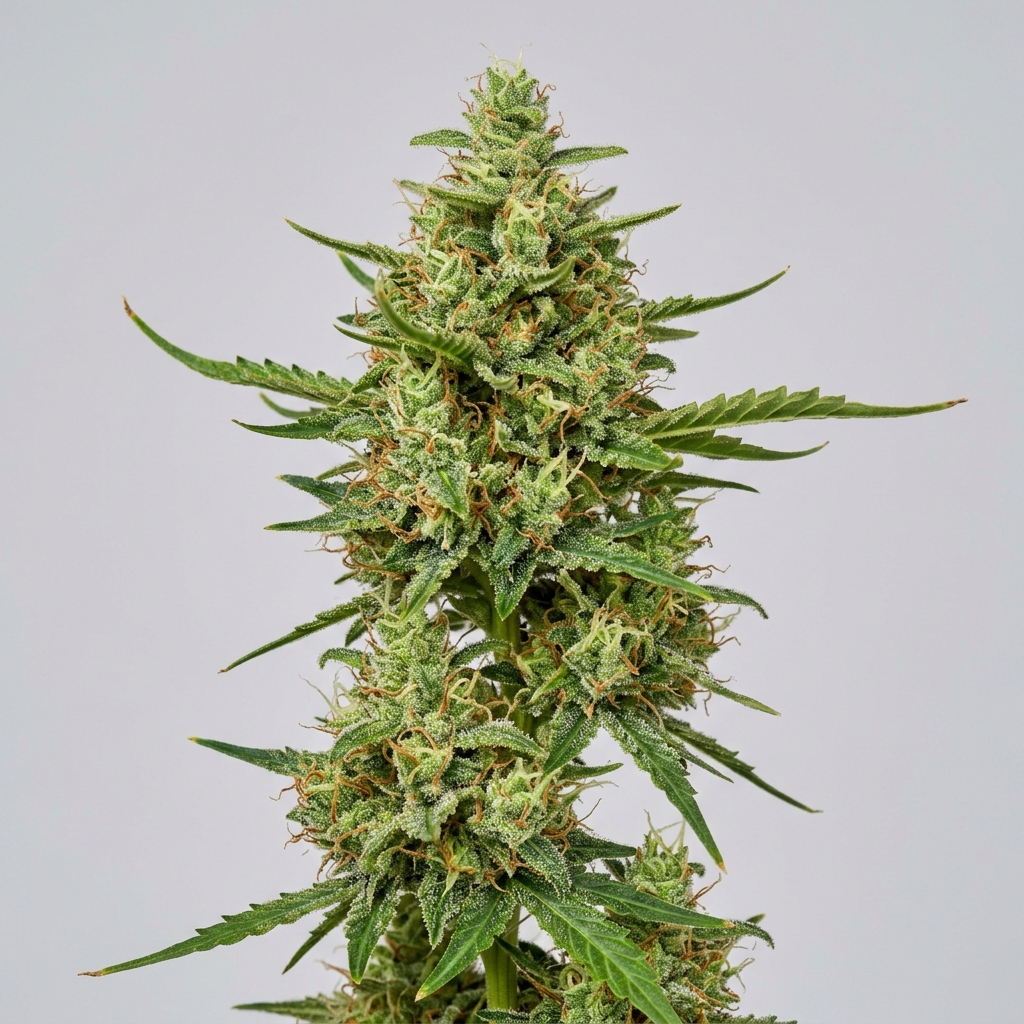
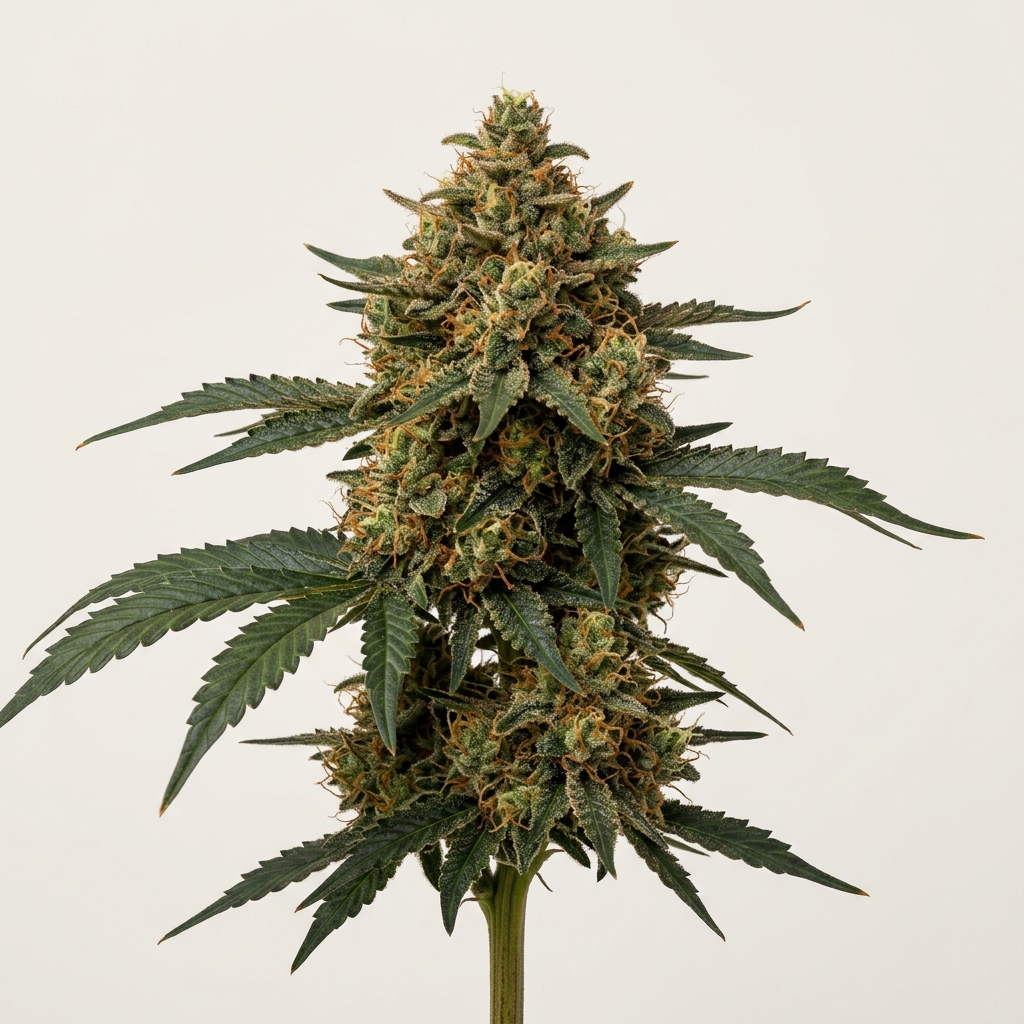
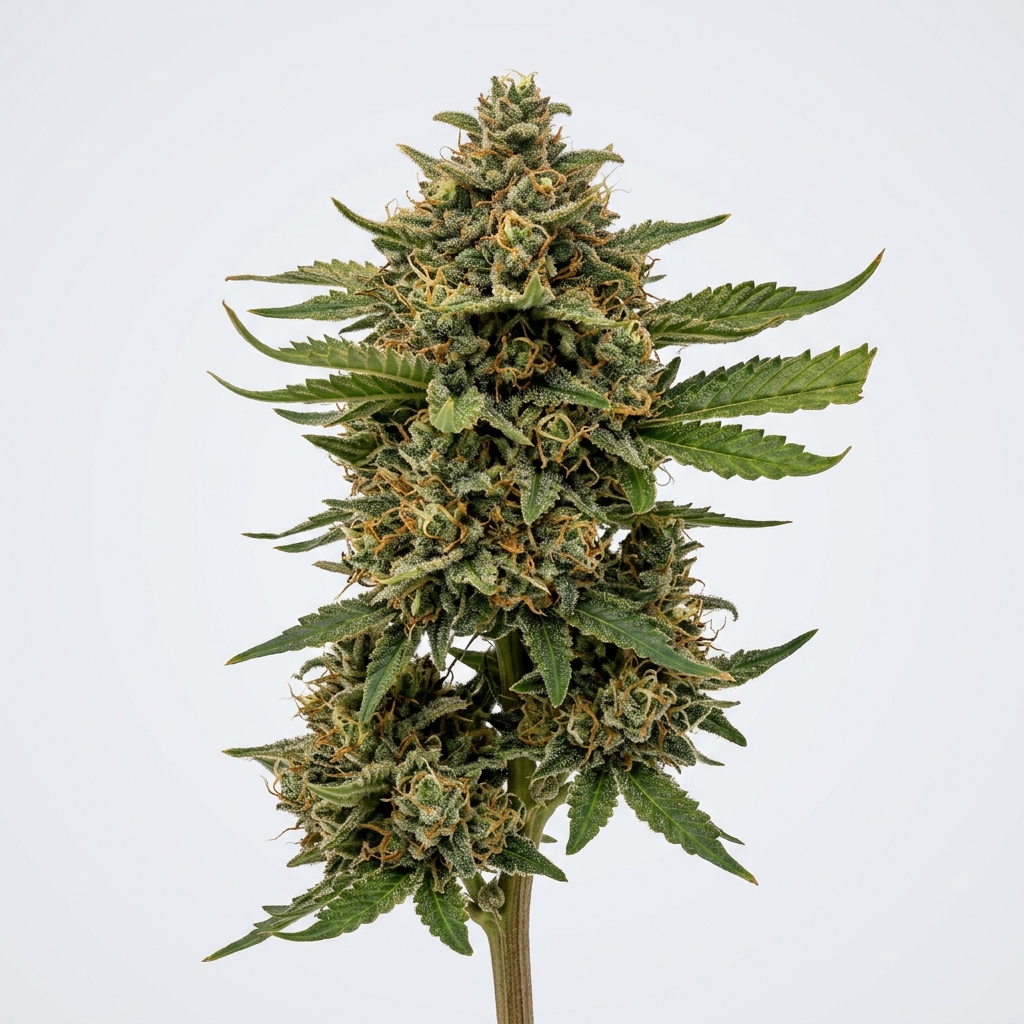
Granddaddy Purple #15 shows classic indica morphology, characterized by broad fan leaves, thick stems, and a compact, bushy structure. The internodal spacing is notably tighter than other purple cuts, allowing the plant to stack dense flower clusters along its lateral branches. This compact growth habit requires active canopy management to ensure adequate light penetration and airflow through the lower nodes.
Anthocyanin accumulation is highly pronounced in this phenotype, driven by genetic factors and triggered by cooler night temperatures during the final weeks of bloom. As chlorophyll production slows, the bracts and sugar leaves transition from deep forest green to vibrant shades of violet and royal purple. The trichomes on this cultivar are short-stalked but highly dense, creating a wet frost appearance against the dark background.
The bract-to-leaf ratio is favorable, which simplifies the trimming process and preserves the integrity of the delicate resin heads. The calyxes swell significantly in the final ten days of flowering, forming tight, pinecone-shaped colas that retain their structure well during the drying and curing phases.
Effects & Use-Cases (Reported)
Commonly reported effects include a heavy, grounding physical relaxation accompanied by a calm, slow-paced mental state. Users frequently note a gentle easing of physical tension that transitions into a deep, restful state, making it highly suitable for late-night use. The onset is typically gradual, starting with a warm sensation behind the eyes before settling into the limbs.
Use-case context suggests this cultivar is best reserved for evening wind-down routines, quiet listening sessions, or night-time recovery. Its deeply relaxing properties make it less suitable for daytime productivity or social gatherings requiring high physical energy.
Note: Due to its heavy physical profile, less experienced consumers should approach this strain with caution to avoid early onset drowsiness.
Aroma & Flavors
Aroma: The initial scent is dominated by sweet, fermented grape and dark berry, backed by a rich, damp-earth musk. Breaking the buds releases a sharper, spicy hash undertone with a faint hint of pine.
Flavor: The smoke delivers a thick, smooth flavor profile reminiscent of sweet grape candy and dark plums, followed by a lingering earthy kush finish on the exhale.
Terpene associations: This complex sensory profile is driven by high concentrations of myrcene, caryophyllene, and pinene, which work together to balance the sweet fruit notes with an organic, grounding earthiness.
Tested Cannabinoid & Terpene Ranges
| Compound | Average Range |
|---|---|
| Δ9-THC | 19.0% – 24.0% |
| CBD | < 0.2% |
| β-Myrcene | 0.5% – 1.2% |
| β-Caryophyllene | 0.3% – 0.8% |
| α-Pinene | 0.1% – 0.4% |
Note: Cannabinoid and terpene levels are highly variable and depend heavily on cultivation practices, environmental conditions, and curing techniques.
Cultivation Notes
- Humidity control: Maintain relative humidity below 45% during the final three weeks of flowering to protect the dense, compact colas from moisture retention.
- Defoliation: Perform a thorough strip of lower fan leaves before inducing flowering to improve airflow and light penetration.
- Temperature drop: Lower night-time temperatures by 5 to 8 degrees Fahrenheit during weeks 7 and 8 to stimulate deep purple coloration.
- Nutrient intake: This phenotype prefers moderate feeding; avoid heavy nitrogen applications during mid-to-late bloom to prevent leaf curl.
- Support structures: use a trellis net during vegetative growth to spread the lateral branches and support the heavy flower clusters.
Grower Notes (Week-by-Week Snapshot)
- Weeks 1–3 (Transition & Stretch): The plant undergoes a controlled, moderate stretch, usually doubling in size. Focus on low-stress training (LST) to create an even canopy.
- Weeks 4–6 (Mid-Flower & Bud Development): White pistils form dense clusters, and early trichome production begins. The sweet berry aroma starts to become noticeable.
- Weeks 7–9 (Late Flower & Ripening): Calyxes swell and the green foliage begins to show purple hues. Reduce humidity and introduce cooler night temperatures to maximize resin and color expression.
- Post-Harvest (Dry & Cure): Hang dry the whole plant at 60°F and 60% relative humidity for 12 to 14 days. A slow cure in glass jars for 3 to 4 weeks preserves the delicate grape-gas terpenes.
Genetic Lineage
Granddaddy Purple #15 is a refined selection of the classic Granddaddy Purple, which originally emerged in the California medical cannabis scene in the early 2000s. The lineage combines the sweet, berry-rich traits of Purple Urkle with the high-yielding, robust structure of Big Bud. This specific #15 selection was isolated to preserve the classic indica growth habits and deep color palette of the original line.
The parentage of Purple Urkle brings the signature grape-candy aroma and intense purple pigmentation, while the Big Bud genetics contribute to the dense flower structure and improved yield potential. The resulting hybrid stabilizes these desirable traits, offering growers a reliable representation of classic NorCal purple heritage.
Research Insights
Analytical testing of Granddaddy Purple #15 indicates a terpene profile dominated by monoterpenes like myrcene, which is frequently associated with the strain’s relaxing physical properties. The presence of caryophyllene adds a subtle spicy note while potentially interacting with the body’s endocannabinoid system to enhance physical comfort.
Research into purple cannabis phenotypes suggests that the accumulation of anthocyanins does not directly impact potency, but rather serves as a genetic marker for specific environmental adaptations. Cultivators use these insights to adjust environmental parameters, balancing temperature and light spectrum to optimize both aesthetic appeal and terpene retention.
Frequently Asked Questions
What is the flowering time for Granddaddy Purple #15?
This phenotype typically finishes flowering in 8 to 9 weeks when grown indoors. Outdoor plants are usually ready for harvest by mid-to-late October.
How does the #15 selection differ from standard Granddaddy Purple?
The #15 selection is known for tighter internodal spacing, a more compact growth habit, and a highly consistent purple color expression under cooler temperatures.
Does Granddaddy Purple #15 require a lot of nutrients?
No, this strain prefers a moderate feeding schedule. Overfeeding, especially with nitrogen during the flowering phase, can lead to nutrient burn and leaf curling.
What is the best way to bring out the purple colors in this strain?
Lowering night-time temperatures in the grow room by 5 to 8 degrees Fahrenheit during the final two weeks of flowering is the most effective way to stimulate the purple pigmentation.
Educational Disclaimer
This guide is intended solely for educational and informational purposes. Cultivation of cannabis is subject to varying local, state, and federal laws. Always consult local regulations before germinating seeds or propagating clones.
Rate and review this strain
Ratings and reviews are accepted only from signed-in Google accounts.
Sign in with Google to leave a rating and written review.
Latest Reviews
0 reviewsNo reviews yet. Be the first Google user to rate and review this strain.