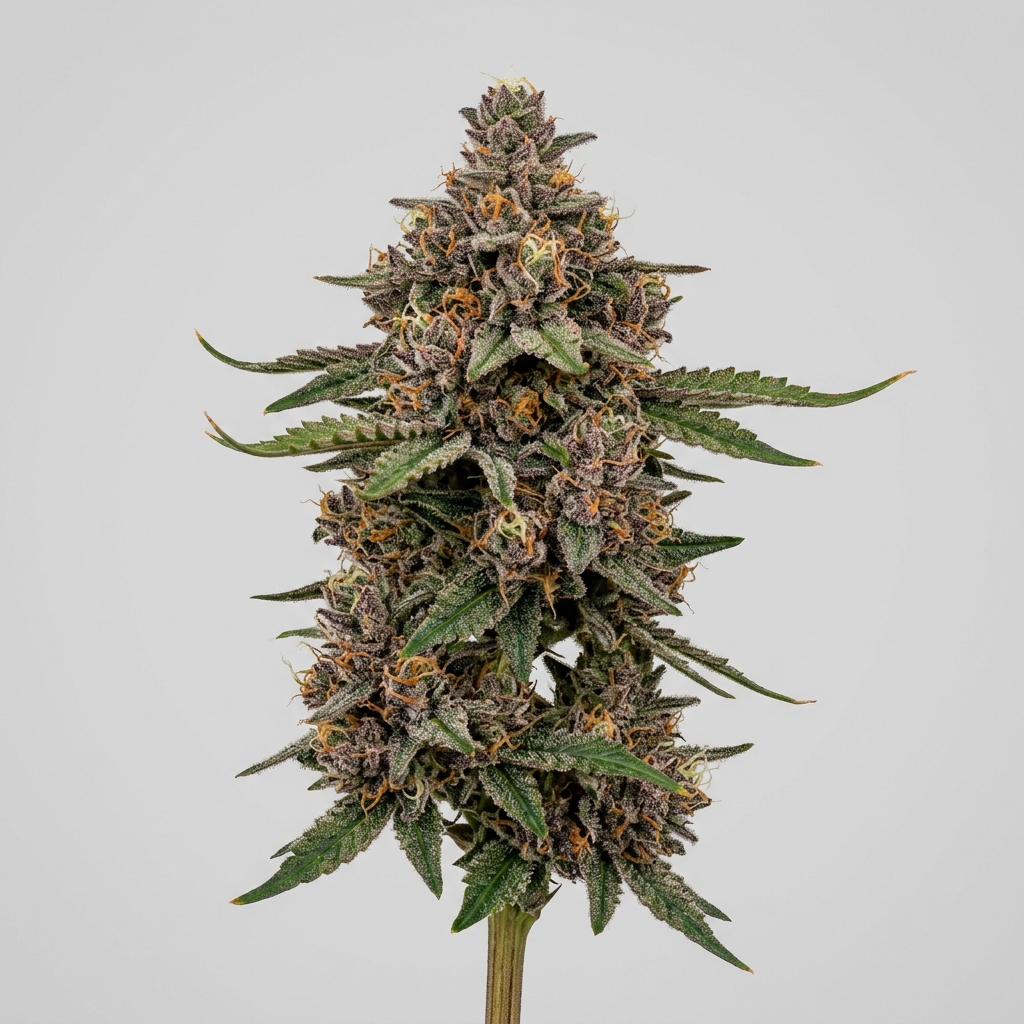
Apple Moon Cake (Cannabis Strain)
Apple Moon Cake is a potent indica-dominant hybrid, typically testing between 24% and 28% THC, created by crossing the highly celebrated Apple Fritter and Moonbow lineages. This cultivar brings together a rich dessert-like sweetness and a sharp, fuel-heavy finish, making it a standout choice for both flower connoisseurs and extraction artists. The plant grows with a sturdy, medium-sized frame, producing dense, resin-rich flowers that carry a distinct aroma of baked apples and tart gas.
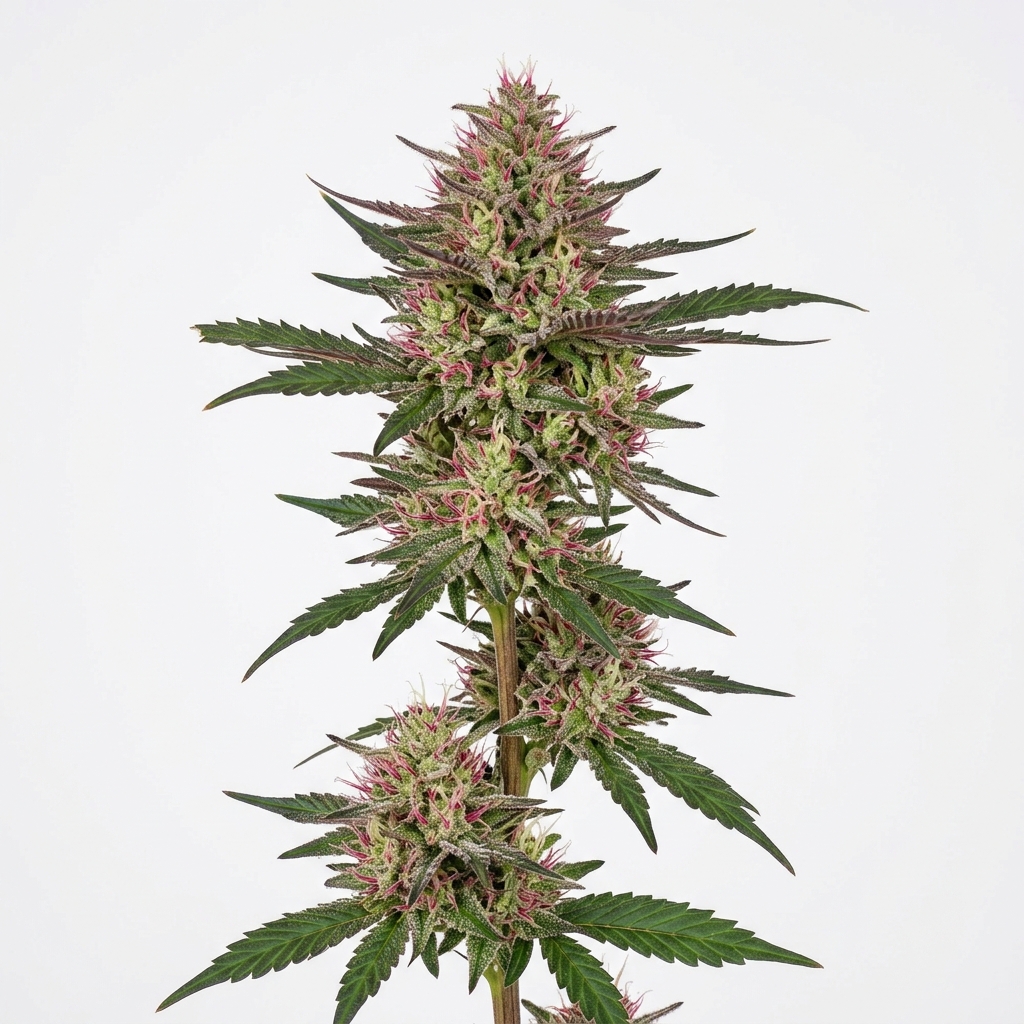
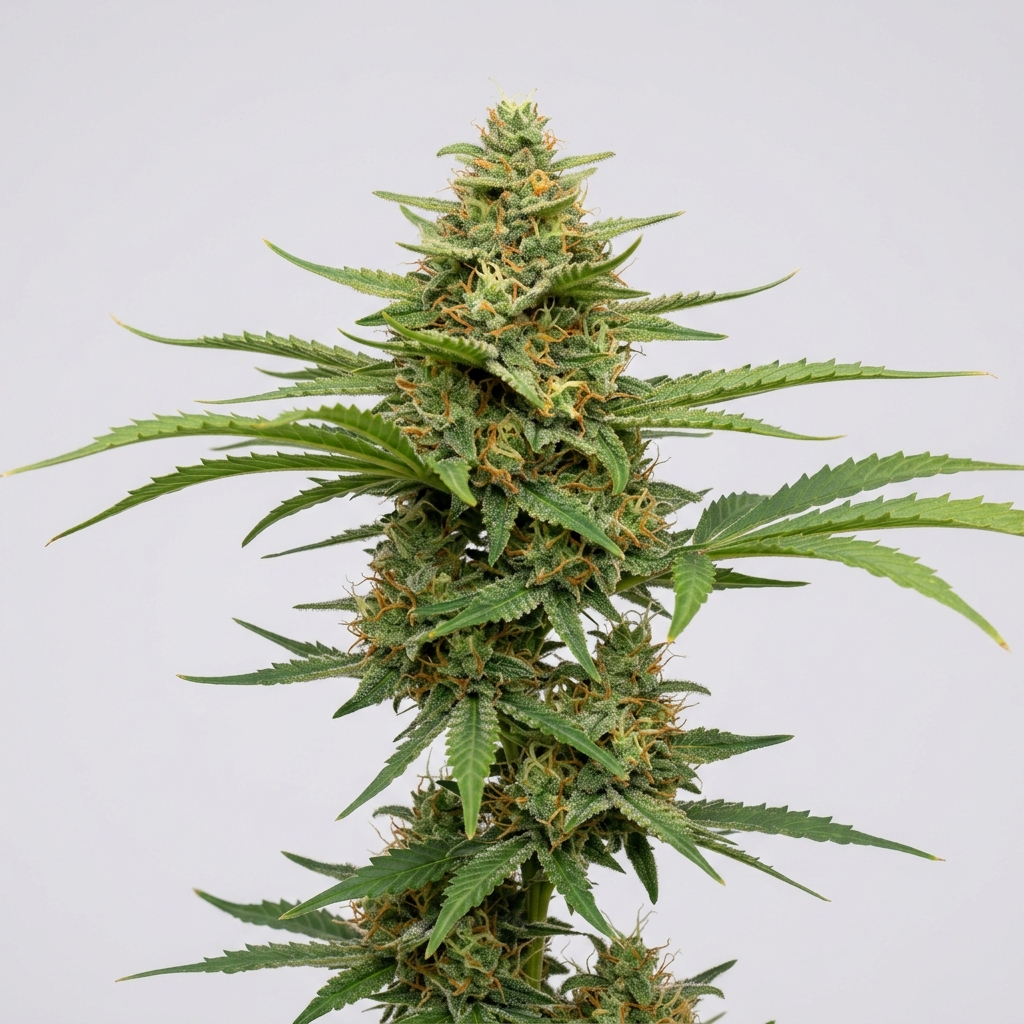
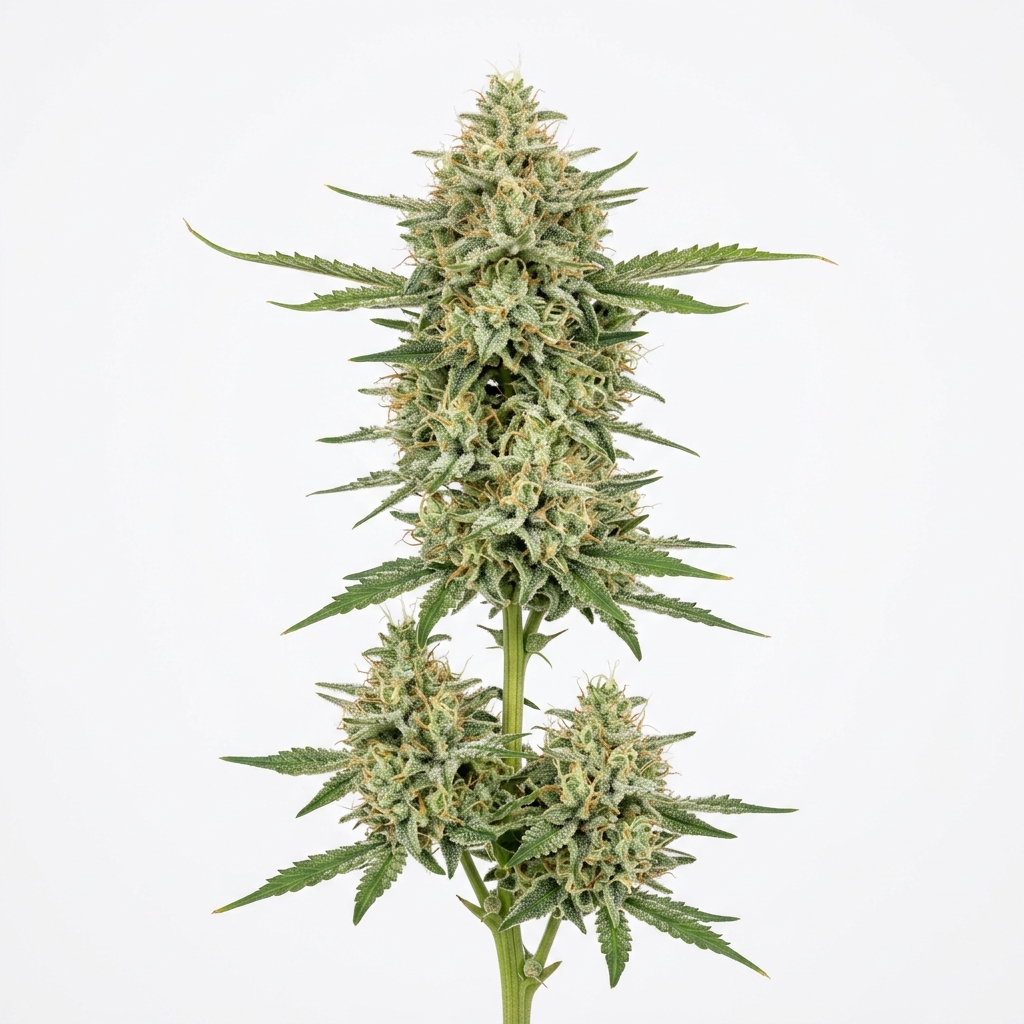
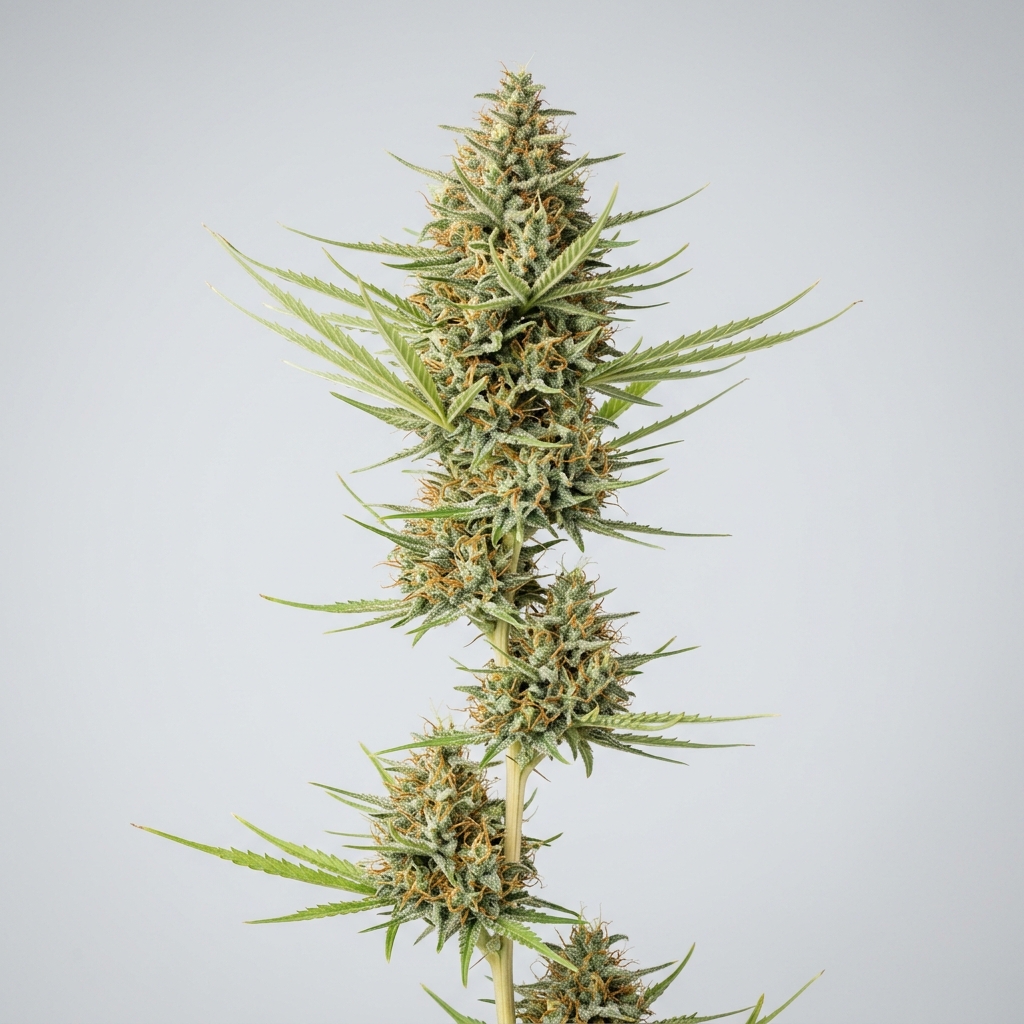
Visually, the buds display tight internodes and thick, swollen calyxes coated in a layer of wet frost. Under cooler night temperatures in late flower, the deep green foliage frequently shifts to reveal violet and dark plum undertones. Its reliable resin output and exceptional terpene clarity make it a highly regarded addition to modern boutique gardens.
Quick Facts
| Attribute | Details |
|---|---|
| Genetics | Apple Fritter × Moonbow |
| Variety | Indica-dominant Hybrid |
| THC Range | 24% – 28% |
| Flowering Time | 8 – 9 Weeks |
| Yield Potential | Moderate to Heavy |
| Plant Height | Medium (Controlled Stretch) |
| Climate Preference | Temperate, Low Humidity |
| Difficulty | Moderate |
Scientific & Botanical Overview
Botanically, this cultivar shows classic indica-dominant morphology, characterized by broad fan leaves and a stocky, lateral growth habit. The plant maintains tight internodal spacing, which supports heavy, spear-shaped colas along the main branches. Growers will notice that the stems are thick and resilient, built to support the weight of its dense bracts without excessive staking.
Resin production begins early in the flowering cycle, starting as a fine dust of glassy buds and maturing into a thick, greasy resin layer. The trichomes are predominantly capitate-stalked, showing high density on both the flowers and the surrounding sugar leaves. This high concentration of glandular trichomes contributes to the strain’s sticky texture and intense aroma during late-stage development.
Environmental management is key to maximizing the genetic potential of this plant. Because the buds grow so dense and compact, maintaining low relative humidity during the final three weeks of flower is critical to preventing moisture retention. Proper airflow through the lower canopy helps sustain healthy transpiration and uniform flower development.
Effects & Use-Cases (Reported)
Commonly reported effects: Users frequently describe a heavy, warming physical sensation that begins in the limbs and settles into deep relaxation. This is accompanied by a calm, clear-headed mental state that allows for quiet focus without intense sedation. The physical weight becomes more pronounced over time, often leading to a restful state.
Use-case context: Given its deeply relaxing nature, this cultivar is best suited for late afternoon or evening use. It is a popular choice for winding down after a demanding day, listening to music, or preparing for sleep. The balanced mental clarity also lends itself well to quiet, low-stress creative projects.
Note: Due to its high cannabinoid concentration, novice consumers should approach this strain with caution, starting with small amounts to assess individual tolerance.
Aroma & Flavors
Aroma: The initial scent is dominated by sweet, baked apple and warm pastry dough, reminiscent of its Apple Fritter heritage. As the buds are broken apart, a sharp, chemical fuel and tart gas undertone emerges, courtesy of the Moonbow lineage. This combination creates a complex, multi-layered profile that fills the room quickly.
Flavor: On the palate, the smoke is thick and smooth, delivering a flavor of spiced apple tarts and vanilla cream. The exhale leaves a distinct mint finish and an earthy kush base that lingers long after the session. The balance of sweet bakery notes and sharp fuel makes it highly memorable.
Terpene associations: Analytical testing regularly highlights high concentrations of caryophyllene, limonene, and linalool, which work in tandem to define its unique scent and flavor profile.
Tested Cannabinoid & Terpene Ranges
| Compound | Typical Range |
|---|---|
| Δ9-THC | 24.0% – 28.0% |
| CBD | < 0.2% |
| CBG | 0.5% – 1.2% |
| beta-Caryophyllene | 0.6% – 1.1% |
| Limonene | 0.4% – 0.8% |
| Linalool | 0.2% – 0.5% |
Note: Cannabinoid and terpene profiles are highly variable and depend on specific phenotypes, cultivation environments, and curing methods.
Cultivation Notes
- Humidity Control: Keep relative humidity below 45% during the final three weeks of flowering to prevent moisture-related issues in the dense colas.
- Nutrient Intake: This cultivar responds well to a steady, moderate feeding schedule, showing a preference for higher calcium and magnesium during the mid-flowering stretch.
- Canopy Management: use low-stress training (LST) and light defoliation before the flip to encourage lateral branch development and improve light penetration.
- Temperature Drop: Introducing a 10-degree drop in nighttime temperatures during the last two weeks of flower will naturally coax out deep purple and violet hues.
- Harvest Window: Look for a mix of milky and amber trichomes, typically occurring around day 60 of flowering, to capture the peak balance of flavor and potency.
Grower Notes (Week-by-Week Snapshot)
- Weeks 1–3 (Transition & Stretch): The plant undergoes a controlled stretch, usually doubling in height. Focus on tucking large fan leaves and establishing a clean, open canopy to ensure adequate airflow.
- Weeks 4–6 (Flower Set & Frost Development): Bud sites stack rapidly, forming tight clusters. Glandular trichomes begin to cover the bracts, and the sweet, baked-apple aroma starts to become noticeable in the grow room.
- Weeks 7–9 (Ripening & Flush): The buds swell significantly, and the calyxes become highly resinous and sticky. Reduce nutrients and initiate a clean water flush while monitoring trichomes for peak amber development.
Genetic Lineage
The lineage of this cultivar is rooted in two highly influential modern families. Its maternal parent, Apple Fritter, is a cross of Sour Apple and Animal Cookies known for its heavy yields, sweet pastry-like flavor, and dense flower structure. This parent contributes the rich, dessert-forward profile and the robust, stocky frame that characterizes the offspring.
The paternal side comes from Moonbow, an elite cross of Zkittlez and Do-Si-Dos bred by Archive Seed Bank. Moonbow infuses the cross with exceptional resin density, a sharp, lingering fuel-gas undertone, and an elevated cannabinoid potential. The resulting hybrid perfectly balances the sweet pastry notes of the cookies line with the sour, electric gas of the Zkittlez heritage.
Research Insights
Scientific interest in cultivars of this class focuses on the interaction between sesquiterpenes like caryophyllene and monoterpenes like limonene. Caryophyllene acts as a dietary cannabinoid by binding directly to peripheral CB2 receptors, which may modulate physical relaxation. When combined with the uplifting, cerebral qualities associated with limonene, the resulting experience is highly balanced, offering deep physical calm without immediate cognitive fog.
Additionally, the high concentration of stable, capitate-stalked trichomes makes this genetic line a subject of study for commercial extraction efficiency. The resilience of the trichome heads during the washing process allows for high yields of solventless concentrates. This structural stability ensures that the volatile terpene profile is preserved from harvest through the final cure.
Frequently Asked Questions
What is the genetic lineage of Apple Moon Cake?
It is a hybrid cross of Apple Fritter and Moonbow, blending sweet, dessert-like pastry notes with a sharp, gassy finish.
How long does Apple Moon Cake take to flower?
This strain typically finishes flowering in 8 to 9 weeks when grown indoors, or by mid-October when cultivated outdoors in temperate climates.
What are the primary aromas and flavors of this strain?
The aroma is a mix of baked apples, sweet pastry dough, and sour fuel. The flavor delivers spiced apple tarts with a subtle mint finish and an earthy kush base.
Is Apple Moon Cake difficult to grow?
It is moderately easy to grow, though its dense bud structure requires careful humidity management during late flower to prevent mold and ensure optimal resin development.
Educational Disclaimer
This content is for educational and informational purposes only. Cannabis laws vary widely by jurisdiction, and cultivation or consumption should always comply with local regulations. Consult a healthcare professional before using cannabis products for any therapeutic purposes.
Rate and review this strain
Ratings and reviews are accepted only from signed-in Google accounts.
Sign in with Google to leave a rating and written review.
Latest Reviews
0 reviewsNo reviews yet. Be the first Google user to rate and review this strain.