Apples and Oranges Loud Cut (Cannabis Strain)
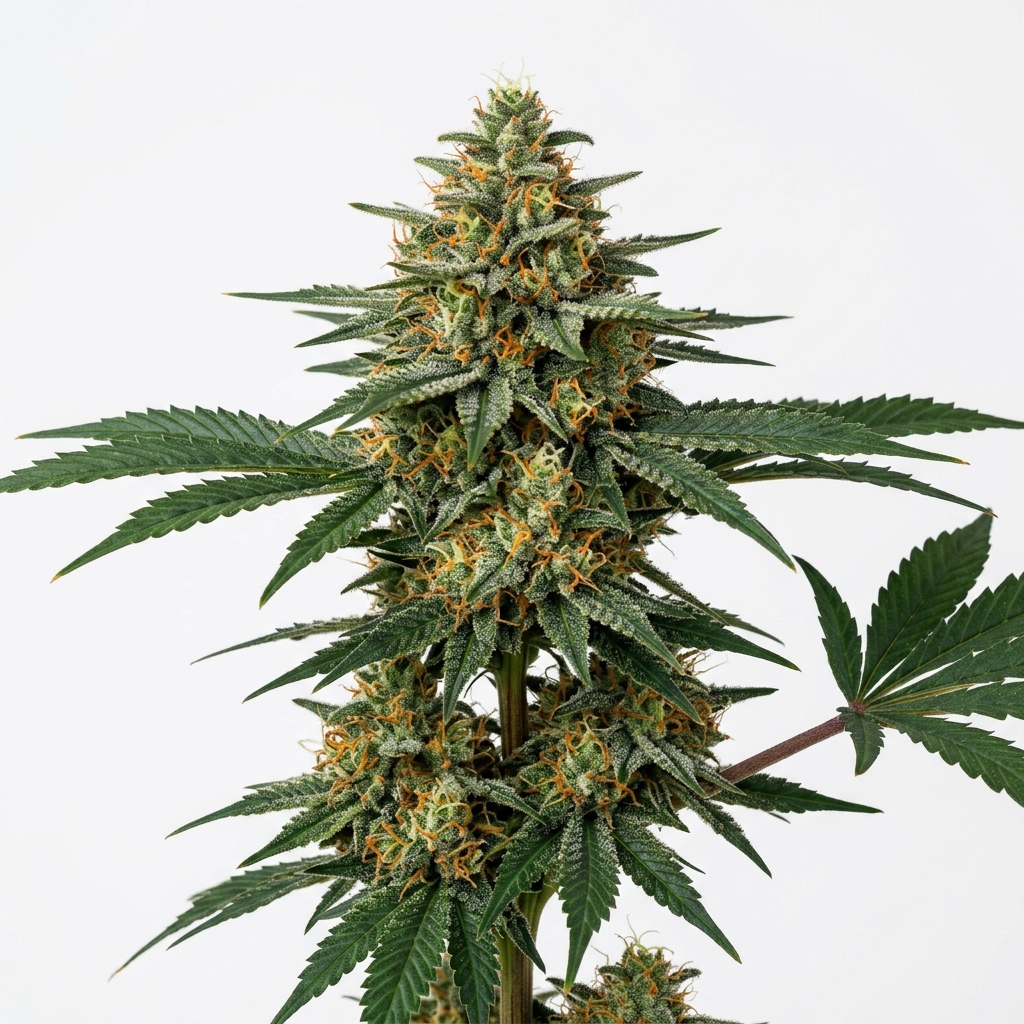
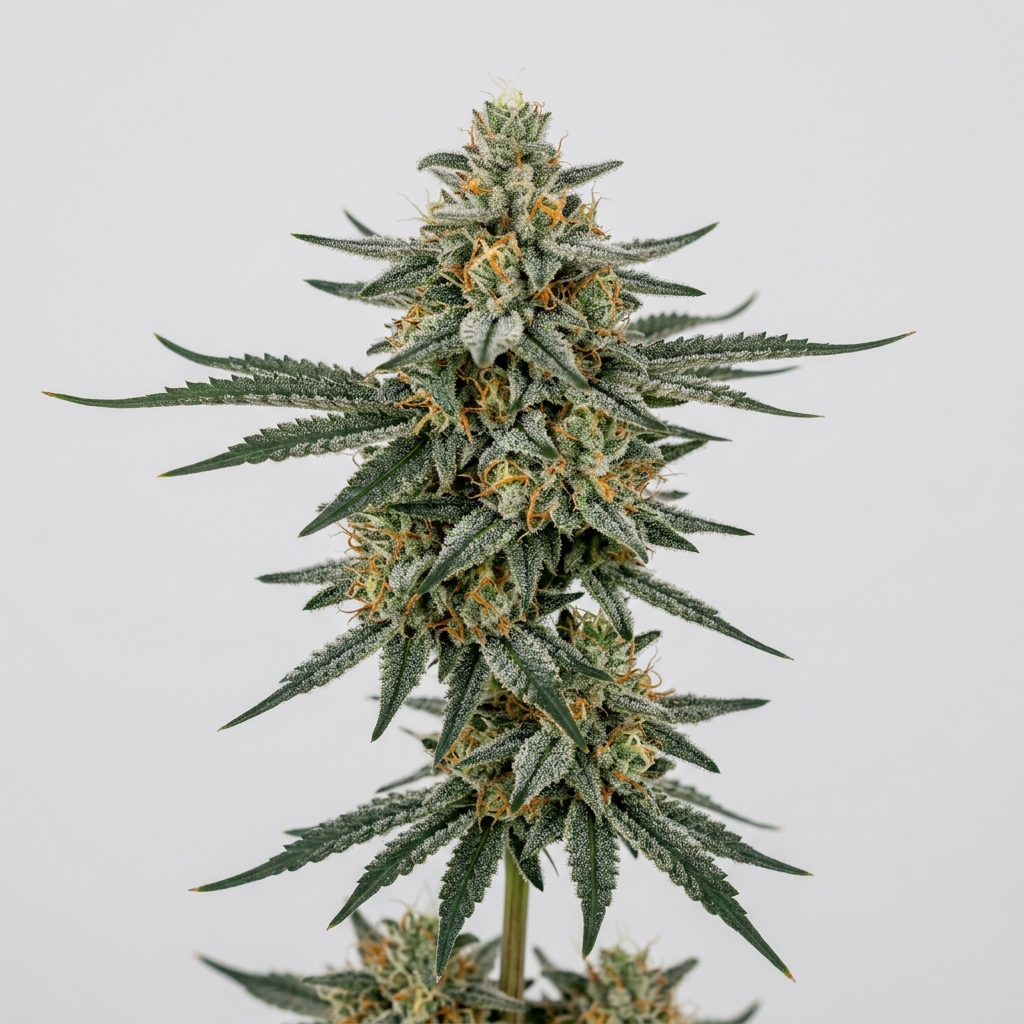
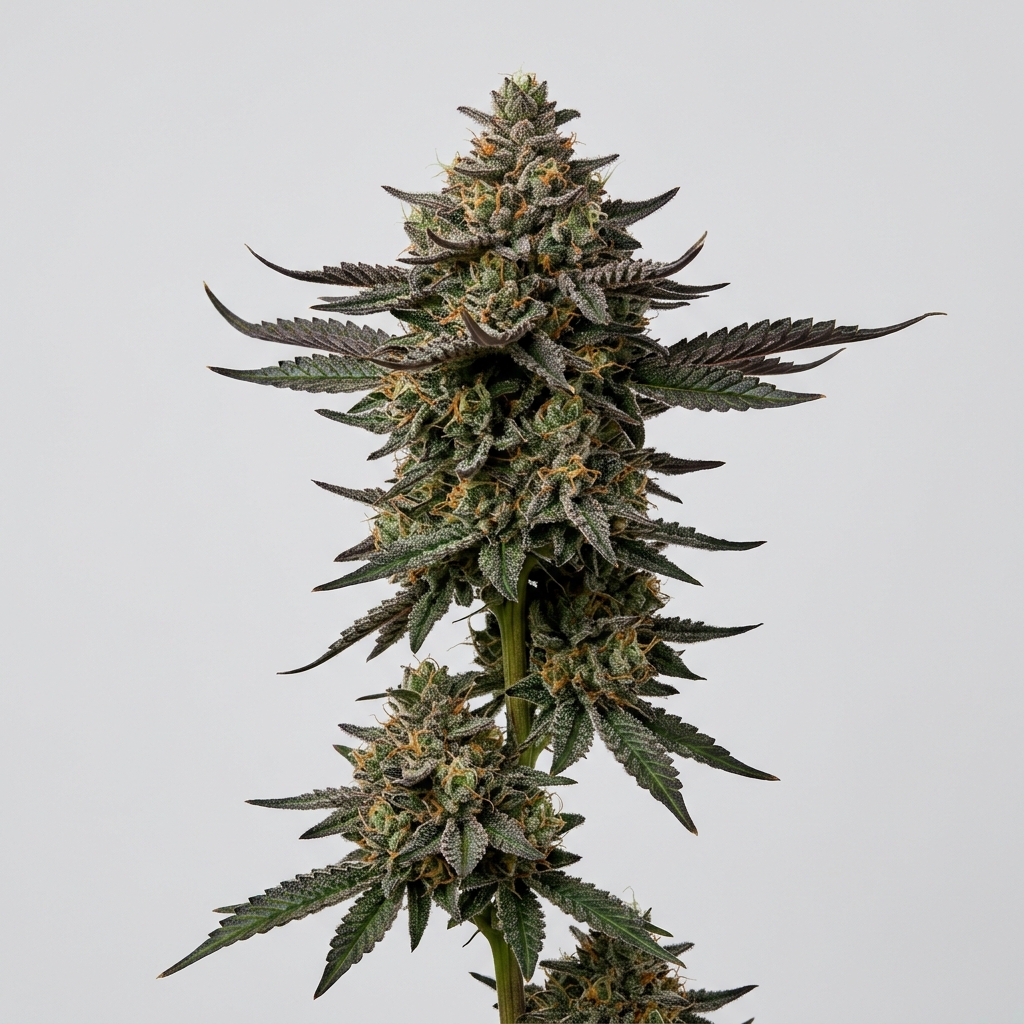
Apples and Oranges Loud Cut is an elite, indica-dominant hybrid selection crossing the modern powerhouse Apples and Bananas with the terpene-rich Orange Runtz. Typically testing between 24% and 28% THC, this specific cut is celebrated for its greasy resin production, dense spear colas, and an intense aroma that balances tart apple candy with a sharp citrus-gas finish. It develops deep purple hues under cooler night temperatures and shows a moderate, manageable stretch during early flower, making it a highly prized choice for boutique cultivators and extraction artists.
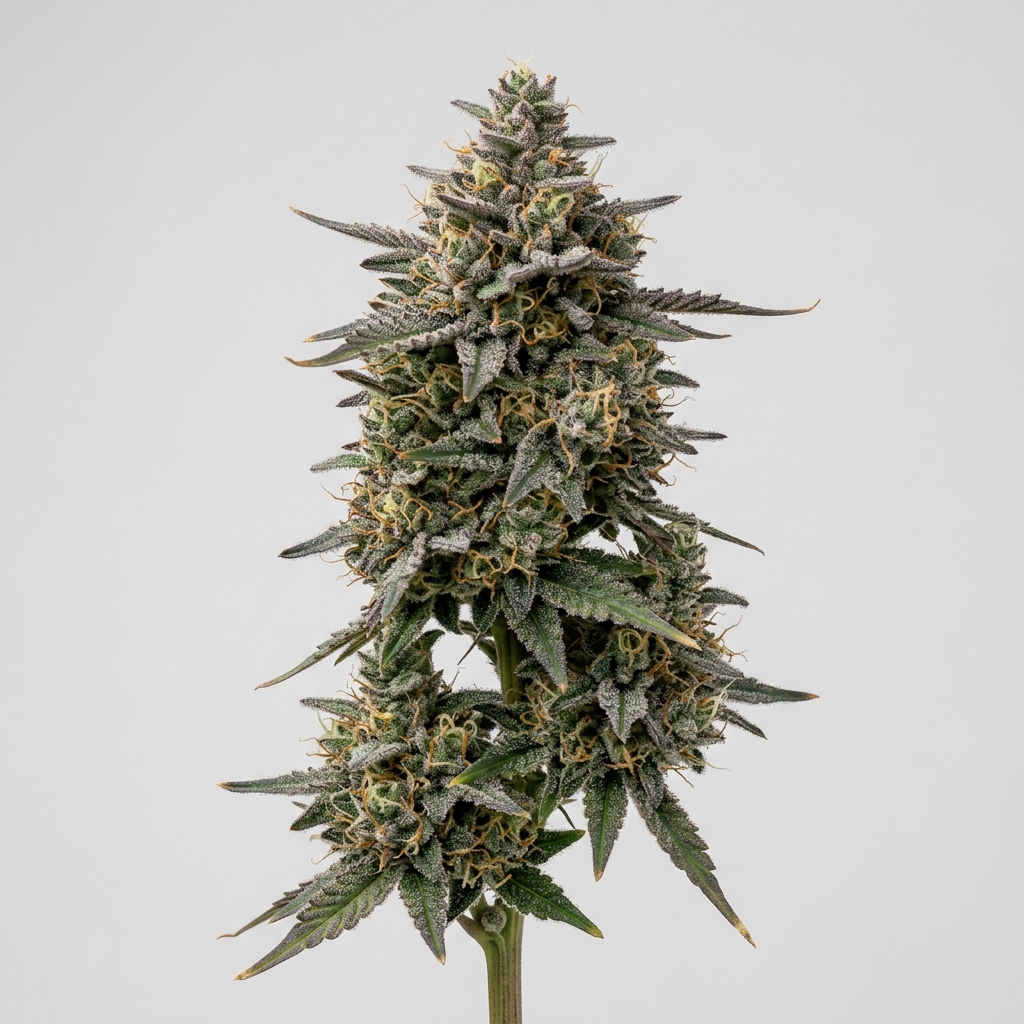
Unlike standard selections, the Loud Cut phenotype was isolated specifically for its elevated terpene clarity and wet frost appearance. The dried flowers show off swollen calyxes wrapped in a thick layer of sticky trichomes, offering a heavy, sensory-forward profile that lingers long after use.
Quick Facts
| Field | Details |
|---|---|
| Genetics | Apples and Bananas × Orange Runtz |
| Variety | Indica-dominant Hybrid |
| THC Range | 24% – 28% |
| Flowering Time | 8 – 9 Weeks |
| Yield Potential | Moderate to High |
| Plant Height | Medium |
| Climate Preference | Temperate, controlled indoor preferred |
| Difficulty | Moderate |
Scientific & Botanical Overview
Structurally, Apples and Oranges Loud Cut reflects its contemporary hybrid heritage with broad fan leaves and tight internodal spacing. The vegetative stage requires regular pruning to maintain optimal airflow through its dense canopy, as the plant tends to push heavy lateral growth. This growth habit makes it well-suited for multi-tier indoor facilities where vertical space must be managed efficiently.
As flowering progresses, the calyxes swell significantly, forming compact, crown-shaped buds rather than long, airy spears. The resin glands develop early in week four, coating the bright orange pistils and dark forest-green bracts in a glassy, wet sheen. This early resin production is a key indicator of the phenotype’s high oil content and suitability for solventless extraction.
Anthocyanin accumulation is highly pronounced in this phenotype, turning the sugar leaves deep violet to near-black when night temperatures drop late in the cycle. This color shift contrasts sharply with the pale, dense trichome coverage, giving the finished flowers striking jar appeal. The stem structure remains rigid, though the sheer weight of the ripening buds typically requires secondary trellis support.
Effects & Use-Cases (Reported)
Commonly reported effects: Users frequently describe a rapid, warming physical relaxation coupled with a calm, clear-headed mental lift. The initial onset is sensory-forward, often sharpening environmental awareness before settling into a deep, heavy-bodied calm that discourages high-energy tasks. It is noted for its ability to ease physical tension without immediately inducing heavy sedation.
Use-case context: This hybrid is best suited for late afternoon or evening use, providing a smooth transition into relaxation. It is popular among experienced consumers looking to unwind, listen to music, or ease physical discomfort after a long day. Its balanced nature allows for social conversation before the heavier physical effects take hold.
Note: Individual experiences may vary, and high-THC cultivars should be approached with caution by those sensitive to potent cannabinoids or prone to anxiety.
Aroma & Flavors
Aroma: The initial scent is dominated by a sharp, fermented apple sweetness, closely followed by a pungent orange peel zest and an underlying layer of fuel. Breaking the buds releases a deeper, earthy gas that grounds the bright fruit notes and fills the room instantly.
Flavor: On the intake, the smoke delivers a tart citrus lift reminiscent of fresh orange zest mixed with sour candy. The exhale leaves a distinct mint finish and a lingering, greasy fuel coating on the palate that highlights its complex lineage.
Terpene associations: Laboratory analyses of this lineage show a dominance of limonene and myrcene, with secondary levels of caryophyllene providing the spicy, gassy undertone.
Tested Cannabinoid & Terpene Ranges
| Compound | Typical Range |
|---|---|
| Δ9-THC | 23.5% – 27.8% |
| CBD | < 0.2% |
| CBG | 0.5% – 1.2% |
| Limonene | 0.8% – 1.4% |
| Myrcene | 0.5% – 0.9% |
| Caryophyllene | 0.3% – 0.7% |
Note: Cannabinoid and terpene levels are highly dependent on specific cultivation practices, lighting, and curing methods.
Cultivation Notes
- Humidity control: Keep relative humidity (RH) below 50% during the final three weeks of flowering to prevent moisture retention in the dense, resin-soaked colas.
- Nutrient management: This cultivar responds well to moderate feeding, showing a preference for higher calcium and magnesium levels during the transition to flower.
- Canopy training: use Low-Stress Training (LST) and a double trellis system to support the heavy upper colas and improve light penetration to lower bud sites.
- Phenotype preservation: Cuttings root easily within 10 to 14 days, maintaining excellent vigor when kept in a stable vegetative state.
- Harvest indicators: Look for a shift from clear to milky white trichomes, with roughly 10% turning amber, to capture the peak of its citrus-gas terpene profile.
Grower Notes (Week-by-Week Snapshot)
- Weeks 1–3 (Transition & Stretch): The plants exhibit a controlled stretch, usually doubling in height. Focus on early defoliation of the lower third of the canopy to establish clean airflow and light penetration.
- Weeks 4–6 (Mid-Flower & Resin): Bud sites begin to cluster and stack rapidly. Resin production starts early, giving the young buds a greasy texture while the first hints of sharp citrus aroma emerge.
- Weeks 7–9 (Late-Flower & Ripening): Flush the medium with plain water to encourage the breakdown of chlorophyll. Lower night temperatures by 8–10°F to stimulate the expression of deep purple and violet hues.
- Post-Harvest (Dry & Cure): Hang dry the whole plant at 60°F and 60% relative humidity for 12 to 14 days. A slow dry followed by a minimum two-week glass jar cure is essential to preserve the delicate orange-gas terpenes.
Genetic Lineage
The parentage of Apples and Oranges Loud Cut combines two highly influential modern breeding lines. Apples and Bananas (itself a complex cross of Blue Power, Gelatti, and Gas House OG) contributes the heavy resin-producing traits, dense structure, and tart, dark berry edge. This side of the lineage ensures a high concentration of trichomes and solid bud density.
On the other side, Orange Runtz infuses the cross with an intense citrus-zest profile and a sweet, candy-like finish. The resulting Loud Cut phenotype isolates the best of both worlds, amplifying the sharp, gassy citrus notes while retaining the heavy, physical potency of its ancestors.
Research Insights
The distinct sensory profile of Apples and Oranges Loud Cut highlights the influence of terpene synergy on consumer preference. The high concentration of limonene, combined with caryophyllene and myrcene, appears to modulate the overall physical effect, providing a balanced state of relaxation without immediate lethargy. This interaction supports the broader understanding of how non-cannabinoid compounds shape the subjective experience.
Horticultural observation of this phenotype suggests that its intense anthocyanin production is linked to specific genetic markers inherited from its Runtz lineage. These pigments not only enhance visual appeal but are often associated with plants that thrive in cooler late-season environments, indicating a robust environmental adaptability in controlled indoor settings.
Frequently Asked Questions
What is the Apples and Oranges Loud Cut strain?
It is a premium, indica-dominant hybrid selection of Apples and Bananas crossed with Orange Runtz, known for its intense orange-gas aroma, high resin production, and purple-tinted buds.
How does the Loud Cut differ from standard phenotypes?
The Loud Cut was specifically selected and preserved for its exceptionally loud terpene profile, heavy wet frost appearance, and superior resin quality suitable for extraction.
What does this strain smell and taste like?
It features a pungent aroma of fermented apples, sweet orange peel, and sharp fuel. The taste is a mix of tart citrus candy and a lingering minty, gassy finish.
Is this strain difficult to grow?
It is of moderate difficulty. It requires active canopy management, precise late-flower humidity control, and a slow, careful cure to fully realize its distinct terpene potential.
Educational Disclaimer
This article is for educational and informational purposes only. Information regarding reported effects is based on user experiences and historical data, and should not be taken as medical advice. Cultivation of cannabis is subject to local laws and regulations.
Rate and review this strain
Ratings and reviews are accepted only from signed-in Google accounts.
Sign in with Google to leave a rating and written review.
Latest Reviews
0 reviewsNo reviews yet. Be the first Google user to rate and review this strain.