Golden Sherb Gas (Cannabis Strain)
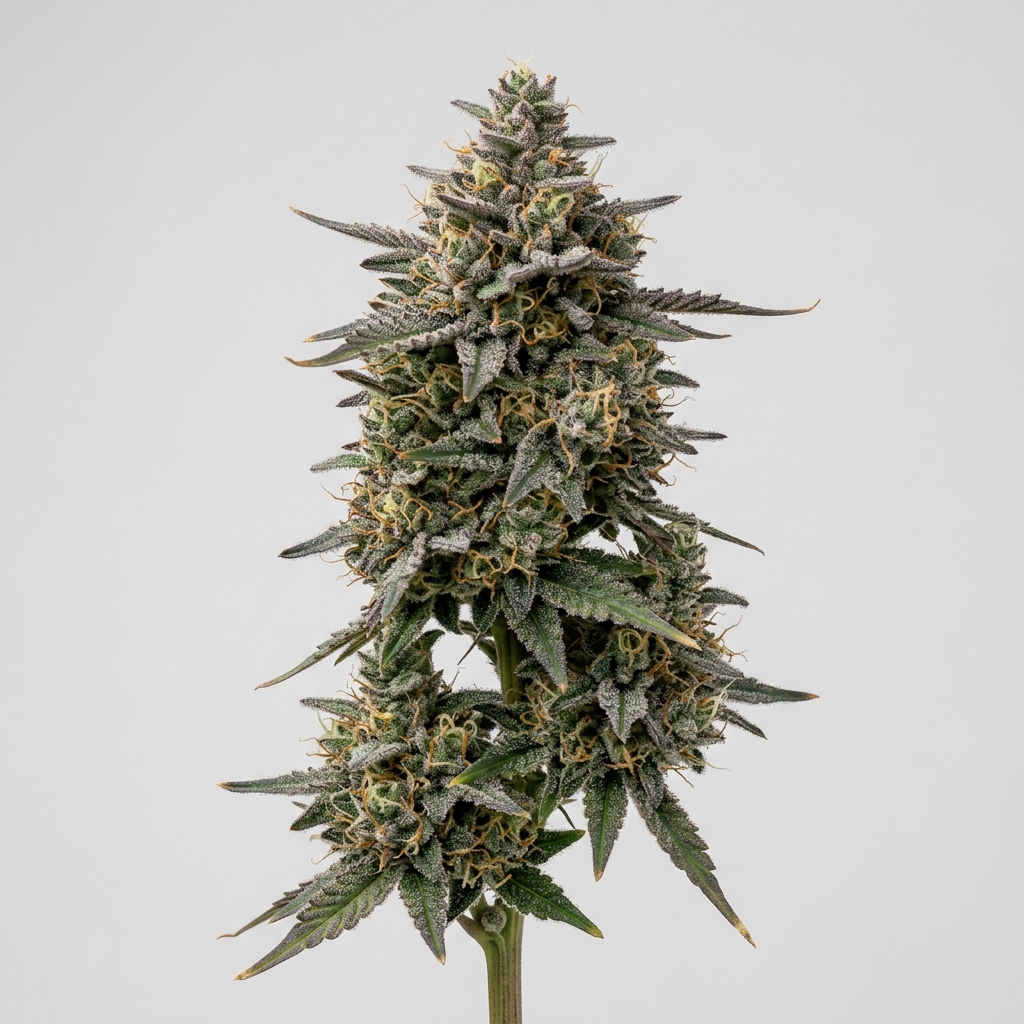
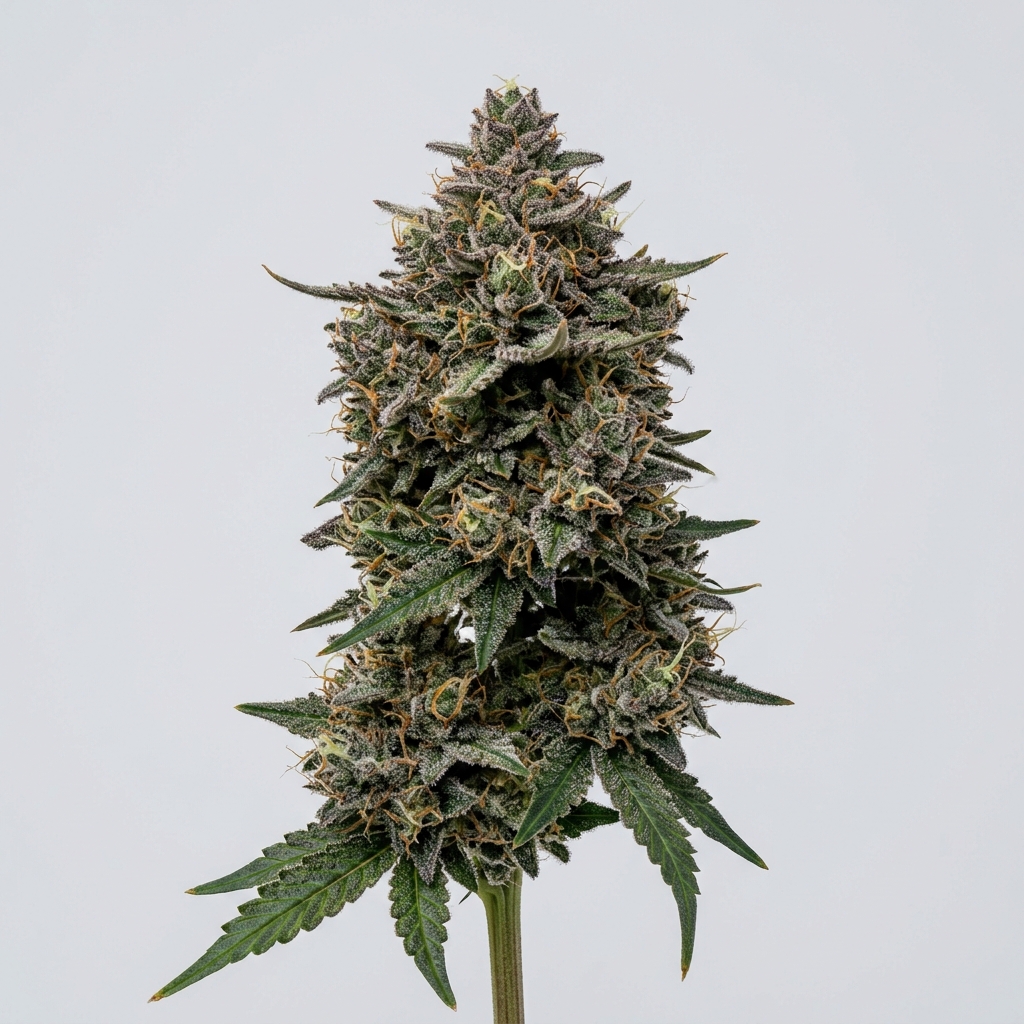
Golden Sherb Gas is a premium, indica-dominant hybrid typically testing between 22% and 28% THC, bred by crossing Golden Sherb with a heavy Gas donor. This cultivar brings together the creamy, dessert-like qualities of the Sherb lineage with a sharp, petroleum-forward finish. Known for its greasy resin production and dense, spear-shaped colas, it shows a moderate stretch during early flower and rewards growers with high-terpene yields.
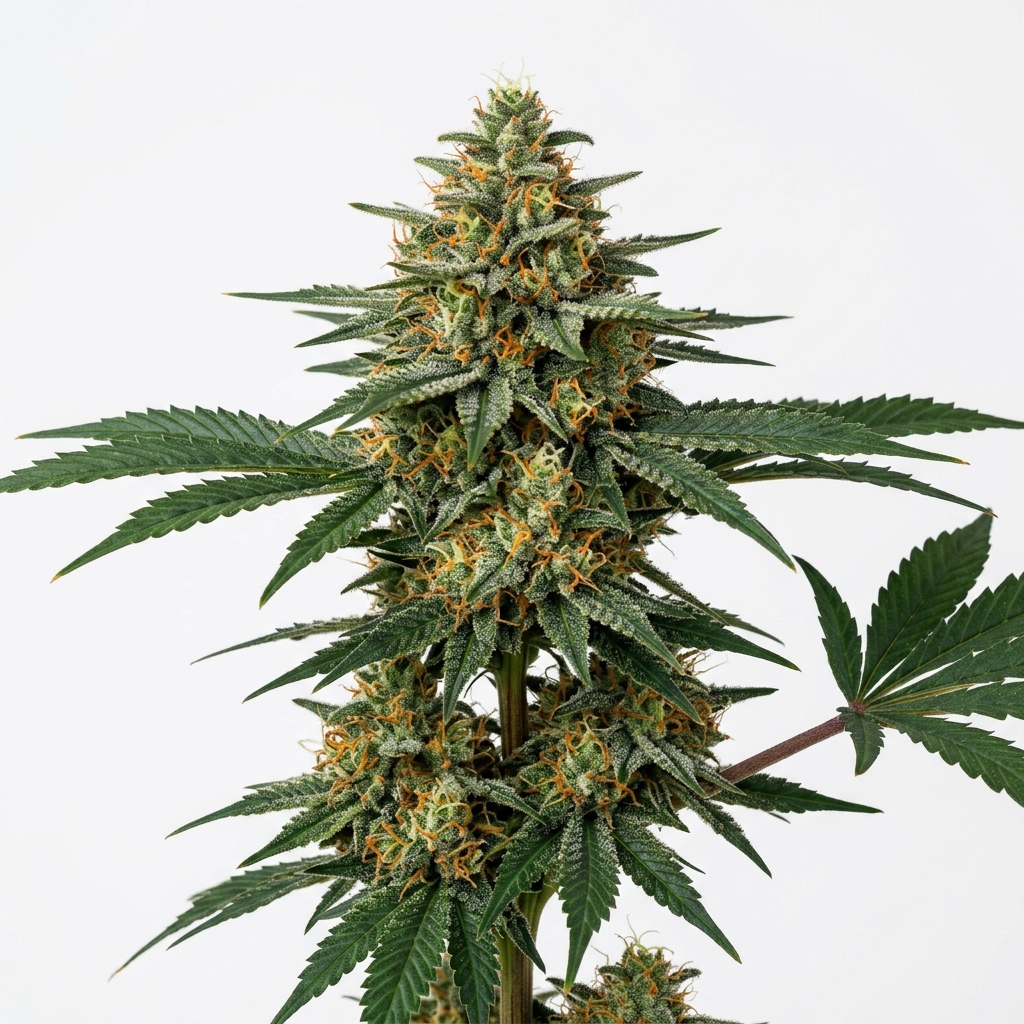
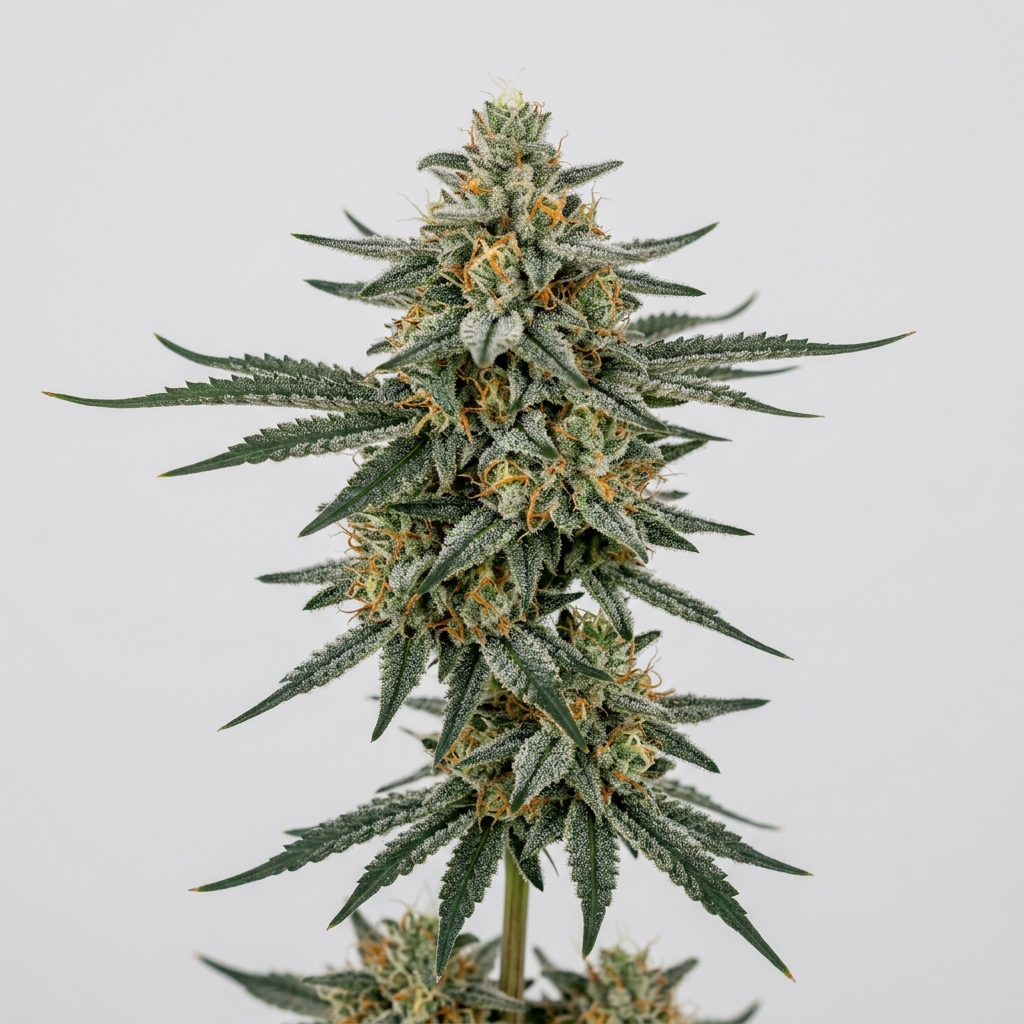
The buds display a striking contrast of deep forest greens and violet undertones, heavily coated in a blanket of wet frost. Its remarkable bag appeal and complex sensory profile make it a favored choice among extraction artists and boutique cultivators. The experience is heavy and deeply relaxing, suited for quiet evening sessions.
Quick Facts
| Attribute | Detail |
|---|---|
| Genetics | Golden Sherb × Gas selection |
| Variety | Indica-dominant Hybrid |
| THC Range | 22% – 28% |
| Flowering Time | 8 – 9 Weeks |
| Yield Potential | Moderate to High |
| Plant Height | Medium |
| Climate Preference | Temperate, controlled indoor setups |
| Difficulty | Moderate |
Scientific & Botanical Overview
Golden Sherb Gas shows a sturdy, bushy structure characteristic of modern indica hybrids. The plant develops broad fan leaves with tight internodal spacing, requiring regular defoliation to maintain optimal airflow through the lower canopy. This ensures light penetrates directly to the lower bud sites during the early stages of bloom.
During the transition to flower, the cultivar undergoes a controlled stretch, usually doubling in height. It forms dense, swollen calyxes that pack tightly along the branches, creating heavy terminal colas with a high calyx-to-leaf ratio that simplifies the trimming process. Cool night temperatures in late flower stimulate the production of anthocyanins, turning the foliage deep purple.
Trichome development begins early in the flowering cycle, producing a thick layer of capitate-stalked resin glands. The resin remains greasy to the touch rather than dry or sandy, indicating a high concentration of volatile monoterpenes held within the membrane. This makes the cultivar highly suitable for solventless extraction methods.
Effects & Use-Cases (Reported)
Commonly reported effects: Users frequently report a heavy, physical relaxation that settles quickly behind the eyes before spreading throughout the body. This calming sensation is accompanied by a quiet, cerebral clarity that helps slow down racing thoughts without immediate sedation.
Use-case context: Well-suited for late-afternoon or evening use, this strain is often selected for winding down after active days. Its balanced physical weight and peaceful mental state make it ideal for low-energy activities, listening to music, or preparing for sleep.
Note: Individual experiences may vary, and high-potency cultivars should be approached with caution by those sensitive to strong physical effects.
Aroma & Flavors
Aroma: The initial nose is dominated by a sharp, fuel-like pungency that transitions into a sweet, doughy creaminess. Underneath the heavy gas, subtle notes of candied citrus and ripe berries emerge when the buds are broken apart.
Flavor: On the palate, the smoke is thick and smooth, delivering a rich flavor of sweet vanilla dough and tart citrus. The exhale leaves a lingering, earthy kush finish mixed with a distinct metallic gas sting.
Terpene associations: The complex profile is driven by a high concentration of limonene, caryophyllene, and myrcene, which work together to produce the signature sweet-and-sour fuel dynamic.
Tested Cannabinoid & Terpene Ranges
| Compound | Typical Range |
|---|---|
| Δ9-THC | 22.0% – 28.0% |
| CBD | < 1.0% |
| Limonene | 0.5% – 0.9% |
| Beta-Caryophyllene | 0.4% – 0.7% |
| Myrcene | 0.3% – 0.6% |
| Linalool | 0.1% – 0.3% |
Values are based on aggregated lab data and may vary depending on cultivation practices, curing methods, and specific phenotypes.
Cultivation Notes
- Humidity management: Maintain relative humidity (RH) below 50% during mid-to-late flower to protect the dense, heavy colas from moisture retention and mold.
- Nutrient requirements: This cultivar responds well to a moderate feeding schedule, showing a preference for steady nitrogen in vegetative growth and increased potassium during peak bloom.
- Canopy training: Employ low-stress training (LST) and topping early in vegetative growth to promote even lateral branching and maximize light penetration.
- Harvest timing: Harvest when the trichome heads transition from milky white to approximately 10-15% amber for the most balanced physical effects.
- Phenotype variation: Some phenotypes lean toward the sweeter Sherb parentage with lighter yields, while gas-dominant phenos produce larger, denser spear colas.
Grower Notes (Week-by-Week Snapshot)
- Weeks 1–3 (Vegetative & Transition): Establish a strong root zone and prune lower fan leaves to improve airflow. The plant shows a manageable stretch when flipped to a 12/12 light cycle, requiring minimal initial support.
- Weeks 4–6 (Mid-Flower): Rapid bud development begins as the calyxes swell and resin starts coating the sugar leaves. Keep canopy temperatures around 74-78°F and ensure strong air movement.
- Weeks 7–9 (Late Flower & Flush): Drop nighttime temperatures by 10°F to encourage the expression of dark purple and blue hues. Flush with plain water for the final 10-14 days to ensure a clean burn and preserve terpene clarity.
- Post-Harvest (Cure): Dry slowly at 60°F and 60% humidity for 12 to 14 days. A patient, cold cure in airtight glass jars for at least three weeks fully locks in the sweet gas aroma.
Genetic Lineage
The genetic history of Golden Sherb Gas is rooted in the modern dessert-strain movement, combining the legendary genetics of Sunset Sherbert with a high-potency gas selection. The maternal side, Golden Sherb, brings the iconic creamy citrus and berry sweetness, alongside a dense, resinous bud structure that has defined contemporary boutique cannabis.
The paternal contributor, a select Gas phenotype, introduces a heavy fuel profile and robust growth characteristics. This cross successfully tempers the sometimes delicate growth habits of the Sherb line, adding structural vigor, increased yield potential, and a sharp diesel edge to the offspring.
Research Insights
Research into cultivars like Golden Sherb Gas focuses on the interaction between its high cannabinoid content and its distinct terpene profile. The combination of limonene and caryophyllene is of particular interest, as these compounds are studied for their potential to modulate the uptake of THC, potentially softening the physical transition while enhancing overall relaxation.
From a breeding perspective, this strain illustrates the value of crossing chemically diverse parents to stabilize specific traits. By combining a sweet, terpene-heavy cultivar with a high-vigor, fuel-dominant selection, breeders can achieve a more resilient plant that maintains a complex, multi-layered aroma profile without sacrificing yield.
Frequently Asked Questions
What are the primary effects of Golden Sherb Gas?
Golden Sherb Gas is known for delivering a deeply relaxing physical sensation coupled with a calm, clear mental state. It is highly regarded for evening use to unwind and ease tension.
Is Golden Sherb Gas difficult to grow?
This strain is moderately easy to grow. It requires regular canopy management and strict humidity control during late flower due to its dense bud structure, but it adapts well to both soil and hydroponic setups.
What does Golden Sherb Gas taste like?
The flavor profile is a mix of sweet vanilla dough, creamy citrus, and a sharp, lingering diesel fuel finish on the exhale.
How long does Golden Sherb Gas take to flower?
The cultivar typically finishes its flowering cycle in 8 to 9 weeks when grown indoors.
Educational Disclaimer
This content is for educational and informational purposes only. Cannabis laws and regulations vary by jurisdiction. Consult with a qualified professional before undertaking any cultivation or consumption practices.
Rate and review this strain
Ratings and reviews are accepted only from signed-in Google accounts.
Sign in with Google to leave a rating and written review.
Latest Reviews
0 reviewsNo reviews yet. Be the first Google user to rate and review this strain.