Purple Diesel (Cannabis Strain)
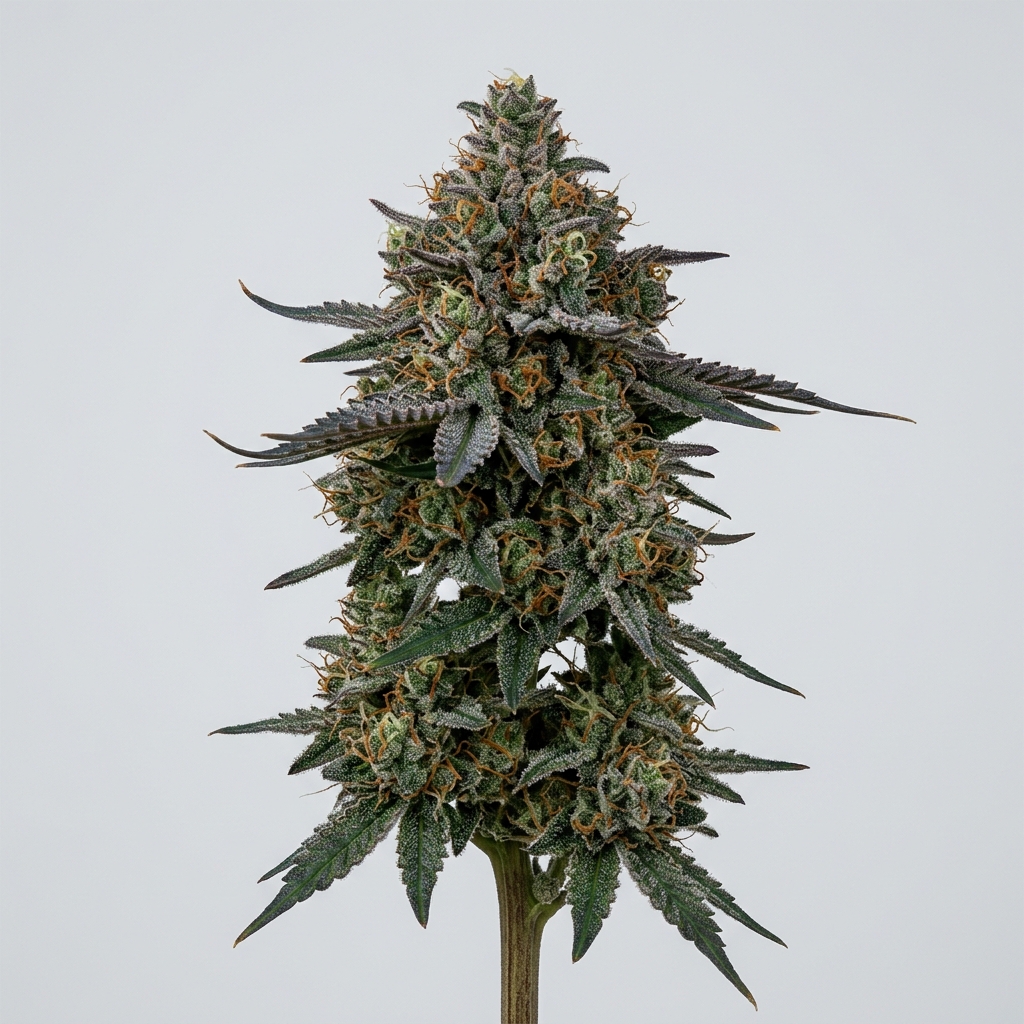
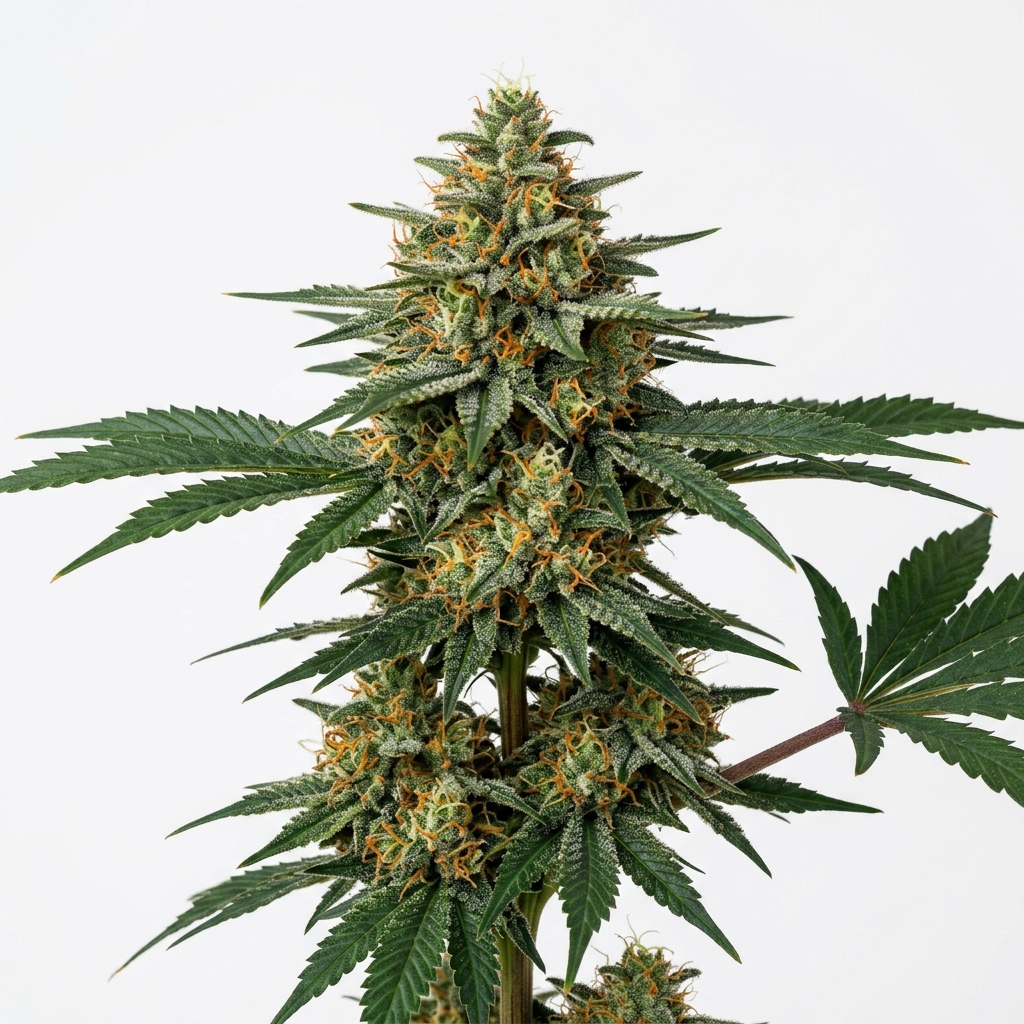
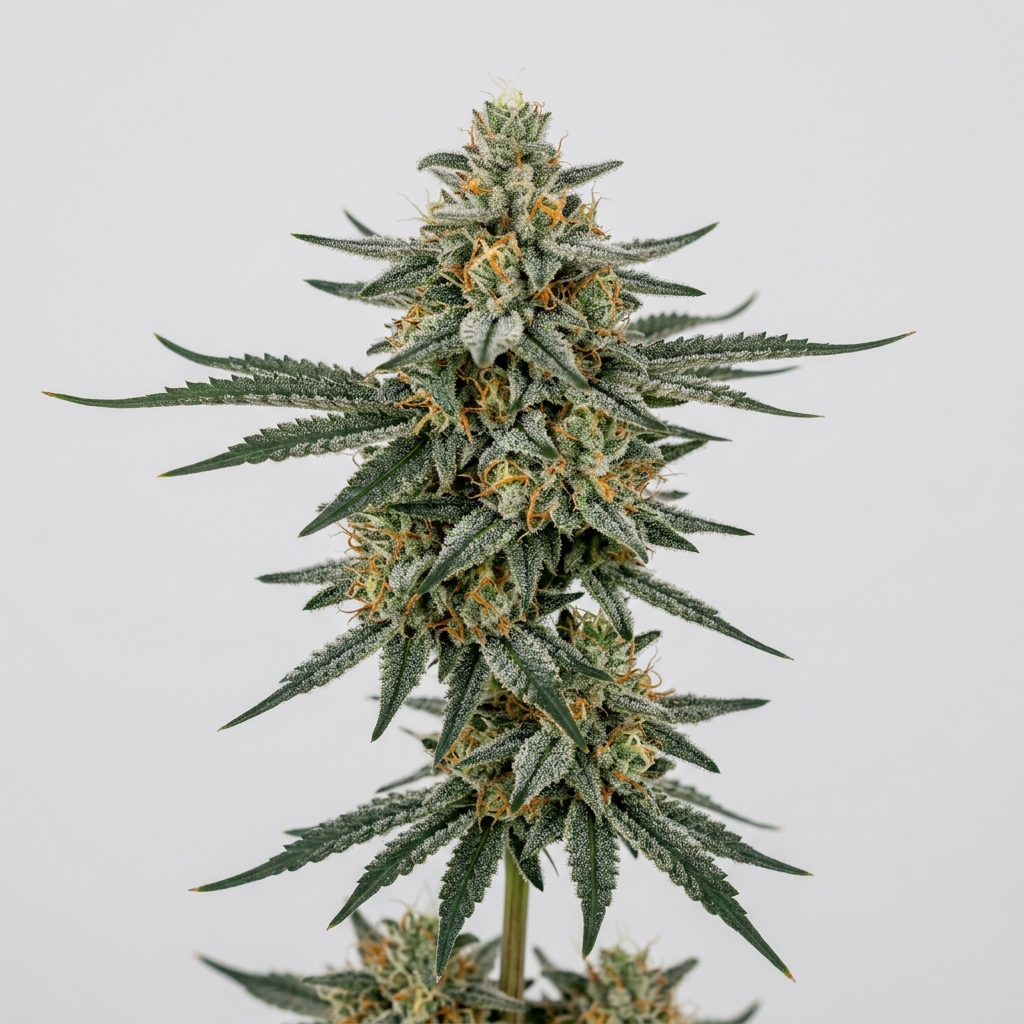
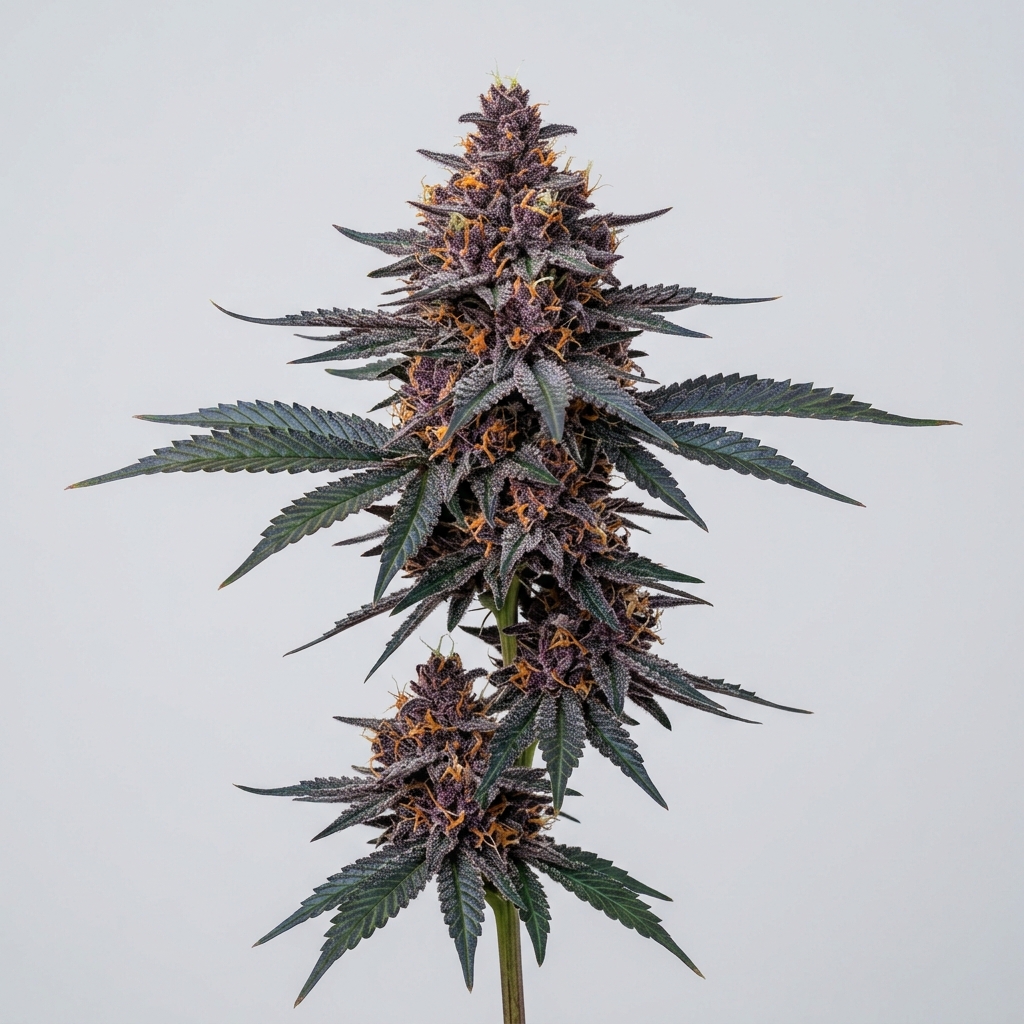
Purple Diesel is a classic sativa-dominant hybrid, typically testing between 18% and 24% THC, created by crossing the legendary Pre-98 Bubba Kush with Sour Diesel. This cultivar is highly regarded for its striking visual appeal, characterized by deep violet hues and a thick coat of greasy resin that covers dense, spear-shaped colas. It delivers a complex aromatic profile of sharp fuel balanced by a sweet, dark berry edge, making it a favorite among growers seeking both bag appeal and terpene clarity. The plant shows a manageable, controlled stretch during early flower and adapts well to both indoor setups and warm, dry outdoor climates.
Cultivators value this strain for its reliable performance and the distinct contrast between its bright orange pistils and dark purple bracts. While it leans sativa in its cerebral effects, its growth habits retain some of the sturdier, structural traits of its indica lineage. It offers a balanced, functional experience that has secured its place in contemporary dispensaries and private gardens alike.
Quick Facts
| Field | Details |
|---|---|
| Genetics | Pre-98 Bubba Kush × Sour Diesel |
| Variety | Sativa-dominant Hybrid |
| THC Range | 18% – 24% |
| Flowering Time | 8 – 9 Weeks |
| Yield Potential | Moderate to High |
| Plant Height | Medium to Tall |
| Climate Preference | Warm, dry, temperate |
| Difficulty | Moderate |
Scientific & Botanical Overview
Purple Diesel displays a robust botanical structure that reflects its hybrid heritage, producing medium-to-tall plants with strong lateral branching. The foliage is characterized by broad fan leaves that often transition to deep purple and blue shades during the late flowering stage as temperatures drop. The buds develop as elongated, dense colas with swollen calyxes and a heavy accumulation of glandular trichomes.
This cultivar shows a moderate stretch when transitioned to a 12/12 light cycle, requiring proactive canopy management to ensure optimal light penetration. The node spacing is relatively tight for a sativa-leaning hybrid, which helps support the weight of the heavy, resin-rich flowers. Proper airflow is essential throughout the flowering cycle to maintain low humidity within the dense canopy.
Anthocyanin accumulation is highly pronounced in this phenotype, driven by genetic factors and enhanced by cooler nighttime temperatures in the final weeks of cultivation. This natural pigment shift does not impact potency but contributes significantly to the striking dark contrast of the cured flowers. The resin profile is notably greasy, rich in volatile monoterpenes that persist through a careful drying and curing process.
Effects & Use-Cases (Reported)
Commonly reported effects: Users frequently describe an immediate, clear-headed cerebral lift accompanied by a subtle, warming physical relaxation. The initial onset is typically energizing and focused, making it suitable for daytime use without inducing heavy sedation. As the experience matures, a gentle physical ease settles in, grounding the initial mental stimulation.
Use-case context: This balanced profile makes the strain well-suited for creative projects, social gatherings, or daytime tasks requiring sustained focus. It is often selected by those seeking to ease daily physical tension while remaining active and mentally sharp.
Note: Individual experiences may vary depending on dosage, tolerance, and specific phenotype chemistry.
Aroma & Flavors
Aroma: The primary scent is a pungent, sour fuel that is immediately apparent, underscored by a sweet lavender and dark berry undertone.
Flavor: On the palate, it delivers a sharp, tart gas flavor that transitions into a smooth, earthy kush base with a lingering herbal mint finish.
Terpene associations: The aromatic complexity is driven by high concentrations of caryophyllene, limonene, and myrcene, which combine to create its signature fuel-and-fruit profile.
Tested Cannabinoid & Terpene Ranges
| Compound | Typical Range |
|---|---|
| Δ9-THC | 18.0% – 24.0% |
| CBD | < 0.5% |
| CBG | 0.5% – 1.2% |
| Beta-Caryophyllene | 0.4% – 0.9% |
| Limonene | 0.3% – 0.7% |
| Myrcene | 0.2% – 0.6% |
Range note: Cannabinoid and terpene levels are highly variable and depend heavily on cultivation methods, environmental factors, and specific phenotype selection.
Cultivation Notes
- Humidity control: Maintain relative humidity below 45% during the final three weeks of flowering to protect the dense, resin-rich colas from moisture retention.
- Nutrient regimen: This strain responds well to a moderate feeding schedule, showing a preference for organic nutrients that preserve its delicate terpene profile.
- Canopy training: Implement low-stress training (LST) or topping early in the vegetative phase to promote lateral growth and manage the plant’s natural stretch.
- Temperature management: Introduce cooler nighttime temperatures (around 60–65°F) during the last two weeks of flower to stimulate the expression of deep purple anthocyanins.
- Harvest window: Monitor trichome development closely; harvest when the majority of heads are milky white with about 10% turning amber to capture the peak balance of gas and fruit.
Grower Notes (Week-by-Week Snapshot)
- Weeks 1–3 (Early Flower): Plants will experience a noticeable stretch; ensure adequate space and begin light defoliation to improve airflow through the lower branches.
- Weeks 4–6 (Mid Flower): Bud sites begin to swell, forming distinct spear colas, and the first hints of purple coloration may appear on the leaf margins.
- Weeks 7–9 (Late Flower): The purple hues deepen across the bracts, resin production peaks with a wet frost appearance, and the aroma transitions to a heavy, tart gas.
- Post-Harvest (Dry & Cure): Hang-dry the whole plant at 60°F and 60% relative humidity for 10 to 14 days, followed by a minimum of three weeks in glass jars to lock in the berry-diesel aroma.
Genetic Lineage
The lineage of Purple Diesel is rooted in two of the most influential families in modern cannabis breeding. Its paternal side is represented by Sour Diesel, an iconic East Coast clone-only variety known for its soaring cerebral effects and unmistakable fuel-forward aroma. This parent contributes the sativa-dominant growth structure, the sharp chemical bite, and the uplifting character of the hybrid.
The maternal influence comes from Pre-98 Bubba Kush, a legendary indica that delivers structural stability, dense bud architecture, and a deep, earthy kush undertone. Some alternative lineages in the community suggest a cross involving Purple Urkle, but the Bubba Kush hybrid remains the most widely recognized and cultivated phenotype. This genetic synergy results in a plant that balances the speed and vigor of the Diesel with the resin density and color of the Kush.
Research Insights
Research into the chemical makeup of Purple Diesel highlights a complex interaction between its primary cannabinoids and a diverse terpene matrix. The presence of caryophyllene acts as a functional bridge, interacting directly with CB2 receptors to support physical comfort, while limonene provides a complementary cerebral lift. This balanced distribution of monoterpenes and sesquiterpenes explains why the strain offers sustained mental clarity without the racy edge often associated with pure sativas.
From a breeding perspective, the strain is highly valued for its stable inheritance of anthocyanin production and terpene retention. Breeders often use this genetic line to introduce vibrant purple coloration and fuel-forward aromas into new hybrids without sacrificing yield or structural integrity. The greasy, high-density trichome coverage also makes it an excellent candidate for solventless extraction techniques.
Frequently Asked Questions
Is Purple Diesel a sativa or an indica?
Purple Diesel is a sativa-dominant hybrid, typically exhibiting a 60:40 sativa-to-indica ratio. It combines the uplifting, cerebral qualities of Sour Diesel with the physical grounding and sturdy structure of Pre-98 Bubba Kush.
How long does Purple Diesel take to flower?
This strain typically completes its flowering cycle in 8 to 9 weeks when grown indoors. Outdoor crops are generally ready for harvest by early to mid-October, depending on local climate conditions.
What gives Purple Diesel its purple color?
The purple coloration is driven by natural pigments called anthocyanins, which are highly concentrated in this strain’s genetics. These colors become much more pronounced when the plant is exposed to cooler nighttime temperatures during the final weeks of flowering.
What does Purple Diesel smell like?
It features a powerful aroma of sour, tart gas and fuel, balanced by a sweet, dark berry and lavender undertone that carries over into its flavor profile.
Educational Disclaimer
This article is for educational and informational purposes only. Cannabis laws and regulations vary widely by jurisdiction. Cultivation should only be undertaken where legally permitted. Always consult with a healthcare professional before using cannabis for wellness purposes.
Rate and review this strain
Ratings and reviews are accepted only from signed-in Google accounts.
Sign in with Google to leave a rating and written review.
Latest Reviews
0 reviewsNo reviews yet. Be the first Google user to rate and review this strain.