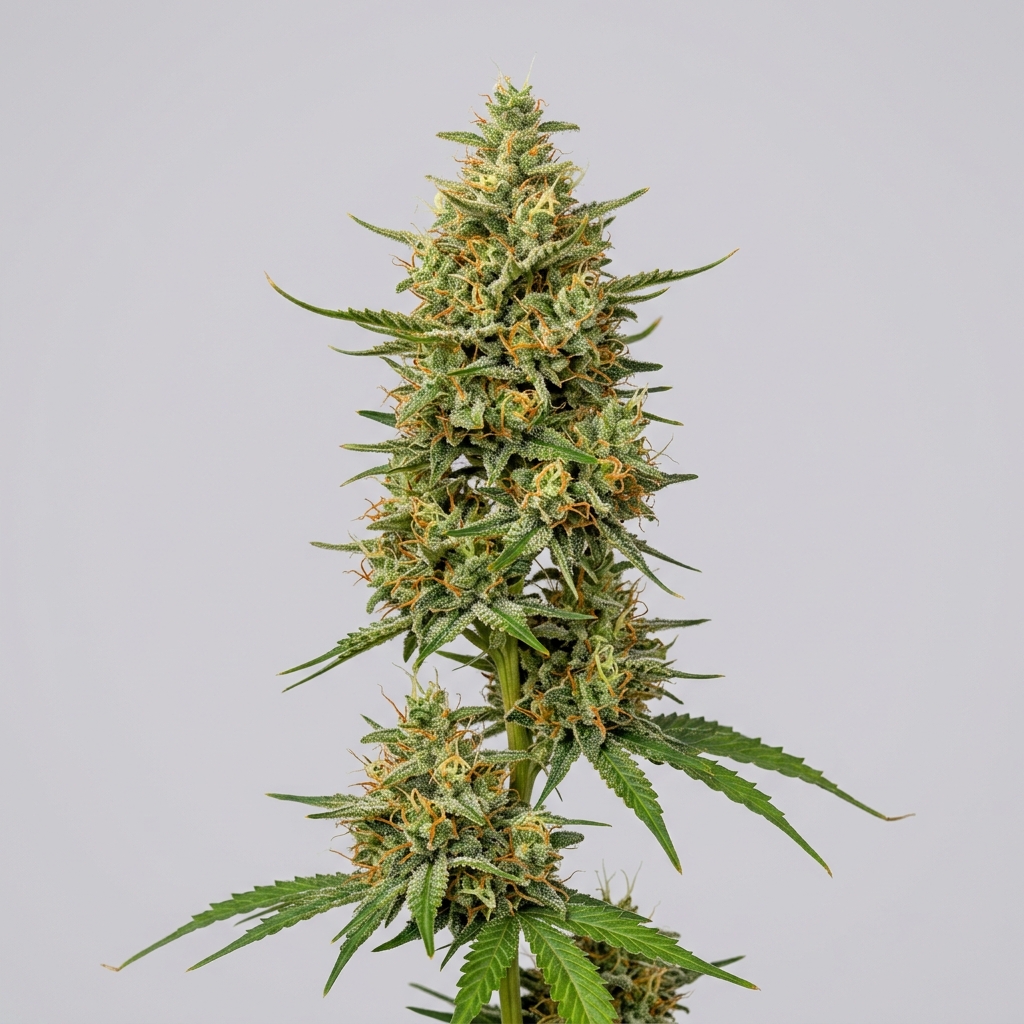
Vortex (Cannabis Strain)
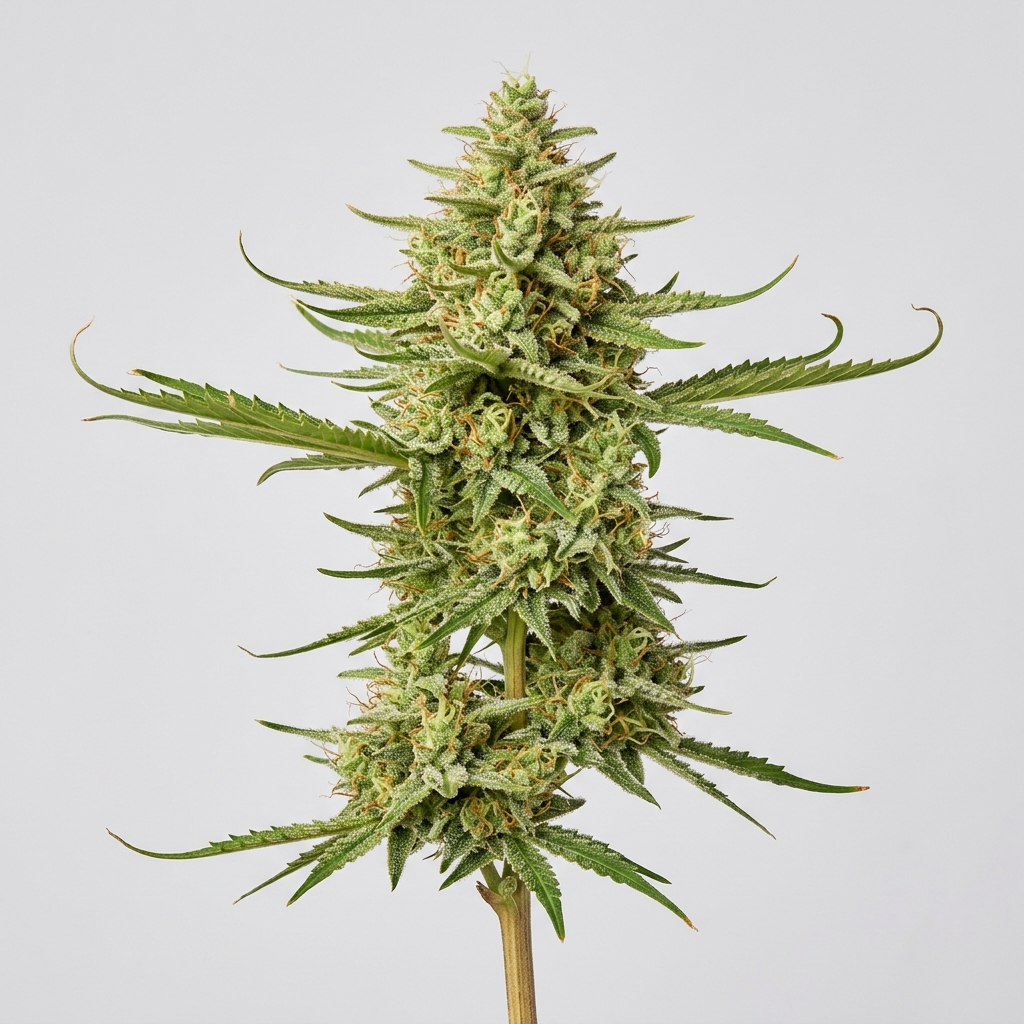
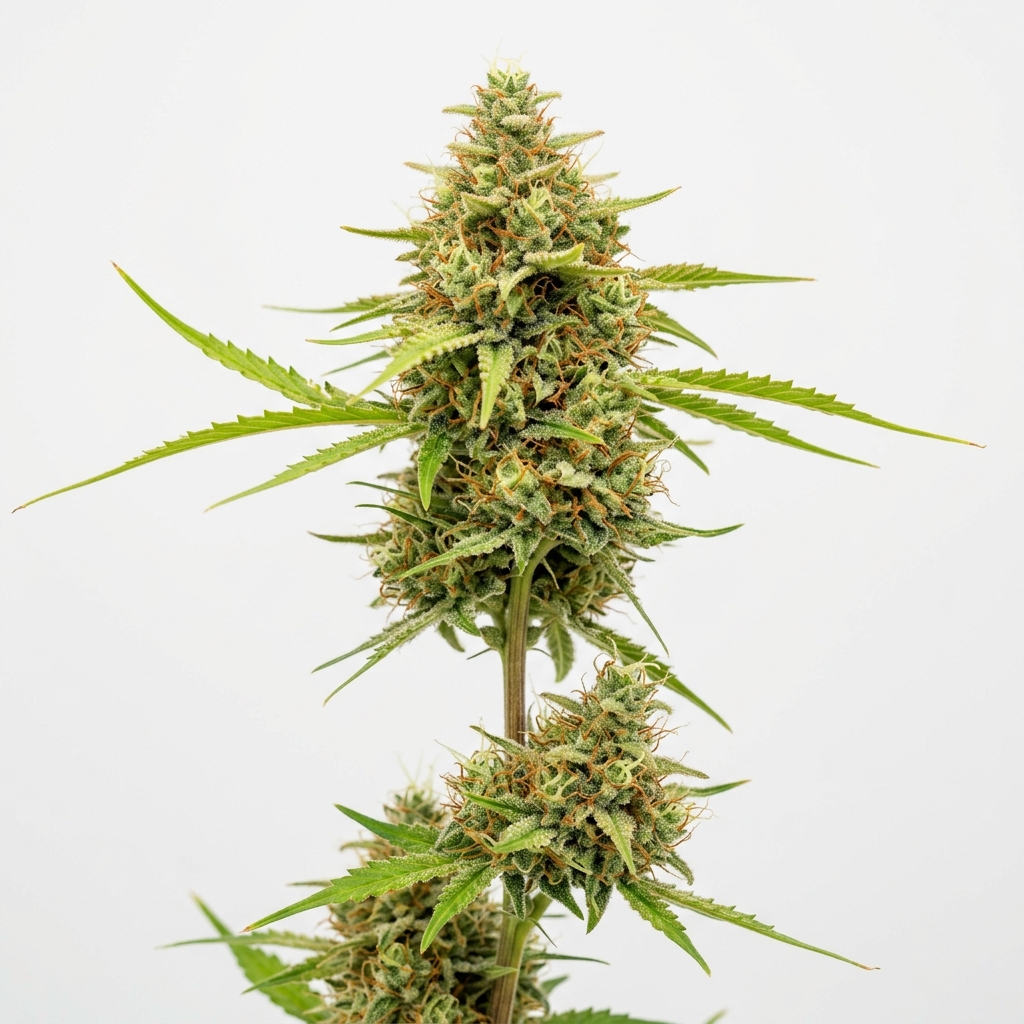
Vortex is a classic sativa-dominant hybrid, typically testing between 18% and 22% THC, created by crossing the legendary Apollo 13 and Space Queen. Known for its distinct rotten-fruit and sharp citrus profile, this cultivar produces highly resinous, greasy spear colas that often require physical support late in flower due to thin, flexible stems. It is highly regarded by extractors for its greasy resin coverage and by sativa enthusiasts for its rapid, soaring cerebral effects that lean heavily into energetic and creative spaces.
Originally bred by TGA Subcool, this cultivar carries an old-school pedigree that stands out in a market dominated by modern dessert genetics. Its growth pattern reflects its wild sativa heritage, requiring active canopy management to control its vigorous stretch and floppy lateral branches.
Quick Facts
| Field | Details |
|---|---|
| Genetics | Apollo 13 × Space Queen |
| Variety | Sativa-dominant Hybrid (80/20) |
| THC Range | 18% – 22% |
| Flowering Time | 55 – 63 Days (8 – 9 Weeks) |
| Yield Potential | Moderate to High |
| Plant Height | Tall / Vigorous Stretch |
| Climate Preference | Temperate / Low Humidity |
| Difficulty | Moderate |
Scientific & Botanical Overview
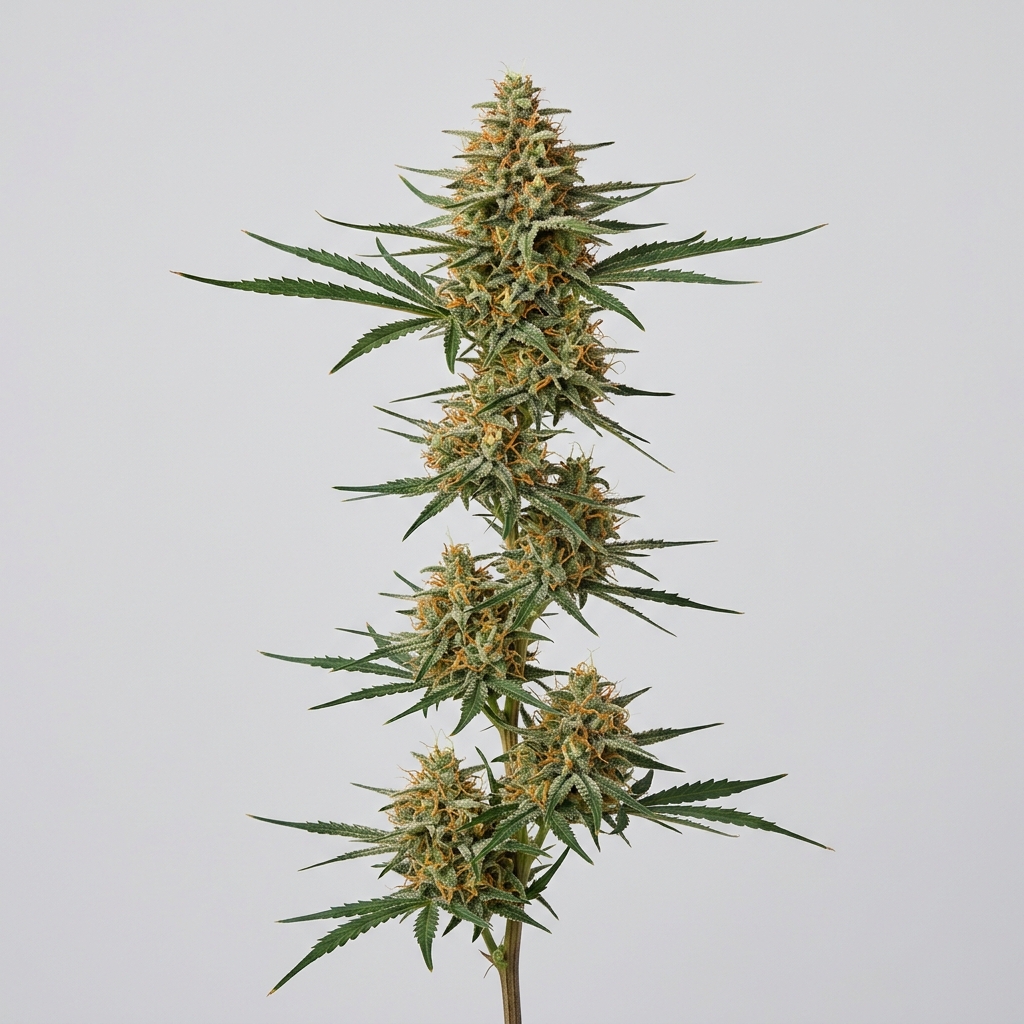
Vortex displays a classic sativa-leaning morphology characterized by long internodal spacing, thin fan leaves, and flexible, vine-like branches. The plant tends to stretch significantly once flipped to a 12/12 light cycle, requiring growers to implement early structural support. This vigorous growth pattern demands regular canopy management to ensure optimal light penetration to lower bud sites.
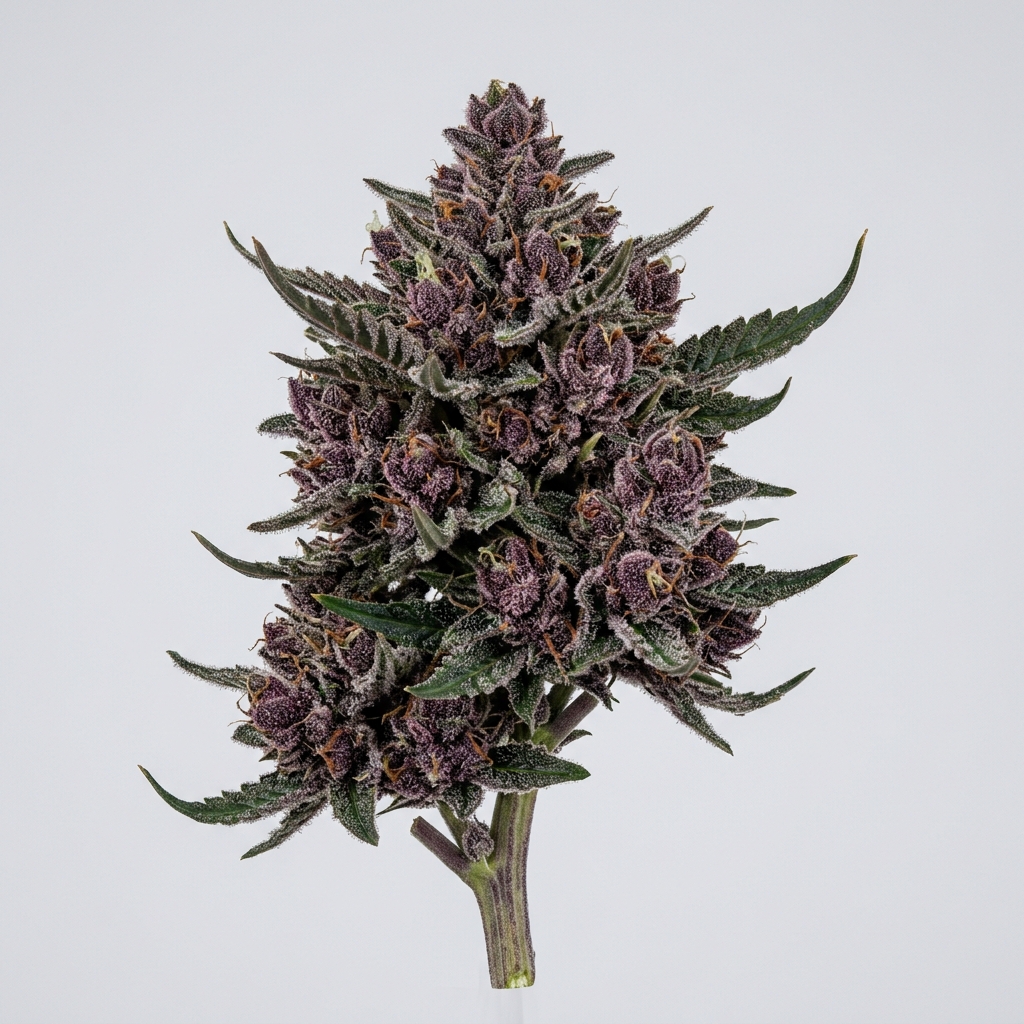
Bud development is characterized by elongated, spear-shaped colas with moderately dense bracts and highly swollen calyxes. Unlike dense, rock-hard indica flowers, these buds have an open structure that allows for decent airflow, mitigating some risks of bud rot in high-humidity environments. As flowering progresses, the calyxes stack loosely, creating a highly textured and visually striking flower structure.
The resin profile of this cultivar is notably greasy rather than dry or sandy, with trichomes that mature relatively quickly for a sativa-dominant plant. A heavy coat of wet frost covers both the flowers and the surrounding sugar leaves, making it a favored candidate for solventless extraction. The terpene-rich oils remain highly volatile, giving off a pungent aroma even with minimal handling.
Effects & Use-Cases (Reported)
Commonly reported effects: Fast-acting, soaring euphoria, intense cerebral energy, and a swirling head buzz that can border on dizzying for novice users. Many report a sharp increase in focus and creative drive, accompanied by a light, non-debilitating physical relaxation.
Use-case context: Well-suited for daytime activities, artistic projects, and social gatherings where conversation flows easily. It is less suited for late-evening use or situations requiring deep, uninterrupted sleep.
Note: Due to its rapid onset and high concentration of stimulating terpenes, sensitive individuals should approach this cultivar with caution to avoid mild sensory overload.
Aroma & Flavors
Aroma: A pungent blend of sweet mango, decayed peaches, and sharp lemon, underpinned by a sour, slightly cheesy funk.
Flavor: The palate mirrors the nose, delivering a strong tropical fruit sweetness on the inhale followed by a tart gas and metallic finish.
Terpene associations: High concentrations of terpinolene, myrcene, and caryophyllene drive its complex, sweet-yet-sour aromatic signature.
Tested Cannabinoid & Terpene Ranges
| Compound | Typical Range |
|---|---|
| Δ9-THC | 18.0% – 22.0% |
| CBD | < 0.2% |
| Terpinolene | 0.5% – 1.2% |
| Myrcene | 0.3% – 0.8% |
| Caryophyllene | 0.2% – 0.6% |
Values are based on laboratory averages and may vary significantly depending on cultivation methods, environmental factors, and specific phenotypes.
Cultivation Notes
- Support: Early trellis netting or bamboo stakes are essential, as the thin, flexible branches will bend and collapse under the weight of the heavy spear colas.
- Topping: Multi-topping and super-cropping are recommended during vegetative growth to control height and encourage a more even, bush-like canopy.
- Nutrition: This cultivar is a moderate feeder; avoid heavy nitrogen applications late in the vegetative phase to prevent excessive stretching.
- Humidity: Keep late-flower humidity below 45% to preserve the delicate terpene profile and protect the resin-rich flowers.
- Harvest: Harvest when trichomes are mostly milky with a small percentage of amber to preserve the energetic, soaring quality of the high.
Grower Notes (Week-by-Week Snapshot)
- Weeks 1–3 (Vegetative & Transition): Rapid vertical growth begins immediately. Implement early LST (low-stress training) and install the first layer of trellis. Expect a 100% to 150% stretch after switching to flower.
- Weeks 4–6 (Mid-Flower): Flower clusters begin to stack into elongated spear colas. Resin production starts early, presenting as a greasy, wet coat. Ensure branches are secured to the trellis as they begin to lean.
- Weeks 7–9 (Late Flower & Harvest): Calyxes swell significantly, and the aroma intensifies into a pungent, rotten-fruit funk. Flush with plain water for the final 10 to 14 days, and harvest when trichomes transition from clear to milky.
Genetic Lineage
Vortex is a direct descendant of two highly influential TGA Subcool creations: Apollo 13 and Space Queen. Apollo 13 contributes its signature sour fruit aroma, quick flowering time, and intense, clear-headed sativa high, while Space Queen (a Romulan × Cinderella 99 cross) lends its complex tropical sweetness and heavy resin production.
This genetic combination results in a highly stable phenotype that showcases the best traits of its Cinderella 99 ancestry, particularly the fast flowering time and tropical terpene clarity. It remains a foundational building block in modern sativa breeding programs.
Research Insights
Analytical testing of Vortex consistently reveals a terpene profile dominated by terpinolene, a relatively uncommon primary terpene in modern commercial hybrids. This compound, when combined with high levels of THC, is believed to drive the uplifting and highly stimulating cerebral effects commonly associated with classic sativa cultivars.
The greasy resin texture of this strain is of particular interest to extraction artists. The high density of capitate-stalked trichomes with fragile neck structures allows for efficient separation during solventless washing, yielding highly aromatic live rosin with a distinct tropical profile.
Frequently Asked Questions
Is Vortex a pure sativa?
No, Vortex is a sativa-dominant hybrid, typically classified as an 80/20 sativa/indica cross. It combines the uplifting energy of its sativa lineage with a relatively short flowering time inherited from its indica ancestors.
What does Vortex smell like?
This cultivar is famous for its highly unusual aroma, which is often described as a mix of sweet mango, rotten peaches, sour citrus, and a distinct baby-food or chemical funk.
How long does Vortex take to flower?
Vortex has a relatively fast flowering time for a sativa-dominant hybrid, usually maturing in 55 to 63 days (8 to 9 weeks) when grown indoors.
Does Vortex require trellis support?
Yes, due to its thin, flexible branches and heavy, resin-rich colas, physical support such as trellis netting or stakes is highly recommended to prevent the plant from collapsing late in flower.
Educational Disclaimer
This guide is for educational and informational purposes only. Local laws regarding cannabis cultivation and consumption vary widely, and readers should always consult their local regulations.
Rate and review this strain
Ratings and reviews are accepted only from signed-in Google accounts.
Sign in with Google to leave a rating and written review.
Latest Reviews
0 reviewsNo reviews yet. Be the first Google user to rate and review this strain.