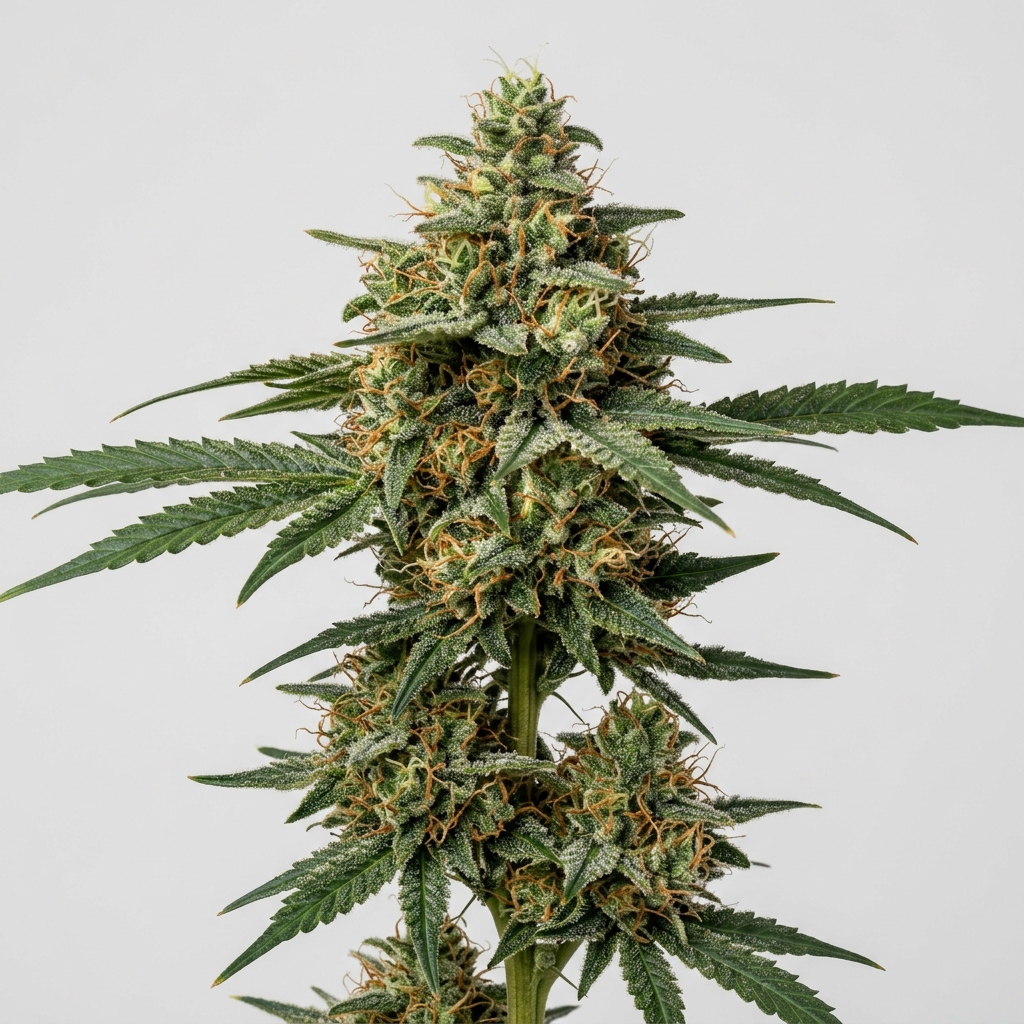
Kosher Tangie (Cannabis Strain)
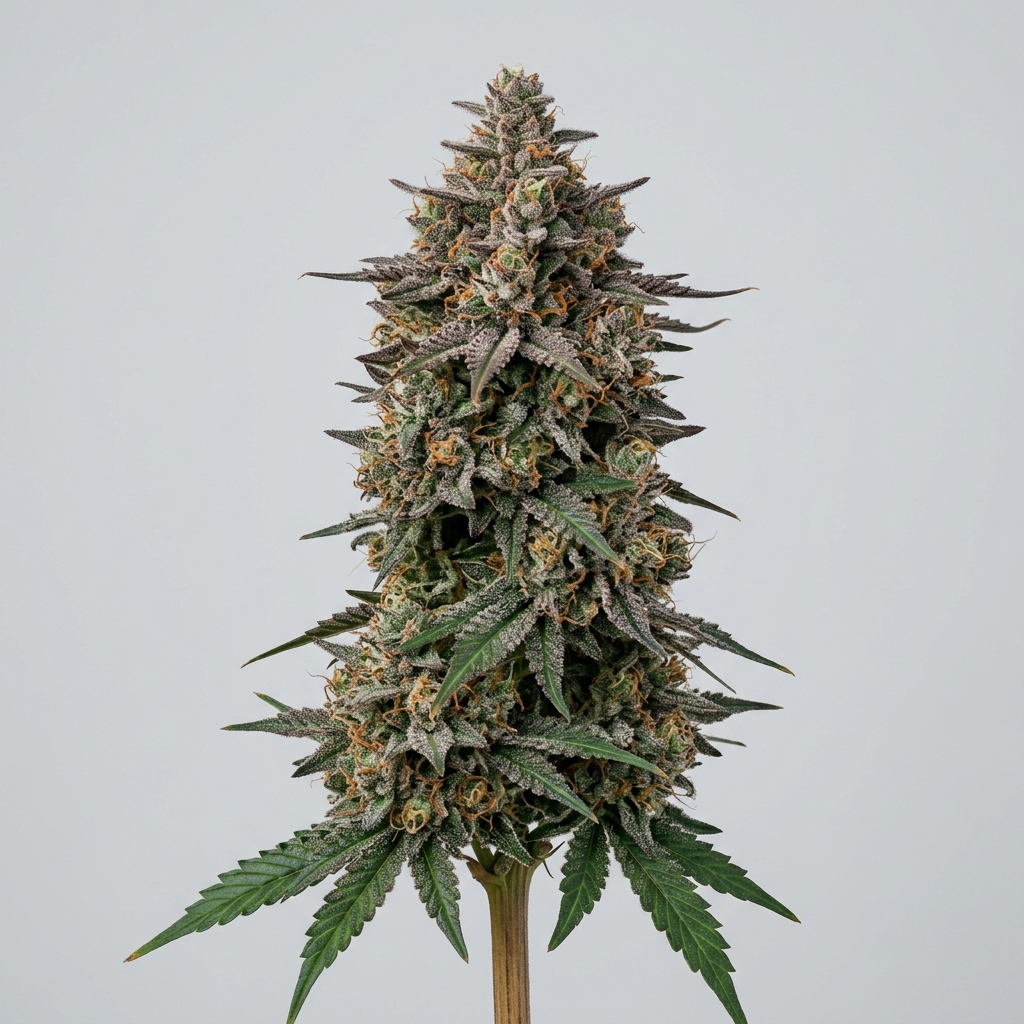
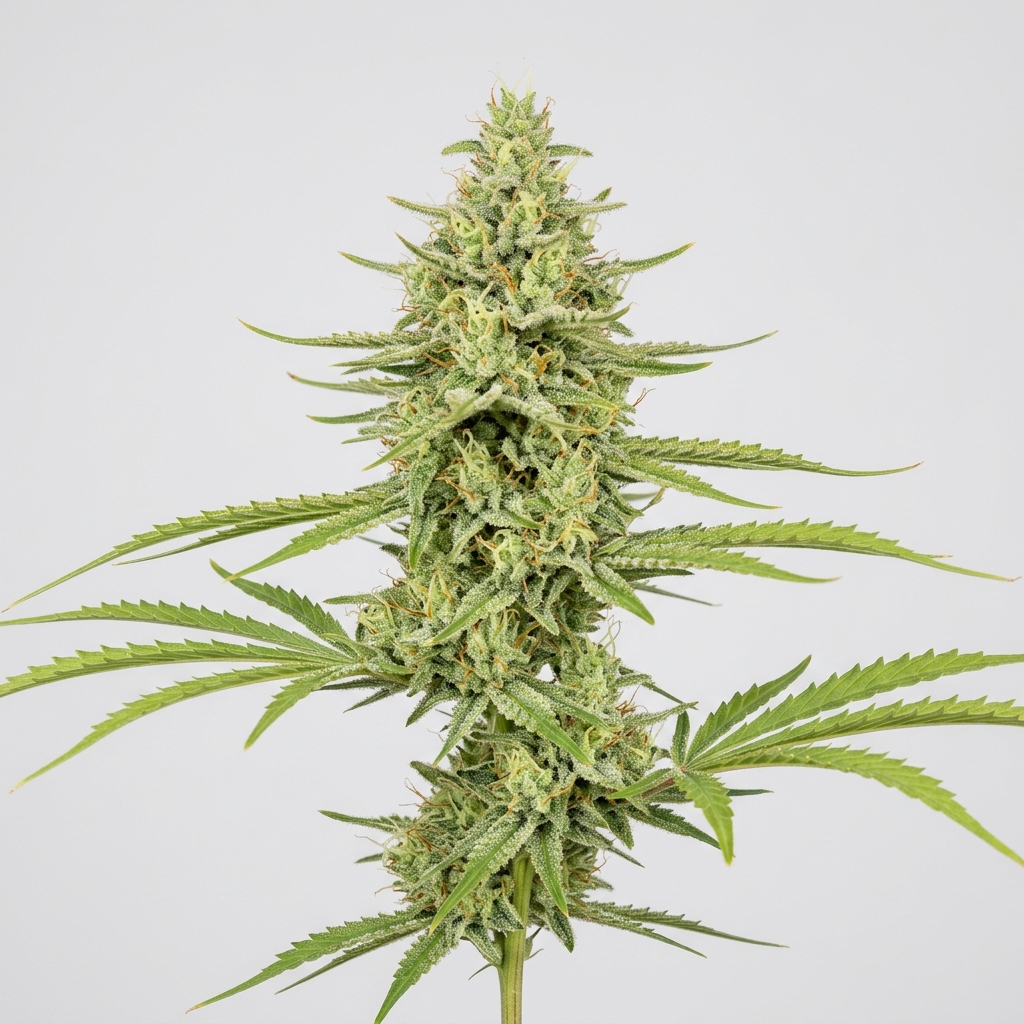
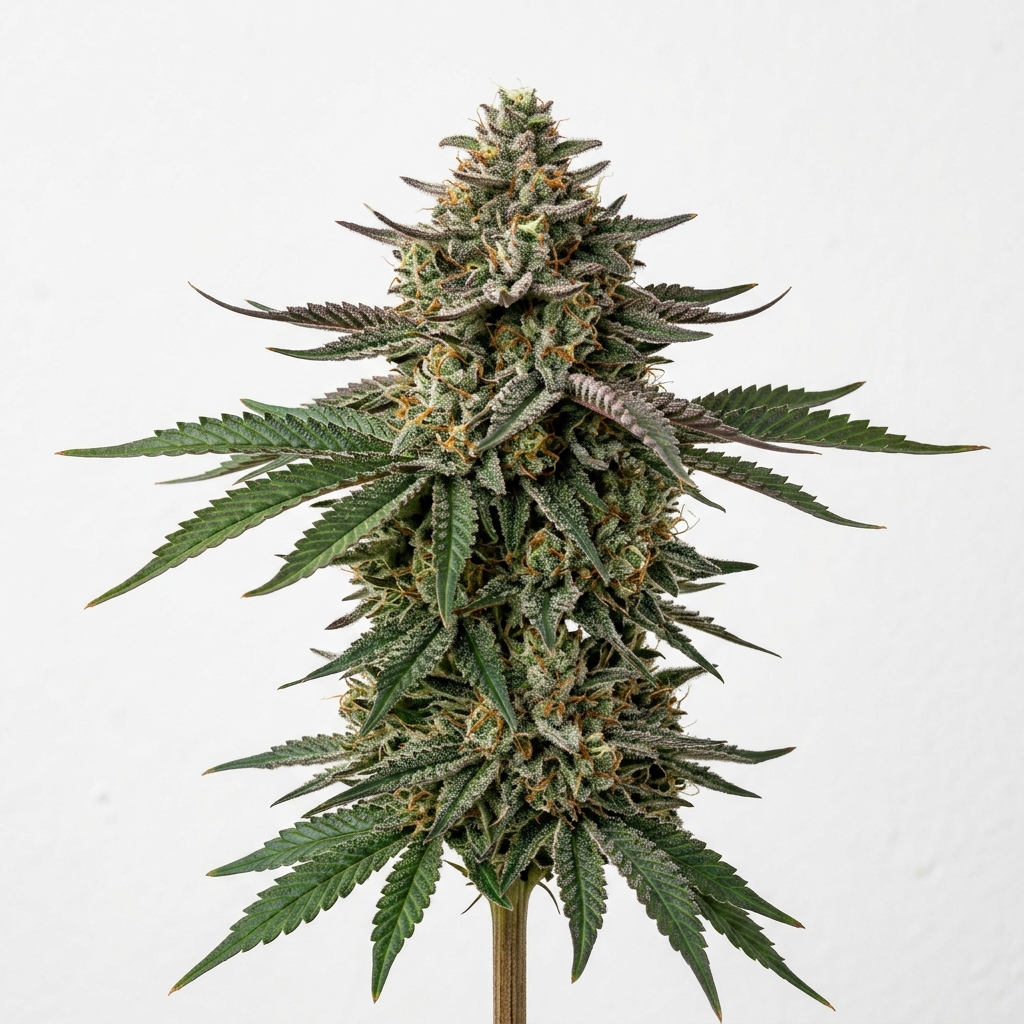
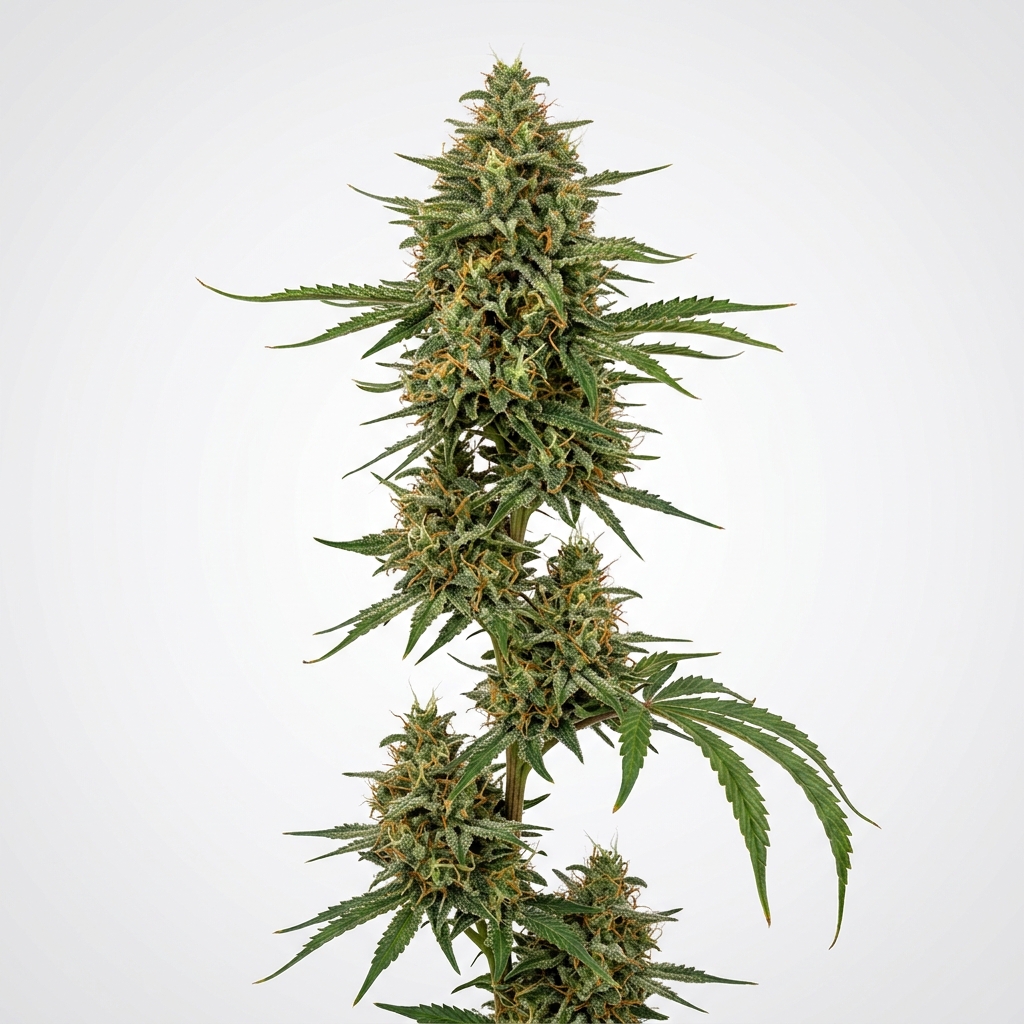
Kosher Tangie is a balanced hybrid cultivar, typically testing between 18% and 24% THC, created by crossing the award-winning Kosher Kush with the citrus-forward Tangie. This cultivar is highly regarded for its greasy resin production and an aromatic profile that pairs a sharp citrus lift with a heavy, earthy kush base. In the grow room, it shows a controlled stretch and develops dense spear colas covered in wet frost, making it a favorite for both flower cultivation and solventless extraction.
Developed by DNA Genetics, this hybrid captures the key traits of its parentage, balancing the heavy, relaxing undertones of California Kush genetics with the energetic peel of modern citrus lines. Growers value the plant for its predictable growth patterns and high terpene clarity, which translates exceptionally well into live resins and rosins.
Quick Facts
| Fact | Detail |
|---|---|
| Genetics | Kosher Kush × Tangie |
| Variety | Balanced Hybrid |
| THC Range | 18% – 24% |
| Flowering Time | 9 – 10 Weeks |
| Yield Potential | Moderate to High |
| Plant Height | Medium to Tall |
| Climate Preference | Temperate, Low Humidity |
| Difficulty | Moderate |
Scientific & Botanical Overview
Kosher Tangie shows a growth pattern that reflects its hybrid heritage, showing a moderate to heavy stretch during the first three weeks of transition. The vegetative structure typically features broad fan leaves and medium internodal spacing, which requires regular pruning to maximize airflow. It adapts well to both soil and hydroponic setups, showing a preference for stable, temperate conditions.
As flowering progresses, the plant develops dense bracts and swollen calyxes that stack into elongated spear colas. The resin glands are highly concentrated, producing a greasy resin layer that covers both the flowers and surrounding sugar leaves. This heavy trichome coverage makes the cultivar highly suitable for solventless extraction methods.
The cultivar’s terpene synthesis is heavily dominated by monoterpenes, which contribute to the intense orange peel aroma. This high concentration of volatile oils demands strict environmental control during late-flower stages to prevent moisture retention in the dense flower clusters.
Effects & Use-Cases (Reported)
Commonly reported effects: Consumers frequently note a rapid, clear-headed onset that brings a sharp citrus lift, followed by a steady, grounding physical relaxation. The experience is often described as functional yet calming, avoiding the heavy sedation of pure Kush lines while maintaining a solid physical anchor.
Use-case context: This balance makes the cultivar well-suited for late afternoon use, creative projects, or social gatherings where mental clarity is desired alongside physical comfort. It is often selected by those looking to ease physical tension without immediate lethargy.
Note: Individual tolerance and biochemistry will influence the overall experience; beginners should approach this moderate-to-high THC cultivar with caution.
Aroma & Flavors
Aroma: The initial scent is dominated by a sharp mandarin orange peel and sweet citrus zest. Underneath this bright top note lies a deep, damp earthiness and a subtle hint of pine, characteristic of its Kush parentage.
Flavor: On the exhale, the smoke delivers a bright citrus lift that quickly transitions into a heavy, gas-tinged earthy finish. The contrast between the sweet fruit and the tart gas creates a complex profile that lingers on the tongue.
Terpene associations:
Myrcene, Limonene, and Caryophyllene are the primary drivers of this distinct profile.
Tested Cannabinoid & Terpene Ranges
| Compound | Typical Range |
|---|---|
| Δ9-THC | 18.0% – 24.0% |
| CBD | < 0.2% |
| Limonene | 0.4% – 0.8% |
| Myrcene | 0.3% – 0.7% |
| Caryophyllene | 0.2% – 0.5% |
| Linalool | 0.1% – 0.3% |
Note: Cannabinoid and terpene levels are highly variable and depend on specific phenotypes, cultivation methods, and curing conditions.
Cultivation Notes
- Humidity Management: Maintain relative humidity below 45% during the final three weeks of flowering to protect the dense spear colas from bud rot.
- Training Techniques: use low-stress training (LST) or topping early in vegetative growth to manage the plant’s natural stretch and promote an even canopy.
- Nutrient Requirements: This cultivar responds well to moderate nitrogen levels in veg, requiring a clean transition to phosphorus and potassium as it enters flower.
- Phenotype Selection: Watch for two primary phenotypes: one that stays shorter and leans toward the earthy Kush side, and another taller, high-stretch pheno with intense orange terpene clarity.
- Harvest Timing: Harvest when the trichomes are mostly milky with about 10% amber to preserve the volatile citrus terpenes.
Grower Notes (Week-by-Week Snapshot)
- Weeks 1–3 (Transition & Stretch): The plant undergoes a significant stretch, often doubling in height. Ensure trellis netting is in place to support the branches and perform light defoliation to improve light penetration.
- Weeks 4–6 (Flower Development): Small, resin-rich flowers begin to cluster along the branches. The sharp citrus lift in the aroma starts to emerge, and the plant’s water consumption peaks.
- Weeks 7–9+ (Maturation & Flush): Buds swell significantly, developing swollen calyxes and a thick layer of greasy resin. Reduce humidity, lower temperatures slightly to bring out subtle purple hues, and initiate a thorough flush.
- Post-Harvest (Dry & Cure): Hang dry at 60°F (15°C) and 60% relative humidity for 11 to 14 days to prevent the rapid loss of volatile citrus terpenes, followed by a slow cure in airtight vessels.
Genetic Lineage
The maternal parent, Kosher Kush, is a legendary California cut renowned for its heavy, gassy profile and high-potency resin. It contributes physical depth, structural bud density, and a deep, piney undertone to the hybrid’s profile.
The paternal contributor, Tangie, is a modern selection of California Orange genetics popularized by Crockett Family Farms. Tangie infuses the cross with its signature sweet orange zest aroma, high terpene clarity, and a functional, uplifting mental clarity.
Research Insights
Analytical testing of Kosher Tangie consistently highlights a high concentration of limonene and myrcene. This specific combination is of interest to researchers studying how citrus-derived monoterpenes interact with tetrahydrocannabinol to modulate physical relaxation without inducing heavy lethargy.
From a breeding perspective, the cultivar shows excellent stability in transmitting its volatile terpene profile to offspring. Its high resin-to-bract ratio makes it a valuable subject for studies focusing on mechanical separation and solventless extraction efficiency.
Frequently Asked Questions
Is Kosher Tangie an indica or a sativa?
Kosher Tangie is a balanced hybrid cultivar. It shows physical characteristics of both parents, combining the dense, resin-rich flowers of an indica with the taller, stretched growth pattern of a sativa.
What does Kosher Tangie smell like?
This cultivar features a heavy, sweet mandarin orange peel aroma mixed with a damp, earthy kush base and subtle hints of sharp gas.
How long does Kosher Tangie take to flower?
Kosher Tangie typically requires 9 to 10 weeks of flowering to reach full maturity, depending on the specific phenotype and environmental conditions.
Is Kosher Tangie suitable for concentrate production?
Yes. Due to its greasy resin production and high concentration of volatile monoterpenes, it is highly favored by extractors for making high-quality live resin and rosin.
Educational Disclaimer
This article is for educational and informational purposes only. Cannabis cultivation, possession, and use are subject to local laws and regulations. Consult with a qualified professional before making any horticultural or personal wellness decisions.
Rate and review this strain
Ratings and reviews are accepted only from signed-in Google accounts.
Sign in with Google to leave a rating and written review.
Latest Reviews
0 reviewsNo reviews yet. Be the first Google user to rate and review this strain.