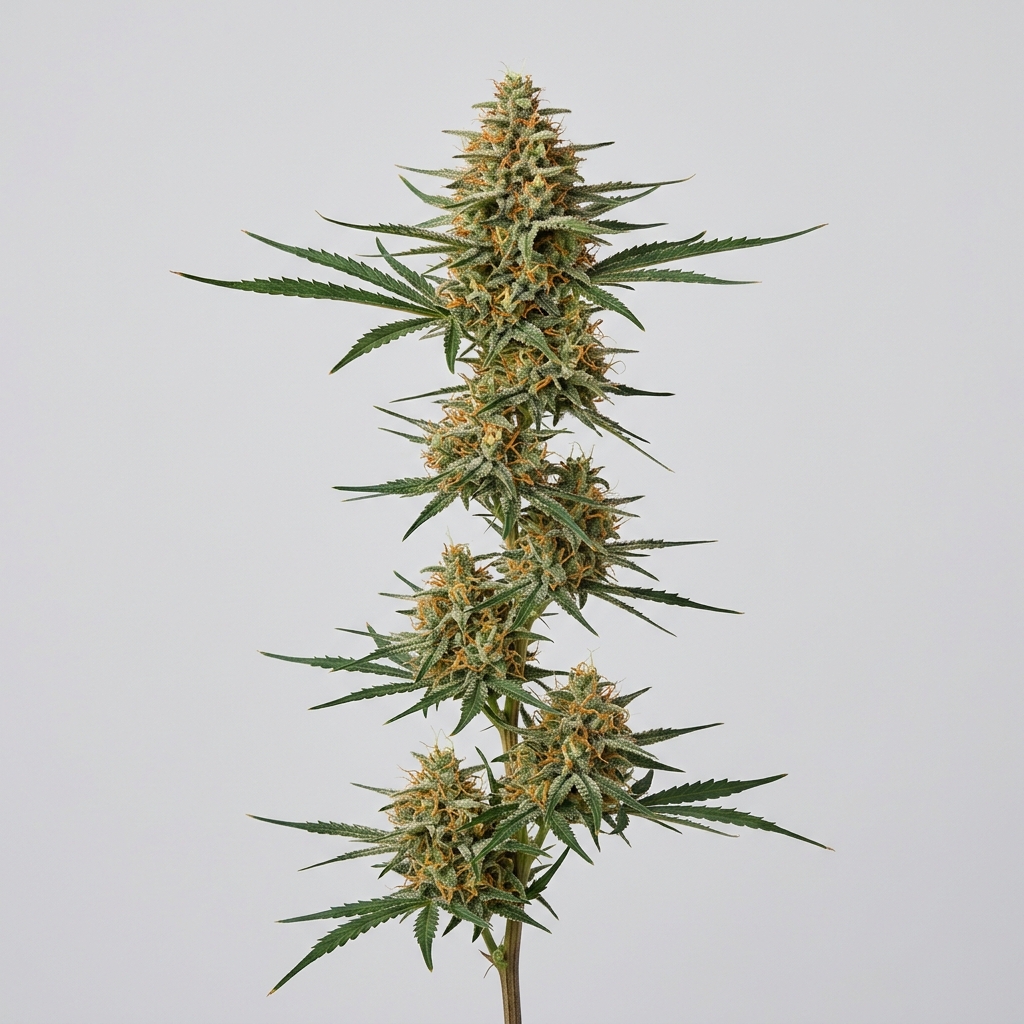
Crockett’s Haze (Cannabis Strain)
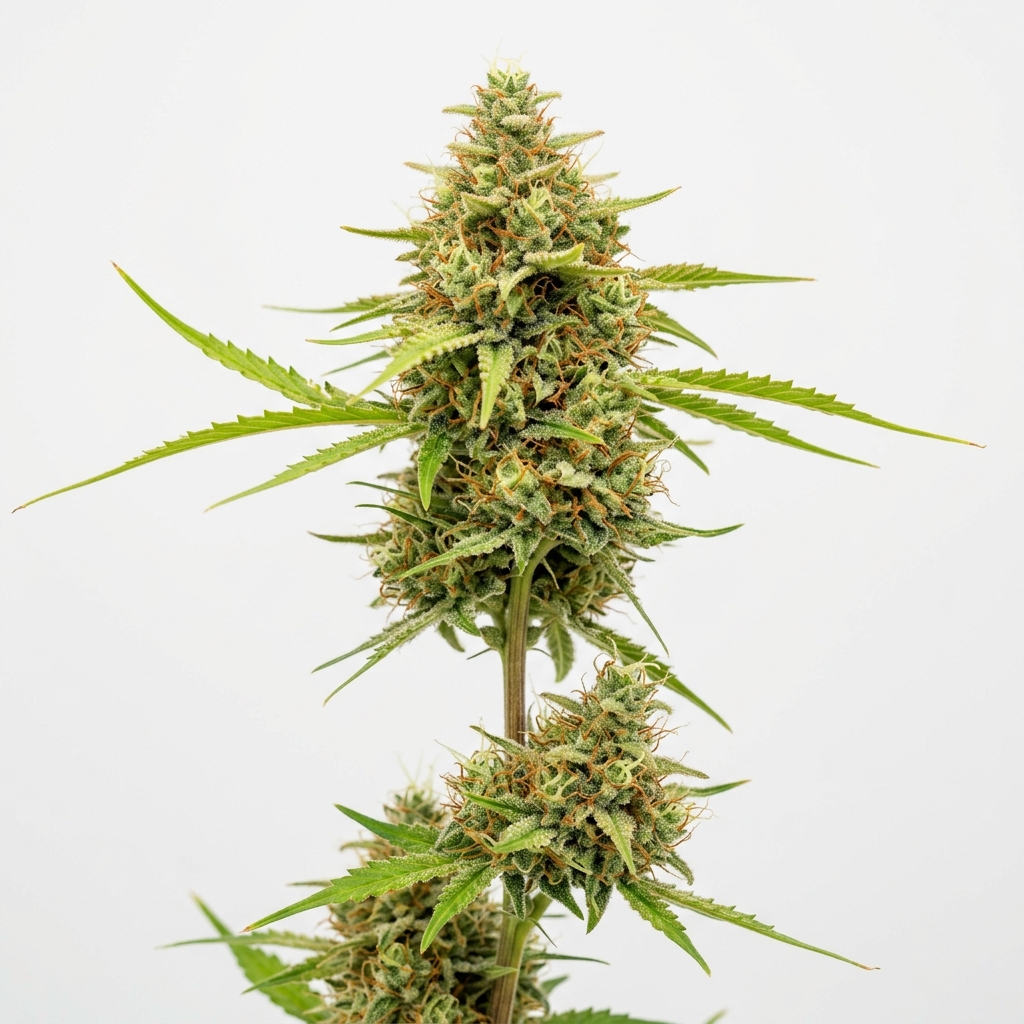
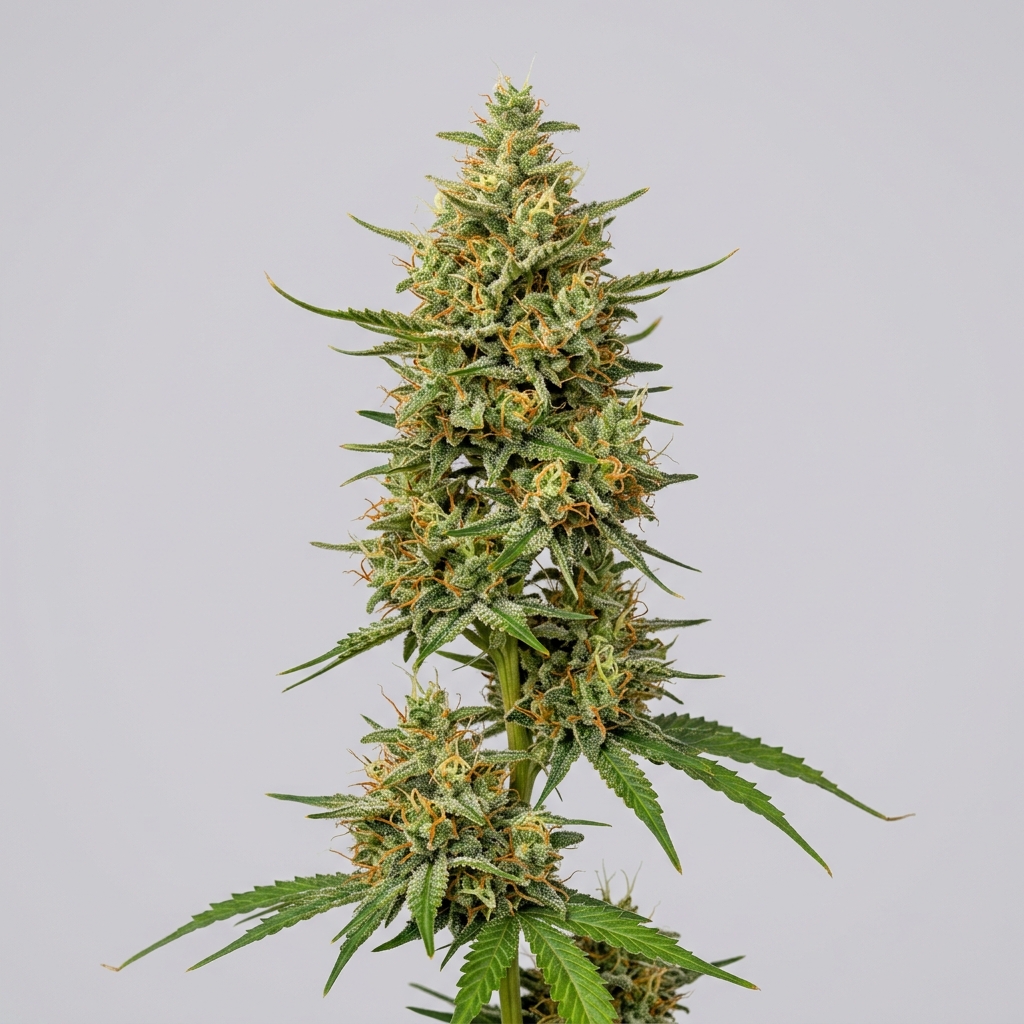
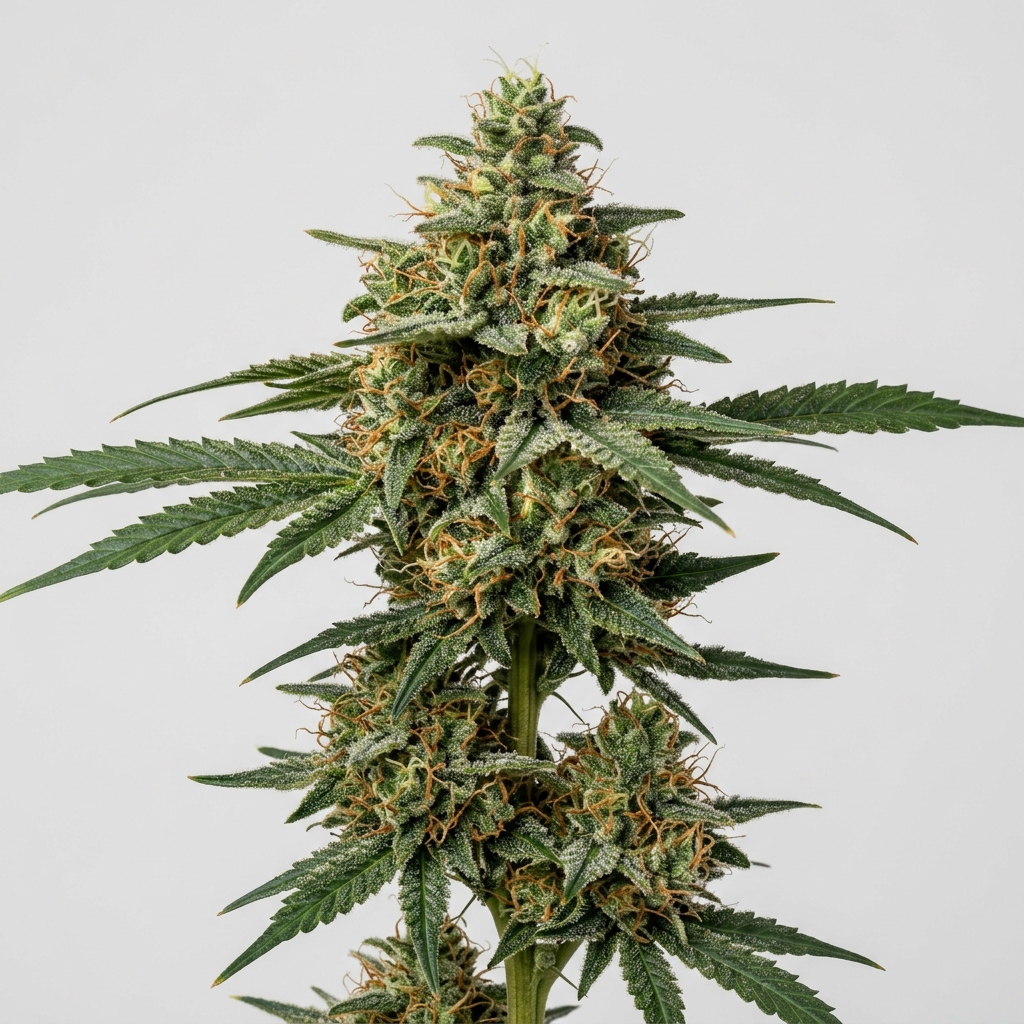
Crockett’s Haze is a sativa-dominant hybrid typically testing between 18% and 24% THC. Bred by Crockett Family Farms, this cultivar is a cross of Rare Haze and The Ranger. It features a bright, sweet citrus incense aroma with a woody haze finish, producing long, resin-dusted spear colas. The plant shows a pronounced vertical stretch in early flower and acts as a classic daytime sensory cultivar with clean, uplifting qualities.
Unlike modern, hyper-dense dessert hybrids, this cultivar retains the elegant, airy structure of classic hazes while boosting resin production. Growers value it for its high yield potential and classic terpene profile, which stands out in a market dominated by heavy fuel and cookie profiles.
Quick Facts
| Attribute | Details |
|---|---|
| Genetics | Rare Haze × The Ranger |
| Variety | Sativa-dominant Hybrid |
| THC Range | 18% – 24% |
| Flowering Time | 9 – 10 Weeks |
| Yield Potential | Medium to High |
| Plant Height | Tall (Significant stretch) |
| Climate Preference | Warm, dry, temperate |
| Difficulty | Moderate to Experienced |
Scientific & Botanical Overview
Crockett’s Haze shows classic sativa morphology, characterized by thin-fingered fan leaves, wide internodal spacing, and a substantial stretch during the transition to flower. The open nodal structure allows for excellent light penetration and airflow through the canopy, reducing microclimate humidity risks. This physical build makes it highly adaptable to trellis training and screen systems.
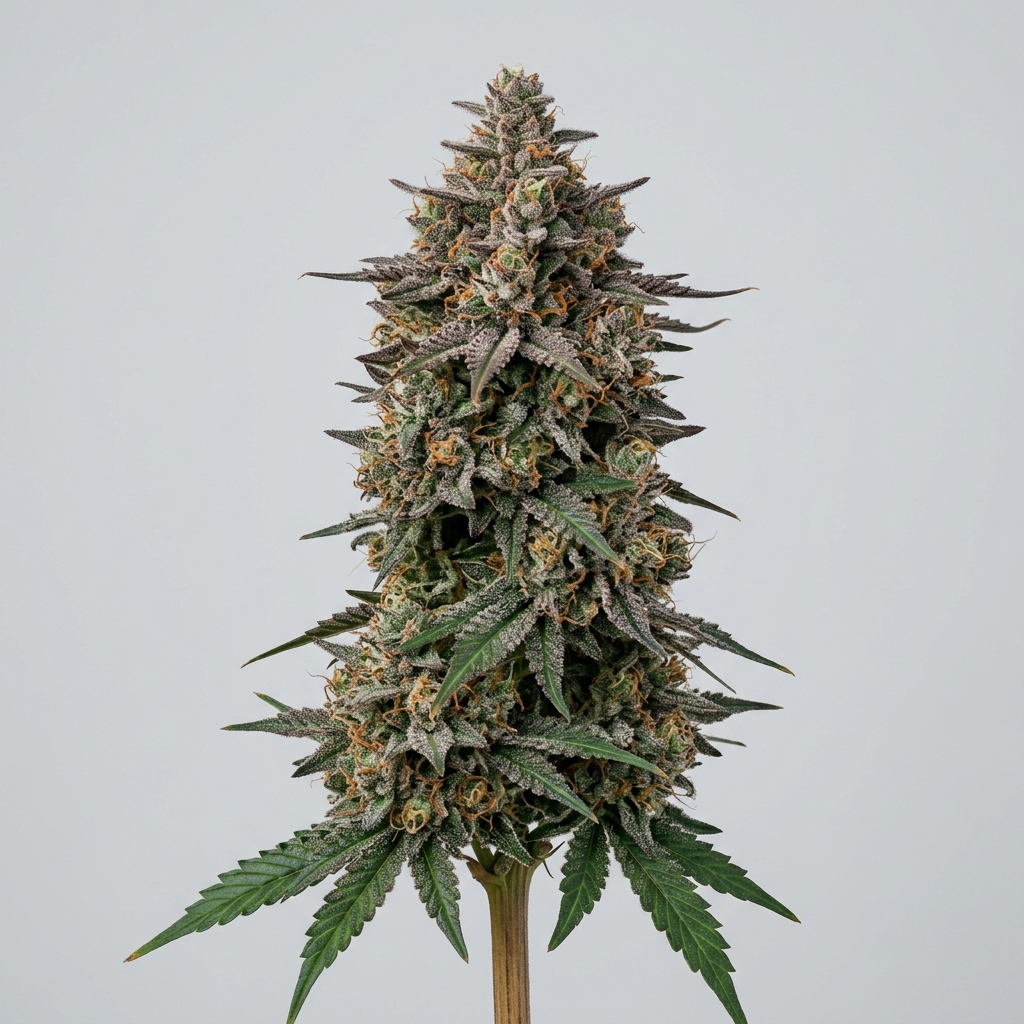
The floral structures develop into long, tapered spear colas rather than dense, spherical golf-ball buds. Swollen calyxes are covered in a fine layer of glassy, stalked capitate trichomes that preserve volatile monoterpenes. The resin is typically dry and sandy to the touch, a common trait among classic haze descendants.
Phenotypic variation is relatively low, with most selections leaning heavily toward the haze parentage in height and flowering duration. A less common phenotype may show a slightly shorter stature and quicker finish, inherited from the Ranger lineage. Both variations maintain the signature citrus-incense terpene clarity.
Effects & Use-Cases (Reported)
Commonly reported effects: Users frequently describe a rapid, clear-headed onset characterized by sensory sharpness and a clean physical energy. The experience is rarely heavy or sedative, making it a popular choice for daytime activities and creative tasks.
Use-case context: This cultivar is often selected for morning or afternoon use when focus and physical mobility are required. Its lack of heavy physical comedown makes it suitable for social settings or outdoor activities.
Note: Individual tolerance and dosage play a significant role in the overall experience; high-THC sativa cultivars may induce mild overstimulation in sensitive individuals.
Aroma & Flavors
Aroma: Freshly sliced lemons, sweet tropical fruit, and a distinct background of spicy incense and cedar wood.
Flavor: A smooth, citrus-forward intake with a complex herbal haze finish and subtle piney undertones on the exhale.
Terpene associations:
Terpinolene dominates the profile, supported by significant levels of beta-caryophyllene, myrcene, and limonene.
Tested Cannabinoid & Terpene Ranges
| Compound | Tested Range |
|---|---|
| Δ9-THC | 18.0% – 24.0% |
| CBD | < 0.1% |
| Terpinolene | 0.4% – 1.2% |
| beta-Caryophyllene | 0.2% – 0.6% |
| Myrcene | 0.15% – 0.45% |
| Limonene | 0.1% – 0.35% |
Note: Cannabinoid and terpene levels are highly variable and depend on cultivation practices, curing protocols, and environmental conditions.
Cultivation Notes
- Humidity: Keep relative humidity (RH) around 50-55% during early flower, dropping to 40-45% in late flower to protect the long colas.
- Nutrition: Prefers a moderate nutrient regimen; excessive nitrogen during early flower can cause unwanted stretching and leafy bud structures.
- Training: High-stress or low-stress training (LST) and topping are highly recommended to control vertical height and encourage lateral branching.
- Harvest: Look for cloudy trichomes with a small percentage of amber (roughly 5-10%) to preserve the energetic, uplifting qualities.
- Phenotype Management: Identify and support the tall, heavy-yielding sativa phenotypes early, as they will require trellising or bamboo stakes during mid-to-late flower.
Grower Notes (Week-by-Week Snapshot)
- Weeks 1–3 (The Stretch): Expect a dramatic vertical stretch of up to 150%. Implement screen of green (ScrOG) methods or early topping to manage the canopy height before the flowering structure sets.
- Weeks 4–6 (Cola Development): Long, thin white pistils form along the branches, slowly stacking into elongated spear colas. Ensure lower canopy defoliation is completed to direct energy toward the upper bud sites.
- Weeks 7–9+ (Swelling & Resin Production): Bracts swell and the glassy trichome coverage becomes highly visible. Reduce humidity and monitor the colas closely, as some phenotypes may require a full 10 weeks to mature completely.
- Post-Harvest & Cure: A slow dry at 60°F (15°C) and 60% RH for 10–14 days is critical to preserve the delicate terpinolene-heavy profile before a minimum three-week jar cure.
Genetic Lineage
Crockett’s Haze is an intentional hybrid developed by Crockett Family Farms, a breeding group renowned for preserving classic, terpene-rich genetics. The lineage pairs Rare Haze—a cultivar known for its deep, incense-laden haze properties—with The Ranger, a highly regarded, elusive sativa-dominant strain from the Rocky Mountain region.
This genetic combination successfully tames some of the wilder, ultra-long flowering tendencies of pure hazes while enhancing the resin output and structural integrity of the buds. The resulting hybrid delivers the classic haze experience with a more manageable commercial cultivation window.
Research Insights
Analytical testing indicates that Crockett’s Haze possesses a terpene profile dominated by terpinolene, a relatively uncommon primary monoterpene in modern commercial hybrids. This compound, when combined with moderate levels of limonene and beta-caryophyllene, is frequently associated in scientific literature with stimulating and clear-headed sensory effects.
The presence of trace secondary cannabinoids, combined with a clean THC profile, suggests a highly focused interaction with CB1 receptors. Researchers studying landrace-derived hybrids often point to this specific terpene-to-cannabinoid ratio as a prime example of the classic sativa profile.
Frequently Asked Questions
Is Crockett’s Haze difficult to grow?
It is moderately difficult due to its significant vertical stretch. Indoor growers must actively manage the canopy height through training, though the plant is highly resilient to pests and mold.
What does Crockett’s Haze smell like?
It features a sharp citrus lift of fresh lemons and sweet tropical fruit, layered over a deep, old-school background of spicy incense and warm cedar wood.
How long does Crockett’s Haze take to flower?
The typical flowering time is between 9 and 10 weeks, depending on the specific phenotype and environmental conditions.
What are the main effects of Crockett’s Haze?
Users commonly report a clear-headed, energetic, and creative experience, making it an ideal choice for daytime use without heavy physical sedation.
Educational Disclaimer
This article is for educational and informational purposes only. Cannabis laws vary by jurisdiction, and cultivation should only be undertaken where legally permitted. Always consult with a healthcare professional before using cannabis products for therapeutic purposes.
Rate and review this strain
Ratings and reviews are accepted only from signed-in Google accounts.
Sign in with Google to leave a rating and written review.
Latest Reviews
0 reviewsNo reviews yet. Be the first Google user to rate and review this strain.