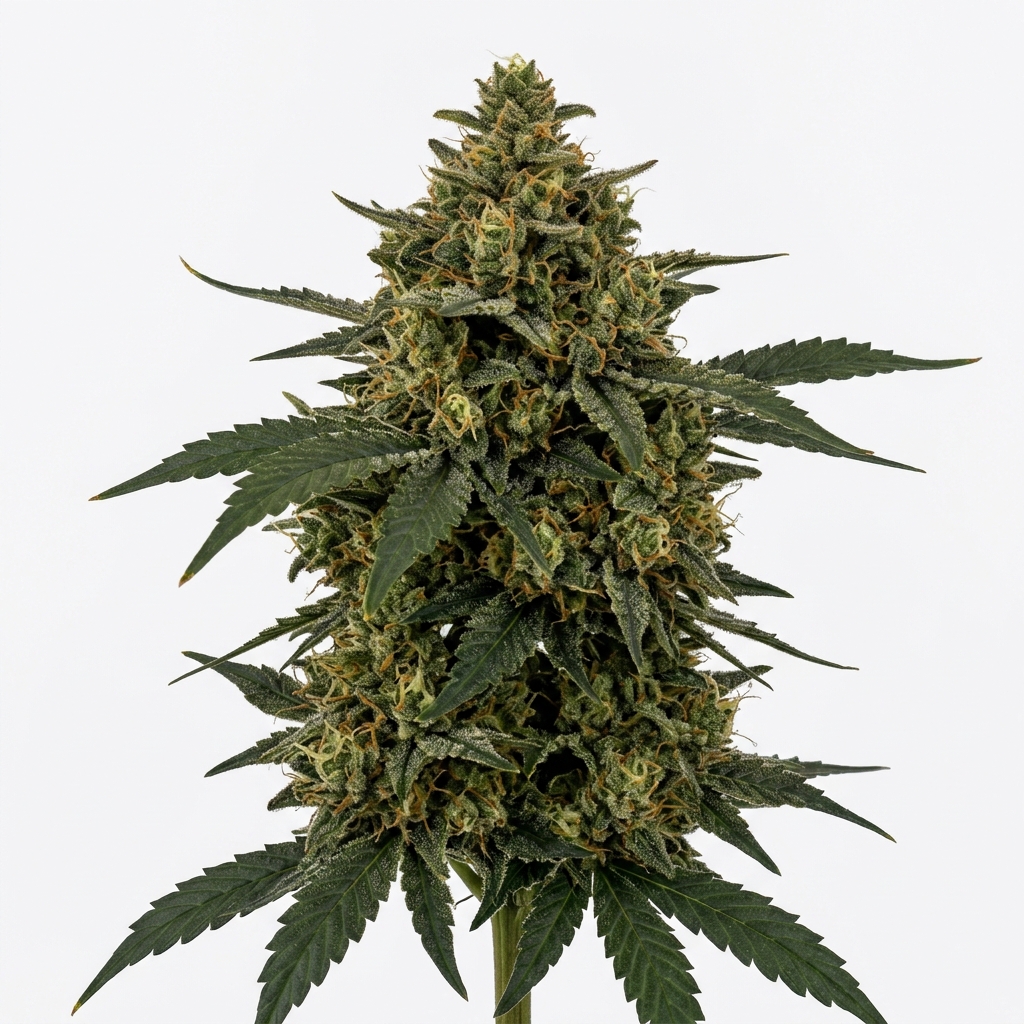
Rocklock (Cannabis Strain)
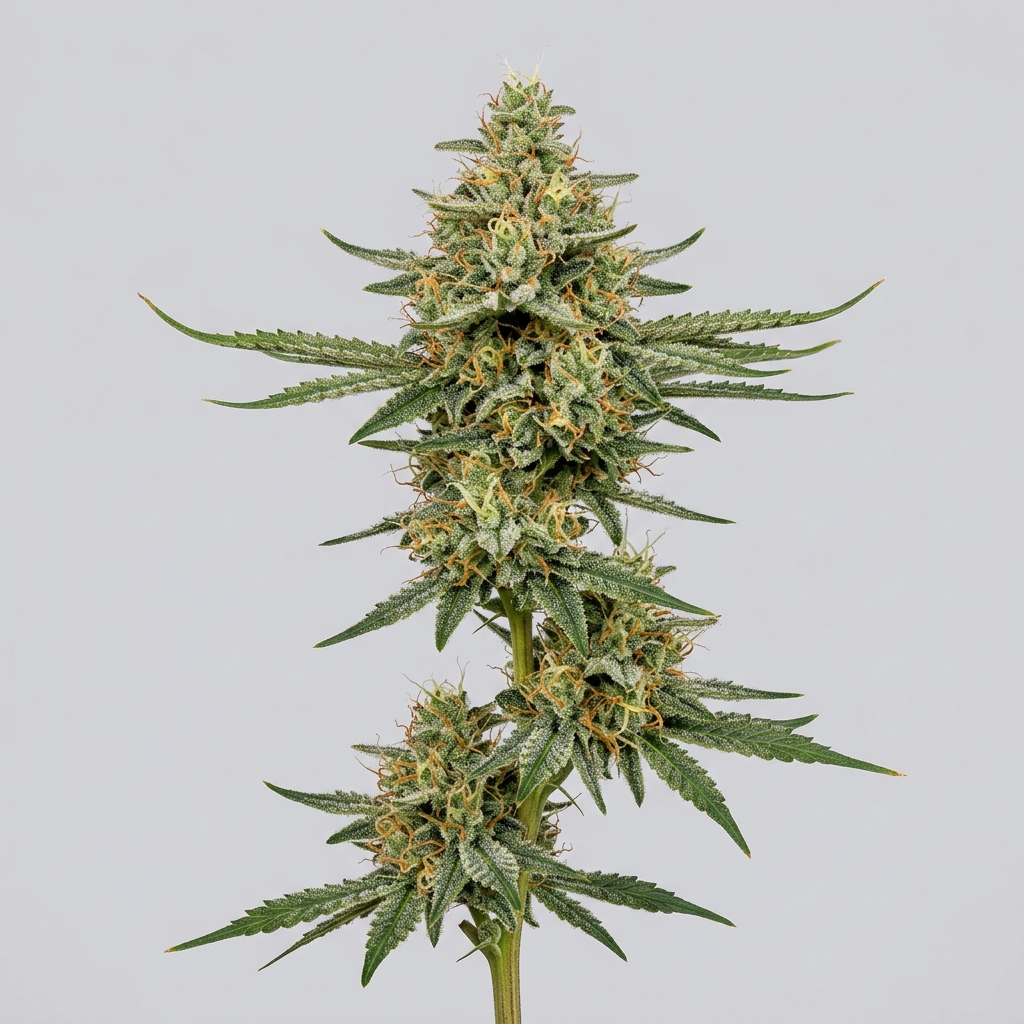
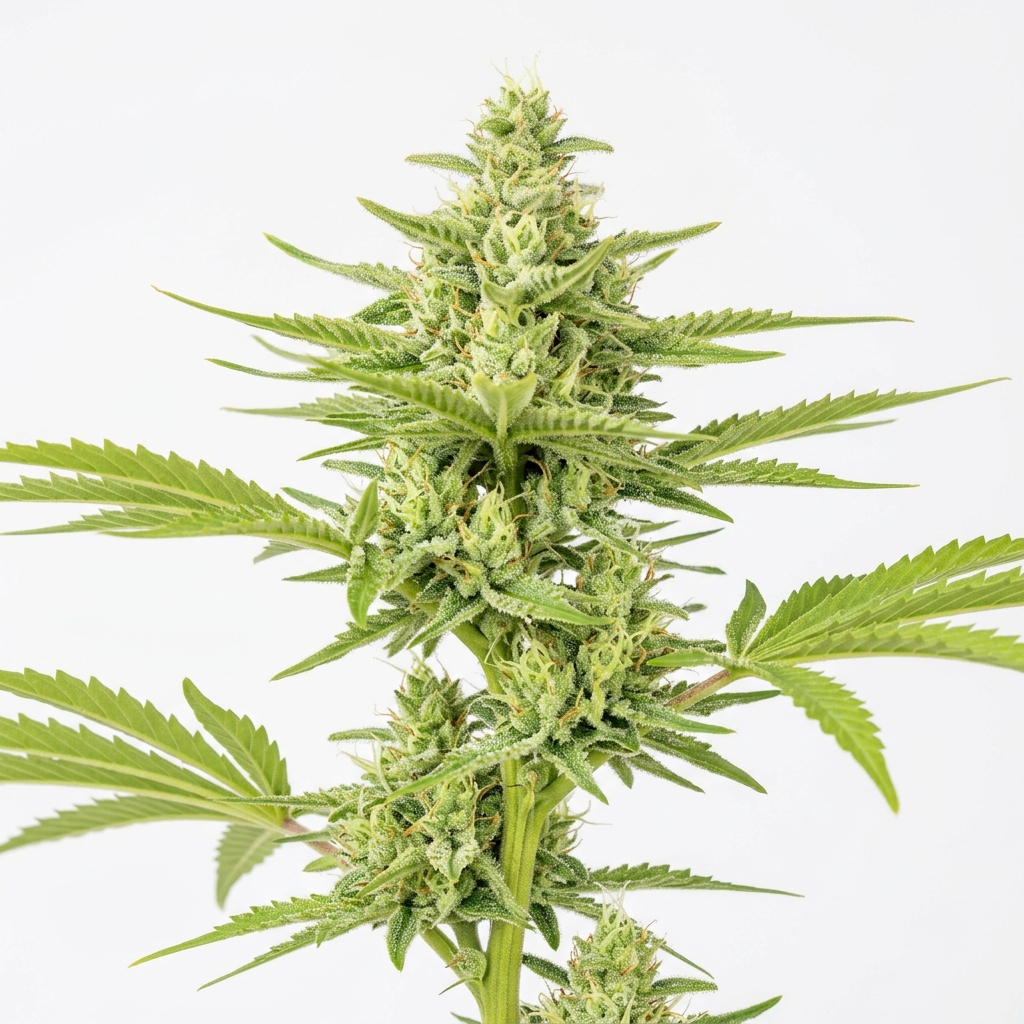
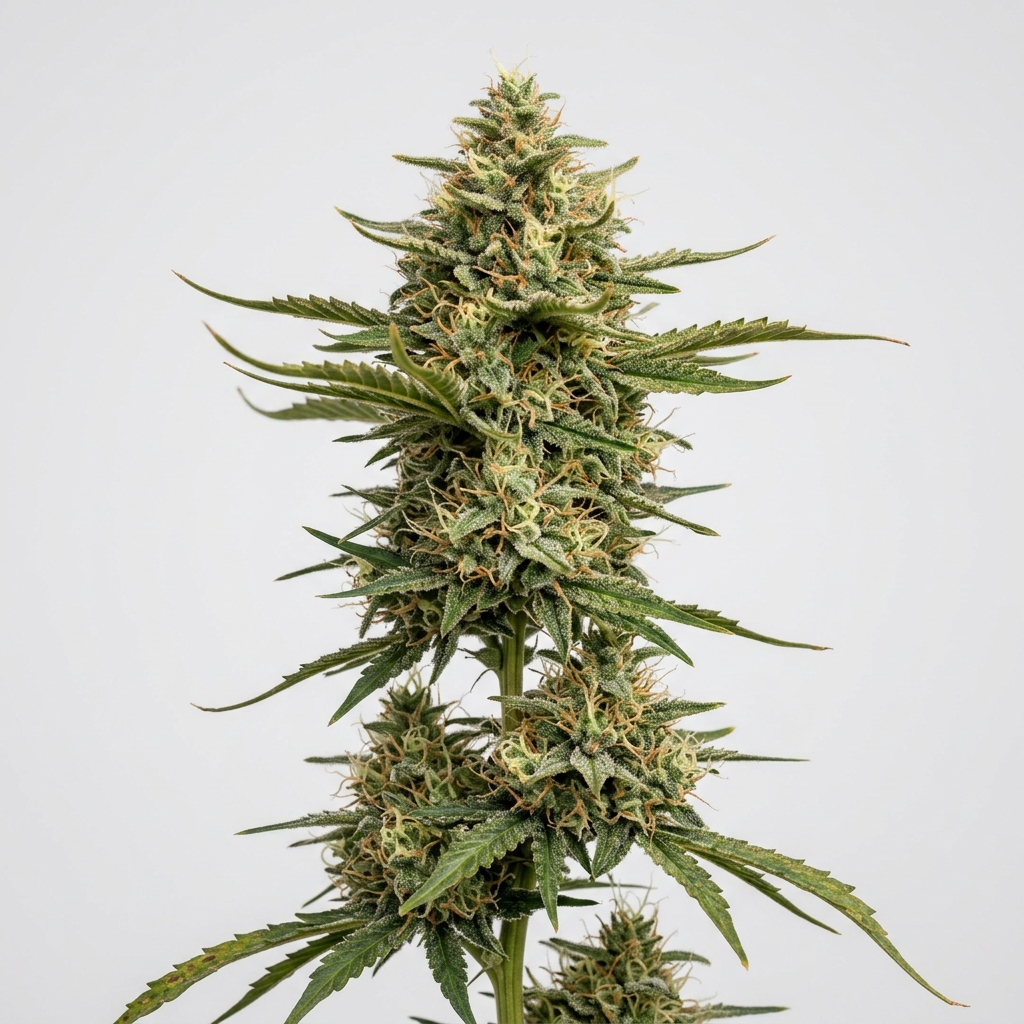
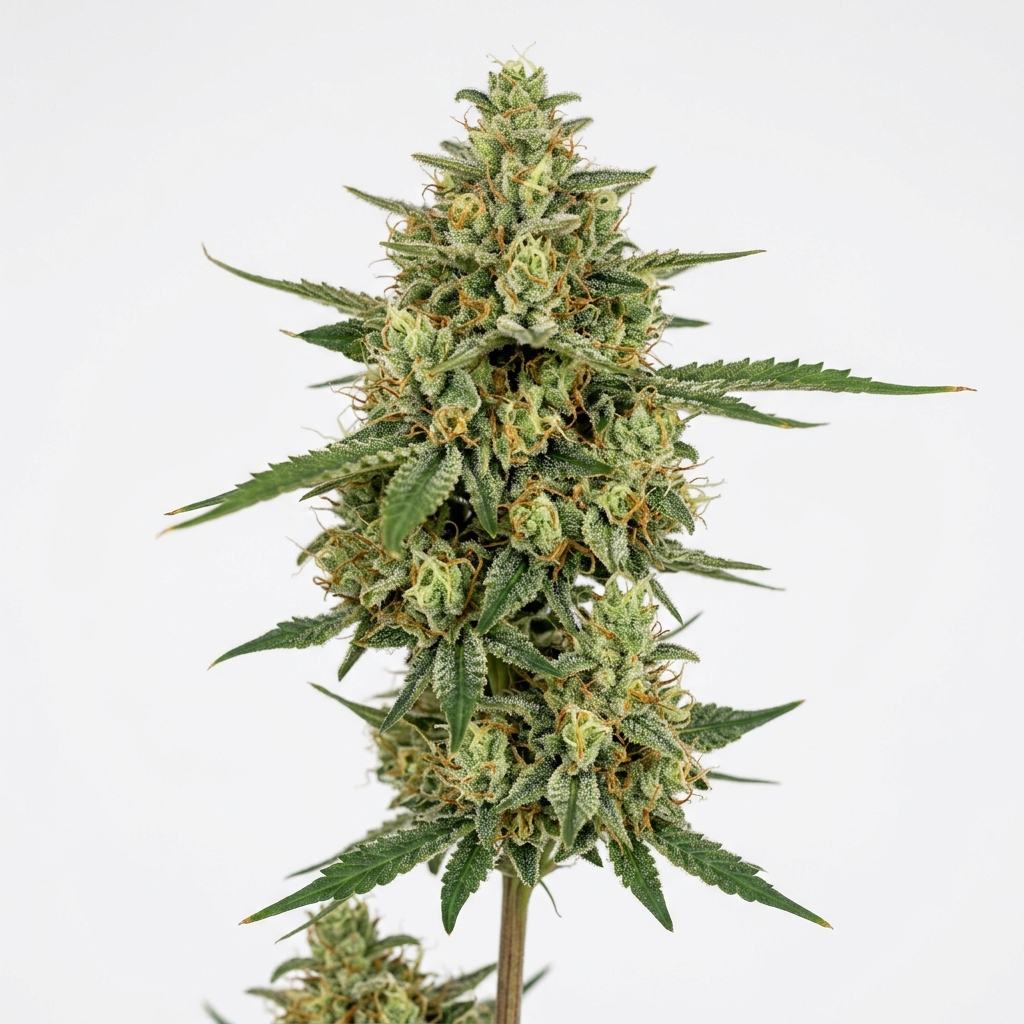
Rocklock is an indica-dominant hybrid, typically testing between 15% and 21% THC, created by crossing the legendary Warlock with Rockstar. This cultivar is recognized for its compact, stocky growth habit, presenting broad fan leaves and tight internodes that support dense, resin-rich flowers. Its terpene profile delivers a distinct earthy kush base layered with sweet berry undertones and a light hash finish. The greasy resin coverage makes it a favorite for extraction, while its reliable, sturdy frame makes it highly manageable in small grow spaces.
Originally popularized by DNA Genetics under their Reserva Privada line, this strain was bred for resilience and heavy physical relaxation. Growers value its predictable, low-stretch behavior during the transition to flower, which consistently yields thick, spear-shaped colas. It remains a staple for those seeking a classic, low-maintenance indica with a deeply soothing profile.
Quick Facts
| Attribute | Details |
|---|---|
| Genetics | Warlock × Rockstar |
| Variety | Indica-dominant hybrid (approx. 80/20) |
| THC Range | 15% – 21% |
| Flowering Time | 8 weeks (55 – 60 days) |
| Yield Potential | Moderate to High |
| Plant Height | Short to Medium |
| Climate Preference | Temperate, moderate humidity |
| Difficulty | Easy to Moderate |
Scientific & Botanical Overview
Botanically, Rocklock shows classic indica morphology, characterized by a thick main stalk, robust lateral branches, and large, dark green fan leaves. The nodal spacing remains tight throughout the vegetative phase, requiring deliberate pruning to ensure adequate light penetration to lower bud sites. Its structural rigidity allows the plant to support its heavy, resinous colas without requiring extensive trellis netting.
During the flowering cycle, the calyx-to-leaf ratio is moderately high, allowing for efficient post-harvest trimming. The buds mature into dense, olive-green clusters adorned with short, amber pistils and a thick coating of semi-viscous, greasy trichomes. This heavy resin production is a direct inheritance from its parentage, protecting the flowers from late-season environmental stressors.
The cultivar shows a strong tolerance to mild temperature fluctuations, making it a stable choice for both indoor and greenhouse environments. Its transpiration rates are typical for broad-leaf varieties, meaning growers should monitor air movement within the canopy to prevent microclimates of high humidity.
Effects & Use-Cases (Reported)
Commonly reported effects: Users frequently note a heavy, warm physical relaxation that settles in quickly, accompanied by a calm, tranquil mental state. The initial experience is gently grounding rather than overly cerebral, transitioning into a deep, sedative state over time.
Use-case context: This profile is best suited for evening or late-night use, particularly when winding down after physical exertion or preparing for sleep. Its physical heaviness makes it less ideal for daytime activities requiring high focus or physical movement.
Note: Due to its heavy physical pull, novice users should approach this cultivar with caution to avoid early onset drowsiness.
Aroma & Flavors
Aroma: A dominant base of damp earth and pungent hash, accented by subtle hints of sweet, dark berry and spicy pine.
Flavor: Smooth and rich on the draw, leaving a lingering taste of sweet herbal tea, earthy kush, and a mild, peppery finish.
Terpene associations: Lab analyses typically show a dominance of caryophyllene, myrcene, and limonene, which contribute to its spicy, musky, and faintly citrus notes.
Tested Cannabinoid & Terpene Ranges
| Compound | Tested Range |
|---|---|
| Δ9-THC | 15.0% – 21.0% |
| CBD | <1.0% |
| β-Caryophyllene | 0.3% – 0.7% |
| β-Myrcene | 0.2% – 0.5% |
| d-Limonene | 0.1% – 0.3% |
Note: Cannabinoid and terpene ranges are literature-informed references and can vary significantly depending on cultivation methods, environmental conditions, and specific phenotypes.
Cultivation Notes
- Keep late-flower humidity strictly below 45% to protect the dense, compact colas from moisture retention and bud rot.
- Responds well to a moderate feeding regimen; avoid over-fertilizing with nitrogen during mid-to-late vegetative growth to prevent leaf curling.
- Responds exceptionally well to Sea of Green (SOG) setups, where its single-cola dominance can be maximized.
- Harvest when trichomes are mostly milky with about 10-15% amber to capture its full sedative potential.
- Some phenotypes may stretch slightly more than others; select for the stockier, broad-leaf variations to maintain a uniform canopy.
Grower Notes (Week-by-Week Snapshot)
- Weeks 1–3 (Vegetative & Early Stretch): Focus on early topping if not running a SOG setup. The plant will show minimal stretch, keeping nodes compact and forming a sturdy, bush-like structure.
- Weeks 4–6 (Mid-Flower): Flower development accelerates rapidly with the first signs of glassy buds forming along the main stems. Increase air circulation through the lower canopy as fan leaves begin to overlap.
- Weeks 7–9 (Late Flower & Ripening): Resin production peaks, giving the buds a greasy, wet frost appearance. Reduce temperatures slightly at night to encourage potential deep purple hues in the sugar leaves.
- Post-Harvest (Dry & Cure): A slow dry at 60°F (15°C) and 60% relative humidity for 10 to 14 days preserves the delicate sweet berry and hash terpenes, followed by a minimum four-week cure in airtight vessels.
Genetic Lineage
The lineage of Rocklock is a direct combination of Warlock and Rockstar, two heavy-hitting varieties known for their distinct physical effects and intense aromatic profiles. Warlock contributes its sweet, berry-like aroma and high calyx-to-leaf ratio, ensuring that the offspring inherits both flavor clarity and ease of trimming.
On the other side, Rockstar passes down its robust, stocky structure and deep, earthy kush undertones. This genetic pairing results in a highly stable hybrid that consistently delivers the heavy, resinous qualities of a traditional indica with the reliable growth traits required by commercial and hobbyist cultivators alike.
Research Insights
Analytical testing of Rocklock highlights a terpene profile dominated by caryophyllene and myrcene, a combination frequently studied for its potential to interact with peripheral cannabinoid receptors. The presence of these compounds in significant concentrations supports the cultivar’s deeply relaxing and soothing physical profile, typical of classic indica-dominant varieties.
In breeding circles, the stability of this cross makes it a valuable subject for studying the inheritance of low-stretch traits in hybrid cultivars. Its consistent performance across varying media, combined with its high resin yield, positions it as a reliable reference point for developing extraction-focused genetics.
Frequently Asked Questions
Is Rocklock suitable for outdoor cultivation?
Yes, Rocklock can be grown outdoors, but it thrives best in semi-arid, temperate climates with dry autumns. Because of its highly dense bud structure, late-season rain or high humidity can pose a risk for mold, making greenhouse or indoor cultivation more reliable in wetter regions.
How long is the flowering period for Rocklock?
This cultivar typically completes its flowering cycle in 8 weeks (approximately 55 to 60 days) when grown indoors. Outdoor harvest usually occurs in late September to early October in the Northern Hemisphere.
Does Rocklock require high nutrients?
No, Rocklock is generally considered an easy-to-grow, low-maintenance strain that performs well on a standard, moderate nutrient regimen. Overfeeding can lead to nutrient burn, so it is best to start light and adjust based on runoff readings.
What are the primary aromas of Rocklock?
The strain is known for its deep, earthy kush base, accompanied by a pungent hash aroma and sweet, dark berry undertones that become more pronounced after a proper cure.
Educational Disclaimer
This content is for educational purposes only. Cannabis laws and regulations vary by region. Consult with local guidelines before engaging in cultivation or consumption.
Rate and review this strain
Ratings and reviews are accepted only from signed-in Google accounts.
Sign in with Google to leave a rating and written review.
Latest Reviews
0 reviewsNo reviews yet. Be the first Google user to rate and review this strain.