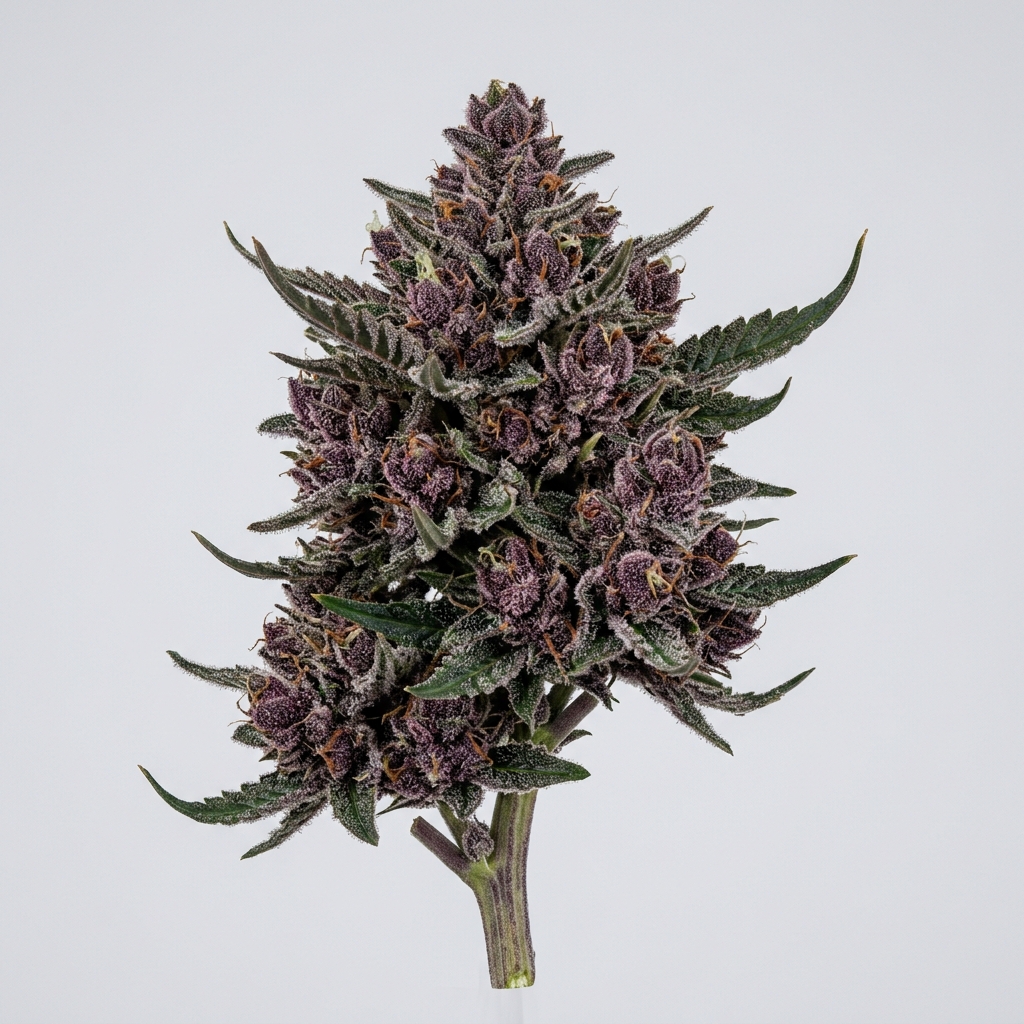
Querkle (Cannabis Strain)
Querkle is a classic indica-dominant hybrid crossing the famous Urkle with the resin-heavy Space Queen, resulting in a cultivar celebrated for its deep grape aroma and heavy purple coloration. Typically testing between 18% and 22% THC, this strain delivers a physical, relaxing experience backed by a dense layer of glassy trichomes. The plants exhibit a slow, controlled stretch and develop stocky, round buds that mature into deep shades of violet under cooler night temperatures. It remains a staple for growers seeking intense berry profiles and reliable, evening-oriented physical ease.
Originally bred by the late Subcool of TGA Genetics, this cultivar has earned a legacy for stabilizing the elusive qualities of its maternal purple clone. It balances the heavy, slow-growing nature of its Urkle parent with the vigor and resin-producing traits of Space Queen. The resulting flowers are tight, highly resinous, and offer a distinct profile reminiscent of tart red wine and musky soil.
Quick Facts
| Attribute | Details |
|---|---|
| Genetics | Urkle × Space Queen |
| Variety | Indica-dominant (approx. 80/20) |
| THC Range | 18% – 22% |
| Flowering Time | 56 – 63 days (8 – 9 weeks) |
| Yield Potential | Moderate |
| Plant Height | Short to Medium |
| Climate Preference | Temperate, controlled indoor environments |
| Difficulty | Moderate |
Scientific & Botanical Overview
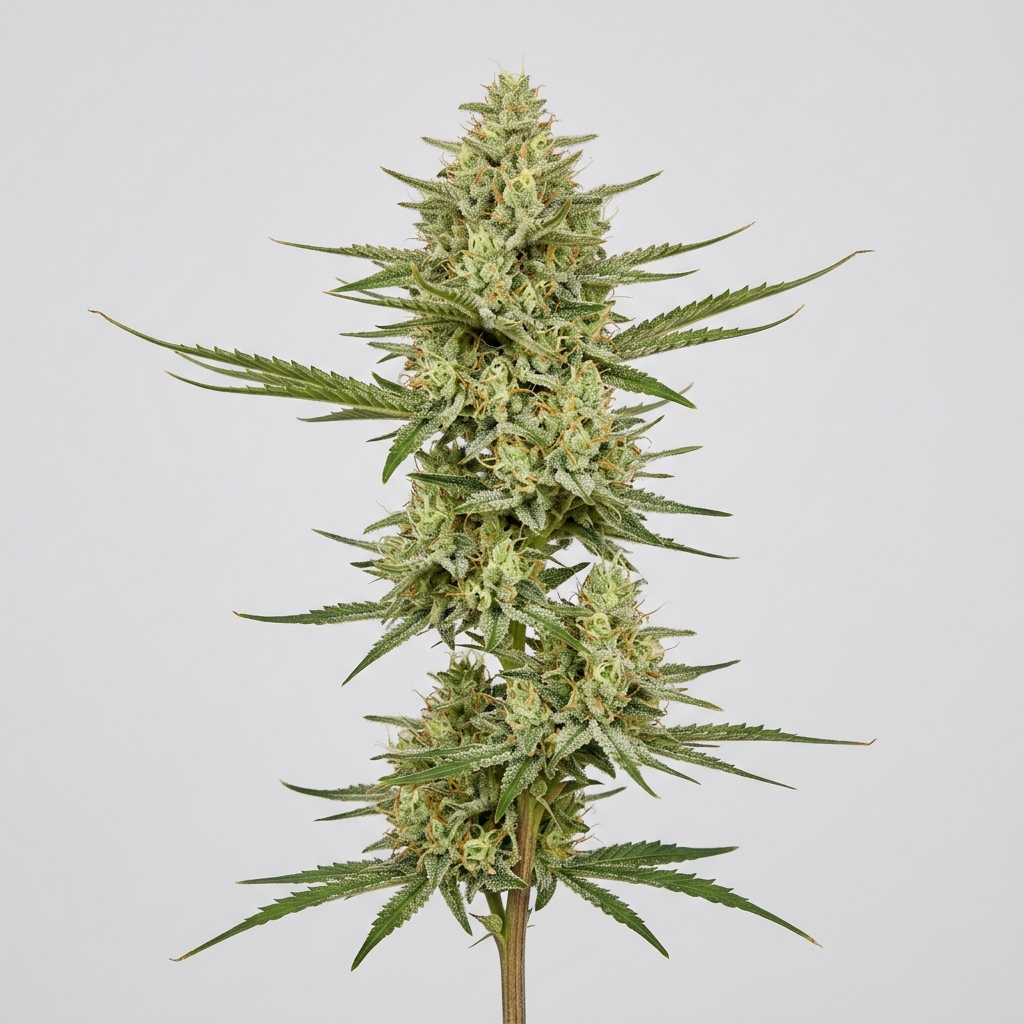
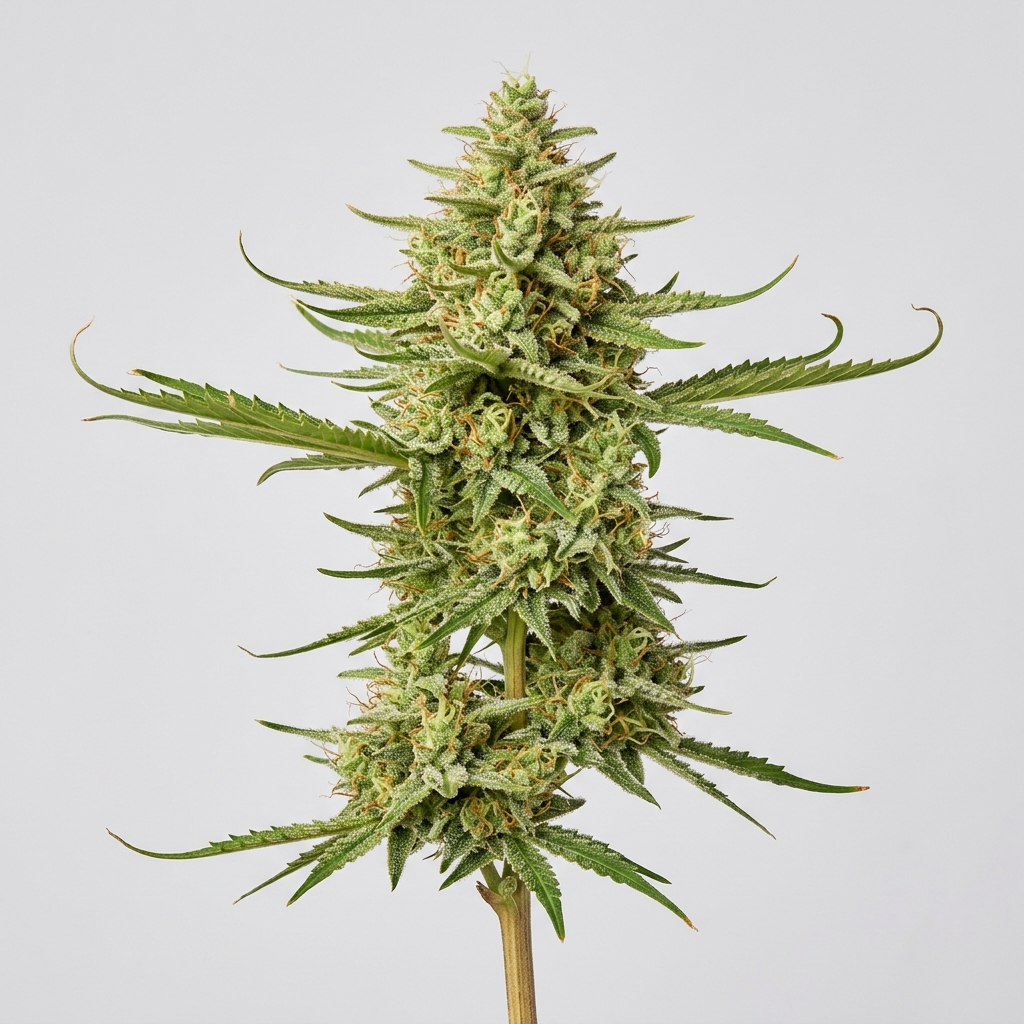
Botanically, Querkle inherits a stout, bushy structure with broad fan leaves and tight internodal spacing. The vegetative cycle requires patience, as the plant focuses its energy on lateral development and thick stem growth rather than vertical height. This compact growth habit makes it highly suited for limited-space indoor gardens.
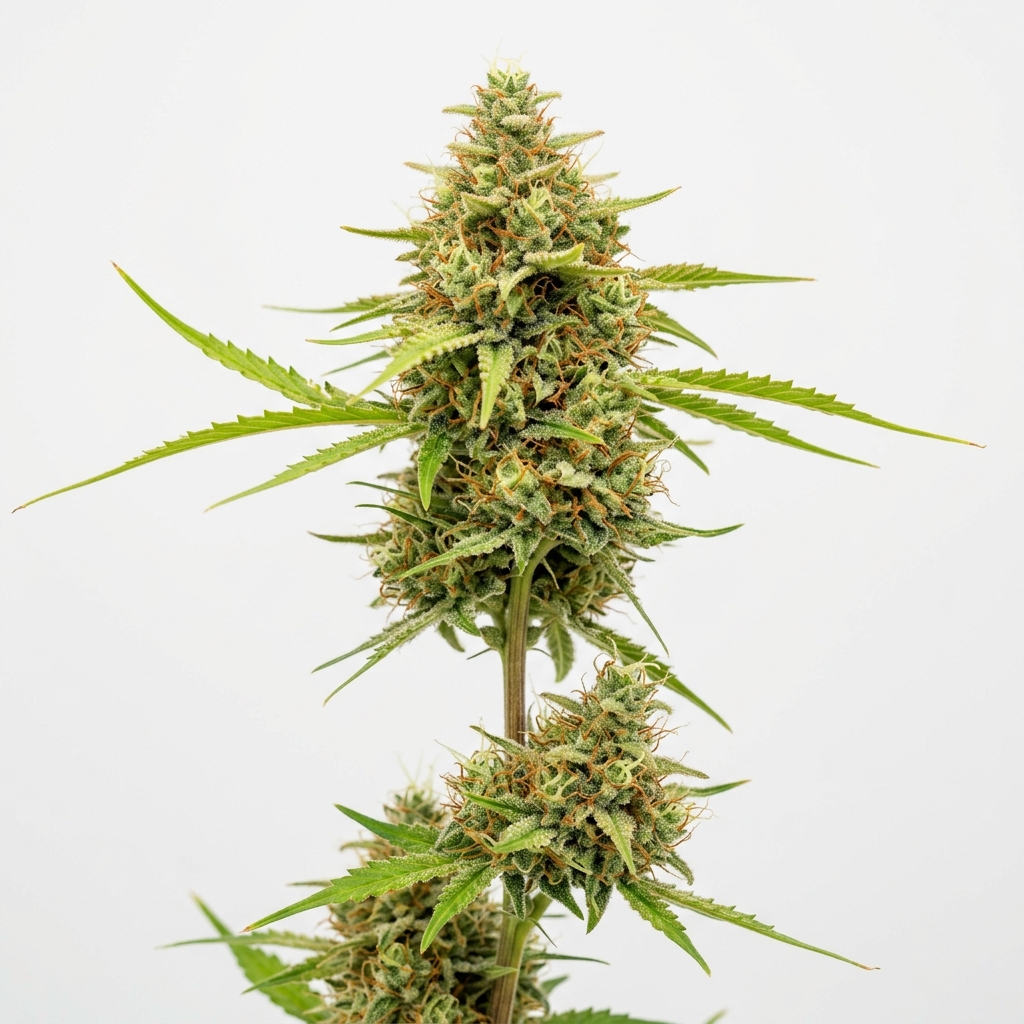
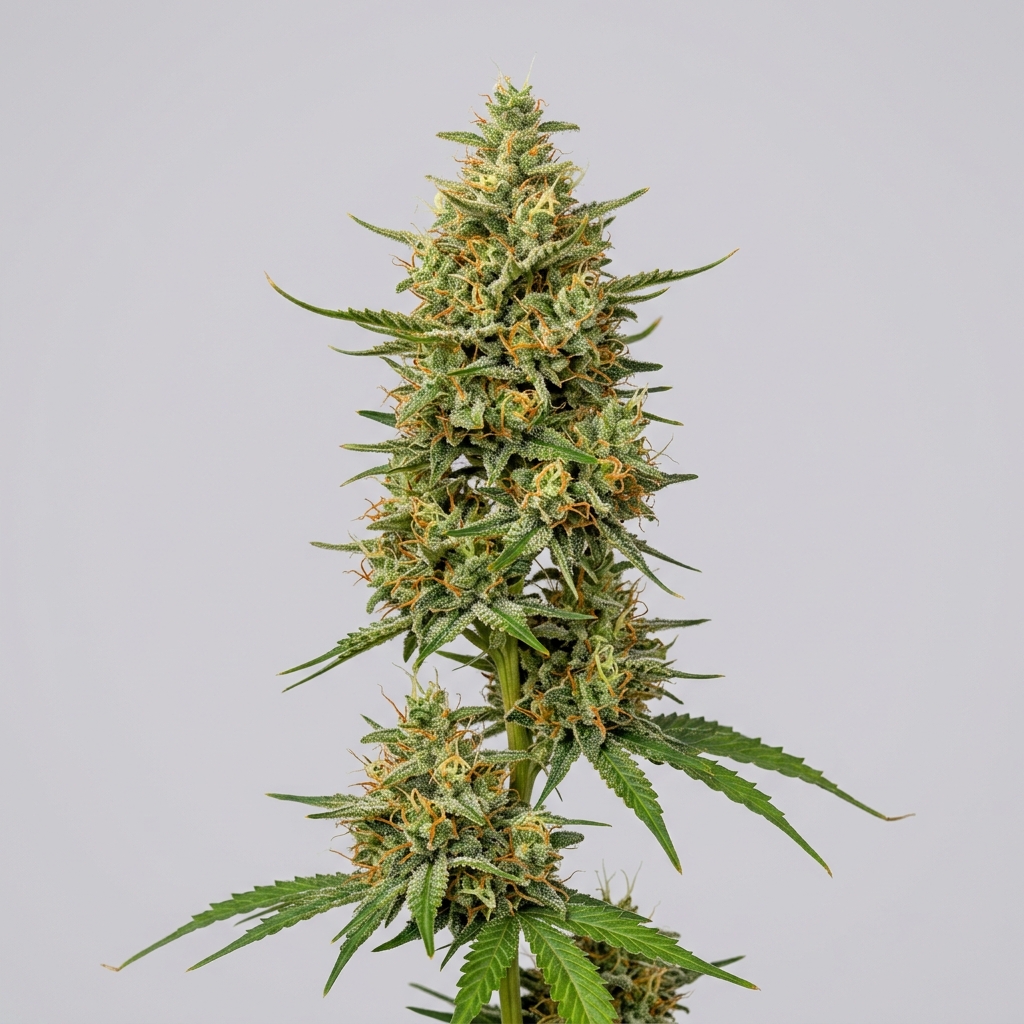
During the flowering cycle, the cultivar produces dense, spherical bracts that form tight clusters along the branches. Anthocyanin accumulation is highly pronounced in this strain, causing the foliage and flowers to shift from deep forest green to rich shades of plum and violet. This color transition is accelerated by a moderate drop in night temperatures during the final weeks of bloom.
The resin glands are predominantly capitate-stalked trichomes that cover the calyxes and surrounding sugar leaves in a thick, wet-looking frost. A slow drying process is essential for preserving the delicate volatile compounds that define its complex lavender and dark berry profile.
Effects & Use-Cases (Reported)
Commonly reported effects: A heavy physical relaxation, a calm cerebral ease, and a deep sense of tranquility that settles over the body.
Use-case context: Best suited for evening use or late-night wind-down routines. The physical weight makes it less ideal for daytime productivity but highly effective for quiet relaxation or preparing for sleep.
Note: Individual experiences may vary depending on dosage, tolerance, and specific phenotype selection.
Aroma & Flavors
Aroma: Musty grape, tart red wine, and damp earth with a subtle, sweet berry undertone.
Flavor: Rich grape soda, dark berry edge, and a light, musky hash finish on the exhale.
Terpene associations: Myrcene, caryophyllene, and pinene.
Tested Cannabinoid & Terpene Ranges
| Compound | Typical Range |
|---|---|
| Δ9-THC | 18.0% – 22.0% |
| CBG | 0.5% – 1.2% |
| Myrcene | 0.4% – 0.9% |
| Caryophyllene | 0.2% – 0.6% |
| Pinene | 0.1% – 0.4% |
| Limonene | 0.1% – 0.3% |
Note: Cannabinoid and terpene levels are highly dependent on cultivation practices, curing methods, and environmental factors.
Cultivation Notes
- Vegetative growth: Requires a longer vegetative phase to reach desired sizes due to its slow vertical stretch.
- Defoliation: Heavy fan leaves can block airflow; regular pruning of lower foliage is recommended to improve light penetration.
- Training: Responds exceptionally well to topping and low-stress training (LST) to encourage multiple main colas.
- Temperature control: Dropping night temperatures by 10–15°F in late flower will enhance the expression of deep purple and violet hues.
- Humidity: Maintain relative humidity below 45% during the final three weeks of flowering to protect the dense, compact buds from moisture retention.
Grower Notes (Week-by-Week Snapshot)
- Weeks 1–3 (Early Bloom): The stretch is minimal, usually doubling or less in height. Focus on light training to spread the canopy and ensure even light distribution to the lower nodes.
- Weeks 4–6 (Mid-Bloom): Bud sites begin to swell, and the first signs of resin production appear. Fan leaves may start showing light purple edges if temperatures are cool.
- Weeks 7–9 (Late Bloom): Trichomes turn milky with some amber. Purple coloration deepens across the bracts and sugar leaves. Reduce humidity and monitor the density of the colas.
- Post-Harvest (Cure): A slow 10-to-14-day dry at 60°F and 60% relative humidity is critical to preserve the sweet grape terpenes and prevent the buds from drying too quickly.
Genetic Lineage
Querkle is a direct cross of the legendary Northern California clone-only Urkle (often associated with Granddaddy Purple) and Subcool’s signature male, Space Queen. The maternal Urkle contributor provides the heavy indica structure, slow growth rate, and intense grape-berry flavor profile.
The paternal Space Queen—a hybrid of Romulan and Cinderella 99—adds essential vigor, shortens the flowering time, and boosts resin production. This genetic combination successfully tames the slow, stubborn growth of the Urkle clone while preserving its highly sought-after sensory characteristics.
Research Insights
Analytical data indicates that Querkle possesses a high concentration of myrcene, which contributes to its earthy undertones and physical relaxation. The presence of caryophyllene adds a subtle spicy note and interacts with peripheral receptors to support physical ease.
The striking purple coloration of the mature flowers is driven by a high concentration of water-soluble pigments known as anthocyanins. These compounds react to environmental temperature shifts, altering the plant’s light absorption properties and creating the dark violet hues characteristic of this lineage.
Frequently Asked Questions
Is Querkle easy to grow?
Querkle is moderately easy to grow, though its slow vegetative growth and dense foliage require regular maintenance and pruning to ensure optimal yields.
How long does Querkle take to flower?
Indoor flowering typically takes between 56 and 63 days (8 to 9 weeks) to reach peak maturity.
What does Querkle taste like?
It features a dominant flavor of sweet grape soda and dark berries, balanced by a musky, earthy finish.
Does Querkle always turn purple?
While purple phenotypes are highly common, exposing the plants to cooler night temperatures during the late flowering stage is often necessary to bring out the deepest violet hues.
Educational Disclaimer
This profile is for educational and informational purposes only. Cultivation and consumption of cannabis are subject to local laws and regulations.
Rate and review this strain
Ratings and reviews are accepted only from signed-in Google accounts.
Sign in with Google to leave a rating and written review.
Latest Reviews
0 reviewsNo reviews yet. Be the first Google user to rate and review this strain.