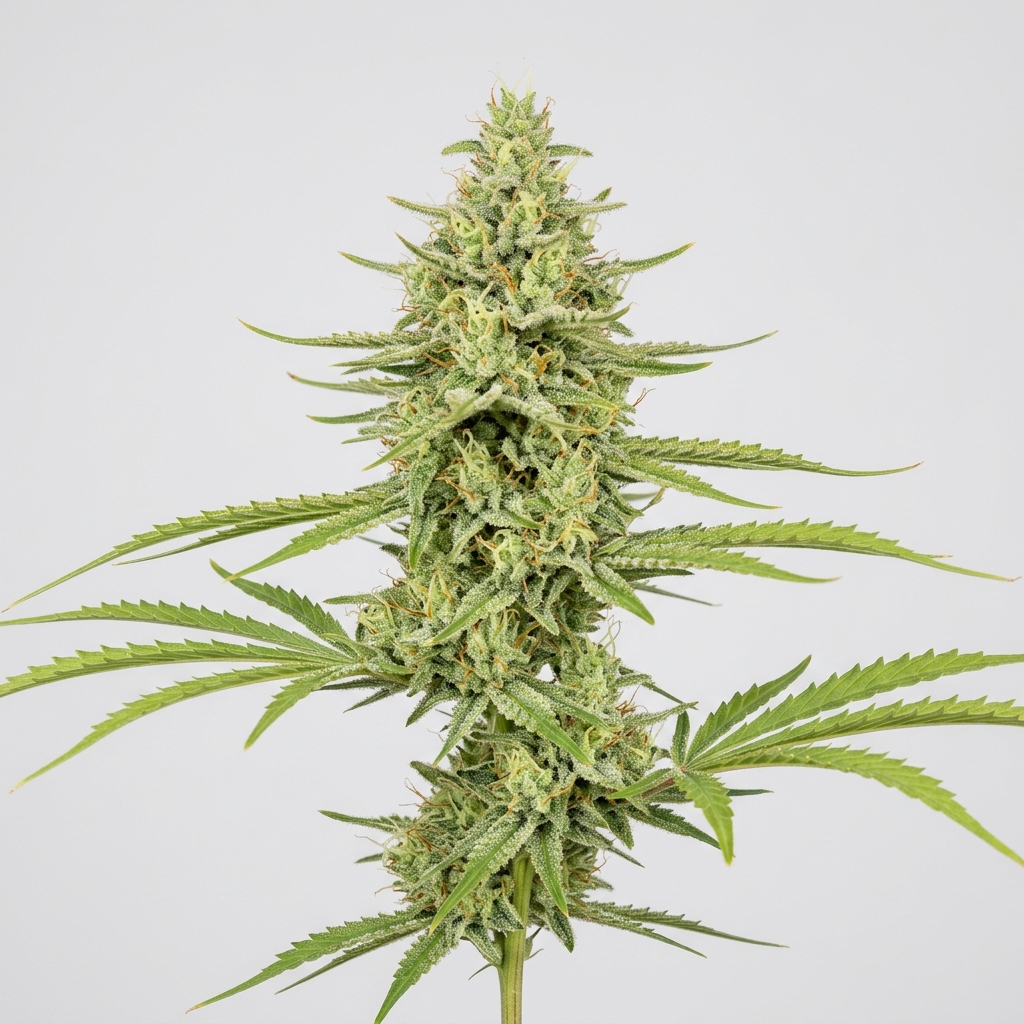
Sour Kosher (Cannabis Strain)
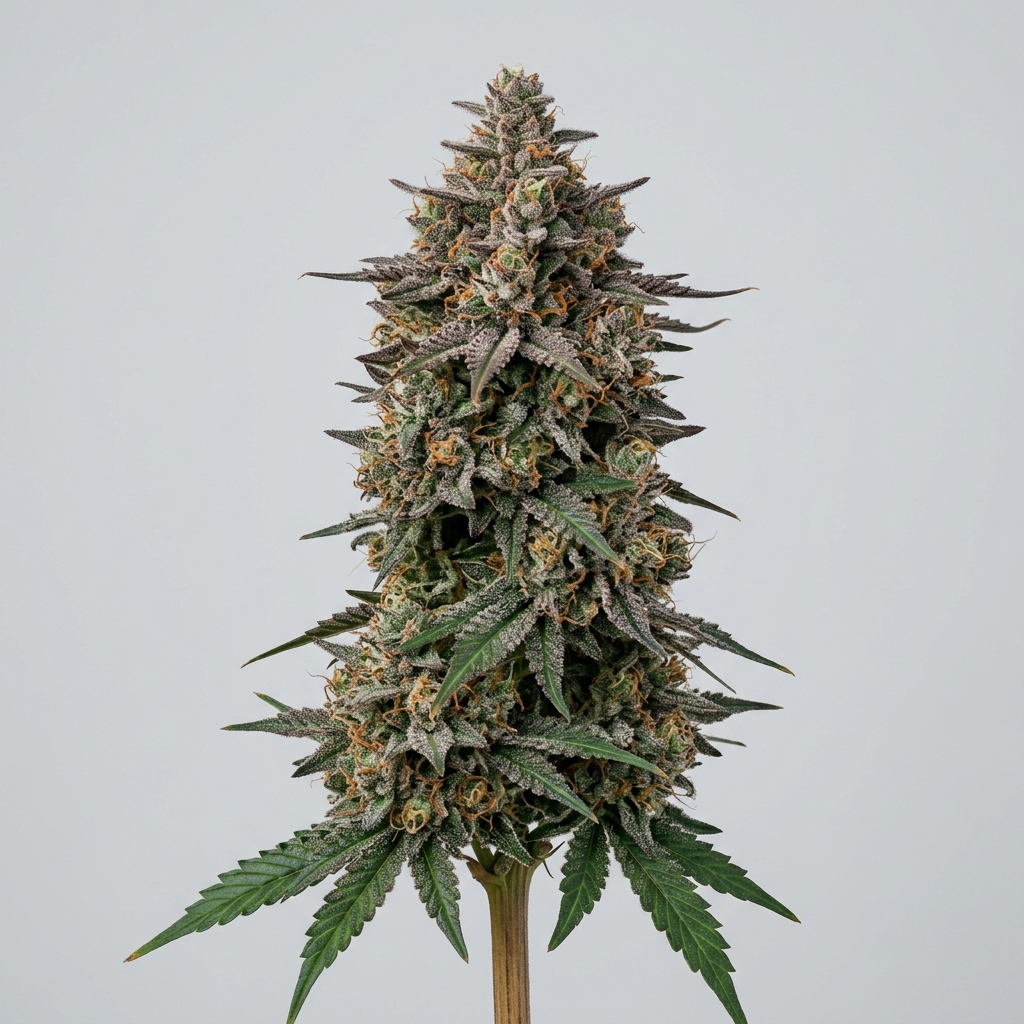
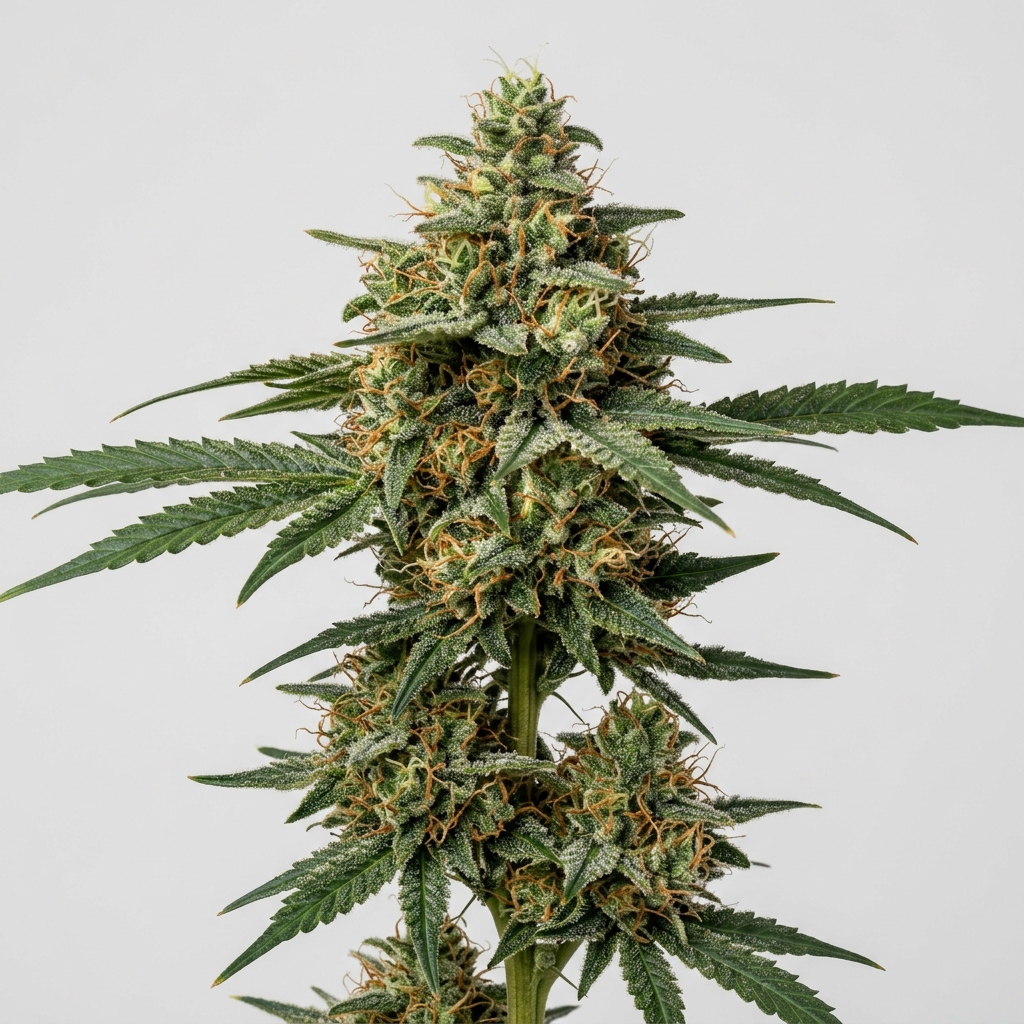
Sour Kosher is a sativa-dominant hybrid cultivar bred from crossing Sour Diesel and Kosher Kush. Typically testing in the 18% to 24% THC range, this cultivar is characterized by its sharp, fuel-forward aroma, greasy resin production, and notable stretch during early flower. The plants produce elongated, light-green spear colas that carry a classic sour gas profile, making it a highly valued selection for growers seeking both quality and yield.
This hybrid brings together the soaring, clear-headed energy of its East Coast sativa heritage with the dense, resinous structure of an award-winning West Coast kush. The result is a highly functional daytime option that preserves terpene clarity and delivers a clean, sharp citrus lift on the finish.
Quick Facts
| Attribute | Details |
|---|---|
| Genetics | Sour Diesel × Kosher Kush |
| Variety | Sativa-dominant hybrid (70% Sativa / 30% Indica) |
| THC Range | 18% – 24% |
| Flowering Time | 9 – 10 weeks |
| Yield Potential | Moderate to High |
| Plant Height | Tall (significant stretch) |
| Climate Preference | Warm, dry, temperate |
| Difficulty | Moderate |
Scientific & Botanical Overview
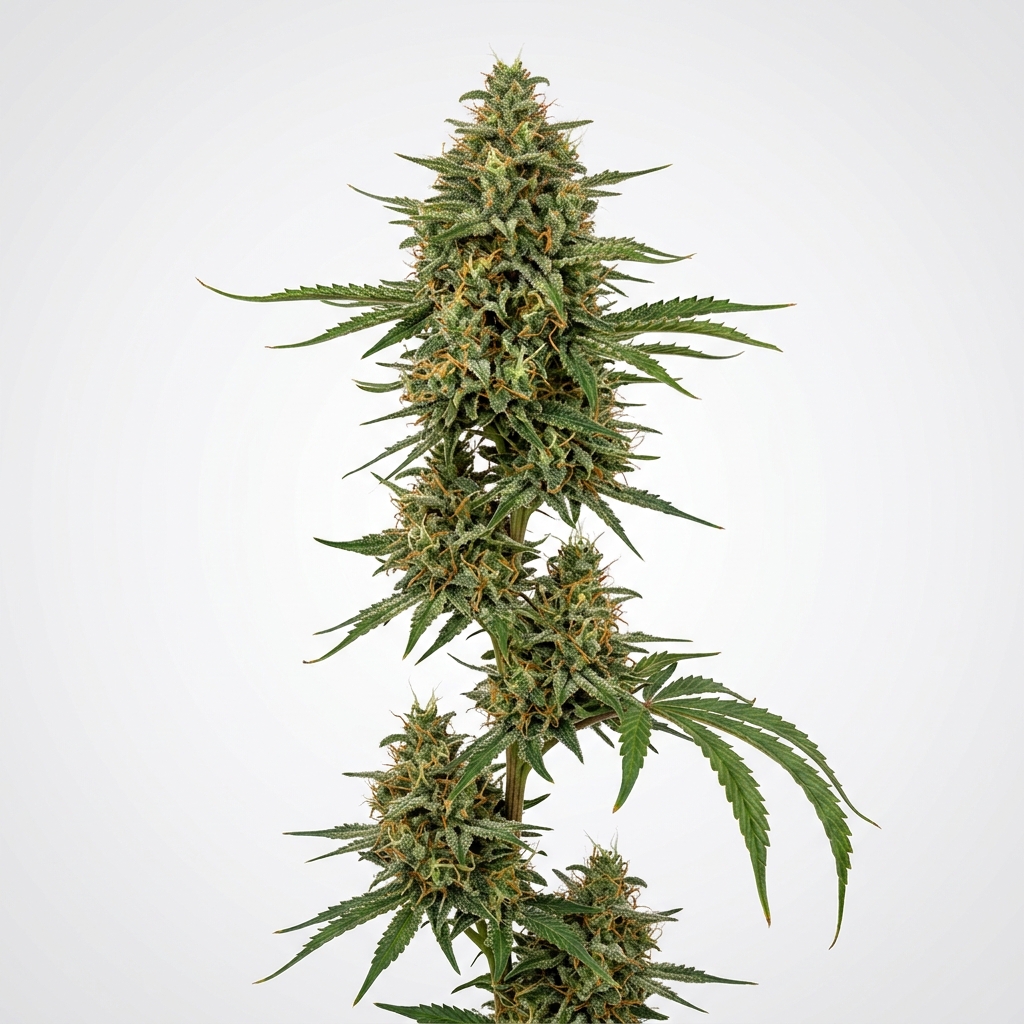
Botanically, Sour Kosher showcases a strong sativa morphology inherited from its Sour Diesel parentage. The plants develop long internodal spacing and thin, serrated fan leaves that allow excellent light penetration throughout the canopy. During the first three weeks of flowering, growers should expect a significant stretch that requires early height management and canopy training.
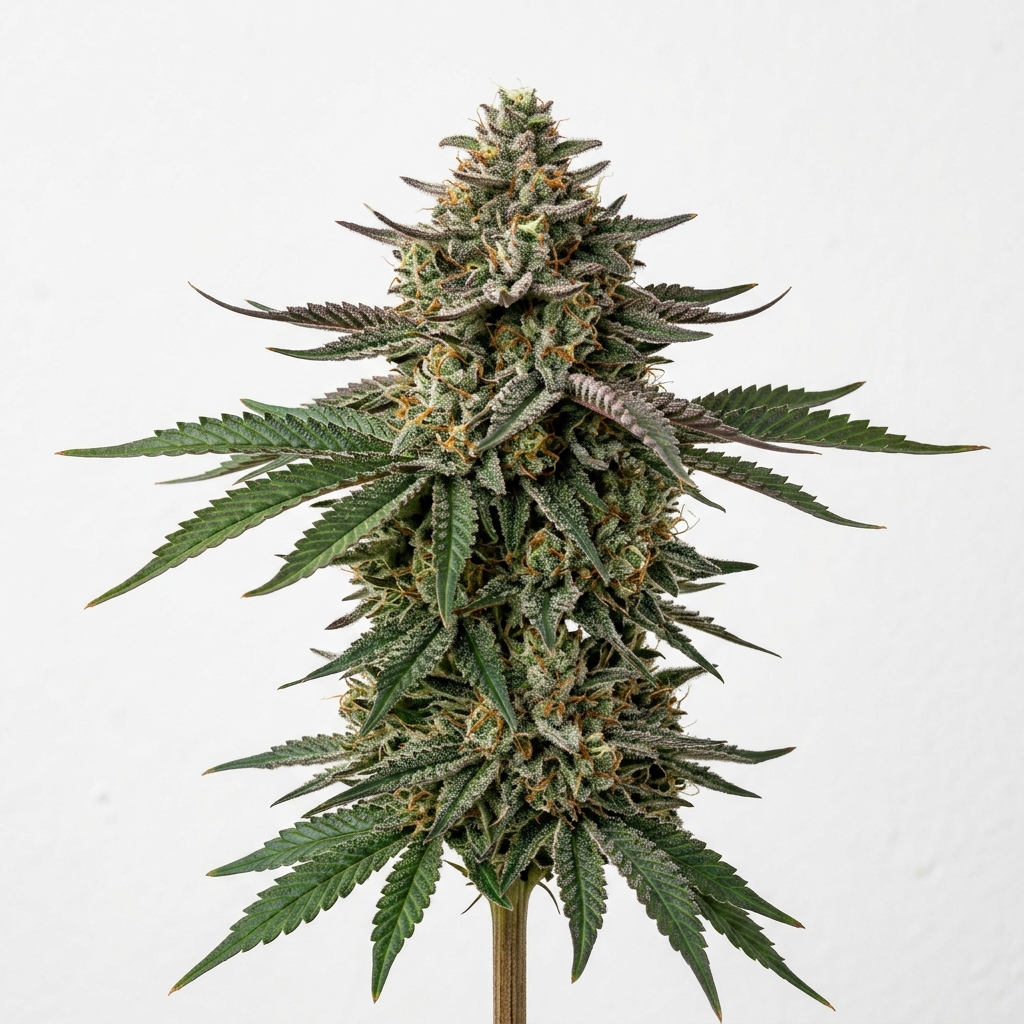
The buds form as elongated spear colas with swollen calyxes coated in a greasy resin layer. Unlike pure sativas, the Kosher Kush influence adds density to the bracts, preventing the flowers from becoming too airy or loose. The pistils turn a deep amber color against a backdrop of light green foliage as harvest approaches.
Terpene accumulation is highly concentrated in the capitate-stalked trichomes, which mature to a milky white with glassy heads. Maintaining low late-flower humidity is critical to preserving these delicate volatile compounds and preventing moisture retention within the dense clusters.
Effects & Use-Cases (Reported)
Commonly reported effects: Uplifted mood, clear-headed energy, focus, followed by a mild physical ease.
Use-case context: Well-suited for daytime productivity, creative tasks, and social settings where mental clarity is desired without heavy physical sedation.
Note: Individual experiences may vary, and high-THC cultivars can occasionally induce mild anxiety in sensitive users.
Aroma & Flavors
Aroma: Heavy diesel, sour citrus, and damp earth.
Flavor: Tart gas on the inhale, followed by a woody, pine-like kush finish.
Terpene associations: Beta-Caryophyllene, Limonene, Myrcene.
Tested Cannabinoid & Terpene Ranges
| Compound | Estimated Range |
|---|---|
| Δ9-THC | 18.0% – 24.0% |
| CBD | < 0.5% |
| Beta-Caryophyllene | 0.4% – 0.8% |
| Limonene | 0.3% – 0.6% |
| Myrcene | 0.2% – 0.5% |
Note: Cannabinoid and terpene levels are highly variable and depend on specific phenotype, cultivation methods, and curing practices.
Cultivation Notes
- Humidity: Keep relative humidity around 55% in early veg, dropping to 40-45% by late flower to protect the dense colas.
- Nutrition: Responds well to moderate feeding; avoid over-fertilizing with nitrogen during the early flowering stretch.
- Training: Topping and Screen of Green (ScrOG) methods are highly recommended to manage height and maximize light exposure.
- Harvest: Harvest when trichomes are mostly milky with about 10% amber for optimal terpene balance.
- Phenotype management: Select phenotypes that balance the stretch of the diesel with the bud density of the kush.
Grower Notes (Week-by-Week Snapshot)
- Weeks 1–3: Expect rapid vertical growth; apply low-stress training or tuck branches under trellis netting to keep the canopy even.
- Weeks 4–6: Flower development begins; defoliate lower fan leaves to improve airflow and light penetration.
- Weeks 7–9: Colas fill out and resin production peaks; ensure physical supports are in place to prevent branches from bending.
- Post-Harvest: A slow dry at 60°F and 60% RH for 10-14 days preserves the volatile sour terpenes before a two-week cure.
Genetic Lineage
Sour Kosher is a direct cross of Sour Diesel and the legendary Kosher Kush. The maternal parent, Sour Diesel, contributes its signature fuel-forward aroma and energetic growth patterns. This lineage traces back to classic East Coast undercurrents, bringing a sharp, chemical-forward edge to the hybrid.
The paternal contribution comes from Kosher Kush, an indica-dominant powerhouse known for its rich, earthy terpene profile and heavy resin coverage. By blending these two distinct lineages, breeders successfully captured the uplifting qualities of the diesel while enhancing the overall bud structure and density.
Research Insights
Analytical testing reveals a high concentration of beta-caryophyllene and limonene within the trichome heads of Sour Kosher. These compounds are commonly studied for their potential to modulate the uptake of cannabinoids, contributing to the reported clear-headed, uplifting effects. The presence of myrcene provides a grounding, earthy undertone that rounds out the chemical profile.
Horticultural research on similar sativa-dominant hybrids indicates that maintaining a stable nutrient balance during the transition phase prevents premature leaf senescence. This stability allows the plant to sustain photosynthesis throughout its extended 9-to-10-week flowering cycle, maximizing terpene synthesis in the final weeks.
Frequently Asked Questions
Is Sour Kosher easy to grow?
It is moderately difficult due to its significant stretch during early flower. Growers need some experience with height management and canopy training to get the best results.
What does Sour Kosher smell like?
It features a strong, pungent aroma of sour citrus and heavy diesel, grounded by a damp, earthy kush base.
How long does Sour Kosher take to flower?
This cultivar typically finishes flowering in 9 to 10 weeks when grown indoors.
Does Sour Kosher stretch a lot?
Yes, the sativa heritage from Sour Diesel causes a rapid vertical stretch during the first three weeks of flowering, which requires proactive canopy control.
Educational Disclaimer
This article is for educational and informational purposes only. Cannabis laws and regulations vary by jurisdiction. Always consult with a qualified professional before undertaking cultivation or consumption.
Rate and review this strain
Ratings and reviews are accepted only from signed-in Google accounts.
Sign in with Google to leave a rating and written review.
Latest Reviews
0 reviewsNo reviews yet. Be the first Google user to rate and review this strain.