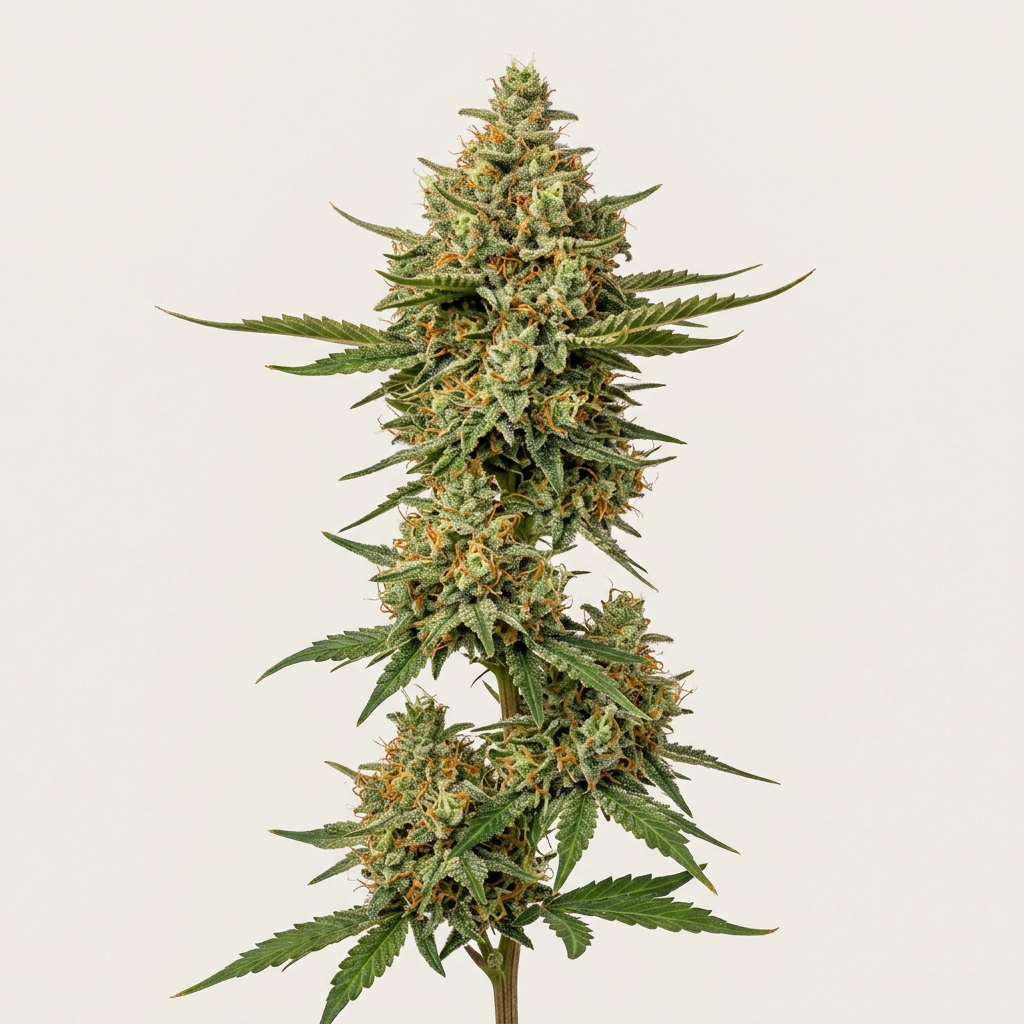
Cole Train (Cannabis Strain)
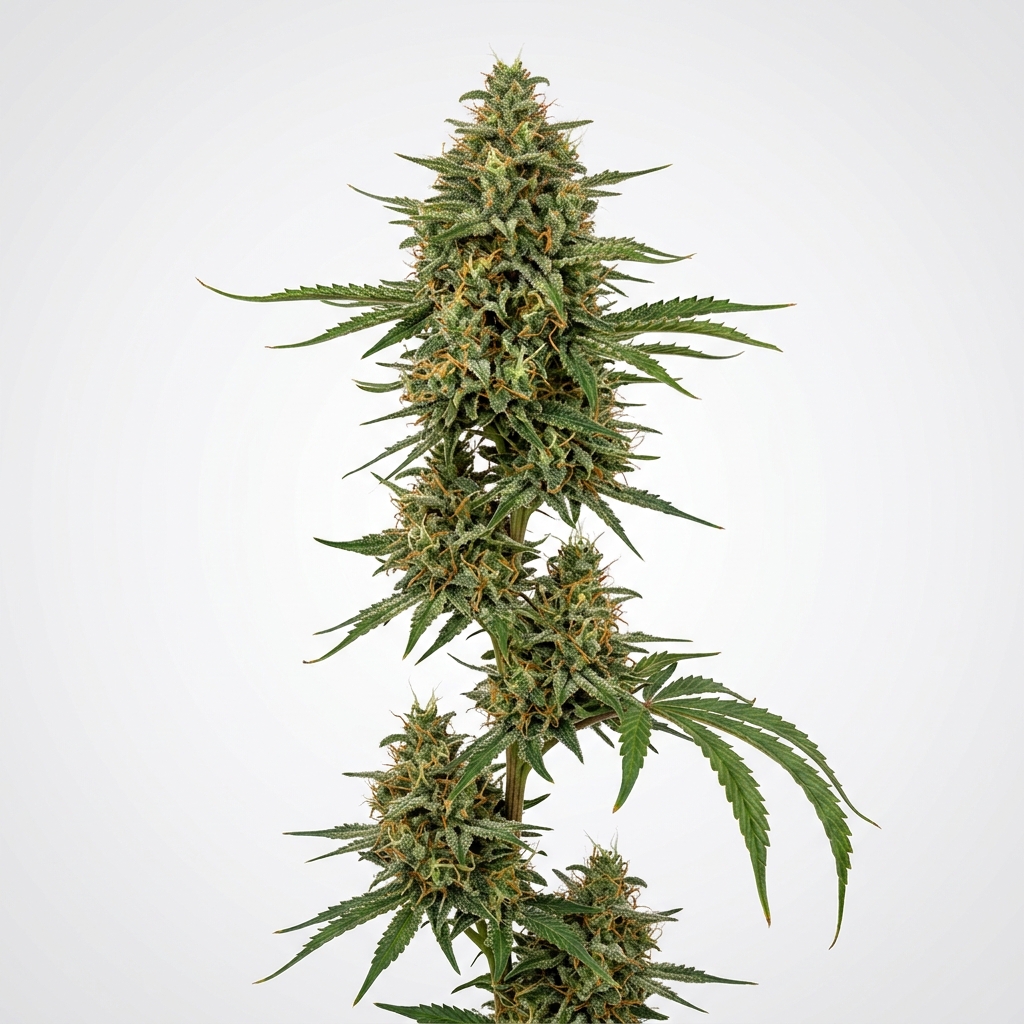
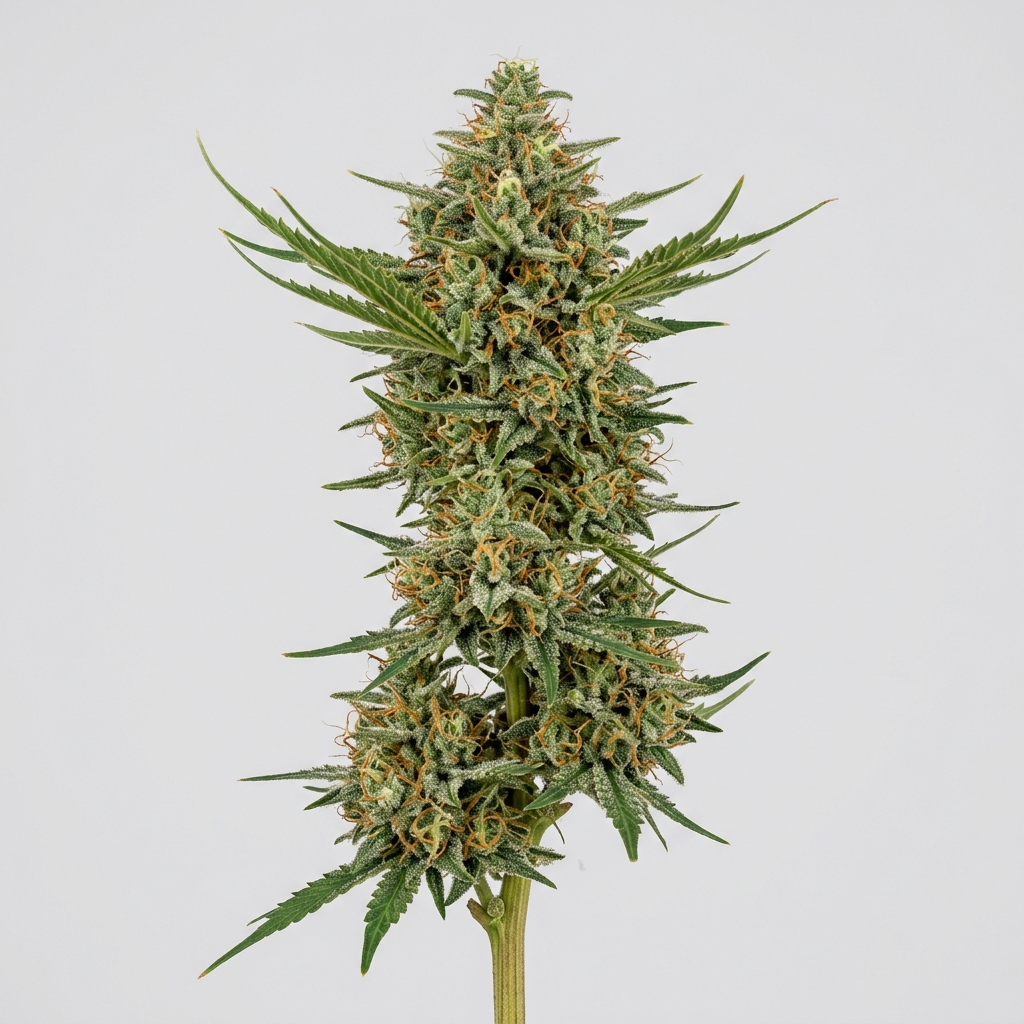
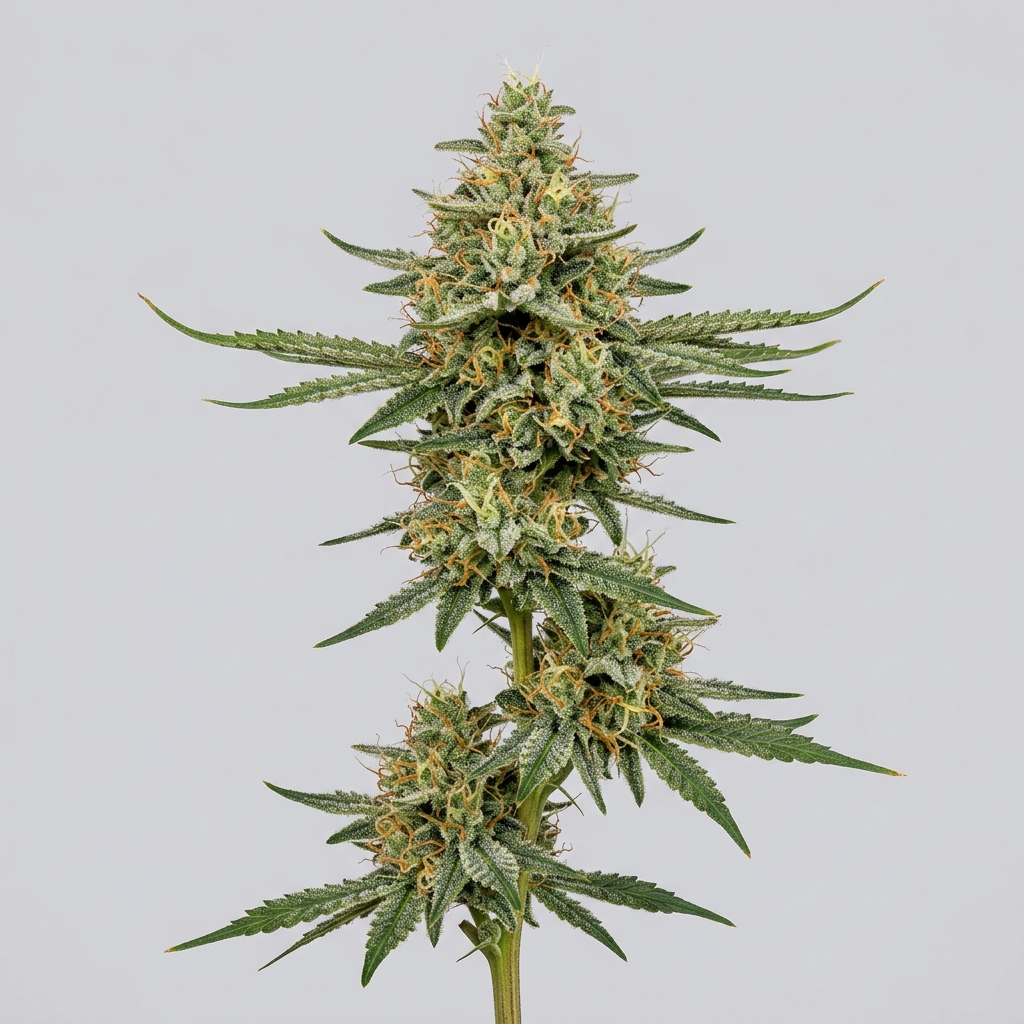
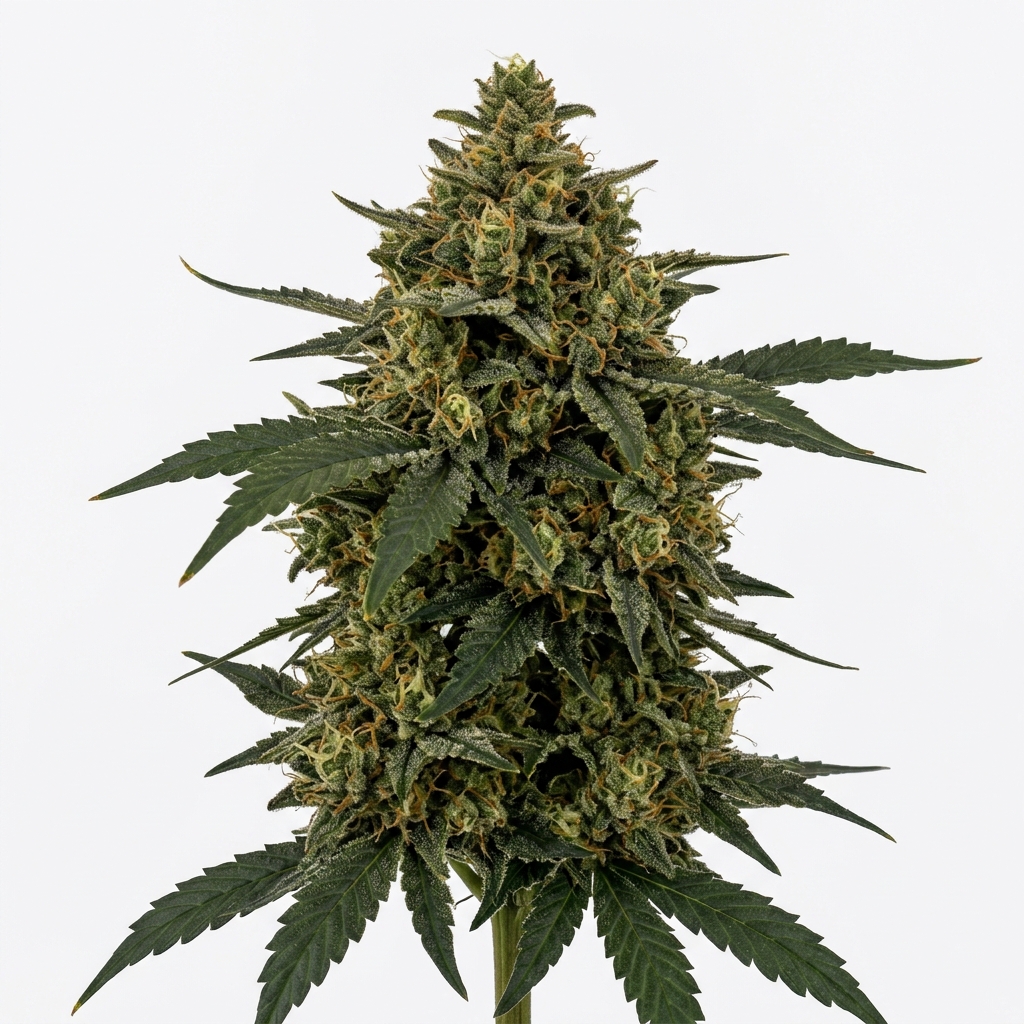
Cole Train is an indica-dominant hybrid, typically testing between 16% and 21% THC, created by crossing the Humboldt local Jasmine cut with the classic Trainwreck. This cultivar delivers an old-school profile of earthy pine, sharp citrus, and a distinct skunky undertone, producing dense, resin-rich spear colas. Known for its high mold resistance and heavy nutrient tolerance, this resilient strain thrives in coastal environments and finishes early with a heavy yield.
Cultivators prize this selection for its reliable performance in challenging, high-humidity climates where other large-budding varieties often fail. Its lineage balances the robust, vegetative vigor of its Humboldt heritage with the resinous, uplifting qualities of classic West Coast genetics.
Quick Facts
| Metric | Details |
|---|---|
| Genetics | Jasmine x Trainwreck |
| Variety | Indica-dominant hybrid (approx. 70/30) |
| THC Range | 16% – 21% |
| Flowering Time | 7 – 8 weeks |
| Yield Potential | High |
| Plant Height | Medium to tall |
| Climate Preference | Mild, coastal, humid-tolerant |
| Difficulty | Easy to moderate |
Scientific & Botanical Overview
This cultivar shows a stout, branchy structure inherited from its Jasmine parent, offset by the vigorous vertical stretch of Trainwreck. The vegetative phase is marked by broad fan leaves and thick stems that easily support heavy flower development without extensive trellising. It adapts well to both soil and hydroponic setups, showing a strong root-zone development early in its life cycle.
The bract-to-leaf ratio is highly favorable, allowing light to penetrate deep into the lower canopy during early flower. Internodal spacing remains tight to moderate, filling out into continuous runs of dense, resinous clusters along each branch. This tight structure makes it highly efficient for sea-of-green (SOG) setups.
Botanically, its resilience is rooted in its adaptation to the damp, coastal microclimates of Northern California. The calyxes swell significantly in the final weeks, secreting a greasy resin layer that acts as a natural barrier against late-season moisture and pests.
Effects & Use-Cases (Reported)
Commonly reported effects: A heavy, warming physical relaxation paired with a clear, functional mental state. Users frequently note an initial pressure behind the eyes that settles into a calm, grounding body buzz without immediate sedation.
Use-case context: Best suited for late afternoon or evening transition, providing physical comfort while maintaining enough mental clarity for conversation or light tasks. It is often selected by those seeking relief from physical tension after a long day.
Note: Individual experiences may vary depending on dosage, tolerance, and specific phenotype expression. Always start with low doses to assess personal tolerance.
Aroma & Flavors
Aroma: A pungent blend of damp earth, pine needles, and sharp fuel, rounded out by a subtle, sweet floral note reminiscent of night-blooming jasmine.
Flavor: The smoke carries a heavy, old-school skunk character on the inhale, transitioning to a tart gas and woody pine finish on the exhale.
Terpene associations: High concentrations of myrcene drive the earthy baseline, while caryophyllene adds a spicy bite, and pinene provides the clean, forest-like top notes.
Tested Cannabinoid & Terpene Ranges
| Compound | Typical Range |
|---|---|
| Δ9-THC | 16.0% – 21.0% |
| CBG | 0.5% – 1.2% |
| beta-Myrcene | 0.4% – 0.9% |
| beta-Caryophyllene | 0.3% – 0.7% |
| alpha-Pinene | 0.2% – 0.5% |
Range note: Cannabinoid and terpene metrics are literature-informed averages based on typical analytical testing. Actual profiles depend heavily on cultivation methods, curing protocols, and phenotype selection.
Cultivation Notes
- Humidity: Maintains excellent mold resistance, but keeping late-flower humidity between 45% and 50% ensures optimal resin density and terpene preservation.
- Nutrition: Highly tolerant of heavy feeding, especially nitrogen during the vegetative stretch and early transition phases.
- Training: Responds well to topping and low-stress training (LST) to promote a uniform canopy of its signature spear colas.
- Harvest: Look for swollen, cloudy trichomes with roughly 10% to 15% amber heads to capture the ideal balance of physical relaxation and mental clarity.
- Phenotype management: Phenotypes vary slightly in stretch; the Trainwreck-dominant selections may require early support stakes as the flowers pack on weight.
Grower Notes (Week-by-Week Snapshot)
- Weeks 1–3 (Transition & Stretch): Plants show a moderate stretch upon flipping to a 12/12 light cycle. Thin out lower fan leaves to improve airflow through the dense mid-canopy.
- Weeks 4–6 (Mid-Flower): Bud sites develop rapidly into dense, prickly clusters. Resin production begins early, coating the surrounding sugar leaves in a greasy, wet frost.
- Weeks 7–8 (Late Flower & Flush): Calyxes swell dramatically, and pistils turn a deep orange. Initiate a clean water flush during the final ten days to bring out the natural floral and pine aromas.
- Post-Harvest (Cure): A slow dry at 60°F (15°C) and 60% relative humidity for 10 to 14 days preserves the volatile pinene and myrcene fractions, preventing a grassy finish.
Genetic Lineage
The genetic foundation of this cultivar rests on a deliberate pairing designed to tame the wild, leggy growth of Trainwreck while preserving its soaring potency. By introducing Jasmine, a resilient and locally cherished Humboldt county indica, breeders anchored the growth habit, resulting in a more compact, stout structure that handles environmental stressors with ease.
This combination ensures that the offspring retain the sharp, pine-dominant terpene profile of the Trainwreck parent, while inheriting the sweet, floral undertones and heavy physical effects of the Jasmine lineage. The resulting hybrid stands as a testament to classic Northern California breeding, prioritizing outdoor survivability alongside top-tier flower quality.
Research Insights
Analytical profiles of this cultivar highlight a dominant concentration of myrcene and pinene, a pairing that influences both its aromatic identity and its physiological profile. The presence of pinene is of interest to researchers studying how specific monoterpenes may mitigate the short-term memory impairment sometimes associated with high-THC cultivars.
From a breeding perspective, the strain is valued for its environmental resilience genes, particularly its resistance to botrytis and powdery mildew. This makes it a frequent subject of study for agricultural programs focused on developing hardy, low-input cultivars suitable for commercial-scale outdoor cultivation in temperate regions.
Frequently Asked Questions
Is Cole Train an indica or a sativa?
Cole Train is an indica-dominant hybrid, typically exhibiting a 70% indica and 30% sativa balance, derived from Jasmine and Trainwreck.
How long does Cole Train take to flower?
This cultivar has a relatively fast flowering time, usually finishing in 7 to 8 weeks when grown indoors, or by late September to early October outdoors.
Does Cole Train do well in humid climates?
Yes, one of its defining traits is its high mold resistance, inherited from its Humboldt-born Jasmine parent, making it highly suitable for coastal or humid environments.
What does Cole Train smell like?
It features a pungent, old-school aroma of damp earth, pine, and sharp fuel, balanced by a sweet, jasmine-like floral undertone on the finish.
Educational Disclaimer
This content is for educational and informational purposes only. It does not constitute medical advice or encouragement of illegal cultivation. Always consult with a licensed professional before starting any new agricultural or therapeutic regimen.
Rate and review this strain
Ratings and reviews are accepted only from signed-in Google accounts.
Sign in with Google to leave a rating and written review.
Latest Reviews
0 reviewsNo reviews yet. Be the first Google user to rate and review this strain.