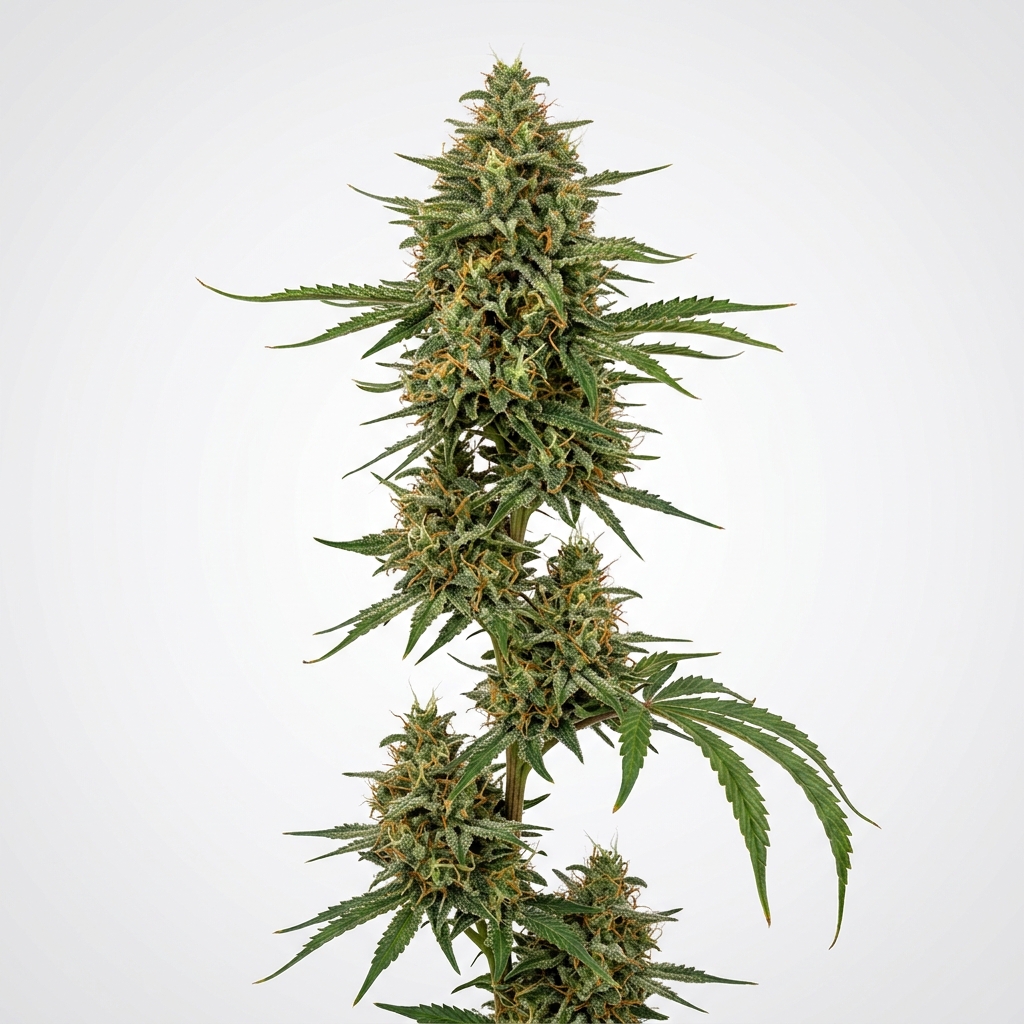
Sour Cream (Cannabis Strain)
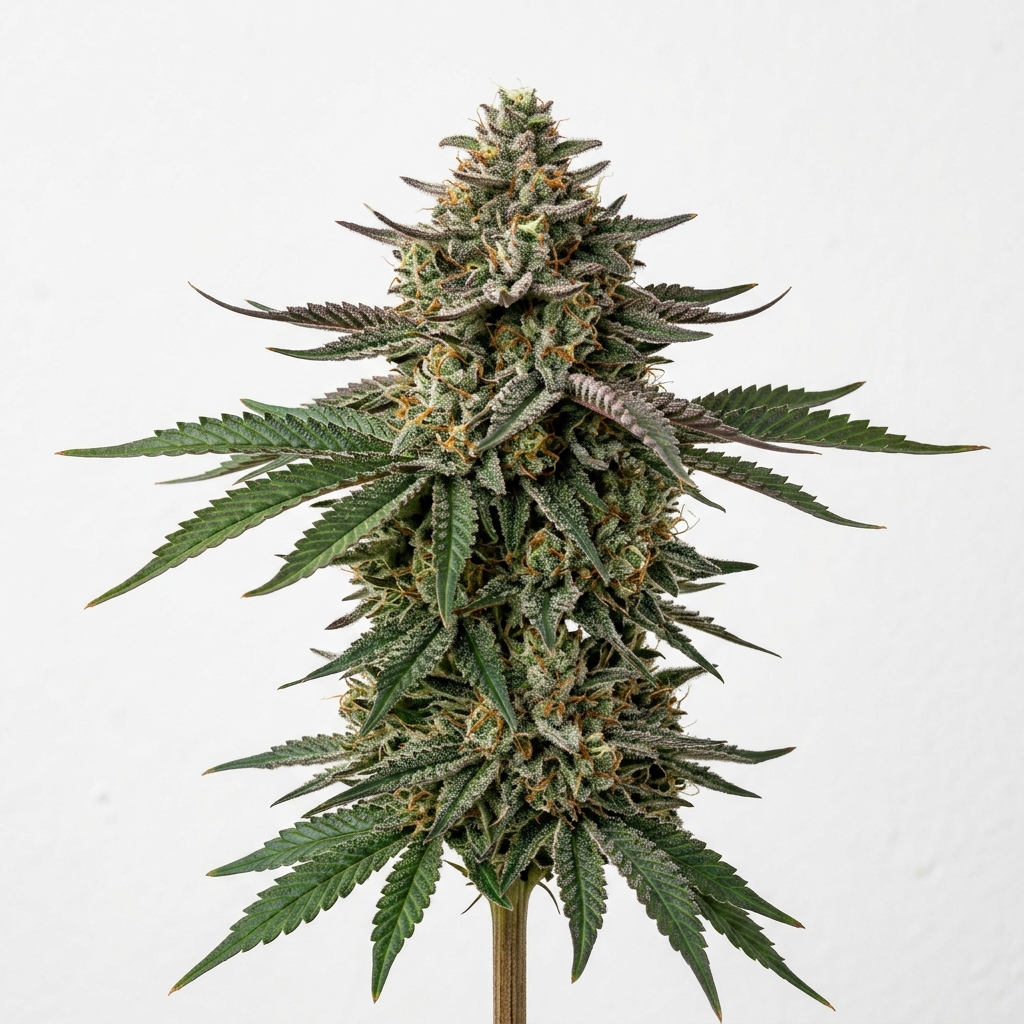
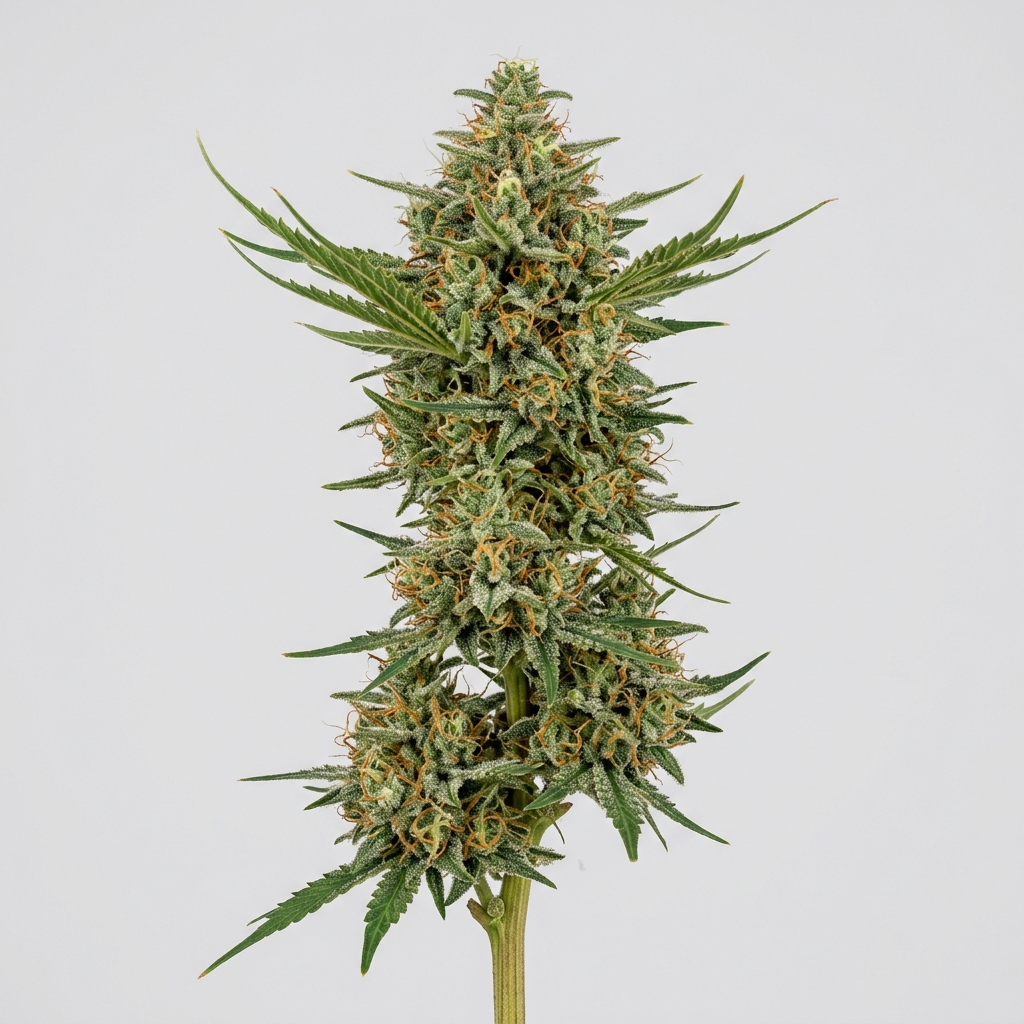
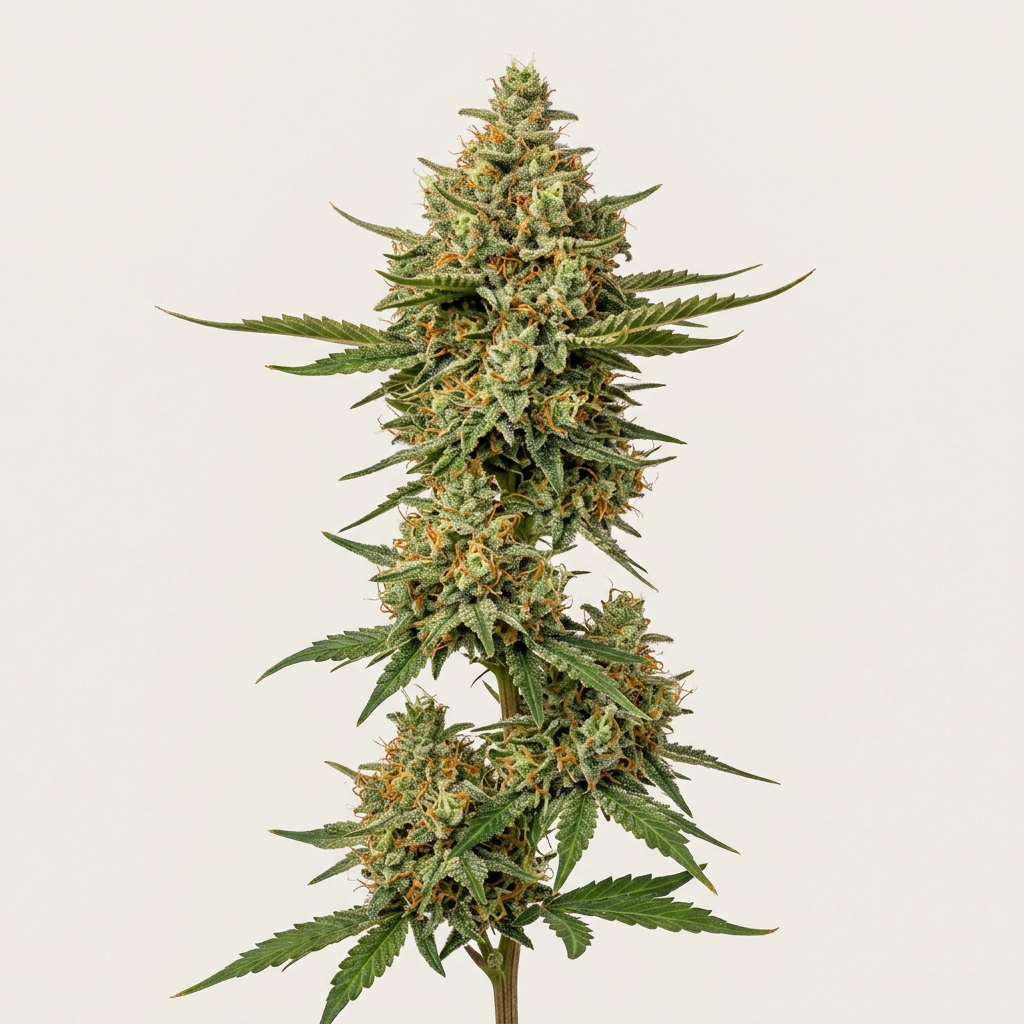
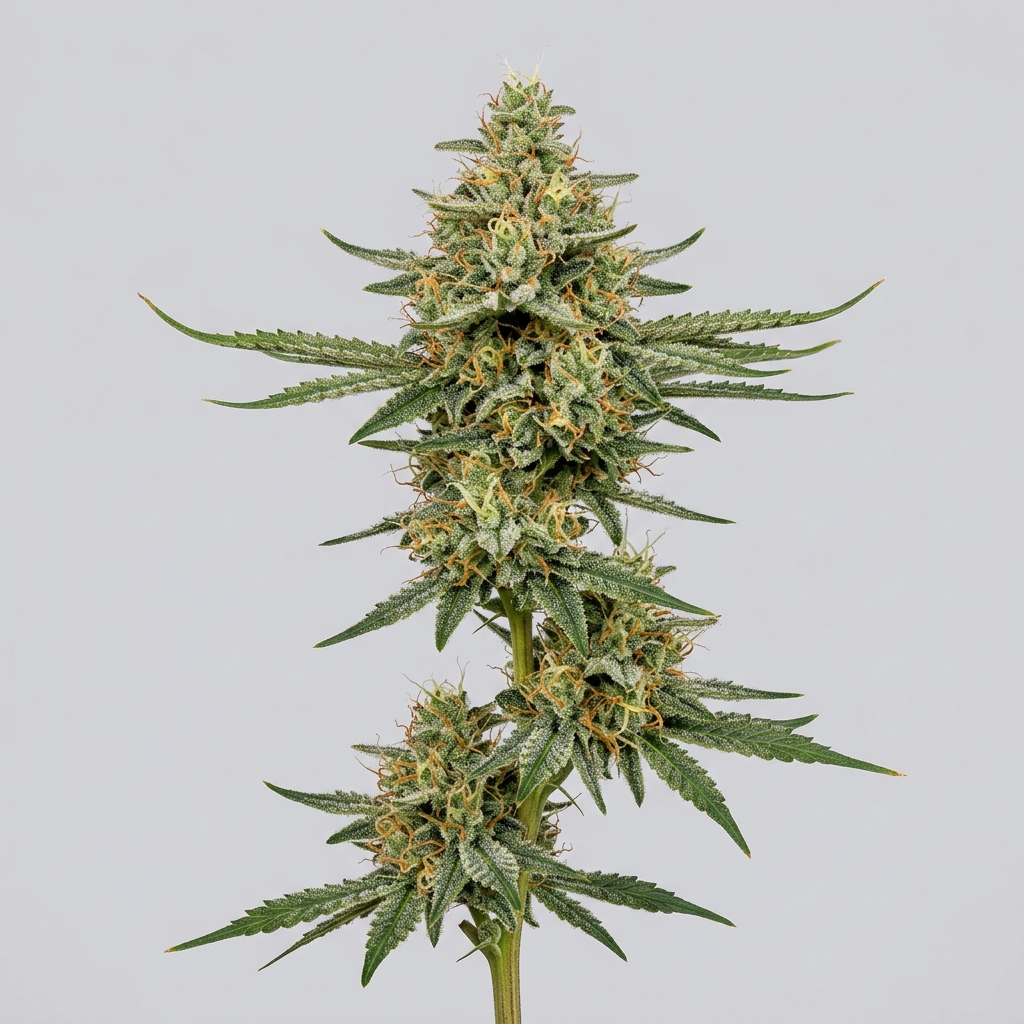
Sour Cream is a sativa-dominant hybrid typically testing between 18% and 24% THC, created by crossing the legendary Sour Diesel with the high-yielding G13 Haze. This cultivar is recognized for its sharp sour fuel aroma, softened by a distinct hazy cream finish and a greasy resin profile. In the garden, it shows notable stretch and develops long, resin-rich spear colas that require structural support during late flower.
Bred originally by DNA Genetics, this variety bridges old-school East Coast fuel with classic Dutch Amsterdam haze genetics. It has earned a reputation among experienced growers who appreciate its extended flowering cycle and complex, terpene-rich output.
Quick Facts
| Fact | Details |
|---|---|
| Genetics | Sour Diesel x G13 Haze |
| Variety | Sativa-dominant Hybrid (approx. 70/30) |
| THC Range | 18% – 24% |
| Flowering Time | 10 – 11 Weeks |
| Yield Potential | Moderate to High |
| Plant Height | Tall (significant stretch) |
| Climate Preference | Warm, temperate, low humidity |
| Difficulty | Moderate to Experienced |
Scientific & Botanical Overview
Botanically, Sour Cream shows classic sativa morphology, characterized by thin-fingered fan leaves, wide internodal spacing, and a rapid vertical stretch once switched to a 12/12 photoperiod. The nodal development supports long, airy flower clusters that gradually fill in with dense bracts and swollen calyxes as maturity approaches.
The resin production is highly localized on the calyxes and sugar leaves, producing a greasy, wet-frost texture rather than a dry, sandy trichome coverage. This wet resin structure preserves the volatile monoterpenes, protecting them from premature degradation under standard environmental conditions.
Because of its G13 Haze heritage, the plant maintains a high transpiration rate throughout its life cycle. Adequate airflow is essential to prevent microclimates from forming within its dense, elongated canopy.
Effects & Use-Cases (Reported)
Commonly reported effects: Consumers frequently note a clear, uplifting cerebral stimulation paired with a gentle, relaxing physical undertone that does not induce heavy sedation.
Use-case context: This profile makes it well-suited for daytime activities, creative projects, or social settings where mental clarity and physical comfort are desired.
Note: Individual tolerance levels and phenotype variations can significantly alter these reported effects.
Aroma & Flavors
Aroma: A pungent blend of sharp sour fuel and wet earth, balanced by a subtle, creamy sweetness that emerges upon breaking the buds apart.
Flavor: The smoke delivers a dominant tart gas and citrus lift on the inhale, followed by a smooth, herbal, and slightly woody finish on the exhale.
Terpene associations: Typically dominated by terpinolene, myrcene, and caryophyllene, which contribute to its complex spicy-sour profile.
Tested Cannabinoid & Terpene Ranges
| Compound | Typical Range |
|---|---|
| Δ9-THC | 18.0% – 24.0% |
| CBD | < 1.0% |
| Terpinolene | 0.4% – 0.8% |
| Myrcene | 0.3% – 0.6% |
| Beta-Caryophyllene | 0.2% – 0.5% |
Range note: Cannabinoid and terpene levels are highly dependent on specific phenotypes, environmental conditions, and cultivation methods.
Cultivation Notes
- Humidity: Maintain low relative humidity (under 45%) in late flower to protect the long spear colas from interior moisture buildup.
- Nutrition: Responds well to moderate feeding; avoid heavy nitrogen during early bloom to prevent excessive stretching.
- Training: use low-stress training (LST) or a SCROG net early to manage the vigorous height increase.
- Harvest: Harvest when the trichomes display a milky white transition with roughly 10% amber for optimal terpene clarity.
Grower Notes (Week-by-Week Snapshot)
- Weeks 1–3 (Transition & Stretch): The plant undergoes a rapid vertical stretch, often doubling or tripling in size. Early canopy training and structural trellis setup are critical during these weeks.
- Weeks 4–6 (Mid-Flower): Long, thin spear colas begin to form at the nodes. Bud sites show early resin development, emitting a faint sour, chemical aroma.
- Weeks 7–9 (Late Bloom): Bracts swell significantly, and the greasy resin coating becomes prominent. Ensure physical supports are secure as the colas gain weight.
- Weeks 10–11 (Ripening & Flush): Monitor trichome maturity closely. A thorough two-week flush with plain water helps clean the palate and brings out the creamier undertones.
Genetic Lineage
Sour Cream’s pedigree combines two highly influential lineages from different eras of cannabis breeding. The maternal parent, Sour Diesel, contributes its signature fuel-forward terpene profile and uplifting cerebral signature.
The paternal contributor, G13 Haze, infuses the cross with increased yield potential, structural vigor, and a complex hazy sweetness. This combination tempers the sharp chemical edge of the diesel parent, resulting in a more rounded and complex aromatic profile.
Research Insights
Phytochemical analysis of Sour Cream highlights a terpene profile rich in monoterpenes like terpinolene and myrcene, which work alongside the moderate-to-high THC concentration to shape its overall character. This specific combination is often studied for its role in modulating the energetic, clear-headed qualities associated with sativa-dominant cultivars.
The structural resilience inherited from the G13 Haze lineage makes this cultivar a subject of interest for breeders looking to introduce mold resistance and vigorous growth habits into diesel-dominant lines. Its balanced resin viscosity also serves as an excellent reference point for studying volatile terpene retention during the slow-drying process.
Frequently Asked Questions
Is Sour Cream difficult to grow indoors?
It presents a moderate challenge due to its significant vertical stretch during early flower. Growers can easily manage this by using trellis netting and applying low-stress training techniques before the flip to 12/12.
What does Sour Cream smell like?
The strain features a pungent mix of sour diesel, wet earth, and sharp citrus, rounded out by a smooth, creamy undertone that softens the overall profile.
How long does Sour Cream take to flower?
This cultivar typically requires 10 to 11 weeks of flowering to reach peak maturity and optimal resin development.
What are the main effects of Sour Cream?
Users commonly report a clear, uplifting cerebral buzz that enhances focus and creativity, accompanied by a light, non-sedating physical relaxation.
Educational Disclaimer
This content is for educational and informational purposes only. Cultivation and consumption laws vary by jurisdiction, and users should always consult local regulations before handling cannabis.
Rate and review this strain
Ratings and reviews are accepted only from signed-in Google accounts.
Sign in with Google to leave a rating and written review.
Latest Reviews
0 reviewsNo reviews yet. Be the first Google user to rate and review this strain.