Tangerine Dream (Cannabis Strain)
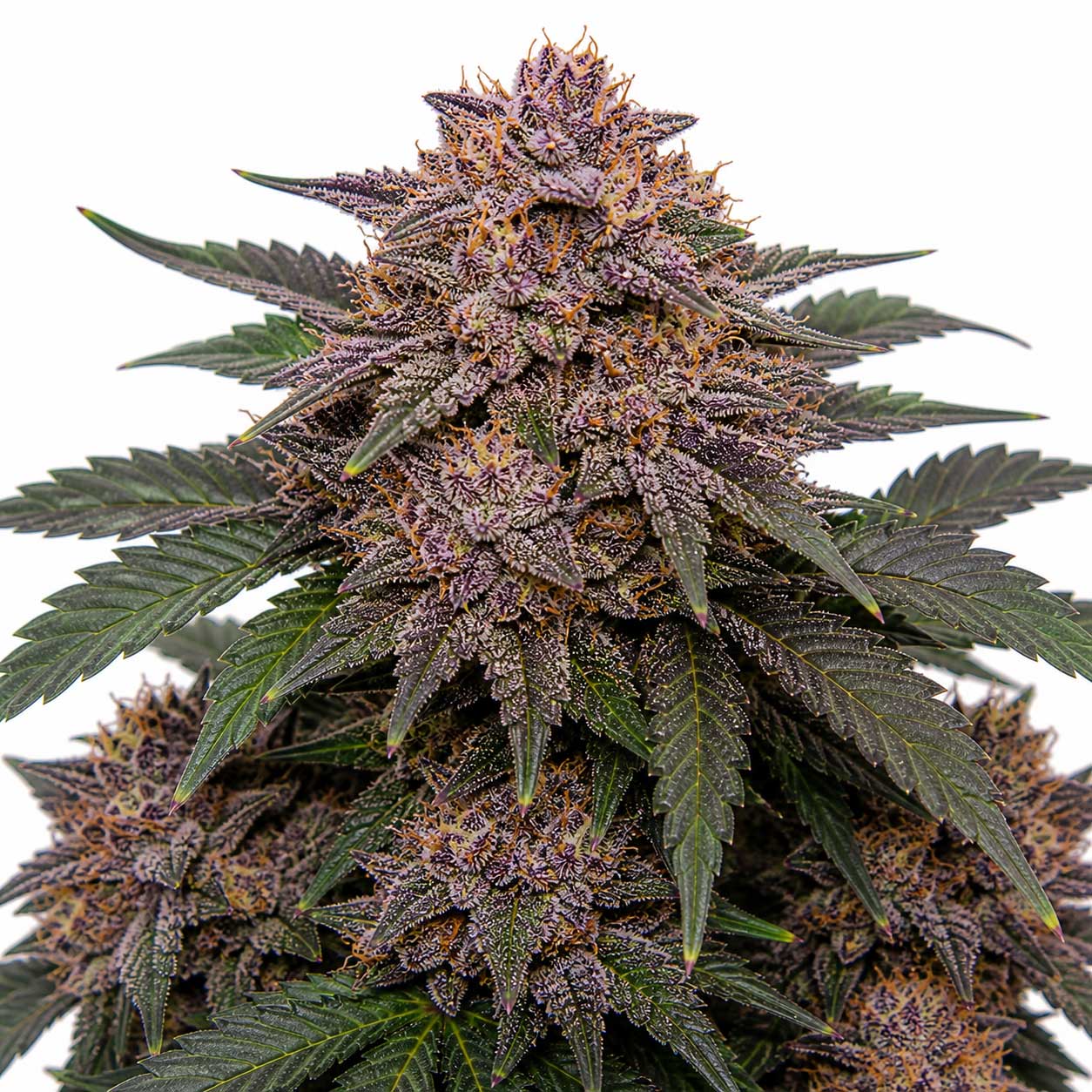
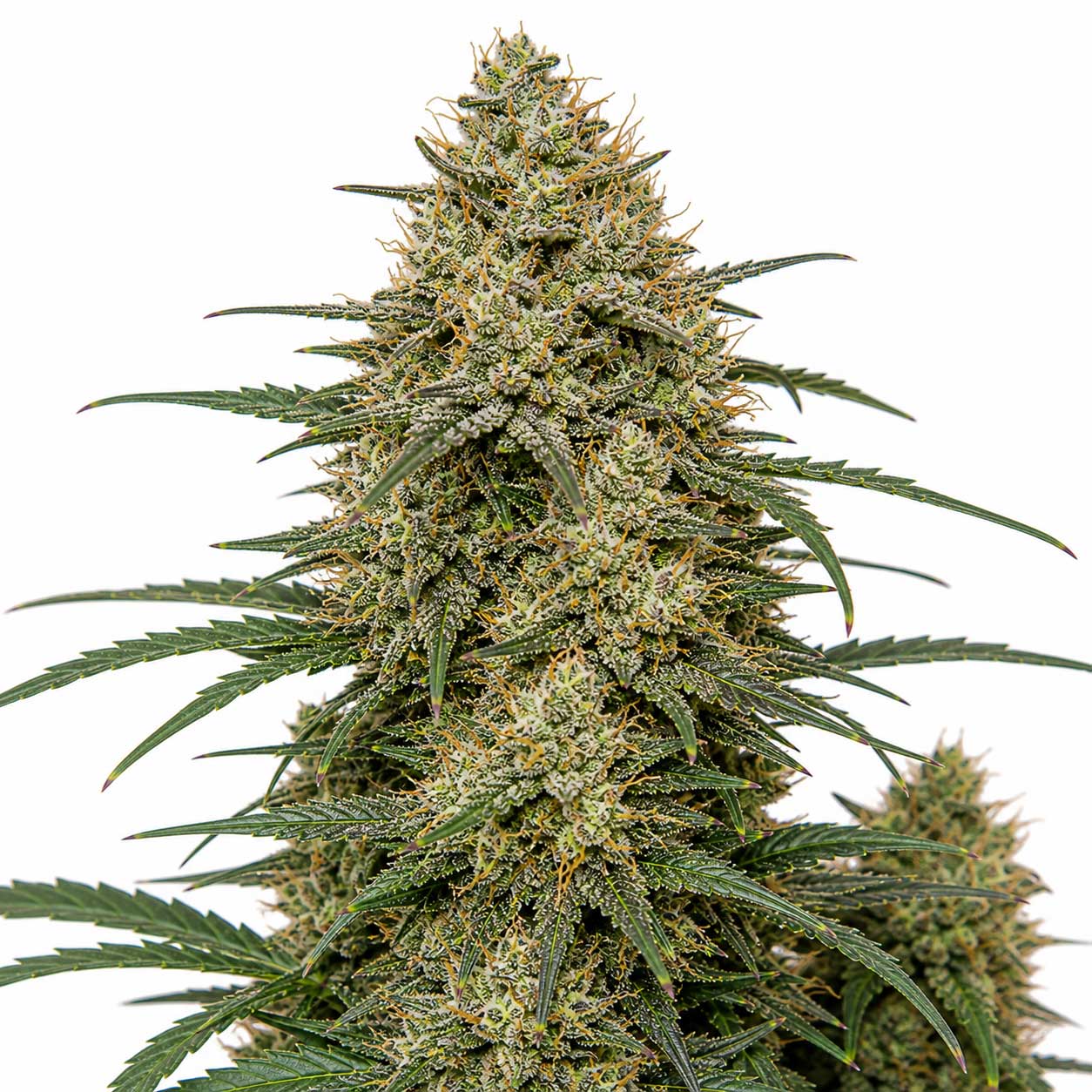
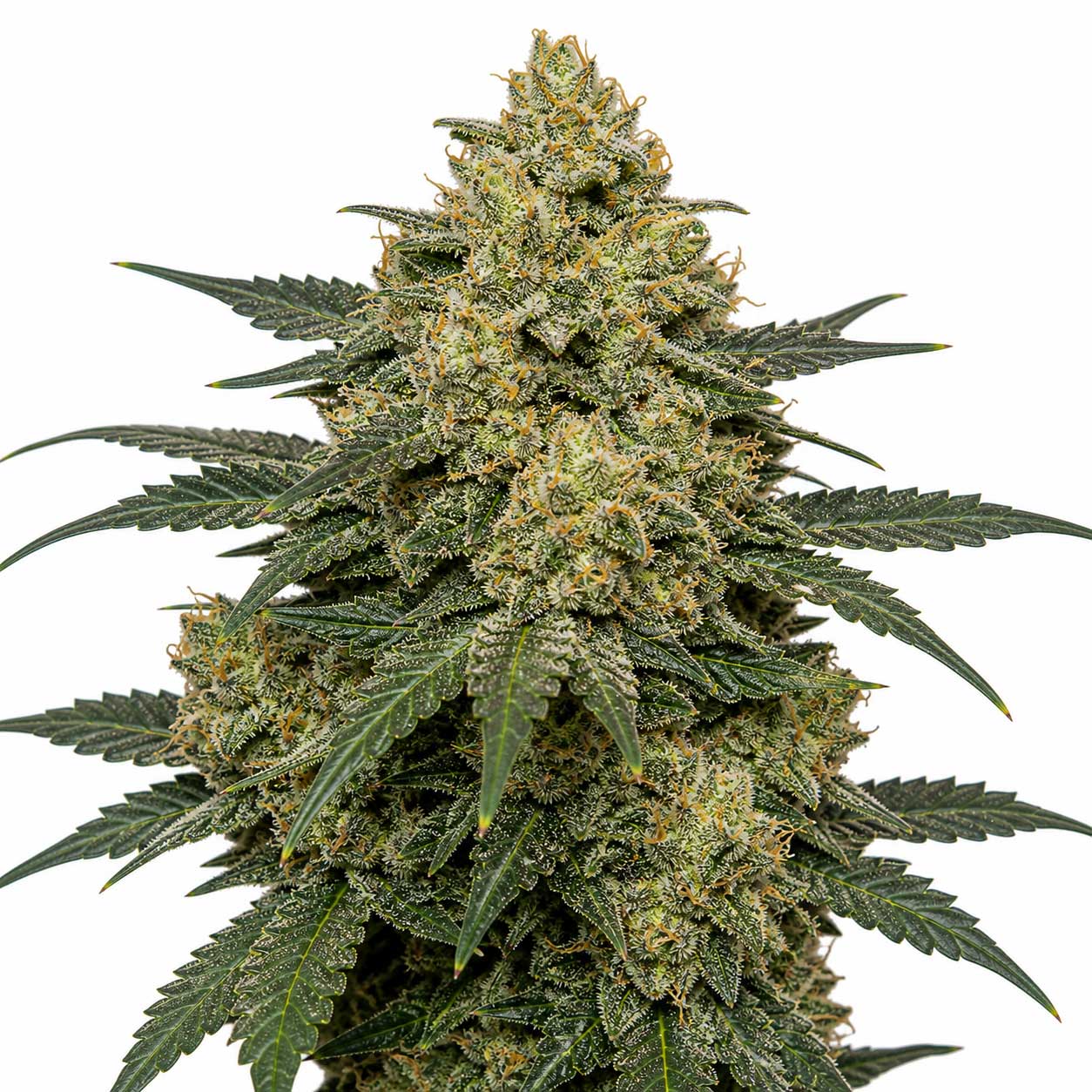
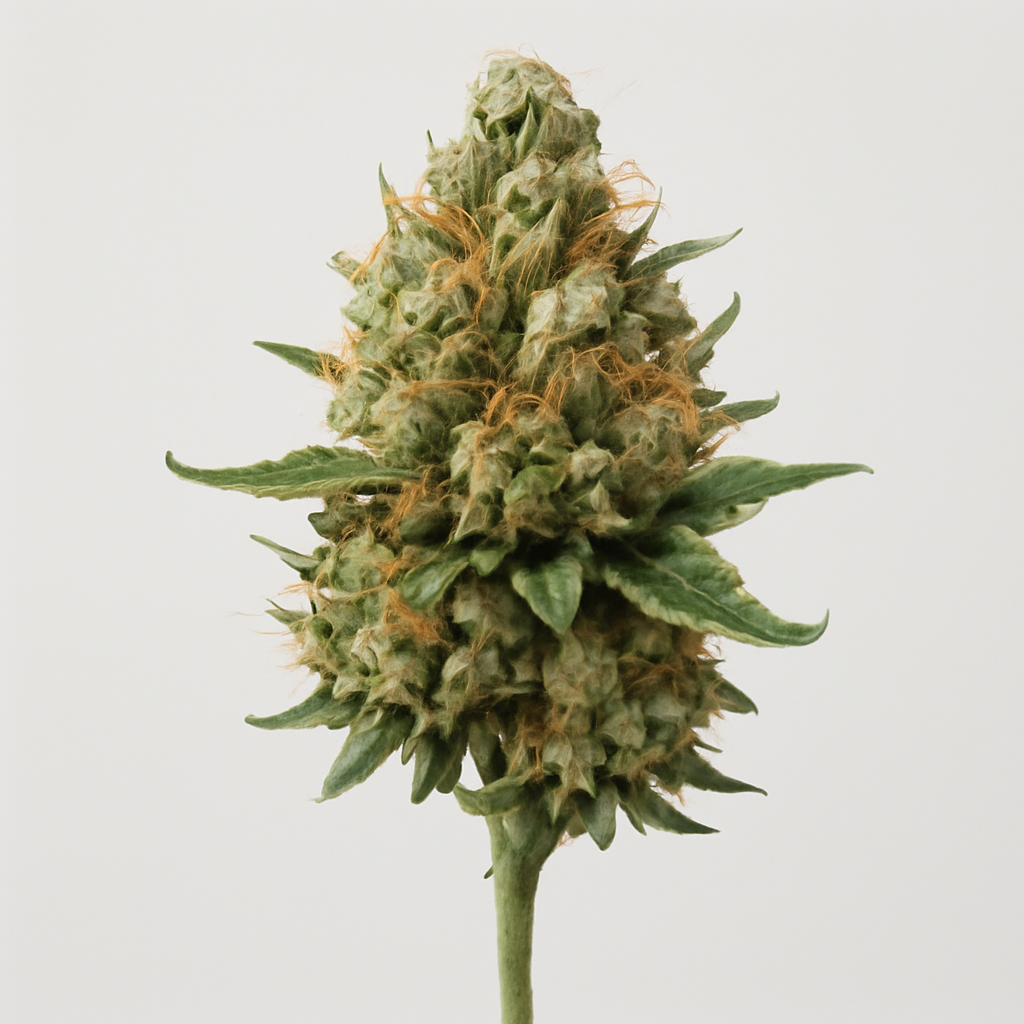
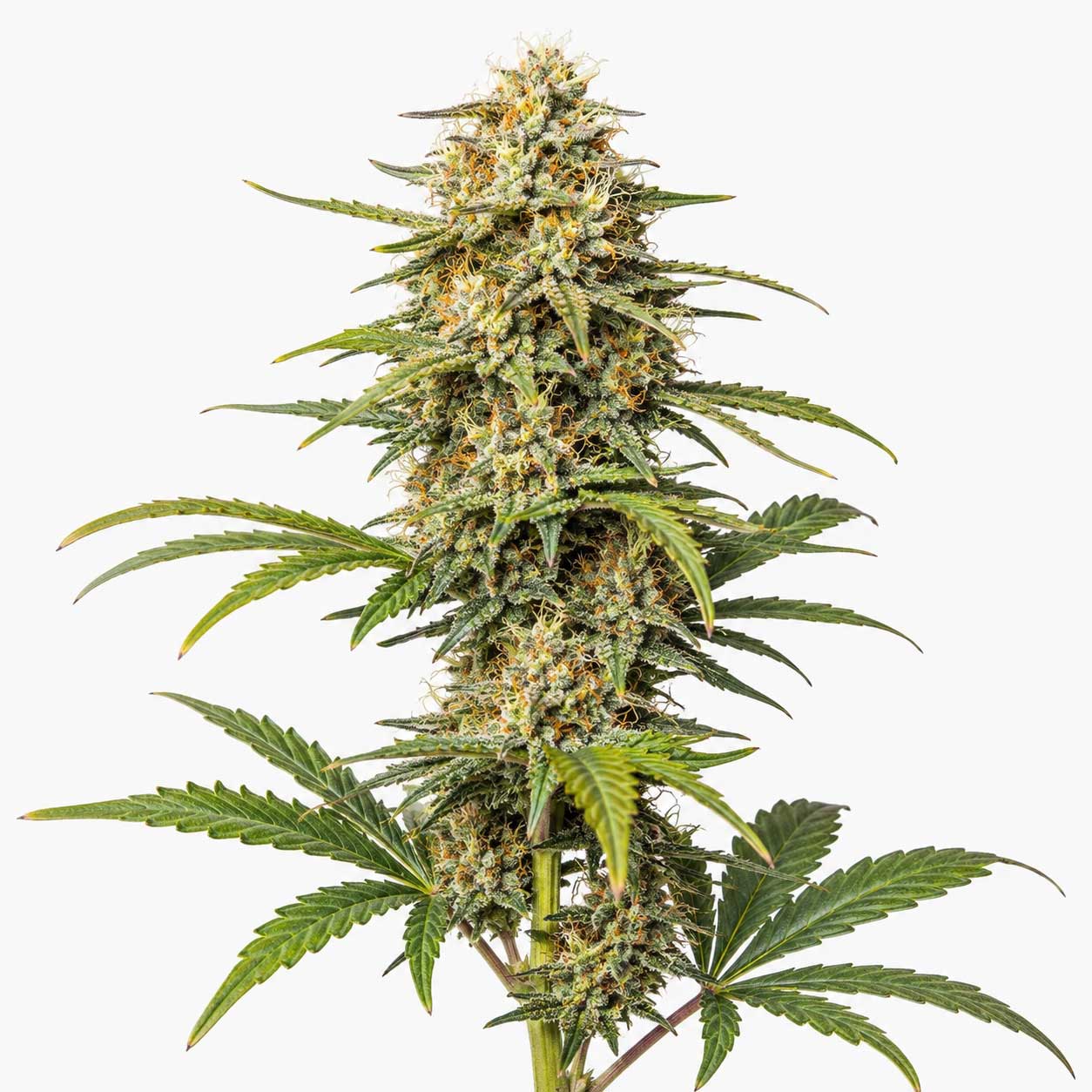
Tangerine Dream is a sativa-leaning hybrid with a typical THC range of 17% to 22%, bred by crossing G13, Afghani, and Neville’s A5 Haze. This cultivar is celebrated for its bright citrus peel aroma, sweet orange candy flavor, and resin-rich, spear-shaped colas that carry a moderate layer of wet frost. In the garden, it exhibits a classic Haze-influenced stretch, requiring active canopy management to support its high-yielding, airy flower clusters.
Originally developed by Barney’s Farm, this strain balances old-school Dutch genetics with a sharp, modern citrus profile. It remains a staple for cultivators and consumers seeking an uplifting, sensory hybrid that avoids the heavy sedation of contemporary dessert crosses.
Quick Facts
| Metric | Details |
|---|---|
| Genetics | G13 x Afghani x Neville’s A5 Haze |
| Variety | Sativa-leaning Hybrid |
| THC Range | 17% – 22% |
| Flowering Time | 9 – 10 weeks |
| Yield Potential | Moderate to High |
| Plant Height | Medium to Tall |
| Climate Preference | Warm, dry, well-ventilated |
| Difficulty | Intermediate |
Scientific & Botanical Overview
Structurally, Tangerine Dream reflects its Haze lineage through its slender fan leaves, long internodal spacing, and a pronounced stretch during the transition to flower. The vegetative phase demands early training to manage vertical height, especially in indoor setups with limited clearance.
The influence of G13 and Afghani genetics manifests in the flower structure, providing a sturdier nodal foundation and denser bract development than typical pure sativas. This genetic balance allows the plant to support heavy, resinous spear colas without collapsing under their own weight.
Trichome production is dense but visually distinct, featuring long-stalked capitate-glandular trichomes that yield a sticky, greasy resin. The calyx-to-leaf ratio is highly favorable, simplifying the trimming process and preserving the delicate terpene profile during post-harvest handling.
Effects & Use-Cases (Reported)
Commonly reported effects: Uplifted mood, mental clarity, creative focus, and a gentle physical relaxation that does not lead to heavy sedation.
Use-case context: Best suited for daytime productivity, social gatherings, or early evening sessions where sustained focus and a bright sensory lift are desired.
Note: These observations are based on anecdotal reports and do not constitute medical advice or clinical evidence.
Aroma & Flavors
Aroma: Freshly zested tangerine, sweet orange oil, and a sharp, herbal undertone reminiscent of classic piney Haze.
Flavor: Sweet citrus candy on the inhale, shifting to a dry, peppery spice and earthy musk on the exhale.
Terpene associations: Primarily dominated by limonene, myrcene, and caryophyllene, which drive the contrast between sweet fruit and spicy wood notes.
Tested Cannabinoid & Terpene Ranges
| Compound | Typical Range | Notes |
|---|---|---|
| Δ⁹-THC | 17% – 22% | Moderate to high potency with a functional ceiling. |
| CBD | <0.5% | Negligible levels typical of modern THC-dominant hybrids. |
| Limonene | 0.3% – 0.8% | Provides the dominant citrus peel top note. |
| Myrcene | 0.2% – 0.6% | Adds soft herbal depth and sweet fruit undertones. |
| Caryophyllene | 0.1% – 0.4% | Contributes a dry, peppery finish on the exhale. |
Ranges are estimates and may vary by phenotype, harvest timing, and testing methods.
Cultivation Notes
- Humidity Management: Keep relative humidity (RH) around 50-55% during early bloom, dropping to 40-45% in the final weeks to prevent mold in the dense, resinous colas.
- Nutrient Regimen: Responds well to moderate feeding; avoid heavy nitrogen in mid-to-late flower to prevent leafy bud structures.
- Canopy Training: Utilize Screen of Green (ScrOG) or low-stress training (LST) early in veg to control the dramatic flowering stretch.
- Airflow: Ensure robust ventilation and lower canopy defoliation to maintain consistent airflow through the large, spear-shaped flower clusters.
Grower Notes (Week-by-Week Snapshot)
- Weeks 1–3 (Transition & Stretch): Plants will stretch aggressively, sometimes doubling in height. Secure branches to trellises and prune lower growth to direct energy upward.
- Weeks 4–6 (Flower Development): White pistils form rapidly into long, airy clusters. Resin begins to coat the calyxes, and a distinct sweet citrus aroma becomes noticeable.
- Weeks 7–9 (Maturation & Flush): Calyxes swell and pistils turn amber. Reduce humidity, flush with pure water for the final 10-14 days, and monitor trichomes for a milky-to-amber transition.
Genetic Lineage
The lineage of Tangerine Dream is a deliberate three-way cross of G13, Afghani, and Neville’s A5 Haze. The G13 cut brings legendary resin density and physical structure, while the Afghani landrace genetics introduce hardiness, earthy undertones, and a reliable flowering timeline.
The Neville’s A5 Haze contribution is responsible for the soaring sativa character, the elongated spear-like colas, and the complex, spicy-citrus terpene profile. This combination successfully tempers the wild, long-flowering nature of the Haze lineage while preserving its classic sensory qualities.
Research Insights
Analytical testing highlights a high concentration of limonene alongside beta-caryophyllene, a combination that shapes the strain’s distinctive citrus-spice aromatic profile. This terpene ratio is believed to interact with the cannabinoid profile to modulate the overall daytime experience, offering mental clarity without physical lethargy.
Breeders value this genetic combination for its ability to stabilize Haze traits within a more manageable flowering window. The integration of landrace Afghani genetics provides a necessary physical anchor, allowing modern cultivators to access classic Dutch Haze characteristics in a more practical format.
Frequently Asked Questions
Is Tangerine Dream easy to grow?
It is considered an intermediate strain to cultivate due to its significant flowering stretch and the need for active canopy management during the early bloom phase.
What is the flowering time for Tangerine Dream?
Indoors, Tangerine Dream typically finishes flowering in 9 to 10 weeks, depending on the specific phenotype and environmental conditions.
Does Tangerine Dream lean sativa or indica?
It is a sativa-leaning hybrid that combines the physical structure of an indica with the uplifting effects of a sativa.
What are the dominant terpenes in Tangerine Dream?
The terpene profile is dominated by limonene, myrcene, and caryophyllene, which create its signature orange and spicy-pine aroma.
Educational Disclaimer
This content is for educational purposes only. Cannabis cultivation and consumption laws vary by jurisdiction. Consult local regulations and medical professionals before engaging with these materials.
Rate and review this strain
Ratings and reviews are accepted only from signed-in Google accounts.
Sign in with Google to leave a rating and written review.
Latest Reviews
0 reviewsNo reviews yet. Be the first Google user to rate and review this strain.