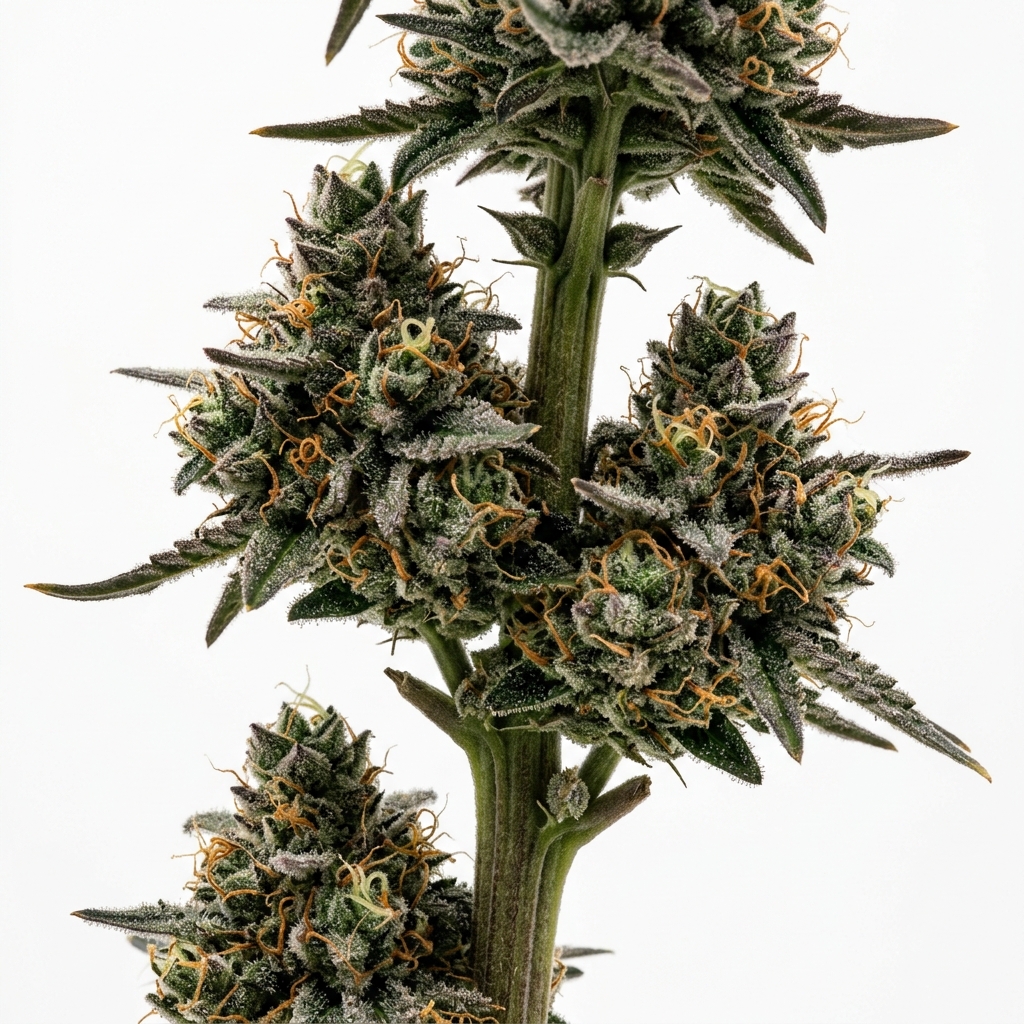
Problem Child (Cannabis Strain)
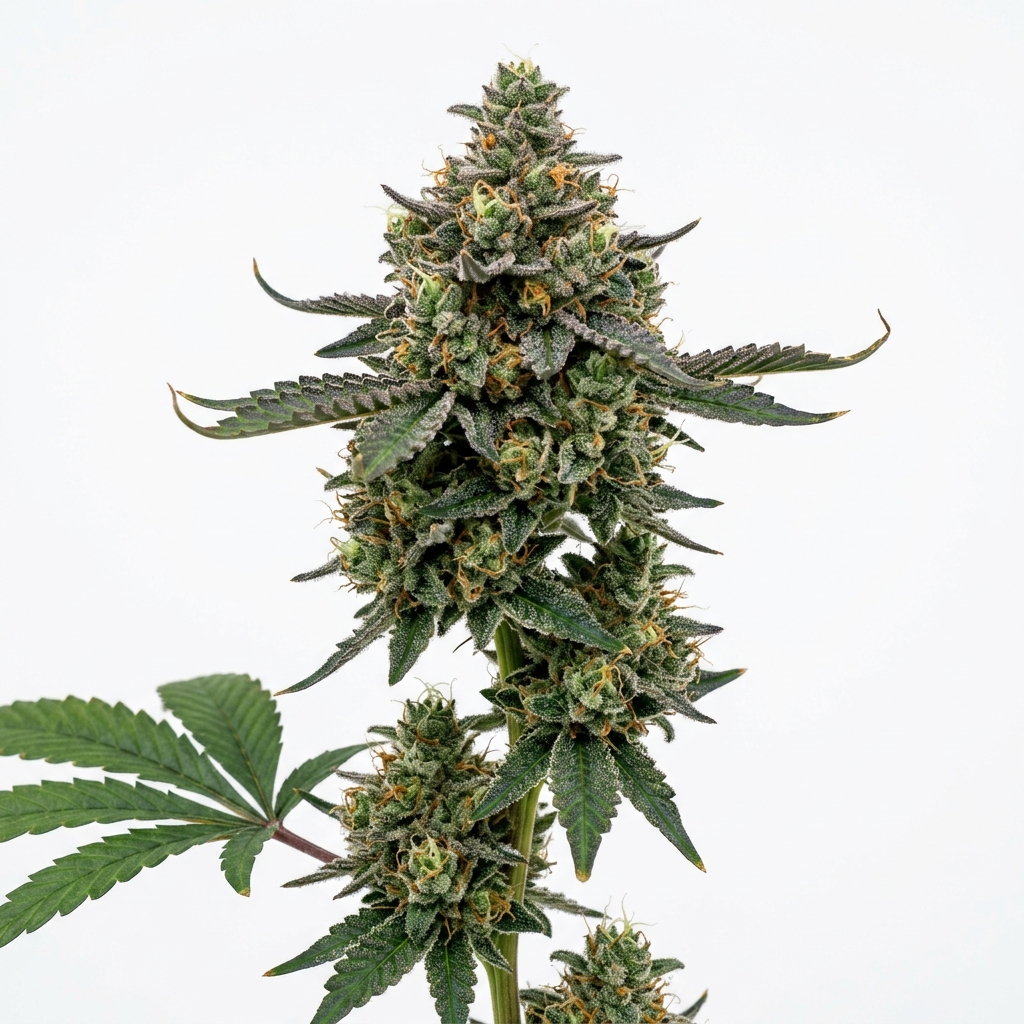
Problem Child is a potent hybrid cultivar bred by Jinxproof Genetics, created by pairing the citrus-forward Tangie with the heavy-hitting 9lb Hammer. Dried uninfused flower typically tests in the 20% to 26% THC range, delivering dense, resin-encrusted flowers defined by a sharp blend of sweet tangerine funk, damp earth, and heavy diesel fuel. The cultivar develops robust lateral branches, tight internodal spacing, and heavy calyx clusters that make it a favorite among craft growers looking for extraction-grade resin heads and vibrant citrus-gas profiles.
The cross merges the towering, high-terpene architecture of Tangie with the stocky, indica-dominant density of 9lb Hammer. Problem Child balances these polar traits by producing sturdy stalks capable of bearing heavy terminal colas without excessive structural staking. Reported effects often highlight an initial cerebral clarity that gently settles into a deep, full-body physical heaviness, making it well-suited for late-afternoon or evening sessions.
Quick Facts
| Field | Detail |
|---|---|
| Breeder | Jinxproof Genetics |
| Genetics | Tangie × 9lb Hammer |
| Variety | Hybrid (approx. 60% Indica / 40% Sativa) |
| THC Range | 20% – 26% |
| Flowering Time | 8 – 9 weeks (56 – 63 days) |
| Yield Potential | Medium to High (450 – 550 g/m² indoor) |
| Plant Height | Medium (controlled 1.5x stretch) |
| Climate Preference | Temperate to warm, low late-flower humidity |
| Difficulty | Moderate |
Scientific & Botanical Overview
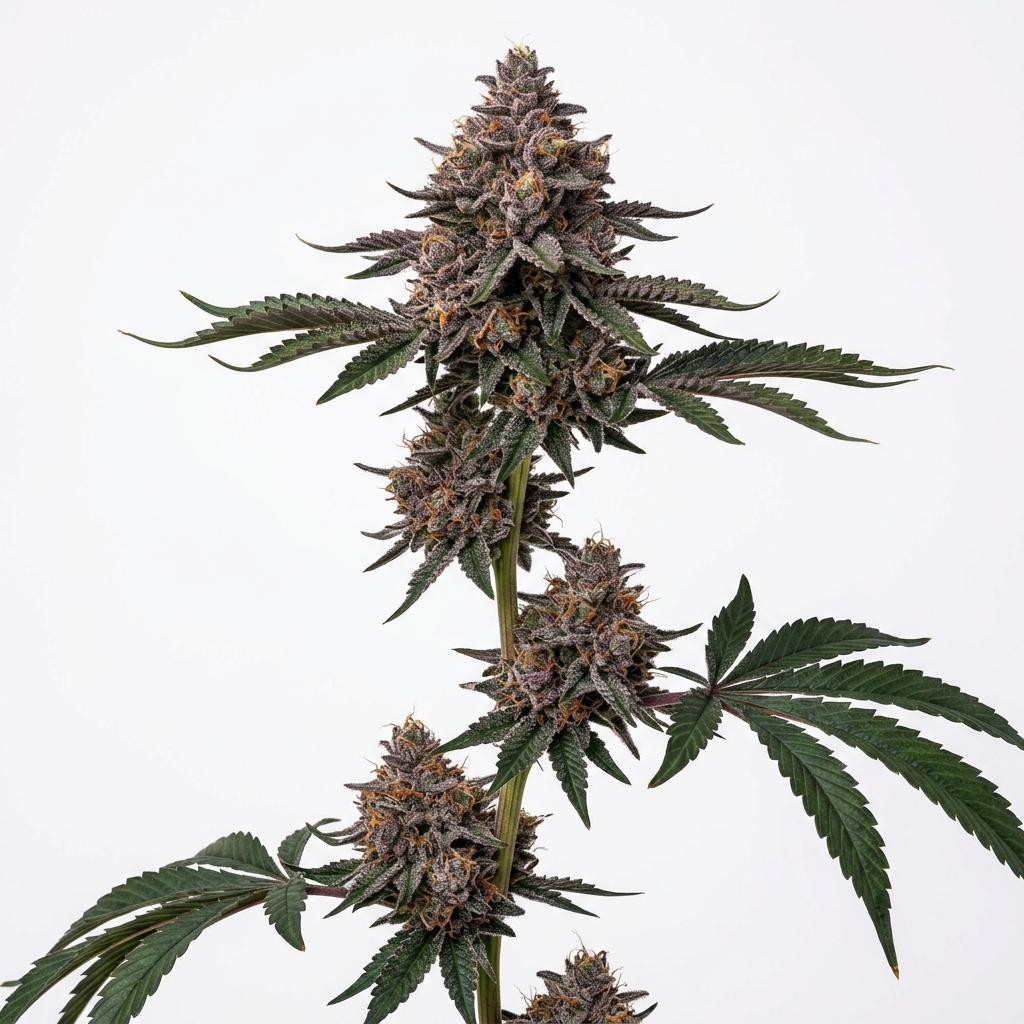
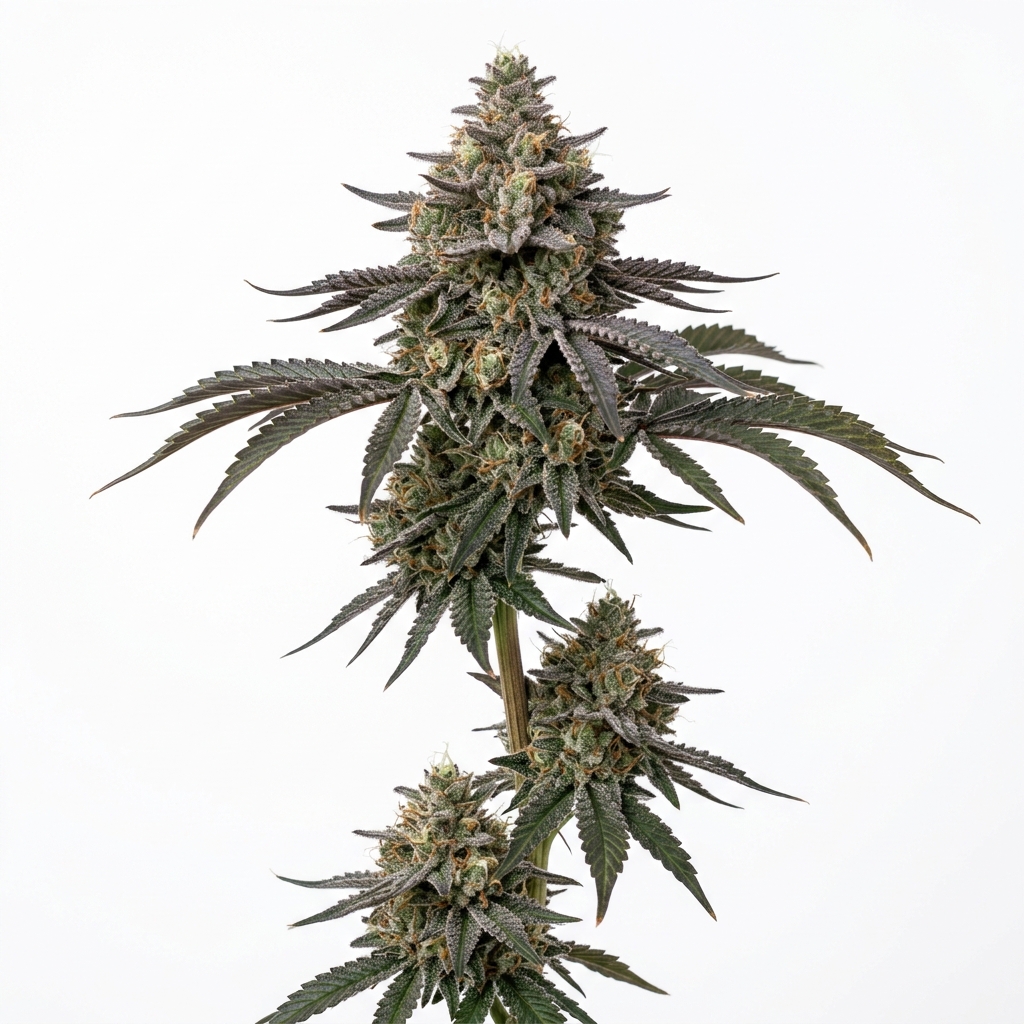
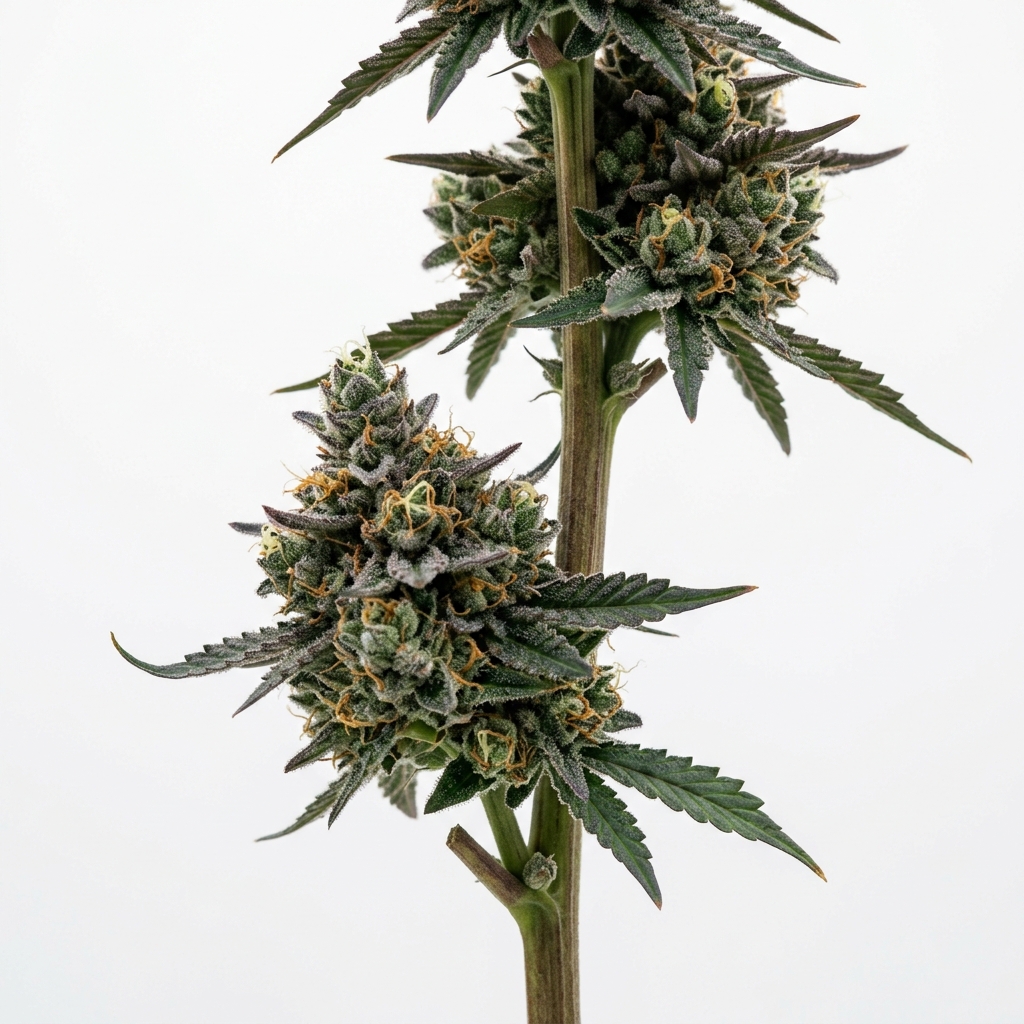
Problem Child expresses an intermediate phenotype that sits comfortably between the open structure of California Orange lineages and the tight, broad-leaf architecture of 9lb Hammer (Gooberry × Hells OG × Jack the Ripper). The plant displays broad, dark green foliage during vegetative growth, transitioning into thick, segmented spear colas as flowering progresses. Resin coverage is dense and greasy, coating calyxes and surrounding sugar leaves in bulbous capitate-stalked trichomes early in the flowering cycle.
Under balanced spectral lighting, floral bracts swell significantly past day 42, often showing faint lavender or purple tinges when night temperatures drop below 65°F (18°C). Internodes remain moderately spaced, allowing adequate light penetration while maintaining the dense flower clusters typical of its Afghan and OG ancestry. Stems are thick and fibrous, though topping early in vegetative growth helps spread energy across multiple primary bud sites.
The secondary metabolite profile is primarily led by myrcene, limonene, and beta-caryophyllene. This profile creates a distinct contrast between sharp volatile monoterpenes and heavier sesquiterpenes, yielding a chemical signatures that shifts from pungent sweet orange peel to deep, skunky hashish upon grinding.
Effects & Use-Cases (Reported)
Commonly reported effects: Problem Child is frequently described as initiating with an elevated sensory lift, marked by mental focus and mood enhancement inherited from its Tangie lineage. As the experience matures, the heavy body relaxation associated with 9lb Hammer takes over, softening physical tension and encouraging profound physical calm without an immediate, harsh knockout.
Use-case context: Given its balanced yet physically grounding arc, consumers typically reserve Problem Child for late afternoon decompression, post-workout relaxation, or quiet evening entertainment. It pairs well with low-key creative projects, film watching, and winding down before sleep.
Note: Individual reactions to cannabis cultivars vary widely based on personal tolerance, dosage, consumption method, and specific batch cannabinoid/terpene concentrations.
Aroma & Flavors
Aroma: The cured flowers emit a loud, zesty burst of candied orange peel, sour citrus, and rotting tropical fruit, grounded by a thick base of wet forest soil, hash spice, and subtle kerosene.
Flavor: On the inhale, Problem Child delivers a punchy wave of sweet tangerine juice and tart lemon rind. The exhale shifts into an earthy, musky pine and sweet berry finish with lingering peppery gas on the palate.
Terpene associations: The high concentration of limonene drives the initial citrus brightness, while myrcene contributes sweet herbal and fruit depth. Beta-caryophyllene adds a warming peppery edge that reinforces the heavier background notes.
Tested Cannabinoid & Terpene Ranges
| Compound | Tested Range (Dried Flower) |
|---|---|
| Δ9-THC | 20.0% – 26.0% |
| CBD | < 1.0% |
| CBG | 0.5% – 1.5% |
| Total Terpenes | 1.8% – 3.2% |
| Primary Terpene | Myrcene (0.6% – 1.2%) |
| Secondary Terpene | Limonene (0.4% – 0.9%) |
| Tertiary Terpene | Beta-Caryophyllene (0.3% – 0.7%) |
Range note: Cannabinoid and terpene metrics reflect lab-tested dried whole flower samples across commercial and craft harvests. Actual percentages fluctuate based on phenotype selection, lighting efficiency, root environment, and post-harvest drying and curing protocols.
Cultivation Notes
- Humidity management: Keep relative humidity around 55%–60% in early flower, stepping down to 40%–45% during the final three weeks to protect the dense, clustered colas from botrytis.
- Nutrient requirements: Problem Child feeds moderately during vegetative growth but tolerates heavier phosphorus and potassium inputs from week 4 through week 7 of flowering.
- Canopy training: Topping twice before flipping creates an even, multi-top canopy that takes full advantage of the cultivar’s moderate stretch and lateral branching.
- Defoliation: Prune lower inner foliage and large sun leaves around day 21 and day 42 of flowering to improve interior airflow and light saturation across lower bud sites.
- Harvest window: Target harvest between day 56 and day 63 when trichome heads show roughly 10%–15% amber and the calyxes have fully swelled.
Grower Notes (Week-by-Week Snapshot)
- Weeks 1–3 (Transition & Stretch): Plants exhibit a steady 1.5x stretch with vigorous branch development. Install trellis netting early to support wide spacing and support rapid node production.
- Weeks 4–6 (Bud Set & Early Resin): Calyxes stack quickly into spear-like structures. Trichome production accelerates heavily along sugar leaves, accompanied by a sharp, pungent citrus-gas fragrance.
- Weeks 7–9 (Ripening & Swell): Bracts swell significantly, and pistils transition from bright white to burnt orange. Reduce ambient room humidity and maintain gentle air movement to protect dense top colas.
- Post-Harvest (Dry & Cure): Whole-plant hang at 60°F (15°C) and 60% RH for 12 to 14 days preserves the volatile limonene profile. Cure in airtight containers for 3 to 4 weeks for optimal terpene clarity.
Genetic Lineage
Problem Child was developed by Jinxproof Genetics to combine the sensory appeal of Tangie with the stout structure and physical weight of their flagship cultivar, 9lb Hammer. Tangie, a modernized interpretation of the classic California Orange lineage crossed with a Skunk hybrid, brings intense citrus monoterpenes and vigorous branching to the pairing.
On the other side, 9lb Hammer (Gooberry × Hells OG × Jack the Ripper) contributes heavy resin glands, broad indica foliage, and a deeply grounded earthy fruit foundation. The resulting offspring offers a disciplined balance of Tangie’s high-octane citrus aroma with 9lb Hammer’s fast flowering time and dense floral structure.
Research Insights
Scientific exploration into cannabis terpenes highlights the distinct behavioral roles of compounds such as myrcene, limonene, and beta-caryophyllene. Peer-reviewed literature indicates that beta-caryophyllene acts as a dietary cannabinoid capable of binding directly to peripheral CB2 receptors, playing a role in localized physical comfort. Limonene has been studied in neuropharmacological models for its potential to elevate mood and modulate stress responses.
While these botanical studies provide valuable insight into isolated terpenes, cultivar-specific outcomes depend entirely on the total chemical matrix and individual human physiology. Whole-plant synergy between cannabinoids and volatile aromatic compounds in Problem Child remains an area of ongoing observational study within modern horticultural science.
Frequently Asked Questions
Who is the original breeder of Problem Child?
Problem Child was bred by Jinxproof Genetics, the prominent craft breeding outfit recognized for developing 9lb Hammer.
Is Problem Child an indica or sativa?
Problem Child is a hybrid cultivar with an approximate 60% indica and 40% sativa balance, expressing both physical body relaxation and clean mental clarity.
What does Problem Child smell and taste like?
It carries a dominant aroma of sharp tangerine, sweet orange rind, and sour diesel, backed by an earthy, peppery hash finish on the exhale.
How long does Problem Child take to flower?
Indoor flowering typically finishes within 8 to 9 weeks (56 to 63 days) under a standard 12/12 photoperiod.
Educational Disclaimer
This content is for educational and informational purposes only. Cannabis laws and regulations vary by jurisdiction. Always consult with a qualified professional before beginning any cultivation project or consuming cannabis products.
Rate and review this strain
Ratings and reviews are accepted only from signed-in Google accounts.
Sign in with Google to leave a rating and written review.
Latest Reviews
0 reviewsNo reviews yet. Be the first Google user to rate and review this strain.
Follow New Cultivar Records
Get newly documented genetics, breeder history, research highlights, and important Strainpedia discoveries by email.