Stank Breath (Cannabis Strain)
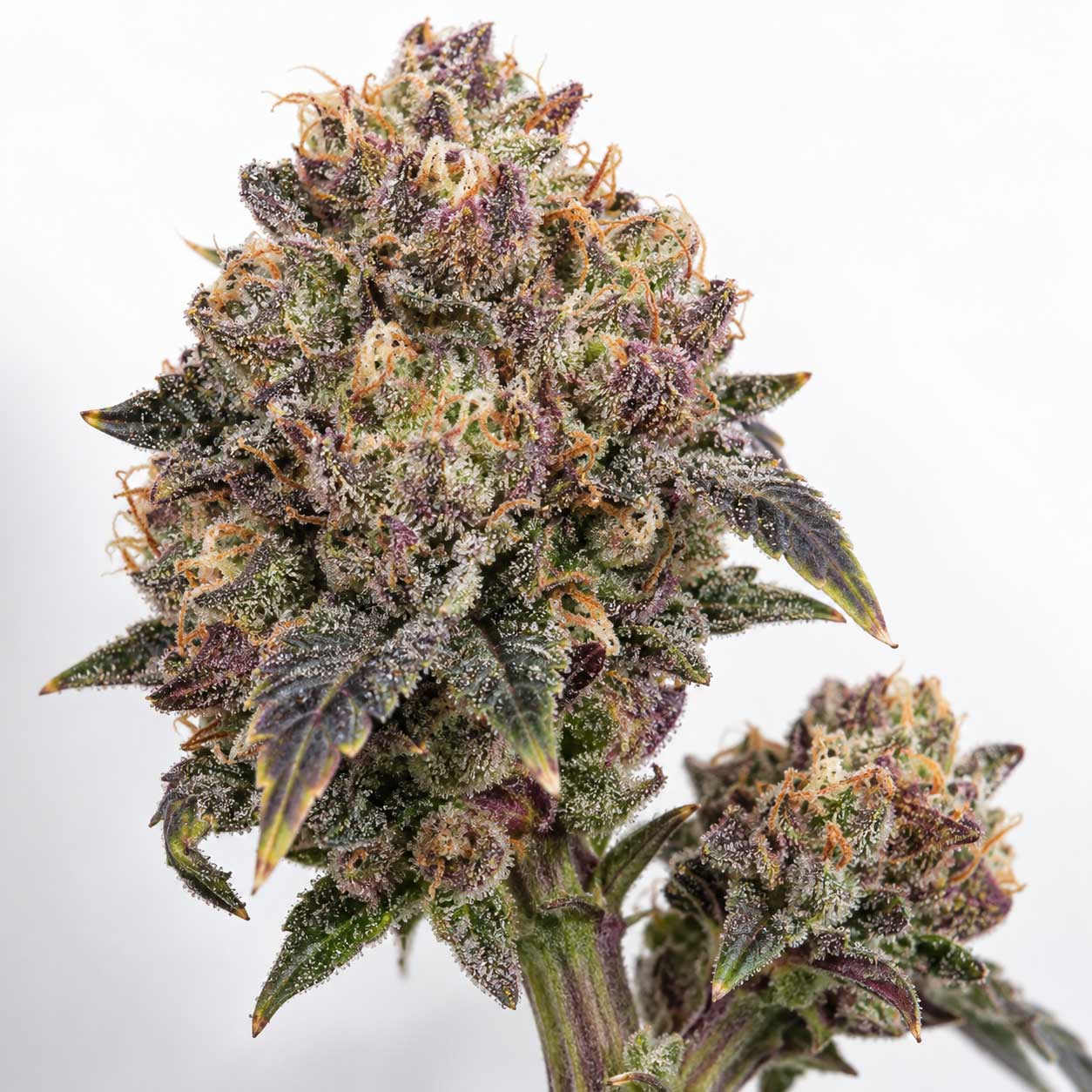
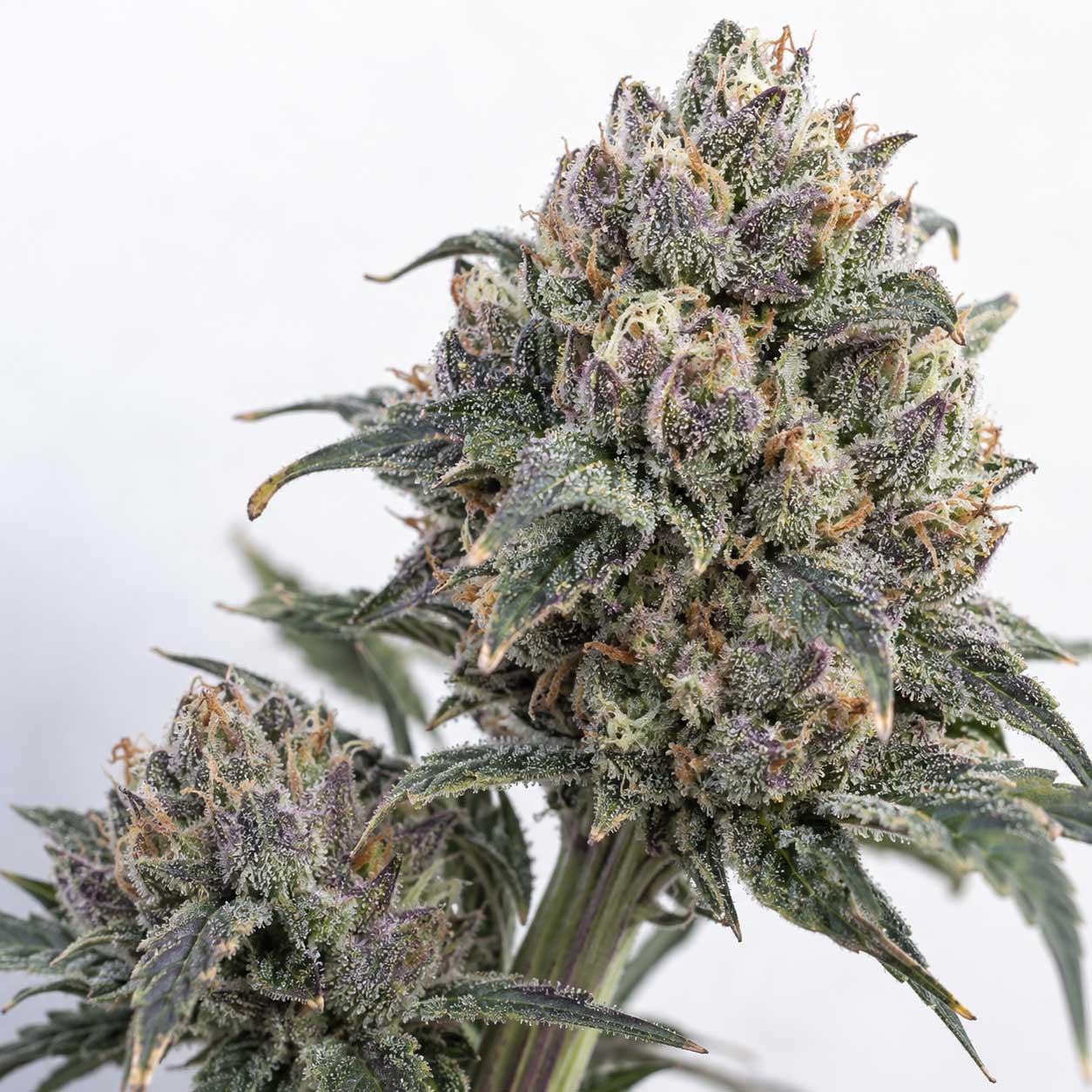
Stank Breath is an ultra-potent, indica-dominant hybrid cultivar bred from a select cross of GMO and Mendo Breath (F2). Known for its staggering 30% to 34% THC threshold and an unapologetically offensive aromatic profile of damp earth, sulfur, and chemical funk, this strain appeals to experienced consumers seeking deep physical weight. The plants grow short and stout, producing dense, jagged, silver-grey buds coated in a greasy resin that has made it a favorite for solventless extraction.
First rising to prominence across the Northeast regional markets, this cultivar has earned a reputation as one of the most physically demanding strains available. Its growth pattern reflects its heavy indica lineage, requiring careful humidity management to protect its tightly packed, resin-saturated colas. The following information is compiled for botanical and horticultural reference.
Quick Facts
| Feature | Details |
|---|---|
| Genetics | GMO × Mendo Breath (F2 selection) |
| Variety | Indica-dominant hybrid (approx. 80% indica / 20% sativa) |
| THC Range | 30%–34% |
| Flowering Time | 9–10 weeks (63–70 days) |
| Yield Potential | High; dense, resin-saturated clusters |
| Plant Height | Short to medium, stout lateral branching |
| Climate Preference | Controlled indoor environment preferred |
| Difficulty | Moderate; requires strict odor and moisture control |
Scientific & Botanical Overview
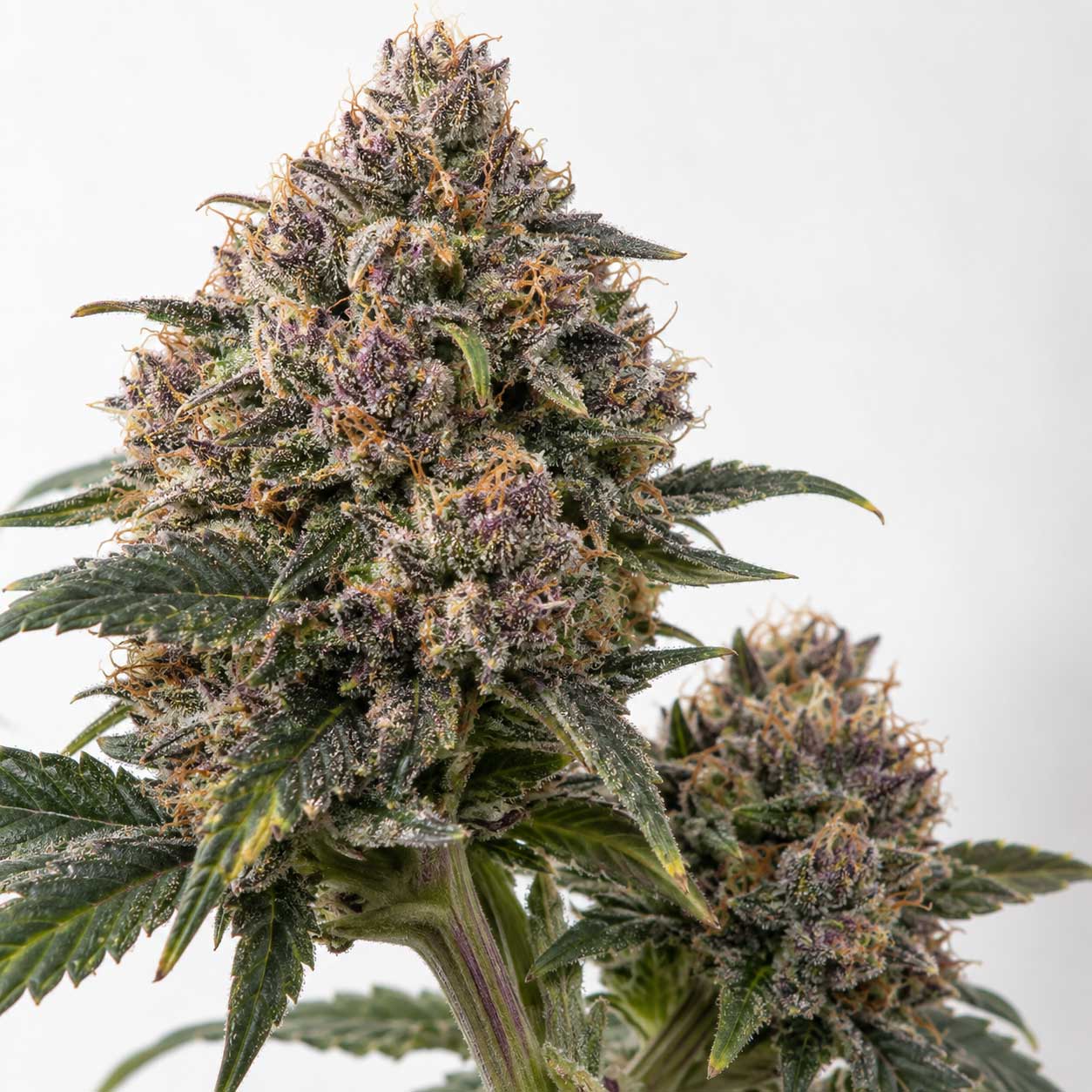
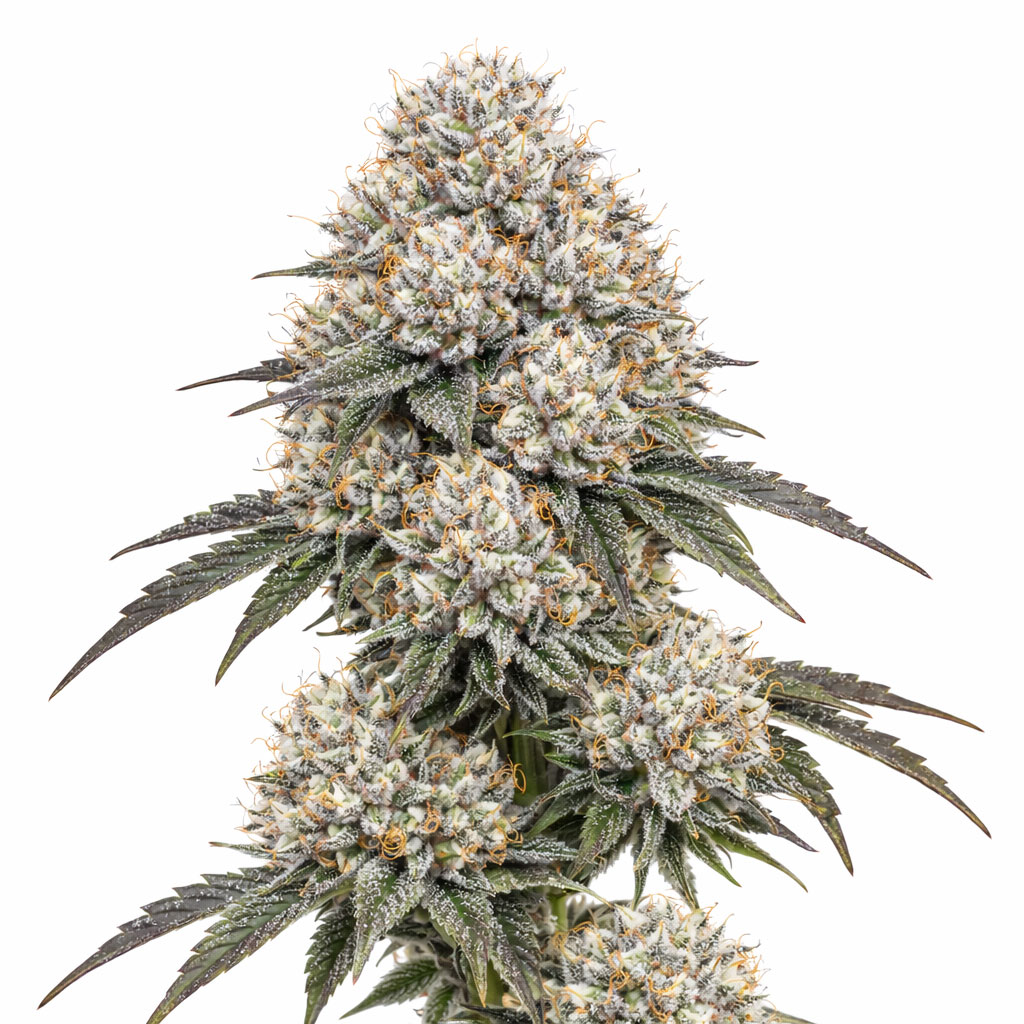
Botanically, Stank Breath is a stout, heavy-feeding cultivar that produces broad fan leaves and tight internodes. The plant concentrates its energy into thick, dense upper colas rather than stretching excessively during early flower. Its flower structure is characterized by swollen calyxes and dense bracts that form jagged, irregular clusters with minimal orange pistils visible beneath a heavy resin blanket.
This cultivar is notable for its high production of volatile sulfur compounds and thiols, which give the flowers their signature industrial, rotten aroma. The trichomes are exceptionally greasy, lacking the dry, sandy texture of some modern dessert hybrids. This greasy resin profile makes the strain highly sought after by extraction artists seeking high-yielding, terpene-rich solventless concentrates.
During the final weeks of flowering, the cold-tolerant genetics often express deep purple and charcoal hues in the bracts. This coloration, combined with the thick, white-grey trichome coverage, gives the finished buds a striking, metallic appearance. Proper airflow is essential throughout the cycle, as the dense bud structure is highly susceptible to moisture retention.
Effects & Use-Cases (Reported)
Commonly reported effects: Users describe an immediate, heavy physical stone that begins as a warm, numbing sensation around the temples before spreading down the spine and limbs. This physical weight is accompanied by a hazy mental state that slows cognitive speed and encourages deep stillness. The overall sensation is intensely sedating, often leading to a prolonged couch-lock state.
Use-case context: Due to its high THC concentration and heavy physical impact, Stank Breath is best reserved for late-evening use, physical decompression, or sleep-focused routines. It is not recommended for daytime activities, social gatherings, or tasks requiring mental clarity. Experienced consumers typically select this cultivar for deep relaxation sessions where physical comfort is the primary goal.
Note: These observations are based on anecdotal reports and should not be interpreted as medical claims or advice.
Aroma & Flavors
Aroma: The aromatic profile is highly polarizing, dominated by damp basement funk, wet soil, and a sharp metallic chemical bite reminiscent of industrial adhesives. A deep, savory garlic and onion undertone lingers in the background, a direct inheritance from its GMO lineage.
Flavor: The smoke is heavy and expansive on the inhale, delivering savory, musky notes with a distinct earthy kush base. On the exhale, it leaves a lingering finish of charred wood, spicy hash, and a sharp, chemical gas sting.
Terpene associations:
Myrcene, Caryophyllene, and Limonene.
Tested Cannabinoid & Terpene Ranges
| Compound | Typical Range* | Notes |
|---|---|---|
| Δ9-THC | 30.0%–34.0% | Elite-level potency with intense physical sedation |
| Myrcene | 1.1%–1.5% | Dominant terpene contributing to the heavy, earthy stone |
| Caryophyllene | 0.8%–1.2% | Adds spicy, peppery undertones and physical relief |
| Limonene | 0.3%–0.5% | Provides a subtle chemical brightness to the heavy aroma |
| Humulene | 0.2%–0.4% | Enhances the woody, savory depth of the profile |
*Ranges are based on regional laboratory reports and may vary depending on cultivation practices and phenotype selection.
Cultivation Notes
- Odor Control: High-output carbon filtration is mandatory from early veg through harvest due to the exceptionally pungent sulfur and chemical aroma.
- Nutrition: This cultivar is a heavy feeder, requiring robust phosphorus and potassium inputs during mid-to-late flower to support dense bud development.
- Humidity Management: Keep relative humidity below 45% in late flower to prevent moisture buildup within the dense, resin-choked colas.
- Training: Responds well to early topping and light low-stress training (LST) to spread the canopy, though lateral stretch is minimal.
- Phenotype Selection: Look for phenotypes that exhibit the greasy resin texture and dark purple fading leaves during the final flush.
Grower Notes (Week-by-Week Snapshot)
- Weeks 1–3 (Early Flower): The plant undergoes a moderate stretch, typically doubling in height. Focus on selective defoliation of lower fan leaves to improve light penetration through the dense canopy.
- Weeks 4–6 (Mid Flower): Calyxes begin to swell rapidly and resin production accelerates. Ensure support structures are in place, as the heavy colas can cause branches to lean. Maintain a steady feeding regimen.
- Weeks 7–9+ (Late Flower & Flush): Drop night temperatures to encourage deep purple coloration. Reduce humidity to 40% and perform a thorough two-week flush to clear nutrients and optimize the clean, savory flavor profile.
- Post-Harvest: A slow 14-day dry at 60°F and 60% humidity is critical to preserve the volatile sulfur compounds that define its unique, pungent aroma.
Genetic Lineage
Stank Breath is a direct cross of the legendary GMO (Garlic Cookies) and the deeply relaxing Mendo Breath. The maternal GMO parent contributes its industrial-gas stink, high calyx-to-leaf ratio, and towering THC potential, while the paternal Mendo Breath introduces denser bud structure, quicker flowering times, and a heavy, silver-grey resin coat.
This genetic combination shifts the profile away from the sweet, candy-dominant trends of the modern market, leaning heavily into savory, old-school funk. The resulting hybrid retains the raw power of both parents, making it a staple for growers focused on extraction yields and heavy physical effects.
Research Insights
The unique appeal of Stank Breath lies in the interaction between its high concentration of Δ9-THC and its complex terpene and volatile sulfur profile. While cannabinoids drive the overall intensity of the physical stone, the high levels of myrcene and caryophyllene guide the experience toward deep sedation and muscle relaxation. The presence of trace volatile sulfur compounds, though not typically measured on standard terpene assays, plays a major role in the overall sensory impact.
From a breeding perspective, this cultivar demonstrates the value of combining chemically distinct chemotypes. By crossing the savory, fuel-forward GMO with the more compact, resinous Mendo Breath, breeders successfully consolidated high-yielding resin traits without losing the sharp, offensive aromatic markers that experienced consumers demand in contemporary gas markets.
Frequently Asked Questions
Why is it called Stank Breath?
The name is a direct reference to its highly pungent, offensive aroma, which features notes of damp earth, rotten garlic, sulfur, and sharp chemical funk rather than sweet or fruity tones.
Is Stank Breath suitable for daytime use?
Generally no. Due to its high THC range and heavy physical sedation, Stank Breath is best suited for late-evening use, relaxation, or sleep-focused routines.
How does Stank Breath compare to GMO?
While it shares GMO's signature savory stink, the Mendo Breath lineage brings a shorter, more compact growth habit, denser flower clusters, and a heavier, more immediate physical stone.
What are the ideal growing conditions for Stank Breath?
Stank Breath thrives in controlled indoor environments with strong airflow, low late-flower humidity (below 45%), and robust carbon filtration to manage its intense odor.
Educational Disclaimer
This content is provided strictly for botanical, scientific, and historical reference. It is not intended to encourage or promote the cultivation or consumption of cannabis where prohibited by law, nor should it be interpreted as medical advice.
Rate and review this strain
Ratings and reviews are accepted only from signed-in Google accounts.
Sign in with Google to leave a rating and written review.
Latest Reviews
1 reviewK.O. chem /gas / dankfunk . NY rec market , 5/26 . Sticky shit in the bong. Smooth.
Follow New Cultivar Records
Get newly documented genetics, breeder history, research highlights, and important Strainpedia discoveries by email.