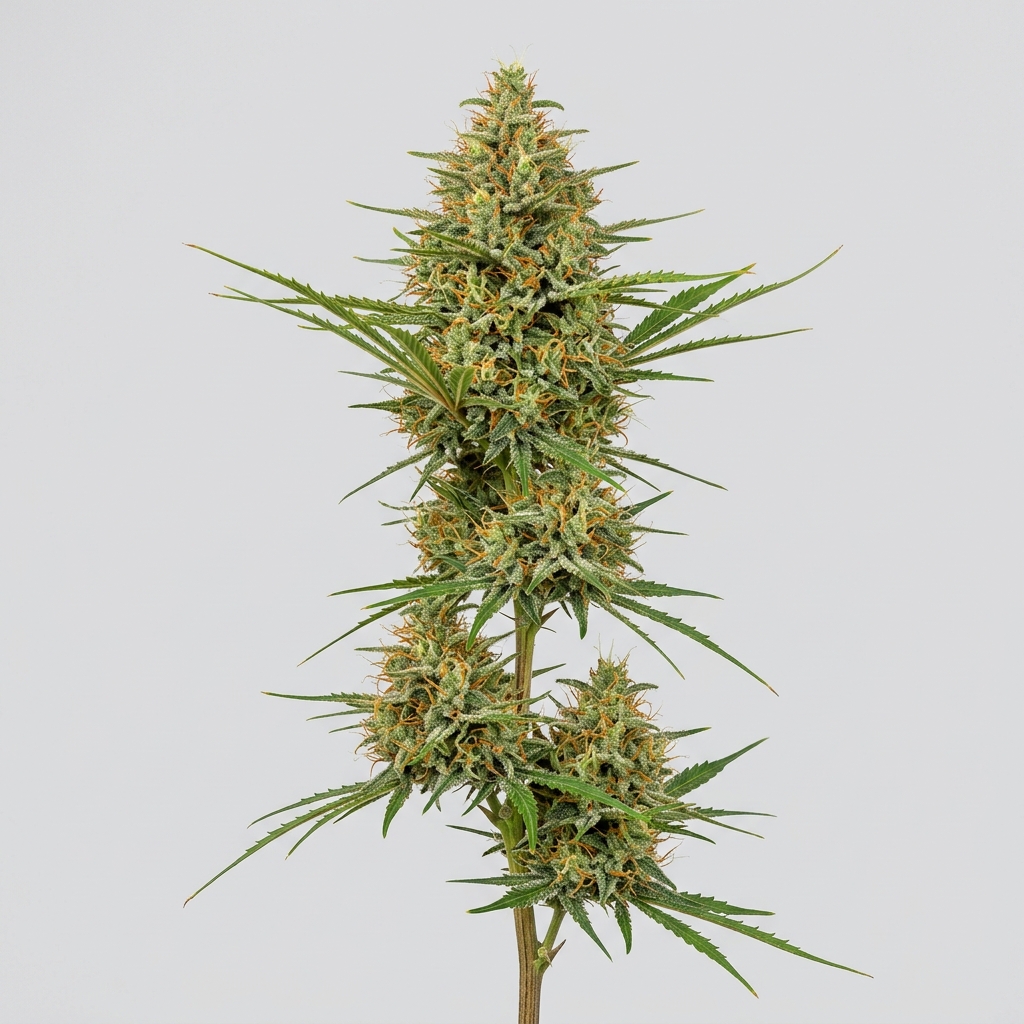
Arjan’s Ultra Haze (Cannabis Strain)
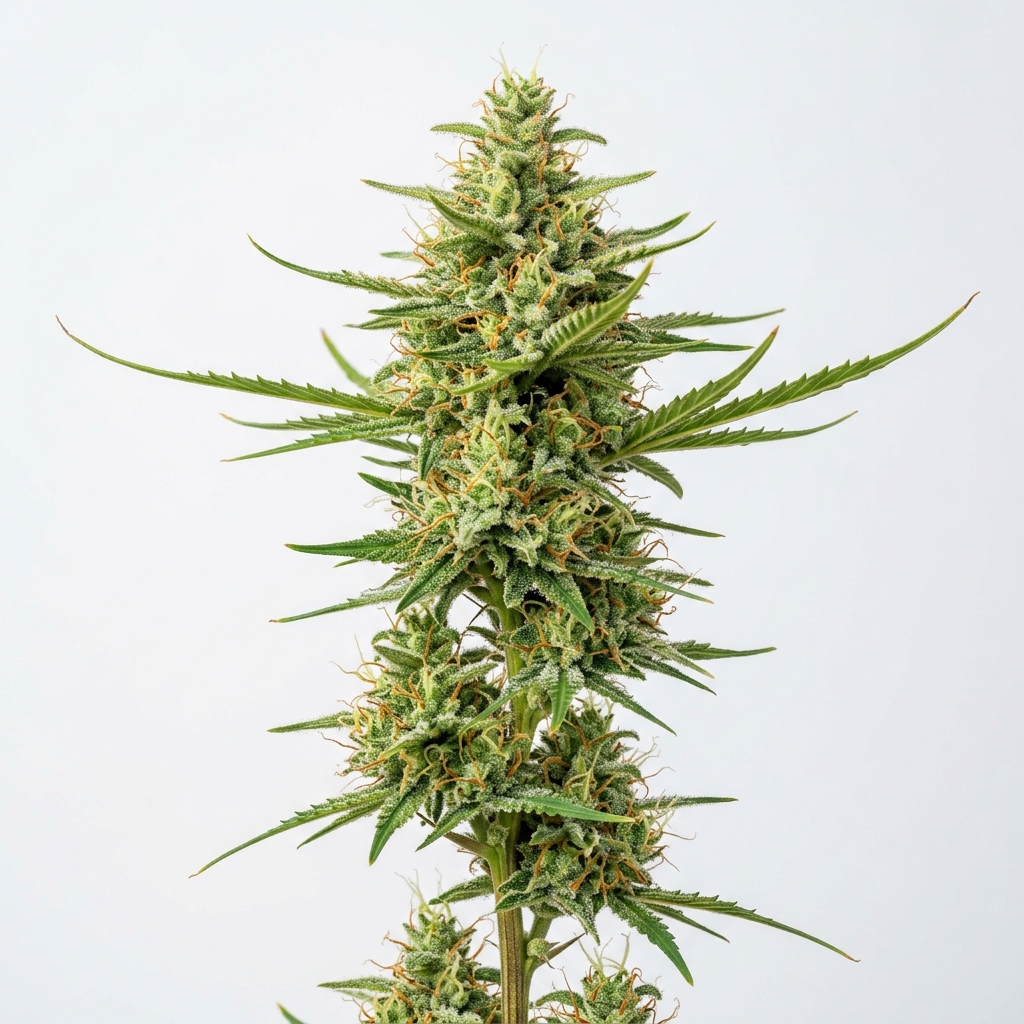
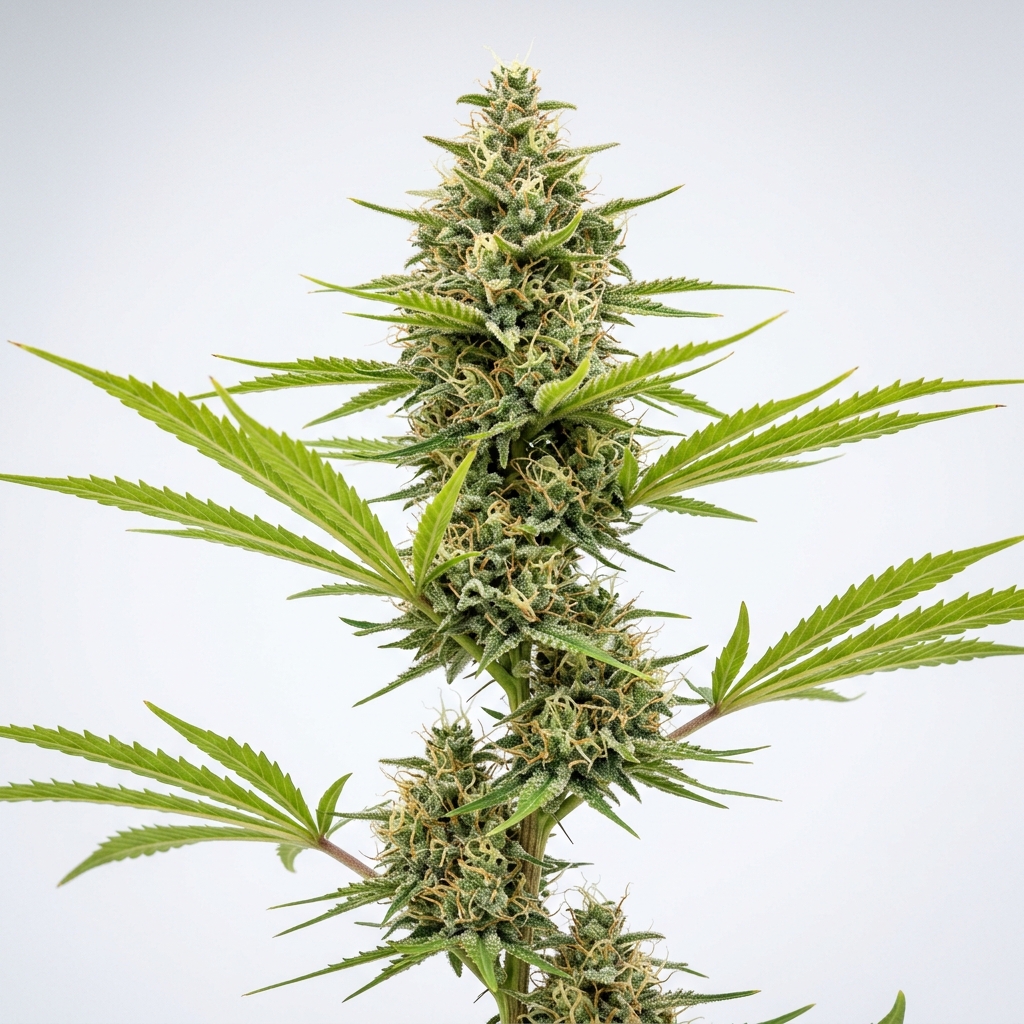
Arjan’s Ultra Haze is a celebrated sativa-dominant cultivar known for its soaring, cerebral clarity and classic incense-driven profile. Originally bred by Green House Seeds, this strain crosses Neville’s Haze with landrace genetics from Cambodia and Laos, yielding a moderate-to-high THC range of 18% to 22%. The plants produce long, resin-brushed spear colas featuring swollen calyxes and a distinct, sharp citrus lift layered over deep woody undertones. Because of its equatorial heritage, it demands a lengthy flowering cycle and careful canopy management, making it a prized choice for experienced growers seeking authentic old-school Haze qualities.
This cultivar stands out in the modern market by preserving the wild, energetic character of traditional Southeast Asian sativas. Unlike modern, fast-flowering hybrids, it prioritizes terpene clarity and a sustained, bright mental buzz over heavy physical sedation. Its glassy buds carry a greasy resin layer that appeals to dry-sift and bubble hash artisans who value classic spice and pine profiles.
Quick Facts
| Attribute | Details |
|---|---|
| Genetics | Neville’s Haze × Cambodian × Laos |
| Variety | Sativa-dominant Hybrid |
| THC Range | 18% – 22% |
| Flowering Time | 13 – 14 weeks |
| Yield Potential | High (especially outdoors) |
| Plant Height | Tall (extreme stretch) |
| Climate Preference | Warm, humid, equatorial |
| Difficulty | Experienced / Advanced |
Scientific & Botanical Overview
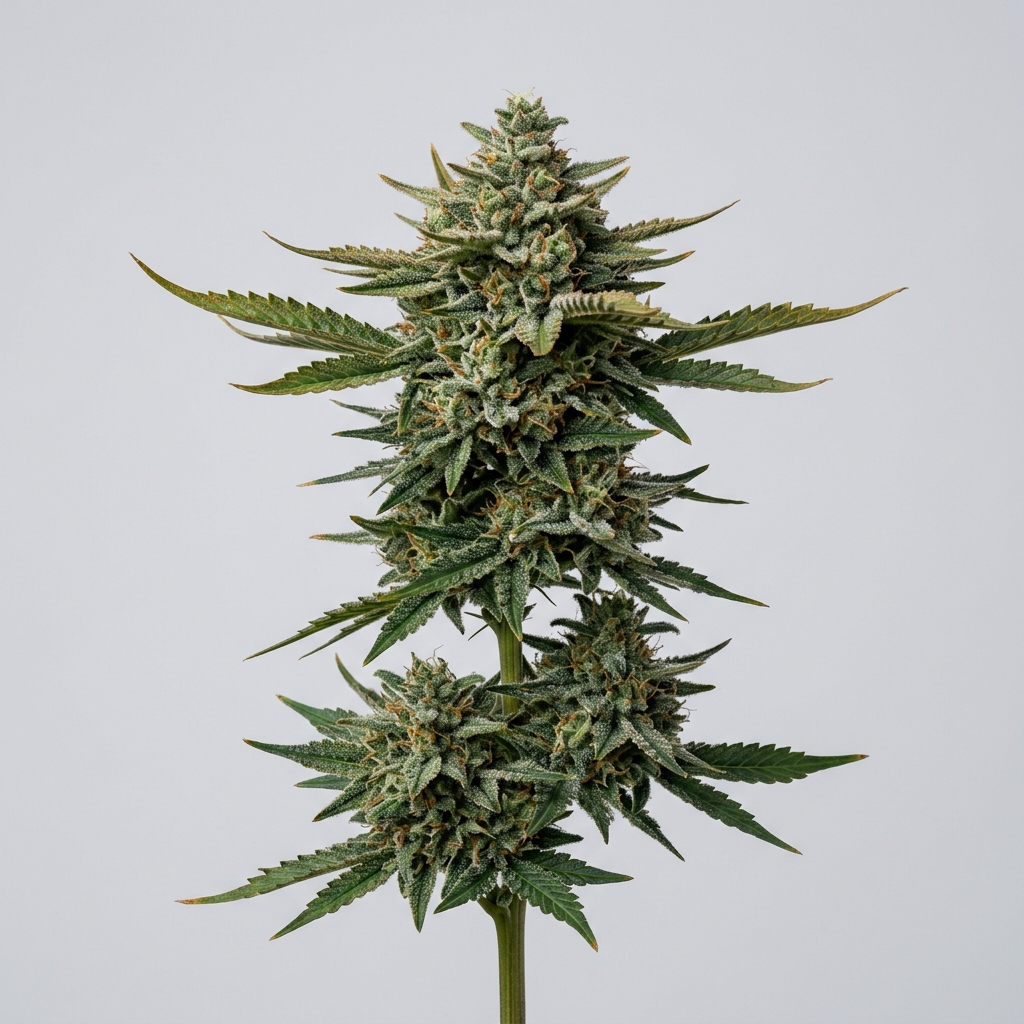
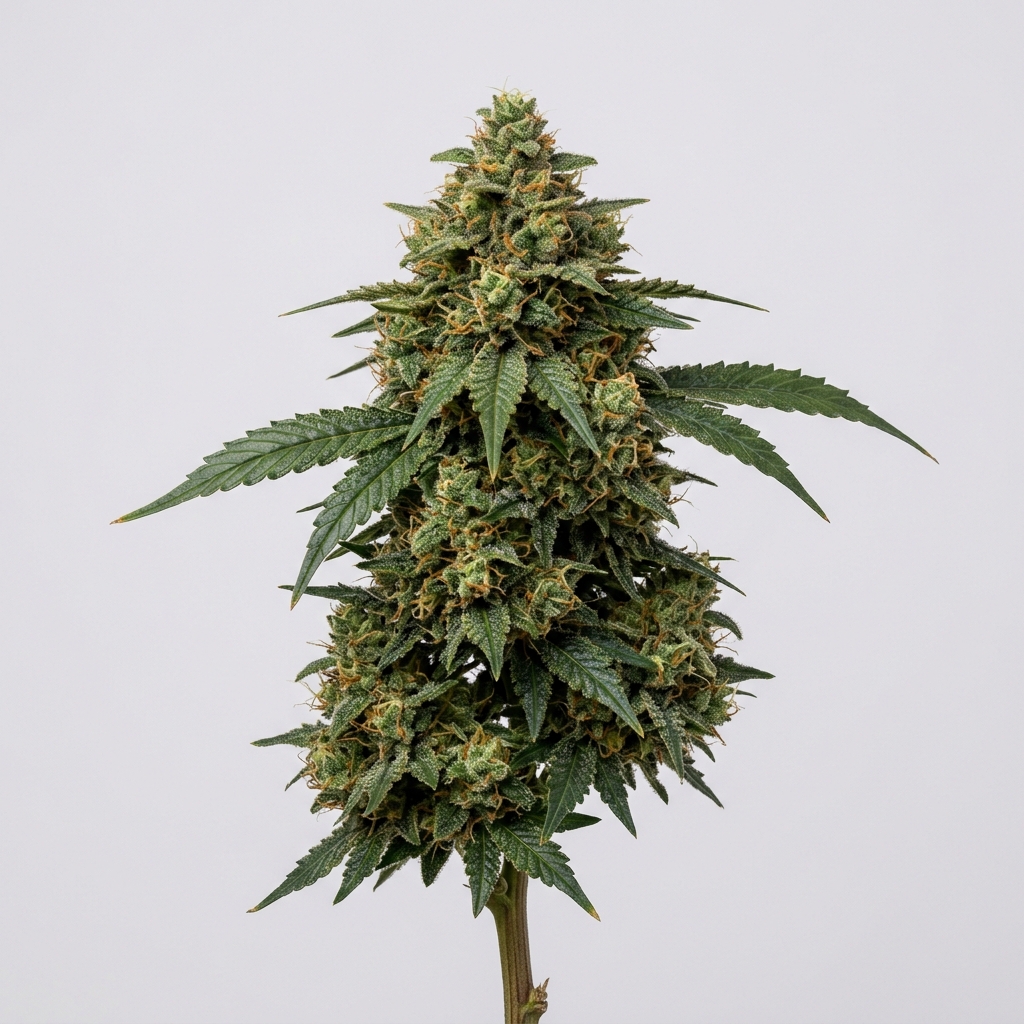
Botanically, Arjan’s Ultra Haze displays classic equatorial sativa morphology, characterized by thin fan leaves, long internodal spacing, and a dramatic stretch phase during early flower. The nodal structure is open, which naturally promotes excellent airflow through the inner canopy, reducing the risk of mold in humid environments. Its buds do not form dense, rounded golf balls; instead, they develop into long, airy spear colas with highly visible, swollen calyxes.
The resin production is characterized by long-stalked glandular trichomes that cover the bracts in a fine, wet frost. Because of the prolonged flowering cycle, the maturation of these trichomes occurs slowly, requiring patience to ensure peak cannabinoid accumulation. Terpene synthesis remains active late into the cycle, with the plant producing high concentrations of monoterpenes like terpinolene and beta-caryophyllene.
Cultivators must manage the plant’s aggressive vegetative vigor, as it can easily triple in height once switched to a 12/12 light cycle. Indoors, this requires early training techniques such as LST or SCROG to keep the canopy even and prevent light burn. The root system is highly expansive, preferring ample space to support the massive structural demands of the late-flowering branches.
Effects & Use-Cases (Reported)
Commonly reported effects: Users typically describe a rapid, soaring mental lift characterized by heightened focus, creative energy, and a clean, buzzing physical sensation. The lack of heavy physical load prevents couchlock, leaving the mind clear and active.
Use-case context: This profile is well-suited for daytime activities, artistic projects, or outdoor excursions where physical stamina and mental engagement are desired. It serves as an alternative to heavier, dessert-leaning hybrids that tend to induce early fatigue.
Note: Due to its highly stimulating sativa nature, individuals sensitive to rapid-onset cerebral effects should approach this cultivar with caution to avoid over-stimulation.
Aroma & Flavors
Aroma: The initial jar opening releases a sharp citrus lift dominated by fresh lemon peel, followed quickly by a deep, woody incense base and hints of black pepper.
Flavor: On the palate, the smoke is remarkably clean, leaving a lingering mint finish and a dry, herbal earthiness reminiscent of traditional cedarwood.
Terpene associations: The primary terpene profile is typically dominated by terpinolene, with secondary levels of beta-caryophyllene and myrcene contributing to the spicy, grounding undertones.
Tested Cannabinoid & Terpene Ranges
| Compound | Tested Range |
|---|---|
| Δ9-THC | 18.0% – 22.0% |
| CBD | < 0.2% |
| CBG | 0.5% – 1.2% |
| Terpinolene | 0.4% – 0.8% |
| Beta-Caryophyllene | 0.2% – 0.5% |
| Myrcene | 0.15% – 0.3% |
Note: Cannabinoid and terpene levels are highly variable and depend heavily on environmental factors, lighting spectrums, and specific phenotype selections.
Cultivation Notes
- Humidity management: Maintain vegetative humidity at 60-65%, dropping gradually to 45-50% during the final weeks of the exceptionally long flowering period to protect the airy spear colas.
- Nutrient requirements: This cultivar is sensitive to high nitrogen levels; a light, progressive feeding schedule prevents nutrient burn and clawing leaves.
- Canopy control: Implement early topping and low-stress training (LST) to manage the intense stretch, which can easily overwhelm indoor spaces.
- Support structures: Install double trellising early in the flowering phase, as the long, heavy branches will lean and potentially snap under their own weight.
- Harvest timing: Monitor trichome clarity diligently; the harvest window typically opens between weeks 13 and 14 when the heads turn milky with amber hints.
Grower Notes (Week-by-Week Snapshot)
- Weeks 1–3 (The Stretch): The transition to flower triggers an aggressive stretch. Keep light intensity moderate and use soft training to bend the main stems horizontally.
- Weeks 4–7 (Cola Definition): Pistils form in clusters along the elongated branches. Internodal spacing remains wide, and the plant begins to emit a light, woody incense aroma.
- Weeks 8–11 (Calyx Swelling): The buds begin to stack, forming long spear colas. Resin production accelerates, coating the swollen calyxes in a fine, greasy layer of wet frost.
- Weeks 12–14 (Ripening & Flush): Reduce nutrients to a minimal flush. The fan leaves will naturally yellow as the plant pulls stored energy to complete trichome maturation.
- Post-Harvest (Slow Dry): Execute a slow dry over 10 to 14 days at 60°F and 60% relative humidity to preserve volatile terpinolene and citrus top notes.
Genetic Lineage
The genetic foundation of Arjan’s Ultra Haze lies in the selection of Neville’s Haze, a legendary sativa hybrid known for its uncompromising cerebral power and long flowering cycle. To temper the extreme growth habits and introduce exotic flavor notes, breeders integrated landrace genetics from Cambodia and Laos. This infusion of Southeast Asian bloodlines enhanced the strain’s resilience to high humidity and added a distinct spicy, tropical complexity to the terpene profile.
The resulting lineage is a pure tribute to old-school Haze genetics, preserving the wild, untamed growth characteristics that modern commercial breeding often filters out. It represents a direct link to the equatorial landraces of the 1970s and 1980s, refined slightly for indoor stability while keeping its energetic soul intact.
Research Insights
From a phytochemistry perspective, Arjan’s Ultra Haze is an intriguing study in the cooperative interaction between terpinolene and moderate-to-high THC levels. Unlike modern indica-dominant cultivars that rely on high concentrations of myrcene to induce sedation, this strain’s terpene distribution favors uplifting, monoterpene-rich compounds. This specific ratio supports the reported clear-headed, energetic experience, making it valuable for research into non-sedating cannabis profiles.
Additionally, the presence of minor cannabinoids like CBG (cannabigerol) in mature flower samples suggests a complex biosynthetic pathway that benefits from the extended 14-week ripening window. This prolonged lifecycle allows the plant to fully develop its secondary metabolite profile, illustrating how longer flowering times can directly influence the depth and complexity of the final chemical matrix.
Frequently Asked Questions
How long does Arjan’s Ultra Haze take to flower?
This cultivar requires an extended flowering period, typically taking between 13 and 14 weeks to reach full maturity. Outdoor crops in warm climates are usually ready for harvest in late November.
What are the primary aromas of Arjan’s Ultra Haze?
The strain is defined by a sharp citrus lift, reminiscent of fresh lemon peel, layered over a deep, woody incense base with hints of black pepper and cedarwood.
Is Arjan’s Ultra Haze suitable for beginner growers?
Due to its extreme stretch, long flowering cycle, and sensitivity to nutrients, this strain is best suited for experienced growers who can manage tall canopies and have patience for a 14-week flower run.
What is the genetic background of this strain?
Arjan’s Ultra Haze is a cross of Neville’s Haze with landrace sativas from Cambodia and Laos, preserving traditional equatorial sativa characteristics.
Educational Disclaimer
This article is intended solely for educational and informational purposes. Cultivation of cannabis is subject to varying local, state, and federal laws. Always consult local regulations before germinating seeds or cultivating cannabis plants.
Rate and review this strain
Ratings and reviews are accepted only from signed-in Google accounts.
Sign in with Google to leave a rating and written review.
Latest Reviews
0 reviewsNo reviews yet. Be the first Google user to rate and review this strain.