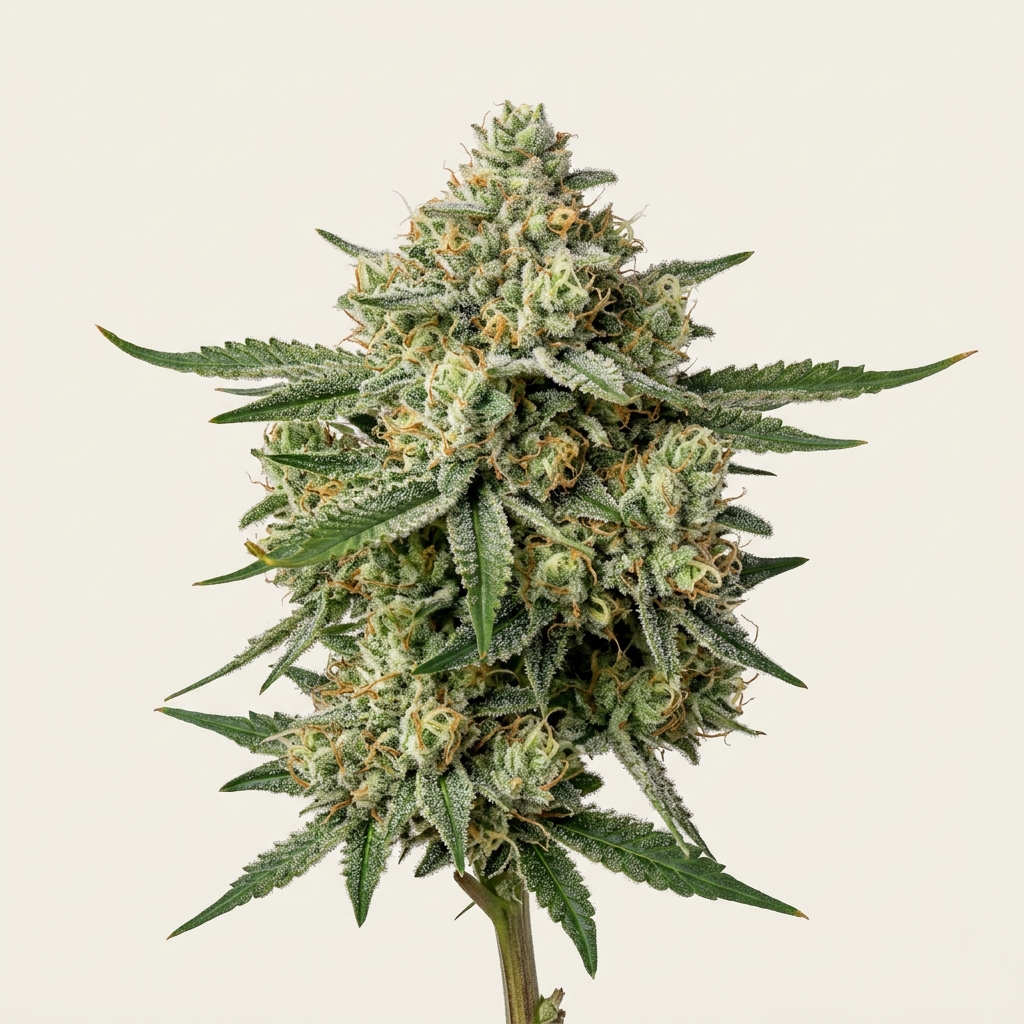
Great White Shark (Cannabis Strain)
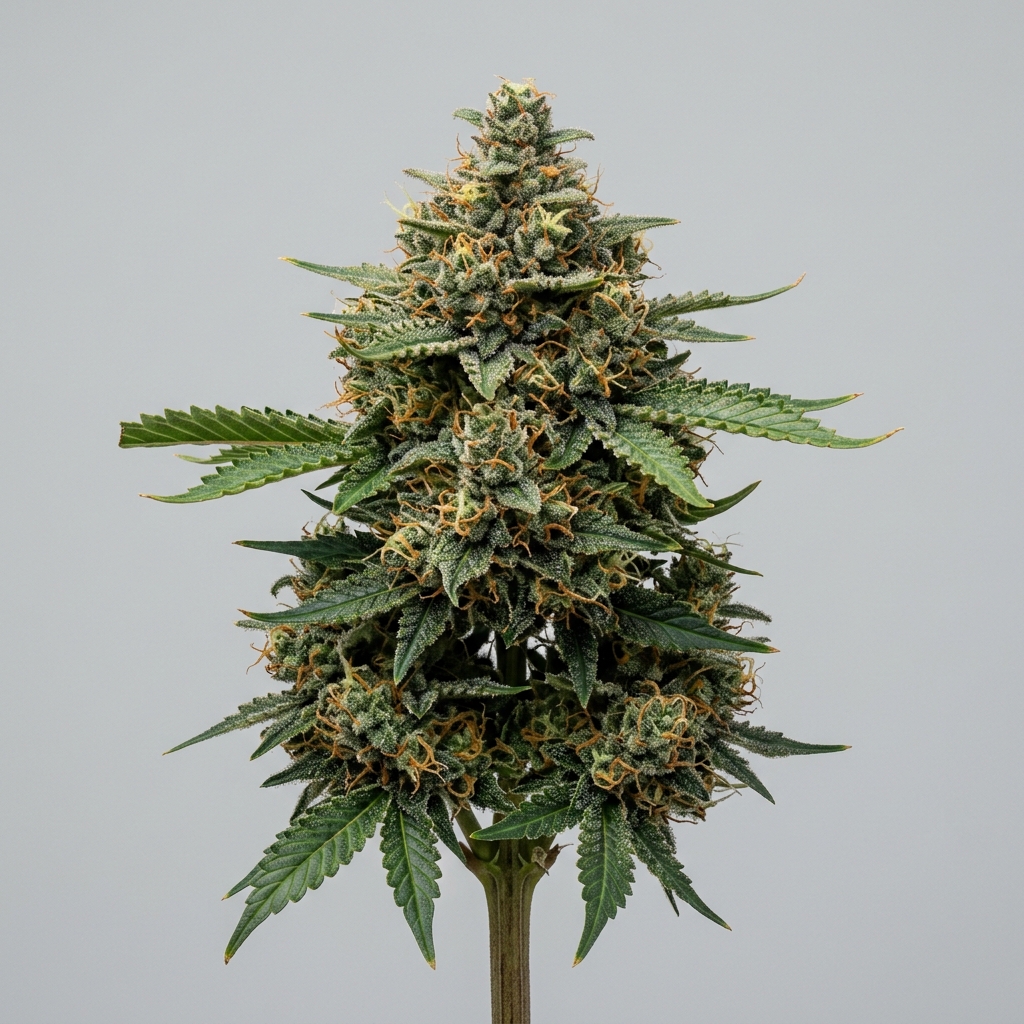
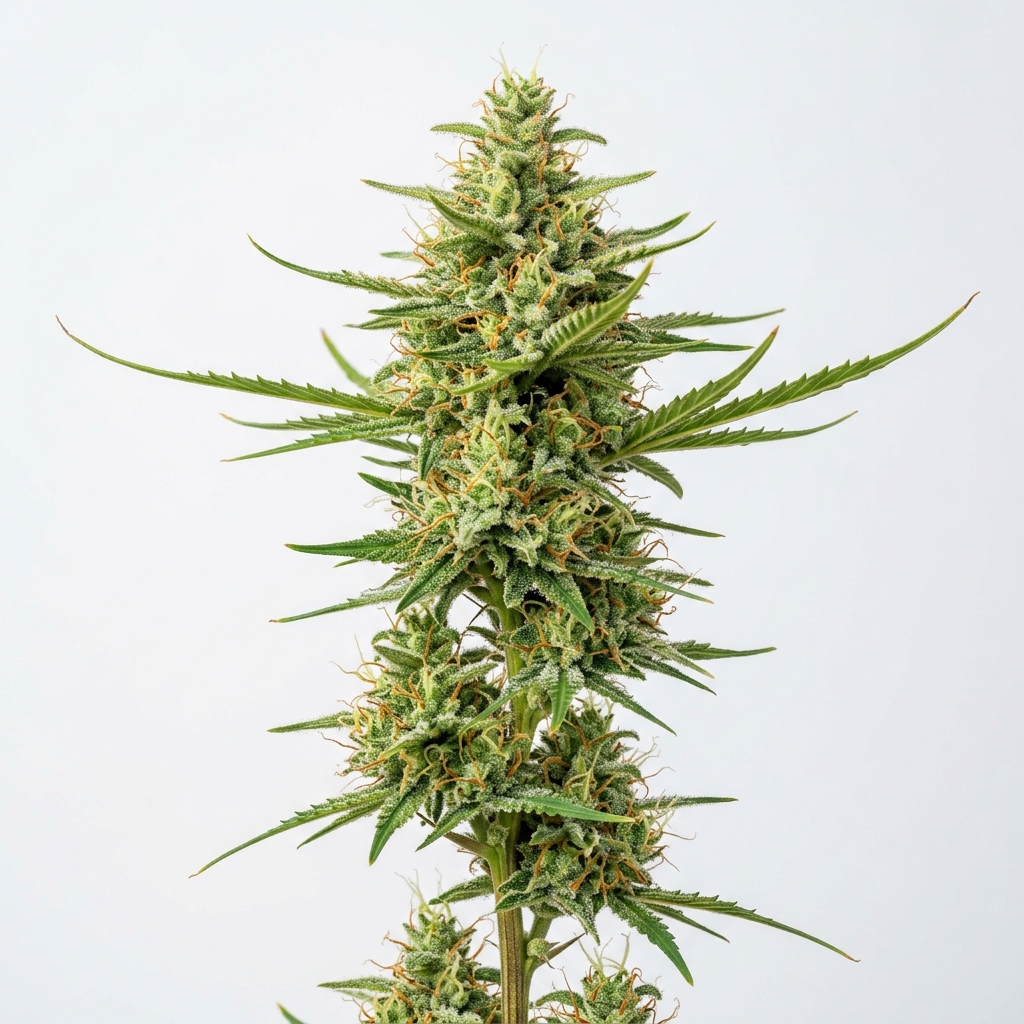
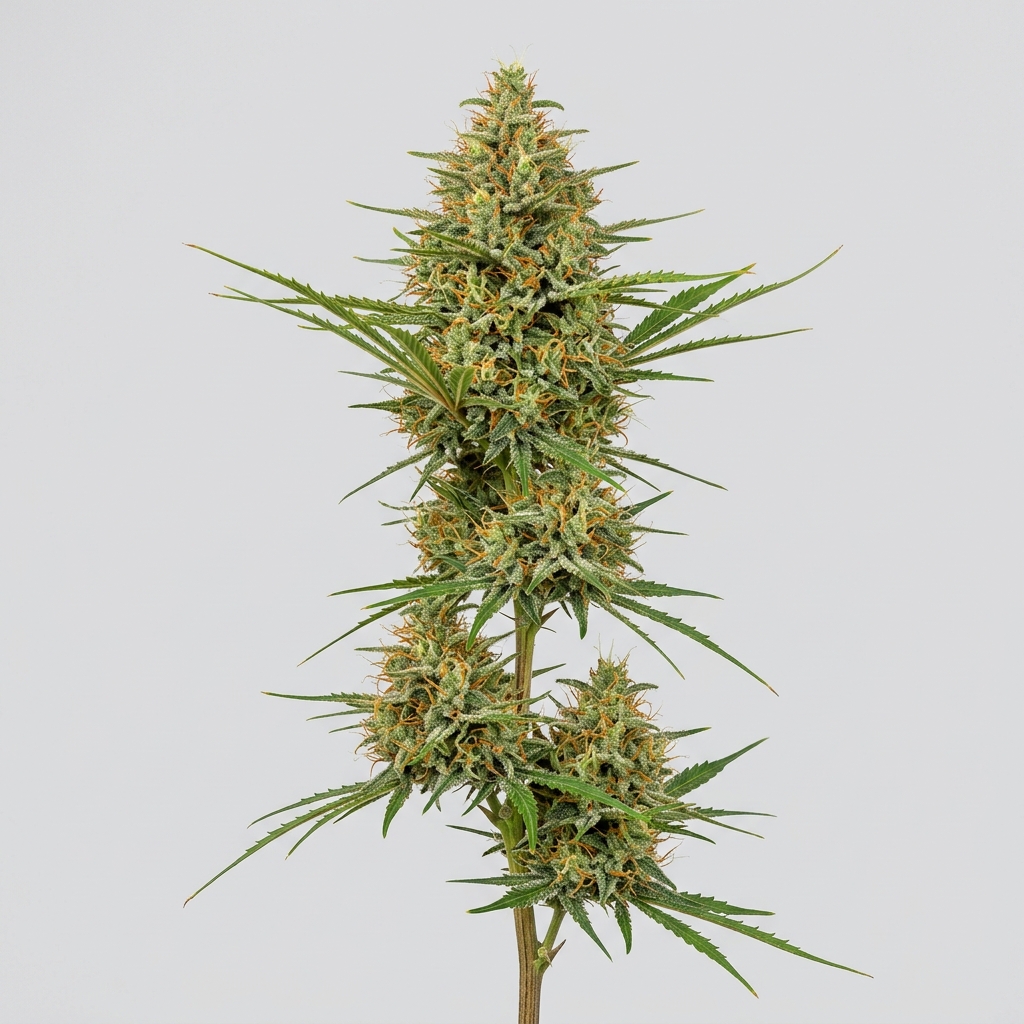
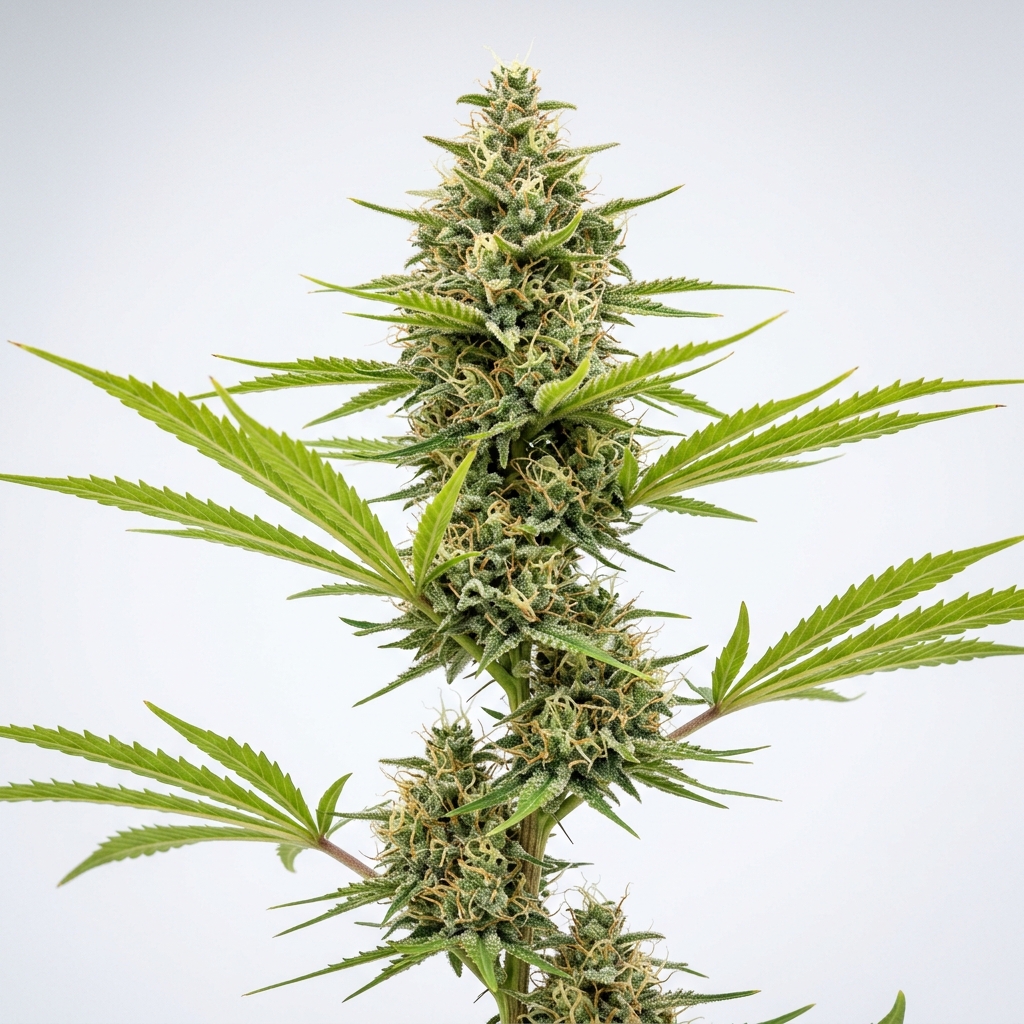
Great White Shark is a classic indica-dominant hybrid, typically testing between 15% and 21% THC, created by crossing the legendary Super Skunk with White Widow. Known for its thick blanket of silvery trichomes and dense, rounded buds, this cultivar delivers a pungent aroma of sweet skunk, damp earth, and subtle fruit. It shows a bushy, stout growth habit with strong lateral branching, making it a highly productive option for growers seeking classic resin-heavy flowers.
First popularized in the mid-1990s under the name Peacemaker, this strain secured high honors at the High Times Cannabis Cup. It remains a staple of old-school Dutch genetics, prized for its reliable physical relaxation and heavy resin output that appeals to extractors and traditional flower enthusiasts alike.
Quick Facts
| Metric | Details |
|---|---|
| Genetics | Super Skunk × White Widow |
| Variety | Indica-dominant Hybrid (approx. 80/20) |
| THC Range | 15% – 21% |
| Flowering Time | 8 – 9 Weeks |
| Yield Potential | Moderate to High |
| Plant Height | Medium, bushy |
| Climate Preference | Temperate, dry late-flower |
| Difficulty | Moderate |
Scientific & Botanical Overview
Botanically, Great White Shark displays classic indica traits inherited from its South Indian and Brazilian landrace ancestors via White Widow. The plants develop broad, dark green fan leaves and tight internodal spacing, creating a dense canopy that requires regular maintenance. Its flowering phase is characterized by the rapid development of spherical, tightly packed calyxes that swell significantly in the final weeks.
The cultivar is particularly notable for its intense trichome production, which covers not only the buds but also the surrounding sugar leaves in a sticky, wet frost. This heavy resin coverage serves as a natural defense mechanism, though it also makes the dense colas susceptible to moisture retention. Maintaining strict environmental controls during the late generative stage is essential to protect the compact flower clusters.
Its chemical profile is dominated by a robust terpene assembly, working alongside moderate to high tetrahydrocannabinol levels. Unlike modern high-THC selections that sacrifice structural stability for potency, this strain maintains a balanced botanical vigor. The resulting flowers cure to a pale green shade, heavily dusted with amber pistils and glassy resin heads.
Effects & Use-Cases (Reported)
Commonly reported effects: Users frequently note a rapid onset of physical relaxation coupled with a calm, clear mental state. The initial experience is often described as warming and grounding, gradually settling into a heavy, soothing body sensation that encourages rest.
Use-case context: This cultivar is best suited for evening or late-night use when physical demands are minimal. Its deeply relaxing properties make it a popular choice for winding down after physical exertion or managing quiet, sedentary activities.
Note: Individual tolerance levels and consumption methods can significantly alter the intensity of these effects, particularly for novice consumers.
Aroma & Flavors
Aroma: The initial scent profile is dominated by a pungent, musky skunk note, balanced by damp forest floor and a subtle, sweet herbal undertone. Breaking the dense buds releases a sharper, sour fruit accent that lingers in the air.
Flavor: On the palate, the smoke is thick and expansive, carrying a dominant earthy spice and sweet, woody undertones. The finish is clean, leaving a lingering trace of black pepper and classic hashish on the exhale.
Terpene associations: Analytical testing typically highlights high concentrations of myrcene, caryophyllene, and limonene, which drive its earthy, spicy, and slightly citrus-edged profile.
Tested Cannabinoid & Terpene Ranges
| Compound | Typical Range |
|---|---|
| Δ9-THC | 15.0% – 21.0% |
| CBD | < 1.0% |
| Myrcene | 0.4% – 1.1% |
| Caryophyllene | 0.2% – 0.6% |
| Limonene | 0.1% – 0.4% |
Note: These ranges reflect standard laboratory analyses of mature, cured flower samples. Actual cannabinoid and terpene levels may vary based on cultivation practices, environmental factors, and specific phenotypes.
Cultivation Notes
- Humidity management: Keep relative humidity below 45% during the final three weeks of flowering to prevent moisture buildup inside the dense, resinous colas.
- Canopy management: use low-stress training (LST) and selective defoliation to improve airflow and light penetration through the thick, bushy canopy.
- Nutrient requirements: This cultivar responds well to a moderate feeding schedule, showing a high tolerance for nitrogen during vegetative growth but requiring careful phosphorus and potassium monitoring in mid-to-late bloom.
- Phenotype variations: Most selections remain short and stout, though occasional phenotypes may exhibit slightly more stretch and require structural support for their heavy upper branches.
Grower Notes (Week-by-Week Snapshot)
- Weeks 1–3 (Transition & Early Bloom): Plants show a controlled stretch, usually increasing in height by about 50% to 80%. Focus on tucking large fan leaves and establishing a flat, even canopy.
- Weeks 4–6 (Mid-Bloom): Calyxes begin to swell rapidly, and the first visible layers of wet frost appear on the developing buds. Ensure support stakes or trellis nets are in place to handle the upcoming weight.
- Weeks 7–9 (Late Bloom & Flush): Resin production peaks, giving the plants a silvery, frosted appearance. Reduce humidity, flush with pure water for the final 10 to 14 days, and monitor trichomes for a mix of milky and amber heads.
- Post-Harvest (Dry & Cure): Hang whole plants at 60°F (15°C) and 60% relative humidity for 10 to 14 days. A slow dry preserves the delicate volatile terpenes, followed by a minimum four-week jar cure to unlock the deep, skunky aroma.
Genetic Lineage
The genetic foundation of Great White Shark rests on a cross between Super Skunk and White Widow. This pairing unites the robust, high-yielding traits of the Skunk line with the legendary resin-producing capabilities of the South Indian and Brazilian parents found in the Widow lineage. The result is a highly stable hybrid that preserves the best characteristics of both parents.
Originally bred by the renowned Green House Seed Company in the 1990s, this lineage has served as parental stock for numerous modern hybrids. Its genetic resilience and predictable growth patterns have secured its place as a cornerstone cultivar in classic Dutch breeding history.
Research Insights
Scientific interest in this cultivar often focuses on its high concentration of myrcene in combination with moderate caryophyllene levels. This specific terpene ratio is believed to influence the physical sedative properties commonly associated with the strain, illustrating how non-psychoactive compounds modulate the overall experience of tetrahydrocannabinol.
Additionally, the physical structure of its trichomes has been studied for extraction efficiency. The large, bulbous glandular heads detach easily during mechanical separation, making the dried flower an excellent subject for traditional solventless extraction methods like dry sift and ice water hash.
Frequently Asked Questions
Is Great White Shark an indica or sativa?
It is an indica-dominant hybrid, typically consisting of approximately 80% indica and 20% sativa genetics, resulting in a short, bushy growth structure and relaxing physical effects.
How long does Great White Shark take to flower?
When grown indoors, this strain typically finishes flowering in 8 to 9 weeks. Outdoor crops are generally ready for harvest by late September or early October in the Northern Hemisphere.
What does Great White Shark smell like?
The strain features a pungent, sweet skunk aroma with deep undertones of damp earth and wood, complemented by a subtle, spicy fruit finish when the buds are broken apart.
Is this strain suitable for beginner growers?
Yes, its sturdy structure and nutrient tolerance make it relatively easy to grow. However, beginners must closely monitor humidity levels in late flower to prevent mold in the dense buds.
Educational Disclaimer
This profile is intended solely for educational and informational purposes. Cultivation and consumption of cannabis are subject to varying local, state, and federal laws. Always consult local regulations before germinating seeds or consuming cannabis products.
Rate and review this strain
Ratings and reviews are accepted only from signed-in Google accounts.
Sign in with Google to leave a rating and written review.
Latest Reviews
0 reviewsNo reviews yet. Be the first Google user to rate and review this strain.