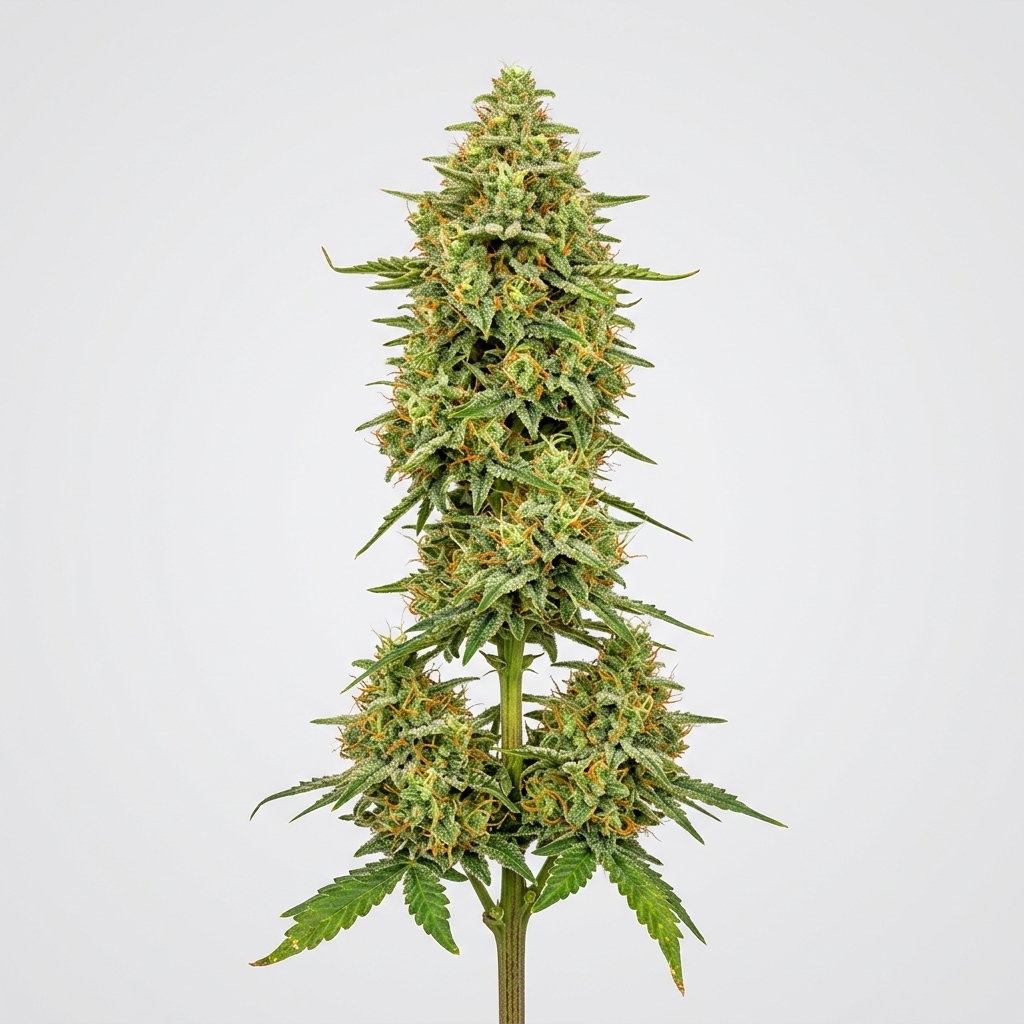
Sweet Mango (Cannabis Strain)
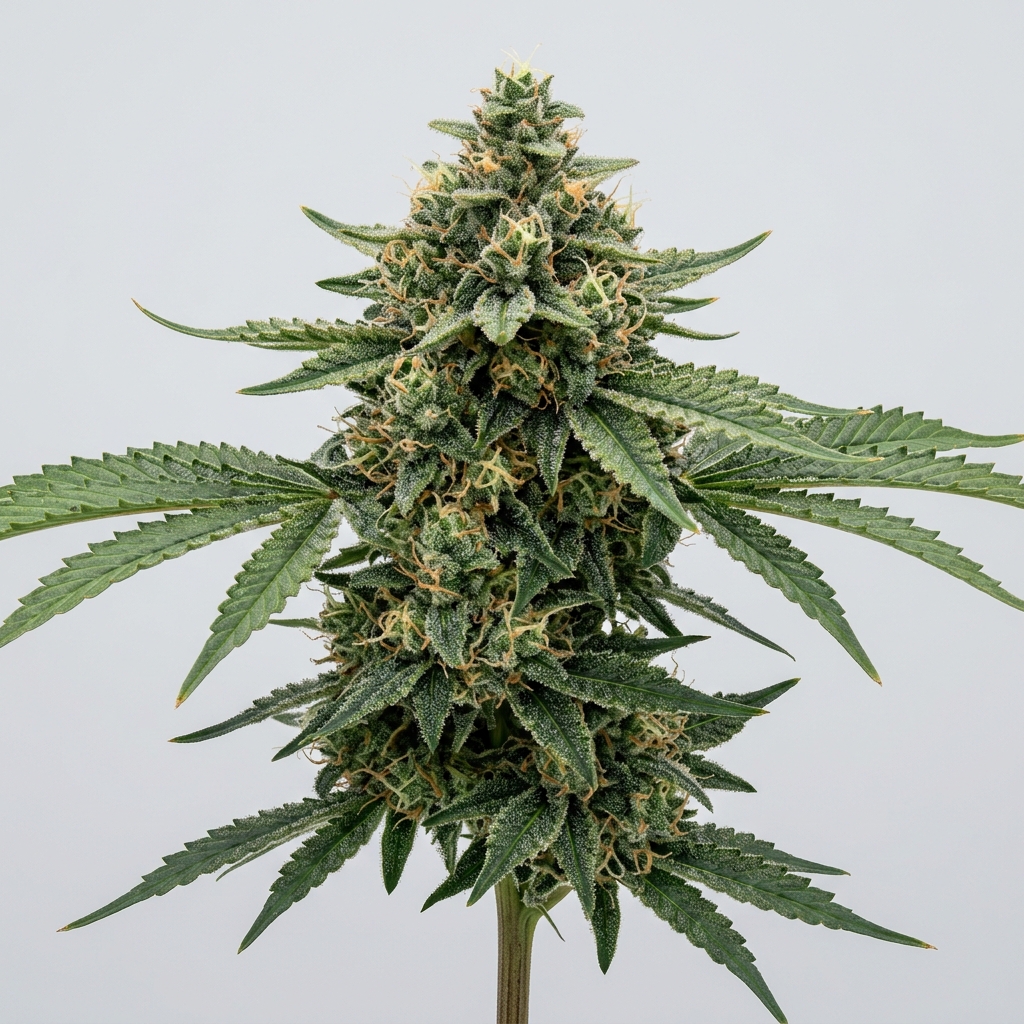
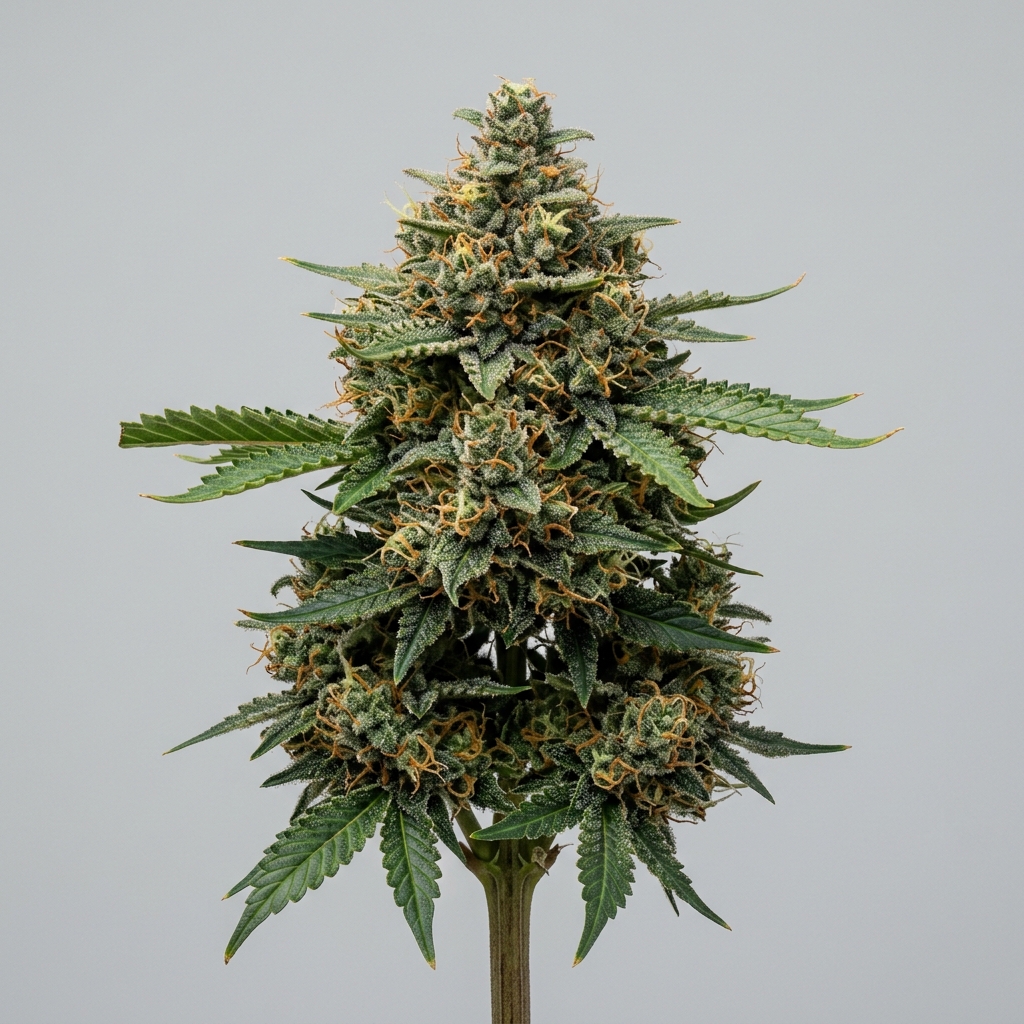
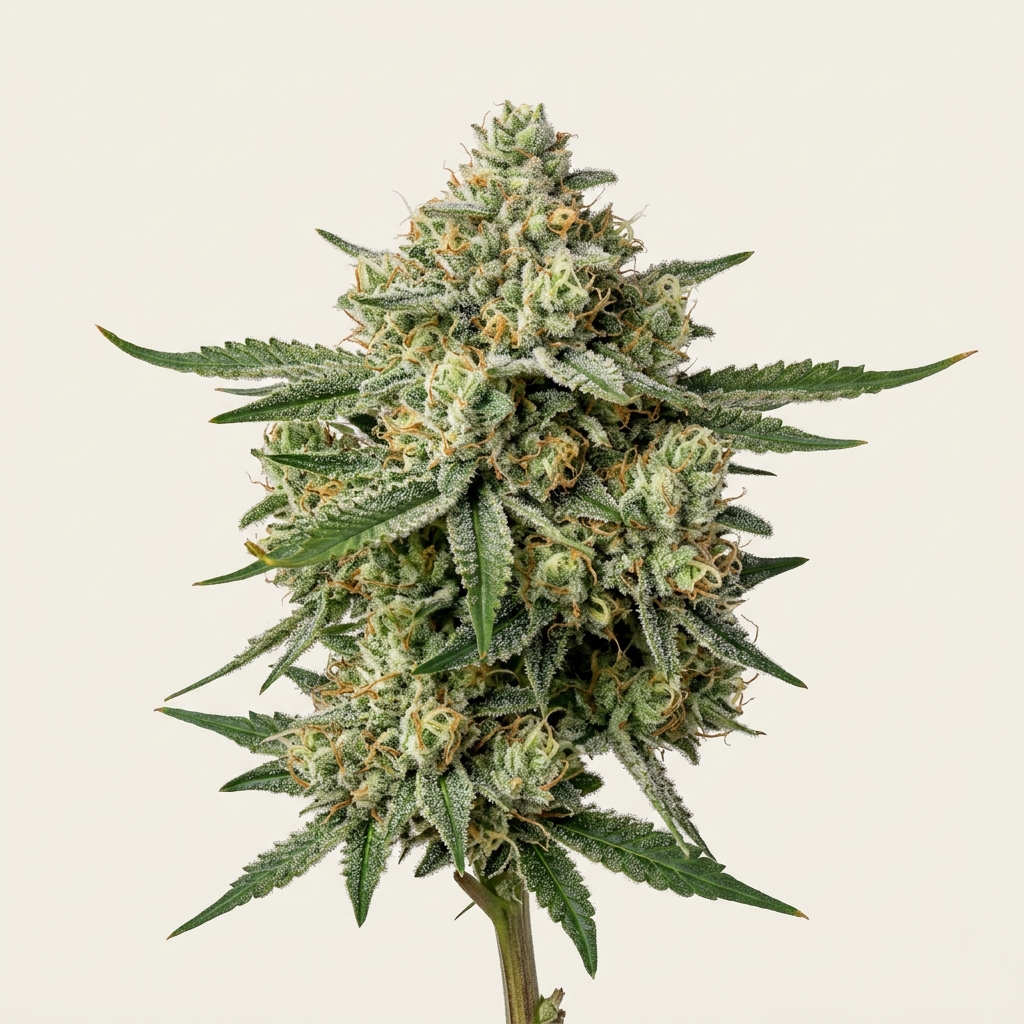
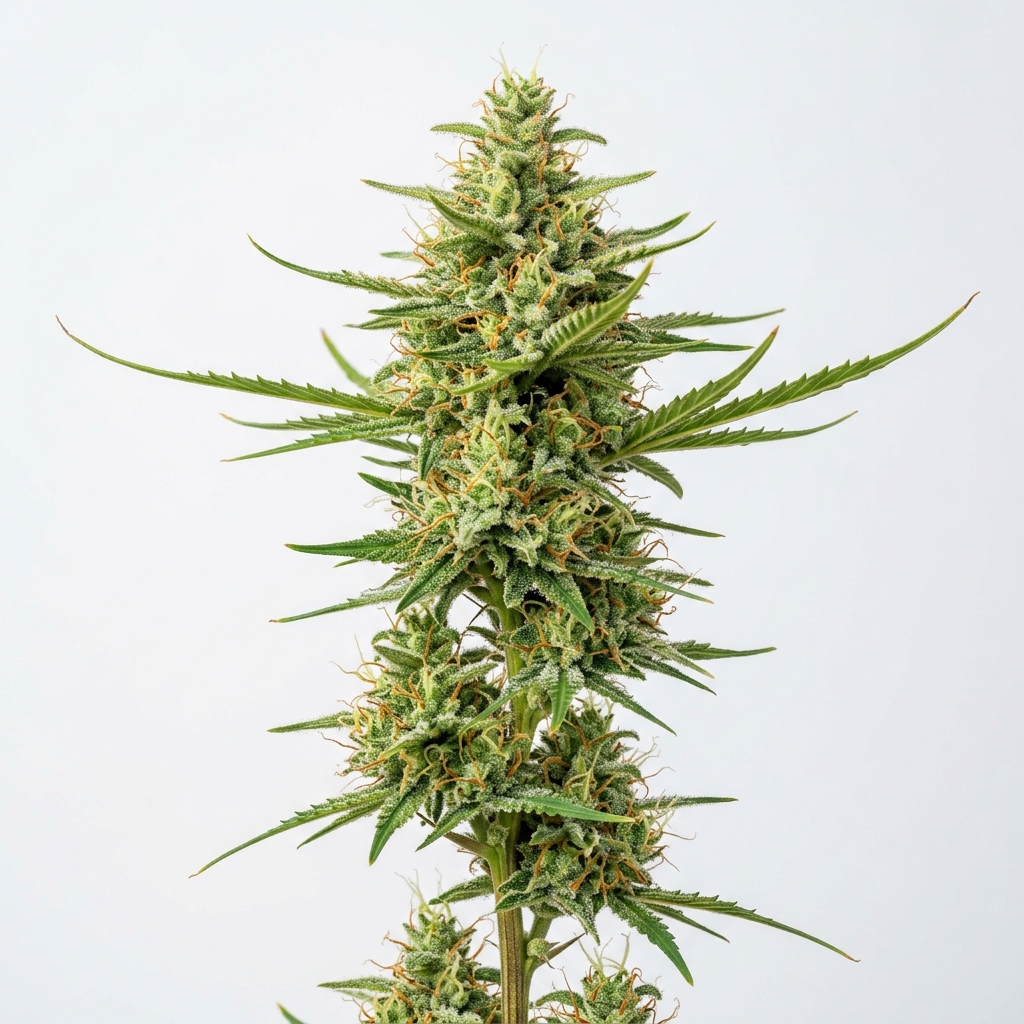
Sweet Mango is an indica-dominant hybrid, typically testing between 14% and 18% THC, created by crossing the tropical Mango with the robust Big Bang. This cultivar is highly regarded for its intense tropical fruit aroma, characterized by ripe mango sweetness and a subtle earthy undertone. It produces long, dense spear colas layered with a sticky, greasy resin that makes it a favorite for dry-sift extraction. With a compact growth habit inherited from its ruderalis-influenced lineage, this strain transitions rapidly into flower, offering a straightforward cultivation experience for growers seeking quick, aromatic harvests.
The strain appeals to cultivators and consumers who value classic sweet terpenes over modern dessert gas. Its physical structure remains manageable indoors, staying relatively low to the ground while stacking thick, resinous buds along its central stem. The resulting flowers carry a classic sticky texture, drying down to a vibrant green shade accented by deep orange pistils.
Quick Facts
| Attribute | Details |
|---|---|
| Genetics | Mango × Big Bang |
| Variety | Indica-dominant hybrid |
| THC Range | 14% – 18% |
| Flowering Time | 7 – 9 weeks (often autoflowering) |
| Yield Potential | Moderate to High |
| Plant Height | Short to Medium |
| Climate Preference | Warm, temperate, controlled indoor |
| Difficulty | Easy to Moderate |
Scientific & Botanical Overview
From a botanical perspective, Sweet Mango shows typical indica traits, including broad fan leaves and short internodal spacing. The plant structure is highly lateral, supporting multiple dense bud sites that cluster tightly around the main stalk. Its vegetative phase is brief, often transitioning automatically to flower due to the ruderalis traits introduced through its Big Bang parentage.
The bract-to-leaf ratio is favorable, allowing for easy trimming once the flowers reach maturity. The trichome development is dense, featuring short-stalked capitate-sessile glands that turn from clear to a milky amber during the final weeks of bloom. This rapid resin production serves as a natural barrier against minor environmental stressors.
The plant’s vascular system is highly efficient, absorbing nutrients steadily throughout its short life cycle. It maintains a strong resistance to common molds, provided that late-flower humidity is kept within a moderate range. The stems are thick and fibrous, easily supporting the weight of its heavy, resin-rich flowers without requiring extensive support networks.
Effects & Use-Cases (Reported)
Commonly reported effects: Consumers typically describe a gentle, creeping physical relaxation accompanied by a calm, clear-headed state of mind. The physical sensation is grounding without causing immediate heavy sedation, making it suitable for early evening transition hours.
Use-case context: This cultivar is frequently selected for quiet home activities, creative unwinding, or light social settings where physical comfort is desired. The mild THC threshold keeps the experience approachable for casual users while still delivering a satisfying physical release for experienced consumers.
Note: Individual tolerance and consumption methods will influence the overall intensity; consumers should approach moderate-potency indica hybrids with mindful pacing.
Aroma & Flavors
Aroma: The primary scent profile is dominated by a heavy, fermenting tropical fruit sweetness, closely resembling overripe mangoes. This dominant fruit note is supported by an underlying damp earthiness and a light, peppery spice that becomes more pronounced when the buds are broken apart.
Flavor: On the palate, the smoke or vapor delivers a smooth, sugary fruit taste with a distinct tart citrus lift on the exhale. A subtle herbal and woodsy finish lingers, balancing the initial candy-like sweetness.
Terpene associations: Laboratory analyses of this profile typically highlight high concentrations of myrcene, which drives the tropical mango scent, alongside secondary levels of caryophyllene and pinene that contribute to the spicy, earthy undertones.
Tested Cannabinoid & Terpene Ranges
| Compound | Tested Range |
|---|---|
| Delta-9-THC | 14.0% – 18.0% |
| CBD | < 1.0% |
| Myrcene | 0.4% – 0.8% |
| Caryophyllene | 0.2% – 0.5% |
| Pinene | 0.1% – 0.3% |
Range note: Cannabinoid and terpene levels are highly variable and depend heavily on cultivation techniques, curing practices, and specific seed phenotypes.
Cultivation Notes
- Keep late-flower humidity below 45% to prevent moisture retention in the dense, thick colas.
- Apply light to moderate feeding schedules, as the rapid growth cycle can make the plant sensitive to nutrient burn.
- use low-stress training (LST) early in the vegetative cycle to open up the canopy and improve light penetration to lower bud sites.
- Avoid heavy pruning or high-stress techniques like topping, which can stunt development during its short vegetative window.
- Ensure a thorough two-week flush with plain, pH-balanced water to preserve the delicate tropical terpene profile.
Grower Notes (Week-by-Week Snapshot)
- Weeks 1–3 (Seedling & Early Veg): Focus on root development by using a light, well-aerated medium. The plant will establish its basic structure quickly, showing broad fan leaves and tight node spacing.
- Weeks 4–6 (Mid-Flower Transition): As flowers begin to form, the stretch is minimal but noticeable. Resin production starts early on the emerging bracts, and a light tropical aroma becomes detectable in the grow space.
- Weeks 7–9 (Late-Flower & Harvest): The colas swell significantly, turning into dense, sticky spears. Monitor trichome maturity closely, harvesting when the heads are mostly milky with a scattering of amber for the best balance of flavor and effect.
Genetic Lineage
The genetic foundation of Sweet Mango lies in the crossing of Mango, a classic indica known for its rich tropical terpene profile, and Big Bang, a complex hybrid combining Skunk, Northern Lights, and El Niño. This combination blends the deep physical relaxation and sweet flavor of the Mango parent with the structural resilience and rapid flowering traits of Big Bang.
The resulting offspring stabilizes these desirable traits, offering a reliable growth pattern that performs well in both soil and hydroponic setups. The inclusion of ruderalis genetics in the autoflowering versions of this cross ensures a predictable timeline from seed to harvest without requiring a change in light cycles.
Research Insights
Phytochemical studies on cultivars with similar genetics suggest that the high concentration of myrcene works in tandem with moderate THC levels to modulate physical sensations. This interaction is of interest to researchers studying how specific non-cannabinoid compounds influence the overall character of the plant’s effects.
Additionally, the presence of caryophyllene provides a spicy contrast that may interact with peripheral receptors, contributing to the grounding, physical comfort often reported by consumers. The balance of these compounds highlights the importance of whole-plant terpene preservation during the drying and curing phases.
Frequently Asked Questions
Is Sweet Mango an easy strain to grow?
Yes, it is widely considered a beginner-friendly cultivar due to its compact size, rapid flowering time, and natural resilience to common environmental fluctuations.
What does Sweet Mango smell like?
The strain features a powerful aroma of ripe, sweet mangoes and tropical fruits, grounded by a subtle background of damp earth and herbal spice.
Is this strain suitable for daytime use?
While it provides a relaxing physical sensation, its moderate potency makes it versatile enough for late afternoon or early evening use without causing immediate sedation.
What are the parent strains of Sweet Mango?
It is a genetic cross between the flavorful Mango indica and the structurally robust Big Bang hybrid.
Educational Disclaimer
This content is for educational and informational purposes only. Cultivation and consumption of cannabis are subject to varying local laws and regulations. Always consult with a professional before initiating any horticultural or wellness practices.
Rate and review this strain
Ratings and reviews are accepted only from signed-in Google accounts.
Sign in with Google to leave a rating and written review.
Latest Reviews
0 reviewsNo reviews yet. Be the first Google user to rate and review this strain.