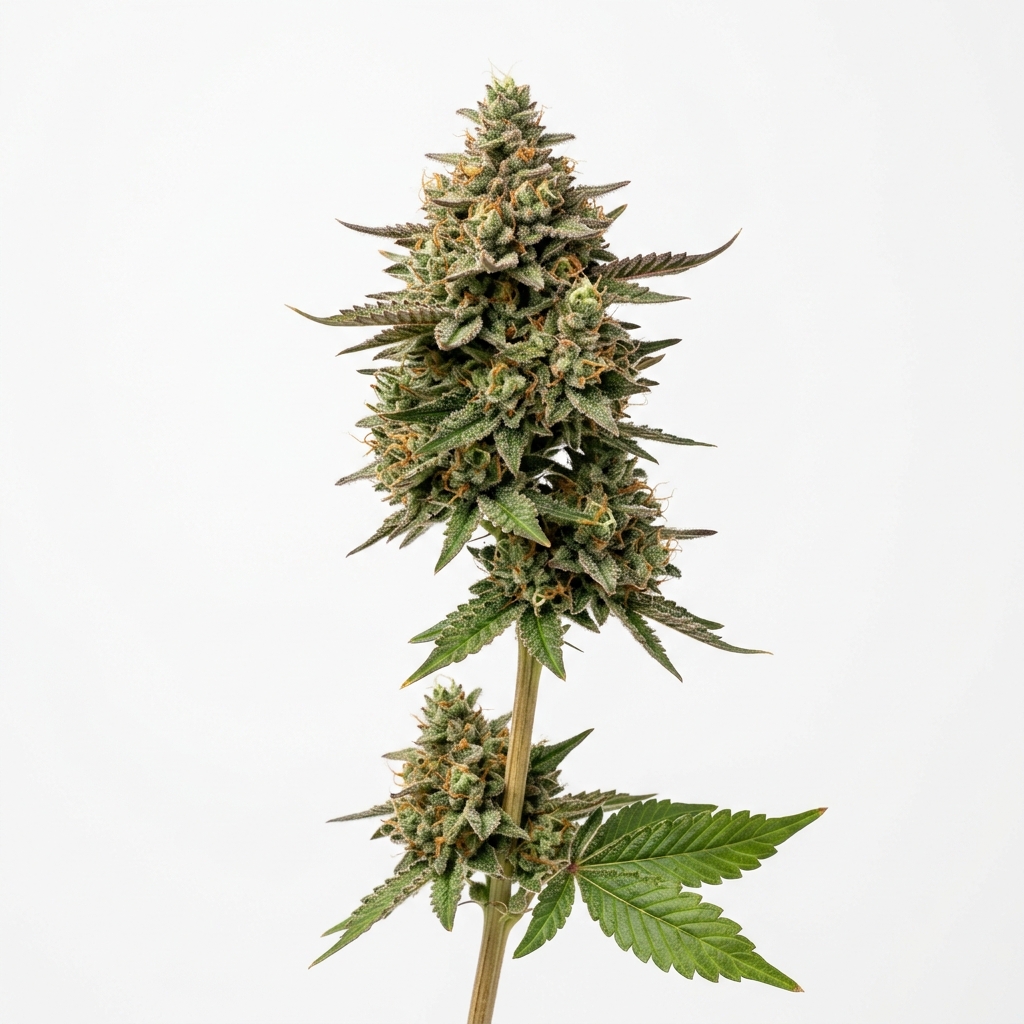
Rko (Cannabis Strain)
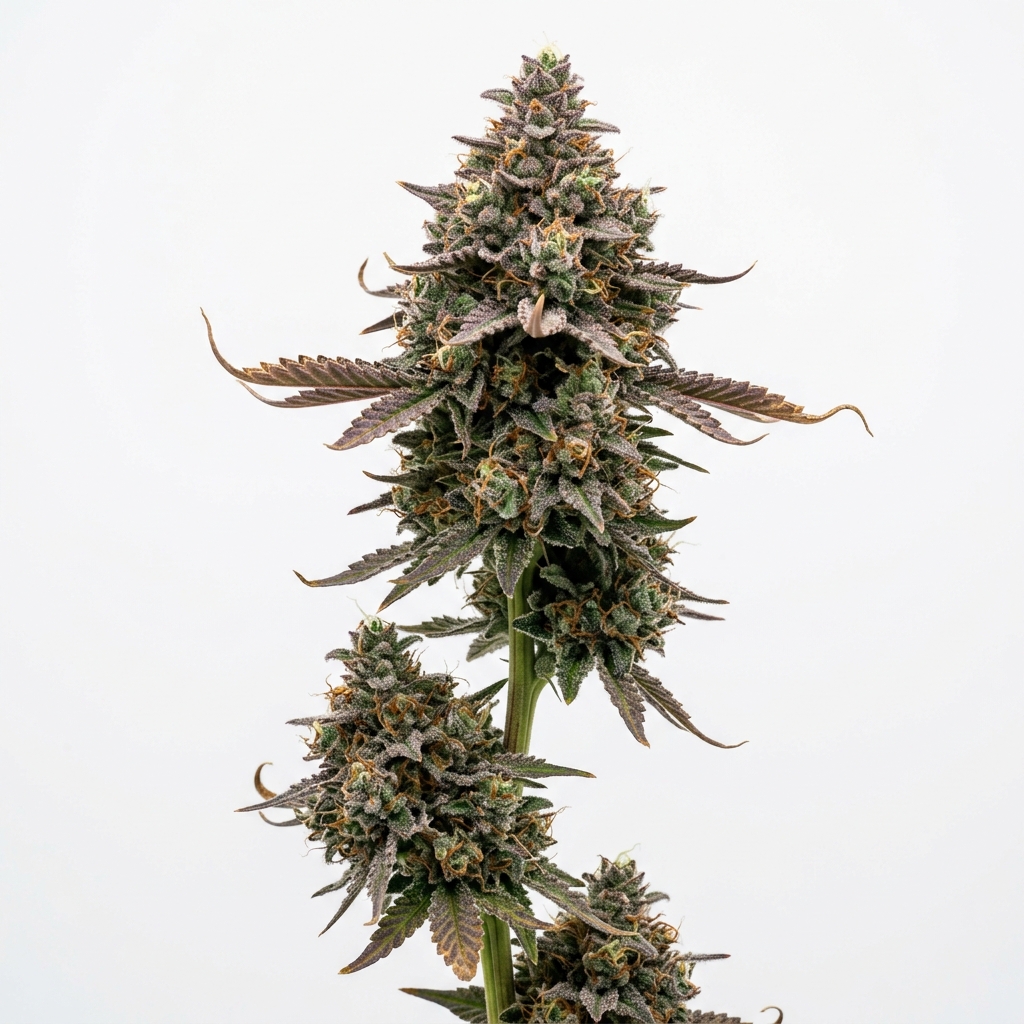
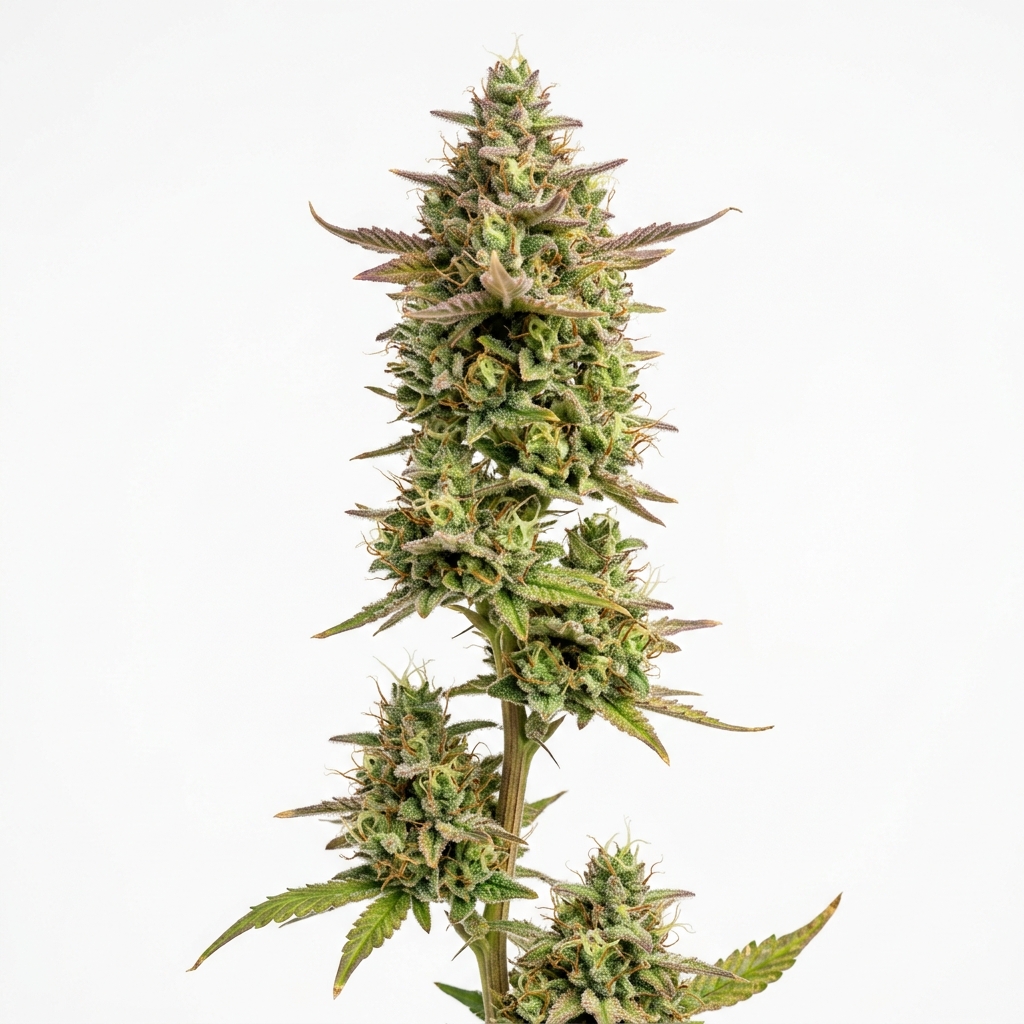
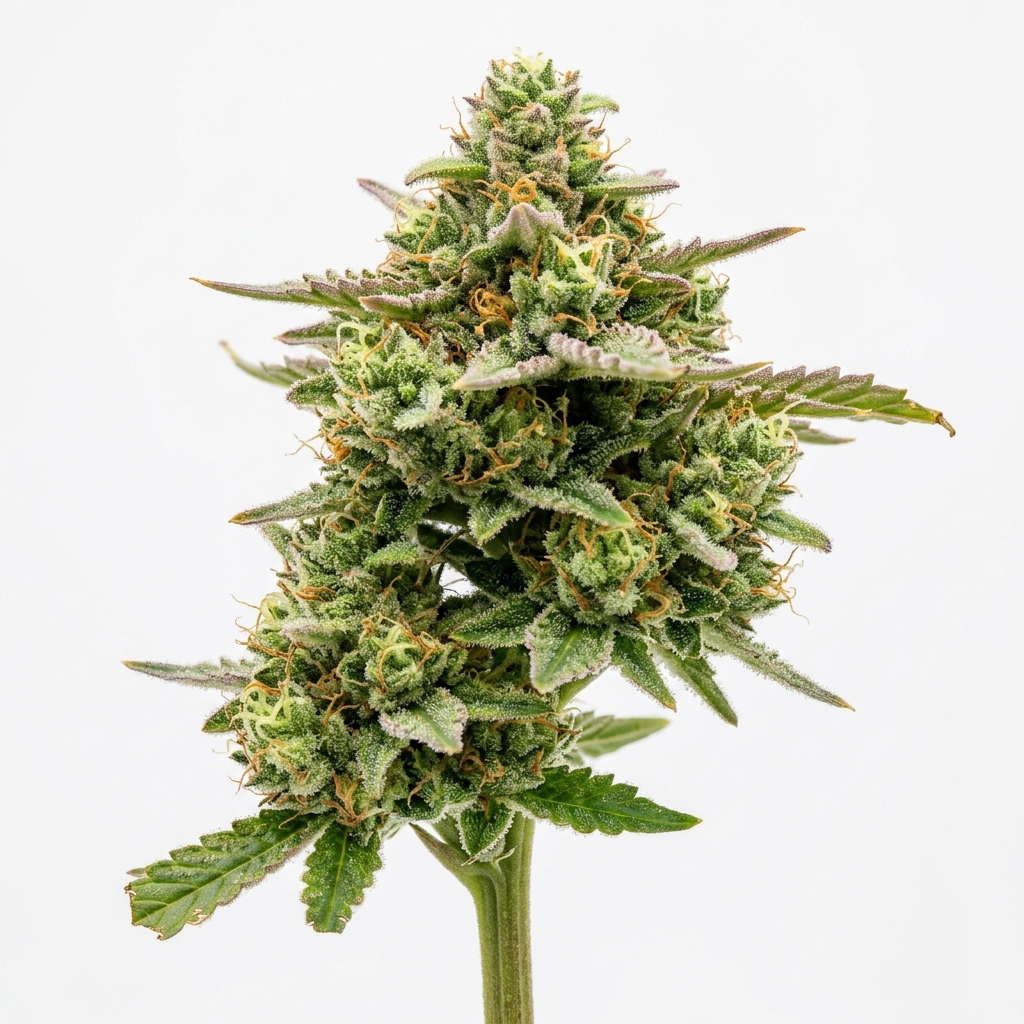
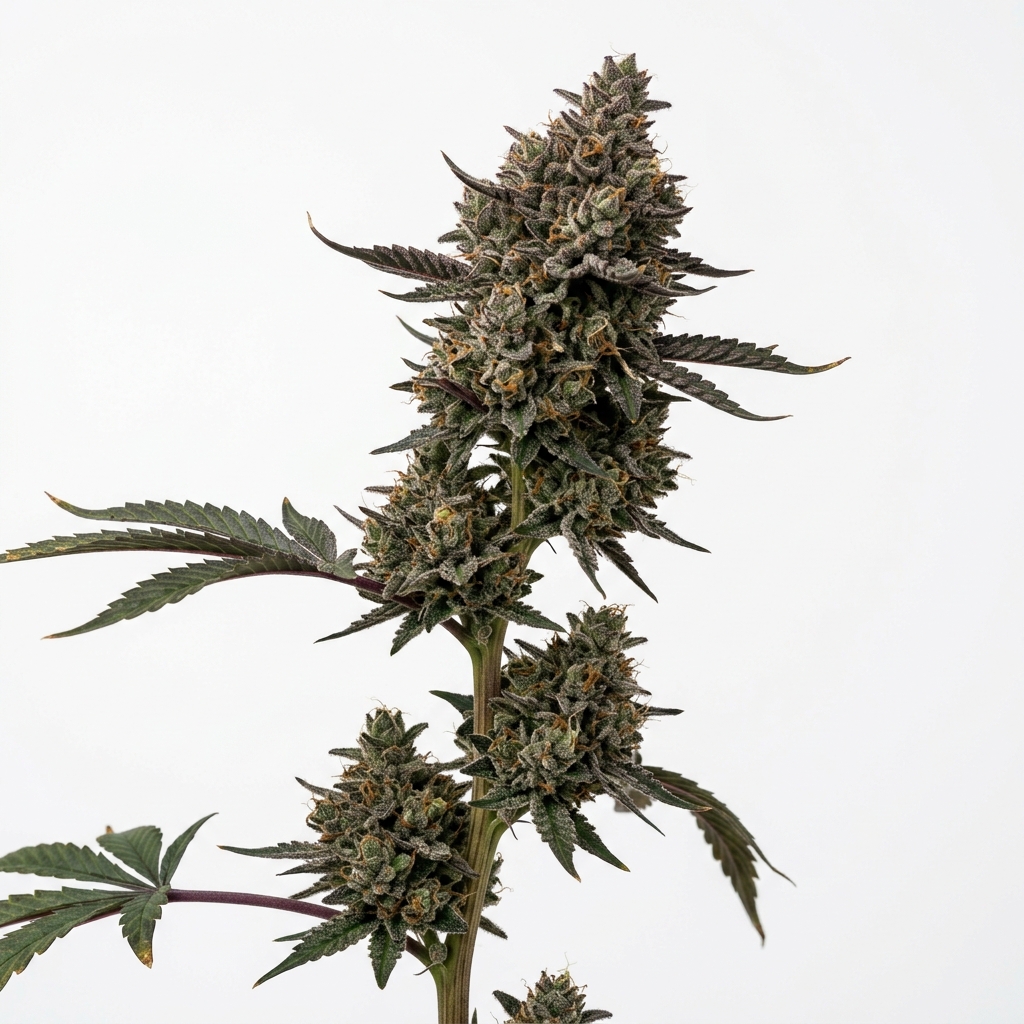
Rko is an indica-dominant hybrid testing between 20% and THC not consistently reported, widely recognized for pairing deep fuel with sharp citrus zest. Most commonly reported as a pairing of Triangle Kush and Tangie, the cultivar delivers heavy resin coverage over tight, spear-shaped colas. The original breeder is not consistently documented in reliable public sources, though the cut emerged from West Coast breeding circles focused on intensifying terpene depth and bag appeal. Its flowers cure to dense, resin-rich clusters coated in pale amber trichomes, making it a favorite for both solventless extraction and late-day flower rotation.
The profile draws obvious structural cues from its Kush lineage while expressing the punchy volatile aromatics of its Tangie parentage. Vegetative growth is steady and bushy, transitioning into moderate vertical stretch during early flower. Consumers typically report a swift shift toward physical heaviness paired with a clear, calming headspace that settles into lasting body tranquility.
Quick Facts
| Field | Details |
|---|---|
| Breeder | Not consistently documented |
| Genetics | Triangle Kush × Tangie (commonly reported) |
| Variety | Indica-dominant hybrid (approx. 70% indica / 30% sativa) |
| THC Range | 20% – 26% |
| Flowering Time | 9 – 10 weeks (63 – 70 days) |
| Yield Potential | Moderate to high (approx. 450 – 550 g/m² indoors) |
| Plant Height | Medium (approx. 100 – 150 cm indoors) |
| Climate Preference | Temperate to warm Mediterranean climates with controlled late humidity |
| Difficulty | Intermediate |
Scientific & Botanical Overview
Botanically, Rko forms a semi-compact, broad-leaf architecture during vegetative stages, typical of its ancestral Kush foundations. Internodal spacing remains tight to moderate, requiring intentional canopy spacing to allow light penetration into lower floral sites. As the plant enters generative growth, the lateral branches stiffen significantly to support heavy, calyx-dense terminal colas.
The glandular trichome development on this cultivar is dense and greasy to the touch. Glands form heavily across inner bracts and extend outward along secondary sugar leaves, producing a high capitate-stalked trichome ratio. Mature calyxes swell noticeably during the final three weeks of flower, often displaying deep forest green tones offset by bright copper pistils and occasional dark purple pigmentation when exposed to cooler night temperatures.
Metabolically, the strain synthesizes a terpene fraction dominated by myrcene, beta-caryophyllene, and limonene. This profile creates a distinct hydrocarbon signature that blends sharp monoterpenes with grounding sesquiterpenes. The plant maintains strong photosynthetic efficiency under high PPFD levels, provided environmental transpiration rates are dialed in properly.
Effects & Use-Cases (Reported)
Commonly reported effects: The onset generally begins with a rapid wave of facial relaxation followed by an easing of physical muscular tension. Users frequently describe an unhurried, grounded euphoria that slows mental chatter without inducing immediate couchlock at moderate intake levels. Higher amounts lean heavily sedative, leading to profound full-body stillness and heavy eyelids.
Use-case context: Because of its physically grounding profile, Rko is predominantly chosen for late afternoon, evening, or nighttime consumption. It fits well into quiet routines, post-exercise wind-downs, or passive creative listening sessions where energetic focus is not required.
Note: Individual response to cannabis flower varies based on personal tolerance, cannabinoid sensitivity, metabolism, and set and setting. The experiences described reflect aggregated consumer feedback and should not be interpreted as medical advice.
Aroma & Flavors
Aroma: Breaking a cured flower releases a rush of sharp petrol, overripe tangerine peel, and damp earth. A pungent skunky undertone becomes evident as the buds are ground, accompanied by subtle hints of cracked black pepper and pine needles.
Flavor: The smoke or vapor carries an initial burst of tart citrus and sour gas on the inhale. The exhale is distinctly earthy and kush-forward, leaving a lingering resinous film with notes of citrus rind and spiced wood on the palate.
Terpene associations: The sensory output aligns closely with elevated concentrations of myrcene (herbal, earthy base), beta-caryophyllene (peppery spice), and limonene (sharp citrus brightness), with secondary contributions from pinene and humulene.
Tested Cannabinoid & Terpene Ranges
| Compound | Typical Flower Range |
|---|---|
| Δ9-THC | 20% – 26% |
| CBD | < 1.0% |
| CBG | 0.5% – 1.5% |
| Total Terpenes | 1.8% – 3.2% |
| Primary Terpenes | Myrcene, Beta-Caryophyllene, Limonene |
Range note: Cannabinoid and terpene percentages reflect dried uninfused flower samples tested across various commercial testing labs. Exact figures vary significantly based on phenotype, cultivation environment, lighting intensity, and curing protocols.
Cultivation Notes
- Humidity management: Maintain 60% – 65% RH in early flower, tapering down strictly to 40% – 45% in late bloom to protect dense terminal colas from botrytis.
- Nutrient requirements: shows steady calcium and magnesium uptake under LED setups; tolerates moderate to heavy feeding during mid-flower bulking without leaf tip burn.
- Canopy training: Responds exceptionally well to early topping and low-stress training (LST) or a single-layer Trellis SCROG to spread bud sites evenly across the canopy footprint.
- Defoliation: Perform a targeted strip around Day 21 of flower to open airflow through the dense Kush-style center, followed by light clean-up around Day 42.
- Harvest window: Optimal trichome ripeness occurs between Days 63 and 70 when glandular heads turn milky with approximately 10% to 20% amber heads.
Grower Notes (Week-by-Week Snapshot)
- Weeks 1–3: Transition to 12/12 triggers a moderate 1.5x stretch; set up trellis support early and establish strong root zone aeration.
- Weeks 4–6: Rapid flower set with early frost blanketing calyxes and fan leaf stems; aroma shifts noticeably from raw green foliage to pungent sour citrus.
- Weeks 7–9: Calyxes swell heavily into spear-shaped formations; reduce root zone EC gradually and lower night temperatures by 3–5°C to preserve volatile monoterpenes.
- Post-Harvest: Dry whole plants at 15–18°C and 58%–62% RH for 12–14 days, followed by a minimum three-week jar cure to let the gassy citrus profile stabilize.
Genetic Lineage
Rko’s primary lineage unites the storied Florida heirloom Triangle Kush with the renowned California sativa-dominant staple Tangie. Triangle Kush contributes dense bud structure, profound physical potency, and an unmistakably deep fuel and earthy pine backbone. This ancestral pillar gives the cross its stout structural frame and heavy resin glands.
On the other side of the cross, Tangie introduces vibrant citrus aromatics, characterized by pungent mandarin and orange zest notes. The combination yields an offspring that captures the sharp, volatile top-notes of contemporary citrus cultivars while retaining the enduring potency and structural density of classic Southern Kush stock.
Research Insights
Scientific investigations into cannabis secondary metabolites highlight the interactive role of primary monoterpenes and sesquiterpenes alongside major cannabinoids. In vitro and animal models suggest that myrcene may influence blood-brain barrier permeability and contribute to sedation, while beta-caryophyllene functions as a dietary cannabinoid by binding directly to peripheral CB2 receptors to modulate inflammatory signaling pathways.
While broad botanical literature shows the pharmacological relevance of these individual compounds, cultivar-specific clinical research remains limited. Published data regarding Rko specifically derives from commercial laboratory certificates of analysis and observational grower reports rather than controlled clinical trials.
Frequently Asked Questions
Who is the breeder of Rko?
The original breeder is not consistently documented in verified public records. The cut emerged from West Coast breeding circles and has since circulated among boutique clone nurseries and craft growers.
Is Rko an indica or sativa?
Rko is an indica-dominant hybrid, generally showing an approximate ratio of 70% indica to 30% sativa in its physical growth structure and deeply relaxing physical effects.
What does Rko smell and taste like?
The strain shows a prominent aroma of tart citrus peel, damp earth, and heavy diesel fuel. The flavor delivers sour orange and gas on the inhale, finishing with an earthy, spiced pine kush aftertaste.
What is the flowering time for Rko?
Indoor flowering typically requires 9 to 10 weeks (63 to 70 days) to reach full calyx swelling and optimal glandular trichome maturity.
Educational Disclaimer
This content is for educational and informational purposes only. Cannabis laws and regulations vary by jurisdiction. Always consult with a qualified professional before beginning any cultivation project or consuming cannabis products.
Rate and review this strain
Ratings and reviews are accepted only from signed-in Google accounts.
Sign in with Google to leave a rating and written review.
Latest Reviews
0 reviewsNo reviews yet. Be the first Google user to rate and review this strain.
Follow New Cultivar Records
Get newly documented genetics, breeder history, research highlights, and important Strainpedia discoveries by email.