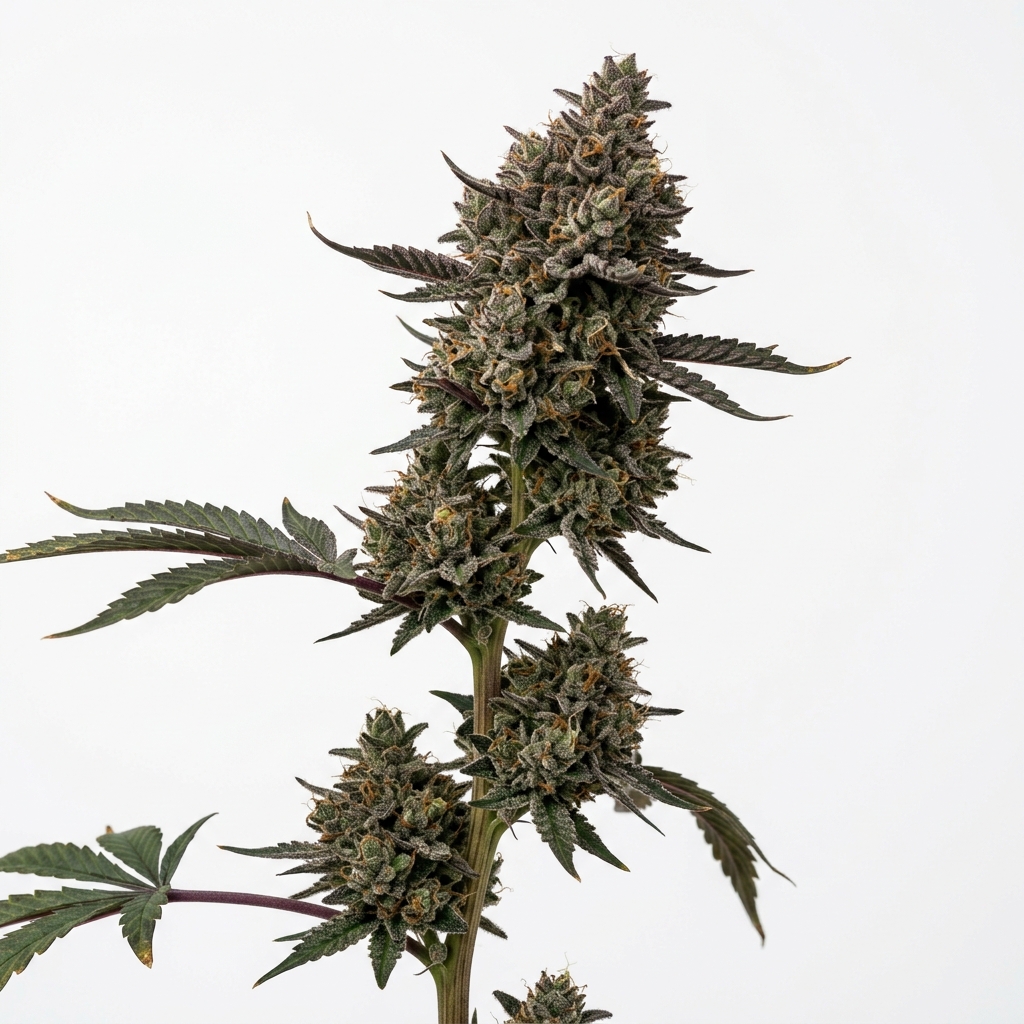
Lazar 115 (Cannabis Strain)
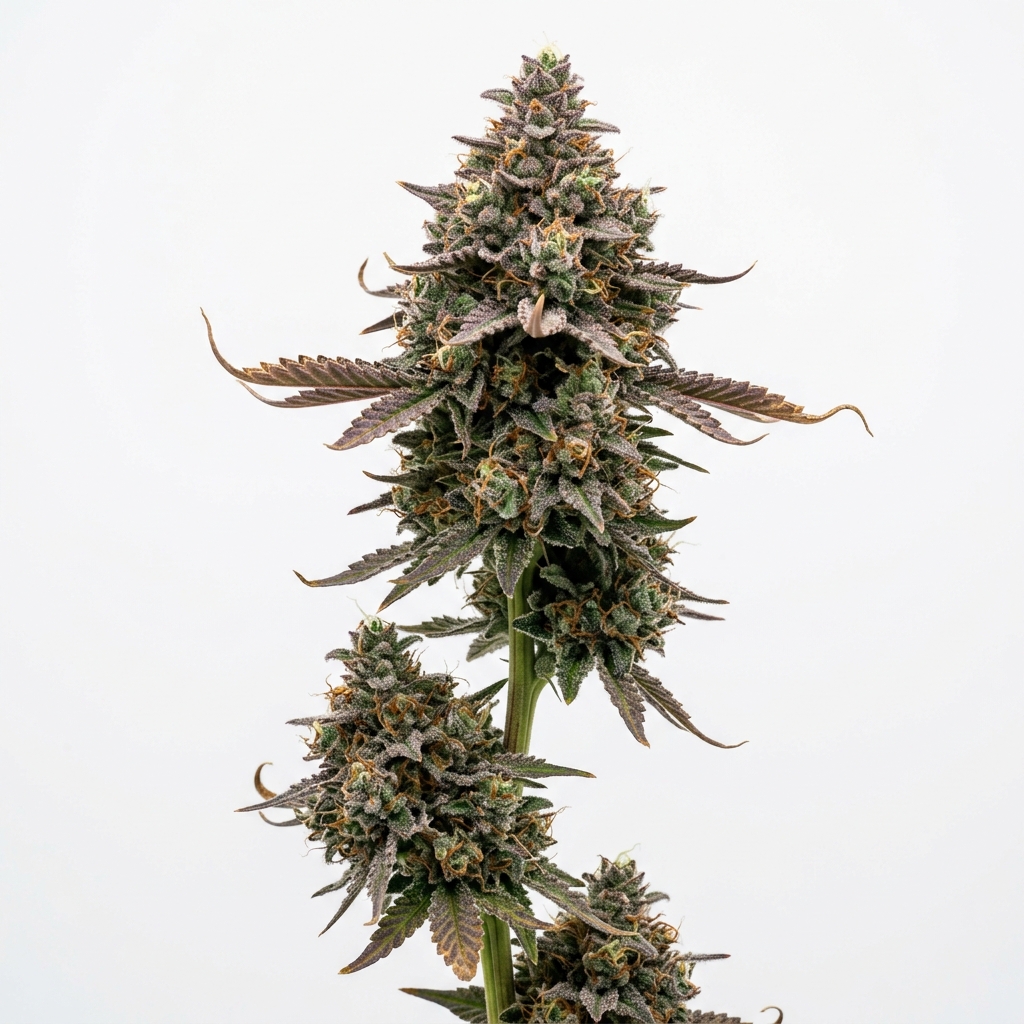
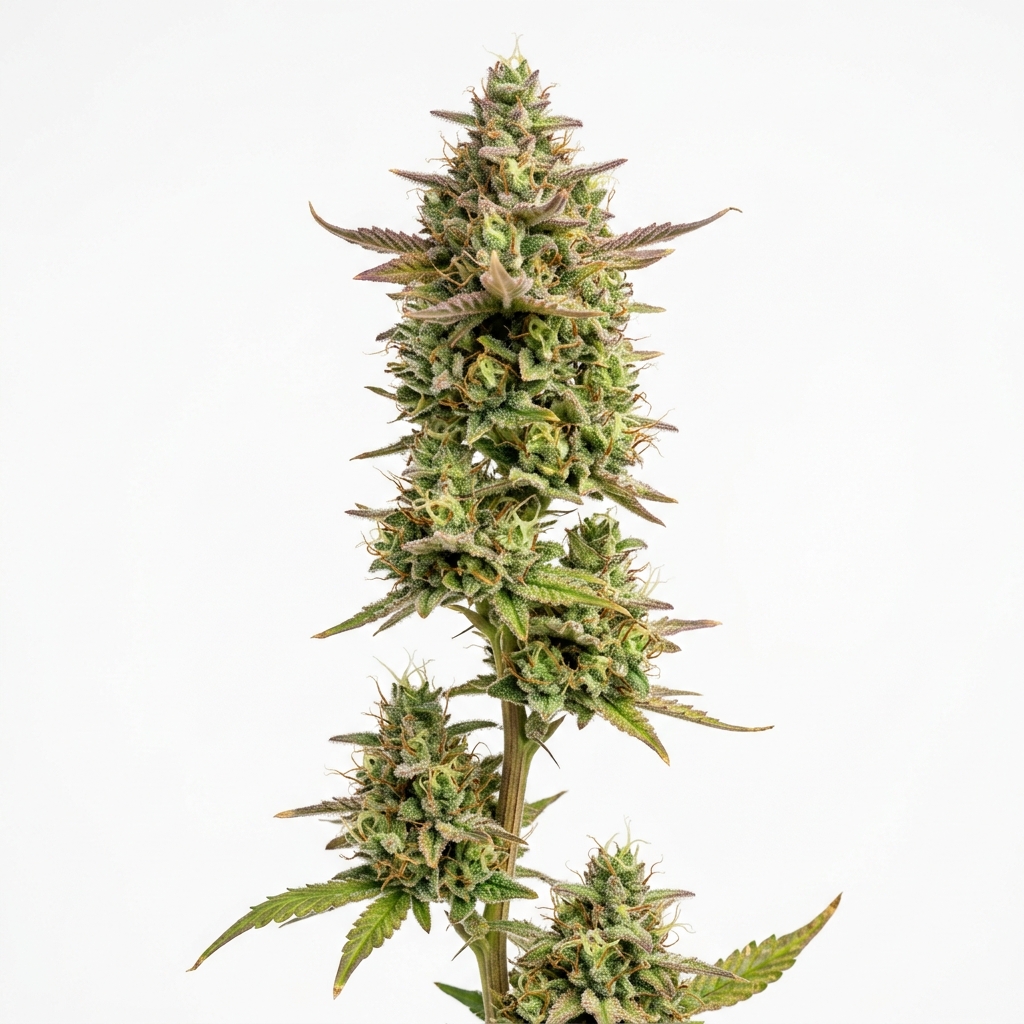
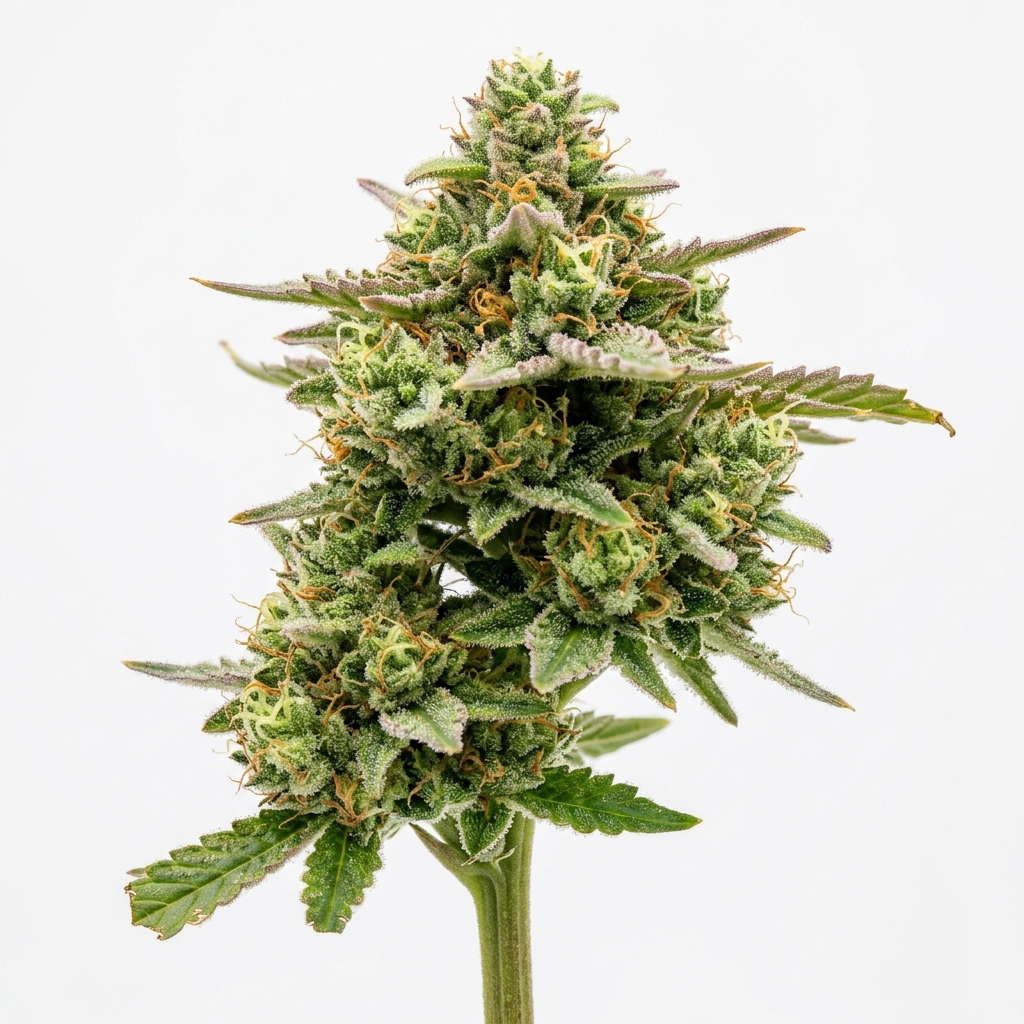
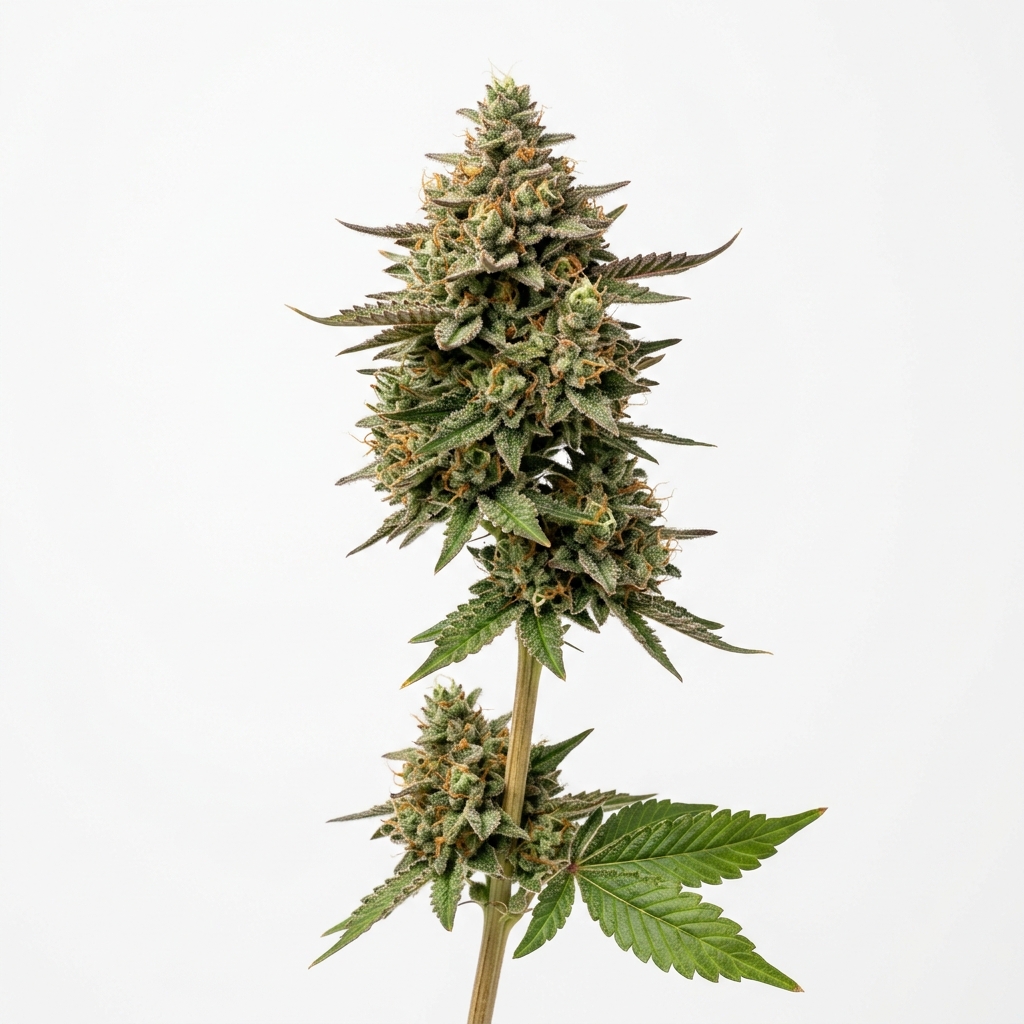
Lazar 115 is an indica-dominant hybrid bred by Compound Genetics, developed by crossing the heritage clone-only cut Triangle Kush with Jet Fuel Gelato. Selected for growers and extractors prioritizing high resin volume and deep chemical fuel, dried uninfused flower commonly tests between 24% and THC not consistently reported. The finished flowers are dense, greasy, and encrusted with capitate-stalked trichomes, pushing an assertive profile of sour kerosene, damp forest floor, and sweet gas.
The cross merges the stout, pine-fuel backbone of Florida’s Triangle Kush with the vigor, high calyx-to-leaf ratio, and dessert-gas richness of Jet Fuel Gelato. Plants show strong branch development and moderate stretch, easily supporting compact, heavy spear colas in late bloom. Reported effects center on pronounced physical ease and a steady, slow-settling headspace best suited for unhurried evening hours.
Quick Facts
| Field | Details |
|---|---|
| Breeder | Compound Genetics |
| Genetics | Triangle Kush × Jet Fuel Gelato |
| Variety | Indica-dominant hybrid |
| THC Range | 24% – 29% |
| Flowering Time | 8 – 9 weeks (56 – 63 days) |
| Yield Potential | Moderate to high |
| Plant Height | Medium |
| Climate Preference | Temperate to warm indoor / Controlled greenhouse |
| Difficulty | Moderate |
Scientific & Botanical Overview
Lazar 115 shows an upright canopy architecture marked by medium-length internodes and thick, fibrous stalks inherited from its Triangle Kush parentage. Broad, dark green fan leaves dominate vegetative growth, often taking on plum and charcoal hues as flush temperatures dip in late flower. The canopy organizes naturally into clustered terminal sites with minimal horizontal sprawling.
During the floral transition, bracts swell rapidly into tightly layered clusters rather than running along airy stems. The calyxes stack into dense, golf-ball-shaped nugs coated in a thick, sticky resin layer rich in glandular heads. This trichome density makes the variety an appealing subject for mechanical sifting and solventless ice-water hash separation.
The secondary chemistry reflects a dominant fuel-forward profile supported by monoterpenes and sesquiterpenes. High levels of beta-caryophyllene, myrcene, and limonene anchor the profile, giving the dried flower its distinct petroleum bite and sustained aromatic finish.
Effects & Use-Cases (Reported)
Commonly reported effects: Lazar 115 typically delivers an immediate softening behind the eyes followed by heavy physical relaxation across the shoulders and limbs. The headspace remains quiet and introspective without severe cloudiness, though higher consumption tends to settle firmly into lingering sedation and couchlock.
Use-case context: Experienced consumers often reserve this cultivar for late afternoon or evening use, post-workout wind-downs, or low-activity leisure. Its substantial potency and grounding bodily weight make it less suitable for daytime focus or task-heavy routines.
Note: Individual experiences vary widely depending on tolerance, individual physiology, dosage, and specific terpene concentrations in a given batch.
Aroma & Flavors
Aroma: Breaking apart the dense buds releases a sharp wave of raw kerosene, damp pine needles, and crushed black peppercorn. Underlying notes of sour citrus peel and creamy, baked dough emerge once the flower is ground.
Flavor: The smoke is heavy and coating, leading with an intense diesel and earthy kush baseline. On the exhale, subtle sweet notes of Meyer lemon and faint vanilla dough balance the lingering astringent gas.
Terpene associations: The aromatic profile is driven primarily by beta-caryophyllene, myrcene, and limonene, with minor contributions from humulene and linalool.
Tested Cannabinoid & Terpene Ranges
| Compound | Typical Tested Range |
|---|---|
| Δ9-THC | 24.0% – 29.0% |
| CBD | < 1.0% |
| Beta-Caryophyllene | 0.60% – 1.20% |
| Myrcene | 0.40% – 0.90% |
| Limonene | 0.30% – 0.80% |
| Humulene | 0.15% – 0.40% |
Range note: Cannabinoid and terpene metrics reflect representative testing from mature dried flower samples. Real-world batches fluctuate based on cultivation environment, lighting spectrum, harvest timing, and post-harvest drying and curing conditions.
Cultivation Notes
- Humidity management: Maintain 60%–65% relative humidity in early vegetative growth, stepping down to 45%–50% by mid-flower. Because finished colas are dense, late-flower humidity should be kept under 45% to protect the deep bract interiors.
- Nutrient requirements: Lazar 115 feeds steadily through vegetative growth and responds well to robust potassium and phosphorus inputs during weeks 4 through 6 of bloom. Watch for minor tip burn if nitrogen is pushed too hard after vertical stretch concludes.
- Canopy training: Topping once or twice during early growth encourages an even, multi-top canopy. Low-stress training and mild trellis netting help space out the heavy flower sites and maximize light penetration.
- Defoliation: Perform a thorough cleanup around Day 21 of flower to strip inward-facing fan leaves and lower larf sites. A light touch-up around Day 42 maintains airflow through the dense mid-canopy.
- Harvest window: Phenotypes typically finish between Day 56 and Day 63. Look for predominantly cloudy trichome heads with roughly 10% to 15% amber for optimal terpene richness and physical weight.
Grower Notes (Week-by-Week Snapshot)
- Weeks 1–3 (Establishment & Stretch): Plants undergo a manageable 1.5x to 2x stretch. Stalks thicken rapidly, and nodal sites begin bunching tightly under strong lighting.
- Weeks 4–6 (Bulk & Trichome Onset): Calyxes swell and trichome coverage spreads outward onto secondary sugar leaves. The raw gas and diesel aroma becomes distinct in the room.
- Weeks 7–9 (Ripening & Color Fade): Floral clusters harden into rigid, resin-coated spears. Lowering night temperatures by 5°F–8°F brings out muted purple and steel-blue coloration across the foliage.
- Post-Harvest (Dry & Cure): Hang whole plants for 12 to 14 days at 60°F and 60% relative humidity. A patient 3- to 4-week jar cure preserves the sharp kerosene top notes and rounds out the doughy finish.
Genetic Lineage
The maternal contributor, Triangle Kush, is an iconic clone-only heritage cut originating in Florida. Known for its earthy, piney fuel and heavy-hitting body effect, Triangle Kush provides this hybrid with its rigid frame, structural density, and signature kerosene profile.
The paternal contributor, Jet Fuel Gelato (Gelato 45 × Jet Fuel G6), introduces modern vigor, high resin yield, and a creamy, pastry-fuel complexity. This cross refined the floral structure and enhanced trichome production, making Lazar 115 a modern standout for hash makers and flower connoisseurs alike.
Research Insights
Cannabis research indicates that combinations of beta-caryophyllene and myrcene frequently correlate with pronounced physical relaxation and heavy body sensations. Caryophyllene is unique among dietary terpenes for its ability to bind selectively to peripherally located CB2 cannabinoid receptors, while myrcene has been studied for its potential influence on permeability and soothing physiological responses.
While broad botanical literature helps contextualize these specific chemical markers, strain-specific outcomes for Lazar 115 depend heavily on precise cannabinoid ratios, total terpene retention during post-harvest processing, and consumer tolerance.
Frequently Asked Questions
Who bred the Lazar 115 strain?
Lazar 115 was bred by Compound Genetics as part of their breeding projects incorporating heritage cultivars with modern Gelato hybrids.
Is Lazar 115 an indica or sativa?
Lazar 115 is an indica-dominant hybrid, displaying stout garden structure, dense flower formation, and predominantly grounding physical effects.
What does Lazar 115 smell and taste like?
The strain smells heavily of raw kerosene, sour earth, and crushed pine. The flavor carries that same pungent diesel base, layered with subtle sweet lemon and creamy dough on the exhale.
What is the flowering time for Lazar 115?
Under standard indoor lighting cycles, Lazar 115 finishes flowering in approximately 8 to 9 weeks (56 to 63 days).
Educational Disclaimer
This content is for educational and informational purposes only. Cannabis laws and regulations vary by jurisdiction. Always consult with a qualified professional before beginning any cultivation project or consuming cannabis products.
Rate and review this strain
Ratings and reviews are accepted only from signed-in Google accounts.
Sign in with Google to leave a rating and written review.
Latest Reviews
0 reviewsNo reviews yet. Be the first Google user to rate and review this strain.
Follow New Cultivar Records
Get newly documented genetics, breeder history, research highlights, and important Strainpedia discoveries by email.