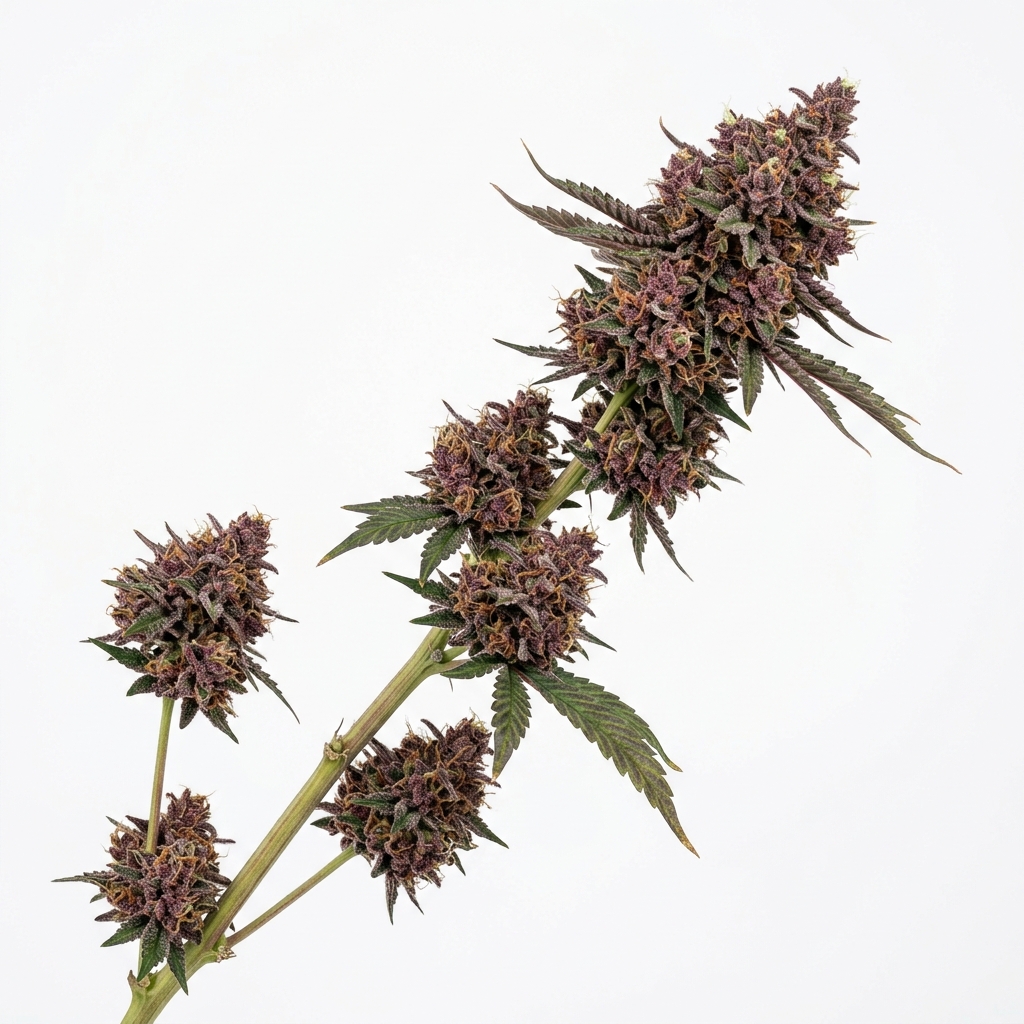
Mochi Runtz (Cannabis Strain)
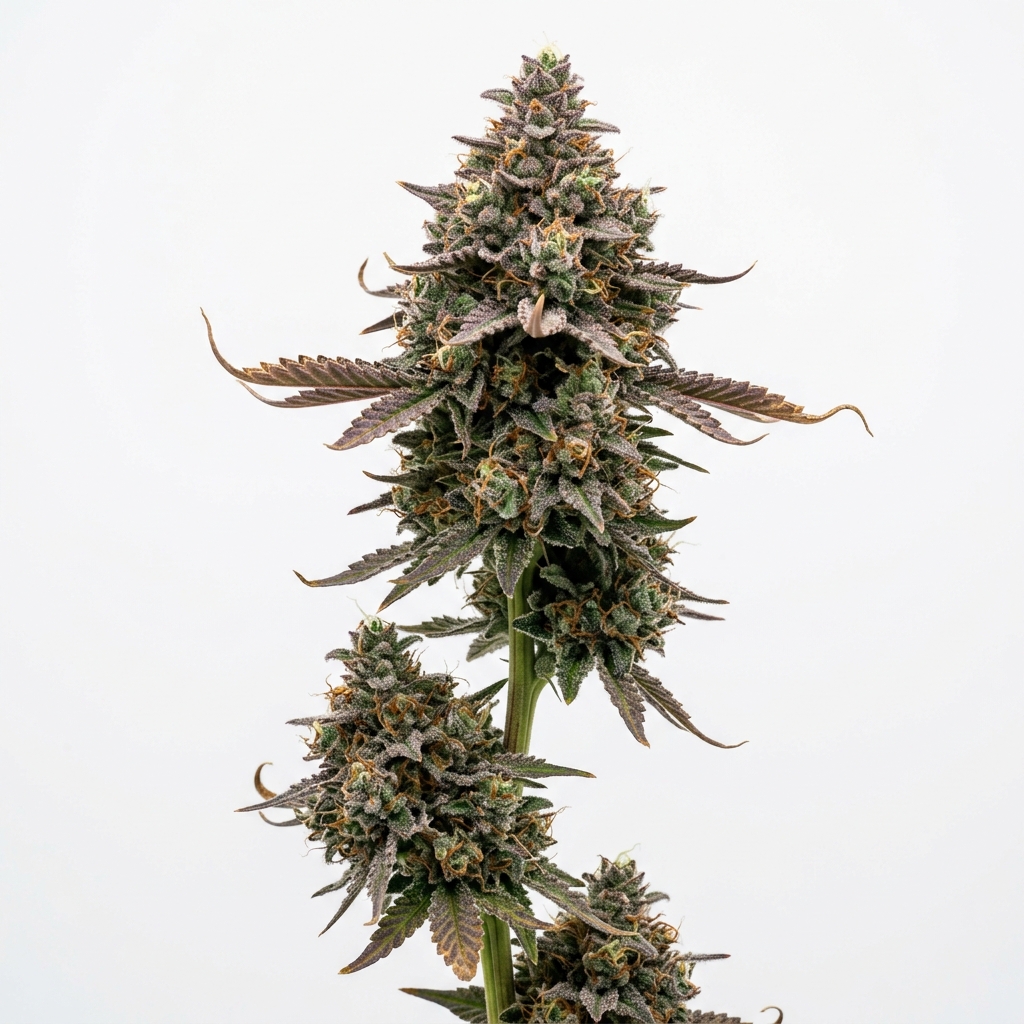
Mochi Runtz is an indica-dominant hybrid cultivar testing between 22% and 28% THC, bred by crossing Mochi (also known as Gelato 47) with Runtz. The original breeder is not consistently documented in reliable public sources, as the cut emerged from the boutique California exotic scene where several craft breeders worked parallel selections of the cross. The cultivar delivers a rich profile of sweet dough, tart berry candy, and faint fuel, paired with thick glandular trichome coverage and dark purple bracts. In the grow room, it shows moderate vertical stretch, disciplined lateral structure, and flowers that cure into dense, greasy resin-rich clusters.
Inheriting the structural density and anthocyanin potential of Mochi alongside the sugary, terpene-forward characteristics of Runtz, the cultivar typically stays manageable under standard trellising. Commonly reported effects lean toward a calm, body-centered physical relaxation paired with an unhurried, clear head feel. While it maintains substantial potency, the onset is generally smooth rather than jarring, making it a staple for late afternoon or evening sessions.
Quick Facts
| Field | Details |
|---|---|
| Breeder | Not consistently documented (California boutique origin) |
| Genetics | Mochi (Sunset Sherbet × Thin Mint GSC) × Runtz (Zkittlez × Gelato #33) |
| Variety | Indica-dominant hybrid (approx. 60% Indica / 40% Sativa) |
| THC Range | 22% – 28% |
| Flowering Time | 8 – 9 weeks (56 – 63 days) |
| Yield Potential | Moderate (approx. 450 – 500 g/m² indoor) |
| Plant Height | Medium (approx. 100 – 140 cm indoor) |
| Climate Preference | Temperate, Mediterranean, climate-controlled indoor |
| Difficulty | Moderate |
Scientific & Botanical Overview
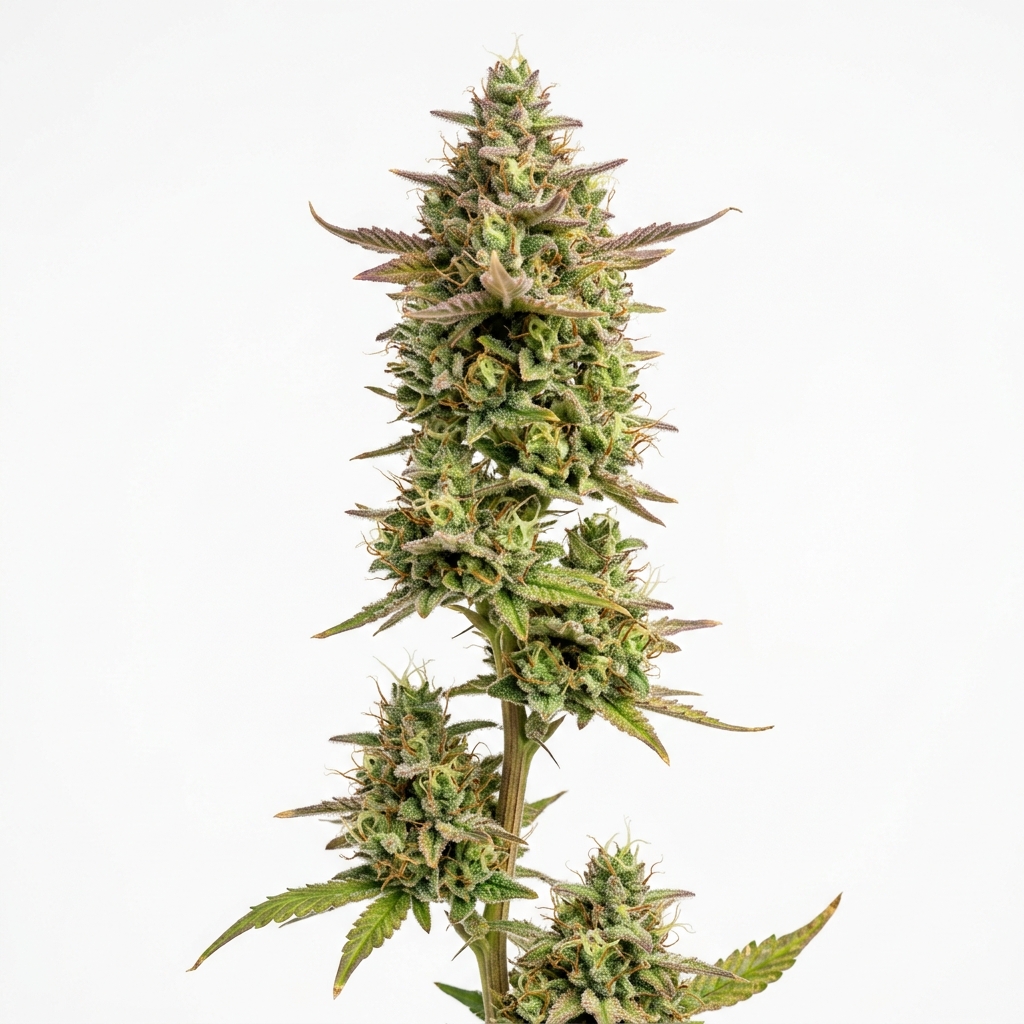
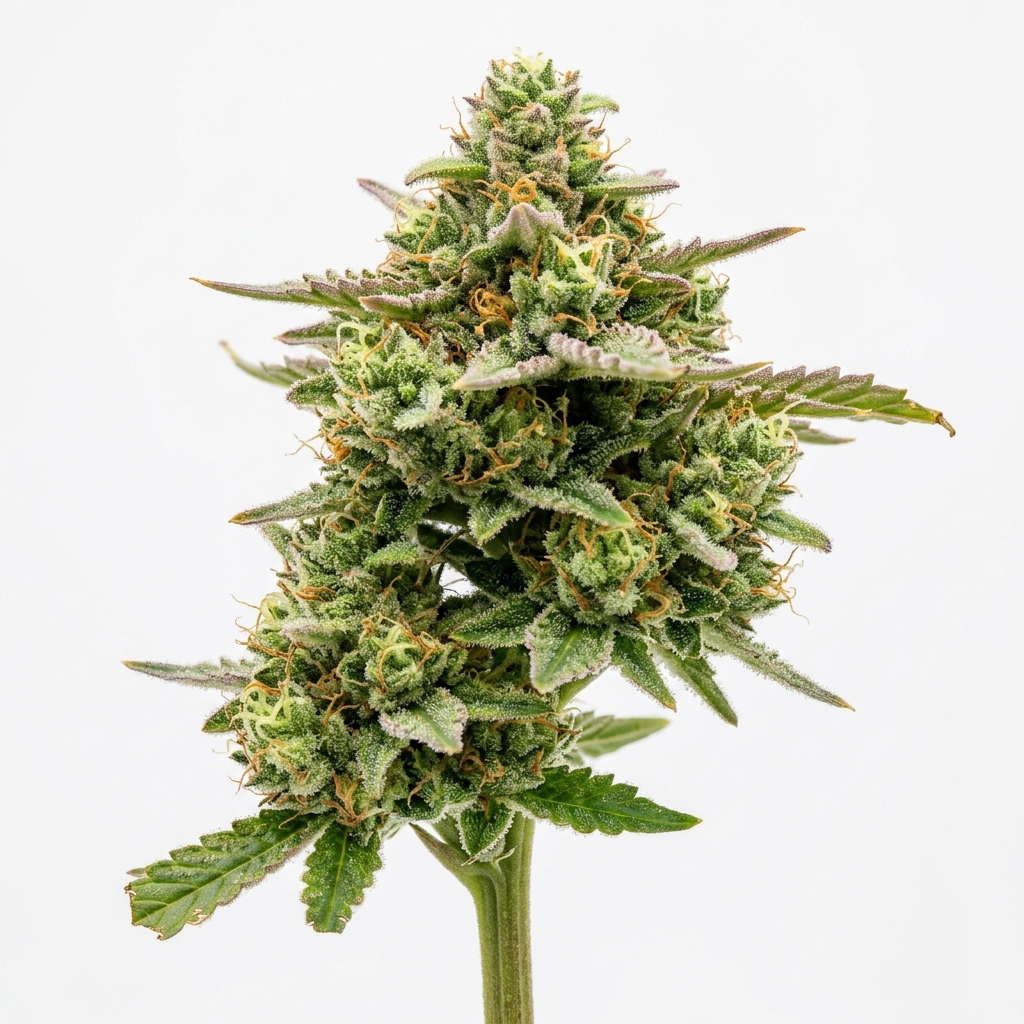
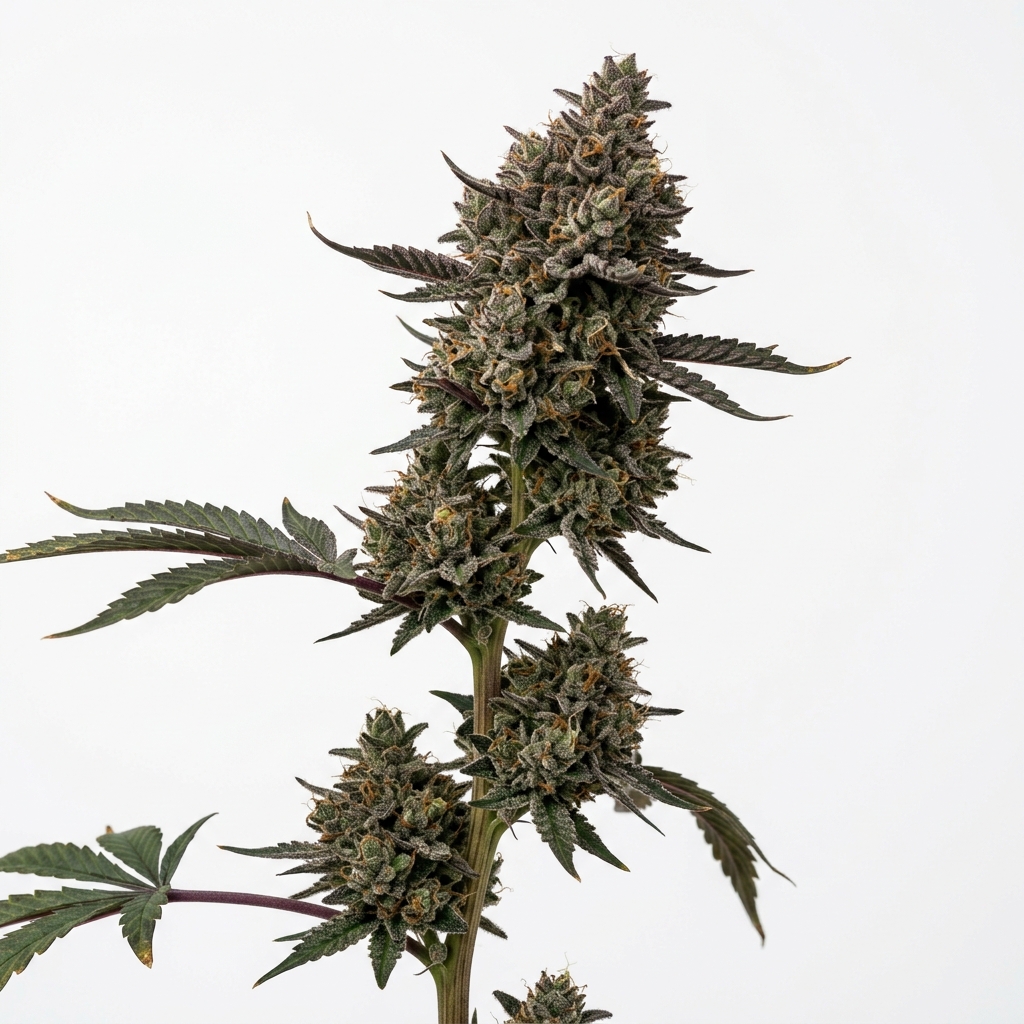
Mochi Runtz expresses classic Gelato-lineage morphology, featuring broad fan leaves, medium internodal spacing, and dense, rounded flower clusters. The calyx-to-leaf ratio is favorable, allowing light to reach lower bud sites when early canopy training is applied. As the plant enters late flowering, anthocyanin accumulation often turns the foliage and bracts deep purple or near-black, contrasted by vivid copper pistils.
The trichome head development is dense and sticky, with prominent capitate-stalked resin glands covering the entire surface of the bracts and inner sugar leaves. This glandular density makes the dried flower feel greasy to the touch and ensures high terpene retention after a slow, temperature-controlled cure. The stems are generally sturdy, though individual colas gain significant weight in weeks seven and eight.
Metabolically, the cultivar shows strong responsiveness to consistent calcium and magnesium inputs during early bloom. It prefers a stable root-zone pH between 5.8 and 6.3 in soilless media and avoids heavy nitrogen during mid-to-late flower to preserve its signature sweet, clean flavor profile.
Effects & Use-Cases (Reported)
Commonly reported effects: Consumers describe an initial cerebral lift that elevates mood without inducing racing thoughts, quickly followed by a steady, soothing physical sensation. Muscle tension softens as the high progresses, settling into a grounded state of calm that encourages relaxation. The high is substantive and lingering, but functional in moderate amounts.
Use-case context: Mochi Runtz is frequently selected for evening wind-downs, creative hobbies at home, low-key social gatherings, or quiet decompression after work. Its calming physical presence makes it less suited for intense physical exertion or early-morning tasks requiring sharp logistical focus.
Note: Individual responses to cannabis cultivars vary based on tolerance, dose, metabolism, and individual endocannabinoid system dynamics. It is best approached conservatively by newer consumers.
Aroma & Flavors
Aroma: Cracking open a cured jar releases a wave of candied fruit, sweet cream, and vanilla dough, grounded by an underlying layer of damp earth and sharp, sour gas. As the buds are broken down, the berry and citrus tones become more pronounced, leaving a rich, sugary scent in the room.
Flavor: The smoke is smooth and coating, delivering an initial taste of ripe berry syrup and pastry dough on the inhale. The exhale shifts toward a mix of tart fruit zest, light tropical candy, and a lingering, creamy gas finish that clings to the palate.
Terpene associations: The aroma and flavor are primarily driven by beta-caryophyllene, limonene, and linalool, supported by secondary levels of myrcene and humulene.
Tested Cannabinoid & Terpene Ranges
| Compound | Type | Reported Range (Flower) |
|---|---|---|
| Δ9-THC | Cannabinoid | 22.0% – 28.0% |
| CBD | Cannabinoid | < 0.5% (Trace) |
| CBG | Cannabinoid | 0.5% – 1.2% |
| Beta-Caryophyllene | Terpene | 0.40% – 0.90% |
| Limonene | Terpene | 0.30% – 0.75% |
| Linalool | Terpene | 0.15% – 0.45% |
| Myrcene | Terpene | 0.10% – 0.35% |
| Total Terpenes | Compound Group | 1.8% – 3.2% |
Range note: Cannabinoid and terpene metrics represent dried, uninfused flower tests from verified lab datasets and breeder reports. Exact values fluctuate based on cultivation method, light intensity, cure duration, and phenotype variation.
Cultivation Notes
- Humidity management: Maintain relative humidity around 55% to 60% in early flower, lowering it steadily to 40% to 45% during the final three weeks to protect the dense, clustered colas from mold and botrytis.
- Nutrient requirements: The cultivar handles moderate feeding regimes well but can be sensitive to excessive nitrogen past week three of bloom. Supplementary calcium and magnesium support resin density and leaf health under high-intensity lighting.
- Canopy training: Responds cleanly to topping at the 4th or 5th node and benefits from low-stress training (LST) or a single-layer trellis net to spread the canopy and support developing bud weight.
- Defoliation: Conduct a light strip around day 21 of flower to clear inward-facing fan leaves, ensuring good airflow and direct light penetration to lower secondary bud sites.
- Harvest window: Most phenotypes reach prime ripeness between days 56 and 63. Look for predominantly cloudy trichomes with roughly 10% to 15% amber for a balanced body-and-mind profile.
Grower Notes (Week-by-Week Snapshot)
- Weeks 1–3 (Transition & Stretch): The plant doubles in height with moderate internodal elongation. Lay down your trellis net early and tuck branches outward to establish an even flat canopy.
- Weeks 4–6 (Bud Set & Resin Production): Calyxes form dense golf-ball clusters along the main stems. Glandular trichomes develop rapidly across the bracts, and sweet, creamy berry scents become noticeable in the room.
- Weeks 7–9 (Ripening & Color Fade): Calyxes swell and harden significantly. Cooler night temperatures (18°C – 20°C / 64°F – 68°F) encourage deep purple and violet coloration across the colas.
- Post-Harvest (Drying & Cure): Dry whole plants at 15°C to 18°C (60°F) and 58% to 62% RH for 12 to 14 days. A slow cure in airtight containers for 3 to 4 weeks locks in the delicate candy-dough terpenes and enhances the greasy texture.
Genetic Lineage
Mochi Runtz brings together two powerhouse cultivars from the modern California dessert-strain lineage. The maternal parent, Mochi (Sunset Sherbet × Thin Mint GSC), contributes deep anthocyanin pigmentation, compact bud structure, and a creamy, earthy, mint-tinged terpene foundation. It is well-regarded among growers for its thick, resinous calyxes and balanced growing habits.
The paternal influence comes from Runtz (Zkittlez × Gelato #33), which injects intense fruit-candy sweetness, a sharper gaseous lift, and an extra layer of glandular trichome coverage. The resulting cross unifies the dessert-pastry quality of the Gelato family with the bright, sugary palate of the Zkittlez line, producing a consistent hybrid profile favored by boutique cultivators.
Research Insights
Cannabis pharmacological literature shows that cultivars dominant in beta-caryophyllene, limonene, and linalool present distinct aromatic and physiological markers. Beta-caryophyllene is unique among dietary terpenes as it directly binds to peripheral CB2 receptors, where it has been studied for its anti-inflammatory properties in preclinical models. Limonene is frequently associated in academic studies with mood elevation, while linalool has documented sedative and calming qualities in rodent models.
While broad botanical research provides useful context on how these volatile terpenes and cannabinoids operate in isolation, direct clinical studies on the specific Mochi Runtz cultivar have not been formally published. As with all botanical cannabis, observed effects depend on the entire chemical profile of the plant interacting with the individual human endocannabinoid system.
Frequently Asked Questions
Who bred Mochi Runtz?
The original breeder is not consistently documented to a single individual, as the cross emerged from the California craft breeding scene where multiple cultivators worked with Mochi and Runtz genetics simultaneously.
Is Mochi Runtz an indica or sativa?
Mochi Runtz is an indica-dominant hybrid, generally classified around 60% indica and 40% sativa. It offers physical relaxation alongside an alert, uplifted cerebral feel.
What does Mochi Runtz smell and taste like?
It features a primary aroma of sweet berry candy, vanilla pastry dough, and sour gas. The flavor follows closely with ripe fruit, sweet cream, and a sharp fuel finish on the exhale.
How long does Mochi Runtz take to flower?
Indoor flowering typically takes between 8 and 9 weeks (56 to 63 days) under a standard 12/12 light cycle, finishing with dense, deep-purple resin-coated colas.
Educational Disclaimer
This content is for educational and informational purposes only. Cannabis laws and regulations vary by jurisdiction. Always consult with a qualified professional before beginning any cultivation project or consuming cannabis products.
Rate and review this strain
Ratings and reviews are accepted only from signed-in Google accounts.
Sign in with Google to leave a rating and written review.
Latest Reviews
0 reviewsNo reviews yet. Be the first Google user to rate and review this strain.
Follow New Cultivar Records
Get newly documented genetics, breeder history, research highlights, and important Strainpedia discoveries by email.