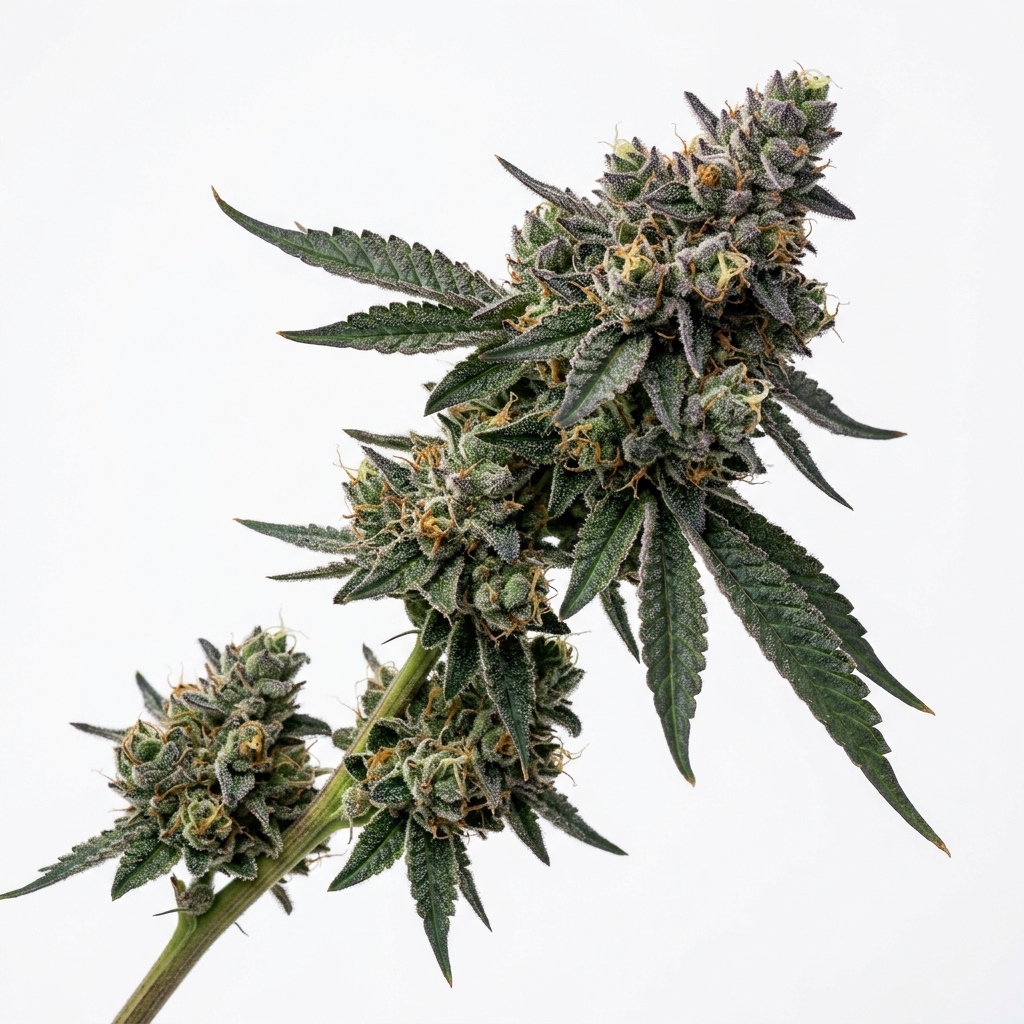
Blueberry Moon (Cannabis Strain)
Blueberry Moon is an indica-dominant hybrid cultivar testing between 18% and 24% THC, developed through the union of classic Blueberry and Blue Moonshine
genetics. The original breeder is not consistently documented in reliable public records, though the cut is deeply rooted in Pacific Northwest heirloom breeding lines. The finished flowers showcase dense, swollen calyxes coated in thick resin, paired with a distinct aromatic profile of ripe wild berries, warm hashish, and sweet earth. Grown widely for its rich terpene preservation and solventless extraction yield, Blueberry Moon maintains a steady, moderate growth pattern suited for indoor gardens.
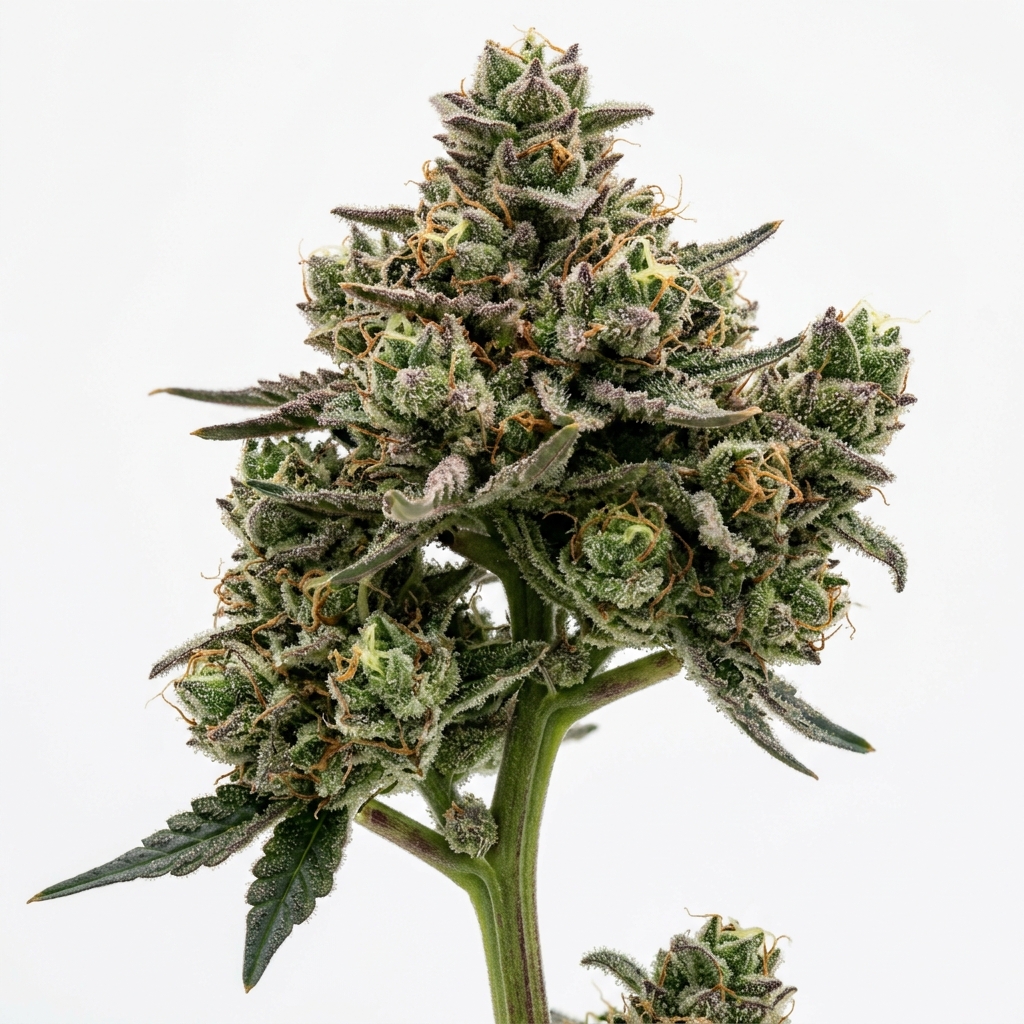
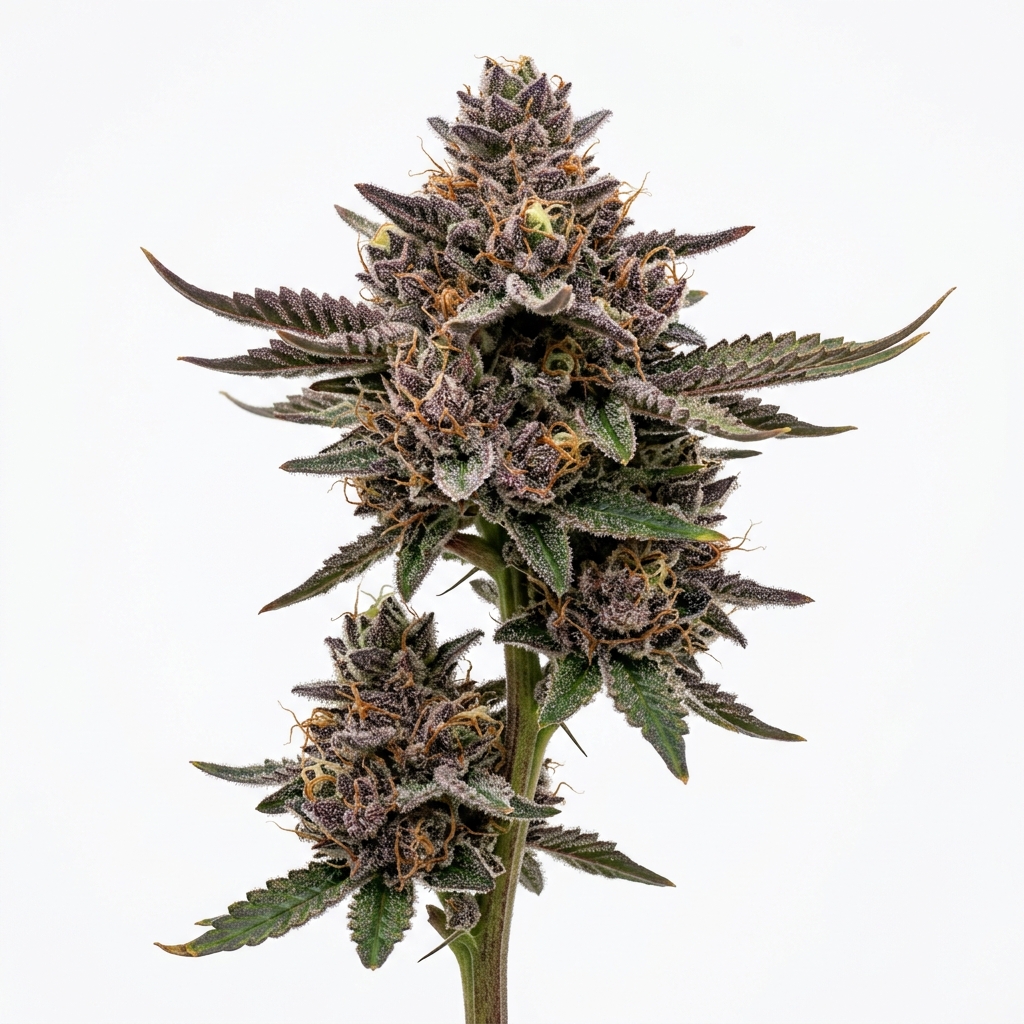
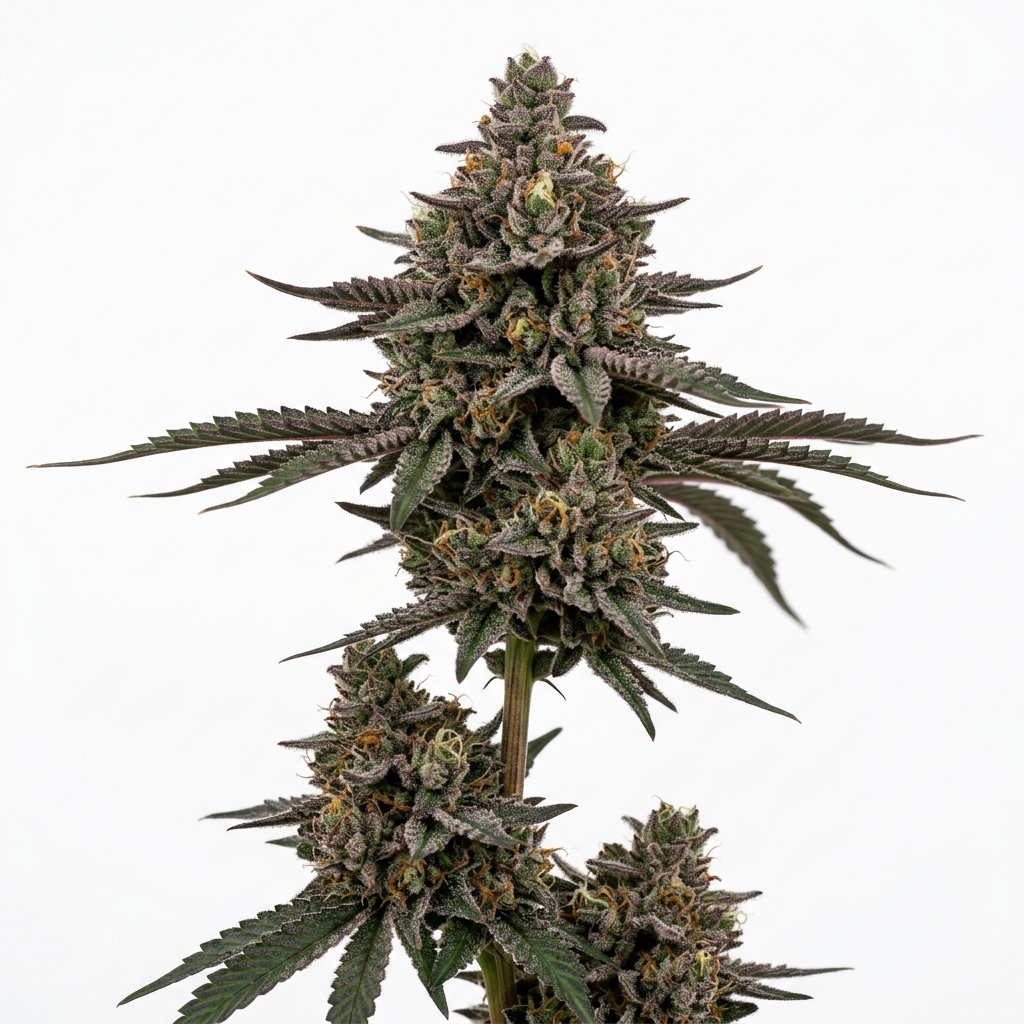
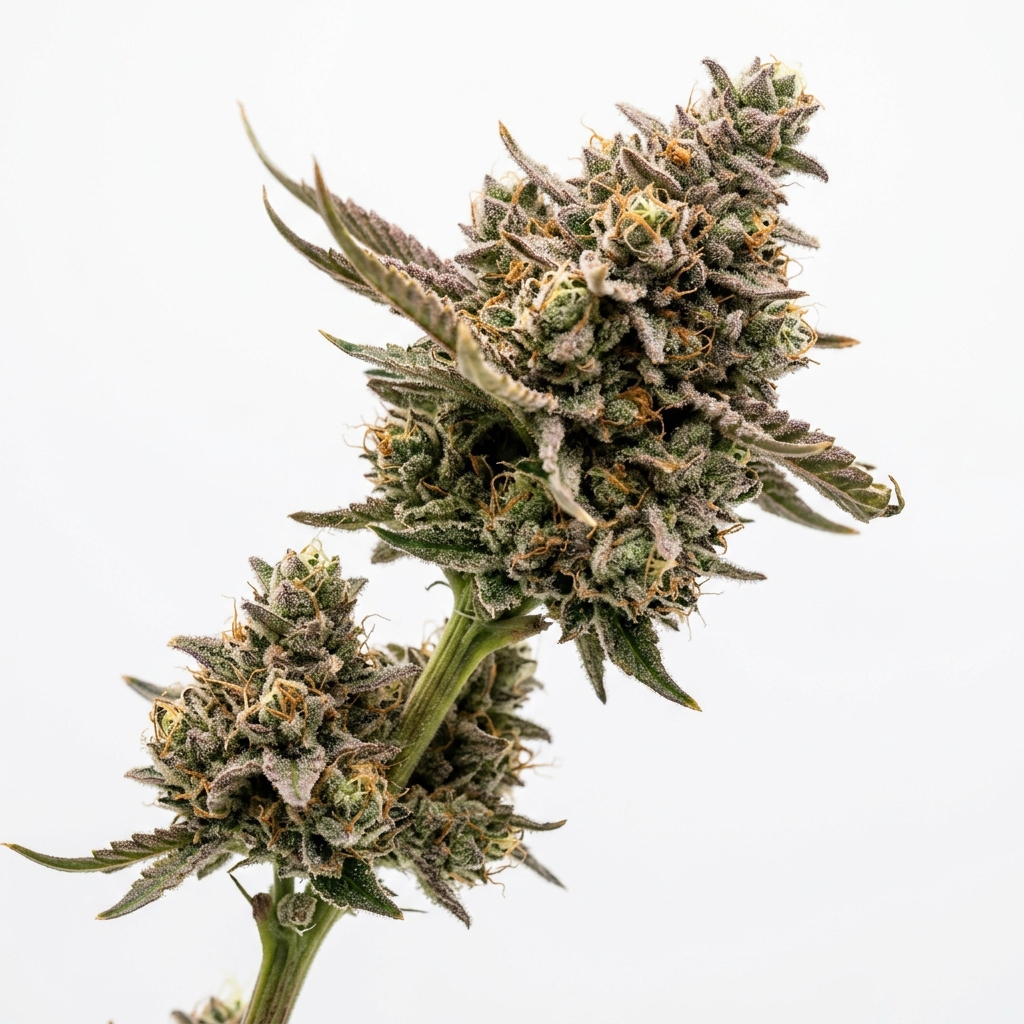
The cultivar inherited broad fan leaves and stout lateral branching from its indica-leaning ancestry. Buds cure into deep forest-green clusters often accented by navy and lavender calyx tips beneath a layer of glandular trichomes. Reported effects lean toward deep physical ease and unhurried mental calm, making it a staple evening selection.
Quick Facts
| Field | Details |
|---|---|
| Breeder | Not consistently documented |
| Genetics | Blueberry × Blue Moonshine |
| Variety | Indica-dominant hybrid (approx. 70% indica / 30% sativa) |
| THC Range | 18% – 24% |
| Flowering Time | 8 – 9 weeks (56 – 63 days) |
| Yield Potential | Moderate to High (400 – 500 g/m² indoor) |
| Plant Height | Medium (compact internodes) |
| Climate Preference | Temperate to Mediterranean; prefers controlled humidity |
| Difficulty | Moderate |
Scientific & Botanical Overview
Morphologically, Blueberry Moon expresses classic afghani-leaning traits, forming thick main stalks with short internodal spacing and wide, dark green fan leaves. As flowering progresses, bracts swell into tight, rounded clusters with minimal leaf-to-calyx ratio. Anthocyanin accumulation frequently appears in late bloom when night temperatures drop below 18°C.
The resin glands are characterized by broad trichome heads and durable stalks, creating a wet, crystalline frost over the bract surfaces. This physical structure makes the dried flower exceptionally sticky and yields well during mechanical sift or ice water extraction.
The primary chemical profile is driven by myrcene, caryophyllene, and pinene, supported by secondary notes of linalool and humulene. This monoterpene and sesquiterpene balance generates the signature blueberry-syrup bouquet combined with an underlying spicy wood foundation.
Effects & Use-Cases (Reported)
Commonly reported effects: Consumers typically describe a calm, heavy body sensation paired with quiet cerebral euphoria. The initial lift softens rapidly into sustained physical relaxation, easing muscular tension and slowing mental pace without aggressive disorientation.
Use-case context: Blueberry Moon is best suited for late evening consumption, quiet decompression at home, or unhurried creative rest. Its sedative qualities make it less desirable for active daytime tasks or high-focus work environments.
Note: Individual responses vary according to dosage, tolerance, and personal endocannabinoid tone. Cautious titration is recommended for new consumers.
Aroma & Flavors
Aroma: Freshly crushed blueberries, fermented fruit syrup, damp forest floor, and a distinct hashish warmth that sharpens when the buds are broken apart.
Flavor: The smoke delivers sweet berry and vanilla dough on the intake, followed by an earthy, peppery finish with subtle herbal pine on the exhale.
Terpene associations: High concentrations of myrcene drive the ripe fruit notes, while beta-caryophyllene contributes subtle spice and linalool provides a floral berry undertone.
Tested Cannabinoid & Terpene Ranges
| Compound | Typical Flower Range |
|---|---|
| Δ9-THC | 18% – 24% |
| CBD | < 1% (commonly 0.05% – 0.2%) |
| CBG | 0.5% – 1.2% |
| Total Terpenes | 1.5% – 2.8% |
| Primary Terpenes | Myrcene, Caryophyllene, Pinene, Linalool |
Range note: Values represent uninfused dried cannabis flower tested across commercial lab environments. Exact chemical distribution varies depending on cultivation methods, lighting intensity, and post-harvest drying conditions.
Cultivation Notes
- Humidity management: Maintain 55%–60% RH during early vegetative growth, tapering down to 40%–45% RH in late flower to protect the dense colas from botrytis.
- Nutrient requirements: Blueberry Moon is moderately light on nitrogen but responds well to steady phosphorus and potassium during mid-bloom bulking.
- Canopy training: Topping once or twice early in vegetative growth helps open up the tight branching structure and creates multiple primary colas.
- Defoliation: Periodic selective pruning of broad fan leaves is recommended around day 21 of flower to ensure light penetration and adequate airflow through the lower canopy.
- Harvest window: Optimal resin maturity typically occurs between days 56 and 63 of 12/12 light cycles, when trichome heads transition from cloudy to roughly 10%–15% amber.
Grower Notes (Week-by-Week Snapshot)
- Weeks 1–3 (Transition & Stretch): Modest vertical stretch of approximately 1.5×. Internodes remain tight, and initial pistil clusters form rapidly by the end of week two.
- Weeks 4–6 (Bud Formation & Resin Production): Calyxes swell and trichome coverage accelerates. Aromas shift from vegetative greens to sweet berry syrup and hash.
- Weeks 7–9 (Ripening & Color Expression): Flowers harden into compact nuggets. Lower night temperatures during week eight will bring out purple hues along the bract margins.
- Post-Harvest / Cure: Dry slowly at 15°C–18°C and 58%–62% RH for 12–14 days. A four-week glass jar cure locks in the sweet dark-fruit volatile terpenes.
Genetic Lineage
Blueberry Moon represents a thoughtful combination of two foundational lines from the blueberry family tree. The pollen recipient, classic Blueberry, was developed in the late 1970s and 1980s by combining Thai and Highland Oaxacan sativas with an Afghani indica, creating the benchmark standard for sweet berry aromatics.
The second parent, Blue Moonshine, is a potent, hash-plant descendant within the same family line, selected for its stout structural frame, heavy gland density, and narcotic relaxation. Blending these two lines reinforces resin output and shortens flowering duration while preserving the classic fruit terpene profile.
Research Insights
Cannabis research indicates that the interplay between myrcene and beta-caryophyllene often correlates with reported physical relaxation and sedative qualities. Myrcene has been studied for its potential to alter cell membrane permeability, while caryophyllene acts as a dietary cannabinoid binding directly to peripheral CB2 receptors.
While general scientific literature provides valuable data regarding individual terpenes and cannabinoids, specific therapeutic outcomes cannot be attributed definitively to Blueberry Moon as a whole. Commercial batch variance and personal biology remain significant variables in how the cultivar is experienced.
Frequently Asked Questions
Who bred Blueberry Moon?
The original breeder is not consistently documented in verified public records, though the cultivar stems from heritage Blueberry and Blue Moonshine gene pools originating in the Pacific Northwest.
Is Blueberry Moon an indica or sativa?
Blueberry Moon is an indica-dominant hybrid, displaying roughly 70% indica and 30% sativa morphology, characterized by compact growth and deeply relaxing properties.
What does Blueberry Moon smell and taste like?
The cultivar features an aroma of ripe blueberries, sweet fruit syrup, and earthy hashish, translating on the palate into a flavor of sweet berry dough with a peppery, pine-laced finish.
What is the flowering time for Blueberry Moon?
When grown indoors under standard 12/12 lighting cycles, Blueberry Moon finishes flowering in 8 to 9 weeks (56 to 63 days).
Educational Disclaimer
This content is for educational and informational purposes only. Cannabis laws and regulations vary by jurisdiction. Always consult with a qualified professional before beginning any cultivation project or consuming cannabis products.
Rate and review this strain
Ratings and reviews are accepted only from signed-in Google accounts.
Sign in with Google to leave a rating and written review.
Latest Reviews
0 reviewsNo reviews yet. Be the first Google user to rate and review this strain.
Follow New Cultivar Records
Get newly documented genetics, breeder history, research highlights, and important Strainpedia discoveries by email.