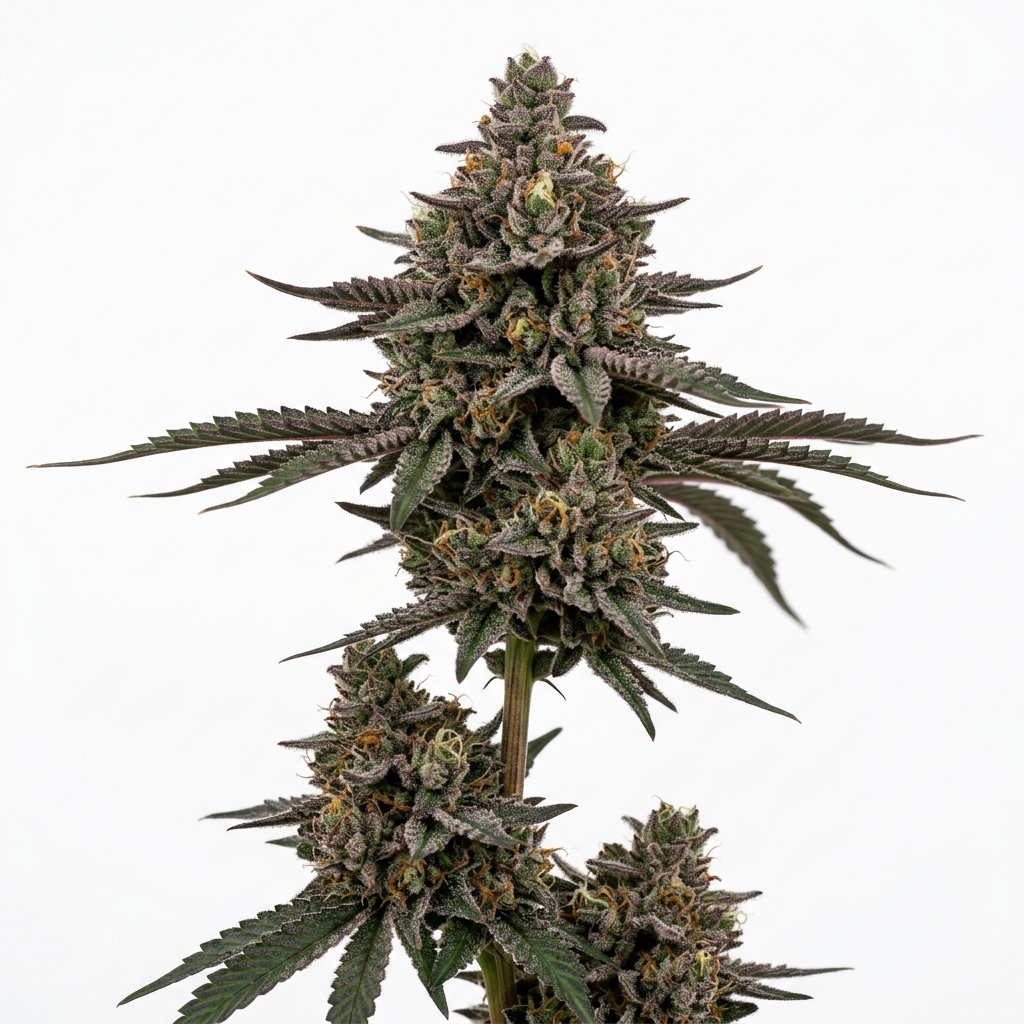
Dat Flava (Cannabis Strain)
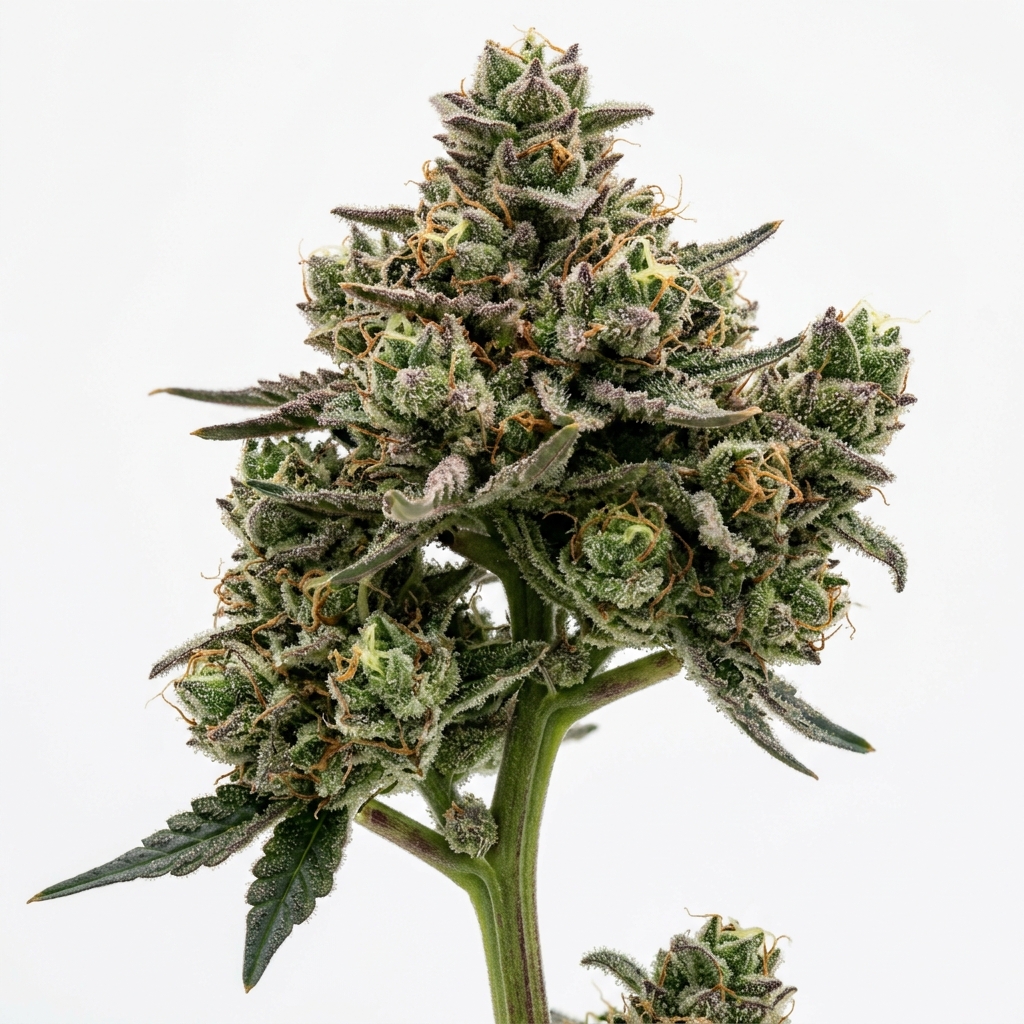
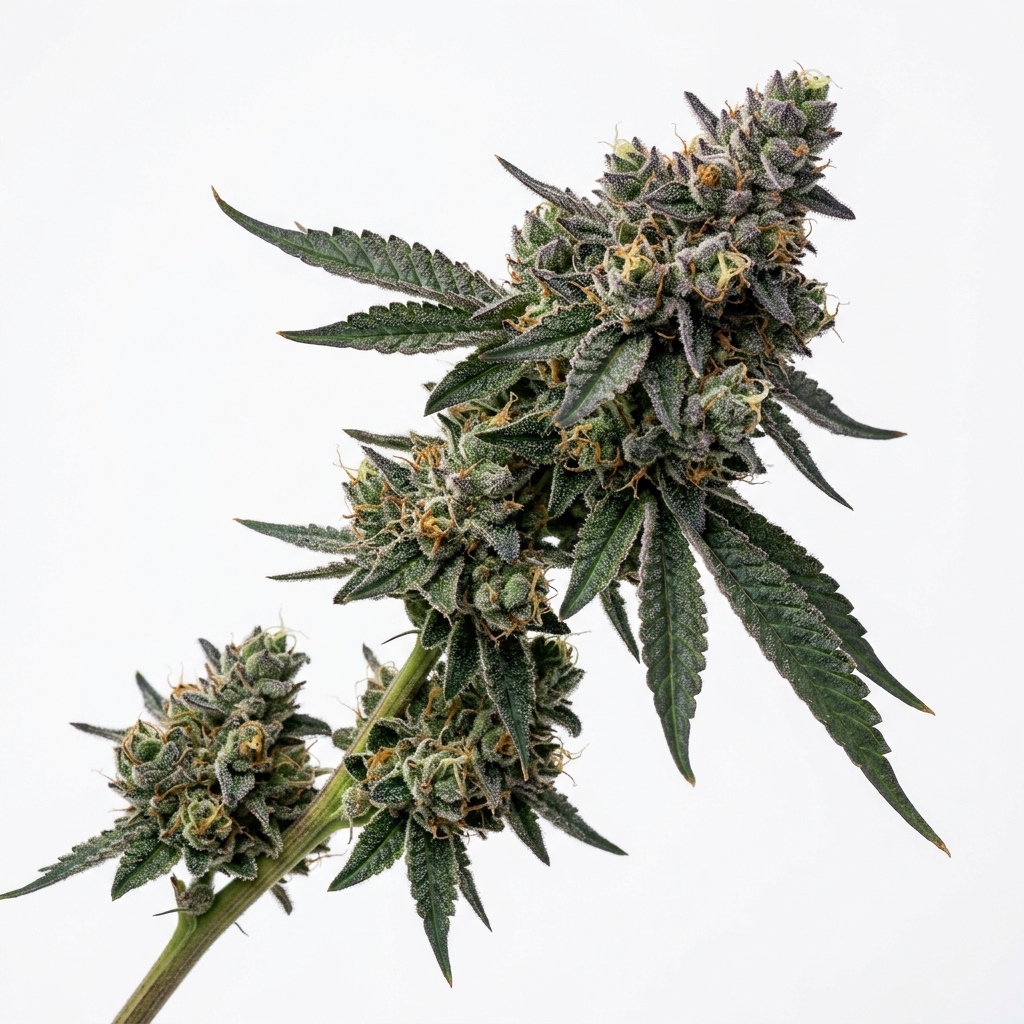
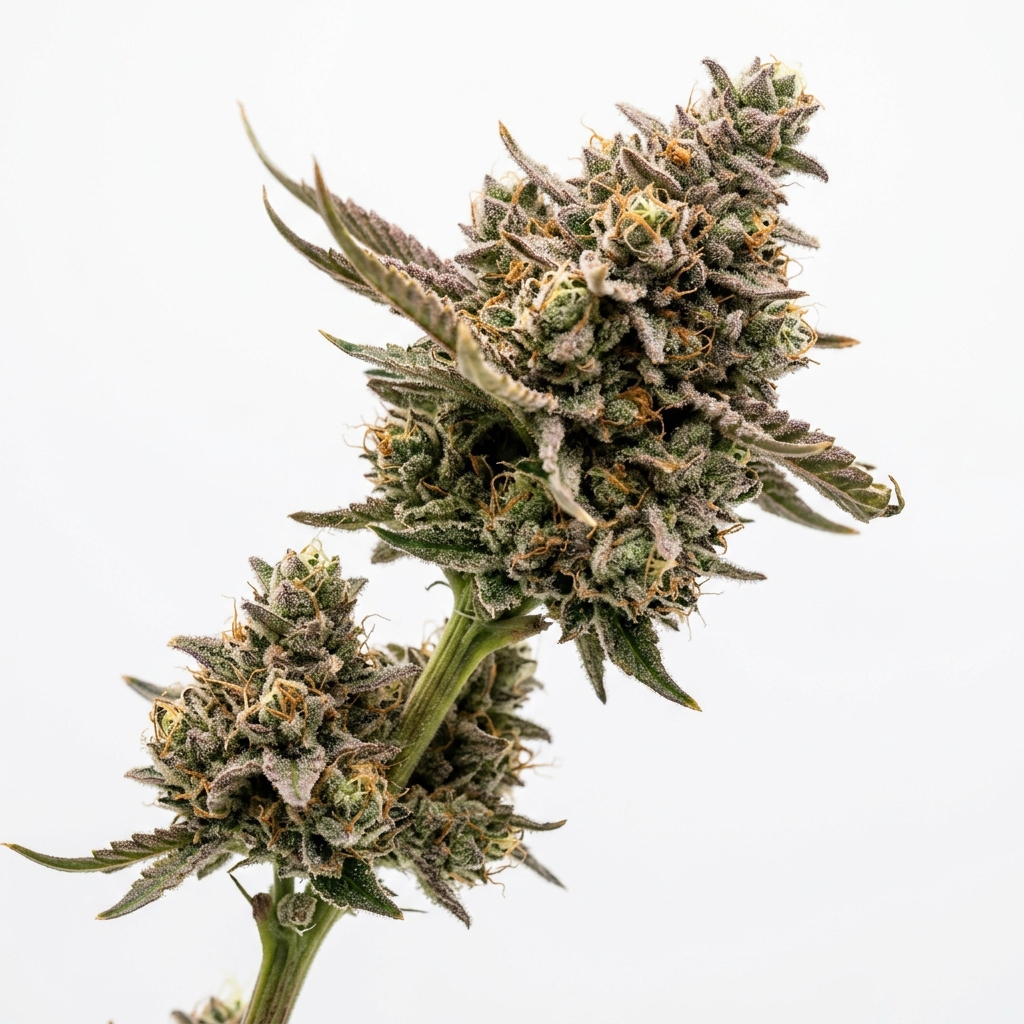
Dat Flava is an indica-dominant hybrid bred by Cannarado Genetics, created by crossing Gelato #41 (Bacio Gelato) with Sundae Driver. Dried flower typically tests between 20% and THC not consistently reported, producing dense, trichome-laden buds that balance sweet fruit cream with a sharp fuel finish. The cultivar has earned respect among cultivators and extractors for its heavy resin coverage, strong branching, and dependable dessert-forward aromatic profile.
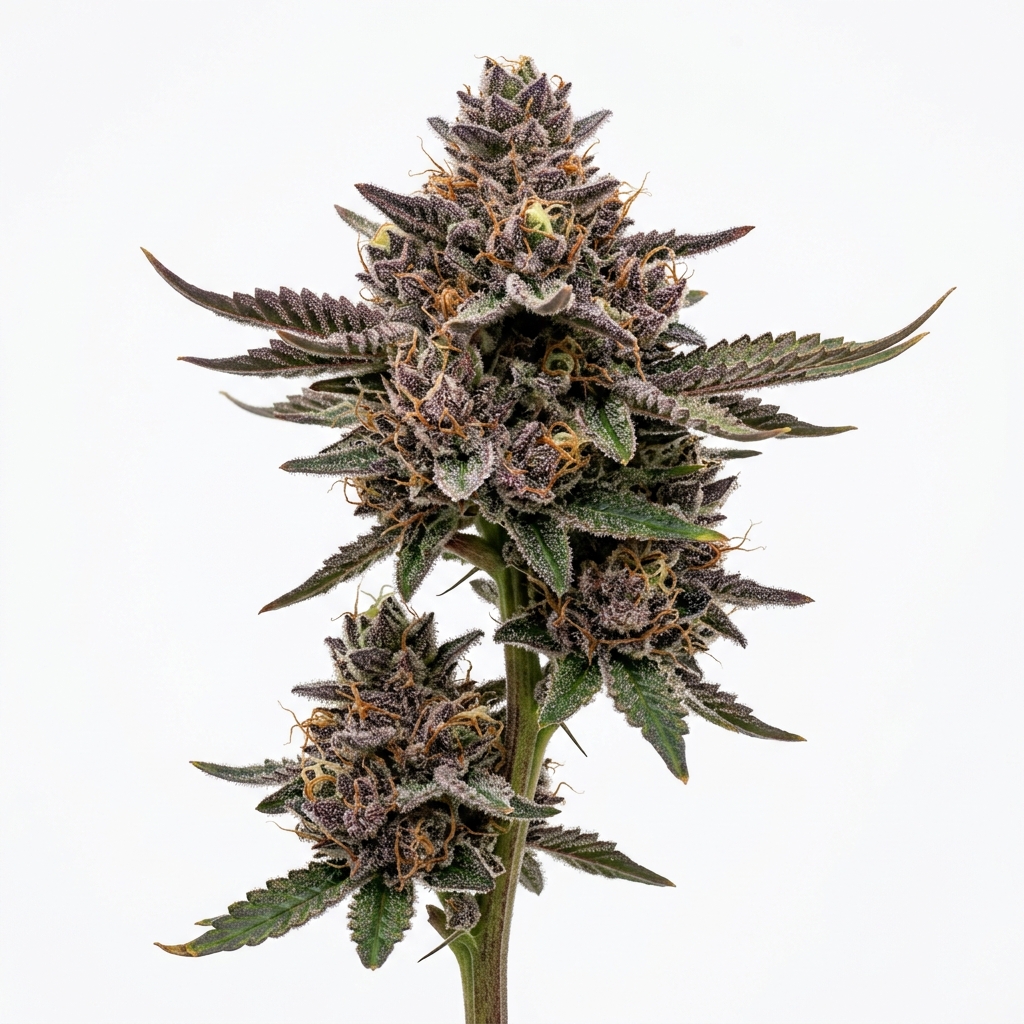
The variety expresses physical traits from both parental lines, combining the dark coloration and tight internodal spacing of Gelato with the vigor and sugary terpene profile of Sundae Driver. In the garden, it develops thick spear colas coated in greasy resin, shifting to deep violet shades in late flower under cooler night temperatures. Consumers commonly describe the experience as physically soothing and calming, paired with an alert, mellow head space suitable for late-afternoon and evening hours.
Quick Facts
| Field | Detail |
|---|---|
| Breeder | Cannarado Genetics |
| Genetics | Gelato #41 × Sundae Driver |
| Variety | Indica-dominant hybrid (approx. 60/40) |
| THC Range | 20% – 26% |
| Flowering Time | 8 – 9 weeks (56 – 63 days) |
| Yield Potential | Moderate to high (approx. 450 – 550 g/m² indoors) |
| Plant Height | Medium (controlled vertical stretch) |
| Climate Preference | Temperate to warm Mediterranean; controlled indoor |
| Difficulty | Moderate |
Scientific & Botanical Overview
Dat Flava shows standard hybrid morphology characterized by thick central stems, moderate internodal spacing, and broad, dark green fan leaves. As flowering progresses, the calyx-to-leaf ratio remains favorable, producing dense floral clusters rather than loose, leafy buds. The anthocyanin expression inherited from both Gelato and Grape Pie lineages often turns the bracts and sugar leaves deep plum or purple during the final two weeks of flowering.
The cultivar is distinguished by its dense coverage of capitate-stalked glandular trichomes. These resin glands produce a sticky outer layer that protects secondary metabolites throughout late bloom. The dense bract formation requires attentive humidity control indoors to maintain floral health through final ripening.
Vegetative growth is steady and predictable, responding well to early topping and low-stress training. Stretch after the transition to flower is moderate, typically settling at roughly 1.5 times the vegetative height. This manageable architecture makes Dat Flava suitable for multi-tier indoor setups and standard SCROG canopies.
Effects & Use-Cases (Reported)
Commonly reported effects: Consumers typically report a smooth, creeping onset that begins behind the eyes before settling into a warm, heavy body relaxation. The mental state is generally described as calm, relaxed, and clear, avoiding the sharp raciness sometimes found in narrower-leaf cultivars. As the session progresses, the physical effects deepen, encouraging physical rest and leisure.
Use-case context: Dat Flava is primarily selected for evening wind-down routines, low-stress social gatherings, or passive creative tasks like listening to music or watching films. Its grounded, tranquil profile makes it well-suited for late-day use when demanding cognitive tasks are completed.
Individual experiences with cannabis vary widely based on tolerance, dosage, consumption method, and specific batch chemistry. High-potency cultivars should always be approached with gradual titration.
Aroma & Flavors
Aroma: The cured flowers release an immediate bouquet of sweet berry cream, sugary dough, and ripe grape, underpinned by a sharp, pungent gas layer. Breaking open a bud intensifies the diesel bite and reveals deeper notes of damp earth, spicy musk, and subtle vanilla.
Flavor: The palate follows the nose closely, delivering a smooth inhale dominated by sweet fruit glaze, marshmallow cream, and subtle citrus rind. The exhale transitions to an earthier profile, leaving a lingering finish of peppery gas and toasted cookie dough.
Terpene associations: Analytical testing across related Gelato and Sundae Driver lines commonly highlights beta-caryophyllene as the dominant terpene, backed by secondary concentrations of limonene, myrcene, and linalool. This combination drives the balance between sweet dessert notes, citrus lift, and peppery fuel.
Tested Cannabinoid & Terpene Ranges
| Compound | Type | Typical Flower Range |
|---|---|---|
| Δ9-THC | Cannabinoid | 20.0% – 26.0% |
| CBD | Cannabinoid | < 0.2% |
| CBG | Cannabinoid | 0.5% – 1.2% |
| Total Cannabinoids | Cannabinoid | 23.0% – 29.0% |
| β-Caryophyllene | Terpene | 0.40% – 0.90% |
| D-Limonene | Terpene | 0.30% – 0.70% |
| β-Myrcene | Terpene | 0.20% – 0.50% |
| Linalool | Terpene | 0.10% – 0.30% |
| Total Terpenes | Terpene | 1.5% – 2.8% |
Range note: Cannabinoid and terpene percentages reflect dried, uninfused flower samples tested across variable indoor environments. Exact analytical outcomes will vary depending on phenotype selection, lighting intensity, nutrient regimen, and curing protocols.
Cultivation Notes
- Humidity management: Maintain 55% to 60% relative humidity during the vegetative stage, lowering to 45% in mid-bloom and 40% in late bloom to protect dense colas against mold.
- Nutrient requirements: Dat Flava feeds moderately, performing best with steady calcium and magnesium support during early flower and reduced nitrogen after week four.
- Canopy training: Top the plant early in vegetative growth and apply low-stress training or a trellis screen to encourage even light penetration across lower bud sites.
- Defoliation: Conduct a light strip around day 21 of flower to open up the canopy interior, followed by selective leaf cleanup at day 42 to improve airflow.
- Harvest window: Most phenotypes reach peak maturity between days 56 and 63, signaled when trichomes show a mostly cloudy appearance with light amber development.
Grower Notes (Week-by-Week Snapshot)
- Weeks 1–3 (Establishment & Stretch): Moderate vertical stretch of 1.5x occurs; establish canopy height early with soft ties and complete a clean baseline defoliation before floral sites set.
- Weeks 4–6 (Bud Formation & Resin): Internodes fill out rapidly into compact spear clusters; trichome production surges with noticeable dessert and gas aromas developing by week five.
- Weeks 7–9 (Ripening & Color Fade): Floral calyxes swell noticeably; dropping nighttime temperatures by 5°F to 8°F brings out purple hues across bracts and fan leaves as trichomes turn cloudy.
- Post-Harvest (Drying & Curing): Dry whole plants at 60°F and 60% relative humidity for 12 to 14 days; cure in airtight glass or stainless vessels for at least three weeks to preserve the berry-cream profile.
Genetic Lineage
Dat Flava unites two prominent modern cultivars: Gelato #41 and Sundae Driver. Gelato #41, bred by the Sherbinskis collective from Sunset Sherbet and Thin Mint GSC, contributes structure, deep coloration, and a heavy, dessert-gas terpene foundation. Its presence gives the hybrid its dense calyx density and substantial resin gland production.
The pollen donor, Sundae Driver (Fruity Pebbles OG × Grape Pie), is known for its sweet, sugary berry aroma and smooth smoking profile. Crossing these lines brings out enhanced vigor, balanced branching, and a complex aroma that blends sweet confectionary notes with the pungent earth and fuel of classic Cookie lines.
Research Insights
Cannabis phytochemical research shows that cultivars high in beta-caryophyllene, limonene, and myrcene feature complex aromatic interactions that influence sensory perception. Beta-caryophyllene is unique among dietary terpenes for its affinity for CB2 receptor sites in laboratory assays, while limonene and linalool are widely studied for their presence in calming and mood-related aromatic profiles.
These scientific findings reflect broad pharmacological investigations of isolated terpenes and cannabinoids rather than clinical trials on the Dat Flava cultivar specifically. The collective experience of the strain is the result of its full chemical matrix, individual body chemistry, and controlled post-harvest preservation of volatile compounds.
Frequently Asked Questions
Who bred the Dat Flava strain?
Dat Flava was bred by Cannarado Genetics, an established Colorado-based breeding collective known for working extensively with modern dessert and fuel lineages.
Is Dat Flava an indica or sativa?
Dat Flava is an indica-dominant hybrid, generally showing an approximate 60% indica and 40% sativa balance in its structural growth and physical effects.
What does Dat Flava smell and taste like?
The cultivar smells of sweet berry glaze, marshmallow cream, and ripe fruit layered over pungent diesel fuel and damp earth. The taste is sweet and doughy on the inhale with a peppery, gassy exhale.
What is the flowering time for Dat Flava?
Indoor flowering typically takes between 8 and 9 weeks (56 to 63 days) for plants to reach optimal trichome maturity and peak resin production.
Educational Disclaimer
This content is for educational and informational purposes only. Cannabis laws and regulations vary by jurisdiction. Always consult with a qualified professional before beginning any cultivation project or consuming cannabis products.
Rate and review this strain
Ratings and reviews are accepted only from signed-in Google accounts.
Sign in with Google to leave a rating and written review.
Latest Reviews
0 reviewsNo reviews yet. Be the first Google user to rate and review this strain.
Follow New Cultivar Records
Get newly documented genetics, breeder history, research highlights, and important Strainpedia discoveries by email.