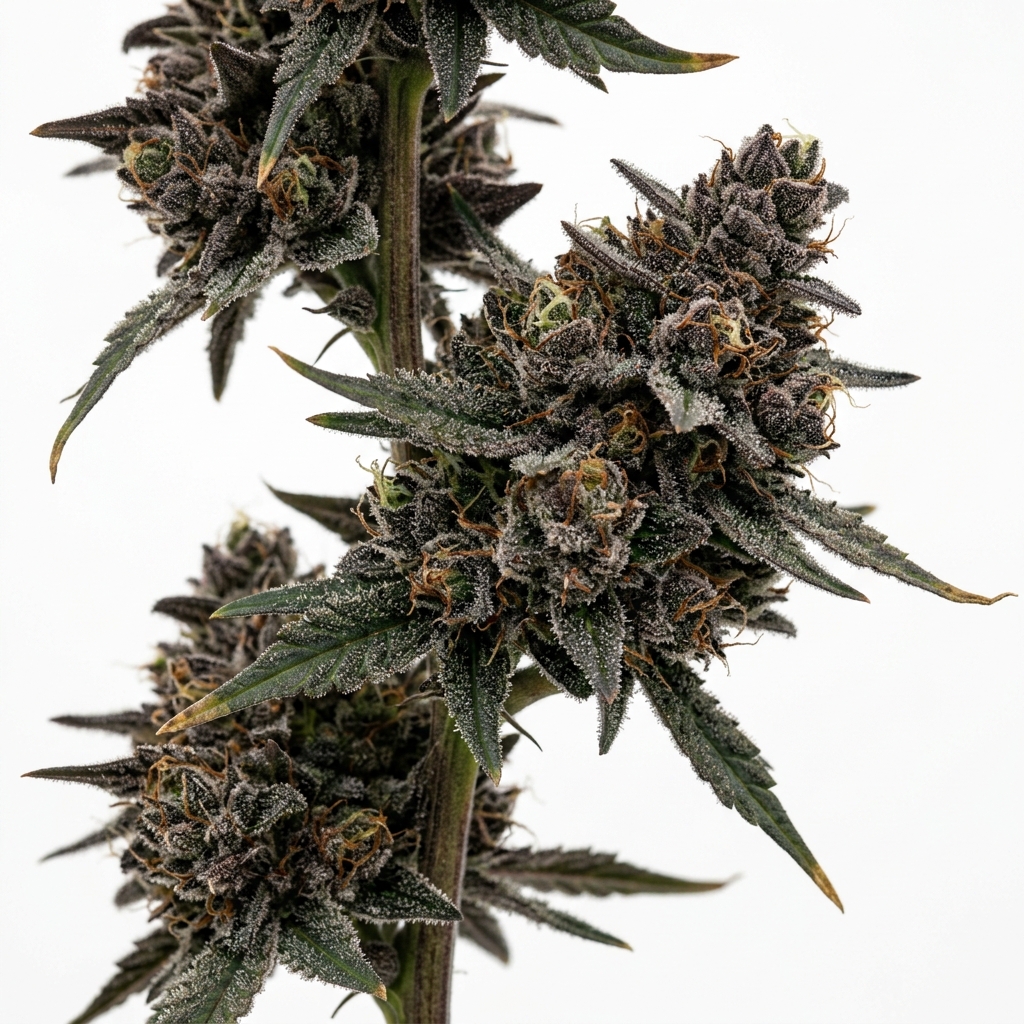
Baccarat (Cannabis Strain)
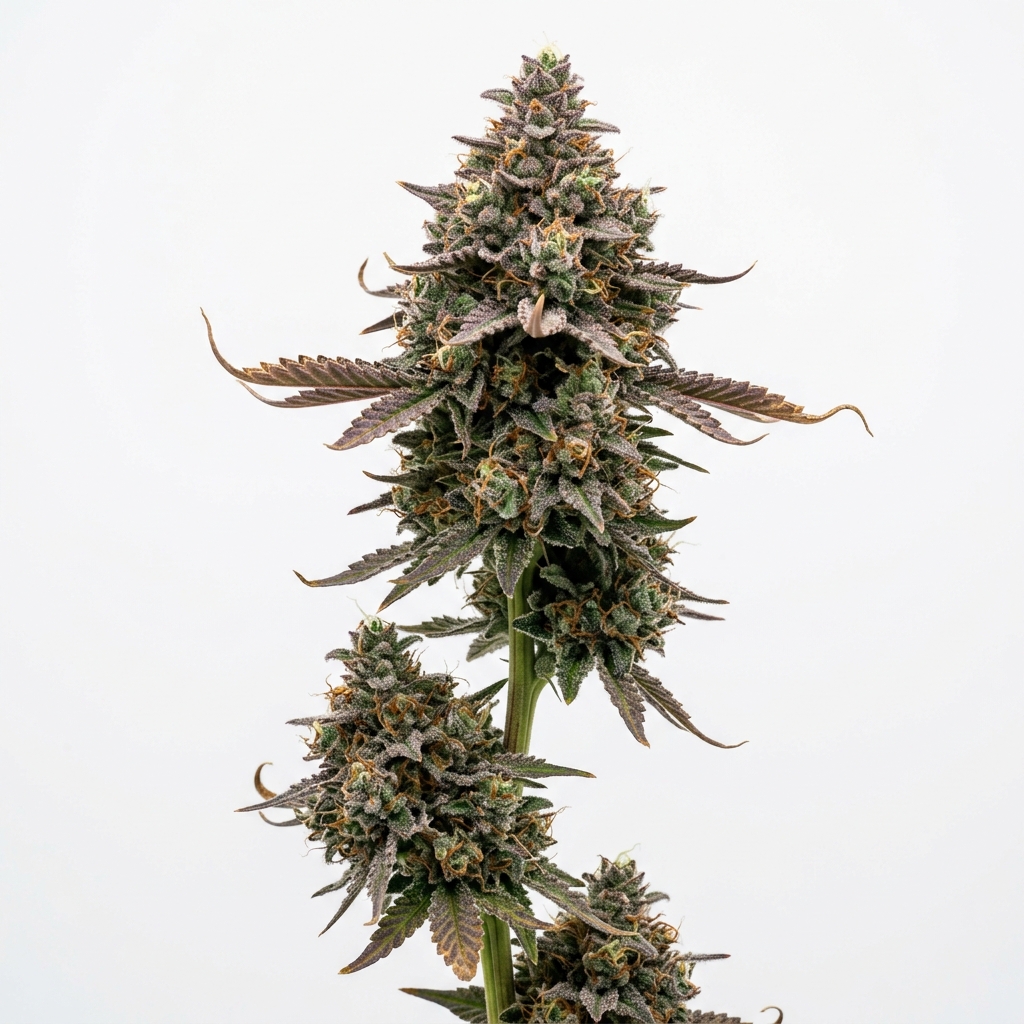
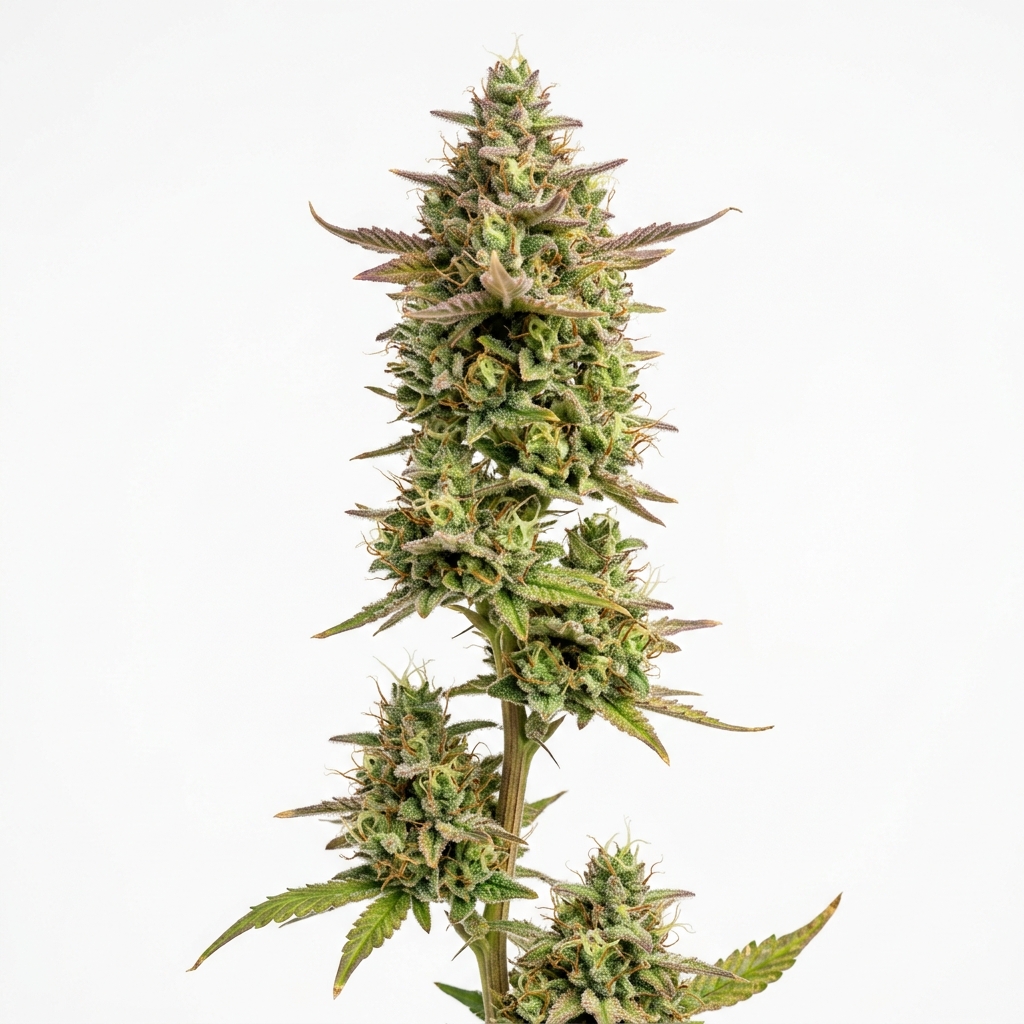
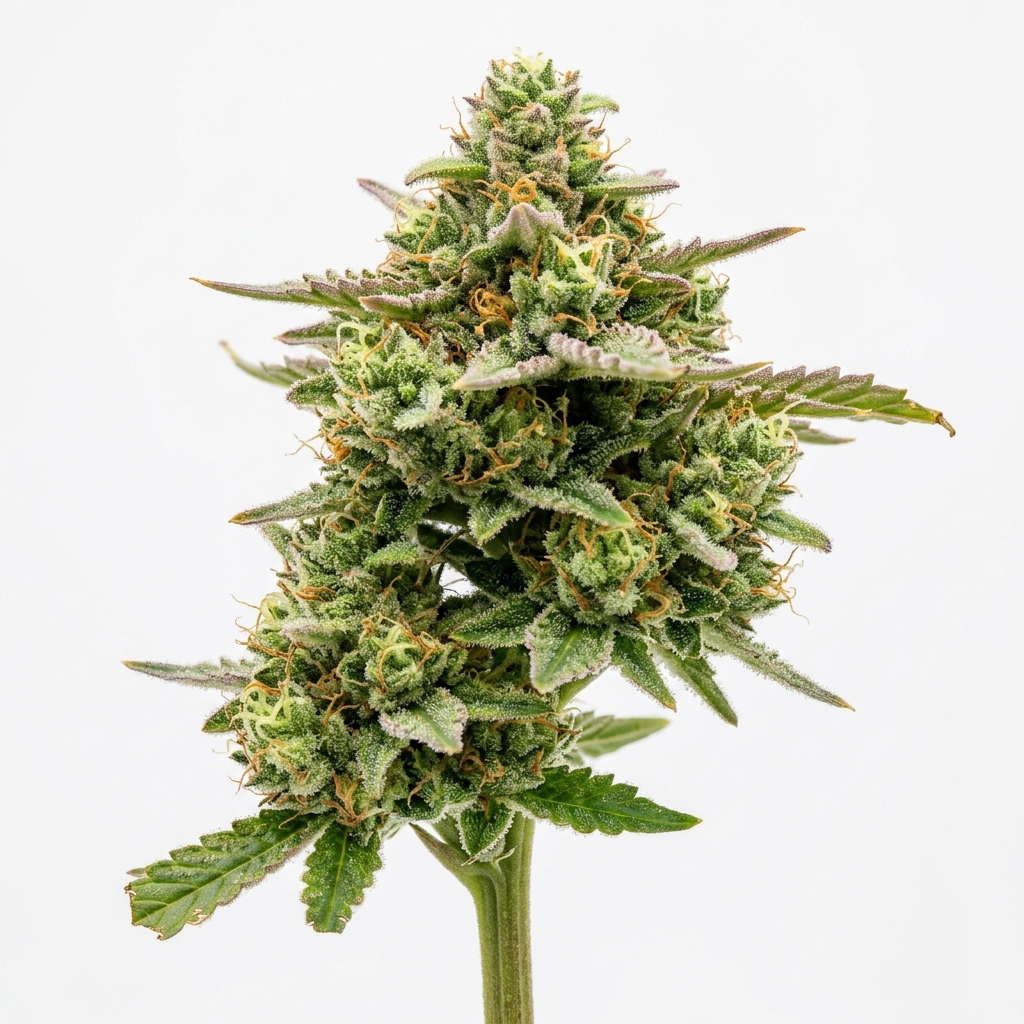
Baccarat is a boutique hybrid cultivar typically testing between 22% and 28% THC, most commonly selected from a pairing of Biscotti and Jealousy. The cultivar displays an aromatic profile of sweet baked dough, pungent fuel, and dark fruit, underscored by a heavy blanket of wet frost across dense, purple-tinted calyxes. Its balanced growth behavior yields compact, structural colas that appeal strongly to modern flower connoisseurs and solventless extractors alike.
Breeder attribution is widely associated with modern West Coast craft selections focused on the Gelato and Cookies gene pools, though specific clone cuts circulate among multiple boutique operations. The plant develops sturdy lateral branching capable of bearing substantial flower mass with minimal staking. Reported experiences center on a calm, heavy body presence paired with a relaxed mental state suited for unhurried evening hours.
Quick Facts
| Field | Details |
|---|---|
| Breeder | Boutique West Coast breeders (commonly reported) |
| Genetics | Biscotti × Jealousy |
| Variety | Hybrid (approx. 60% Indica / 40% Sativa) |
| THC Range | 22% – 28% |
| Flowering Time | 8 – 9 weeks (56 – 63 days) |
| Yield Potential | Moderate to high (400 – 500 g/m²) |
| Plant Height | Medium (90 – 130 cm indoor) |
| Climate Preference | Controlled indoor / Mild Mediterranean outdoor |
| Difficulty | Moderate |
Scientific & Botanical Overview
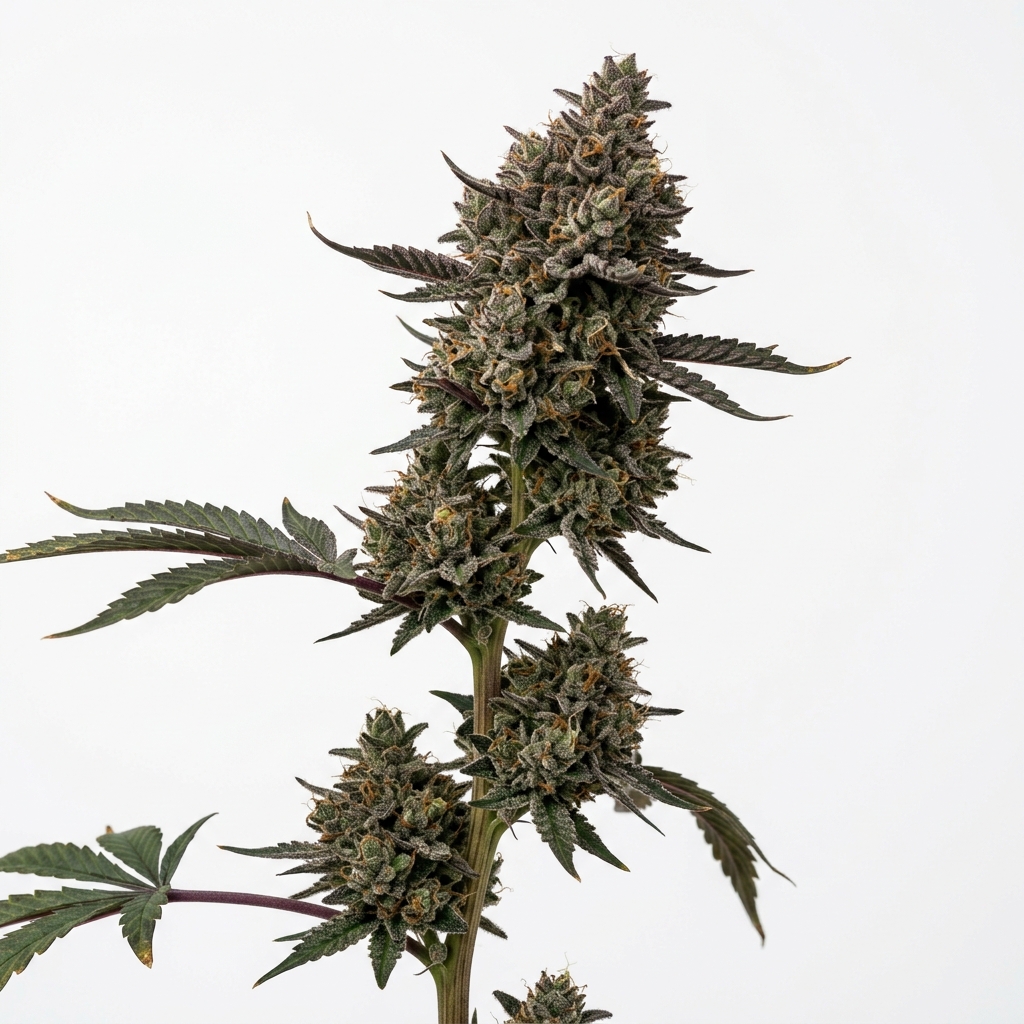
Baccarat develops a moderately compact vegetative profile characterized by broad fan leaves, dark olive foliage, and tight internodal spacing. As flowering progresses, anthocyanin accumulation frequently turns the bract tissue deep purple and charcoal black, particularly when night temperatures drop below 20°C in the final three weeks. The calyx-to-leaf ratio remains favorable, simplifying mechanical or hand-trimming during processing.
The glandular trichomes on Baccarat feature large, bulbous capitate-stalked heads that mature uniformly across the bract surface and surrounding sugar leaves. Resin glands secrete high concentrations of volatile monoterpenes and sesquiterpenes early in the bloom cycle, forming a sticky, greasy texture by week six. This thick cuticle layer serves as a natural defensive barrier against minor environmental stressors while concentrating aromatic compounds.
Stems are thick and fibrous, providing the plant with the physical rigidity necessary to hold heavy terminal clusters without severe drooping. While vertical stretch after the light flip is generally moderate at 1.5x, secondary lateral branches tend to catch up to the main apical stem under even light distribution. This trait makes the cultivar responsive to canopy leveling techniques such as low-stress training and trellising.
Effects & Use-Cases (Reported)
Commonly reported effects: Consumers typically describe an immediate sense of mental ease followed by a deep, warming body relaxation. The initial onset is smooth and calm, easing physical tension without an aggressive initial head rush. As the duration extends, the experience settles into a heavy, grounding physical state that encourages resting or quiet leisure activities.
Use-case context: Because of its sedative lean and substantial cannabinoid concentration, Baccarat is predominantly chosen for evening or late-night sessions. It fits well into wind-down routines, film viewing, listening to music, or quiet conversation where high energy is unnecessary.
Note: Individual experiences with cannabis cultivars vary based on personal tolerance, physiology, consumption method, and specific batch chemistry.
Aroma & Flavors
Aroma: The cured flowers emit a layered scent profile combining rich cookie dough, nutty vanilla, and sharp kerosene gas. Breaking open a dense bud releases deeper background notes of dark plums, wet earth, and cracked black pepper.
Flavor: On the inhale, Baccarat provides a creamy, sweet pastry flavor with subtle undertones of tart berries. The exhale turns noticeably more pungent, leaving a lingering finish of fuel, spice, and toasted almonds on the palate.
Terpene associations: The dominant aromatic character is driven by beta-caryophyllene, limonene, and linalool, with secondary contributions from humulene and myrcene adding earthiness and depth.
Tested Cannabinoid & Terpene Ranges
| Compound | Type | Typical Range |
|---|---|---|
| Δ9-THC | Cannabinoid | 22.0% – 28.0% |
| CBG | Cannabinoid | 0.5% – 1.2% |
| CBD | Cannabinoid | < 0.2% |
| β-Caryophyllene | Terpene | 0.6% – 1.4% |
| D-Limonene | Terpene | 0.4% – 1.0% |
| Linalool | Terpene | 0.2% – 0.5% |
| α-Humulene | Terpene | 0.1% – 0.4% |
Range note: Cannabinoid and terpene levels are literature-informed estimates derived from commercial testing data of mature, uninfused dried flower. Actual chemical output depends heavily on cultivation medium, lighting, environment, harvest timing, and post-harvest drying conditions.
Cultivation Notes
- Humidity management: Maintain relative humidity between 55% and 60% during early bloom, lowering it progressively to 40% – 45% during weeks seven through nine to protect the dense flower clusters from mold.
- Nutrient requirements: Baccarat manages moderate to heavy nutrient regimens well in peak flower, but requires measured nitrogen levels past week four to avoid delayed maturation and leafy bud formation.
- Canopy training: Topping once or twice in late vegetative growth coupled with a horizontal trellis net encourages even light distribution across secondary tops.
- Defoliation: Perform a thorough bottom-up defoliation around day 21 of flower to open inner airflow corridors and ensure direct light penetration to lower nodes.
- Harvest window: Optimal resin maturity typically occurs between day 56 and day 63, signaled by a high proportion of milky trichome heads and receding amber pistils.
Grower Notes (Week-by-Week Snapshot)
- Weeks 1–3 (Stretch & Transition): The plant stretches moderately at roughly 1.5 times its vegetative height. Internodal spacing remains relatively tight, and early bud sites establish quickly along the upper third of each branch.
- Weeks 4–6 (Bud Formation & Resin): Calyxes swell and trichome coverage accelerates rapidly. The distinct aroma of sweet gas and nutty dough becomes prominent across the growing space.
- Weeks 7–9 (Ripening & Color Expression): Inflorescences harden into rock-solid clusters with deep purple coloring appearing across bracts. Flushing or tapering nutrients allows the resin heads to turn milky with scattered amber.
- Post-Harvest (Drying & Curing): Dry slowly at 15°C – 18°C and 58% – 62% relative humidity for 12 to 14 days to preserve fragile monoterpenes before a minimum three-week glass cure.
Genetic Lineage
Baccarat brings together two prominent modern heavyweights in contemporary cannabis breeding: Biscotti and Jealousy. Biscotti (Gelato 25 × South Florida OG) contributes rich notes of baked sweetness, diesel undertones, and a stout branch structure. Jealousy (Gelato 41 × Sherbet Bx1) imparts deep purple pigmentation, vibrant bag appeal, and an elevated caryophyllene-rich terpene profile.
The combination of these lineages reinforces classic dessert and fuel traits while stabilizing flower density. The resulting progeny consistently displays heavy resin head density, making Baccarat a popular genetic candidate among growers seeking premium jar appeal alongside dependable physical traits.
Research Insights
Scientific investigations into cannabis flower chemistry frequently highlight beta-caryophyllene for its unique ability to interact directly with peripheral CB2 receptors, functioning as a dietary cannabinoid alongside classical phytocannabinoids. Research also associates linalool and limonene with potential calming and mood-modulating mechanisms in preclinical models.
These generalized scientific findings provide useful context for the chemical classes detected in Baccarat, but they do not constitute proven pharmacological claims for this specific cultivar. The perceived character of the strain is the result of its full chemical complexity interacting with individual human endocannabinoid systems.
Frequently Asked Questions
Who is the original breeder of the Baccarat strain?
The original breeder is not definitively documented to a single source in public records, though the cut is widely credited to boutique California breeders operating within the Biscotti and Jealousy breeding lineage.
Is Baccarat an indica or sativa cultivar?
Baccarat is a balanced hybrid with a noticeable indica lean (approximately 60% indica / 40% sativa), displaying compact growth traits and heavy, relaxing body effects.
What does Baccarat smell and taste like?
It carries an aroma of sweet cookie dough, pungent fuel, and dark berries, delivering a flavor profile of creamy almond pastry, peppery spice, and a sharp gas exhale.
What is the typical flowering time for Baccarat?
When grown in indoor setups, Baccarat finishes flowering in 8 to 9 weeks (56 to 63 days) depending on the desired ratio of milky-to-amber trichomes.
Educational Disclaimer
This content is for educational and informational purposes only. Cannabis laws and regulations vary by jurisdiction. Always consult with a qualified professional before beginning any cultivation project or consuming cannabis products.
Rate and review this strain
Ratings and reviews are accepted only from signed-in Google accounts.
Sign in with Google to leave a rating and written review.
Latest Reviews
0 reviewsNo reviews yet. Be the first Google user to rate and review this strain.
Follow New Cultivar Records
Get newly documented genetics, breeder history, research highlights, and important Strainpedia discoveries by email.