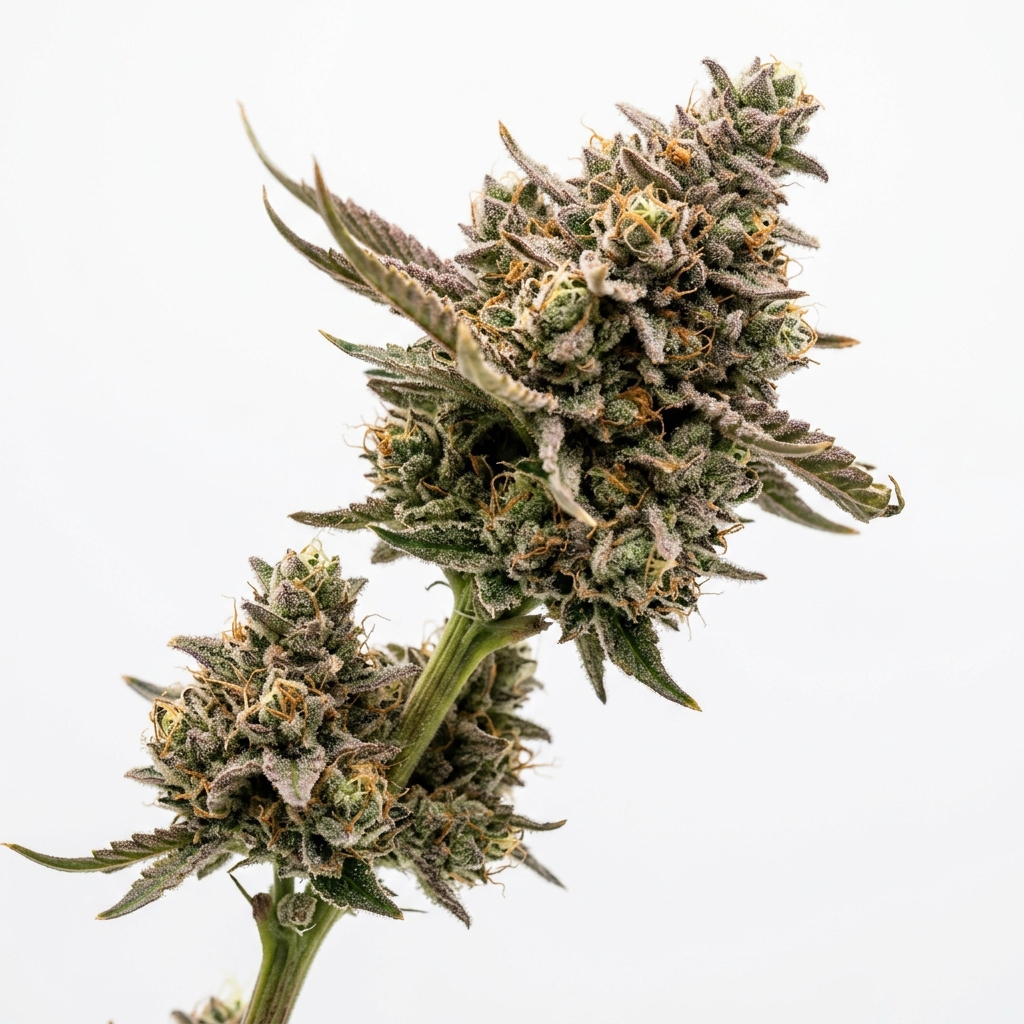
Cereal Runtz (Cannabis Strain)
Cereal Runtz is a modern boutique hybrid cultivated for its sweet confectionary profile, rich resin coverage, and balanced potency. Typically testing between 22% and THC not consistently reported in uninfused flower, the cultivar unites two heavyweight modern lines: Cereal Milk and Runtz. The original breeder is not consistently documented in reliable public sources, as several craft operations and seedmakers have circulated selections of this cross. In the garden, it produces medium-height plants with stout branching, swollen calyxes, and a heavy coating of greasy trichomes suited for both dry flower and solventless extraction.
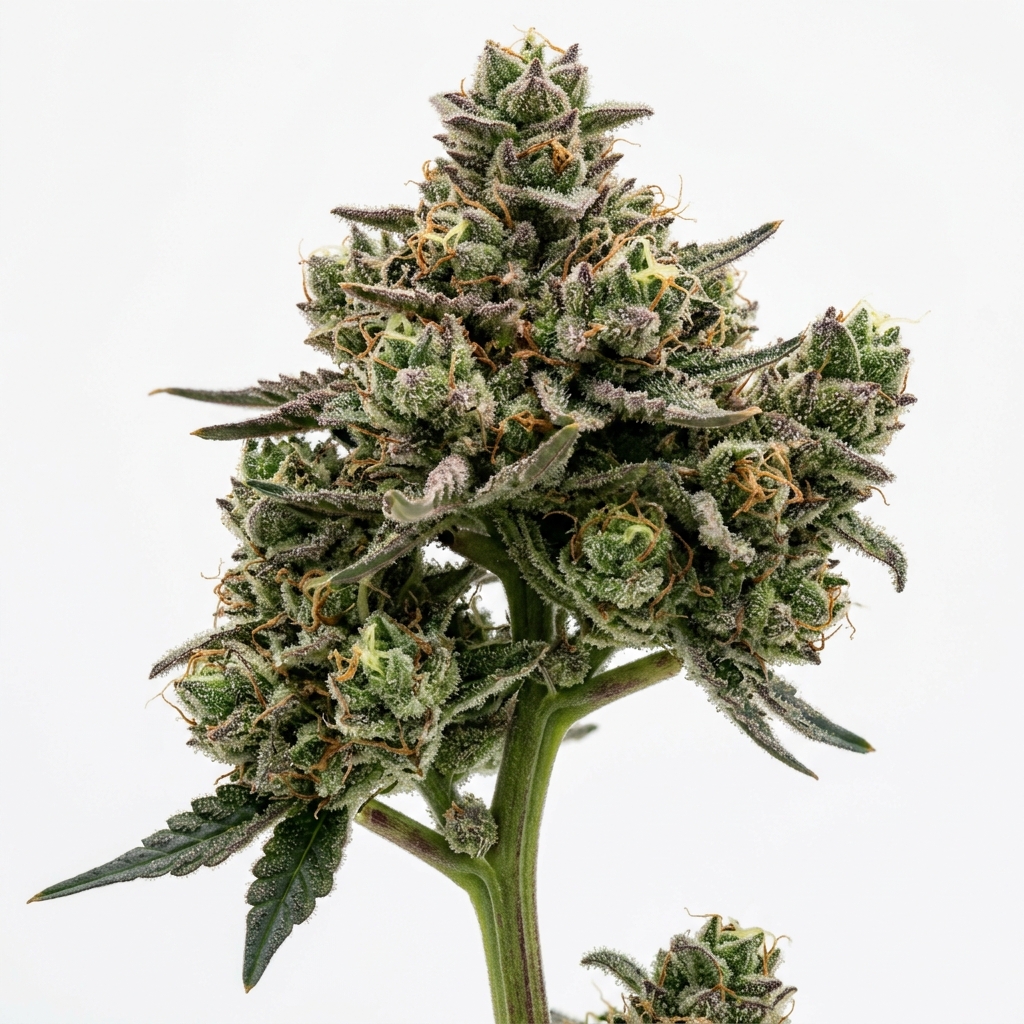
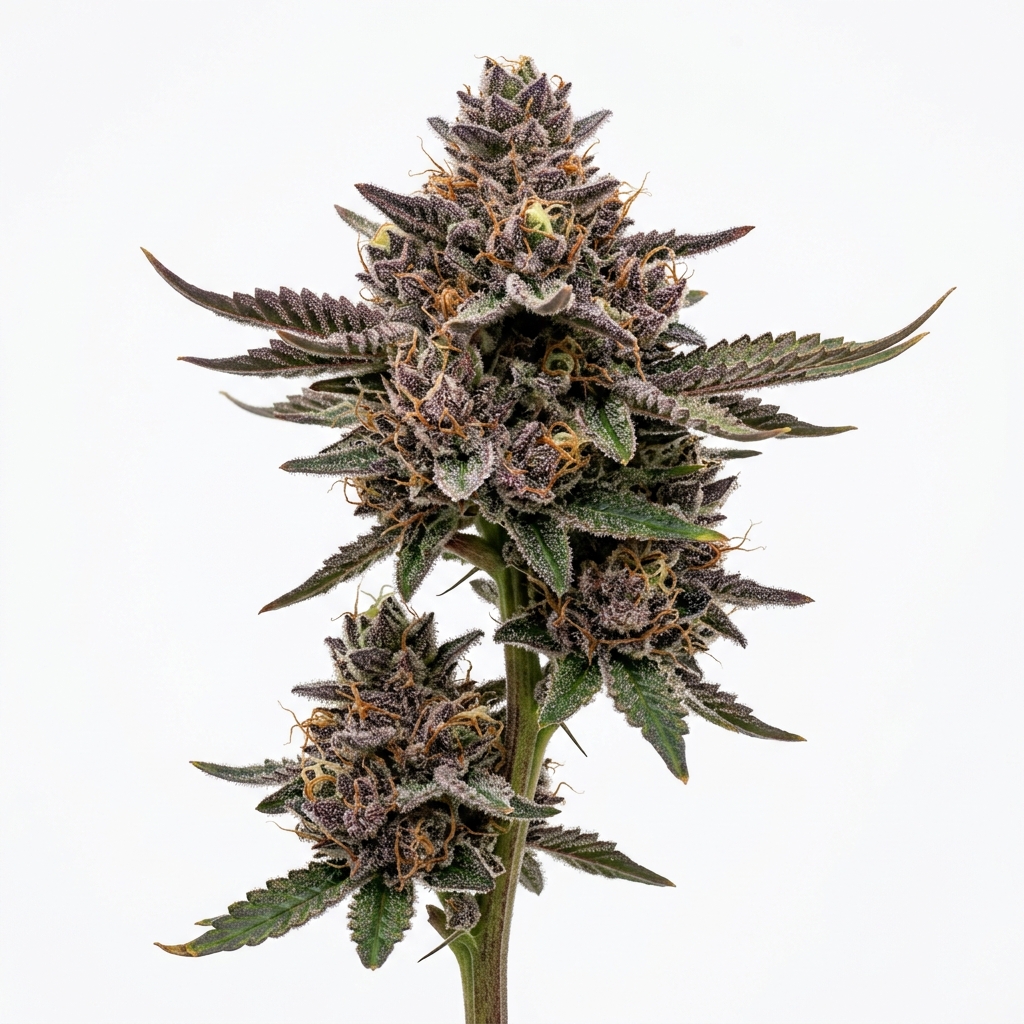
The cross merges the creamy vanilla dough of Cereal Milk with the candied tropical fruit and tart fuel of Runtz. The physical flowers display deep olive green tones with frequent lavender wash under late-flower temperature drops. Consumer feedback generally describes a rapid sensory lift that transitions into a calm, physically grounded finish without excessive couchlock.
Quick Facts
| Field | Detail |
|---|---|
| Breeder | Not consistently documented |
| Genetics | Cereal Milk × Runtz |
| Variety | Hybrid (approx. 50/50) |
| THC Range | 22% – 28% |
| Flowering Time | 8 – 9 weeks (56 – 63 days) |
| Yield Potential | Moderate to High (400 – 500 g/m² indoor) |
| Plant Height | Medium (controlled stretch) |
| Climate Preference | Temperate to warm, low late-flower humidity |
| Difficulty | Moderate |
Scientific & Botanical Overview
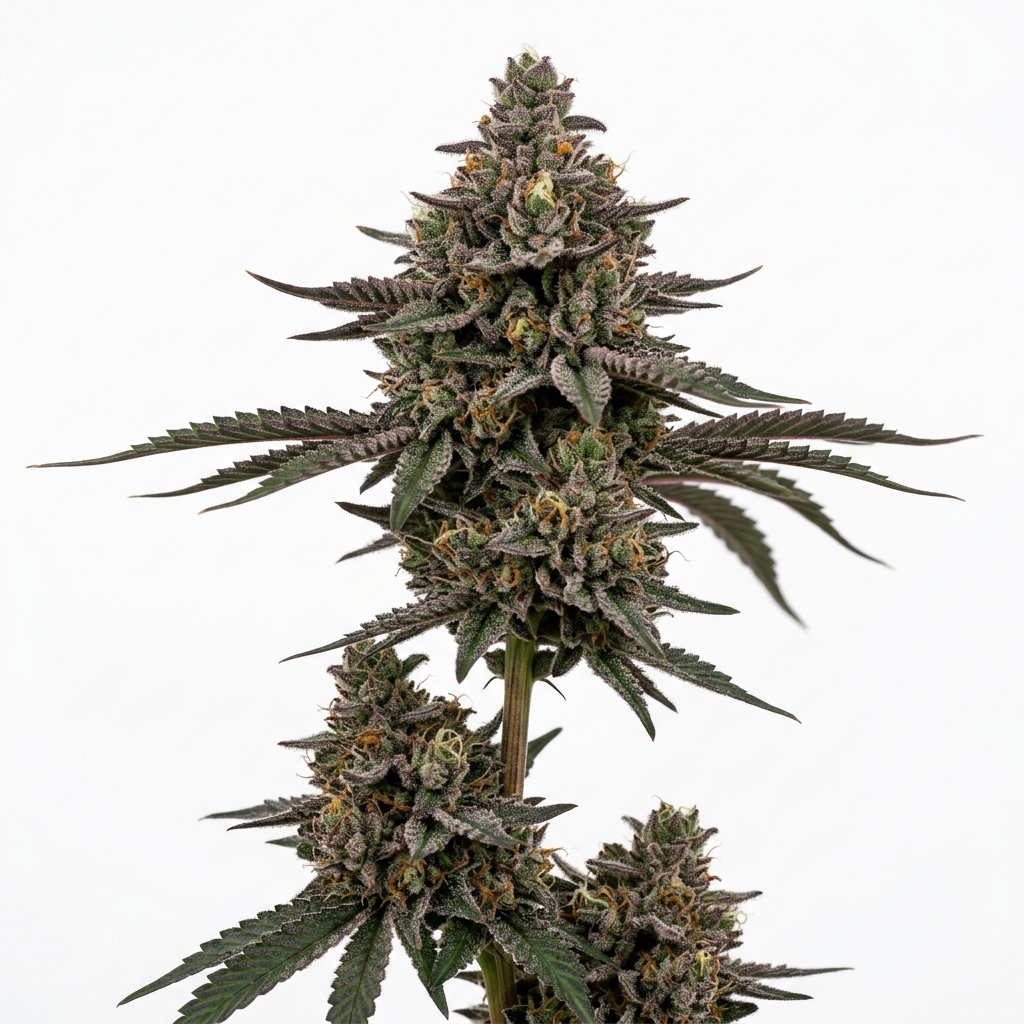
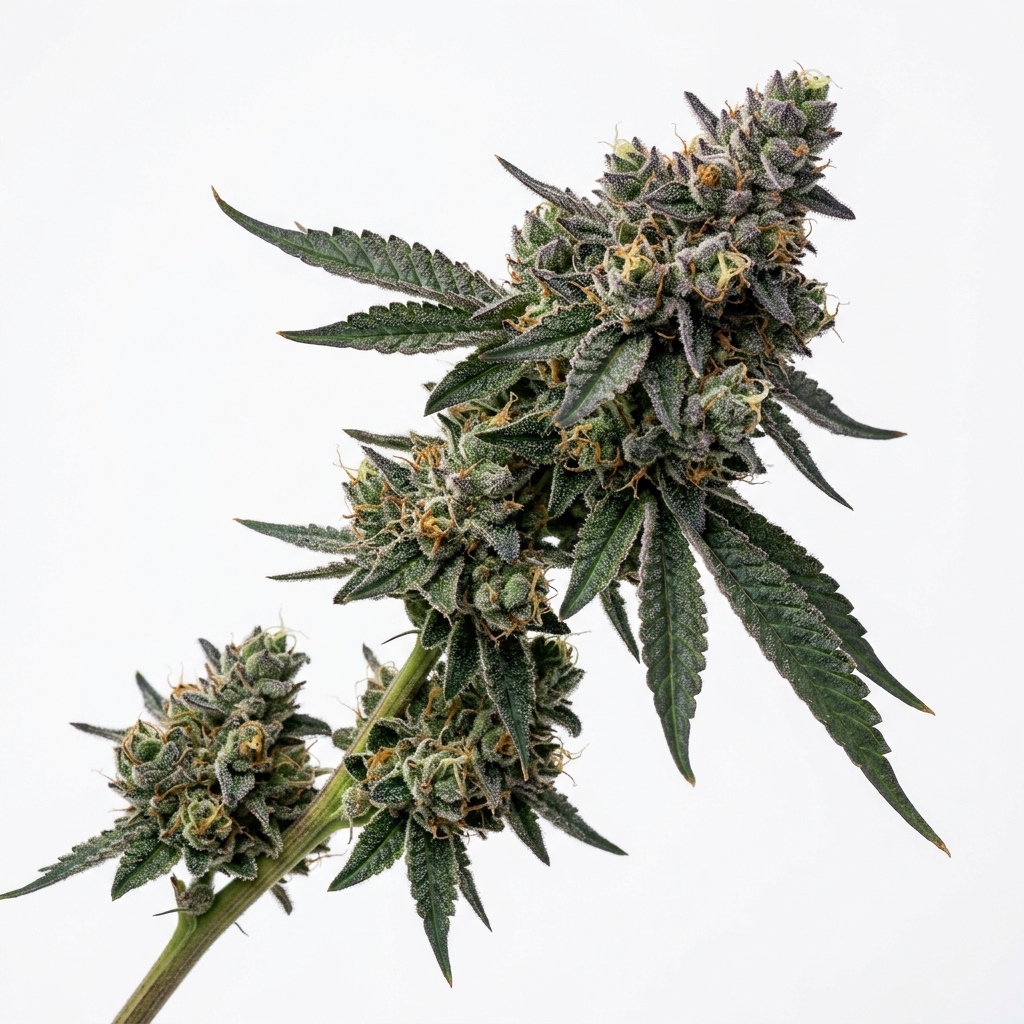
Cereal Runtz develops a classic hybrid canopy marked by short internodal spacing and broad, dark green fan leaves inherited from its Cookies and Gelato ancestry. The cultivar produces tight, golf-ball-sized flower clusters that merge into dense spear colas along the main branches. Bract density is high, requiring dedicated environmental controls during late floral development to prevent microclimates within the central core of the colas.
Glandular trichome production is extensive, characterized by short-stalked capitate-stalked heads that secrete a viscous, terpene-rich resin. Anthocyanin accumulation frequently occurs in the outer bracts and sugar leaves as phosphorus uptake slows and root zone temperatures fluctuate near harvest. The finished flower cures to a firm, compact consistency with notable resin stickiness and contrasting copper-orange pistils.
The chemical profile is dominated by monoterpenes and sesquiterpenes that yield sweet dairy, berry, and solvent-like hydrocarbon notes. Total cannabinoid concentration consistently centers on high tetrahydrocannabinolic acid (THCA) levels, supported by minor expressions of CBGA and CBC. The dense cell structure of the flower holds aromatic compounds well when dried in controlled, low-temperature environments.
Effects & Use-Cases (Reported)
Commonly reported effects: Consumers typically report an immediate cerebral shift characterized by elevated mood, subtle euphoria, and enhanced sensory perception. As the initial onset stabilizes, the experience transitions into a steady physical ease, loosening tension across the shoulders and neck without inducing heavy lethargy. Mental clarity remains relatively intact at moderate doses, making the cultivar functional for passive creative tasks or relaxed socializing.
Use-case context: Cereal Runtz is widely selected for late afternoon or evening use when winding down without immediate sleep is the goal. It is frequently chosen by experienced consumers looking for a sweet flavor-forward profile paired with balanced body relaxation. Higher intake often deepens the sedative qualities, shifting the experience toward restfulness.
Note: Individual response to cannabinoids and terpenes varies based on tolerance, dosage, and personal physiology. Cereal Runtz should be approached with moderation by novice consumers due to its high cannabinoid ceiling.
Aroma & Flavors
Aroma: Breaking a cured bud releases a distinct fragrance of sugary breakfast cereal, sweetened milk, and ripe mixed berries. Beneath the sweet exterior lies a sharp undercurrent of tart citrus, sour diesel fuel, and earthy musk that intensifies when flowers are ground.
Flavor: The smoke or vapor coats the palate with a creamy, vanilla-dough base followed by sweet tropical candy. On the exhale, the flavor turns slightly sharper, leaving lingering notes of fuel, black pepper, and faint citrus zest.
Terpene associations: The dominant terpene expression is led by beta-caryophyllene, providing warm spice and depth. Secondary contributions from limonene and linalool supply the bright citrus sweetness and floral cream notes, while trace amounts of myrcene and humulene support the underlying earthy finish.
Tested Cannabinoid & Terpene Ranges
| Compound | Type | Reported Range |
|---|---|---|
| Δ9-THC (Total THC) | Cannabinoid | 22.0% – 28.0% |
| CBG (Total CBG) | Cannabinoid | 0.5% – 1.2% |
| CBD (Total CBD) | Cannabinoid | < 0.2% |
| Beta-Caryophyllene | Terpene | 0.40% – 0.95% |
| Limonene | Terpene | 0.30% – 0.75% |
| Linalool | Terpene | 0.10% – 0.35% |
| Myrcene | Terpene | 0.08% – 0.30% |
Range note: The numbers listed above represent typical laboratory testing ranges for properly cured flower samples. Cannabinoid and terpene ratios vary depending on phenotype selection, growing medium, light spectrum, and environmental curing practices.
Cultivation Notes
- Humidity management: Maintain relative humidity around 55% to 60% during vegetative growth, stepping down to 45% in early bloom and 40% to 42% by the final two weeks of flowering to prevent moisture retention inside dense colas.
- Nutrient requirements: Plants handle moderate feeding well, with a balanced nitrogen profile in veg and increased potassium and phosphorus during weeks four through seven of flower; avoid overfeeding nitrogen after stretch to protect terpene clarity.
- Canopy training: Responds well to early topping and low-stress training (LST), which opens up the naturally bushy canopy and allows light to penetrate lower lateral branch sites.
- Defoliation: Plan a focused leaf-strip at day 21 and day 42 of flowering to improve airflow around congested nodes and ensure consistent light distribution to mid-level bud sites.
- Harvest window: Optimal trichome maturity typically arrives between day 56 and day 63, when the gland heads transition from milky white to approximately 10% to 15% amber.
Grower Notes (Week-by-Week Snapshot)
- Weeks 1–3 (Vegetative & Early Stretch): Steady vegetative growth with manageable vertical stretch (usually 1.5× to 2×). Topping above the fifth node produces an even framework across four to six primary leaders.
- Weeks 4–6 (Mid-Bloom & Bract Formation): Vertical growth ceases as calyxes swell rapidly. Heavy resin heads form on upper sugar leaves, accompanied by a noticeable sweet, creamy dairy scent in the room.
- Weeks 7–9 (Late Ripening & Senescence): Pistils darken from white to deep amber. Bracts swell significantly, and night-cycle temperature drops of 5°C to 7°C encourage rich purple coloration across the outer foliage.
- Post-Harvest & Cure: A slow 12 to 14-day whole-plant hang dry at 15°C to 18°C and 60% relative humidity preserves the volatile creamy terpene fractions prior to glass jar curing.
Genetic Lineage
Cereal Runtz is derived from crossing two modern dessert-leaning lines: Cereal Milk and Runtz. Cereal Milk itself traces back to a cross of Y Life (Cookies × Cherry Pie) and Snowman, known for producing thick, frosted flowers with a sweet bakery and milk flavor. This parental side contributes dense calyx development, stout nodal spacing, and creamy vanilla aromatic traits.
The other parent, Runtz, originates from the cross of Zkittlez and Gelato #33. Runtz contributes unmistakable sugary fruit candy notes, sharp gaseous undertones, and vibrant purple pigmentation. The pairing of these two parents concentrates classic Cookies-family structural traits while layering sweet fruit over rich dough.
Research Insights
Academic cannabis research continues to investigate how specific terpene profiles interact with major cannabinoids. Terpenes such as beta-caryophyllene have been identified in botanical literature as functional dietary cannabinoids due to their selective affinity for CB2 receptors. In preclinical models, this mechanism is often studied for its role in modulating inflammatory pathways without activating CB1 receptors.
Other prevalent monoterpenes like limonene and linalool are frequently evaluated in pharmacological settings for their influence on mood and subjective relaxation. While these studies provide insight into the biological activity of individual plant compounds, they do not constitute clinical proof of specific outcomes from consuming Cereal Runtz flower. Cultivar experience remains driven by the complex blend of minor cannabinoids, total potency, and individual tolerance.
Frequently Asked Questions
Who bred Cereal Runtz?
The original breeder of Cereal Runtz is not consistently documented in verified public records. The genetic combination of Cereal Milk and Runtz has been produced and selected by multiple craft seedmakers and West Coast nurseries specializing in modern dessert profiles.
Is Cereal Runtz indica or sativa?
Cereal Runtz is a balanced hybrid, generally expressing roughly equal parts indica and sativa heritage. Its physical structure and broad fan leaves reflect its Cookies ancestry, while its functional daytime-to-evening effects offer a balance of mental clarity and physical relaxation.
What does Cereal Runtz smell and taste like?
The aroma combines sweet cereal milk, vanilla dough, and tart candied berries with an underlying hit of fuel. When vaped or smoked, it delivers sweet dairy cream and tropical fruit candy on the inhale, finishing with a crisp, earthy gas on the exhale.
What is the flowering time of Cereal Runtz?
When grown in a controlled indoor setup, Cereal Runtz typically finishes flowering in 8 to 9 weeks (56 to 63 days). Outdoor harvests in the Northern Hemisphere generally conclude by early to mid-October.
Educational Disclaimer
This content is for educational and informational purposes only. Cannabis laws and regulations vary by jurisdiction. Always consult with a qualified professional before beginning any cultivation project or consuming cannabis products.
Rate and review this strain
Ratings and reviews are accepted only from signed-in Google accounts.
Sign in with Google to leave a rating and written review.
Latest Reviews
0 reviewsNo reviews yet. Be the first Google user to rate and review this strain.
Follow New Cultivar Records
Get newly documented genetics, breeder history, research highlights, and important Strainpedia discoveries by email.