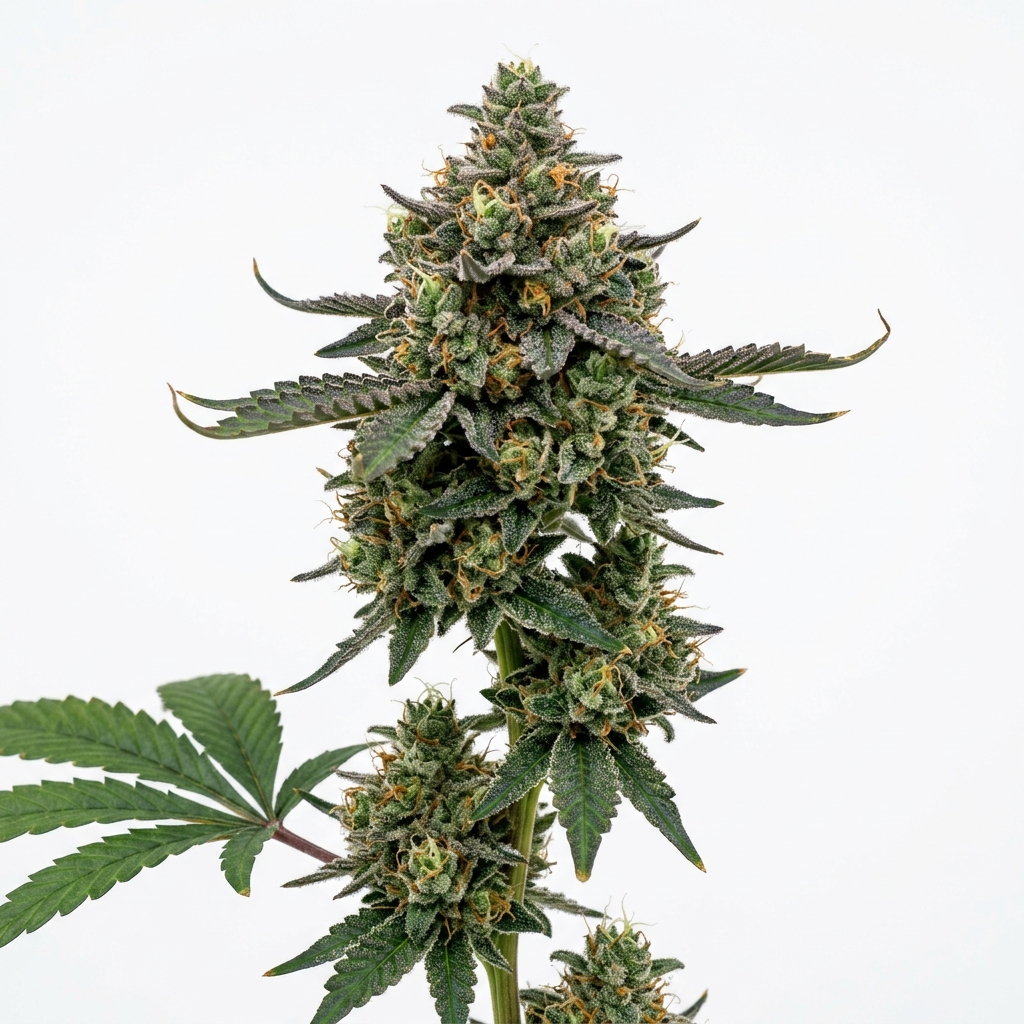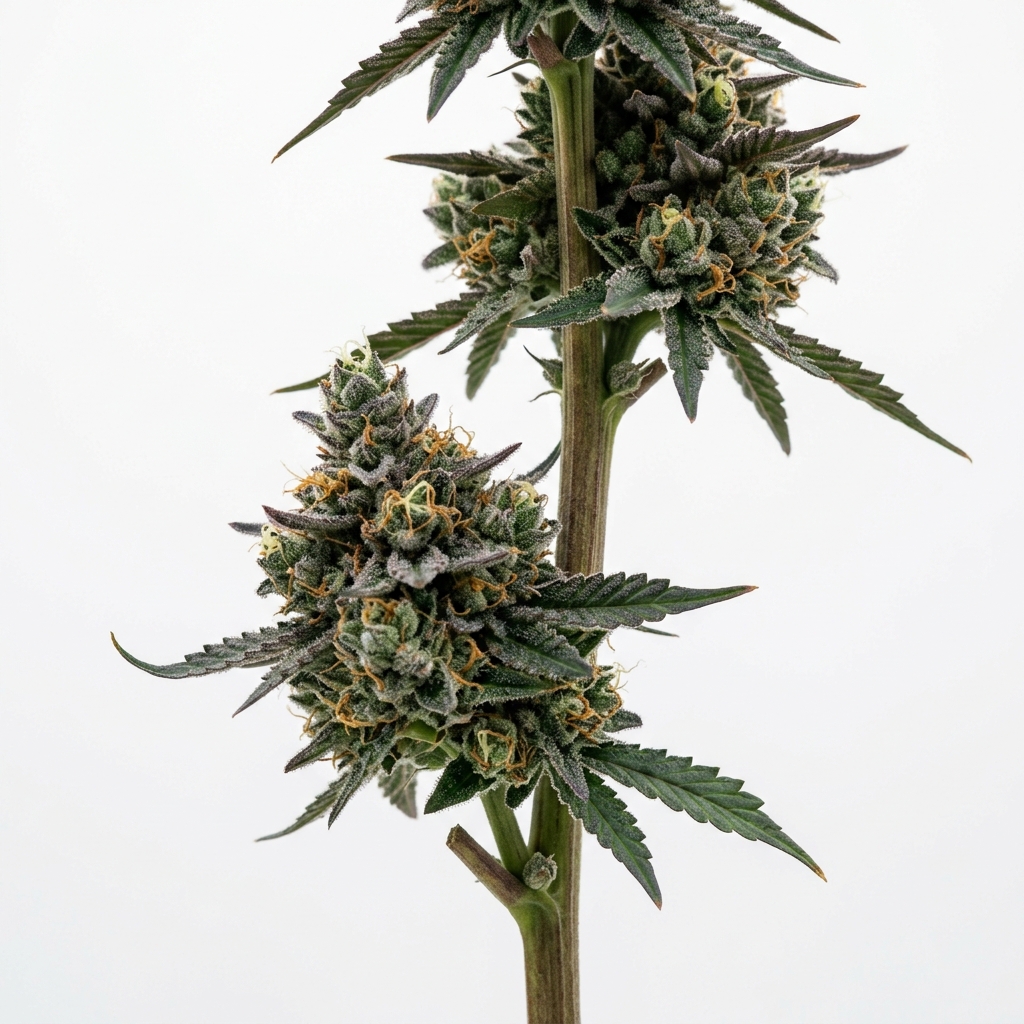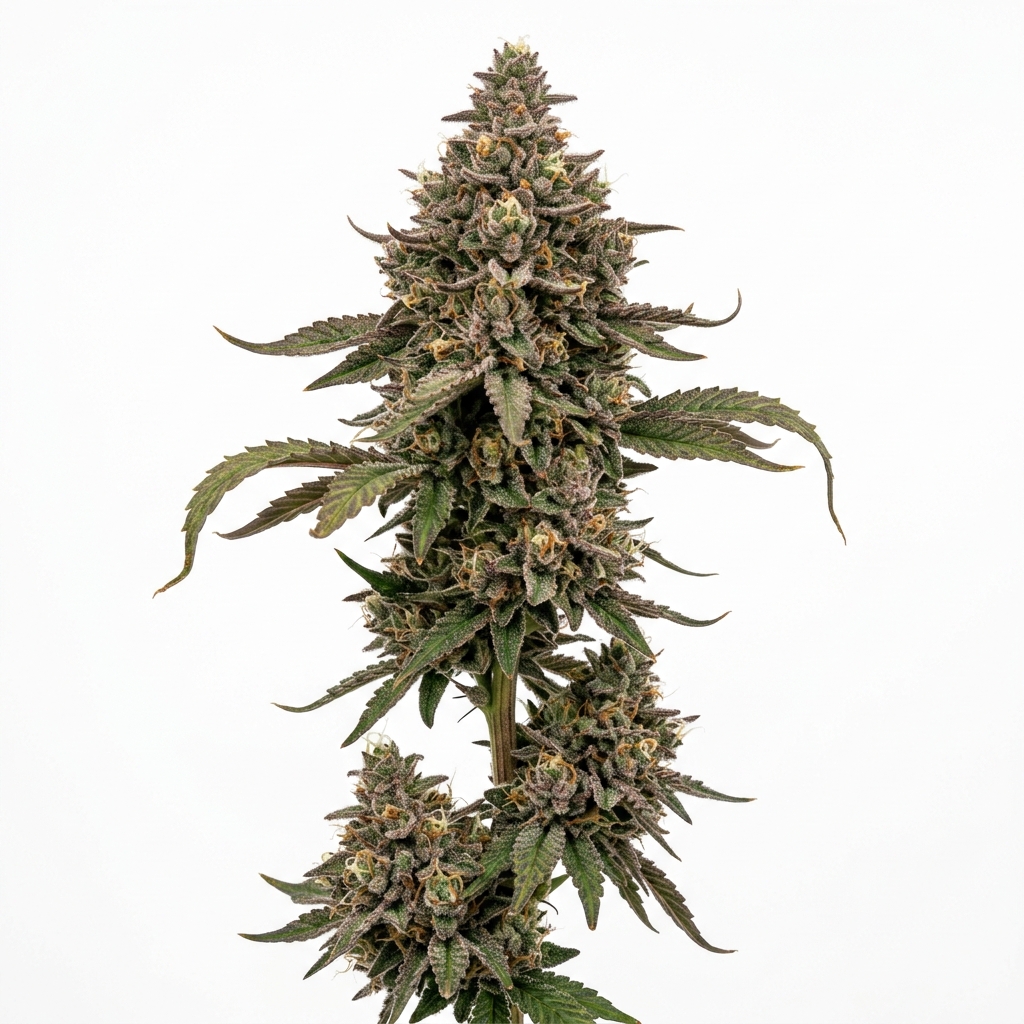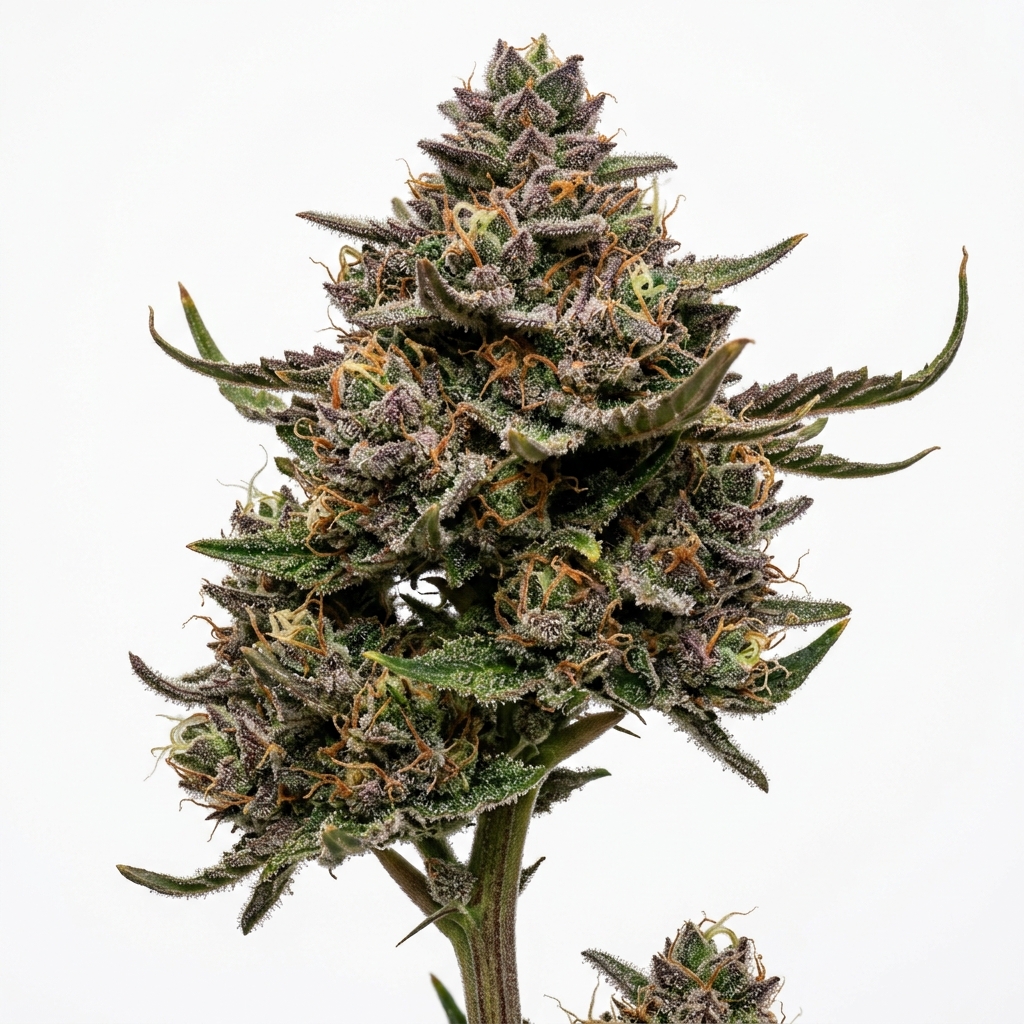
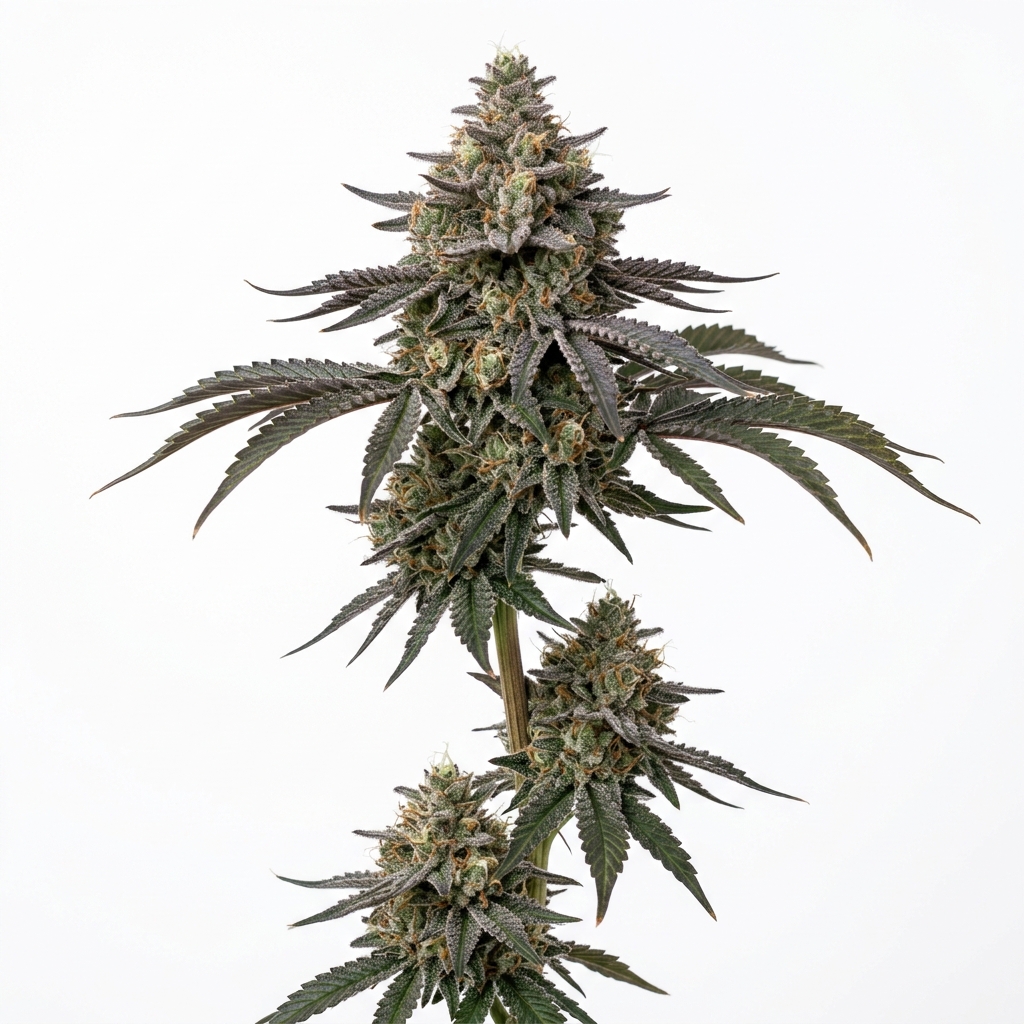
Chem Runtz (Cannabis Strain)
Chem Runtz is an assertive hybrid cultivar testing between 22% and 28% THC, developed by crossing the legendary Chemdawg lineage with the modern sweet powerhouse Runtz. Popularized across boutique breeding circles—including notable selections by breeders such as Tiki Madman—this cross merges old-school fuel pungency with sugary exotic candy notes. The finished flower produces dense spear colas layered in wet frost, carrying substantial resin coverage that appeals strongly to solventless extractors and flower connoisseurs alike.
The plant shows a balanced hybrid morphology, expressing the lateral branching and vigorous growth of its Chem heritage alongside the compact floral clustering of its Gelato and Zkittlez ancestors. Reported effects reflect this duality, delivering a swift cerebral lift followed by a steady, soothing physical presence without overwhelming lethargy.
Quick Facts
| Field | Detail |
|---|---|
| Breeder | Boutique selections (widely attributed to Tiki Madman and regional clone networks) |
| Genetics | Chemdawg (or Chem D) × Runtz |
| Variety | Hybrid |
| THC Range | 22% – 28% |
| Flowering Time | 8 – 9 weeks (56 – 63 days) |
| Yield Potential | Moderate to High |
| Plant Height | Medium (controlled stretch) |
| Climate Preference | Temperate, Mediterranean, or controlled indoor environment |
| Difficulty | Moderate |
Scientific & Botanical Overview
Chem Runtz builds dense, medium-sized bracts structured around sturdy stems. The plant typically features broad fan leaves that narrow slightly as flowering progresses, showing lime-green foliage that often shifts to deep violet and slate hues when exposed to cooler night temperatures. Calyxes swell significantly during the final two weeks of bloom, creating rigid, resin-coated clusters with copper-toned pistils.
Glandular trichome production on this cultivar is pronounced, featuring bulbous, capitate-stalked heads that remain sticky throughout late flower. The resin heads detach cleanly during ice water agitation, making select phenotypes favored for mechanical extraction. Internodal spacing is moderate, allowing decent airflow through the mid-canopy when basic pruning is applied.
The root system shows aggressive vegetative development inherited from the Chemdawg parent. Stems are fibrous and respond well to structural training, tolerating high light intensity without early canopy stalling.
Effects & Use-Cases (Reported)
Commonly reported effects: Consumers frequently describe an immediate sharpening of mood and sensory awareness, accompanied by a tingling pressure behind the eyes. As the session develops, this active onset softens into a heavy, grounding physical ease that loosens tight muscles without producing an immobilizing couch-lock at moderate intake levels.
Use-case context: The profile fits late afternoon and evening routines, creative studio sessions, or relaxed social gatherings. The balance of uplifting cerebral stimulation and calm body relaxation makes it versatile for unwinding while staying mentally present.
Note: Individual tolerance, dosage, and consumption methods influence outcomes. Cannabinoid potency should be approached with measured pacing.
Aroma & Flavors
Aroma: Opening a jar releases a sharp rush of chemical fuel, sour citrus, and pungent earth, immediately softened by undertones of sweet tropical fruit, sugary berry syrup, and light cream.
Flavor: On the inhale, the smoke delivers heavy diesel and sour lime notes, finishing with a lingering sugary fruit glaze and subtle peppery spice on the palate.
Terpene associations: The profile is led primarily by beta-caryophyllene, limonene, and myrcene, supported by secondary concentrations of linalool and humulene that reinforce the floral-dough and herbal-fuel undertones.
Tested Cannabinoid & Terpene Ranges
| Compound | Typical Tested Range |
|---|---|
| Δ9-THC | 22% – 28% |
| CBD | < 1.0% |
| CBG | 0.5% – 1.5% |
| Total Terpenes | 1.8% – 3.2% |
| Dominant Terpenes | Beta-Caryophyllene, Limonene, Myrcene |
Range note: Cannabinoid and terpene content varies according to lighting intensity, cultivation medium, dry-and-cure parameters, and specific phenotype selection.
Cultivation Notes
- Humidity management: Maintain relative humidity between 55% and 60% during early bloom, stepping down to 40%–45% during weeks 7 through 9 to protect the dense colas from microclimate moisture buildup.
- Nutrient requirements: Chem Runtz accepts moderate to heavy feeding during mid-flower, showing healthy calyx swelling with steady potassium and phosphorus availability, but requires careful nitrogen tapering after week 4 to preserve terpene clarity.
- Canopy training: Topping once or twice during late vegetative growth combined with low-stress training creates an even horizontal canopy that optimizes light penetration to secondary bud sites.
- Defoliation: Perform strategic leaf removal around day 21 and day 42 of bloom to clear inward-facing fan leaves, ensuring strong airflow through the mid-level stems.
- Harvest window: Optimal trichome maturity typically arrives between day 56 and day 63, identified when glandular heads turn predominantly milky with roughly 10% to 15% amber.
Grower Notes (Week-by-Week Snapshot)
- Weeks 1–3 (Vegetative & Early Stretch): Plants exhibit vigorous root establishment and steady branching. Expect a 1.5x stretch upon flipping to a 12/12 photoperiod; trellis netting should be placed early to guide lateral shoots.
- Weeks 4–6 (Bud Formation & Early Resin): Calyxes begin stacking into distinct button clusters. Resin rails become clearly visible on sugar leaves, and the room starts developing an initial sour-fuel and sweet candy aroma.
- Weeks 7–9 (Ripening & Flush): Bracts swell rapidly and harden into dense spear tips. Pistils turn copper-red, sugar leaves may show purple tinting under lower nighttime temperatures, and the aroma shifts into pungent gas layered with tart fruit.
- Post-Harvest (Dry & Cure): A slow 12- to 14-day dry at 60°F (15.5°C) and 60% relative humidity preserves the volatile monoterpenes, followed by a minimum two-week jar cure to integrate the fuel and sweet candy flavor notes.
Genetic Lineage
The genetic foundation of Chem Runtz unites two distinct eras of cannabis breeding. The Chemdawg parental line contributes legendary diesel funk, heavy resin production, and robust vegetative vigor that have anchored American breeding programs for decades. Its presence brings structural strength and the piercing sour-petrol baseline characteristic of classic Chem cultivars.
The Runtz parent (a cross of Zkittlez and Gelato) introduces dense bract morphology, rich purple pigmentation potential, and a complex dessert profile composed of tropical fruit sugar and creamy earth. The resulting offspring combines the raw pungent power of vintage fuel with the refined sweetness and bag appeal of modern exotic lines.
Research Insights
Scientific literature on dominant cannabis terpenes indicates that beta-caryophyllene interacts directly with peripheral CB2 cannabinoid receptors, acting as a dietary cannabinoid that may modulate inflammatory and physical discomfort pathways. Limonene has been evaluated in pharmacological studies for its mood-modulating and alerting properties, while myrcene is widely documented for its contribution to physical relaxation and sedative synergy in botanical mixtures.
While these broad pharmacological mechanisms are supported by peer-reviewed research, they represent compound-level data rather than definitive clinical proof for Chem Runtz specifically. Cultivar outcomes remain subject to individual biology, chemical entourage variation, and total consumed dosage.
Frequently Asked Questions
Who is the breeder of Chem Runtz?
Chem Runtz is produced by several boutique breeders and regional clone networks, with prominent stable selections widely attributed to Tiki Madman and contemporary exotic seed projects.
Is Chem Runtz an indica or sativa?
Chem Runtz is a balanced hybrid that expresses physical and cerebral traits from both its Chemdawg (sativa-leaning hybrid) and Runtz (balanced hybrid) heritage.
What does Chem Runtz smell and taste like?
The cultivar features an assertive aroma of sour diesel, industrial chemical gas, and earthy funk, layered with sweet tropical candy, berry syrup, and a smooth citrus finish on the inhale.
What is the flowering time for Chem Runtz?
When grown in a controlled indoor setup, Chem Runtz typically finishes flowering in 8 to 9 weeks (56 to 63 days).
Educational Disclaimer
This content is for educational and informational purposes only. Cannabis laws and regulations vary by jurisdiction. Always consult with a qualified professional before beginning any cultivation project or consuming cannabis products.
Rate and review this strain
Ratings and reviews are accepted only from signed-in Google accounts.
Sign in with Google to leave a rating and written review.
Latest Reviews
0 reviewsNo reviews yet. Be the first Google user to rate and review this strain.
Follow New Cultivar Records
Get newly documented genetics, breeder history, research highlights, and important Strainpedia discoveries by email.