
Mango Kush (Cannabis Strain)
Mango Kush is an indica-dominant hybrid typically testing between 16% and 22% THC, created by crossing Mango with Hindu Kush. This classic cultivar is recognized for its sweet tropical mango profile layered over a warm, earthy kush base. In the grow room, it produces compact, resin-rich flowers with dense bracts and a moderate stretch, making it a reliable choice for cultivators seeking fruit-forward profiles with traditional hash undertones.
While modern dessert strains often lean into heavy cream and artificial candy notes, this cultivar maintains an old-school herbal depth. Its steady growth habit and reliable resin output have kept it a staple in legacy circles and dispensary menus alike.
Quick Facts
| Fact | Details |
|---|---|
| Genetics | Mango × Hindu Kush |
| Variety | Indica-dominant Hybrid |
| THC Range | 16–22% |
| Flowering Time | 8–9 weeks |
| Yield Potential | Moderate to high |
| Plant Height | Medium |
| Climate Preference | Warm, dry, Mediterranean-style |
| Difficulty | Moderate |
Scientific & Botanical Overview
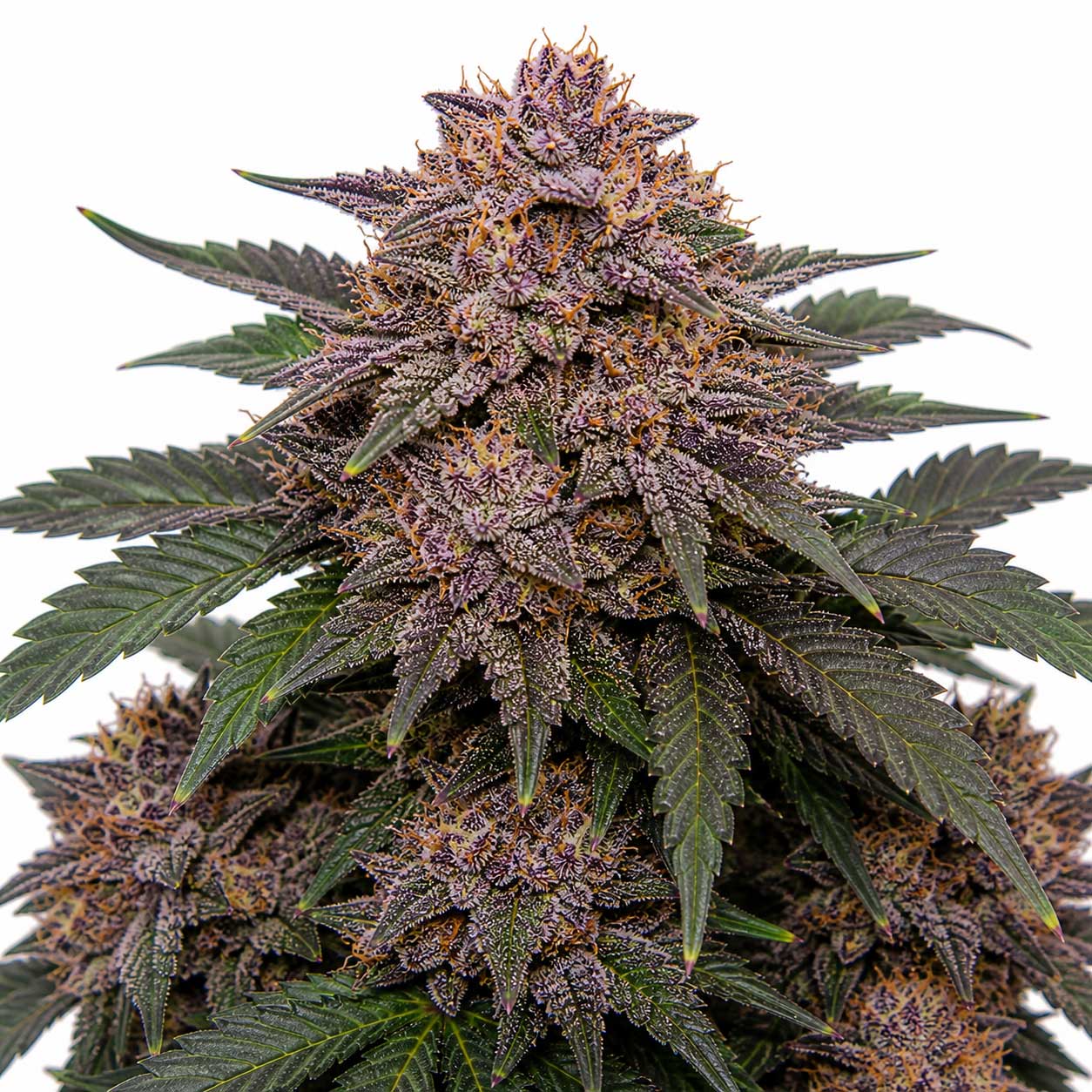
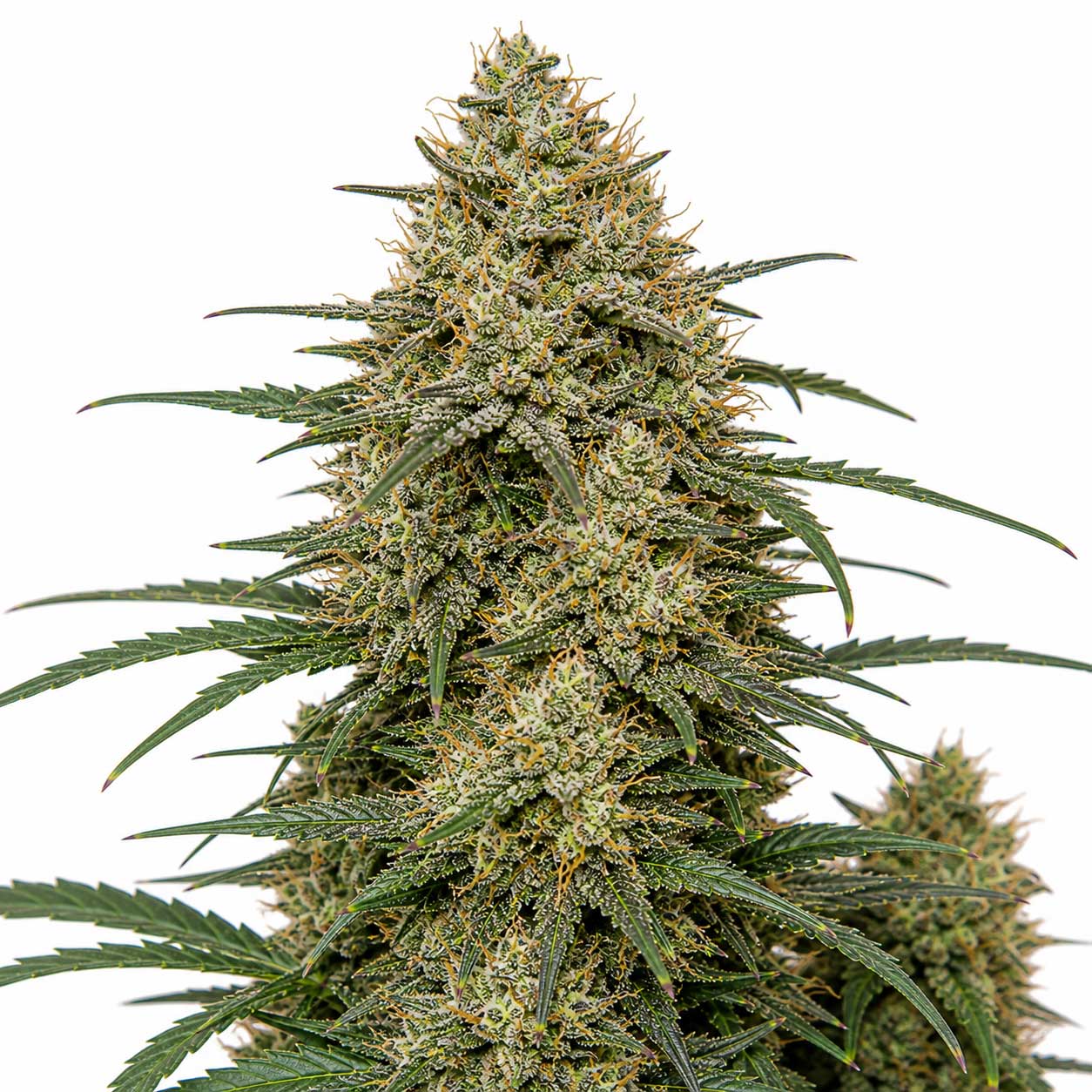
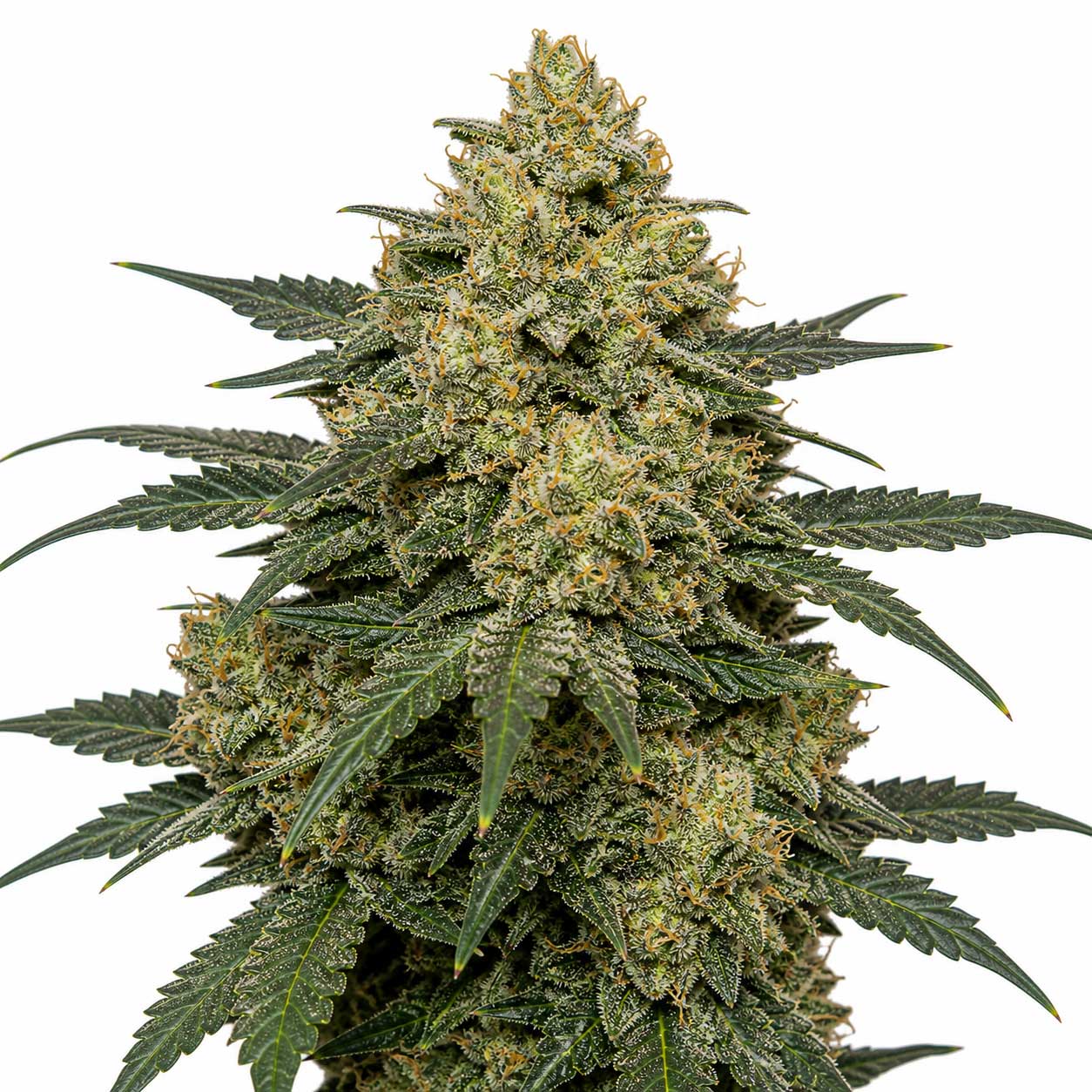
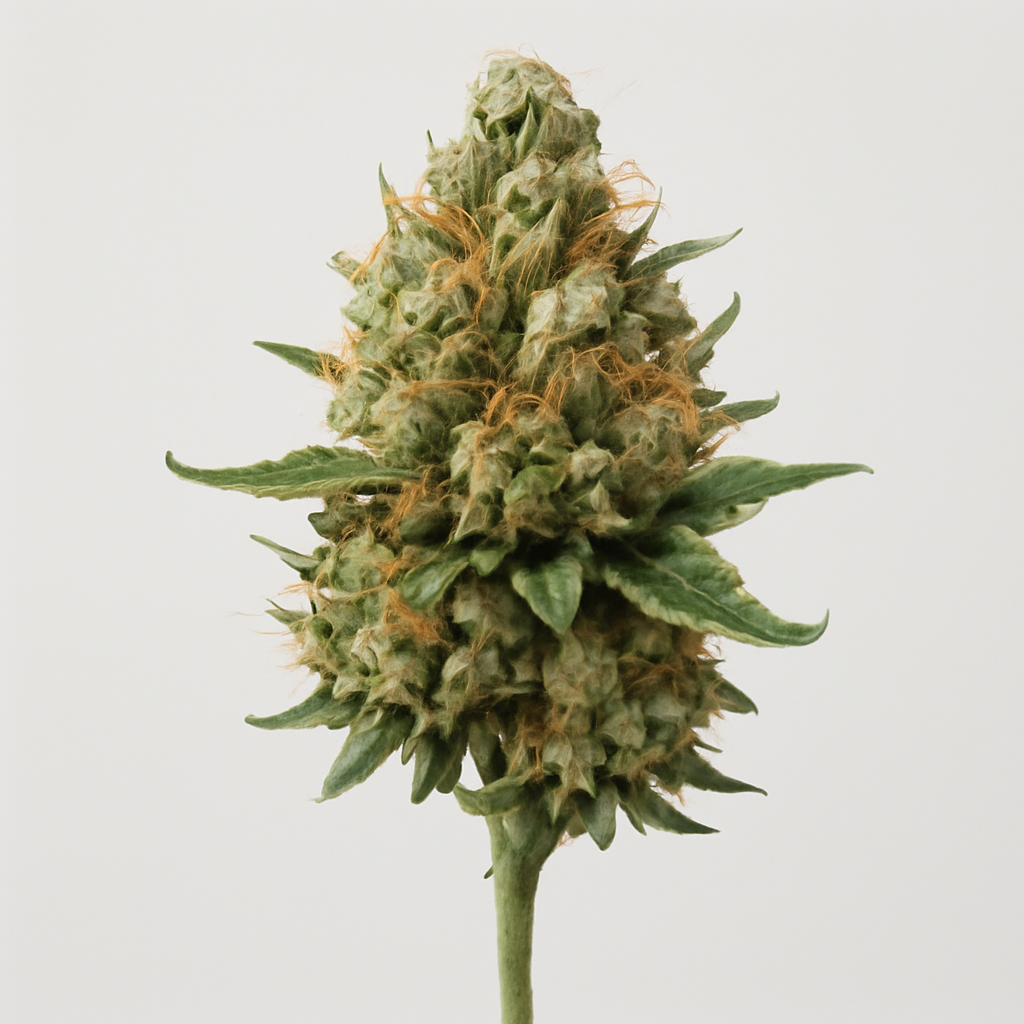
Structurally, the cultivar shows classic indica morphology, characterized by broad fan leaves, tight internodal spacing, and a sturdy, stocky frame. The plants form dense, rounded spear colas that stack tightly along the lateral branches during mid-to-late flower.
The bract-to-leaf ratio is highly favorable, allowing for straightforward post-harvest processing. Glandular trichomes develop heavily across the calyxes, producing a greasy resin layer that becomes increasingly sticky as harvest approaches.
The strain adapts well to canopy management techniques like low-stress training (LST) and topping. Maintaining low relative humidity during the final weeks of flowering is essential to protect its dense floral clusters from moisture retention.
Effects & Use-Cases (Reported)
Commonly reported effects: A gentle, warming relaxation that starts with a soft mental lift before settling into a heavy, physically grounding finish.
Use-case context: Best suited for evening wind-downs, quiet social settings, or as a transition into a restful night.
Note: These observations are based on anecdotal user reports and are not intended to serve as medical advice.
Aroma & Flavors
Aroma: Ripe tropical mango, sweet stone fruit, and a deep, musky earthiness with a hint of spicy pine.
Flavor: Sweet mango nectar and citrus peel on the inhale, transitioning to a rich herbal kush and soft earth on the exhale.
Terpene associations: Commonly dominated by myrcene, limonene, and caryophyllene, which drive its signature fruit-and-spice profile.
Tested Cannabinoid & Terpene Ranges
| Compound | Typical Range | Notes |
|---|---|---|
| Δ9-THC | 16–22% | Provides a steady, long-lasting effect without excessive intensity. |
| CBD | <1% | Typically present in trace amounts. |
| Myrcene | 0.20–0.60% | Contributes to the ripe mango aroma and sedative undertones. |
| Limonene | 0.10–0.35% | Adds a bright citrus lift to the top end of the profile. |
| Caryophyllene | 0.08–0.25% | Provides a subtle peppery, woody backbone on the exhale. |
Note: Cannabinoid and terpene levels are highly variable and depend on specific phenotypes, environmental conditions, and cultivation methods.
Cultivation Notes
- Humidity Control: Keep relative humidity (RH) at 40-50% during late flower to prevent mold in the dense, compact colas.
- Nutrition: Responds well to a moderate feeding regimen; avoid over-fertilizing with nitrogen during early bloom to prevent excessive leaf growth.
- Training: Utilize topping and light defoliation to improve airflow and light penetration through the dense inner canopy.
- Harvest Window: Harvest when trichomes transition from milky white to roughly 10-15% amber for a balanced physical effect.
- Phenotype Management: Select for phenotypes that display the characteristic sweet mango aroma early in flower while maintaining strong lateral branching.
Grower Notes (Week-by-Week Snapshot)
- Weeks 1–3 (Vegetative & Early Stretch): Plants show a controlled stretch, usually doubling in size. Focus on establishing a clean canopy structure through early topping and low-stress training.
- Weeks 4–6 (Mid-Flower): Flower sites begin to stack rapidly, forming tight button-like clusters. Resin production starts to coat the surrounding sugar leaves, releasing a faint tropical aroma.
- Weeks 7–9 (Late Flower & Ripening): Colas swell and harden. Lower the humidity, reduce nutrient inputs, and monitor trichome maturity as the pistils turn from orange to a deep rust color.
- Post-Harvest (Dry & Cure): Implement a slow dry at 60°F (15°C) and 60% RH for 10-14 days, followed by a minimum three-week cure to preserve the delicate volatile terpenes.
Genetic Lineage
The lineage of this cultivar is widely accepted as a cross between a sweet Mango clone-only cut and the classic landrace-derived Hindu Kush. This pairing brings together the distinct, fruit-forward terpene profile of the Mango parent and the robust, resin-rich structure of the pure indica Kush.
Some regional variations and legacy cuts may show slight differences in lineage documentation, but the market standard remains rooted in this tropical-meets-hashy combination. The result is a stable hybrid that preserves old-school physical traits while delivering modern flavor clarity.
Research Insights
The aromatic profile of this cultivar is heavily influenced by the high concentration of myrcene, which works in tandem with limonene to produce the sweet, citrusy mango aroma. This terpene combination is often associated with the classic physical relaxation and calming qualities found in traditional indica varieties.
Additionally, the presence of caryophyllene adds a subtle spicy undertone that helps anchor the sweeter fruit notes. Research into these terpene profiles suggests that the interaction between these volatile compounds and cannabinoids plays a significant role in shaping the strain’s overall character.
Frequently Asked Questions
Is Mango Kush an indica or a sativa?
It is an indica-dominant hybrid, typically exhibiting a 65:35 or 70:30 indica-to-sativa ratio, resulting in a compact plant structure and physically relaxing effects.
How long does Mango Kush take to flower?
Indoors, the strain typically finishes flowering in 8 to 9 weeks, while outdoor growers can expect to harvest around early to mid-October.
What does Mango Kush smell like?
It features a rich aroma of ripe tropical mangoes, sweet citrus, and a grounding undertone of spicy, earthy kush.
Is this strain easy for beginners to grow?
It is considered moderately easy to grow. Its compact frame and sturdy branches make it manageable, though growers must monitor humidity levels closely to protect its dense buds.
Educational Disclaimer
This content is for educational and informational purposes only. It does not constitute medical advice, and cannabis laws vary by jurisdiction. Always consult with a qualified professional before making any cultivation or consumption decisions.
Rate and review this strain
Ratings and reviews are accepted only from signed-in Google accounts.
Sign in with Google to leave a rating and written review.
Latest Reviews
0 reviewsNo reviews yet. Be the first Google user to rate and review this strain.