Jungle Blueberry Diesel (Cannabis Strain)
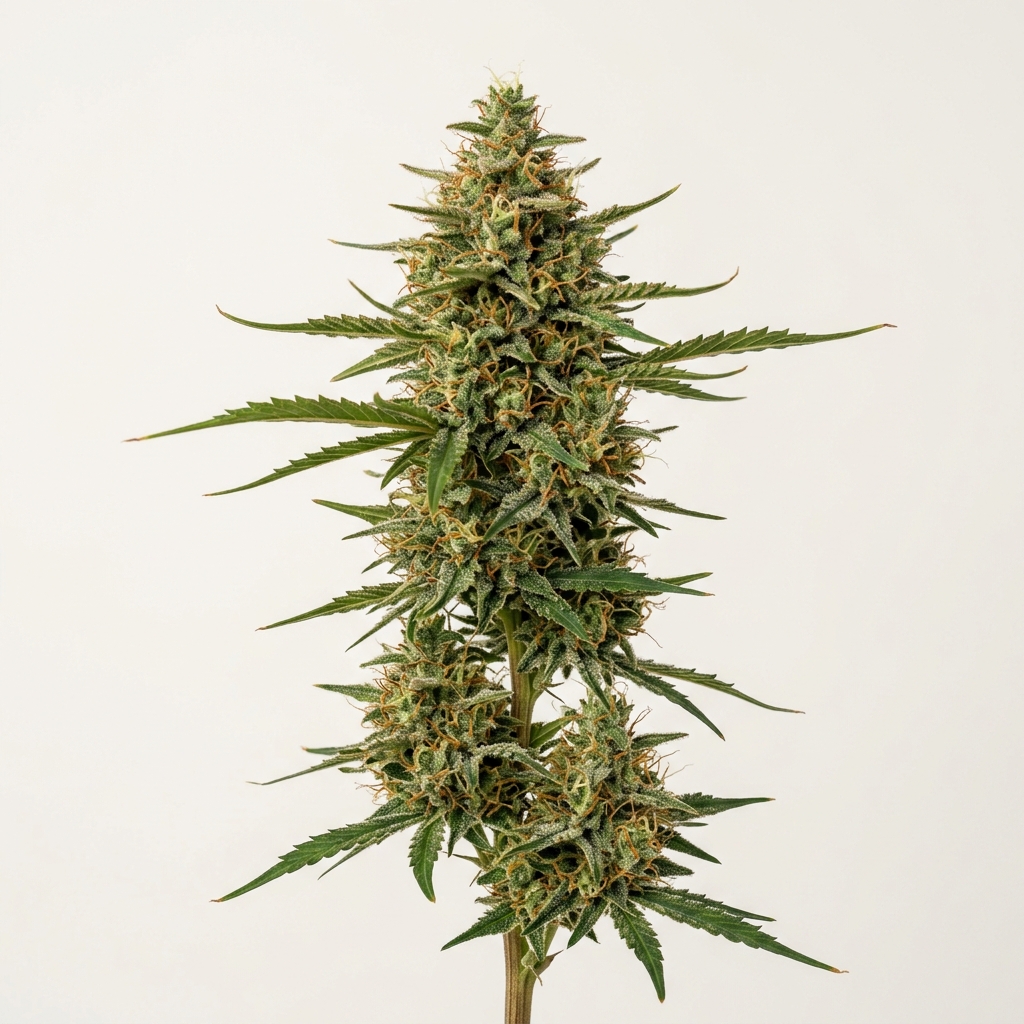
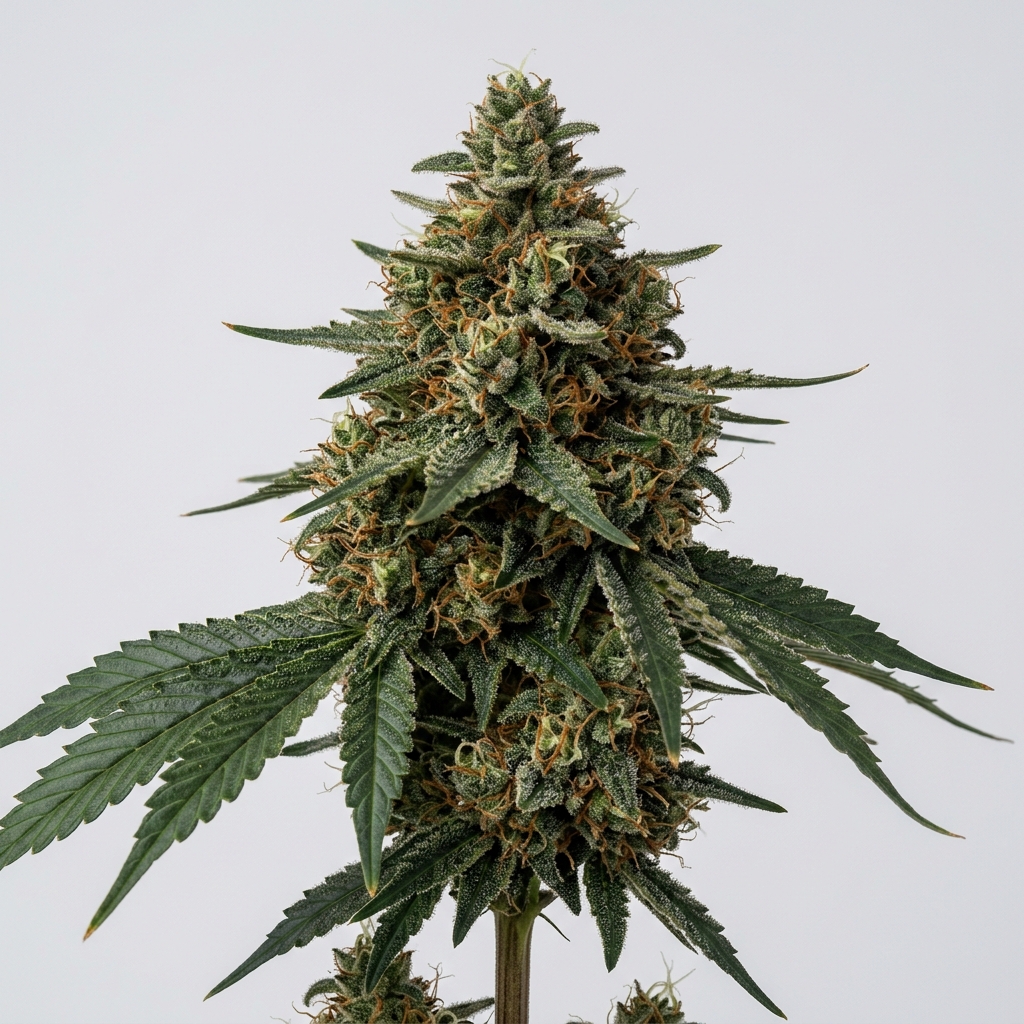
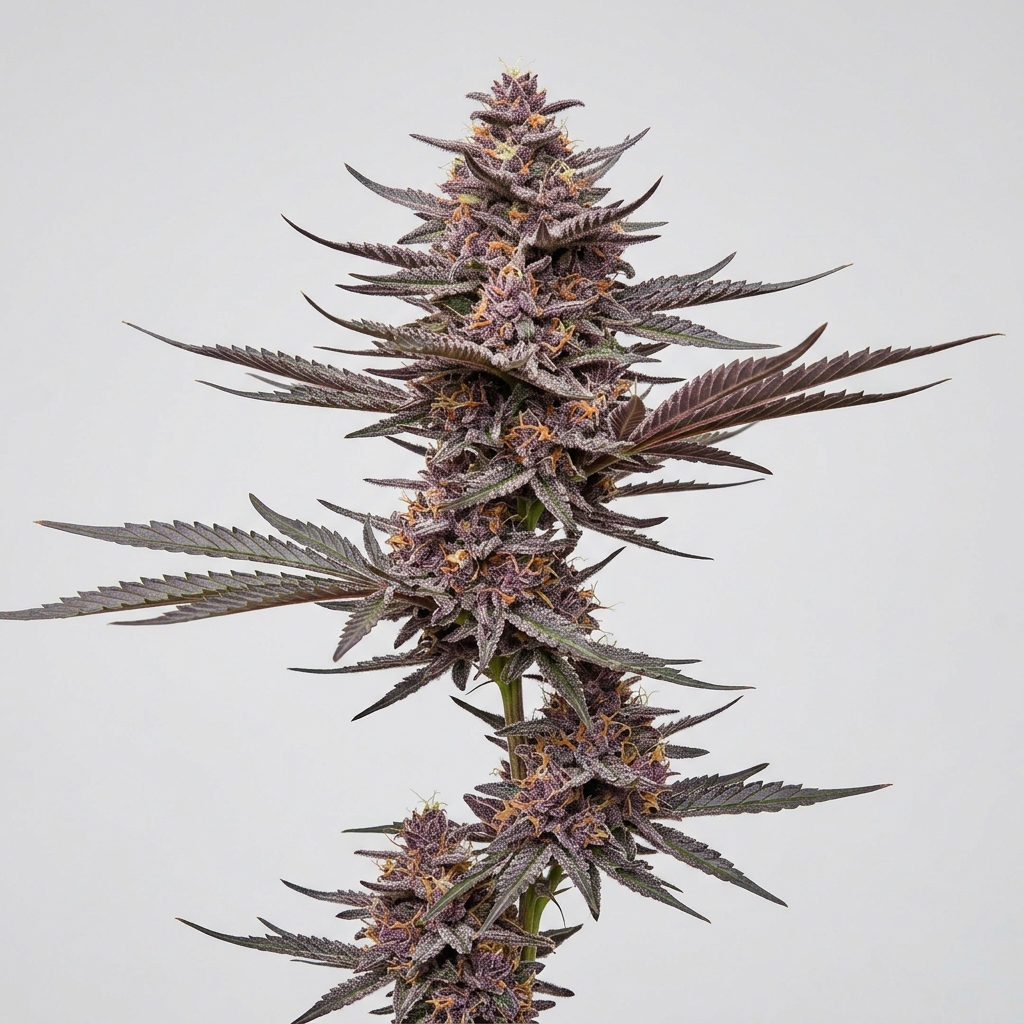
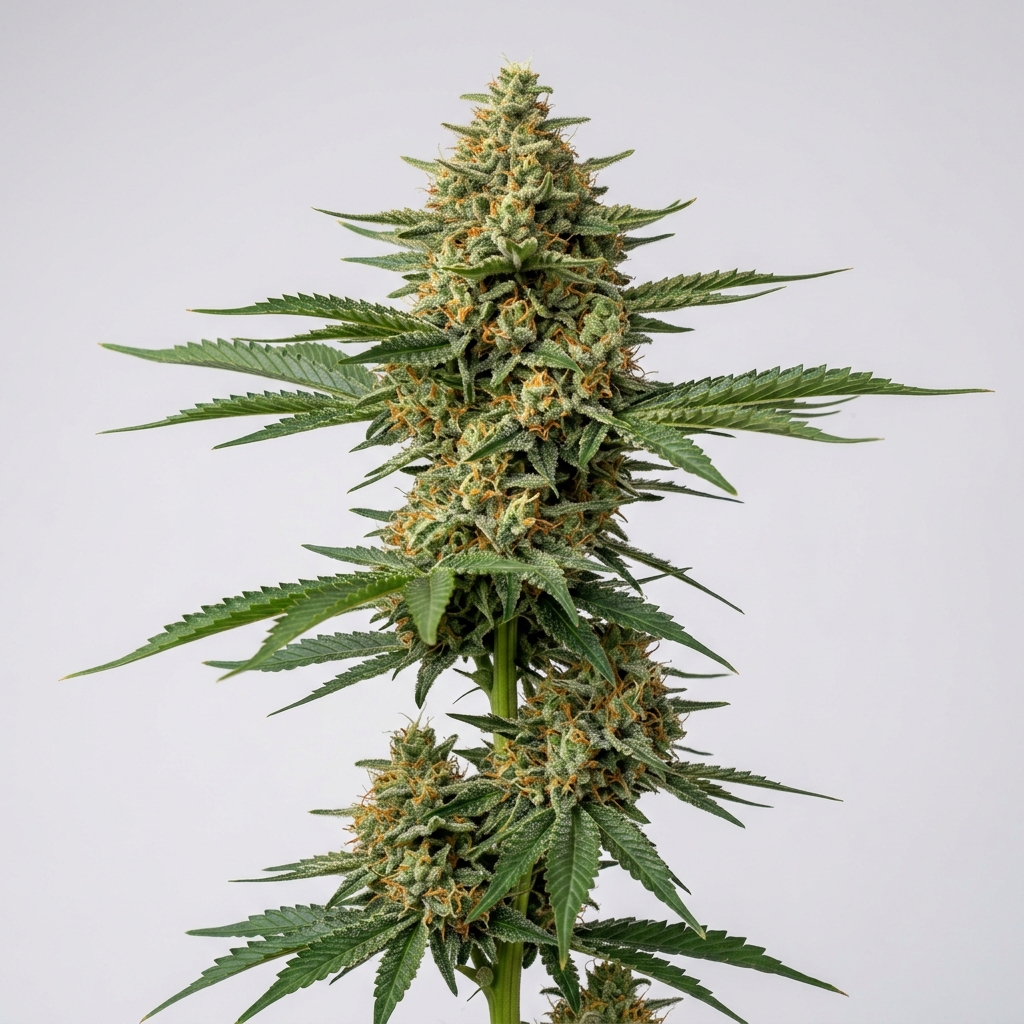
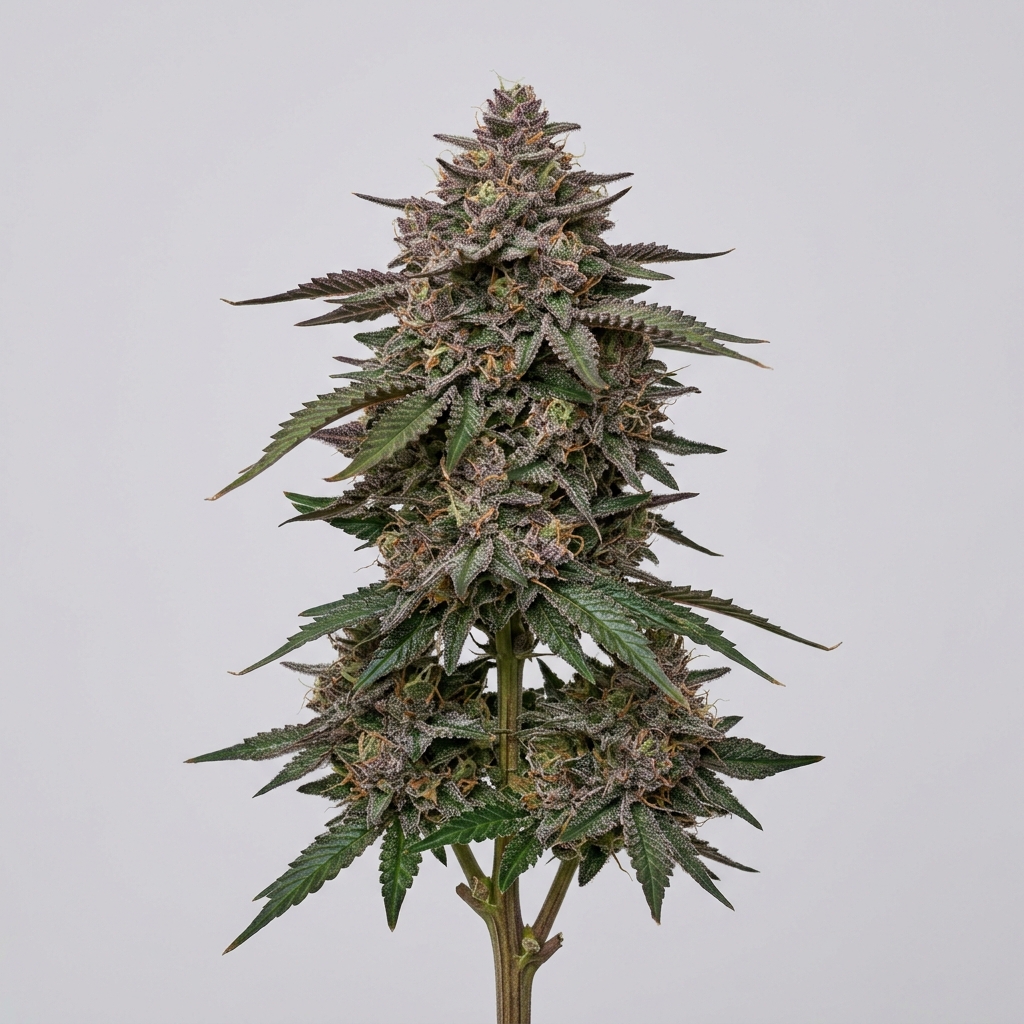
Jungle Blueberry Diesel is a heavy indica-dominant hybrid registering between 22% and 28% THC, developed by crossing the gas-forward Jungle Kush with the sweet, fruit-heavy Blueberry Diesel. This cultivar is recognized for its greasy resin production and dense, violet-tinged buds that carry a distinct aroma of tart gas mixed with a dark berry edge. Indoors, the plant shows a controlled stretch and tight internodes, making it a favored choice among growers aiming for resin-rich flowers and strong terpene clarity.
The cultivar has gained traction in boutique cultivation circles for its consistent performance under standard commercial parameters. It balances the structural weight of its Kush heritage with the complex, fruit-and-fuel aromatic profile of its Diesel ancestry. The resulting flowers cure to a glassy finish, holding their pungent aroma long after the slow dry process.
Quick Facts
| Metric | Detail |
|---|---|
| Genetics | Jungle Kush × Blueberry Diesel |
| Variety | Indica-dominant Hybrid |
| THC Range | 22% – 28% |
| Flowering Time | 8 – 9 Weeks (56 – 63 Days) |
| Yield Potential | Moderate to High |
| Plant Height | Medium |
| Climate Preference | Temperate, Low Humidity |
| Difficulty | Moderate |
Scientific & Botanical Overview
Botanically, Jungle Blueberry Diesel shows classic indica morphology, characterized by broad fan leaves and a sturdy, lateral branching habit. The internodal spacing remains tight throughout vegetative growth, requiring early leaf tucking or selective defoliation to maintain optimal airflow. During the transition to flower, the nodal clusters stack tightly, forming dense spear colas that carry a heavy structural load.
The bracts are notably thick and tightly packed around swollen calyxes, a trait inherited from its Kush lineage. Anthocyanin accumulation is highly active in cooler night temperatures, turning the fan leaves and bud surfaces deep purple and forest green. This coloration is contrasted by a thick layer of capitate-stalked trichomes that give the mature flowers a wet frost appearance.
Stomatal conductance and transpiration rates are moderate, demanding stable atmospheric levels to prevent microclimates within the canopy. The root system develops aggressively in well-aerated media, supporting the plant’s demand for phosphorus and potassium during mid-to-late bloom.
Effects & Use-Cases (Reported)
Commonly reported effects: Users often describe a heavy physical relaxation coupled with a calm, grounding mental clarity. The onset begins with a subtle warming sensation behind the eyes, gradually spreading down the spine to ease muscular tension. Unlike more sedating indica cultivars, it maintains a gentle cognitive focus without immediate lethargy.
Use-case context: This balanced physical weight makes the strain suitable for late afternoon or evening use, helping transition away from active tasks. It is frequently chosen by those seeking relief from physical discomfort or looking to quiet a busy mind before sleep.
Note: Individual tolerance and chemistry vary; higher doses typically lean into a heavier, sleep-inducing state.
Aroma & Flavors
Aroma: The initial nose is dominated by a sharp, chemical fuel and sour diesel, which quickly gives way to a sweet, musky blueberry undertone. Breaking the buds releases a deeper, earthy kush base with hints of damp soil and black pepper.
Flavor: On the palate, the smoke delivers an immediate tart gas profile, followed by a smooth, dark berry finish on the exhale. A subtle mint finish persists, leaving a clean, herbal aftertaste.
Terpene associations: The aromatic profile is driven primarily by myrcene, caryophyllene, and limonene, with minor expressions of linalool contributing to the floral berry notes.
Tested Cannabinoid & Terpene Ranges
| Compound | Typical Range |
|---|---|
| Δ9-THC | 22.0% – 28.0% |
| CBD | < 0.5% |
| CBG | 0.5% – 1.2% |
| Myrcene | 0.6% – 1.1% |
| Caryophyllene | 0.4% – 0.8% |
| Limonene | 0.3% – 0.6% |
Note: Terpene and cannabinoid percentages are highly dependent on specific phenotypes, cultivation techniques, and curing environments.
Cultivation Notes
- Humidity Control: Keep relative humidity (RH) below 50% during the final four weeks of flower to protect the dense, swollen calyxes from moisture retention.
- Nutrient Management: The cultivar responds well to a moderate feeding schedule, showing sensitivity to excess nitrogen during early bloom.
- Canopy Training: use low-stress training (LST) or a single layer of trellis netting to spread the lateral branches and maximize light penetration to lower nodes.
- Harvest Window: Look for trichome maturity, harvesting when roughly 15% to 20% of the heads turn amber to preserve the bright berry terpene profile.
- Phenotype Management: Monitor stretch during the first two weeks of flower, as some diesel-leaning phenotypes can stretch up to 150% of their vegetative height.
Grower Notes (Week-by-Week Snapshot)
- Weeks 1–3 (Transition & Stretch): The plant begins a moderate stretch, requiring light defoliation at the base to improve airflow. Nodes begin to stack, and the first signs of resin glands appear on the emerging pistils.
- Weeks 4–6 (Mid-Flower & Resin): Bud sites swell into distinct spear colas, and the greasy resin production begins to coat the surrounding sugar leaves. Maintain stable night-to-day temperature deltas to encourage early anthocyanin expression.
- Weeks 7–9 (Late Bloom & Ripening): The calyxes swell significantly, and the aroma intensifies with heavy diesel and dark berry notes. Flush with clean water for the final 10 days while monitoring trichome clarity.
- Post-Harvest (Slow Dry): Hang whole plants at 60°F (15°C) and 60% RH for 12 to 14 days to lock in the volatile terpenes, followed by a minimum three-week cure in airtight containers.
Genetic Lineage
The lineage of Jungle Blueberry Diesel traces back to two highly regarded genetic lines. Its maternal parent, Jungle Kush, contributes a robust, stocky structure and a heavy, resinous output heavily influenced by classic OG Kush genetics. This provides the solid structural foundation and the deep, earthy kush undertones observed throughout the growth cycle.
The paternal side, Blueberry Diesel, is a classic cross of Sour Diesel and Blueberry. This parent introduces the sweet berry esters and the sharp, chemical fuel notes that define the hybrid’s complex aromatic profile. The combination results in a balanced hybrid that retains the heavy resin production of its Kush lineage while expressing the distinct flavor of its parents.
Research Insights
Analytical testing of this cultivar reveals a high concentration of sesquiterpenes, particularly caryophyllene, which interacts directly with peripheral cannabinoid receptors. This compound works alongside myrcene to modulate the absorption of THC, potentially explaining the deep, physical relaxation reported by consumers without inducing immediate cognitive fog.
The presence of minor cannabinoids like CBG (cannabigerol) in ranges up to 1.2% suggests a more complex therapeutic potential than standard THC-only hybrids. Breeders continue to study this genetic line for its high resin density, which makes it a viable candidate for solventless extraction methods due to the stable, brittle nature of its trichome heads.
Frequently Asked Questions
Is Jungle Blueberry Diesel easy to grow?
This cultivar is rated as moderate in difficulty. While it features a controlled stretch and sturdy structure, its dense bud formation requires careful humidity management during late flower to prevent moisture-related issues.
What does Jungle Blueberry Diesel smell like?
It carries a complex aroma of tart gas and sour diesel, balanced by a deep, dark berry edge and an earthy, herbal kush base.
What are the primary terpenes in this strain?
The dominant terpenes are myrcene, caryophyllene, and limonene, which drive its gas-forward and berry-scented aromatic profile.
Does this strain turn purple?
Yes, many phenotypes of this cultivar display deep purple and violet hues on both the leaves and buds, especially when exposed to cooler night temperatures during the final weeks of flowering.
Educational Disclaimer
This profile is for educational and informational purposes only. Cultivation of cannabis is subject to local laws and regulations. Always consult with local guidelines before initiating any cultivation or consumption practices.
Rate and review this strain
Ratings and reviews are accepted only from signed-in Google accounts.
Sign in with Google to leave a rating and written review.
Latest Reviews
0 reviewsNo reviews yet. Be the first Google user to rate and review this strain.