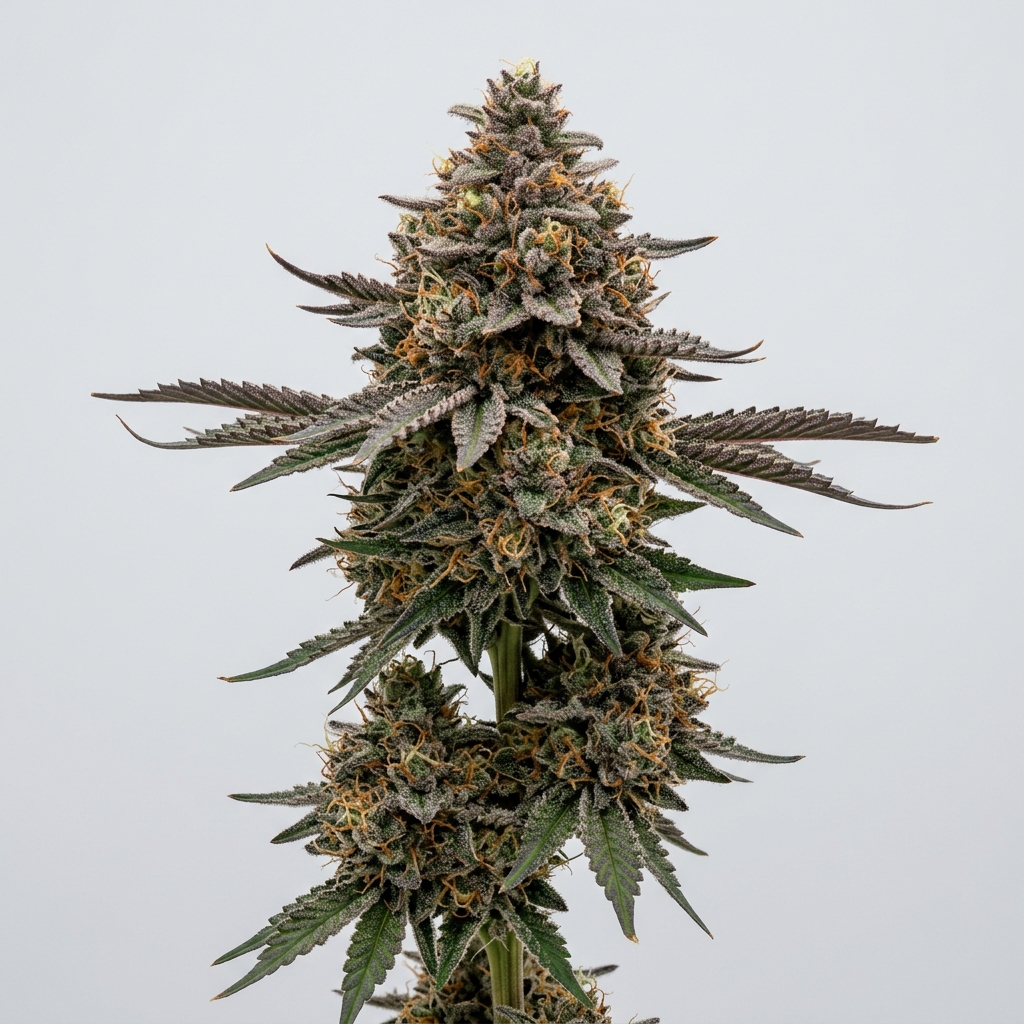
Mints Kush (Cannabis Strain)
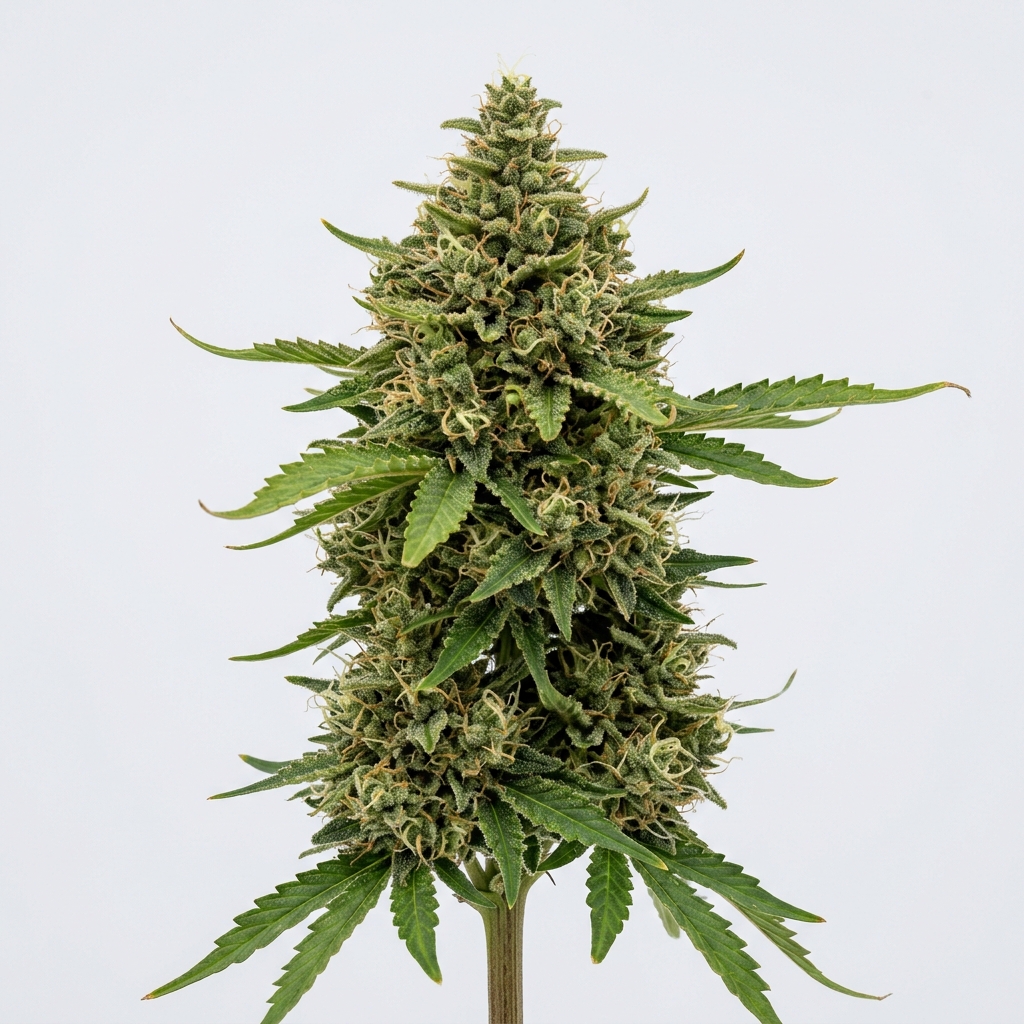
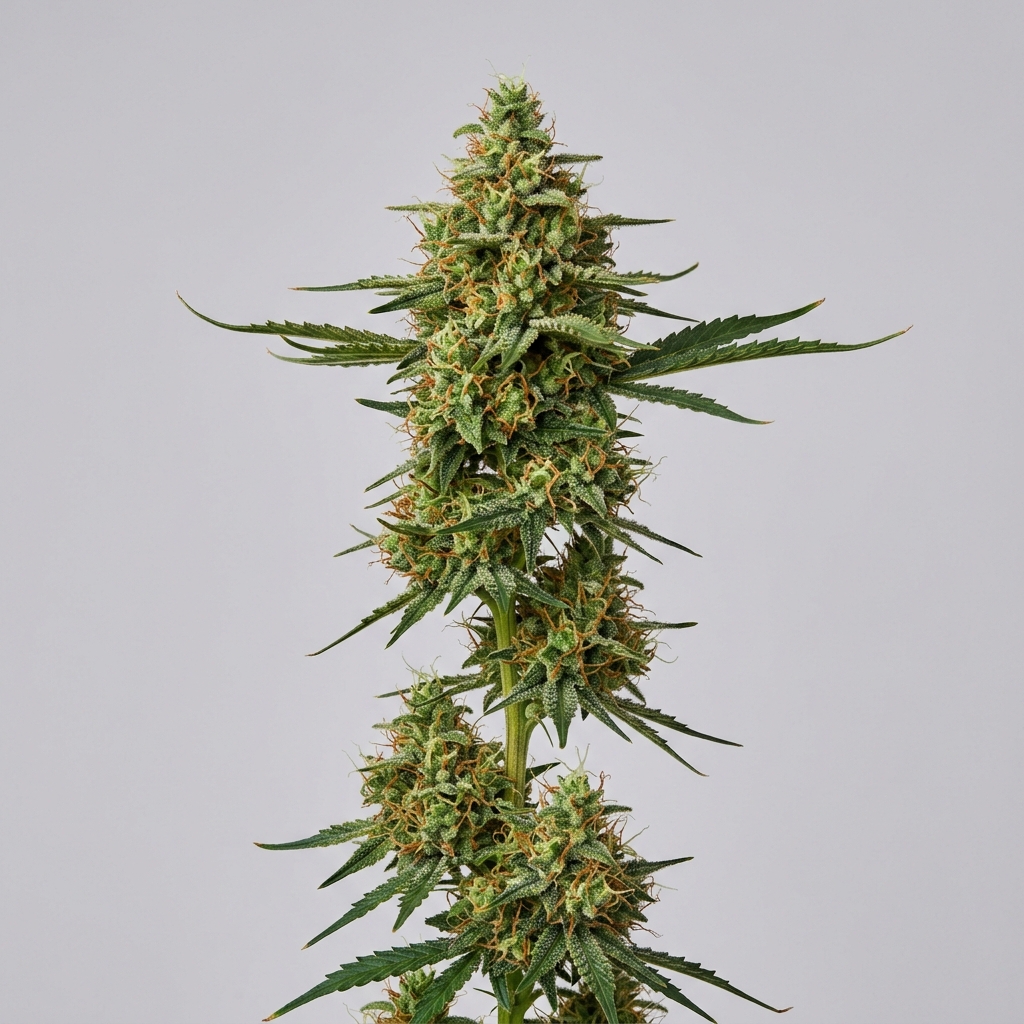
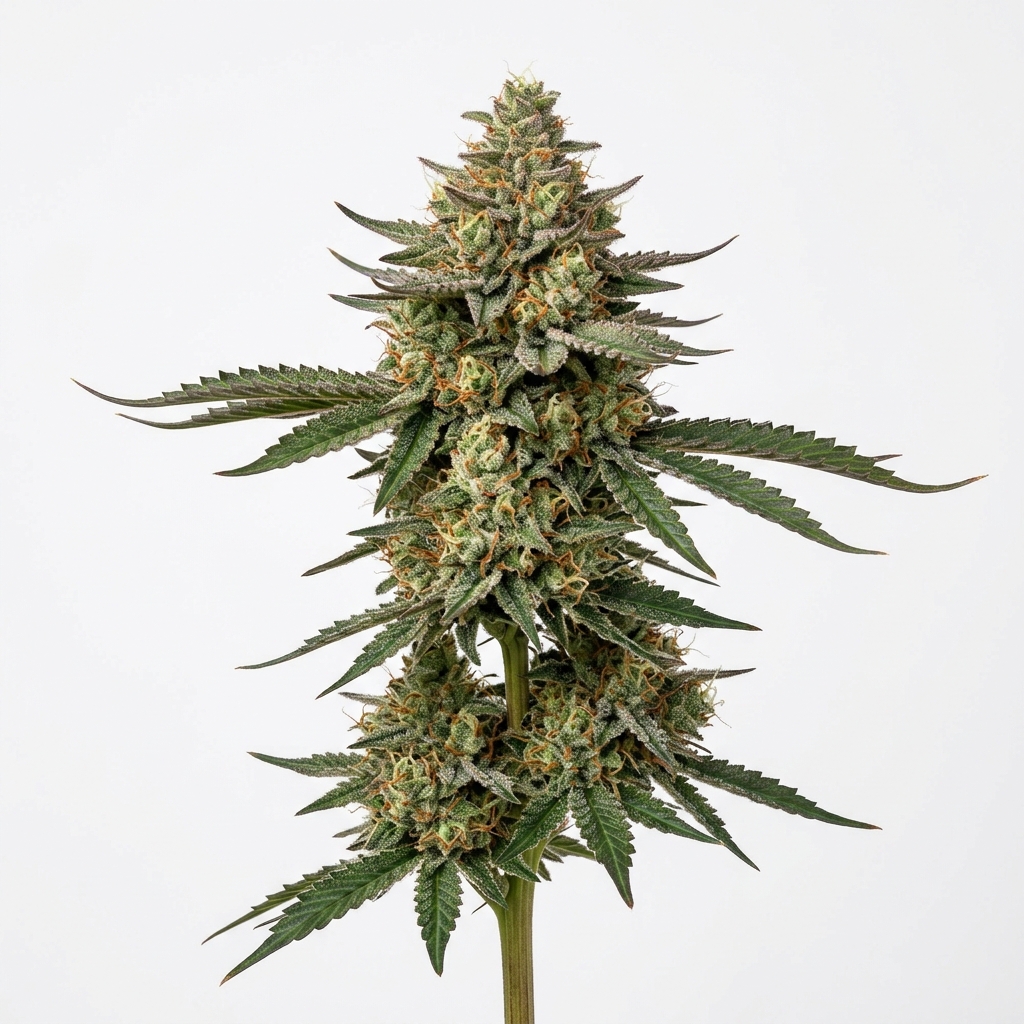
Mints Kush is a potent, indica-dominant hybrid crossing the classic Bubba Kush with Animal Mints, delivering a reliable 24% to 28% THC range. Known for its intense herbal mint and sweet gas aroma, this cultivar produces dense, glassy buds coated in a thick layer of greasy resin. It shows a highly controlled stretch during its nine-week flowering cycle, making it a favorite among growers seeking compact, high-yielding indoor canopies.
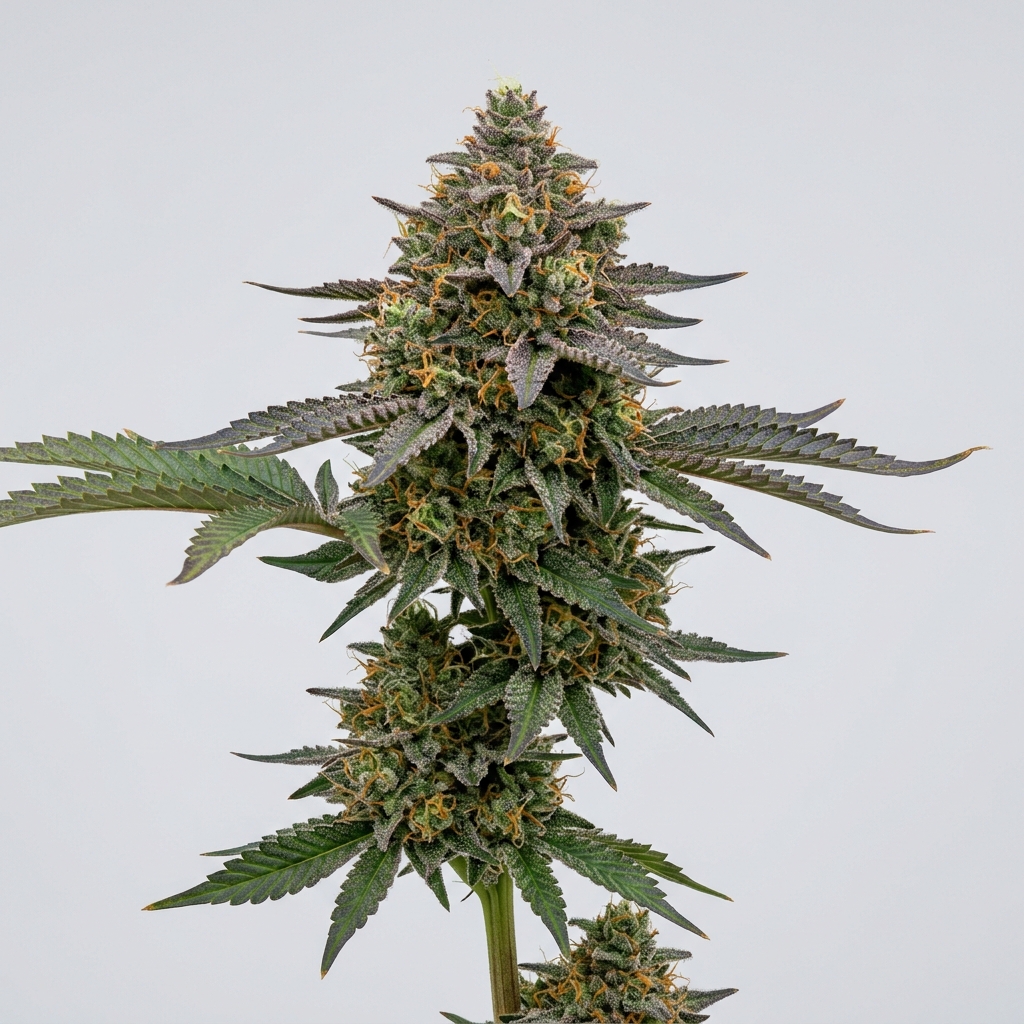
Originally selected for its heavy resin coverage and distinct menthol-gas profile, the strain has become a staple in modern extraction programs. Its physical structure features swollen calyxes and deep purple hues that emerge under cooler night temperatures, offering excellent bag appeal and high washing yields.
Quick Facts
| Key Metric | Details |
|---|---|
| Genetics | Bubba Kush × Animal Mints |
| Variety | Indica-dominant Hybrid |
| THC Range | 24% – 28% |
| Flowering Time | 8 – 9 Weeks |
| Yield Potential | Moderate to High |
| Plant Height | Medium / Compact |
| Climate Preference | Temperate / Controlled Indoor |
| Difficulty | Moderate |
Scientific & Botanical Overview
Botanically, Mints Kush displays classic indica-dominant morphology, characterized by broad fan leaves and tight internodal spacing. The vegetative stage requires intentional defoliation to improve airflow through its dense canopy. This structural density helps support the heavy weight of the ripening flowers during late bloom.
Bud development is characterized by dense bracts that stack into heavy, spear-shaped colas. Under optimal conditions, the calyx-to-leaf ratio remains high, which simplifies the post-harvest trimming process. The trichomes are primarily capitate-stalked, producing a highly concentrated layer of sticky, resin-rich heads.
Anthocyanin accumulation is common in late flower, turning the sugar leaves and bracts dark purple. This coloration contrasts sharply with the thick blanket of wet frost that covers the flowers. The plant thrives in environments where root zone moisture and ambient humidity are precisely managed.
Effects & Use-Cases (Reported)
Commonly reported effects include a heavy physical relaxation, a calm mental state, and a strong sense of physical ease. Users frequently note a slow, creeping onset that settles deep into the muscles, making it highly effective for evening use.
Use-case context typically centers on late-evening relaxation or wind-down routines. Because of its heavy physical onset, it is rarely selected for daytime productivity or active tasks. It is best suited for quiet, low-energy environments where its sedative qualities can be fully appreciated.
Note: Individual tolerance and dosage significantly influence these outcomes, and high-THC cultivars can occasionally induce mild physical heaviness or temporary lethargy in sensitive individuals.
Aroma & Flavors
Aroma: A sharp blend of fresh spearmint, earthy pine, and a pungent, fuel-like undertone that fills the room immediately upon opening the jar.
Flavor: A sweet, herbal mint intake followed by a rich, earthy kush base on the exhale, leaving a cool, lingering menthol sensation on the palate.
Terpene associations: Typically dominated by limonene, caryophyllene, and myrcene, which drive its complex herbal-gas profile and distinct cooling finish.
Tested Cannabinoid & Terpene Ranges
| Compound | Typical Range |
|---|---|
| Δ9-THC | 24.0% – 28.0% |
| CBD | < 1.0% |
| CBG | 0.5% – 1.5% |
| Limonene | 0.4% – 0.8% |
| Beta-Caryophyllene | 0.3% – 0.6% |
| Myrcene | 0.2% – 0.5% |
These values represent typical laboratory averages across multiple cultivated phenotypes. Individual results may vary depending on cultivation practices, curing methods, and environmental inputs.
Cultivation Notes
- Humidity Control: Keep relative humidity below 45% during the final three weeks of flower to prevent moisture retention in the dense, resin-heavy colas.
- Nutrition: This cultivar tolerates a moderate to heavy feeding regimen, responding well to consistent calcium and magnesium inputs during early bloom.
- Training: Implement low-stress training (LST) and early topping to promote a flat, even canopy and maximize light penetration to lower bud sites.
- Harvest Window: Harvest when the trichomes transition from milky white to a light amber, usually around day 60 of flowering.
- Phenotype Management: Monitor for variations in stretch; some phenotypes show a slightly taller stature inherited from the Animal Mints lineage.
Grower Notes (Week-by-Week Snapshot)
- Weeks 1–3 (Transition & Early Stretch): The plants undergo a moderate stretch, typically doubling in height. Focus on early canopy training and tucking large fan leaves to expose lower bud sites to direct light.
- Weeks 4–6 (Mid-Flower & Resin Development): Flower sites begin stacking rapidly, and the first visible trichomes appear along the bract edges. Maintain stable daytime temperatures around 75°F (24°C) to encourage steady resin production.
- Weeks 7–9 (Late Bloom & Ripening): Resin production peaks, giving the buds a greasy, wet appearance. Introduce cooler night temperatures (around 62°F / 16°C) to stimulate purple coloration and preserve delicate terpenes.
- Post-Harvest (Slow Dry & Cure): Dry the harvested plants at 60°F (15°C) and 60% relative humidity for 10 to 14 days. A slow, controlled cure preserves the sharp mint finish and prevents the terpene profile from degrading.
Genetic Lineage
Mints Kush inherits its deep, physical relaxation and earthy undertones from Bubba Kush, a legendary pre-98 indica classic. This lineage contributes the dense bud structure and the rich, coffee-like earthiness that grounds the strain’s overall profile.
The sweet, mentholated gas notes and heavy resin coverage are inherited from Animal Mints (Animal Cookies × SinMint Cookies). This parentage introduces modern cookie-family traits, including the glassy trichome density and the sharp, minty lift that defines the cultivar.
Research Insights
Analytical testing of Mints Kush frequently highlights a high concentration of cyclic monoterpenes alongside sesquiterpenes. The co-dominance of limonene and caryophyllene is of particular interest to extraction technicians, as it preserves a distinct aroma even after intensive processing.
Horticultural observations indicate that the strain’s dense bract development is highly efficient at water retention, which requires strict late-flower humidity management. Research into its growth patterns suggests that maintaining a lower root-zone temperature in late flower can enhance anthocyanin expression without compromising overall yield.
Frequently Asked Questions
What is the genetic background of Mints Kush?
Mints Kush is an indica-dominant hybrid created by crossing Bubba Kush with Animal Mints, combining classic kush genetics with modern cookie-lineage traits.
How long does Mints Kush take to flower?
This strain typically has an indoor flowering time of 8 to 9 weeks, with most phenotypes reaching peak maturity around day 60.
What does Mints Kush smell like?
It features a sharp, complex aroma of fresh spearmint, earthy pine, and a heavy, fuel-forward gas finish.
Is Mints Kush easy to grow?
It is rated as moderate in difficulty, requiring careful humidity control in late flower due to its dense bud structure, alongside regular canopy maintenance to ensure proper airflow.
Educational Disclaimer
This profile is intended purely for educational and informational purposes. Cultivation of cannabis is subject to varying local laws and regulations, and readers should consult their local guidelines before undertaking any cultivation activities.
Rate and review this strain
Ratings and reviews are accepted only from signed-in Google accounts.
Sign in with Google to leave a rating and written review.
Latest Reviews
0 reviewsNo reviews yet. Be the first Google user to rate and review this strain.