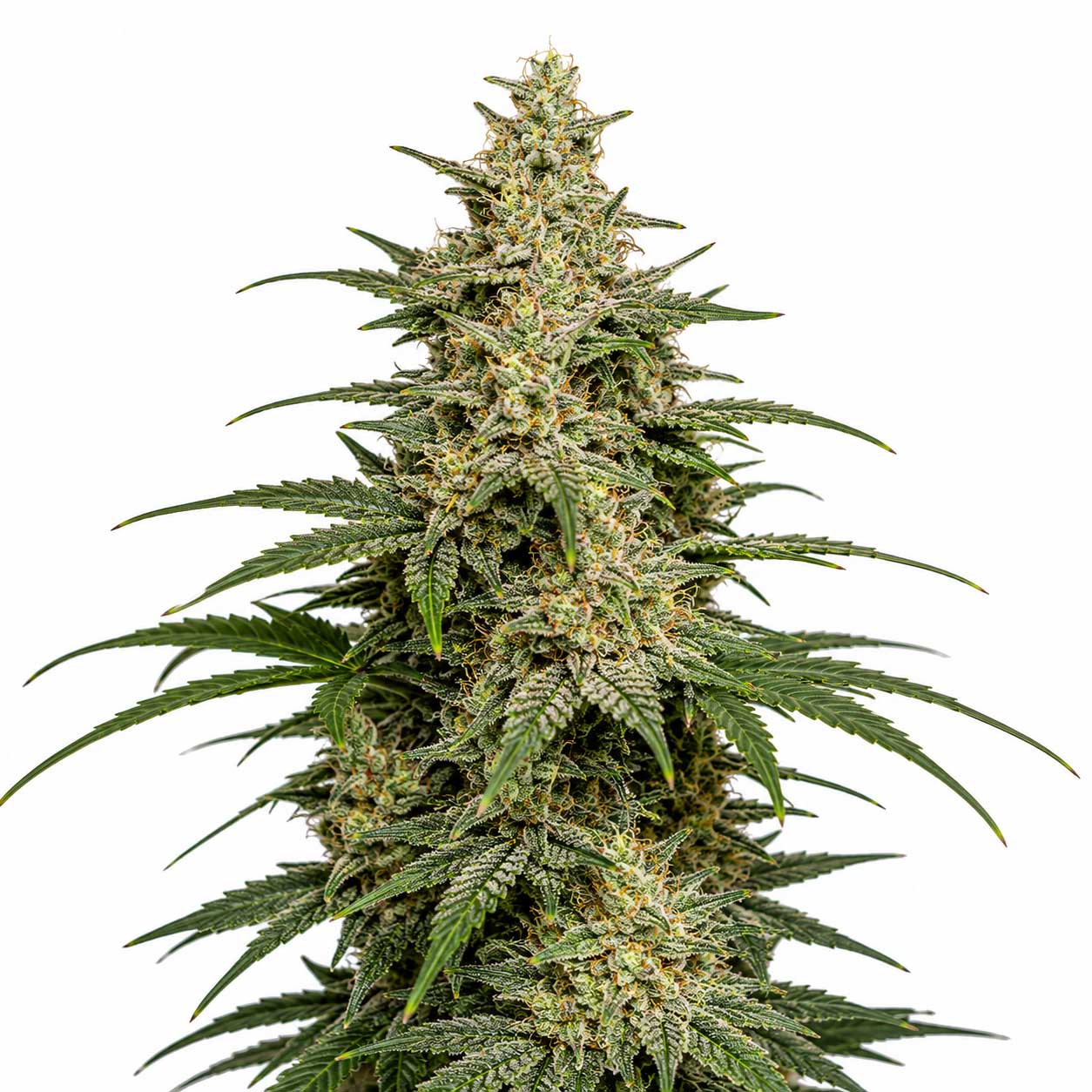
Jet Fuel (Cannabis Strain)
Jet Fuel (also known as G6) is a premier, high-velocity sativa-dominant hybrid cannabis cultivar testing between 20% and 25% THC, bred by crossing Aspen OG with High Country Diesel. Known for its aggressive diesel-forward aroma, sharp citrus undertones, and outstanding resin production, this cultivar develops elongated spear colas that carry a heavy layer of wet frost. In the garden, it is characterized by a vigorous vertical stretch, making it a favorite for growers seeking high-impact, fuel-driven chemotypes with exceptional boutique bag appeal.
The cultivar has earned a permanent place in modern dispensaries due to its clean, energetic profile that avoids the heavy physical drag of traditional diesel varieties. Its industrial, chemical-sharp identity appeals directly to purists who value raw fuel terpenes and clean daytime focus over modern dessert profiles.
Quick Facts
| Feature | Details |
|---|---|
| Genetics | Aspen OG × High Country Diesel |
| Variety | Sativa-dominant hybrid (70% Sativa / 30% Indica) |
| THC Range | 20%–25% |
| Flowering Time | 9 weeks (63 days indoors) |
| Yield Potential | Moderate to High (450–550 g/m²) |
| Plant Height | 120–150 cm (significant vertical stretch) |
| Climate Preference | Arid / Controlled Indoor |
| Difficulty | Intermediate |
Scientific & Botanical Overview
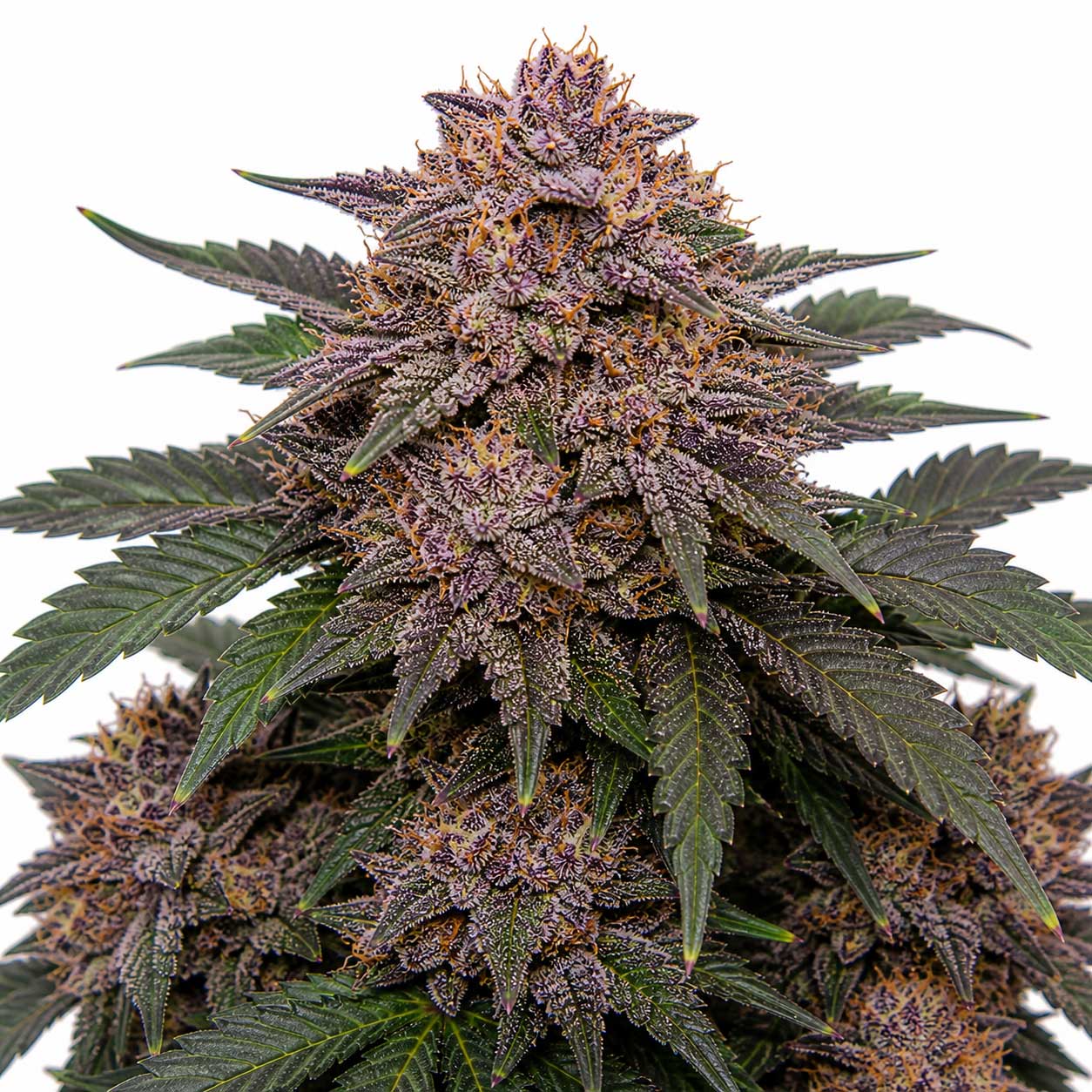
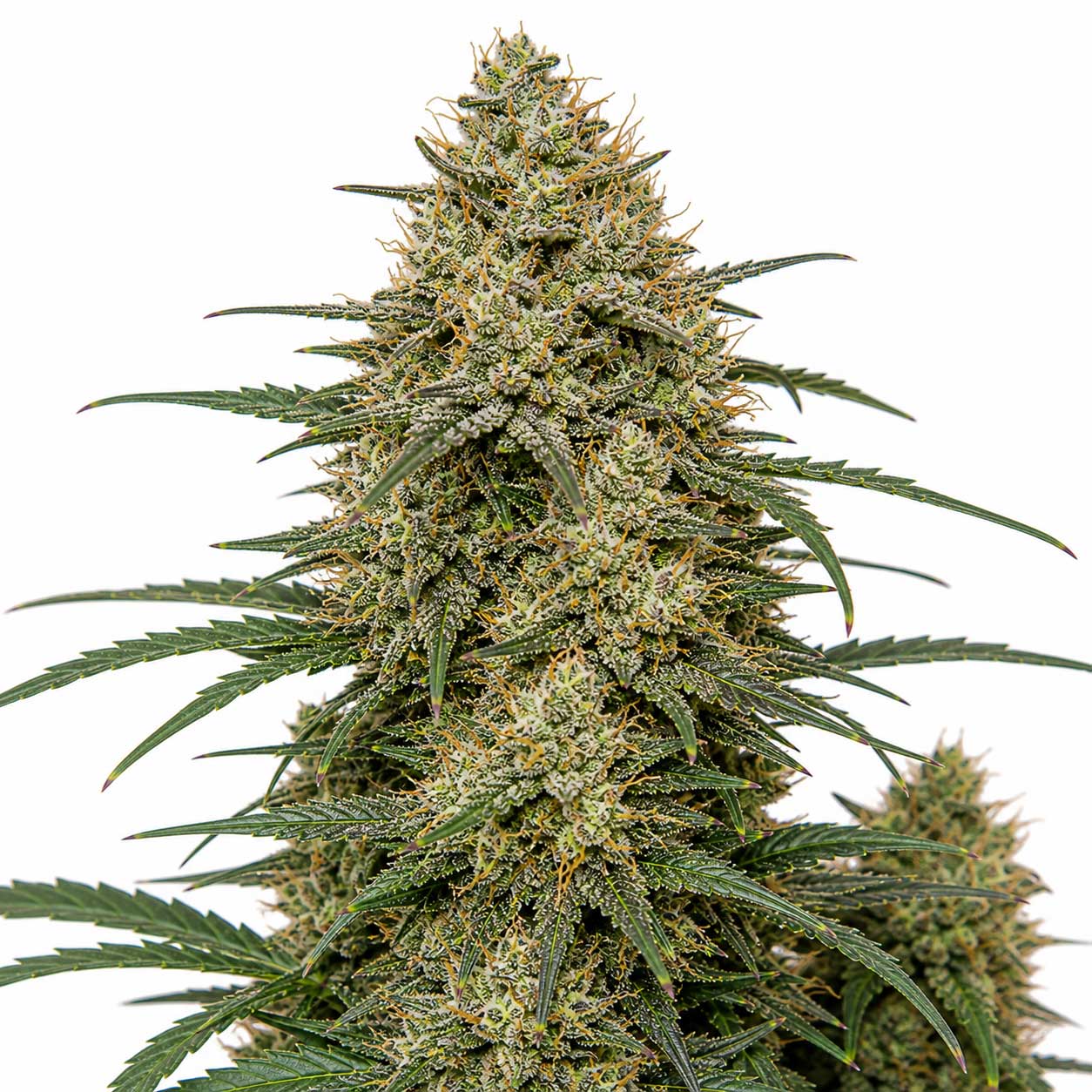
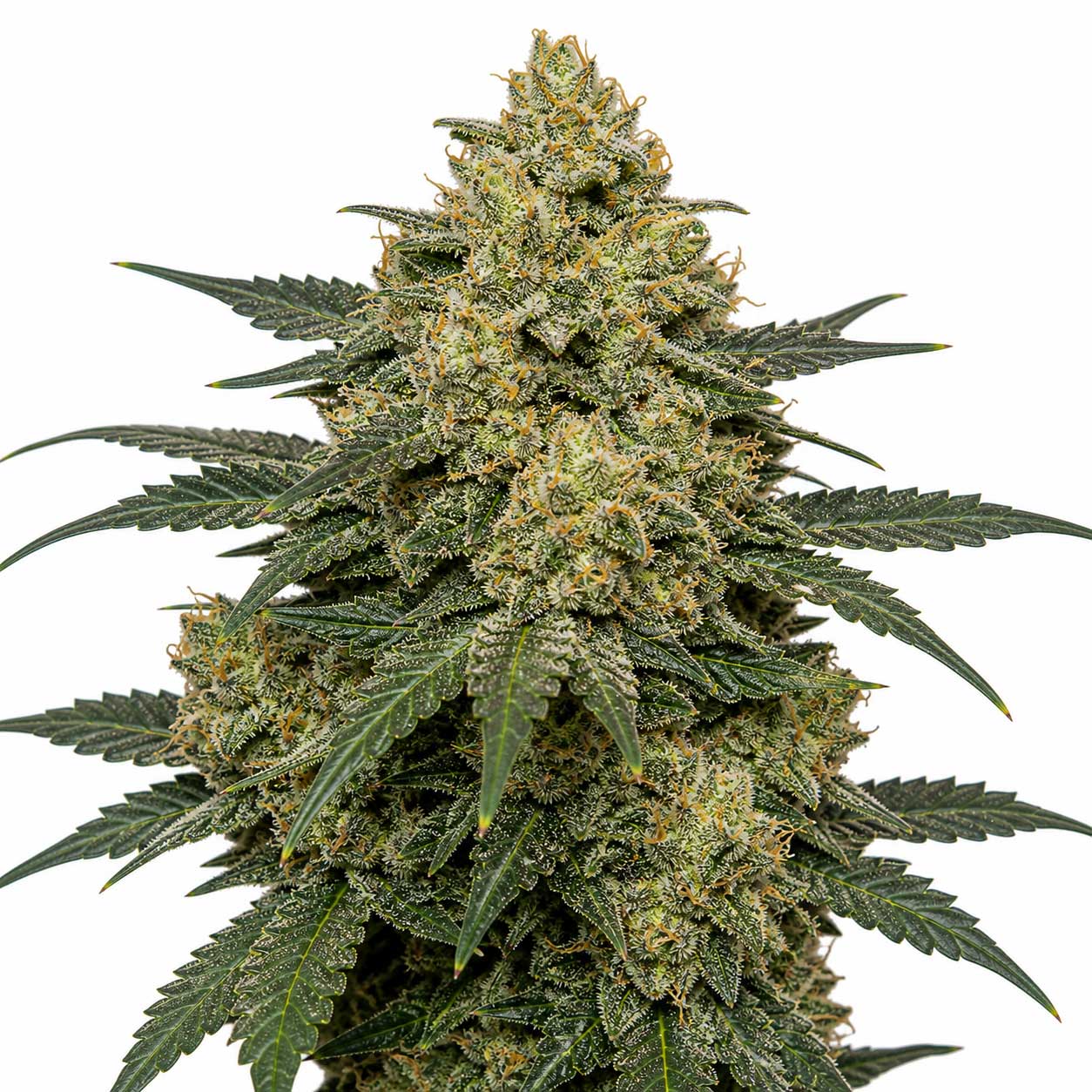
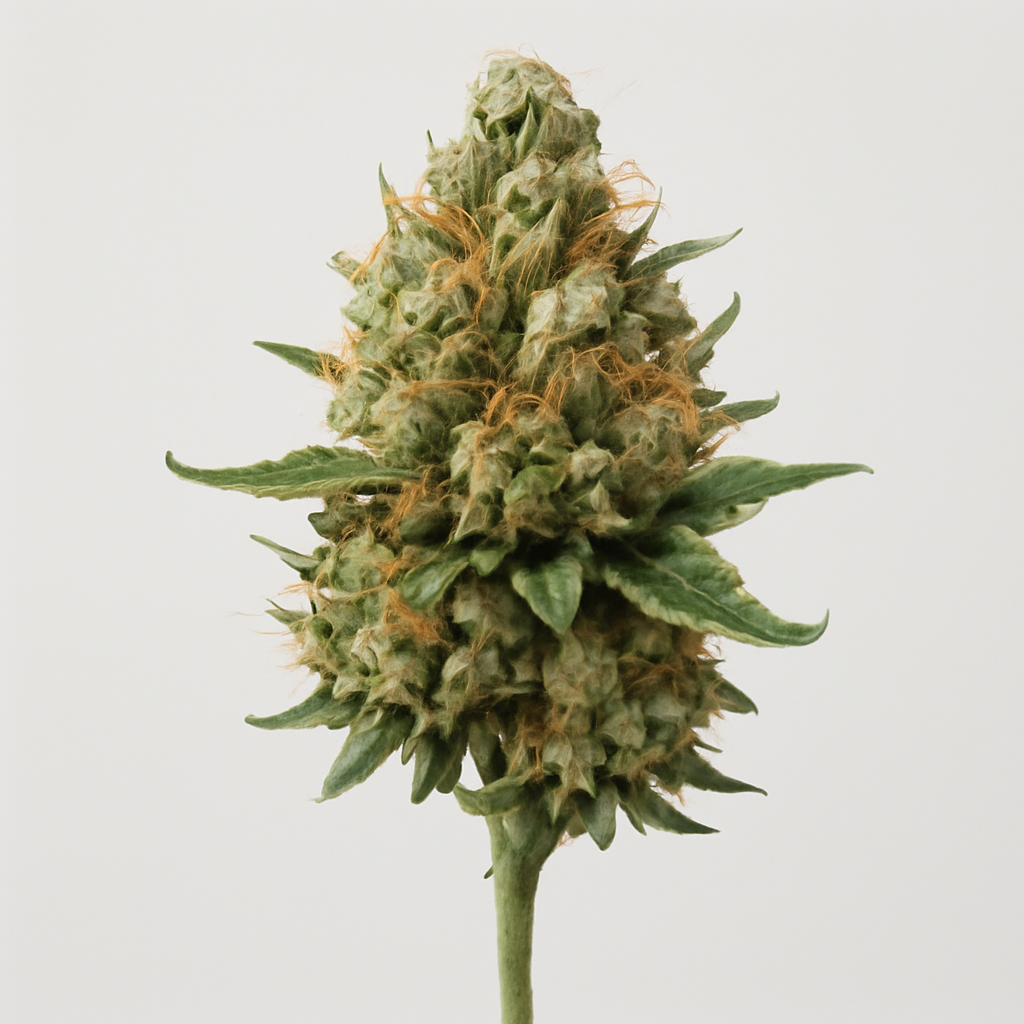
Jet Fuel displays a classic sativa-leaning morphology, producing tall plants with thin fan leaves and generous internodal spacing. The flowers form dense, elongated spear colas that display a deep forest-green hue contrasted by bright amber pistils. A thick blanket of glassy trichomes covers the bracts and sugar leaves, giving the dried buds a striking silver-shimmer finish.
The chemical profile of this cultivar is heavily dominated by caryophyllene and limonene, which drive its sharp, industrial aroma. Unlike sweet or fruity hybrids, Jet Fuel retains a high concentration of volatile monoterpenes that preserve its pungent, chemical-forward identity. The structural density of its buds, inherited from its OG lineage, ensures a tighter flower structure than most pure sativas.
Its vigorous vegetative growth requires careful canopy management to prevent the lower branches from becoming shaded. The plant’s vascular system is highly efficient, allowing it to process nutrients rapidly during the transition to flower. This metabolic speed supports both the heavy resin output and the intense terpene synthesis observed in late bloom.
Effects & Use-Cases (Reported)
Commonly reported effects: Users frequently describe a rapid, clear-headed cerebral onset that sharpens sensory focus and elevates mood without inducing physical heaviness. This initial surge is followed by a smooth, grounding physical relaxation that cushions the body while keeping the mind active.
Use-case context: Jet Fuel is highly favored for daytime activities, creative sessions, and social gatherings where mental clarity is desired. Its balanced physical finish makes it a popular choice for active outdoor pursuits and morning routines.
Note: These observations are based on anecdotal reports and are not intended as medical advice.
Aroma & Flavors
Aroma: A pungent, high-octane blast of raw diesel, chemical fuel, and sharp pine, rounded out by sour citrus and subtle herbal undertones.
Flavor: The smoke is sharp and gassy on the inhale, leaving a lingering taste of sour lemon, cracked black pepper, and earthy pine on the palate.
Terpene associations: Caryophyllene, Limonene, Myrcene, and Humulene.
Tested Cannabinoid & Terpene Ranges
| Compound | Typical Range* | Notes |
|---|---|---|
| Δ9-THC | 20.0%–25.0% | Potent and consistent range associated with a clean-feeling, functional experience. |
| CBG | 1.0%–2.0% | Notable minor-cannabinoid presence that supports mental clarity. |
| Caryophyllene | 0.8%–1.2% | Adds spicy gas depth and provides grounding physical comfort. |
| Limonene | 0.6%–1.0% | Drives the sour citrus top note and the bright, euphoric onset. |
| Myrcene | 0.3%–0.6% | Rounds out the earthy sweetness and balances the sativa energy. |
*Ranges are literature-informed references for boutique harvests and may vary by phenotype, cultivation environment, harvest timing, and analytical method.
Cultivation Notes
- Humidity Targets: Maintain relative humidity between 45% and 50% during the final three weeks of flower to protect the dense colas from moisture retention.
- Nutrition: Jet Fuel is a heavy feeder that responds well to consistent calcium and magnesium supplementation, especially during the early stretch phase.
- Training: Topping early and using a double-tier trellis system are highly recommended to manage the vertical stretch and support the weight of the heavy spear colas.
- Harvest Window: Indoors, harvest is optimal at 63 days; outdoor plants typically finish by late October in the Northern Hemisphere.
- Phenotype Management: Watch for high-stretch phenotypes during the first three weeks of flower, ensuring adequate light penetration to lower bud sites.
Grower Notes (Week-by-Week Snapshot)
- Weeks 1–3 (The Stretch): Plants will undergo a significant vertical stretch, often doubling in height. Early low-stress training and canopy tucking are essential to maintain an even light footprint.
- Weeks 4–6 (Resin & Bud Set): Elongated spear colas begin to form, and early trichome coverage appears along the bracts. The room will develop a distinct, sharp diesel aroma, requiring efficient carbon filtration.
- Weeks 7–9 (Ripening & Flush): The calyxes swell and the resin turns sticky and greasy. Lower the humidity, reduce nitrogen feeding, and perform a thorough flush to preserve the clean, sour-gas terpene profile.
Genetic Lineage
Jet Fuel inherits its structural strength and resin density from Aspen OG, a robust hybrid known for its reliable growth and clean, earthy undertones. This parental line contributes the physical weight and tight bract structure that prevents the buds from becoming too wispy.
The intense, chemical-sharp profile is inherited directly from High Country Diesel, a cultivar renowned for its sour, fuel-forward terpene expression. This cross results in a hybrid that preserves the soaring, clear-headed energy of classic diesel lines while benefiting from modern OG structural stability.
Research Insights
The unique sensory profile of Jet Fuel highlights the synergistic relationship between high concentrations of caryophyllene and limonene. This specific ratio is believed to modulate the uptake of THC, tempering potential anxiety while enhancing the clear, daytime focus reported by consumers.
In the modern market, Jet Fuel serves as a critical genetic foundation for breeders seeking to introduce authentic sour-gas traits into sweeter dessert lines. Its stable growth patterns and high resin-to-leaf ratio make it an invaluable tool for creating high-yielding, extraction-grade hybrids.
Frequently Asked Questions
Is Jet Fuel an indica or sativa?
Jet Fuel is a sativa-dominant hybrid, typically classified as a 70% sativa and 30% indica cross.
What does Jet Fuel smell like?
It has a highly pungent, chemical aroma dominated by raw diesel, sharp pine, and sour citrus, with a spicy, peppery finish.
How long does Jet Fuel take to flower?
Indoors, Jet Fuel has a flowering time of approximately 9 weeks (63 days). Outdoors, it is ready for harvest by late October.
Is Jet Fuel difficult to grow?
It is considered intermediate. The primary challenge is managing its vigorous vertical stretch during the early flowering phase, which requires active training and trellising.
Educational Disclaimer
The information provided here is for scientific, educational, and botanical reference only. Cannabis laws and regulations vary by jurisdiction, and cultivation should only be undertaken where legally permitted.
Rate and review this strain
Ratings and reviews are accepted only from signed-in Google accounts.
Sign in with Google to leave a rating and written review.
Latest Reviews
0 reviewsNo reviews yet. Be the first Google user to rate and review this strain.