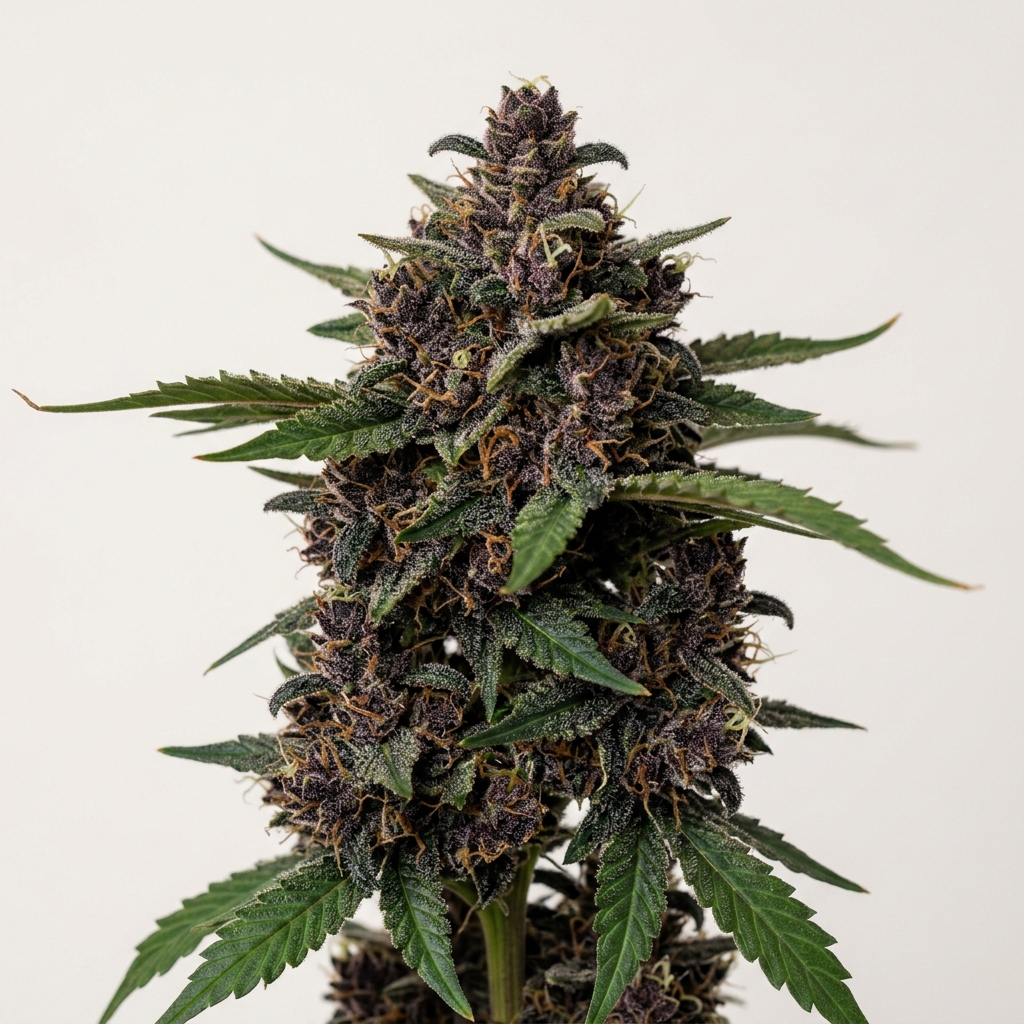
Deep Purple (Cannabis Strain)
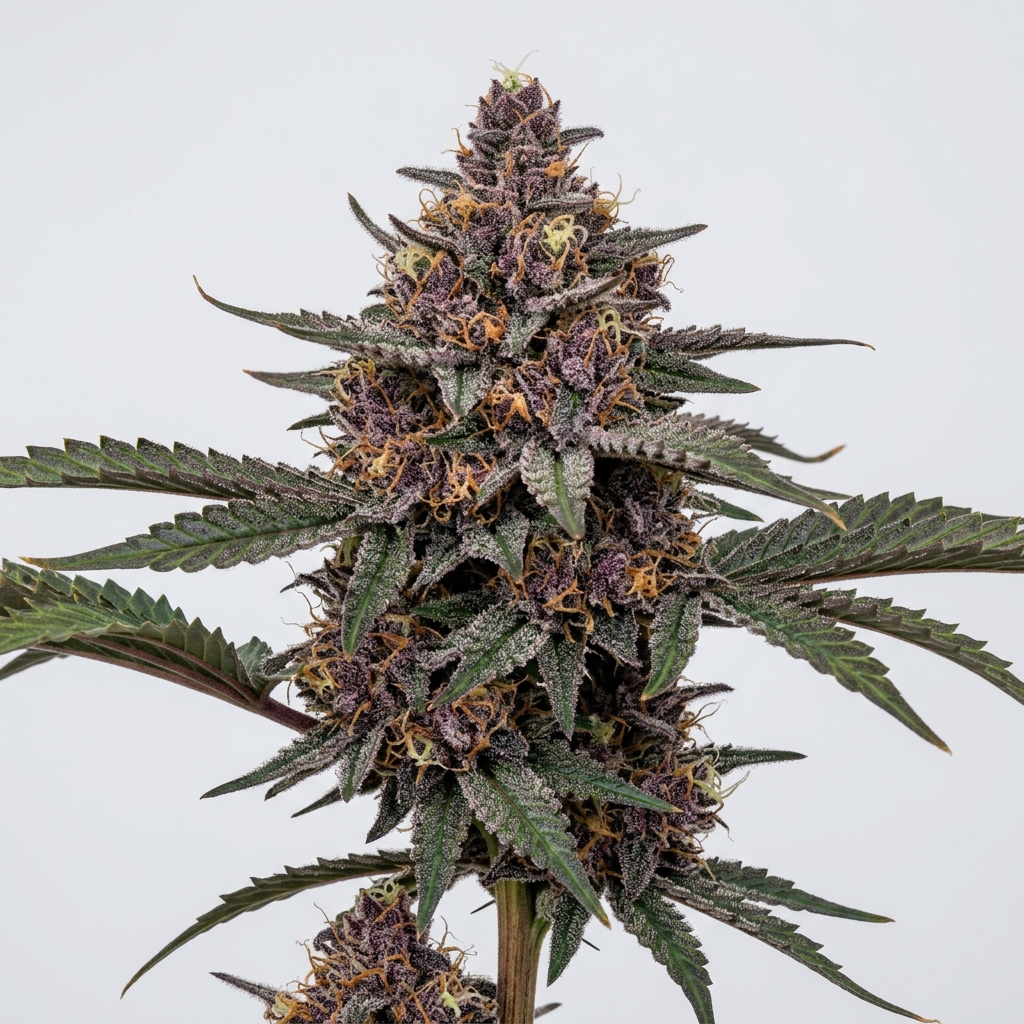
Deep Purple is a select indica-dominant hybrid crossing the classic Purple Urkle with Querkle, delivering a reliable 15% to 22% THC profile defined by its dark berry edge and musty grape aroma. Known for its resin-rich flowers and slow, stocky growth, this cultivar produces dense bracts that transition to striking shades of violet and midnight blue late in the flowering cycle. Its compact structure and high terpene clarity make it a staple for growers seeking old-school purple genetics with reliable physical relaxation.
Developed by Subcool’s TGA Genetics, the strain focuses on preserving the deep grape flavor profile of its Urkle parent while improving the structural integrity of the plant. The result is a highly resinous phenotype that yields glassy buds coated in a greasy resin. It is favored by those who appreciate classic, heavy-hitting indica characteristics without the modern, chemical-leaning gas profiles.
Quick Facts
| Fact | Details |
|---|---|
| Genetics | Purple Urkle × Querkle |
| Variety | Indica-dominant hybrid (approx. 85/15) |
| THC Range | 15% – 22% |
| Flowering Time | 50 – 60 days (approx. 7 to 8 weeks) |
| Yield Potential | Moderate |
| Plant Height | Short to medium |
| Climate Preference | Cool to temperate |
| Difficulty | Moderate |
Scientific & Botanical Overview
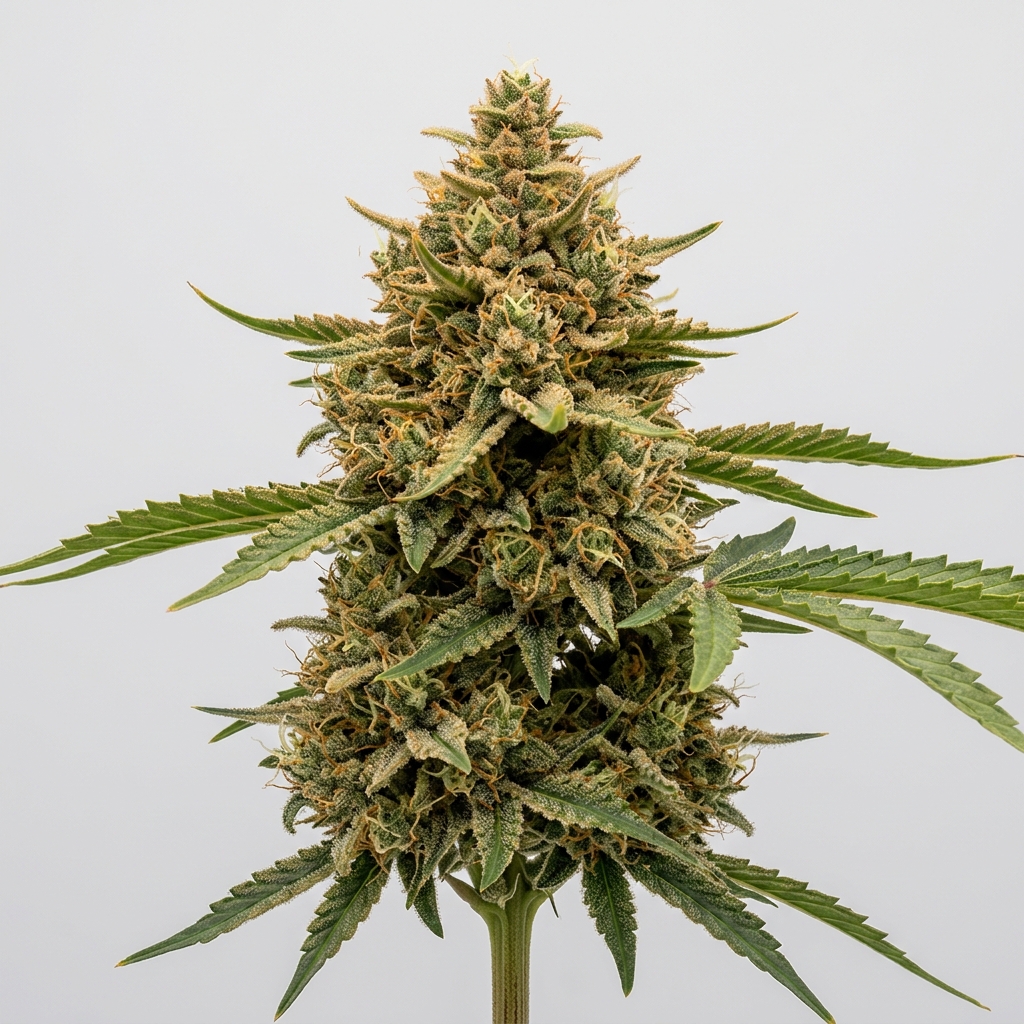
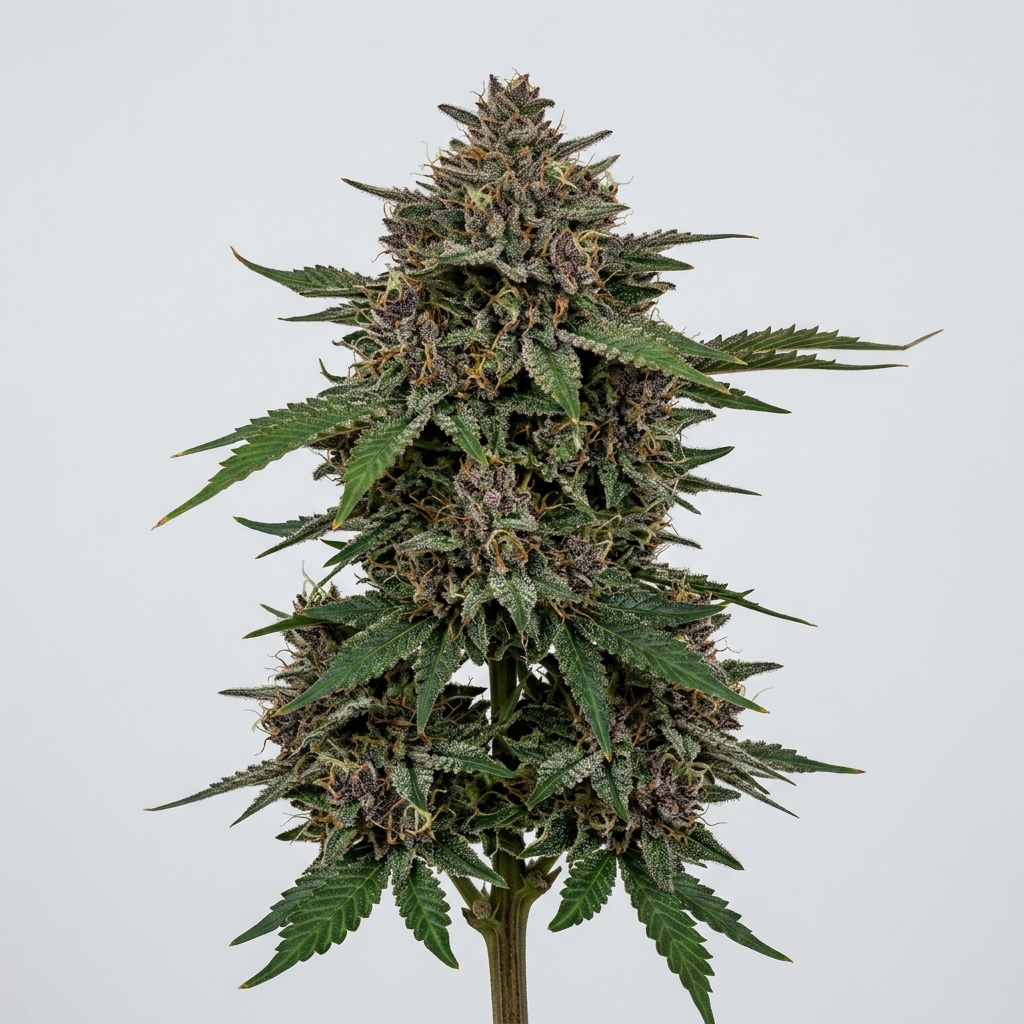
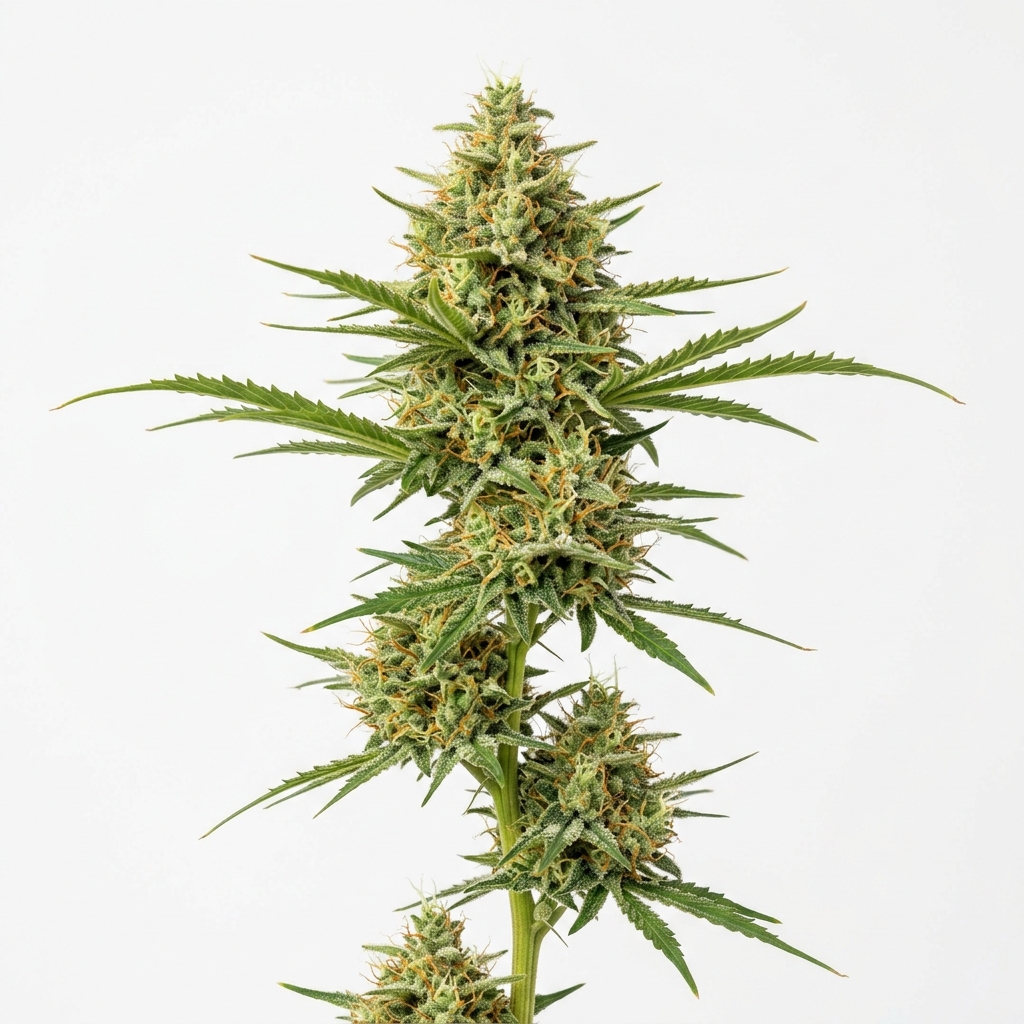
Botanically, Deep Purple shows classic indica morphology, characterized by broad fan leaves, tight internodes, and a stout, bushy growth habit. The plant allocates significant energy to lateral branching, requiring deliberate pruning to ensure adequate airflow through its dense canopy. Its dark green foliage frequently shifts to deep indigo and violet tones, a phenotypic expression triggered by anthocyanin accumulation under cooler nighttime temperatures.
The inflorescence develops as tight, rounded clusters of swollen calyxes rather than long, elongated spears. These dense bracts are heavily coated with capitate-stalked trichomes, which secrete a thick, greasy resin rich in sesquiterpenes. The structural density of the buds makes the cultivar particularly sensitive to moisture retention in the final weeks of development.
Unlike many modern hybrids that stretch aggressively during transition, this cultivar maintains a highly controlled stretch, often doubling its vegetative height at most. This predictable growth pattern makes it highly manageable in vertical setups and indoor spaces with limited headroom. The root system is robust and prefers well-aerated media to support its dense nutrient uptake.
Effects & Use-Cases (Reported)
Commonly reported effects: Heavy physical relaxation, calming mental ease, and a slow-drifting sedation that settles behind the eyes. It is frequently described as a classic couch-lock strain that gently unwinds physical tension.
Use-case context: Best suited for late evening or nighttime use, particularly during wind-down routines or before sleep. Its calming nature makes it a popular choice for quiet, low-energy activities.
Note: Individual tolerance and dosage significantly influence the depth of physical sedation, and novice consumers should approach this cultivar with caution due to its rapid physical onset.
Aroma & Flavors
Aroma: A dominant profile of musty grape, damp earth, and sweet berry, underscored by a subtle, spicy wood undertone.
Flavor: Rich grape candy and dark forest fruits on the inhale, leaving a smooth, earthy hash and slight floral finish on the palate.
Terpene associations: High concentrations of myrcene, caryophyllene, and pinene drive the deep, musky fruitiness and clean, grounding wood notes.
Tested Cannabinoid & Terpene Ranges
| Compound | Typical Range |
|---|---|
| Δ9-THC | 15.0% – 22.0% |
| CBD | < 0.5% |
| CBG | 0.2% – 1.0% |
| Myrcene | 0.5% – 1.2% |
| Caryophyllene | 0.3% – 0.8% |
| Pinene | 0.1% – 0.4% |
Range note: Cannabinoid and terpene levels are highly variable and depend on specific cultivation conditions, light intensity, and curing practices.
Cultivation Notes
- Humidity: Maintain vegetative relative humidity at 55–60%, dropping to 40–45% in late-flower to prevent moisture buildup within the dense colas.
- Nutrition: Responds well to moderate feeding; avoid excess nitrogen during mid-to-late bloom to preserve terpene clarity.
- Training: use low-stress training (LST) and selective defoliation of broad fan leaves to maximize light penetration to lower bud sites.
- Harvest: Harvest when trichomes are mostly milky with a scatter of amber to maximize the heavy, relaxing physical profile.
- Phenotype management: Watch for the slower-growing, highly colorful phenotypes, which often yield the most intense grape aroma.
Grower Notes (Week-by-Week Snapshot)
- Weeks 1–3 (Vegetative & Transition): Focus on building a strong root system and establishing lateral branches. The plant shows minimal stretch during transition, so ensure it reaches the desired size before flipping the light cycle.
- Weeks 4–6 (Mid-Flower): Bud sites begin to cluster into dense, resinous buttons. Greasy resin production starts early, and the sweet grape aroma becomes noticeable in the garden.
- Weeks 7–9 (Late-Flower & Flush): Introduce cooler night temperatures (around 62-65°F) to stimulate the production of deep purple and violet hues. Keep humidity low and monitor the dense bracts closely as they swell.
- Post-Harvest (Cure): A slow dry at 60°F and 60% relative humidity for 10 to 14 days preserves the volatile terpenes, followed by a minimum four-week cure to lock in the rich berry flavor.
Genetic Lineage
Deep Purple is a direct descendant of Purple Urkle and Querkle, two cornerstones of Northern California’s purple cannabis heritage. The maternal clone, Purple Urkle, is legendary for its slow growth, intense grape-soda flavor, and heavy physical effects.
To stabilize these traits and improve the plant’s structure, breeder Subcool crossed it with Querkle, which is itself a cross of Space Queen and Purple Urkle. This backcrossing strategy reinforced the classic purple traits while introducing a more robust branching habit and enhanced resin production.
Research Insights
Analytical data indicates that Deep Purple’s chemical profile is dominated by the monoterpene myrcene, which works in tandem with moderate THC levels to produce its characteristic physical heavy-bodied sensation. The presence of caryophyllene adds a subtle spicy note while interacting with peripheral receptors to enhance the overall calming profile.
Phytochemical testing also reveals minor concentrations of linalool, contributing to the floral undertones and reinforcing the strain’s relaxing qualities. This specific terpene distribution makes the cultivar a frequent subject of study for researchers examining the preservation of volatile compounds during low-temperature curing processes.
Frequently Asked Questions
Is Deep Purple hard to grow?
Deep Purple is moderately easy to cultivate, though its slow growth rate and dense bud structure require attention. Growers must manage humidity carefully during late flower to prevent mold in the tight colas.
What does Deep Purple smell like?
The strain features a deep aroma of ripe grapes, sweet berries, and damp earth, with a classic musty undertone characteristic of old-school purple genetics.
Does Deep Purple stretch a lot during flowering?
No, this cultivar shows a highly controlled stretch, typically doubling its height at most after flipping the light cycle, making it ideal for low-ceiling environments.
How do you bring out the purple colors in Deep Purple?
Dropping nighttime temperatures by 10 to 15 degrees during the final two to three weeks of flowering encourages the accumulation of anthocyanins, turning the leaves and buds deep shades of violet and indigo.
Educational Disclaimer
This article is for educational and informational purposes only. Cannabis cultivation and consumption are subject to local laws and regulations, and individual experiences may vary based on tolerance and environmental factors.
Rate and review this strain
Ratings and reviews are accepted only from signed-in Google accounts.
Sign in with Google to leave a rating and written review.
Latest Reviews
0 reviewsNo reviews yet. Be the first Google user to rate and review this strain.