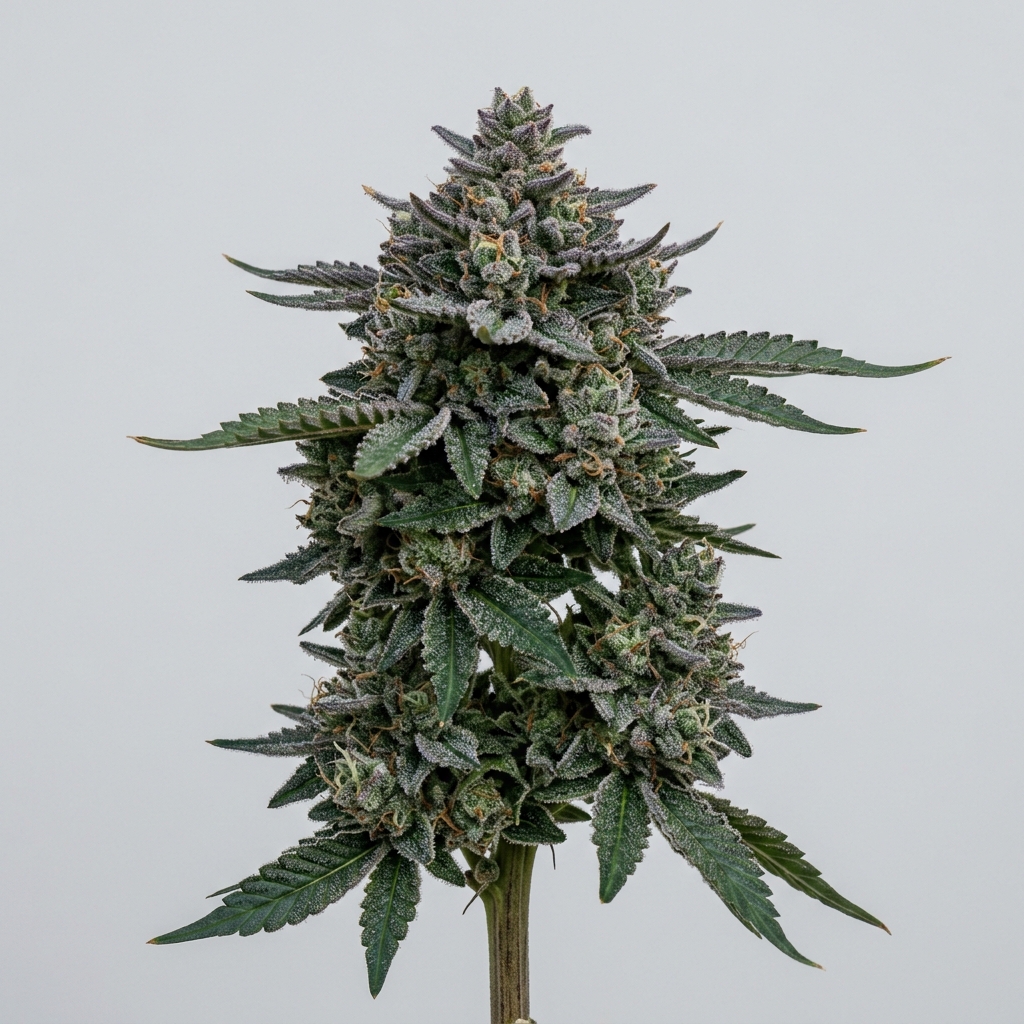
Goo (Cannabis Strain)
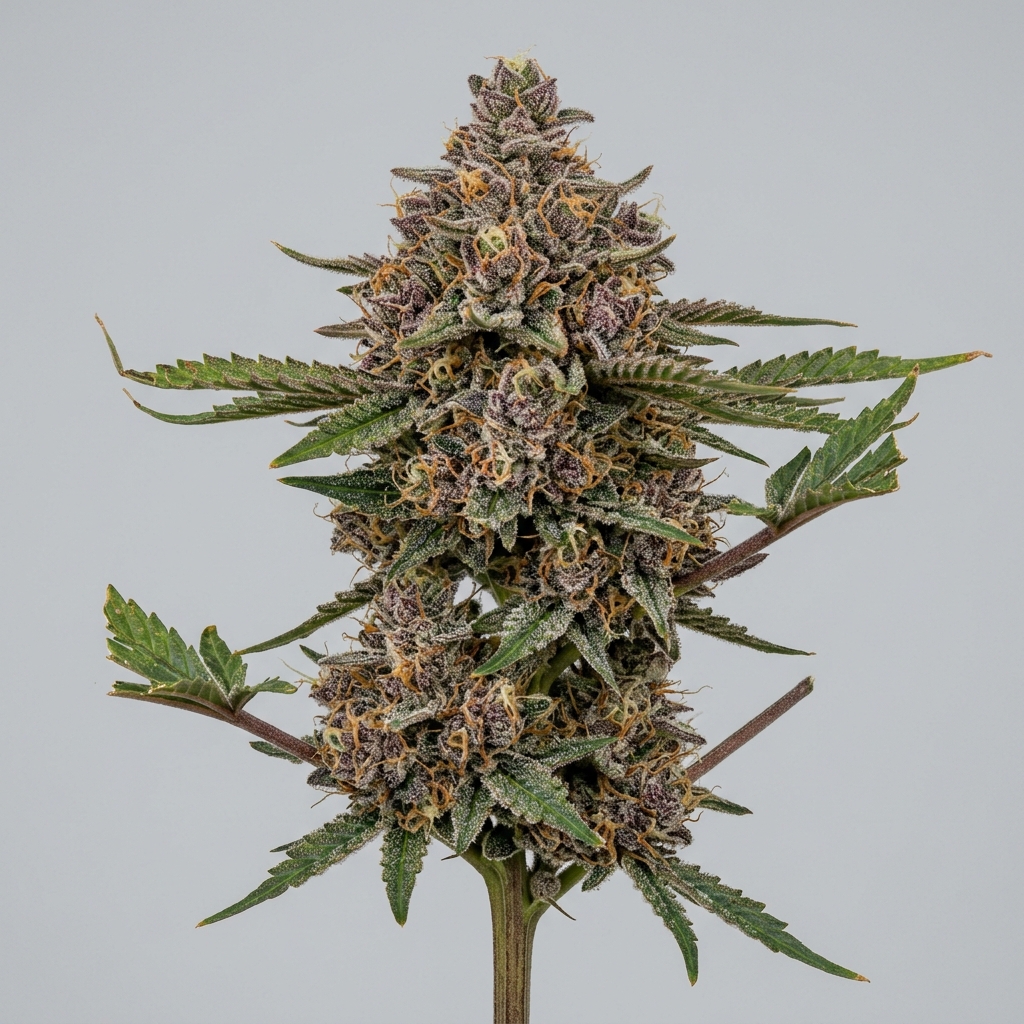
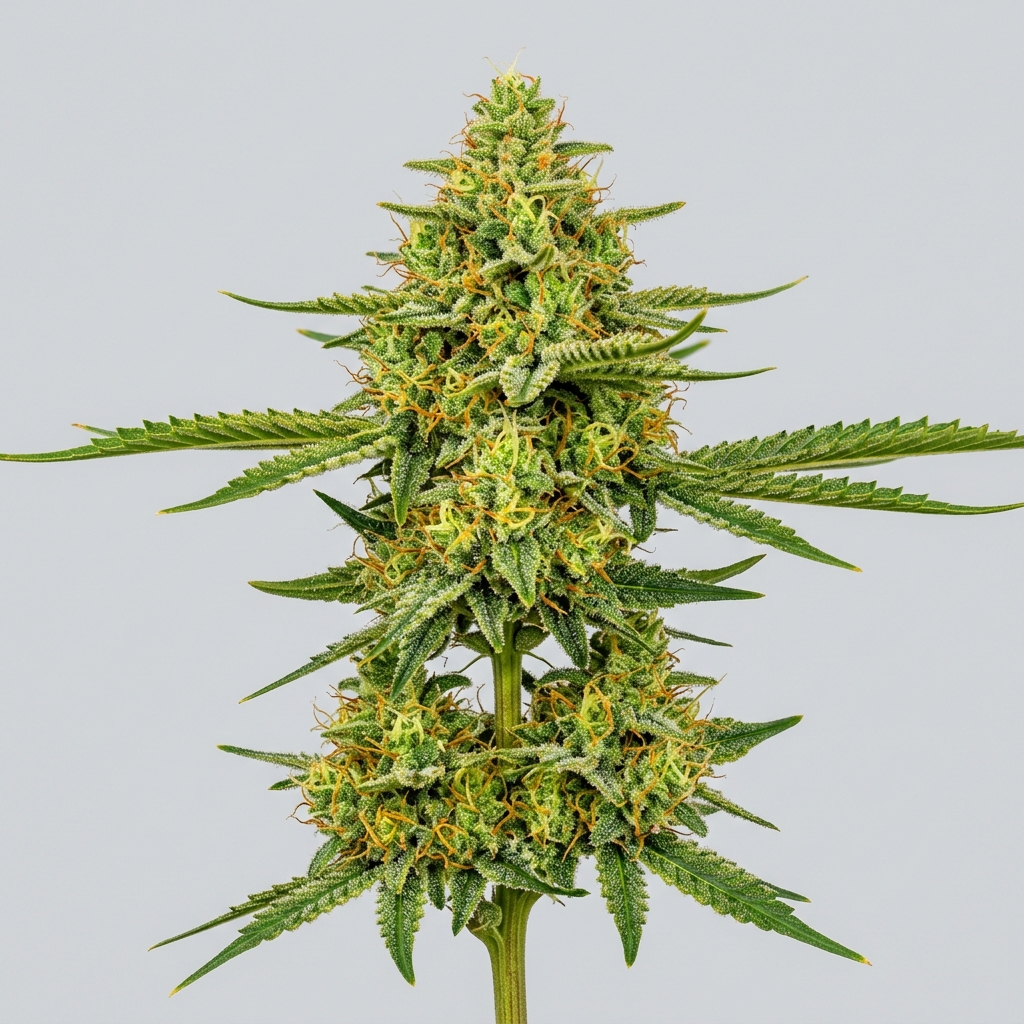
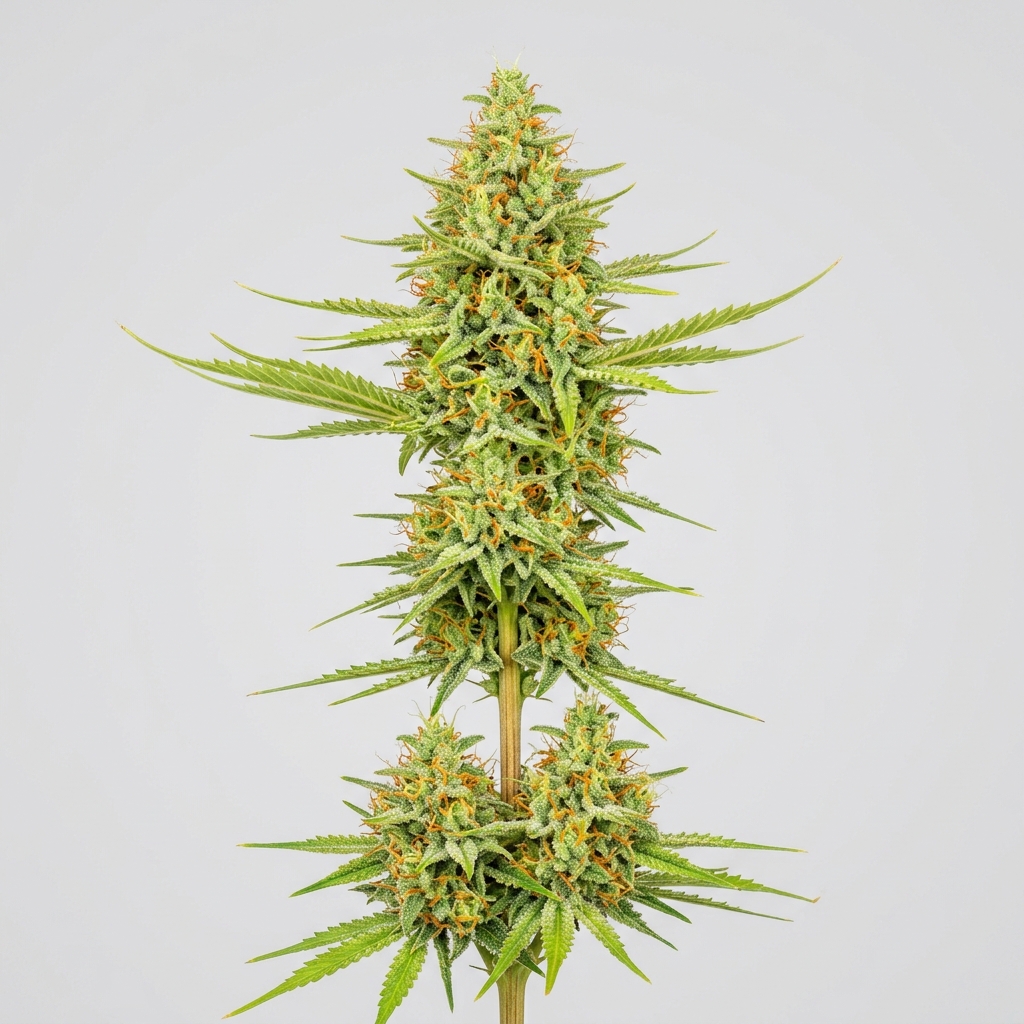
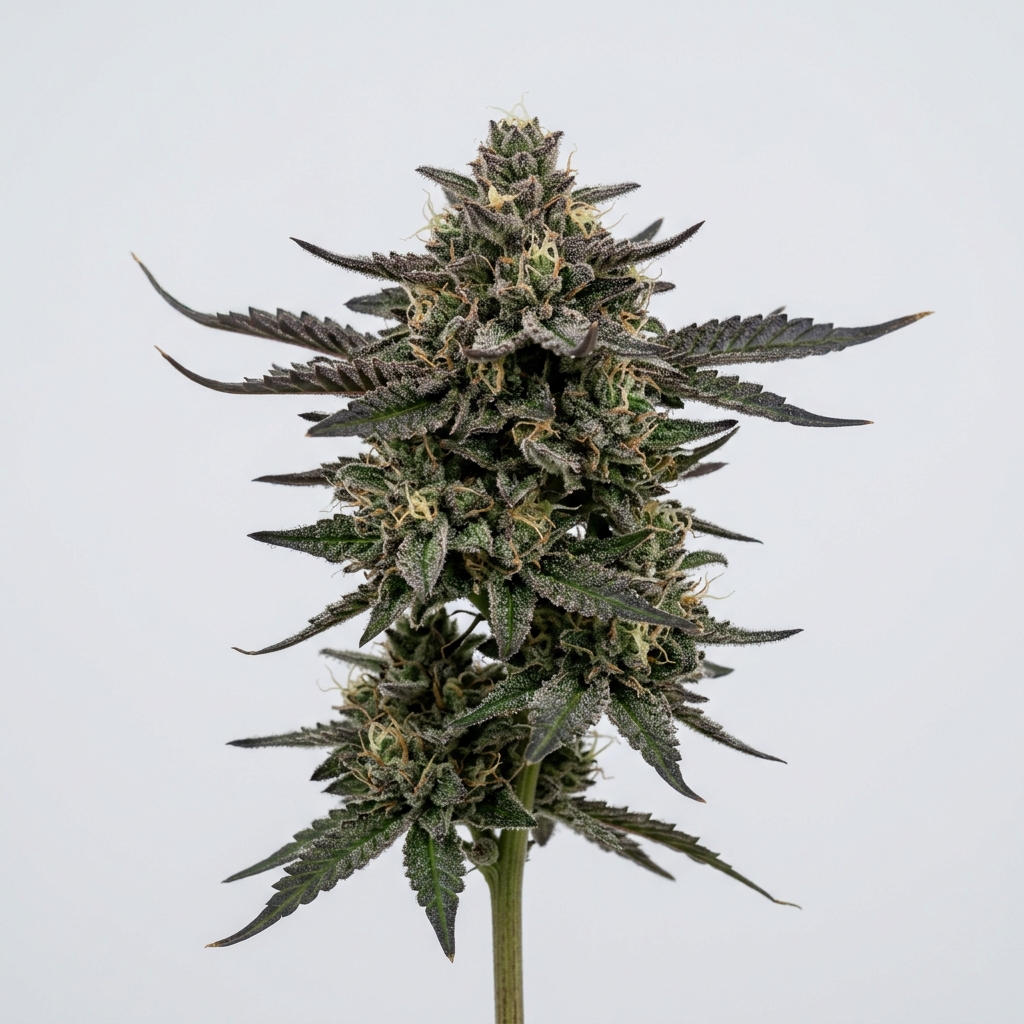
Goo is a classic indica-dominant hybrid, typically testing between 15% and 20% THC, created by crossing the legendary Blueberry and Hindu Kush strains. Known for its exceptional resin production that leaves flowers incredibly sticky to the touch, this cultivar delivers a rich profile of sweet dark berries and earthy pine. The plant shows a stocky, indica structure with dense, resin-drenched colas that make it a favorite for traditional hash makers and extraction enthusiasts.
Cultivators appreciate the strain for its reliable cold tolerance and manageable stretch during early flower. While it may not reach the soaring THC heights of modern polyhybrids, its sheer volume of greasy trichomes and deep, physical relaxation maintain its status as a staple evening selection.
Quick Facts
| Specification | Details |
|---|---|
| Genetics | Blueberry × Hindu Kush |
| Variety | Indica-dominant hybrid |
| THC Range | 15% – 20% |
| Flowering Time | 7 – 8 Weeks |
| Yield Potential | Moderate to High |
| Plant Height | Short to Medium |
| Climate Preference | Cool to Temperate |
| Difficulty | Easy to Moderate |
Scientific & Botanical Overview
Botanically, Goo displays classic indica morphology inherited from its Afghani and landrace ancestry. The plants develop broad, dark green fan leaves with tight internodal spacing, creating a compact canopy that requires strategic defoliation to ensure adequate airflow. Under cooler night temperatures, the bracts and sugar leaves frequently develop deep purple and blue hues.
Resin production is the defining botanical characteristic of this cultivar, starting early in the vegetative phase and accelerating rapidly by week four of flower. The trichomes are predominantly capitate-stalked, forming a dense, wet frost over the swollen calyxes. This heavy resin coat serves as a natural barrier against pests, though it demands strict humidity control during the final weeks of cultivation.
The terpene synthesis in Goo is dominated by myrcene, caryophyllene, and pinene. This chemical profile yields a dense, viscous smoke that carries significant physical weight. The interaction of these compounds with the moderate cannabinoid levels produces a long-lasting, heavy physical baseline.
Effects & Use-Cases (Reported)
Commonly reported effects include a heavy physical sedation, deep muscle relaxation, and a calm, quiet mental state. Users frequently note a rapid onset of physical warmth that spreads from the temples down to the limbs, often leading to prolonged sedation.
Use-case context typically centers on late-evening or nighttime use. It is highly regarded by those seeking relief from physical tension, restlessness, or looking to wind down after demanding physical activity.
Note: Individual experiences may vary, and the heavy sedative qualities of this cultivar make it less suitable for daytime tasks or activities requiring high mental focus.
Aroma & Flavors
Aroma: A pungent blend of sweet, fermented berries layered over a rich, damp earth and pine foundation.
Flavor: Sweet berry notes on the inhale, transitioning to a spicy hash and tart pine finish on the exhale.
Terpene associations: Myrcene, Beta-Caryophyllene, and Alpha-Pinene.
Tested Cannabinoid & Terpene Ranges
| Compound | Average Range |
|---|---|
| Δ9-THC | 15.0% – 20.0% |
| CBD | < 1.0% |
| CBG | 0.5% – 1.2% |
| Myrcene | 0.5% – 1.1% |
| Caryophyllene | 0.3% – 0.8% |
| Pinene | 0.2% – 0.6% |
Note: Cannabinoid and terpene profiles are highly variable and depend heavily on cultivation practices, environmental conditions, and curing methods.
Cultivation Notes
- Humidity: Maintain relative humidity (RH) below 45% during late flower to prevent moisture retention within the dense, resinous colas.
- Nutrition: Responds well to moderate feeding schedules; avoid excessive nitrogen in late vegetative growth to prevent leaf curling.
- Training: Low-stress training (LST) and early topping help open up the tight canopy, increasing light penetration to lower bud sites.
- Harvest: Harvest when trichomes are mostly milky with about 10-15% amber to maximize the physical, sedative profile.
- Phenotype management: Watch for slower-growing phenotypes that require slightly longer vegetative times to reach desired transplant sizes.
Grower Notes (Week-by-Week Snapshot)
- Weeks 1–3 (Transition & Early Flower): The plant shows a controlled stretch, usually doubling in height. Focus on early leaf tucking and light pruning of lower branches to improve airflow through the dense inner canopy.
- Weeks 4–6 (Mid-Flower & Resin Onset): Resin production begins in earnest, coating the developing calyxes in a sticky sheen. Maintain a steady nutrient regimen and monitor runoff PPM closely.
- Weeks 7–8 (Late Flower & Ripening): Buds swell significantly and become highly adhesive. Lower room temperatures by 5-10°F at night to encourage the expression of deep purple hues and preserve volatile terpenes.
- Post-Harvest (Dry & Cure): A slow 10-to-14-day dry at 60°F and 60% RH is essential to cure the dense, resin-heavy flowers without trapping internal moisture.
Genetic Lineage
The lineage of Goo is rooted in the classic pairing of Blueberry and Hindu Kush. Blueberry, an iconic hybrid developed in the 1970s, contributes its signature sweet berry aroma and relaxing physical effects. Hindu Kush, a pure landrace indica from the mountainous region bordering Pakistan and Afghanistan, infuses the cross with robust outdoor resilience, heavy resin production, and a deep, earthy spice.
This combination results in a highly stable phenotype that leans heavily toward its indica heritage. Over decades of cultivation, the strain has remained a respected foundational genetic, prized for its reliable resin output and classic hash plant characteristics.
Research Insights
Scientific interest in Goo often focuses on its high concentration of capitate-stalked trichomes, which yield a high volume of plant resins relative to total biomass. This makes the cultivar an excellent subject for studying terpene preservation and extraction efficiency, particularly regarding solventless wash methods.
The synergistic presence of high levels of myrcene alongside caryophyllene suggests a strong interaction with peripheral cannabinoid receptors. Researchers study these specific terpene ratios to better understand the mechanisms behind the profound physical relaxation associated with classic indica landrace descendants.
Frequently Asked Questions
Is Goo suitable for beginner growers?
Yes, Goo is relatively easy to grow due to its sturdy structure and natural resilience inherited from Hindu Kush. However, beginners must pay close attention to humidity levels in late flower to protect the dense buds from moisture issues.
What does the name “Goo” refer to?
The name refers to the exceptional resin production of the flowers. During late bloom, the buds become incredibly sticky and greasy to the touch, leaving a thick layer of resin on fingers and tools.
How does Goo compare to Afgoo?
While both share similar names and a reputation for extreme stickiness, Goo is traditionally a cross of Blueberry and Hindu Kush, whereas Afgoo (or Afgooey) is typically a cross of an Afghani landrace and Maui Waui.
What is the best consumption method for this strain?
Due to its high resin content, Goo performs exceptionally well when vaporized or processed into high-quality solventless concentrates like rosin or bubble hash, which preserve its sweet, earthy terpene profile.
Educational Disclaimer
This article is for educational and informational purposes only. Cultivation and consumption of cannabis are subject to varying legal regulations depending on jurisdiction. Always consult local laws and healthcare professionals.
Rate and review this strain
Ratings and reviews are accepted only from signed-in Google accounts.
Sign in with Google to leave a rating and written review.
Latest Reviews
0 reviewsNo reviews yet. Be the first Google user to rate and review this strain.