Ewok (Cannabis Strain)
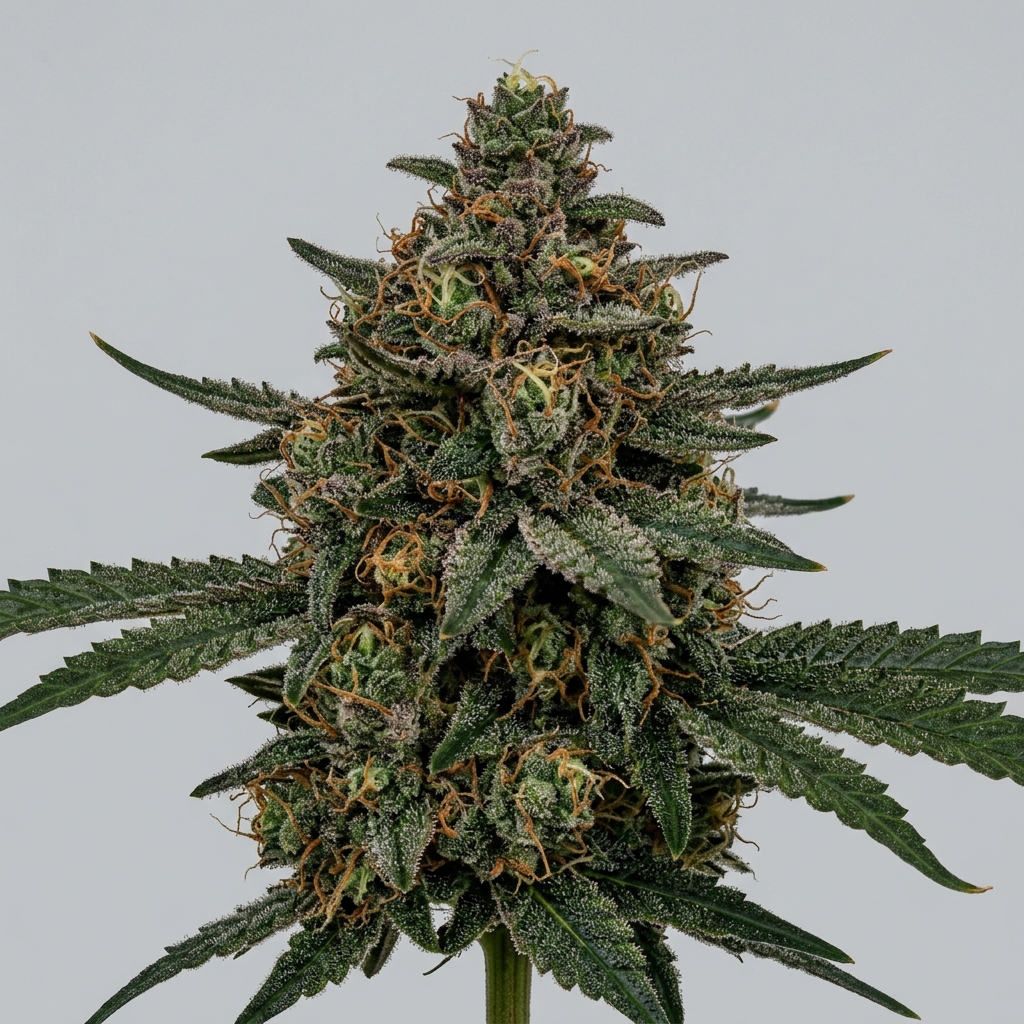
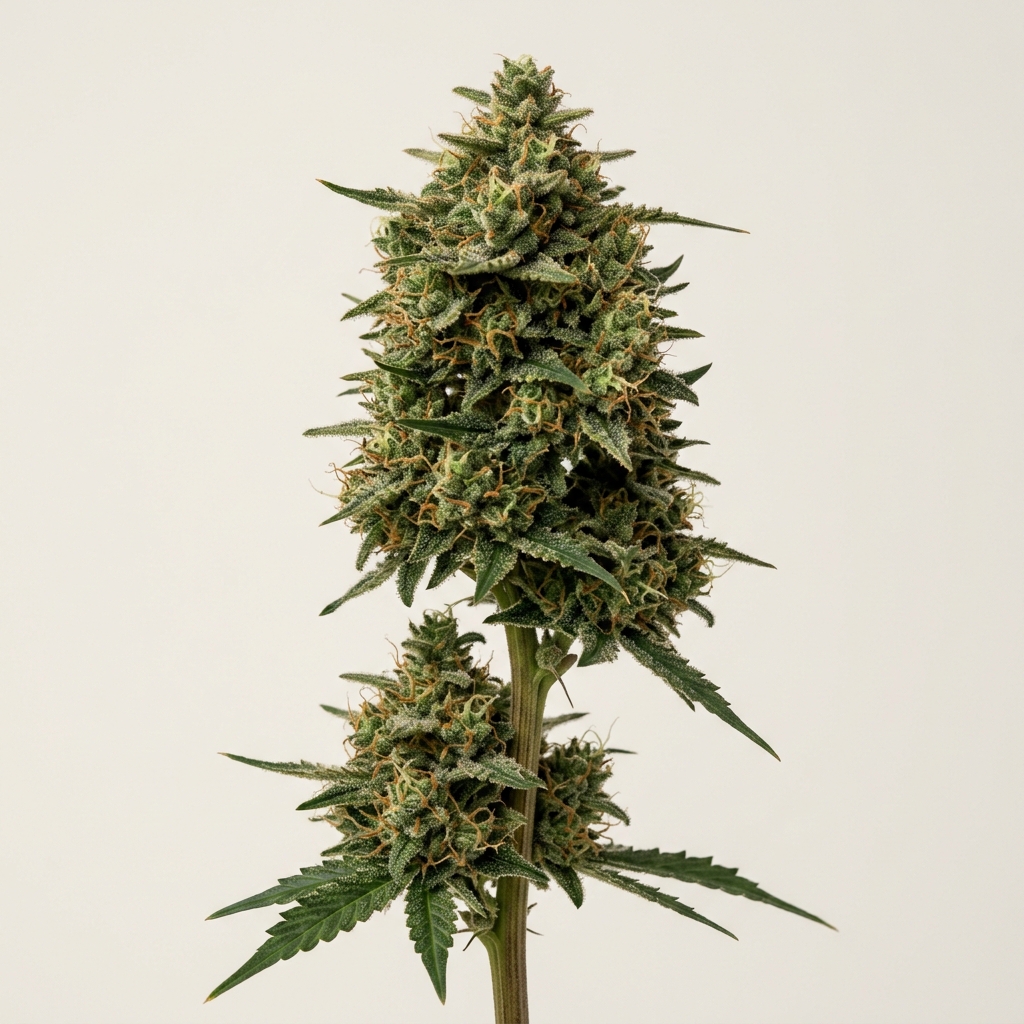
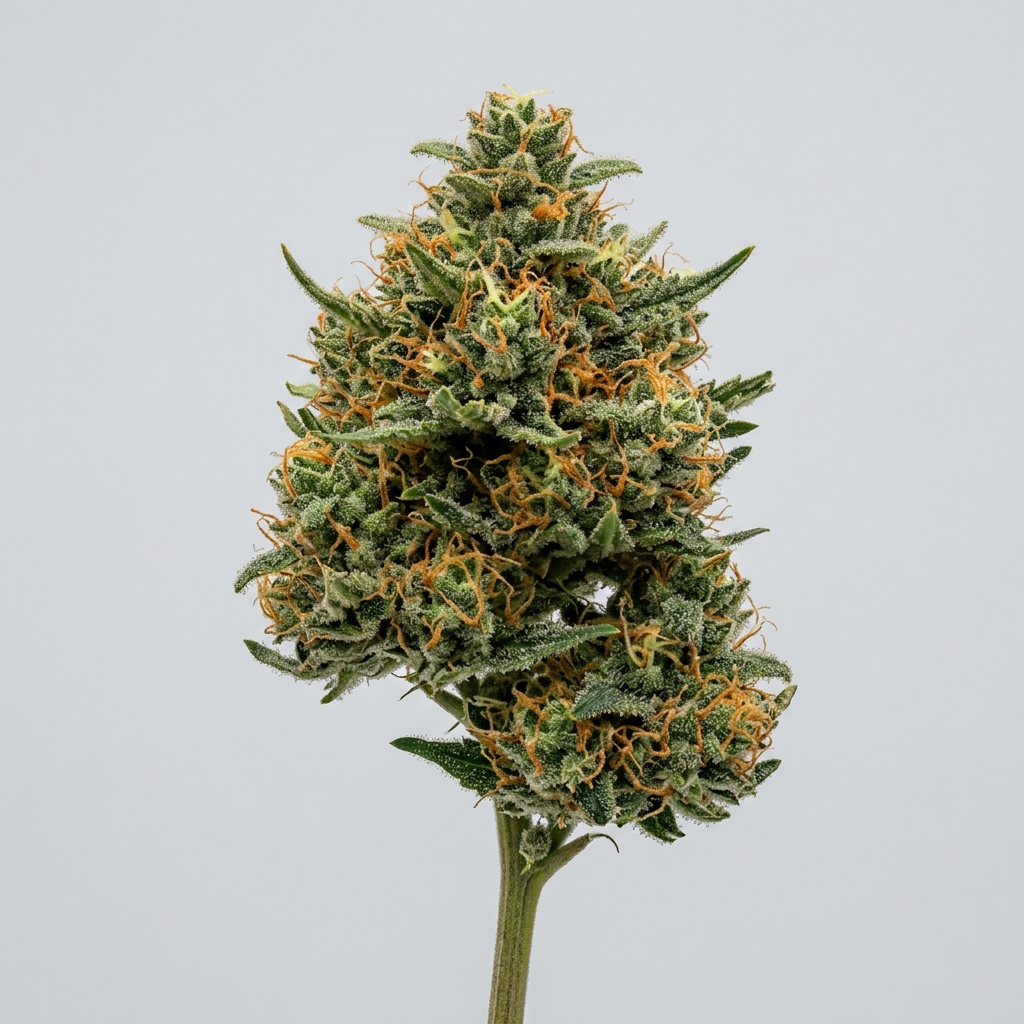
The cannabis strain Ewok is a potent, indica-dominant hybrid bred by crossing the legendary, musty Albert Walker clone-only cut with the fuel-heavy Tahoe OG Kush. Typically testing between 18% and 26% THC, this cultivar is highly regarded for its dense, resin-rich flowers, rich tangerine-gas terpene profile, and robust, bushy growth structure. Its compact, heavily trichome-coated buds feature an abundance of wild orange pistils, giving the finished flower a distinct, woolly appearance that mirrors its namesake.
Originally developed by Alien Genetics, Ewok secured prominent recognition after winning Best Hybrid at the 2013 High Times Cannabis Cup in Seattle. Cultivators prize this strain for its reliable yields and extraction potential, as the greasy resin glands carry a complex blend of earthy kush and sour citrus notes. It remains a staple choice for growers seeking classic Pacific Northwest heritage combined with California OG gas.
Quick Facts
| Attribute | Details |
|---|---|
| Genetics | Albert Walker × Tahoe OG Kush |
| Variety | Indica-dominant hybrid (60% Indica / 40% Sativa) |
| THC Range | 18% – 26% |
| Flowering Time | 8 – 9 weeks (56 – 63 days) |
| Yield Potential | Moderate to high |
| Plant Height | Medium, bushy |
| Climate Preference | Temperate, controlled indoor environments |
| Difficulty | Moderate |
Scientific & Botanical Overview
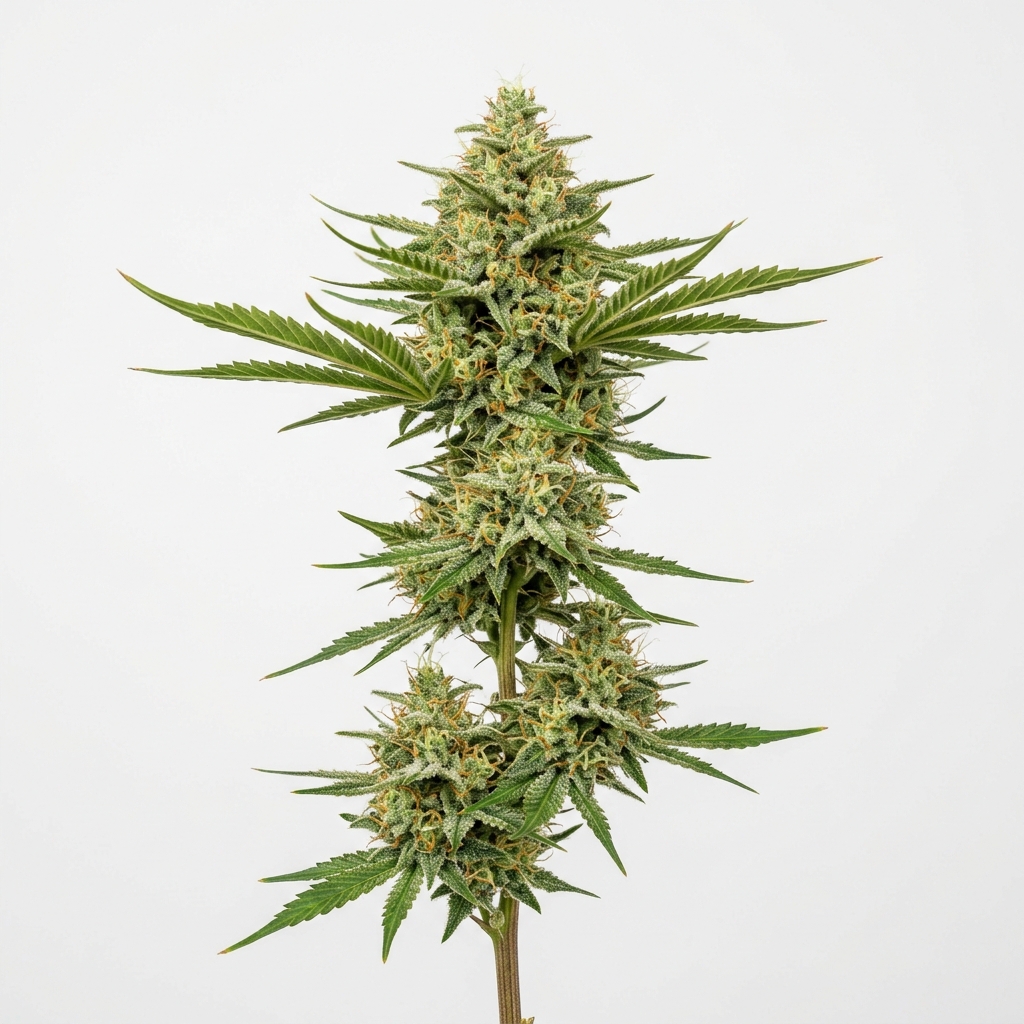
Ewok displays a classic hybrid morphology, characterized by broad fan leaves and a stout, bushy frame that benefits from early topping. The plant shows tight internodal spacing and strong lateral branching, creating a sturdy canopy capable of supporting its heavy terminal colas. Its vegetative growth is vigorous, establishing a thick main stem that manages nutrient uptake efficiently.
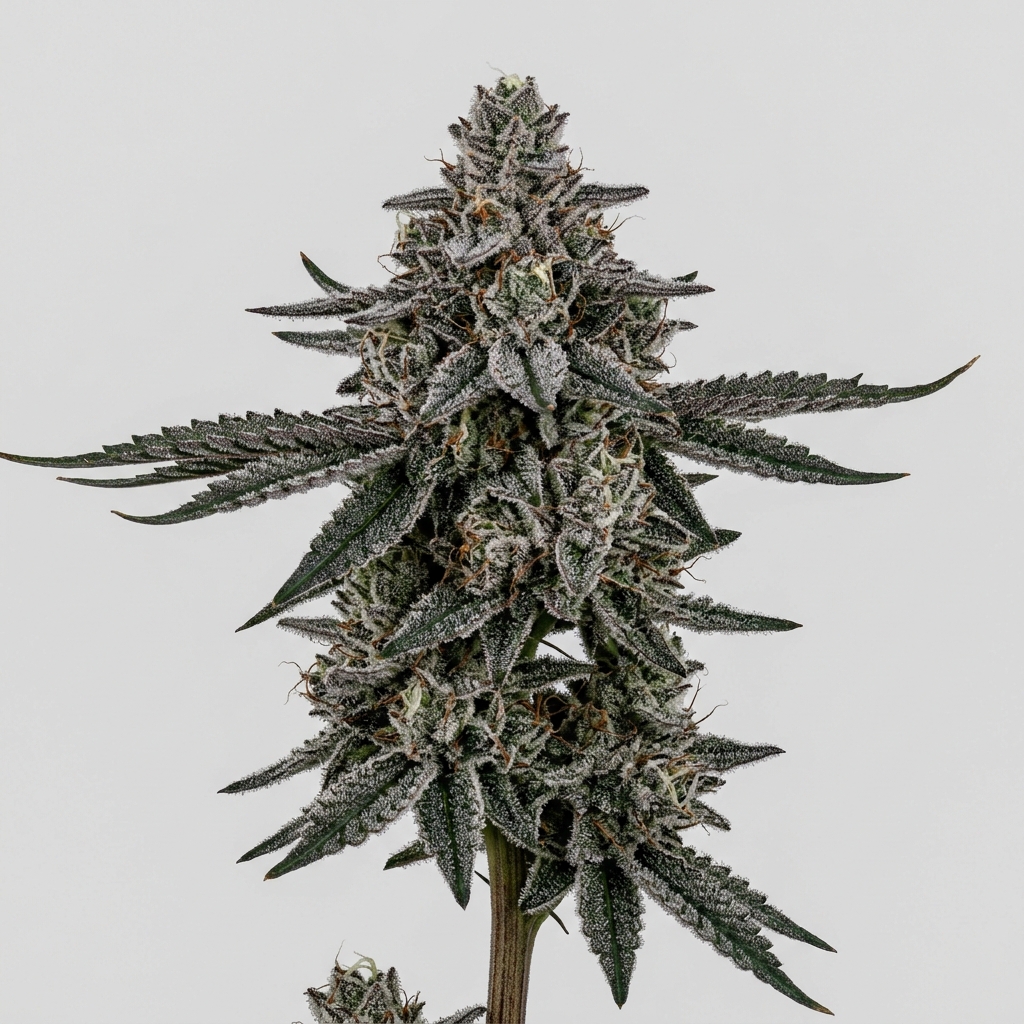
During the generative phase, the strain develops highly dense, rounded bracts that cluster into thick, spear-shaped colas. The calyx-to-leaf ratio is exceptionally favorable, allowing for efficient airflow through the inner canopy and simplifying the post-harvest hand-trimming process. Under cooler night temperatures late in flower, some phenotypes can exhibit subtle violet hues along the margins of the calyxes.
Resin production is aggressive and starts early in the flowering cycle, with capitate-stalked trichomes blanketing the sugar leaves and flower surfaces in a wet frost. The resin is notably greasy to the touch, indicating a high concentration of volatile monoterpenes. This heavy resin coverage helps protect the mature flowers from environmental stressors while locking in its distinct aromatic compounds.
Effects & Use-Cases (Reported)
Commonly reported effects include a deep, soothing physical relaxation paired with a calm, clear-headed mental state. Users frequently note an initial wave of warm physical comfort that transitions into a long-lasting, heavy body sensation without immediate couch-lock. It is often described as peaceful, helping to quiet a busy mind while easing physical tension.
Use-case context suggests this strain is highly suited for late afternoon or evening wind-down sessions. Its balancing qualities make it a popular choice for quiet creative projects, listening to music, or transitioning into a restful night’s sleep. Because of its physical weight, it is rarely chosen for early morning or highly active daytime tasks.
Note: Individual experiences may vary, and high-potency cultivars should be approached with caution by novice users.
Aroma & Flavors
Aroma: A pungent, earthy kush base layered with sharp sour citrus, musty damp earth, and a subtle undertone of sweet pine.
Flavor: The palate features a rich, fuel-forward tangerine taste on the inhale, leaving a lingering tart gas and woody pine finish on the exhale.
Terpene associations: Myrcene, Limonene, and Caryophyllene.
Tested Cannabinoid & Terpene Ranges
| Compound | Typical Range |
|---|---|
| Δ9-THC | 18.0% – 26.0% |
| CBD | < 1.0% |
| Myrcene | 0.5% – 1.2% |
| Limonene | 0.3% – 0.8% |
| Caryophyllene | 0.2% – 0.6% |
| Linalool | 0.1% – 0.3% |
Note: Cannabinoid and terpene levels are highly variable and depend heavily on environmental conditions, cultivation methods, and specific phenotypes.
Cultivation Notes
- Humidity Control: Maintain relative humidity (RH) below 45% during the final three weeks of flowering to protect the dense, compact colas from moisture retention.
- Nutrient Regimen: Ewok is a moderate feeder that responds well to a steady calcium-magnesium supplement, especially when grown in coco coir or inert media.
- Canopy Management: use low-stress training (LST) and selective defoliation to open up the internal bud sites and maximize light penetration.
- Stretch: Expect a moderate stretch of 50% to 80% once flipped to a 12/12 light cycle, making it highly manageable in height-restricted grow spaces.
- Harvest Window: Look for amber-headed trichomes around day 56 to 63 to capture the peak balance of physical relaxation and terpene clarity.
Grower Notes (Week-by-Week Snapshot)
- Weeks 1–3 (Transition & Early Stretch): The plants show a controlled stretch and begin establishing their flowering sites. Early defoliation of the lower third of the plant (lollipopping) improves airflow and redirects energy to the upper canopy.
- Weeks 4–6 (Mid-Flower & Resin Onset): Calyxes begin to swell rapidly, and a thick layer of greasy resin develops across the developing buds. Sweet, musty citrus aromas become highly noticeable in the grow room.
- Weeks 7–9 (Late Flower & Ripening): Flower density peaks as the orange pistils curl inward and turn a deep rust color. Flush the growing medium with plain water to encourage the plant to use its remaining nutrient reserves, enhancing the final flavor.
- Post-Harvest (Dry & Cure): Implement a slow dry at 60°F (15°C) and 60% relative humidity for 10 to 14 days. A minimum three-week jar cure is recommended to fully lock in the complex tangerine-gas terpene profile.
Genetic Lineage
The maternal side of Ewok features Albert Walker, an elusive, clone-only cultivar originating in the Pacific Northwest. Renowned for its heavy, musty tangerine aroma and deeply relaxing physical effects, Albert Walker contributes the distinct sour-fruit undertone and heavy resin production to the lineage. Its exact heritage remains mysterious, though it is widely believed to carry old-school Afghan genetics.
The paternal influence comes from Tahoe OG Kush, a highly potent phenotype of the classic OG Kush family known for its earthy pine, lemon-fuel aroma, and rapid, robust growth. This cross infuses Ewok with its dense bud structure, heavy physical potency, and classic gas-forward finish. The combination successfully tames the occasionally finicky growth habits of the Albert Walker parent.
Research Insights
Analytical testing of Ewok reveals a dominant terpene profile led by myrcene and limonene, working in tandem with elevated levels of caryophyllene. This specific combination is frequently studied for its potential to modulate physical comfort, providing a soothing physical effect while the limonene content maintains mental clarity. The presence of trace secondary cannabinoids like CBG also suggests a more complex interaction with the body’s endocannabinoid receptors.
Breeders and researchers value the strain for its stable morphology and high concentration of capitate-stalked trichomes. The resilience of its genetic lineage makes it a valuable parent plant for developing modern, extraction-grade cultivars that require both high terpene clarity and robust resin yields. Its historical success in regional competitions highlights its structural and chemical stability under professional cultivation parameters.
Frequently Asked Questions
Is Ewok an indica or sativa strain?
Ewok is an indica-dominant hybrid, typically featuring a ratio of roughly 60% indica and 40% sativa, resulting in a deeply relaxing physical effect balanced by a calm mental focus.
What does Ewok smell and taste like?
The strain has a pungent, earthy kush aroma with strong notes of sour citrus, musty damp earth, and pine. The flavor is fuel-forward with a tart tangerine taste on the inhale and a woody pine finish on the exhale.
How long does it take to flower Ewok?
Ewok typically has an indoor flowering time of 8 to 9 weeks (56 to 63 days) before reaching peak maturity for harvest.
Is Ewok suitable for beginner growers?
Yes, Ewok is considered moderately easy to grow due to its sturdy structure and predictable stretch, though attention must be paid to humidity levels in late flower to protect its highly dense buds.
Educational Disclaimer
This content is for educational and informational purposes only. Information regarding reported effects, terpene profiles, and cannabinoid ranges is based on historical data, lab testing reports, and breeder observations. It is not intended as medical advice or as a guide for illegal cultivation.
Rate and review this strain
Ratings and reviews are accepted only from signed-in Google accounts.
Sign in with Google to leave a rating and written review.
Latest Reviews
0 reviewsNo reviews yet. Be the first Google user to rate and review this strain.