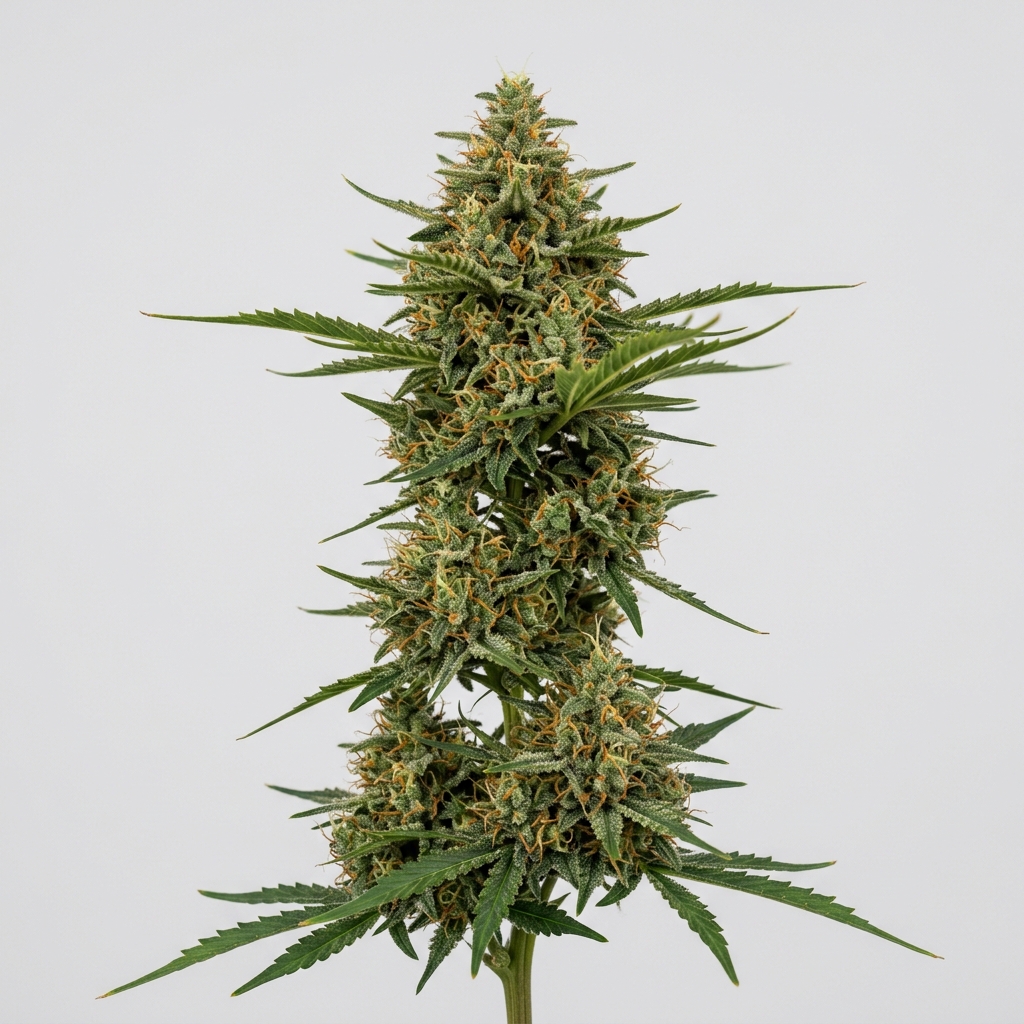
Flying Dragon (Cannabis Strain)
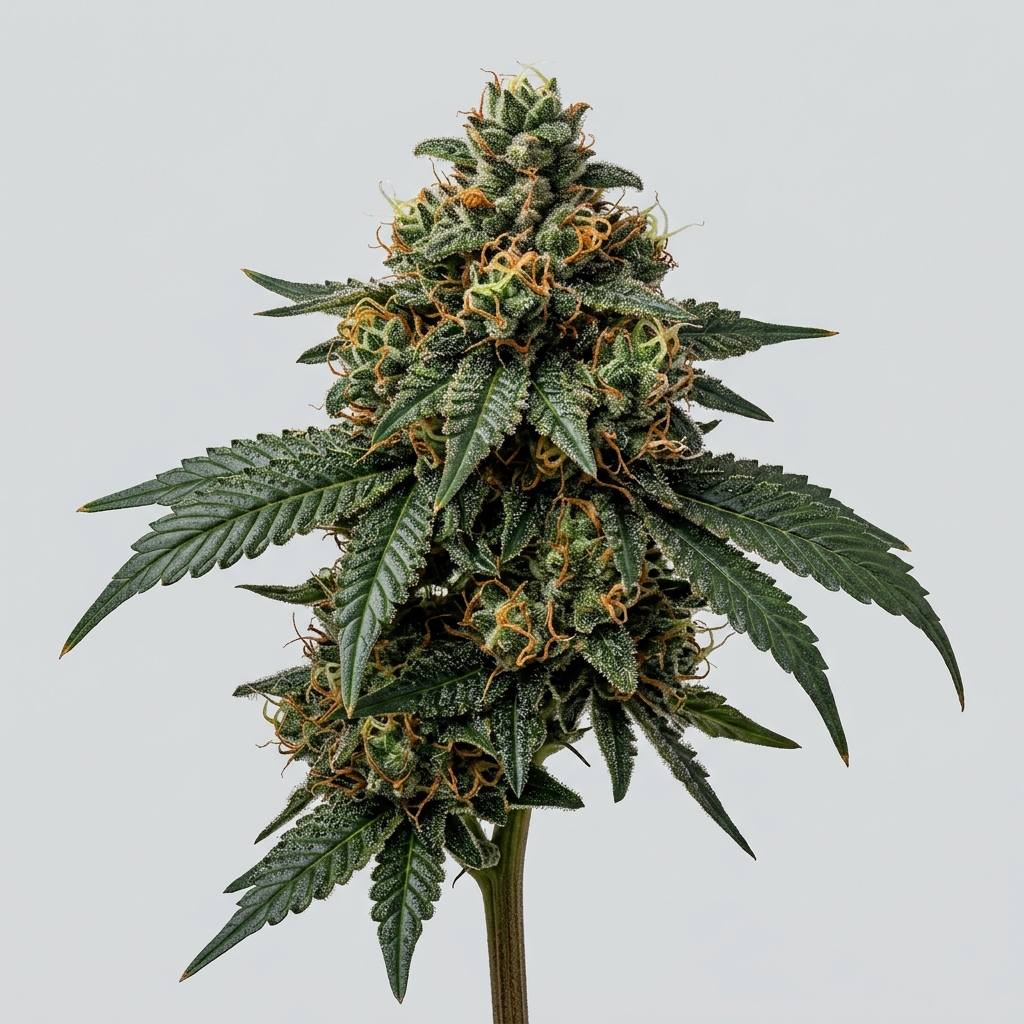
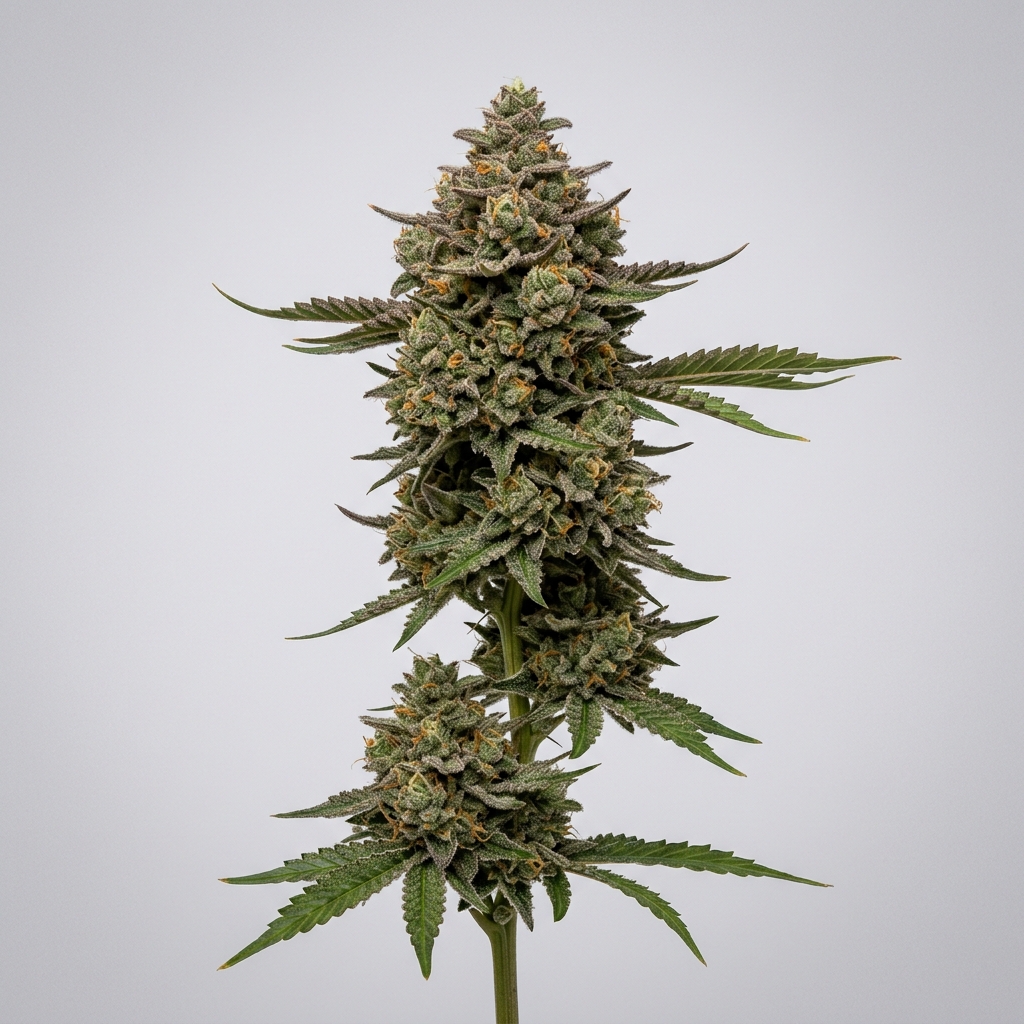
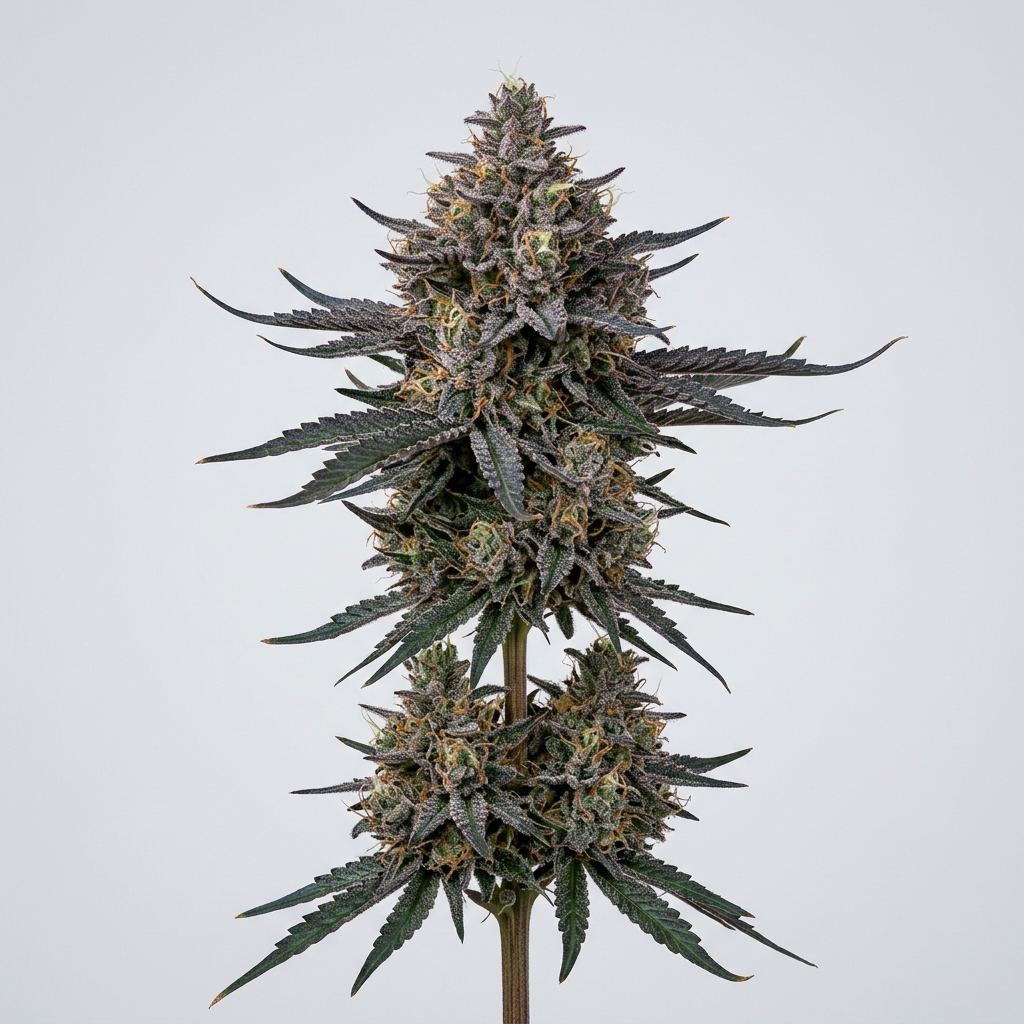
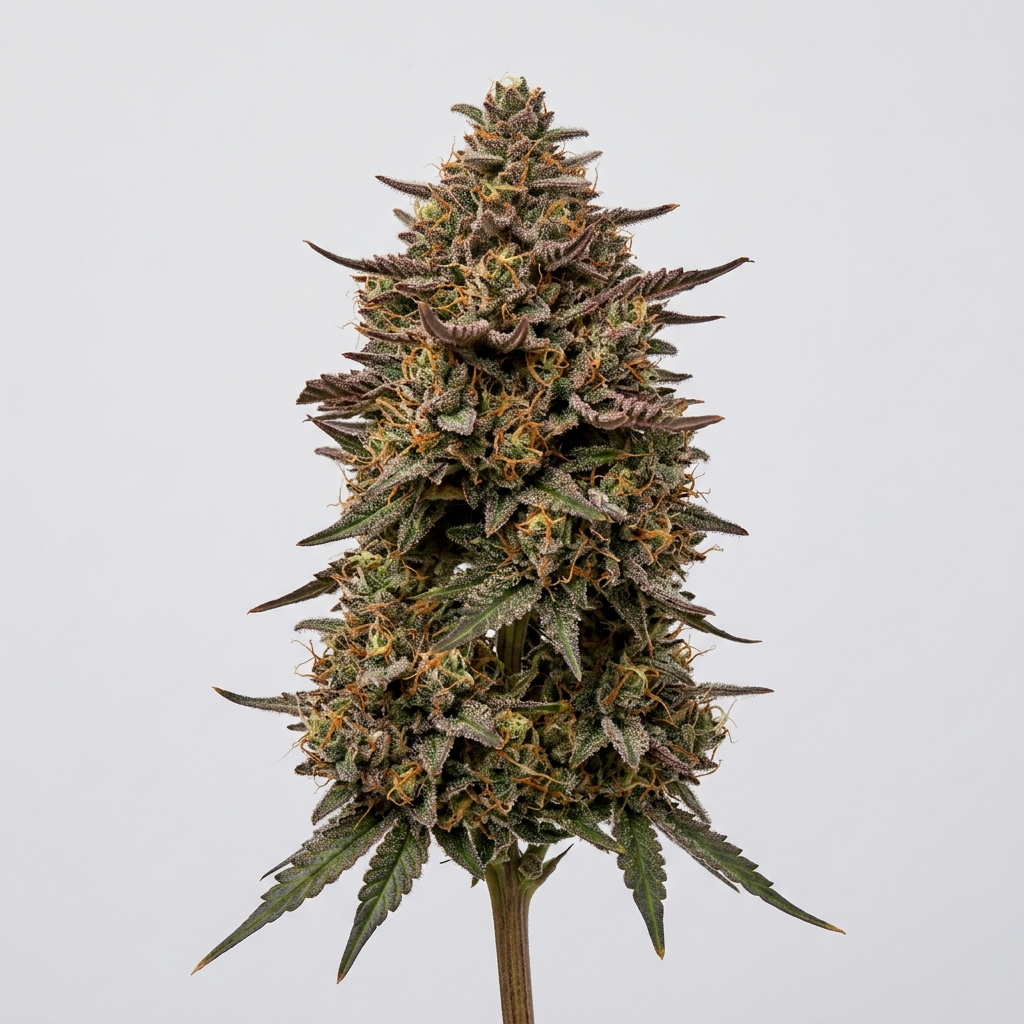
Flying Dragon is a classic sativa-dominant hybrid, typically testing between 16% and 21% THC, bred by crossing a soaring Cambodian Sativa and Haze with a resin-rich Kush and Northern Lights selection. This cultivar delivers a complex aromatic profile of spicy incense, sharp citrus lift, and an earthy kush base, producing distinctively elongated, spear colas covered in greasy resin. Known for its energetic yet physically grounding growth habit, it offers growers a manageable stretch and yields dense, resin-rich flowers that reflect its diverse old-school heritage.
The strain has maintained a dedicated following among cultivators who appreciate Southeast Asian sativa genetics but require the practical flowering times of an indica. It produces glassy buds with swollen calyxes that cure to a deep forest green, accented by bright orange pistils.
Quick Facts
| Field | Detail |
|---|---|
| Genetics | (Cambodian Sativa × Haze) × (Kush × Northern Lights) |
| Variety | Sativa-dominant Hybrid |
| THC Range | 16% – 21% |
| Flowering Time | 8 – 10 weeks |
| Yield Potential | Moderate to High |
| Plant Height | Medium to Tall |
| Climate Preference | Warm, Mediterranean / Controlled Indoor |
| Difficulty | Moderate |
Scientific & Botanical Overview
Flying Dragon shows a unique morphology that reflects its hybrid lineage, combining the tall, open structure of Southeast Asian sativas with the dense bracts of Afghan indicas. The vegetative stage is characterized by rapid vertical growth and medium internodal spacing, requiring early management to control the canopy.
The leaves are typically dark green with moderately narrow leaflets, though they display a broader silhouette than pure sativa varieties. As the plant transitions to flower, it develops elongated spear colas that fill out rapidly, supported by sturdy stems that rarely require heavy staking.
Resin production is exceptionally high for a Haze-dominant hybrid, with trichomes developing early along the sugar leaves and calyxes. The glassy buds mature into dense, heavy clusters that resist pests well, provided late-flower humidity is kept low.
Effects & Use-Cases (Reported)
Commonly reported effects: Users frequently describe a soaring, cerebral stimulation that transitions into a warm, functional physical relaxation. The initial onset is bright and energetic, promoting focus without inducing physical jitters.
Use-case context: This balanced profile makes it highly suited for daytime creative projects, outdoor activities, or social gatherings. The underlying indica influence helps ground the experience, preventing the raciness sometimes associated with pure sativas.
Note: Individual tolerance and dosage significantly influence the experience, and sensitive users should approach its cerebral onset with moderation.
Aroma & Flavors
Aroma: The initial nose is dominated by a sharp citrus lift and spicy incense, underscored by a deep, earthy kush base.
Flavor: On the exhale, the smoke offers a complex blend of sweet anise, woody pine, and a lingering tart gas finish.
Terpene associations: Terpene analyses frequently highlight elevated levels of terpinolene, myrcene, and caryophyllene, which contribute to its spicy, herbal, and citrus-forward character.
Tested Cannabinoid & Terpene Ranges
| Compound | Typical Range |
|---|---|
| Δ9-THC | 16.0% – 21.0% |
| CBD | < 0.5% |
| Terpinolene | 0.4% – 0.8% |
| Myrcene | 0.3% – 0.6% |
| Caryophyllene | 0.2% – 0.5% |
Cannabinoid and terpene levels are highly phenotype-dependent and subject to specific cultivation and curing practices.
Cultivation Notes
- Humidity Control: Maintain vegetative humidity around 60%, reducing to 45% during late flower to protect the dense, spear-shaped colas from moisture retention.
- Canopy Management: use low-stress training (LST) or topping early in the vegetative phase to manage the controlled stretch and promote even light distribution.
- Nutrient Regimen: This cultivar prefers a moderate feeding schedule, showing sensitivity to excess nitrogen during the early flowering stretch.
- Airflow Optimization: Ensure robust lower-canopy airflow to prevent microclimates within the dense foliage of the indica-leaning phenotypes.
- Harvest Timing: Look for a shift from clear to milky trichomes, typically occurring around day 65, to capture the peak terpene clarity and balanced hybrid effects.
Grower Notes (Week-by-Week Snapshot)
- Weeks 1–3 (Vegetative & Transition): The plant establishes a strong root system and begins a rapid vertical stretch. Introduce light training to set the canopy width and ensure tight internodes.
- Weeks 4–6 (Mid-Flower): Flower sites form along the elongated branches, developing into distinct spear colas. Resin production starts early, coating the developing calyxes in wet frost.
- Weeks 7–9 (Late-Flower & Ripening): Calyxes swell and the aroma intensifies with notes of spicy incense and tart gas. Reduce humidity and monitor trichome maturity closely as the pistils turn orange.
- Post-Harvest (Slow Dry & Cure): Hang-dry the whole plant at 60°F and 60% relative humidity for 10 to 14 days to preserve the delicate volatile terpenes before a minimum three-week cure.
Genetic Lineage
Flying Dragon is a sophisticated polyhybrid bred to capture the exotic qualities of Southeast Asian sativas within an easily cultivated framework. The maternal side features a selected Cambodian Sativa crossed with an old-school Haze, contributing the soaring, cerebral effects and complex, incense-like aromatic profile.
To temper the long flowering time and wild stretch of these tropical genetics, breeders introduced a robust paternal line consisting of Kush and Northern Lights. This indica infusion shortened the bloom cycle, increased bud density, and added a heavy layer of greasy resin to the offspring.
Research Insights
Phytochemical research into cultivars with Cambodian and Haze ancestry often reveals a unique terpene fingerprint dominated by terpinolene and beta-caryophyllene. This specific combination is of interest for its potential to modulate the psychoactive onset of THC, providing a clear-headed experience.
The integration of landrace indica genetics helps stabilize the expression of these volatile compounds, resulting in a more consistent chemotype across different phenotypes. This genetic stabilization makes the cultivar a valuable subject for studying how indica-derived resin production can be successfully bred into sativa-dominant lines.
Frequently Asked Questions
What are the primary aromas of Flying Dragon?
Flying Dragon is characterized by a complex aroma of spicy incense, sweet anise, and a sharp citrus lift, grounded by a deep, earthy kush base.
Is Flying Dragon difficult to grow?
It is considered moderately difficult. While the indica genetics reduce the flowering time and manage the stretch, growers must still employ canopy management to control its vigorous vertical growth.
What is the typical flowering time for this strain?
This cultivar typically finishes its flowering cycle in 8 to 10 weeks when grown indoors under standard light cycles.
What are the reported effects of Flying Dragon?
Users commonly report a balanced experience that begins with a bright, energetic cerebral stimulation and gently transitions into a grounding physical relaxation.
Educational Disclaimer
This profile is intended solely for educational and informational purposes. Cultivation and consumption of cannabis are subject to local laws and regulations, and individual experiences may vary based on environmental and physiological factors.
Rate and review this strain
Ratings and reviews are accepted only from signed-in Google accounts.
Sign in with Google to leave a rating and written review.
Latest Reviews
0 reviewsNo reviews yet. Be the first Google user to rate and review this strain.