
God’s Gift (Cannabis Strain)
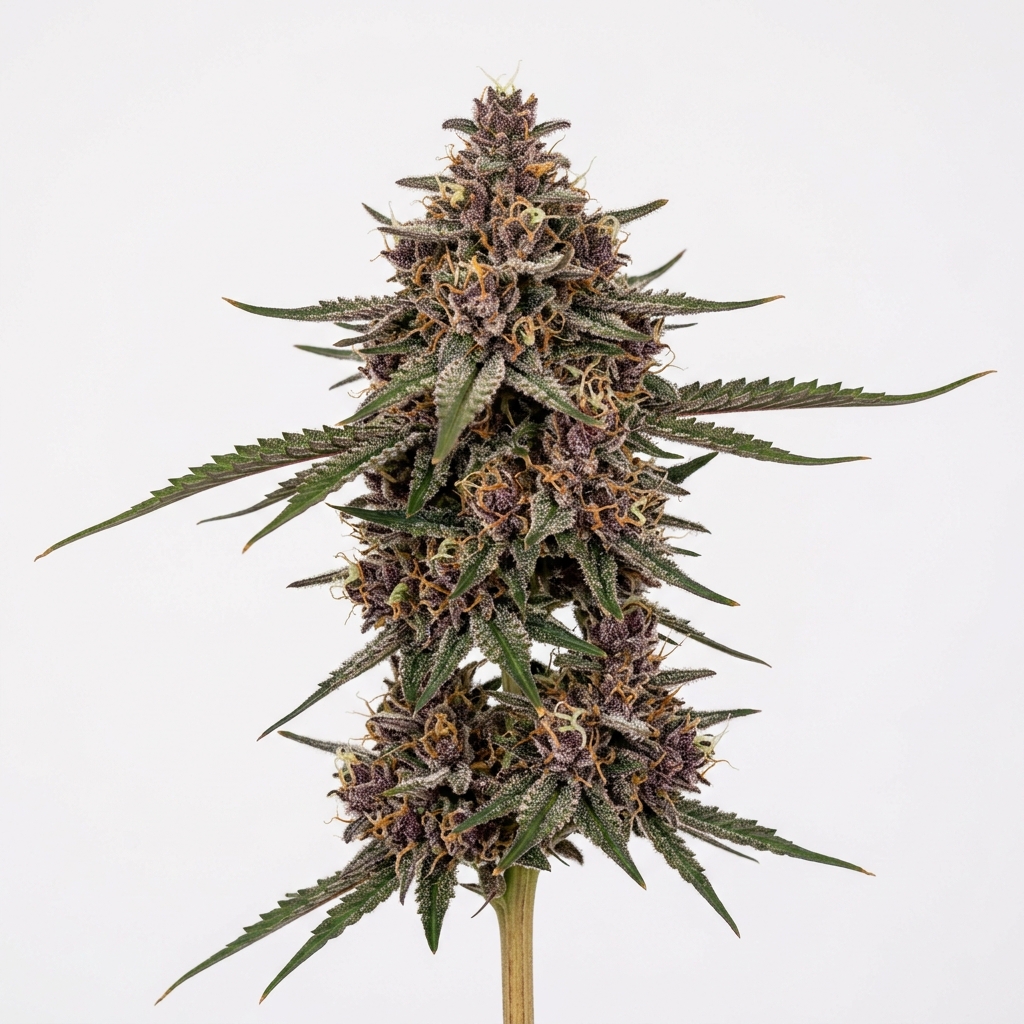
God’s Gift is a heavy, indica-dominant cultivar crossing the iconic Granddaddy Purple and OG Kush lineages. Typically testing between 18% and 25% THC, this strain is celebrated for its dense, violet-hued buds coated in a thick layer of glassy resin. Its aromatic profile balances a sweet, dark berry edge with a classic earthy kush base and a sharp fuel finish. Well-suited for indoor growers seeking high-end bag appeal, the plant shows a compact growth habit with broad fan leaves and minimal stretch during early flower.
Emerging in California during the mid-2000s, this cultivar quickly secured a permanent place in West Coast dispensaries due to its striking coloration and deep, physical effects. Cultivators prize the strain for its reliable purple expression, which deepens significantly under cooler night temperatures in late flower. It remains a staple choice for extraction-grade resin and evening relaxation.
Quick Facts
| Attribute | Details |
|---|---|
| Genetics | Granddaddy Purple × OG Kush |
| Variety | Indica-dominant hybrid |
| THC Range | 18% – 25% |
| Flowering Time | 8 – 9 weeks |
| Yield Potential | Moderate to High |
| Plant Height | Short to Medium |
| Climate Preference | Temperate, dry, controlled indoor |
| Difficulty | Moderate |
Scientific & Botanical Overview
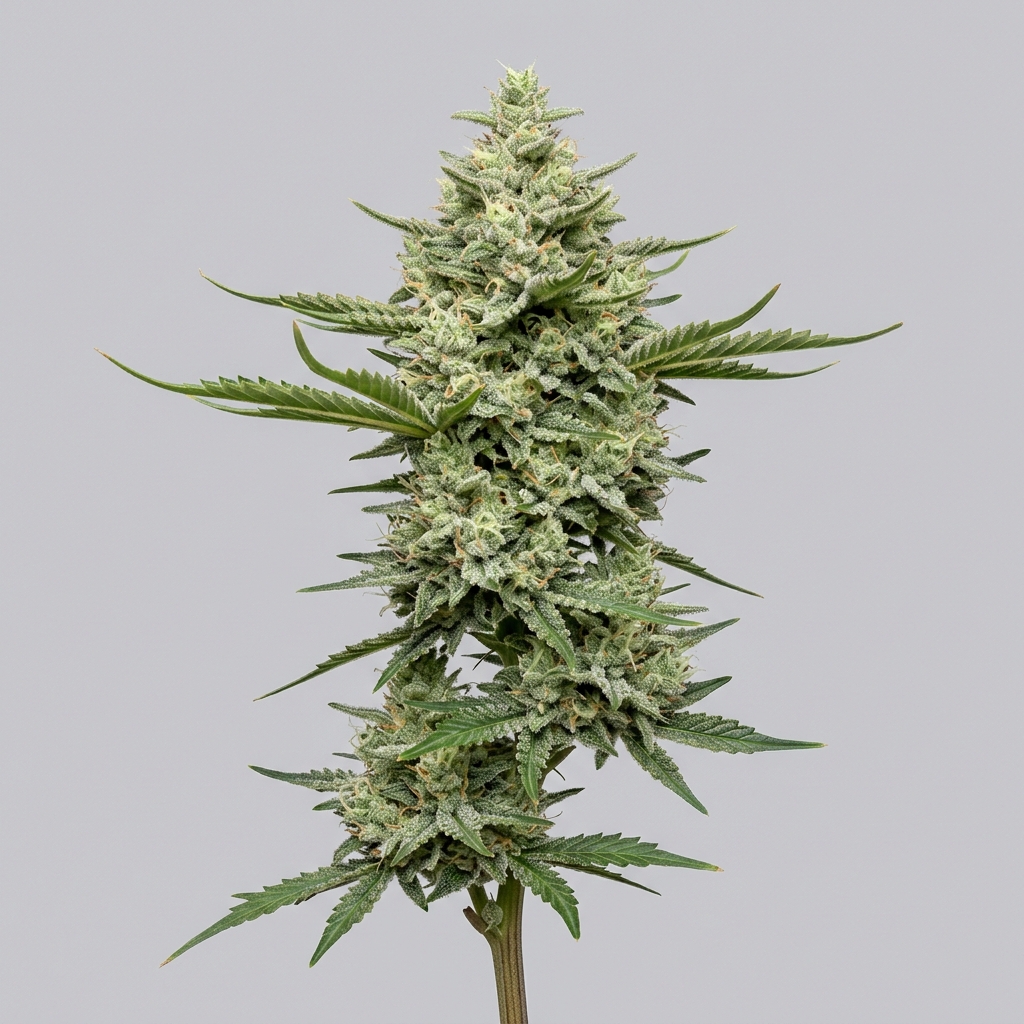
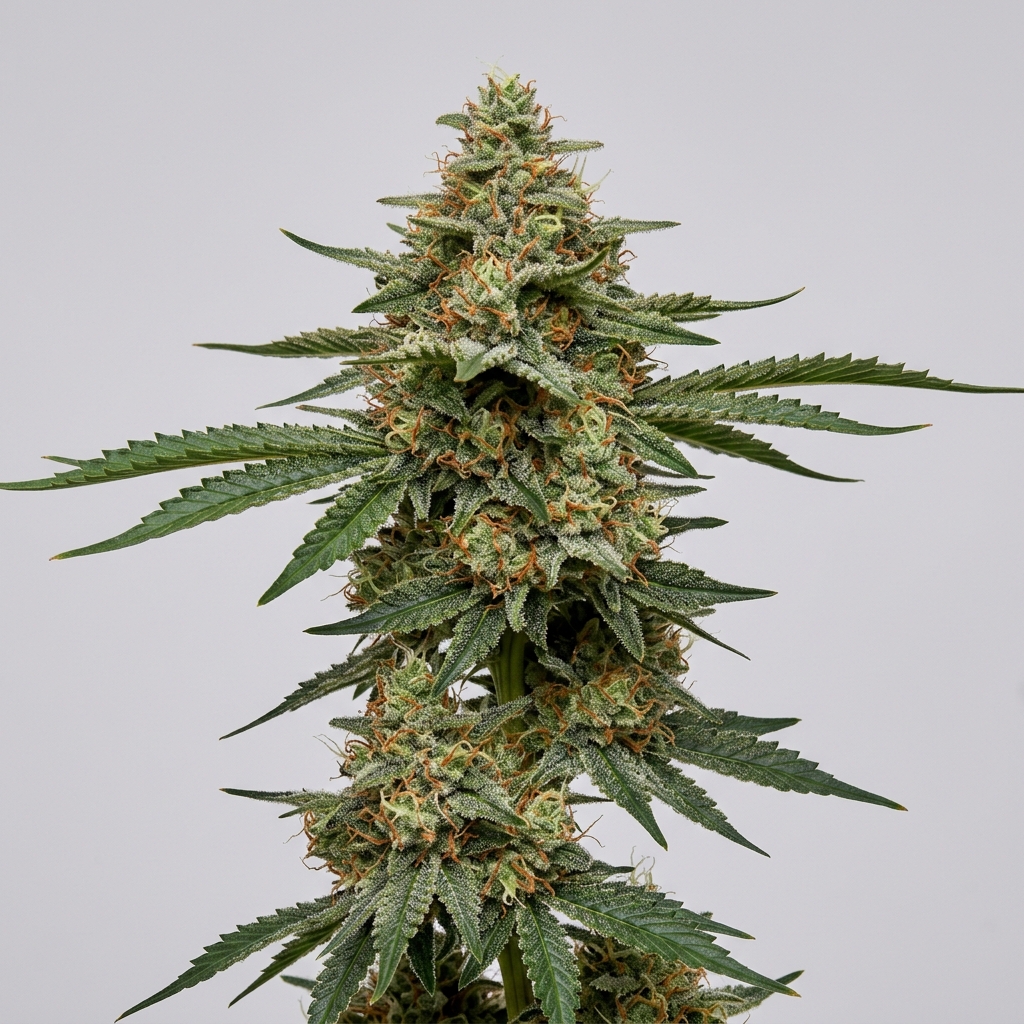
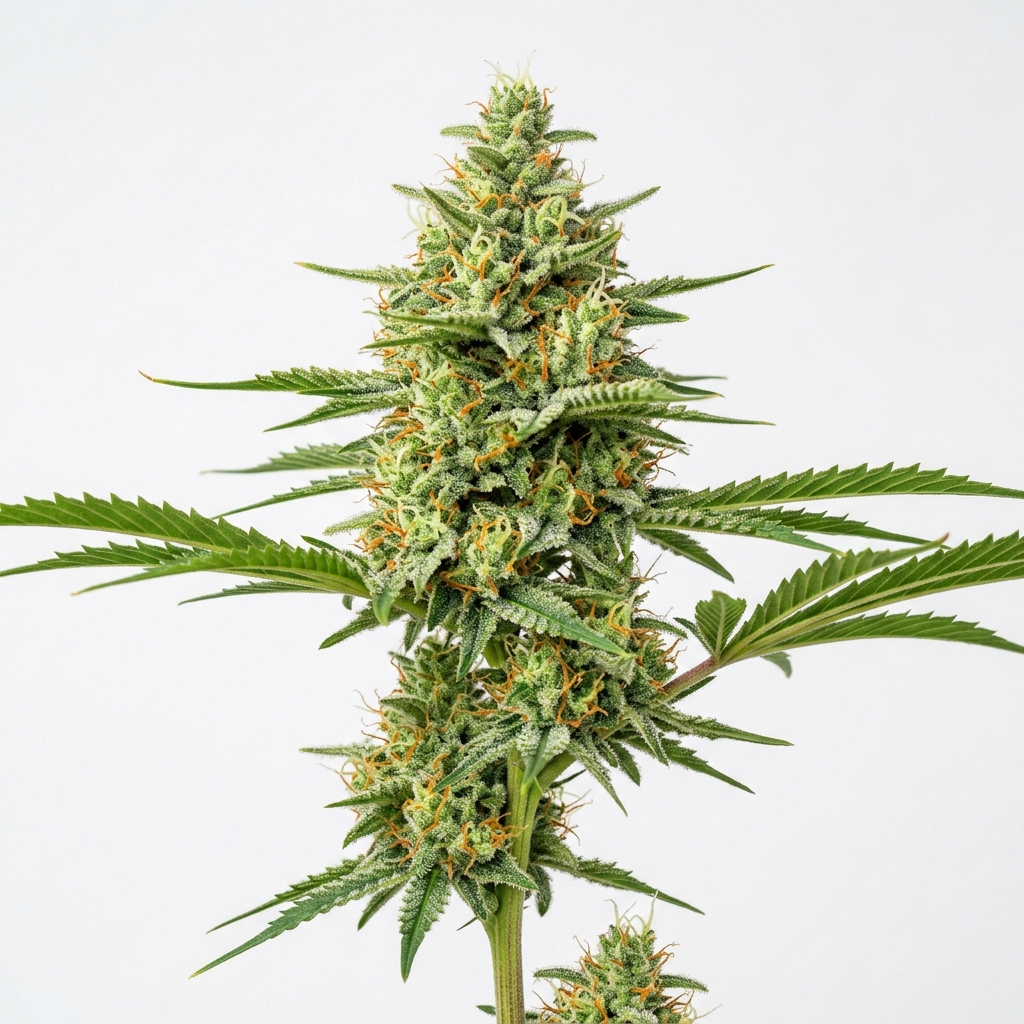
From a botanical perspective, this cultivar displays classic indica morphology. The plant structure is characterized by tight internodes, thick woody stems, and broad, dark green fan leaves that require strategic defoliation to maintain optimal airflow. Its dense bracts form tight, heavy grape-shaped clusters rather than long spear colas, making humidity management critical in the final weeks of bloom.
The striking purple coloration observed in the mature flowers is driven by a high concentration of anthocyanins. These water-soluble pigments are expressed as the plant matures, especially when exposed to a temperature drop during the dark cycle. The calyxes swell significantly toward the end of the flowering cycle, creating a heavily textured, knobby bud structure.
Resin production is exceptionally high, with a dense blanket of capitate-stalked trichomes covering both the flowers and surrounding sugar leaves. This wet frost appearance makes the cultivar highly valued by concentrate makers. The greasy resin glands hold volatile terpenes longer than average, preserving the distinct aroma through the curing process.
Effects & Use-Cases (Reported)
Commonly reported effects: Users frequently describe a rapid onset of heavy physical relaxation accompanied by a calm, tranquil headspace. The initial cerebral lift quickly gives way to a deep, warm body high that often leads to couch-lock. It is widely regarded as a highly sedating cultivar best suited for late evening or nighttime use.
Use-case context: Due to its heavy physical pull, this strain is commonly utilized to wind down after demanding physical activity or as a nightcap before sleep. It is not recommended for daytime tasks or social situations requiring high energy and focus. Many find it ideal for quiet, low-stimulus environments.
Note: Due to its high potency and rapid onset, novice consumers should approach this cultivar with caution to avoid unwanted lethargy or over-sedation.
Aroma & Flavors
Aroma: The primary aroma is a deep, sweet grape and dark berry blend inherited from its purple parent. This initial sweetness is quickly grounded by a damp earth, pine, and sharp fuel undertone that reflects its Kush lineage.
Flavor: On the inhale, the smoke delivers a rich, velvety berry sweetness. The exhale is significantly more savory, leaving a lingering spicy herbal note and a classic earthy, fuel-forward finish on the palate.
Terpene associations: Laboratory tests typically show a dominance of myrcene, which contributes to the earthy base and physical sedation. Secondary terpenes include caryophyllene, adding a subtle spicy kick, and limonene, which provides a light citrus lift in the background.
Tested Cannabinoid & Terpene Ranges
| Compound | Typical Range |
|---|---|
| Δ9-THC | 18.0% – 25.0% |
| CBD | < 1.0% |
| Myrcene | 0.5% – 1.2% |
| Caryophyllene | 0.2% – 0.6% |
| Limonene | 0.1% – 0.4% |
| Linalool | 0.05% – 0.2% |
Note: Cannabinoid and terpene profiles are highly variable and depend heavily on growing conditions, lighting, nutrients, and the specific phenotype cultivated.
Cultivation Notes
- Humidity Management: Because the buds are exceptionally dense, keeping relative humidity (RH) below 45% during the final three weeks of flower is crucial to prevent bud rot.
- Nutrition: This cultivar is a moderate feeder. It responds well to a steady calcium-magnesium regimen, but growers should avoid heavy nitrogen inputs during late vegetative growth to prevent leaf curling.
- Training: Implementing Low-Stress Training (LST) or topping early in veg helps open up the tight canopy, ensuring light reaches lower bud sites.
- Temperature Control: To maximize purple coloration, drop night temperatures by 10–15°F during the last two weeks of bloom while keeping daytime temperatures stable.
- Harvest Window: Look for a mix of amber and milky trichomes. Harvesting when amber reaches 15–20% ensures the heavy, physical properties are fully developed.
Grower Notes (Week-by-Week Snapshot)
- Weeks 1–3 (Transition & Stretch): The plant shows a controlled stretch, usually doubling in height. Focus on tucking large fan leaves and establishing a flat canopy.
- Weeks 4–6 (Mid-Flower): Bud sites begin to cluster and develop a frosty coating. Resin production ramps up early. Maintain moderate phosphorus and potassium levels.
- Weeks 7–9 (Late Flower & Flush): Introduce cooler night temperatures to stimulate anthocyanins. Flush with plain water for the final 10 to 14 days to ensure clean terpene clarity and a smooth burn.
- Post-Harvest: A slow dry at 60°F and 60% relative humidity for 10–14 days is essential to preserve the delicate grape and gas aromatics before a minimum three-week cure.
Genetic Lineage
The lineage of this cultivar is a direct cross of two legendary West Coast staples. The maternal parent, Granddaddy Purple, contributes the distinct dark berry aroma, compact growth habit, and deep violet coloration. This genetic side gives the offspring its dense, rounded bud structure and heavy physical relaxation properties.
The paternal influence comes from OG Kush, which injects potency, a greasy resin profile, and a sharp fuel finish. This cross balances the sweet, fruity aspects of the purple genetics with a damp earthiness and a more robust branching structure, creating a highly stable and sought-after hybrid.
Research Insights
Scientific interest in cultivars with this genetic background often focuses on the interaction between high concentrations of myrcene and THC. Researchers study how these compounds cross the blood-brain barrier, with current literature suggesting that high levels of myrcene may enhance the sedative properties of cannabinoids, a phenomenon commonly referred to by consumers as the couch-lock effect.
Additionally, the rich anthocyanin content that gives the plant its purple hue is of interest to horticultural researchers. These flavonoids serve as natural protectants for the plant against ultraviolet radiation and cold stress, demonstrating how specific environmental triggers can alter a cultivar’s chemical and visual output without compromising potency.
Frequently Asked Questions
Is God’s Gift an indica or sativa?
It is a heavily indica-dominant hybrid, typically consisting of approximately 80% indica and 20% sativa genetics, resulting in a compact plant structure and deeply relaxing physical effects.
How long does God’s Gift take to flower?
When grown indoors, this cultivar typically finishes its flowering cycle in 8 to 9 weeks. Outdoor crops are usually ready for harvest by late September or early October.
What does God’s Gift smell like?
It features a complex aroma of sweet grape and fresh berries blended with a damp, earthy kush base and a sharp fuel finish on the back end.
Does God’s Gift turn purple naturally?
While the genetics carry a strong purple tendency, expressing these deep violet hues usually requires a temperature drop of 10 to 15 degrees during the dark cycle in late flower.
Educational Disclaimer
This article is intended solely for educational, informational, and botanical reference purposes. It does not provide medical advice, endorse illegal cultivation, or promote the consumption of cannabis where prohibited by law. Always consult with a qualified healthcare professional regarding any medical conditions.
Rate and review this strain
Ratings and reviews are accepted only from signed-in Google accounts.
Sign in with Google to leave a rating and written review.
Latest Reviews
0 reviewsNo reviews yet. Be the first Google user to rate and review this strain.