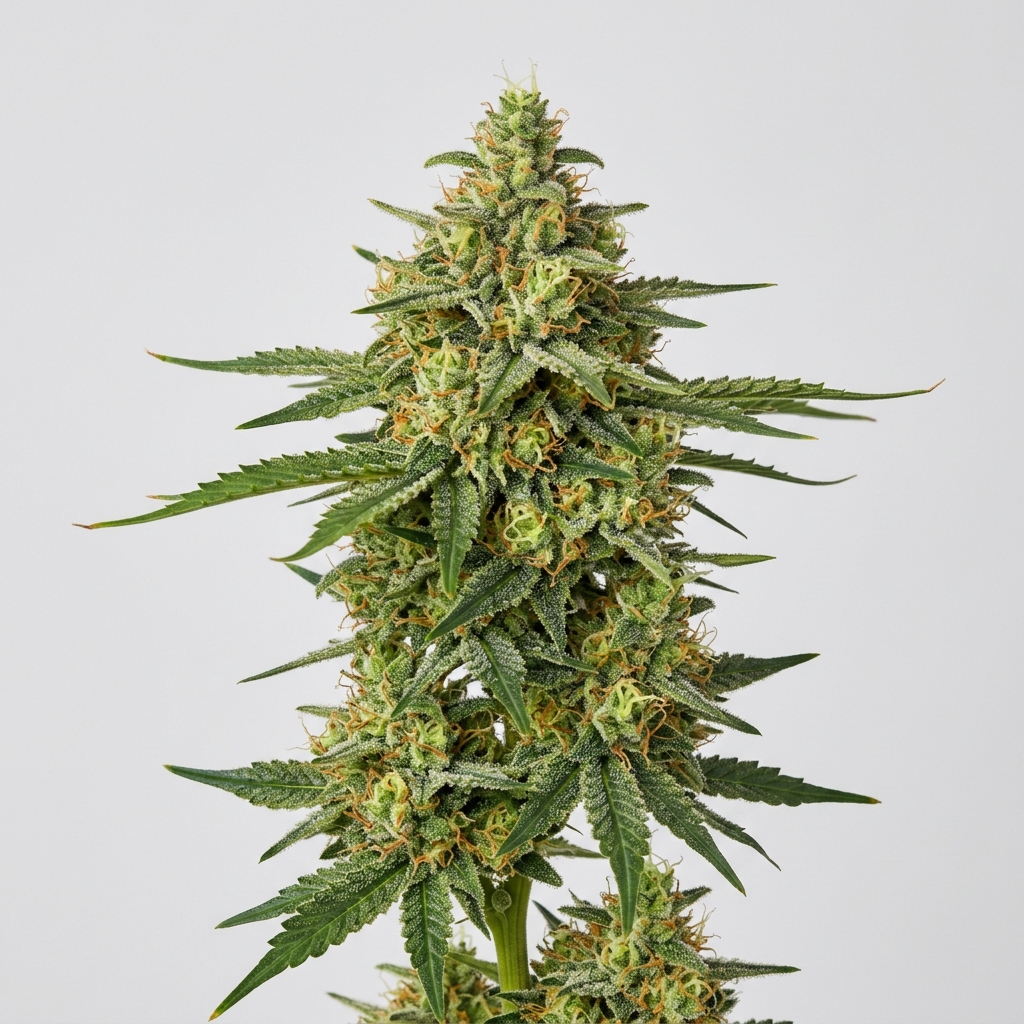
Giesel (Cannabis Strain)
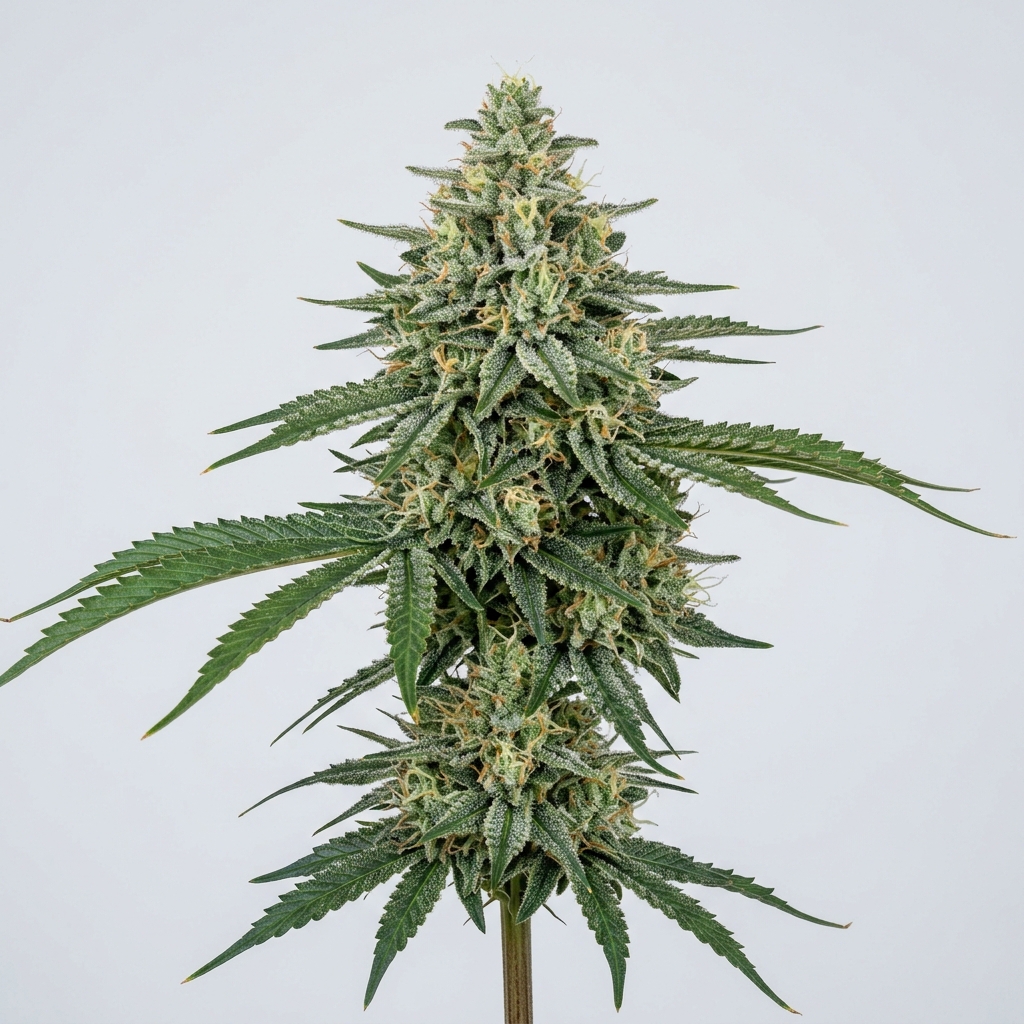
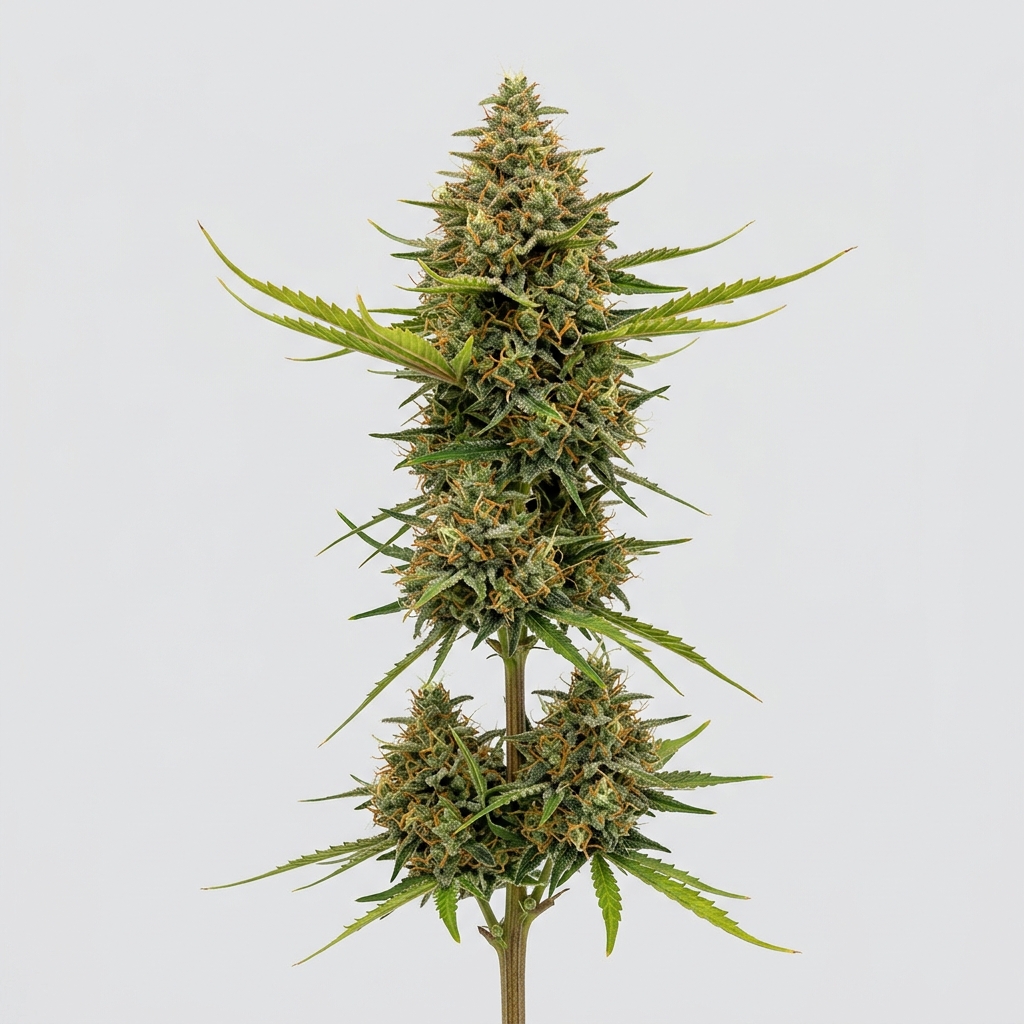
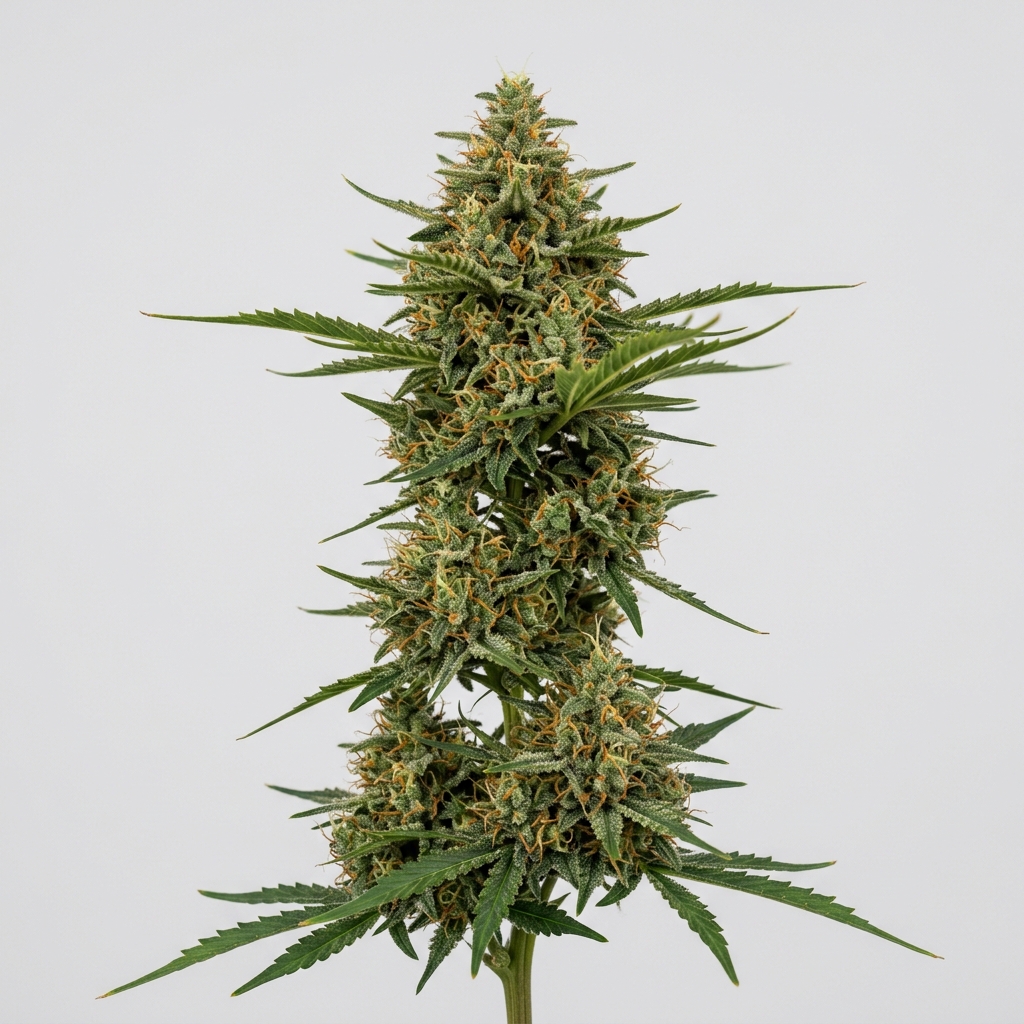
Giesel is an elite, clone-only hybrid crossing the legendary Chemdawg D with Super Skunk, delivering a potent THC range of 20% to 25%. Renowned for its greasy resin and aggressive fuel-forward profile, this cultivar balances old-school skunk with a sharp chemical bite. The plant displays a manageable stretch and produces dense, spear-shaped colas coated in wet frost, making it a favorite among growers seeking classic gas genetics with reliable yields.
Originally emerging from the underground East Coast scene, this strain has maintained a dedicated following among legacy growers. Its structural resilience and intense terpene output make it an excellent benchmark for skunk-derived hybrids.
Quick Facts
| Metric | Detail |
|---|---|
| Genetics | Chemdawg D × Super Skunk (Mass Super Skunk cut) |
| Variety | Indica-dominant Hybrid |
| THC Range | 20% – 25% |
| Flowering Time | 8 – 9 Weeks (56 – 63 Days) |
| Yield Potential | Moderate to High |
| Plant Height | Medium |
| Climate Preference | Temperate, low humidity late flower |
| Difficulty | Moderate |
Scientific & Botanical Overview
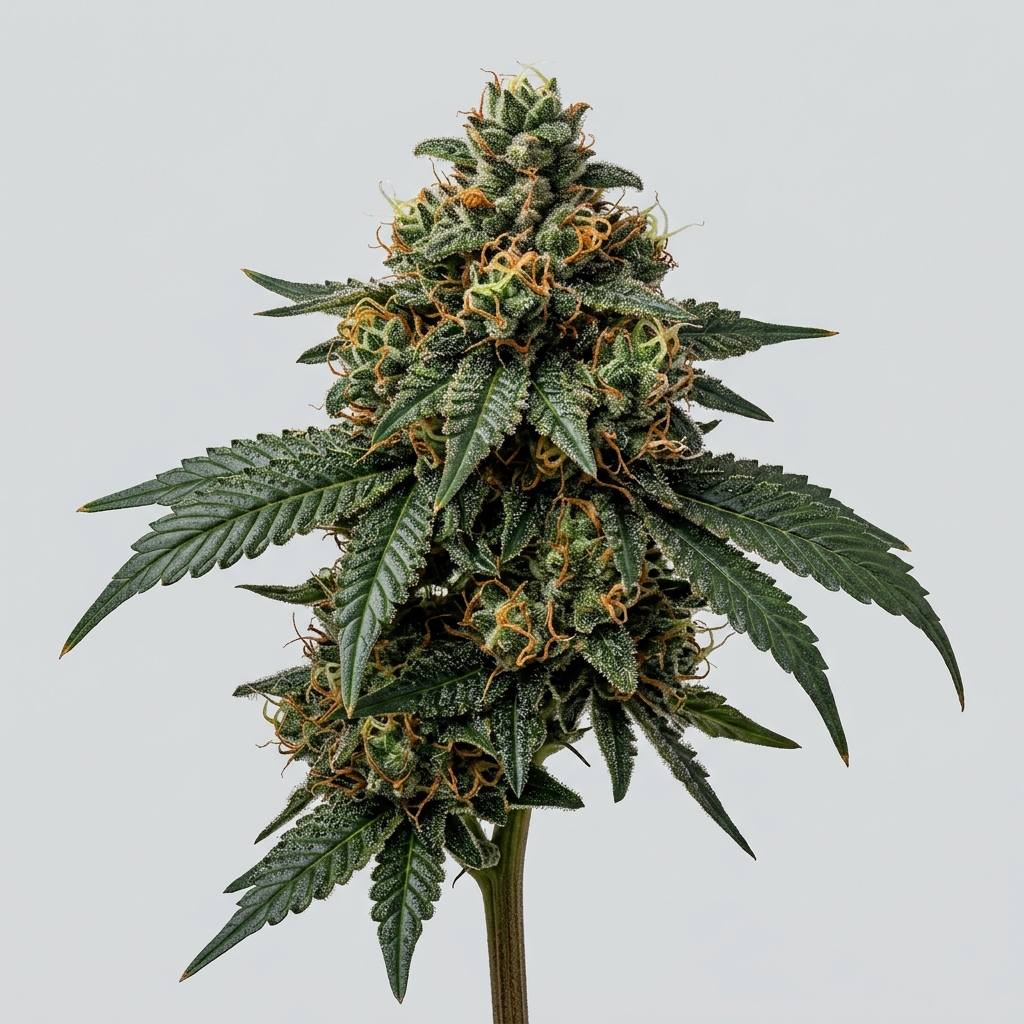
Giesel shows a classic hybrid morphology, combining the tight internodal spacing of Super Skunk with the vigor of Chemdawg D. The broad fan leaves are deep green, often developing subtle lime hues as the plant matures. During mid-to-late flower, the nodal clusters stack closely, forming dense, resin-rich flowers with swollen calyxes.
The trichome development is notably greasy rather than dry or sandy, a characteristic inherited from its Chem lineage. This resin coating is dense and covers the bracts and sugar leaves early in the flowering cycle. Proper airflow is essential because the dense bud structure can trap moisture during the final weeks.
Cultivators observe that Giesel handles nutrient inputs well, showing a high tolerance for standard feeding regimens. It does not stretch excessively, usually doubling in size during the transition to flower. The sturdy stems support the weight of the developing colas, though minor support is recommended.
Effects & Use-Cases (Reported)
Commonly reported effects: Grounding physical relaxation paired with a clear, functional cerebral lift. Users often note a fast-acting wave of calm that settles into the limbs without immediate sedation.
Use-case context: This strain is well-suited for late afternoon or evening use when physical relief is desired without losing mental focus. It is frequently selected by those seeking to unwind after physical activity or to support creative, low-stress tasks.
Note: Individual experiences may vary depending on tolerance, dosage, and specific phenotype chemistry.
Aroma & Flavors
Aroma: Dominated by a sharp, chemical fuel and sour citrus lift, backed by a heavy, earthy skunk undertone.
Flavor: A pungent mix of tart gas and kerosene on the inhale, leaving a lingering herbal, piney skunk finish on the palate.
Terpene associations: Rich in myrcene, caryophyllene, and limonene, which drive its complex, fuel-heavy profile.
Tested Cannabinoid & Terpene Ranges
| Compound | Tested Range |
|---|---|
| Δ9-THC | 20.0% – 25.0% |
| CBD | < 0.5% |
| CBG | 0.5% – 1.2% |
| Myrcene | 0.6% – 1.2% |
| Caryophyllene | 0.4% – 0.9% |
| Limonene | 0.3% – 0.7% |
Note: Cannabinoid and terpene levels are highly variable and depend on cultivation practices, environment, and curing methods.
Cultivation Notes
- Humidity control: Maintain relative humidity (RH) below 45% during the final three weeks of flower to protect the dense, resinous colas.
- Training techniques: Responds exceptionally well to topping and low-stress training (LST) to promote an even, multi-topped canopy.
- Nutrient requirements: Appreciates a steady nitrogen supply in vegetative growth, transitioning to phosphorus and potassium-heavy feeds in mid-flower.
- Odor mitigation: High-output carbon filters are mandatory due to the intense, penetrating fuel and skunk aroma during late bloom.
- Harvest window: Look for 10% to 15% amber trichomes, typically occurring around day 60, to balance potency and physical relaxation.
Grower Notes (Week-by-Week Snapshot)
- Weeks 1–3 (Transition & Stretch): Plants undergo a controlled stretch, usually doubling in height. Tuck fan leaves and apply light trellis training to establish the canopy footprint.
- Weeks 4–6 (Bud Set & Trichome Onset): Nodal sites stack rapidly, forming early spear colas. Wet frost begins to cover the calyxes, and the signature fuel aroma becomes noticeable.
- Weeks 7–9 (Maturation & Flush): Bud density increases significantly as calyxes swell. Reduce humidity, initiate a low-EC flush for the final 10 days, and monitor trichome color.
- Post-Harvest (Dry & Cure): Execute a slow dry at 60°F (15°C) and 60% RH for 10 to 14 days, followed by a minimum three-week jar cure to preserve terpene clarity.
Genetic Lineage
Giesel is a historic clone-only cut that emerged from the East Coast underground scene, tracing its roots directly to Chemdawg D and the famous Mass Super Skunk. This pairing brought together the fuel-soaked, raw chemical punch of Chem D with the reliable structure, yield, and sweet skunk undertones of the Super Skunk parent. The result is a highly stable phenotype that preserves the most desirable traits of both legendary ancestors.
Unlike many modern polyhybrids, Giesel retains a raw, unrefined wildness in its aroma and growth patterns. It has been used extensively by breeders seeking to inject real skunk and chemical fuel notes into contemporary dessert-leaning lines.
Research Insights
The chemical profile of Giesel highlights a high concentration of monoterpenes like myrcene and limonene, alongside sesquiterpenes such as caryophyllene. This specific ratio contributes to the fast-acting physical grounding and cerebral clarity reported by consumers. The presence of trace cannabinoids like CBG suggests a more complex interaction at the receptor level than isolated THC can provide.
Horticultural research into clone-only legacy lines like Giesel reveals a robust resistance to common environmental stressors, a trait likely inherited from its Super Skunk lineage. This resilience, combined with its high resin yield, makes it a valuable genetic resource for studying terpene preservation during post-harvest drying and curing processes.
Frequently Asked Questions
Is Giesel an indica or sativa?
Giesel is an indica-dominant hybrid, though it displays balanced growth characteristics and a clear-headed mental effect alongside its deep physical relaxation.
What is the lineage of Giesel?
Giesel is a classic clone-only cross of Chemdawg D and the Mass Super Skunk cut.
How long does Giesel take to flower?
This cultivar typically finishes flowering in 8 to 9 weeks (56 to 63 days) when grown indoors.
What does Giesel smell like?
It has an intense, pungent aroma of raw chemical fuel, sour citrus, and deep, skunky earth.
Educational Disclaimer
This guide is for educational and informational purposes only. Local laws regarding cannabis cultivation and consumption vary widely; always ensure full compliance with your regional regulations.
Rate and review this strain
Ratings and reviews are accepted only from signed-in Google accounts.
Sign in with Google to leave a rating and written review.
Latest Reviews
0 reviewsNo reviews yet. Be the first Google user to rate and review this strain.