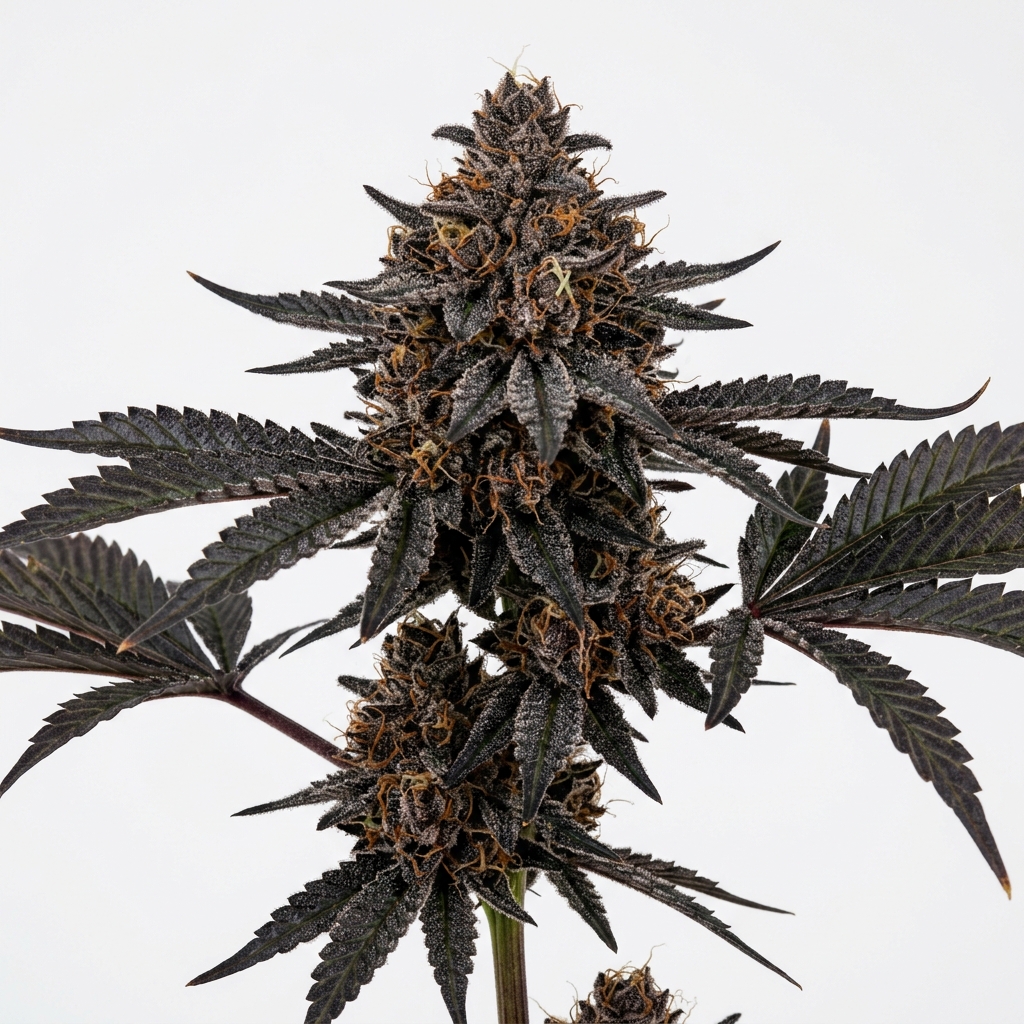
Black Runtz (Cannabis Strain)
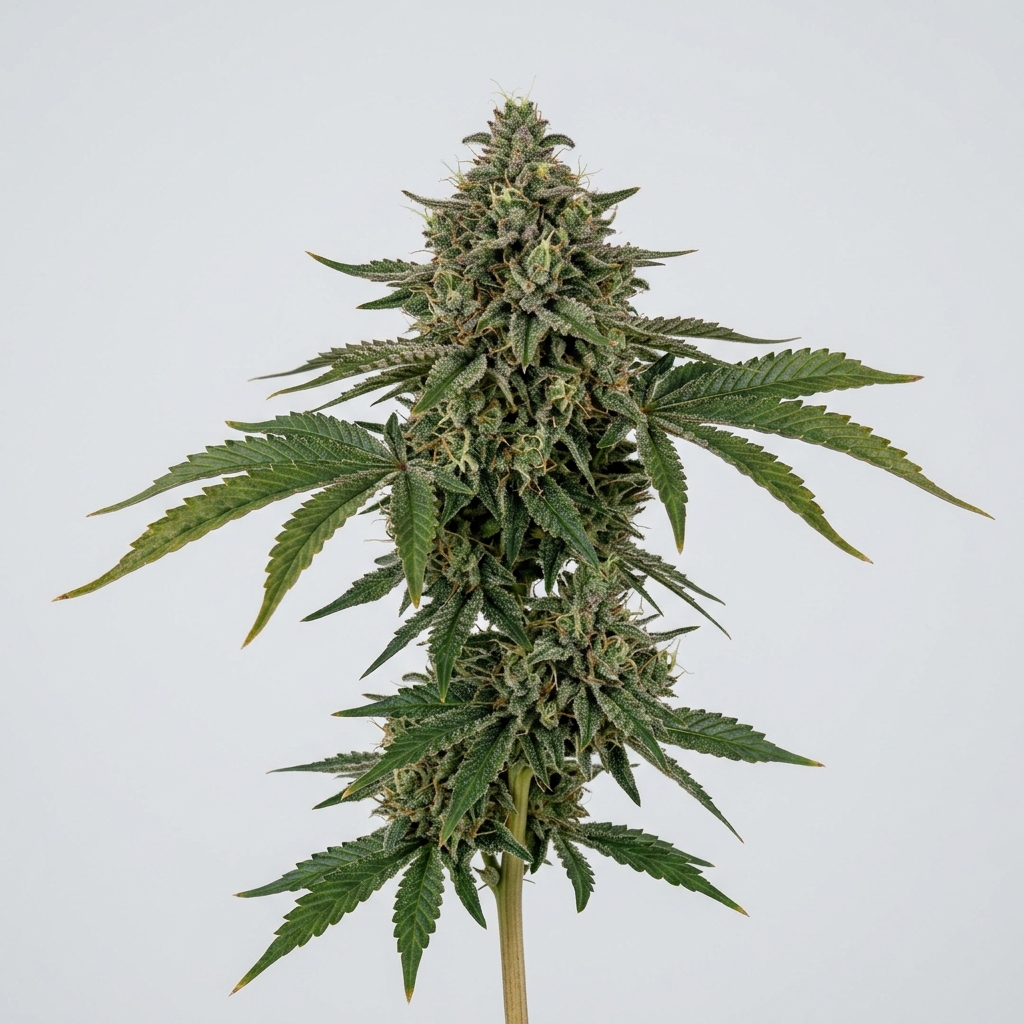
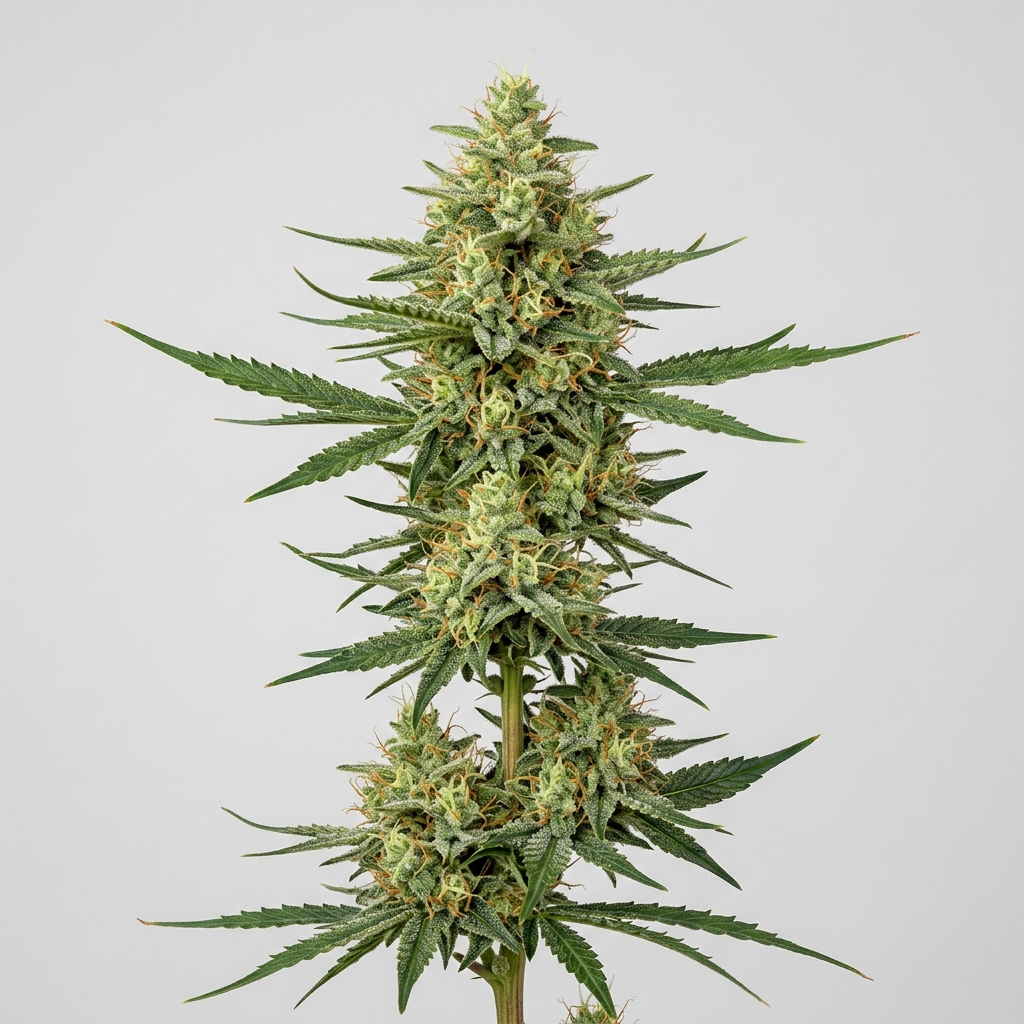
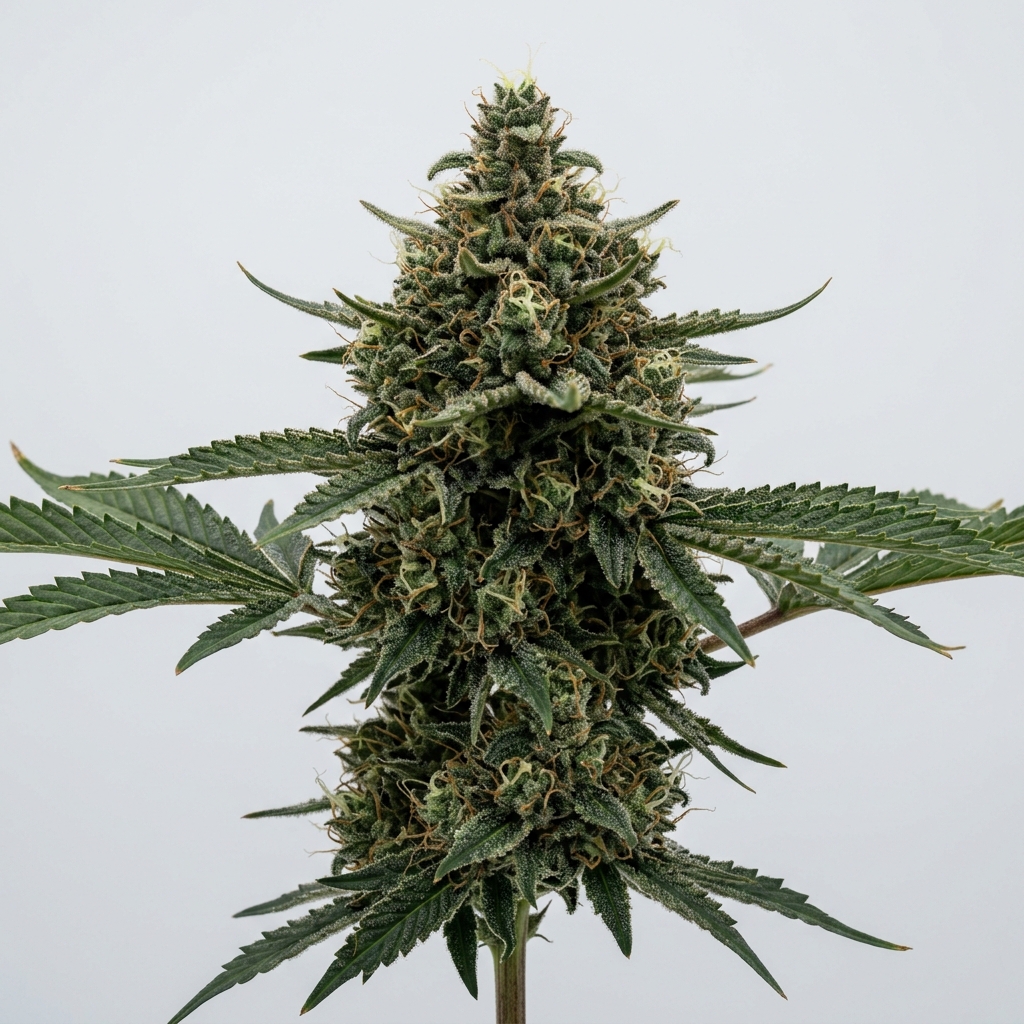
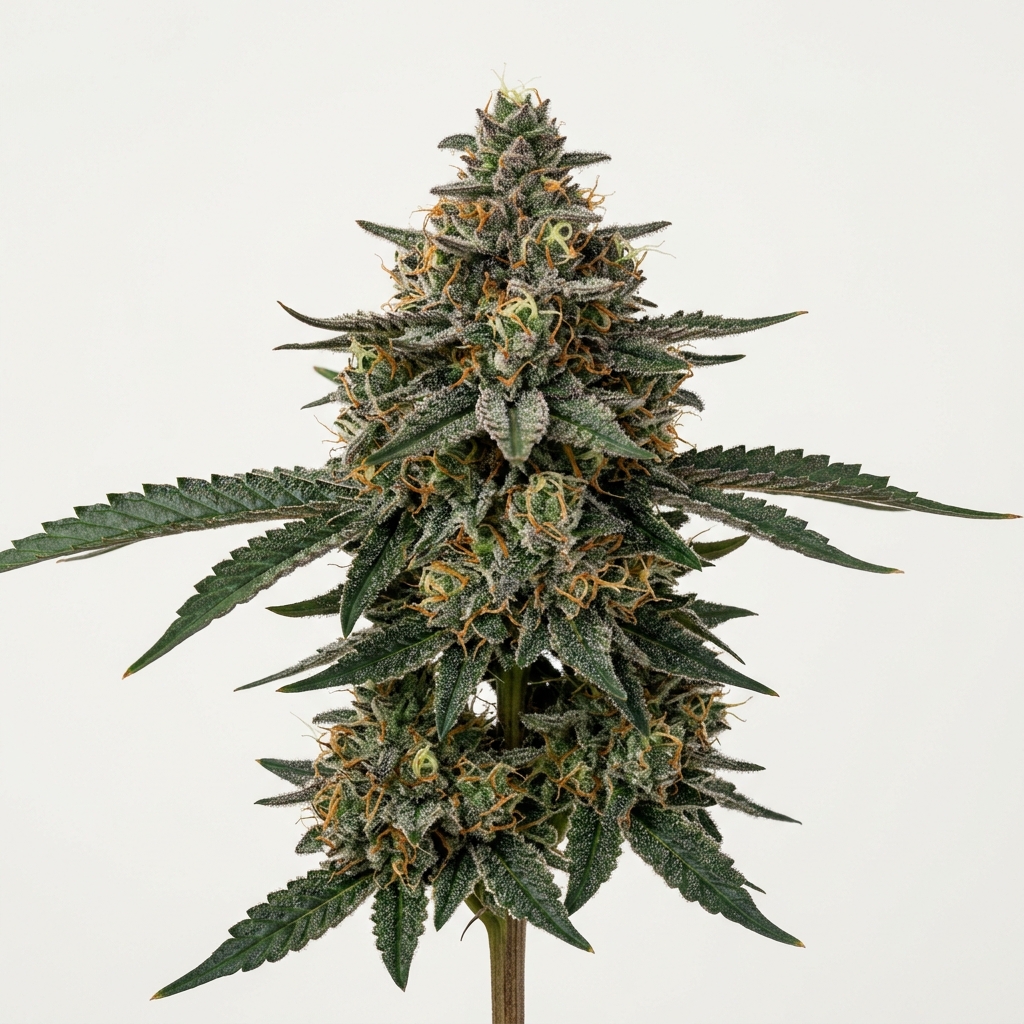
Black Runtz is a highly sought-after indica-dominant hybrid typically testing between 21% and 25% THC, selected as a dark, anthocyanin-rich phenotype of the classic cross between Zkittlez and Gelato #33. Known for its striking near-black foliage and glassy buds coated in greasy resin, this cultivar delivers a complex profile of tart gas, sweet candy, and a dark berry edge. In the grow room, it shows a moderate, controlled stretch with tight internodes and broad fan leaves, making it a favorite among growers seeking both visual appeal and high-quality extraction material.
While the original Runtz lineage took the market by storm with its sugary sweetness, the Black Runtz phenotype stands out for its deeper, muskier undertones and heavier physical presence. It has secured a dedicated following among cultivators who value intense resin production and a refined terpene output that translates perfectly from flower to concentrate.
Quick Facts
| Field | Details |
|---|---|
| Genetics | Zkittlez × Gelato #33 (Phenotype) |
| Variety | Indica-dominant hybrid |
| THC Range | 21% – 25% |
| Flowering Time | 8 – 9 Weeks |
| Yield Potential | Moderate to High |
| Plant Height | Medium |
| Climate Preference | Temperate, controlled indoor |
| Difficulty | Moderate |
Scientific & Botanical Overview
Botanically, Black Runtz expresses classic indica-leaning morphology, characterized by broad fan leaves and a stocky, lateral growth pattern. The cultivar is highly responsive to temperature manipulation during late bloom, which triggers the heavy accumulation of anthocyanins, turning the dense bracts from deep forest green to dark violet and near-black hues.
The calyx-to-leaf ratio is favorable, producing tight, grape-shaped spear colas that require minimal manicuring during harvest. Its trichome distribution is exceptionally dense, featuring capitate-stalked resin glands that remain stable and greasy throughout the curing process.
Good airflow is essential within the canopy due to the sheer density of the swollen calyxes. Cultivators must monitor microclimates closely, as the compact flower structure can trap moisture if humidity levels are not carefully managed during the final weeks of flowering.
Effects & Use-Cases (Reported)
Commonly reported effects include a heavy, grounding physical relaxation accompanied by a calm, slow-paced mental ease. Users often describe a soothing warmth that spreads through the limbs, easing tension without immediate, heavy sedation.
Use-case context typically centers on late-evening relaxation, quiet creative sessions, or winding down after physically demanding tasks. The steady, lingering onset makes it well-suited for quiet spaces and restful routines.
Note: Individual tolerance and environmental context can significantly alter the physical intensity of this cultivar; newer consumers should approach its dense resin profile with caution.
Aroma & Flavors
Aroma: The initial nose is dominated by a sharp, tart gas blended with dark berry notes and a spicy, musky undertone. Breaking the greasy buds releases a deeper, earthy kush base that balances the sweeter elements.
Flavor: On the palate, it delivers a smooth, sugary candy sweetness on the inhale, followed quickly by a heavy, sour diesel and mint finish.
Terpene associations: Analytical testing frequently associates this profile with high concentrations of caryophyllene, limonene, and myrcene, which drive its spicy, citrus, and herbal depth.
Tested Cannabinoid & Terpene Ranges
| Compound | Average Range |
|---|---|
| Δ9-THC | 21.0% – 25.0% |
| CBD | < 0.5% |
| β-Caryophyllene | 0.4% – 0.8% |
| d-Limonene | 0.3% – 0.6% |
| β-Myrcene | 0.2% – 0.5% |
Note: Cannabinoid and terpene levels are highly phenotype-dependent and subject to specific cultivation parameters, curing methods, and analytical testing variables.
Cultivation Notes
- Humidity Management: Keep relative humidity (RH) around 45%–50% during the mid-to-late flowering phase to protect the dense, compact spear colas from interior moisture build-up.
- Nutrient Sensitivity: This cultivar responds well to moderate feeding, but excessive nitrogen in early flower can lead to leaf curling and delay the onset of bud development.
- Canopy Training: use low-stress training (LST) and early topping to encourage lateral branching, maximizing light penetration across the tight internodes.
- Temperature Drops: Lowering night-time temperatures by 10–15°F during the final two weeks of bloom will fully unlock the deep purple and near-black coloration.
- Harvest and Cure: A slow dry at 60°F and 60% RH for 10 to 14 days preserves the delicate candy-gas terpenes and maintains the greasy texture of the trichomes.
Grower Notes (Week-by-Week Snapshot)
- Weeks 1–3 (Vegetative & Early Stretch): Plants establish a sturdy root zone and show moderate lateral stretch. Leaf tucking or light defoliation is recommended to keep lower nodes exposed to light.
- Weeks 4–6 (Mid-Flower Development): Flowers begin to stack rapidly, showing early signs of wet frost. The aroma transitions from a simple green scent to a sweet, tart gas.
- Weeks 7–9 (Late Bloom & Ripening): The calyxes swell significantly, and the dark purple hues intensify. Flush the medium thoroughly and reduce ambient humidity to lock in the terpene clarity.
Genetic Lineage
The lineage of Black Runtz is rooted in the modern classic Runtz, which represents a cross of the sweet, fruit-forward Zkittlez and the creamy, fuel-heavy Gelato #33. While some breeders have introduced other dark cultivars to the mix, the most acclaimed cut of Black Runtz is a selected phenotype of the original cross, isolated for its striking dark pigmentation and resin density.
By combining the sharp, candy-like terpene profile of Zkittlez with the structure and deep coloration of Gelato #33, this genetic line has become a foundation for contemporary breeding. The Black Runtz selection highlights the darker, more savory side of this parentage, leaning heavily into a musky, fuel-like finish.
Research Insights
From a scientific perspective, the distinct coloration of Black Runtz is driven by a high concentration of water-soluble pigments called anthocyanins within the plant tissue. These compounds are synthesized in response to light intensity and cooler temperatures, serving a protective role for the plant while producing the deep purple and black hues valued by consumers.
Terpene analysis shows a clear dominance of caryophyllene, which interacts with peripheral receptors to support the physical relaxation commonly associated with the strain. The secondary presence of limonene and myrcene creates a balanced chemical landscape, contributing to the cultivar’s long-lasting sensory profile and clean burning characteristics.
Frequently Asked Questions
Is Black Runtz an indica or sativa?
Black Runtz is an indica-dominant hybrid, displaying the compact growth structure, broad leaves, and deep physical relaxation typical of indica-leaning varieties.
How does Black Runtz get its dark color?
The dark purple and near-black hues are caused by anthocyanins, natural pigments that become highly visible when the plant is exposed to cooler night-time temperatures during late flower.
What does Black Runtz smell like?
It features a complex aroma of tart gas, sweet candy, and a dark berry edge, supported by an earthy, musky kush base.
Is Black Runtz difficult to grow?
It is moderately easy to grow, though its dense bud structure requires careful humidity control during late flower to prevent moisture issues.
Educational Disclaimer
This profile is intended solely for educational, scientific, and informational purposes. Local laws regarding the cultivation, possession, and use of cannabis vary widely, and readers should consult their local regulations before engaging in any cultivation activities.
Rate and review this strain
Ratings and reviews are accepted only from signed-in Google accounts.
Sign in with Google to leave a rating and written review.
Latest Reviews
0 reviewsNo reviews yet. Be the first Google user to rate and review this strain.