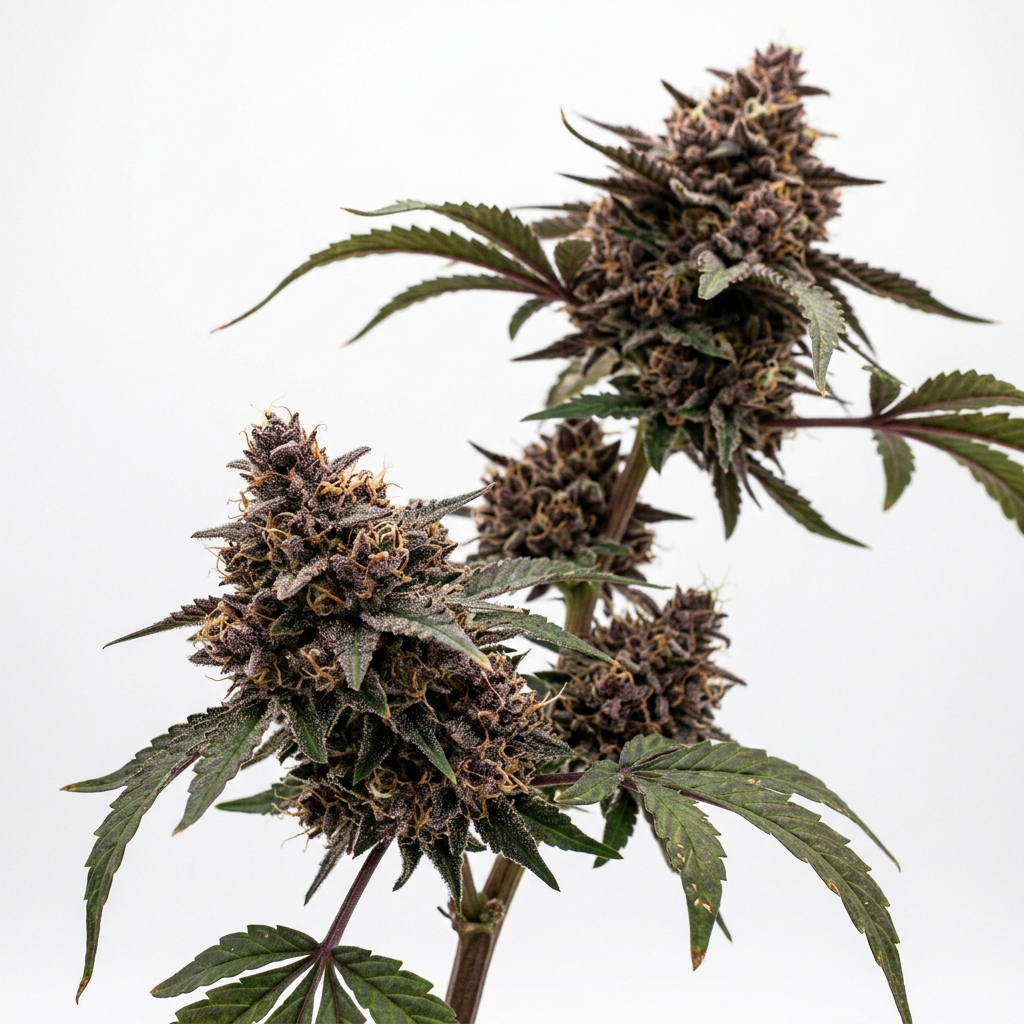
Pruno (Cannabis Strain)
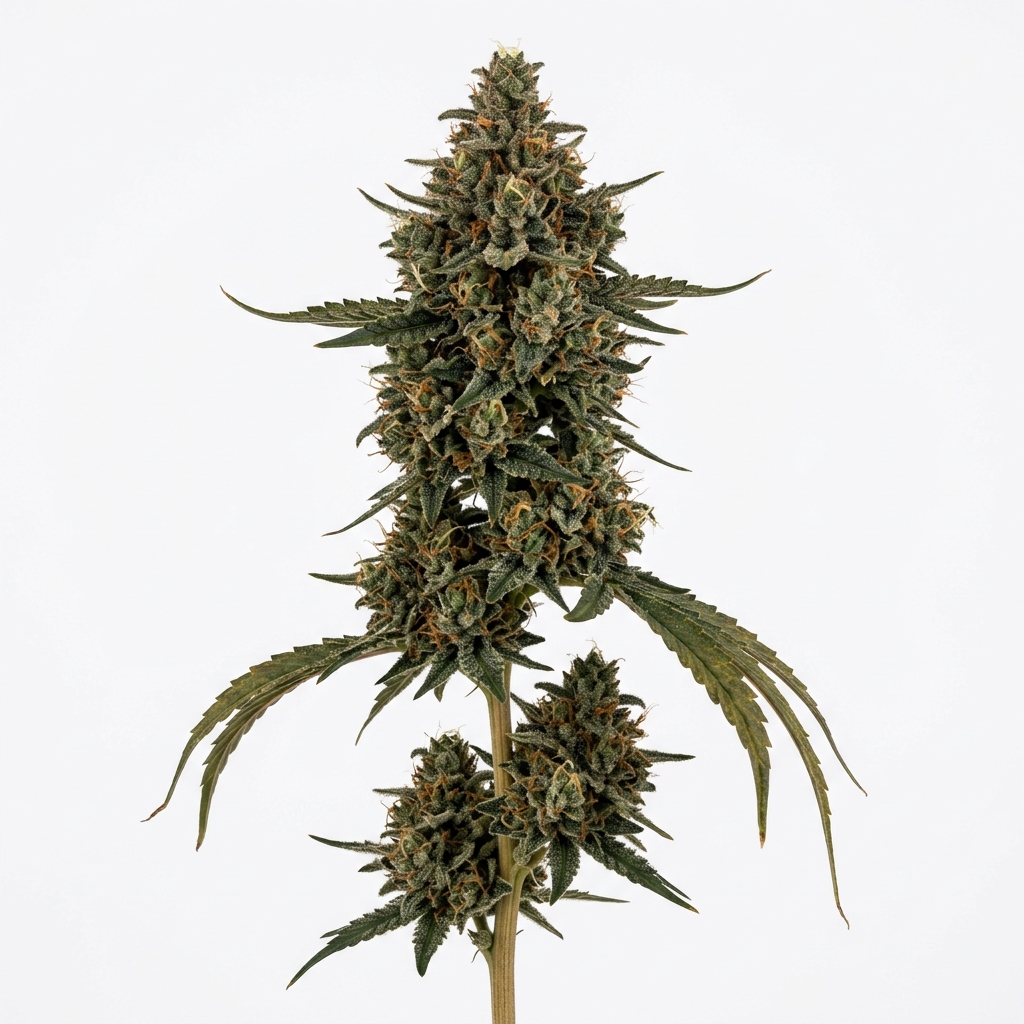
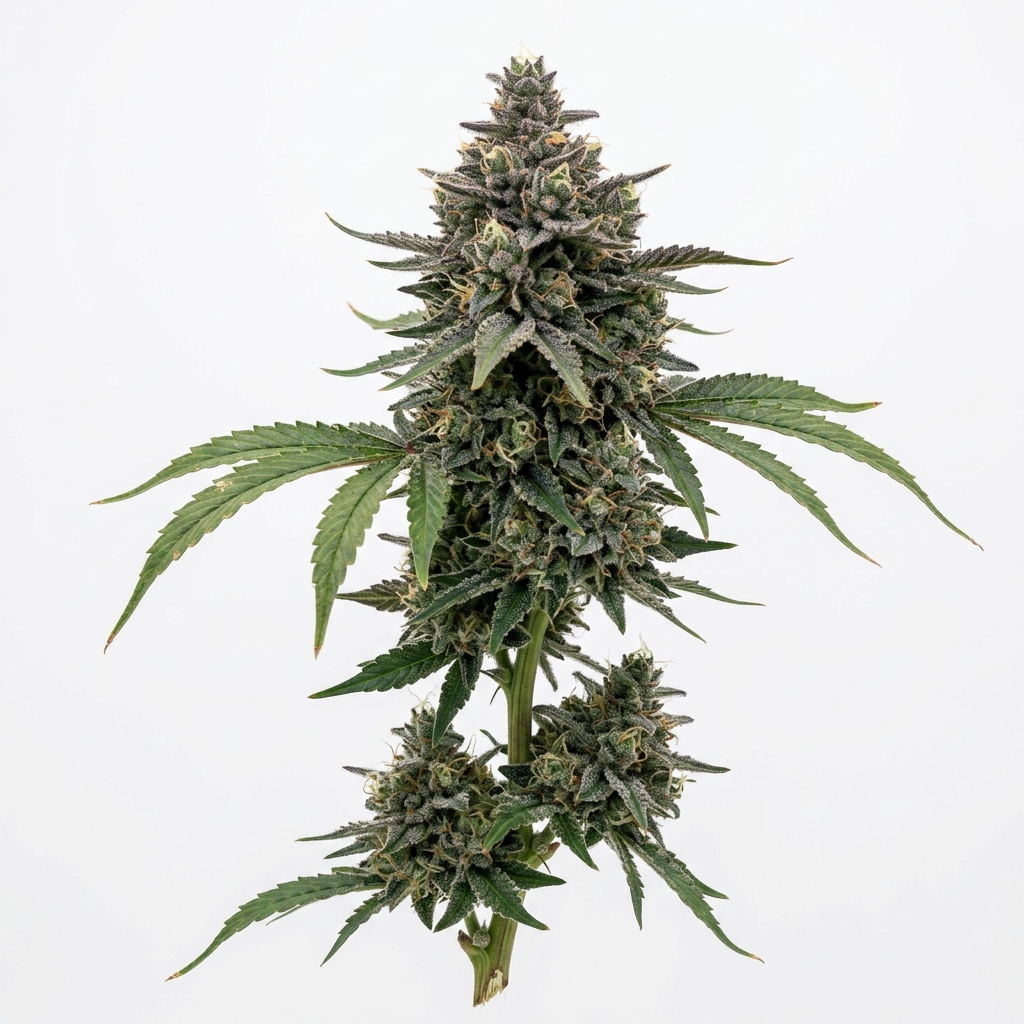
Pruno is an indica-dominant hybrid developed by Aficionado French Connection, bred by pairing Plum Wine with Orange Punch. Known across boutique craft circles for its distinct profile of fermented dark fruit, sour citrus rind, and earthy fuel, the cultivar produces dense, spade-shaped flowers coated in greasy resin glands. Dried flower batches typically test between 20% and THC not consistently reported, delivering a stout, calming physical profile suited for low-tempo evening routines and quiet decompression.
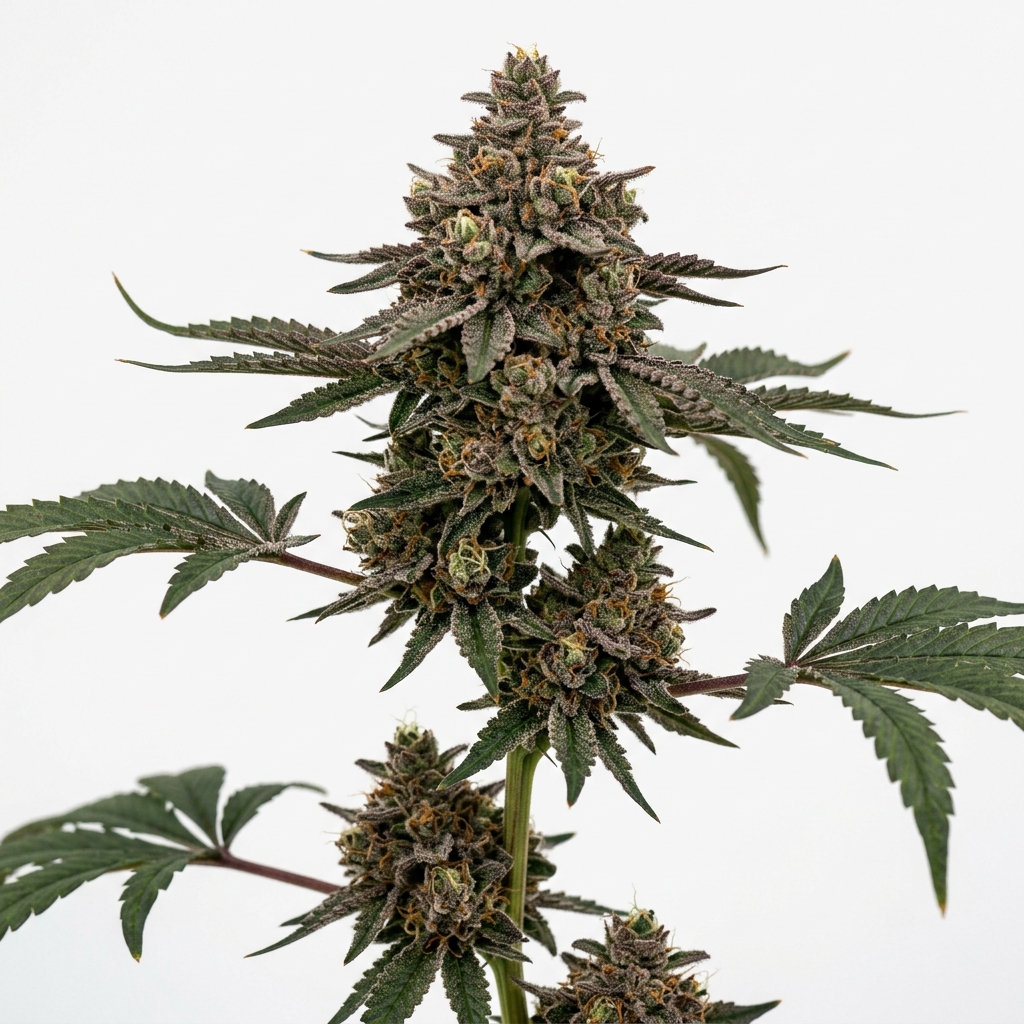
The cultivar inherits deep anthocyanin pigmentation and rich floral-fruit tones from Plum Wine, alongside the bright citrus bite and vigorous branch structure of Orange Punch. In the garden, it develops strong lateral branching with manageable internodal spacing, holding firm under the weight of swollen calyx clusters. Consumers commonly report a smooth, fast-settling body relaxation paired with an unhurried, clear-headed mental state.
Quick Facts
| Field | Detail |
|---|---|
| Breeder | Aficionado French Connection |
| Genetics | Plum Wine × Orange Punch |
| Variety | Indica-dominant hybrid |
| THC Range | 20% – 25% (uninfused dried flower) |
| Flowering Time | 8 – 9 weeks (56 – 63 days) |
| Yield Potential | Moderate to heavy (450 – 550 g/m² indoors) |
| Plant Height | Medium (controlled 1.5x stretch) |
| Climate Preference | Temperate to warm Mediterranean climates with low late-flower humidity |
| Difficulty | Intermediate |
Scientific & Botanical Overview
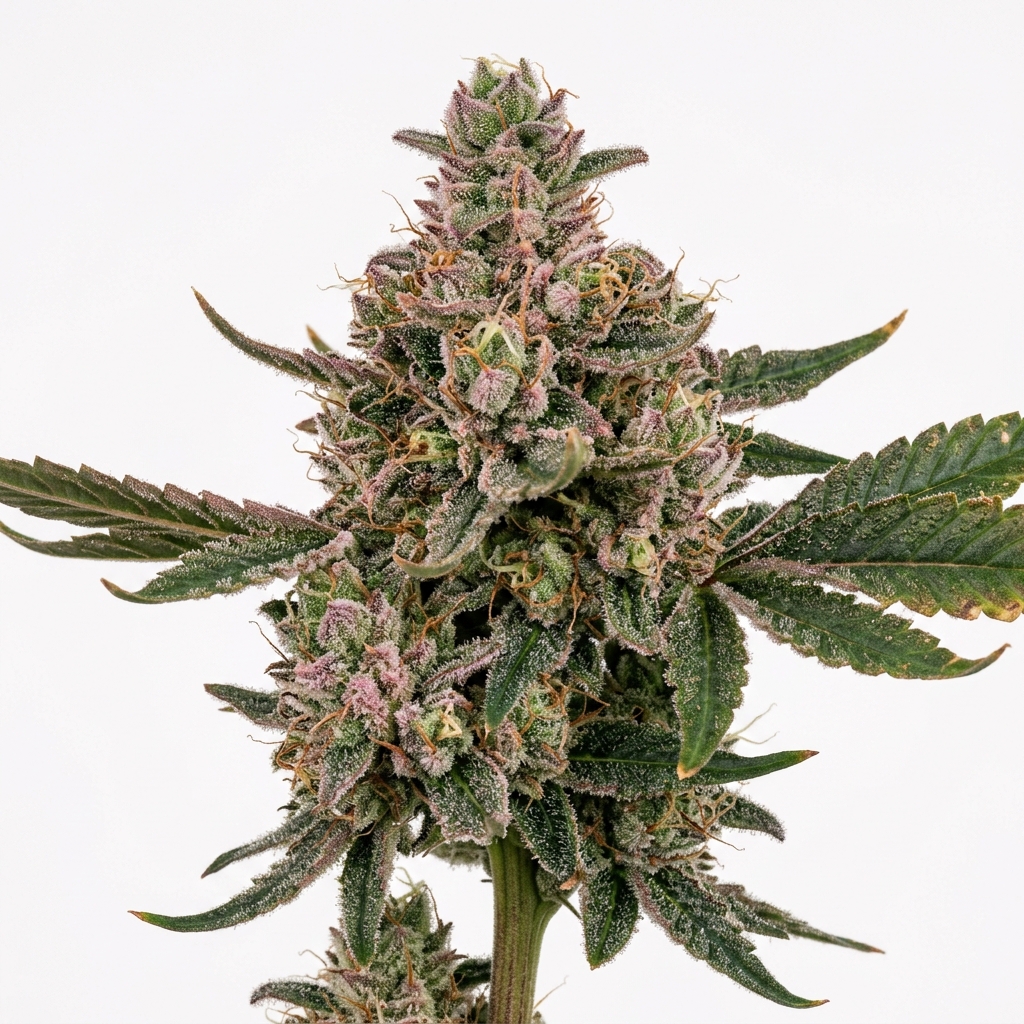
Pruno displays classic hybrid morphology characterized by broad, dark green foliage that often shifts to deep violet and aubergine hues as night temperatures drop during late bloom. Internodal distances remain moderate throughout vegetative growth, encouraging dense secondary shoot production. The plant establishes a sturdy central stem capable of supporting heavy floral clusters without excessive staking.
In mid-to-late flower, the cultivar develops compact, rounded calyx stacks that form dense colas coated in capitate-stalked trichomes. These resin glands produce a tacky, solventless-friendly resin layer rich in aromatic monoterpenes and sesquiterpenes. The bracts show tight layering, which protects inner resin heads but requires diligent airflow management in indoor environments.
Metabolic activity during ripening is marked by a sharp push of anthocyanins and volatile secondary metabolites. When night temperatures are reduced by several degrees during the final two weeks, the plant expresses rich purple pigments across the bracts and sugar leaves. This coloration provides a striking visual contrast against the pale amber gland heads and deep orange pistils.
Effects & Use-Cases (Reported)
Commonly reported effects: The onset typically begins with a soft, settling heaviness behind the eyes and across the shoulders, accompanied by a calm, tranquil mood. As the experience develops, the physical sensation deepens into full-body ease without forcing immediate sedation. Consumers often note a quiet, contemplative mental space that remains clear and free of mental chatter.
Use-case context: Pruno fits well into late-afternoon and evening routines, making it popular for winding down after physical labor, listening to music, or reading. Its smooth physical comfort lends itself to passive social gatherings or solo relaxation before bedtime.
Note: Individual responses to cannabis flower vary based on personal tolerance, setting, dosage, and unique endocannabinoid chemistry.
Aroma & Flavors
Aroma: The jar note is defined by crushed dark plums, sour grapes, and a distinct boozy, fermented wine tang. Breaking apart the cured flowers uncovers secondary layers of sharp orange peel, wet earth, and a subtle gas undertone.
Flavor: The smoke or vapor carries sweet, overripe stone fruit and tart berry on the inhale, transitioning to an earthy citrus and spice finish on the exhale. The palate retains a lingering taste of dark fruit preserves and mild fuel.
Terpene associations: Analytical testing across related profiles commonly shows a terpene framework led by myrcene, limonene, and beta-caryophyllene, with minor contributions of linalool and humulene providing the floral-spice depth.
Tested Cannabinoid & Terpene Ranges
| Compound | Typical Range (%) | Compound Class |
|---|---|---|
| Δ9-THC | 20.0% – 25.0% | Primary Cannabinoid |
| CBD | < 1.0% | Minor Cannabinoid |
| CBG | 0.5% – 1.2% | Minor Cannabinoid |
| Total Terpenes | 1.8% – 3.2% | Volatile Aromatics |
| Myrcene | 0.6% – 1.2% | Primary Terpene |
| Limonene | 0.4% – 0.9% | Secondary Terpene |
| Beta-Caryophyllene | 0.3% – 0.7% | Secondary Terpene |
Range note: Cannabinoid and terpene figures represent literature-informed laboratory ranges compiled from batch analyses of cured, uninfused dried flower. Actual expression varies based on cultivation methodology, lighting environment, nutrient feed, phenotype selection, and curing protocols.
Cultivation Notes
- Humidity management: Maintain relative humidity around 55% during early flower, tapering down to 40%–45% during the final three weeks to safeguard dense calyx structures from microclimate moisture buildup.
- Nutrient requirements: The strain handles moderate feeding comfortably, responding well to balanced nitrogen in veg and elevated phosphorus and potassium during weeks four through seven of flower.
- Canopy training: Topping the main stem early followed by light low-stress training (LST) encourages an even canopy, allowing secondary branches to develop uniform top colas.
- Defoliation: Perform a moderate strip of broad fan leaves at day 21 of flower to increase light penetration through the inner canopy and enhance airflow around lower bud sites.
- Harvest window: Look for trichomes to reach full milky opacity with roughly 10%–15% amber heads, typically achieved between day 56 and day 63 of flowering.
Grower Notes (Week-by-Week Snapshot)
- Weeks 1–3 (Transition & Stretch): Plants exhibit a manageable stretch of roughly 1.5x original height. Stems thicken rapidly, and initial pistil clusters form at the nodes by the end of week two.
- Weeks 4–6 (Bud Formation & Resin Push): Calyxes swell and stack tightly along the branches. Gland heads become visible across sugar leaves, releasing a tart fruit aroma when touched.
- Weeks 7–9 (Ripening & Color Shift): Floral density peaks as pistils turn copper. Lowering night temperatures during this phase encourages deep violet pigmentation across the bracts while the aroma shifts to fermented plum and sweet citrus.
Genetic Lineage
The genetic foundation of Pruno unites two distinct flavor profiles: Plum Wine and Orange Punch. Plum Wine brings a rich background of dark stone fruits, floral accents, and purple coloration, creating the deep, complex aromatic core of the plant. Its influence is apparent in the bud density and heavy trichome coverage.
Orange Punch contributes bright citrus notes, robust branching, and reliable resin output. By combining these lineages, Aficionado French Connection created a stable hybrid that balances sweet citrus brightness with dark, fermented berry richness, pairing reliable horticultural vigor with an exotic terpene profile.
Research Insights
Academic investigation into cannabis chemical profiles highlights the role of monoterpenes and sesquiterpenes in shaping individual cultivar identity. Compounds such as myrcene and beta-caryophyllene have been studied for their presence in resin-dense cultivars, with caryophyllene recognized for its ability to bind directly to peripheral CB2 receptors in laboratory models.
While general pharmacological literature documents the fundamental actions of cannabinoids and terpenes, strain-specific outcomes remain subject to personal physiology, dosage, and consumption methods. Controlled research continues to evaluate how specific terpene ratios interact with major cannabinoids to influence subjective experiences.
Frequently Asked Questions
Who bred the Pruno strain?
Pruno was developed by Aficionado French Connection, a boutique seed collective known for creating specialized, terpene-forward crosses using craft genetics.
Is Pruno an indica or sativa?
Pruno is an indica-dominant hybrid cultivar, producing compact flowers, moderate plant stretch, and calming, physically grounded reported effects.
What does Pruno smell and taste like?
The strain is recognized for its unique profile of fermented dark plum, sour orange peel, and earthy undertones, finishing with a lingering taste of sweet fruit wine and light spice.
What is the typical flowering time for Pruno?
When cultivated in controlled indoor environments, Pruno finishes flowering in approximately 8 to 9 weeks (56 to 63 days).
Educational Disclaimer
This content is for educational and informational purposes only. Cannabis laws and regulations vary by jurisdiction. Always consult with a qualified professional before beginning any cultivation project or consuming cannabis products.
Rate and review this strain
Ratings and reviews are accepted only from signed-in Google accounts.
Sign in with Google to leave a rating and written review.
Latest Reviews
0 reviewsNo reviews yet. Be the first Google user to rate and review this strain.
Follow New Cultivar Records
Get newly documented genetics, breeder history, research highlights, and important Strainpedia discoveries by email.