Orange Cookie Chem (Cannabis Strain)
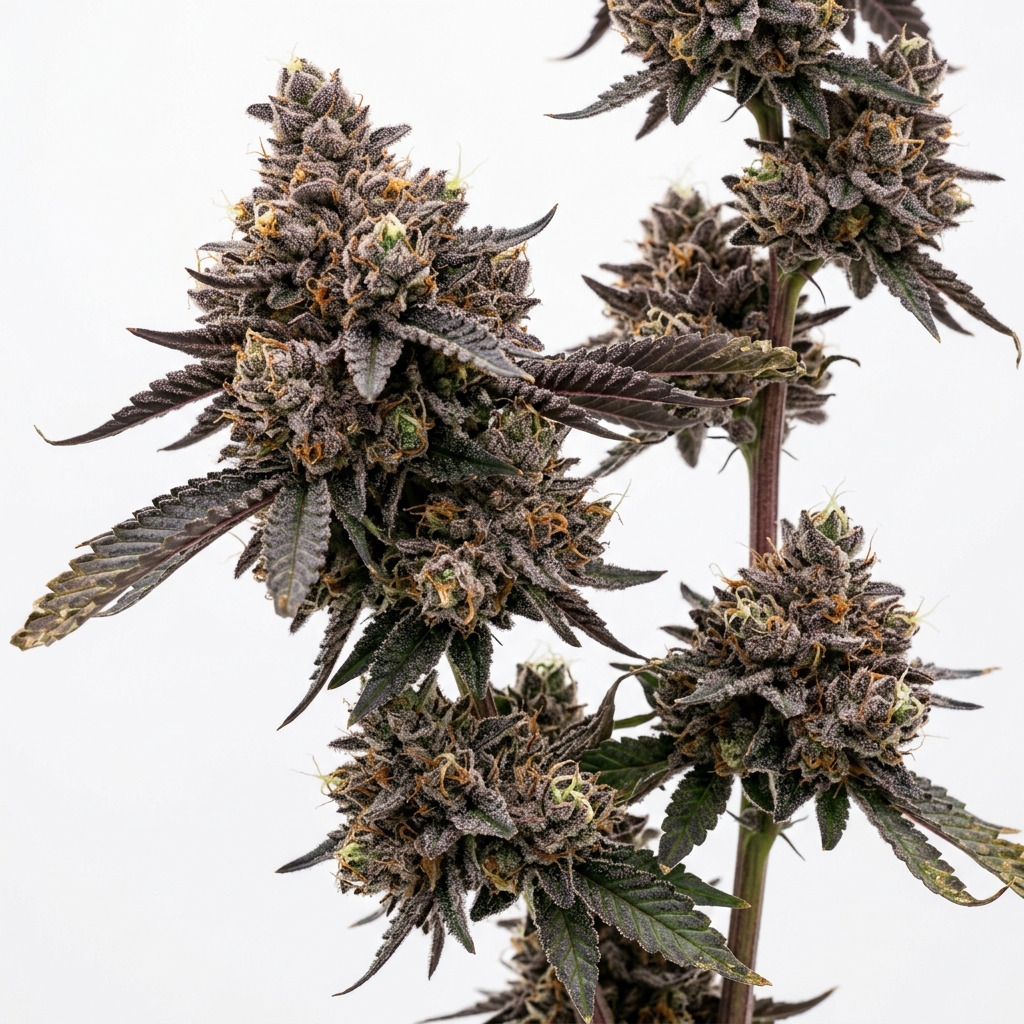
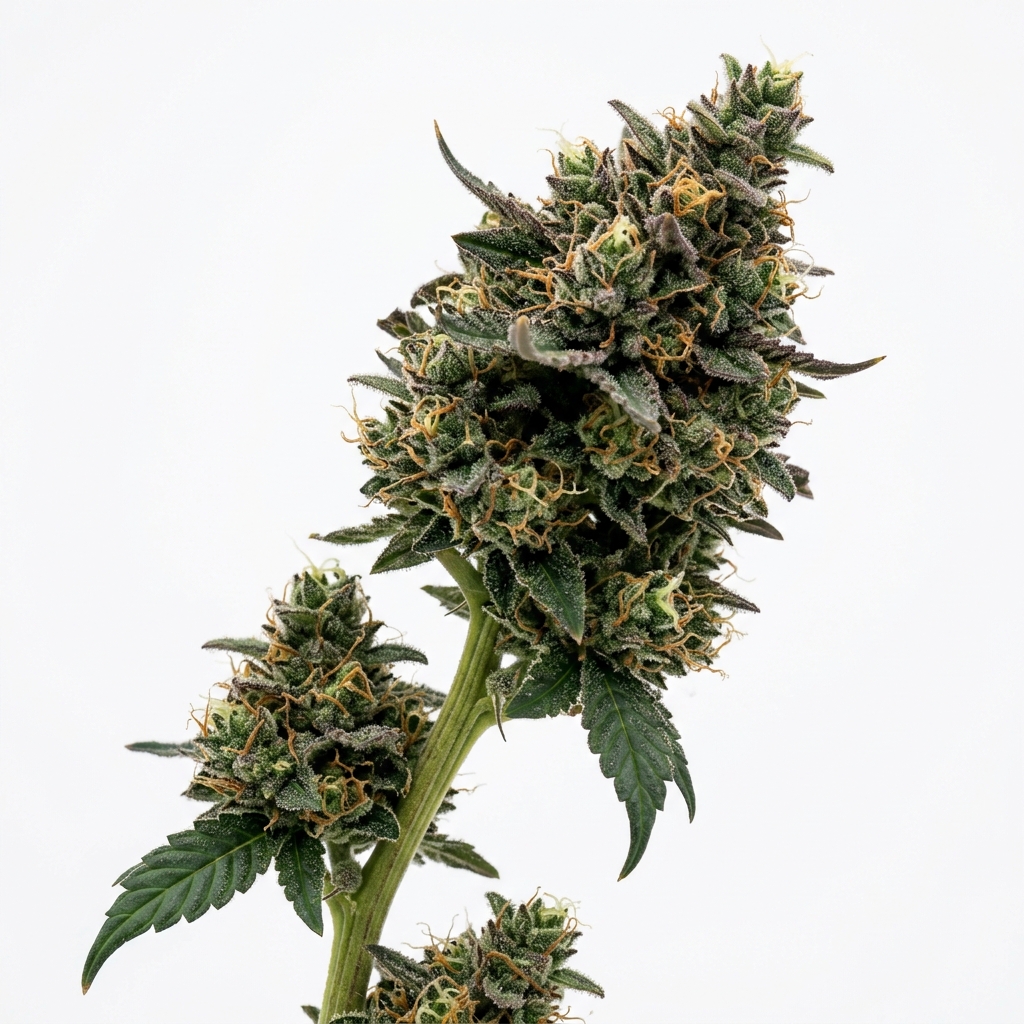
Orange Cookie Chem is an aromatic hybrid cultivar known for merging bright citrus dough with aggressive chemical fuel. Developed by Greenpoint Seeds through the pairing of Orange Cookies and Stardawg, dried flower batches typically test between 20% and 26% THC. The cultivar develops dense, golf-ball-style bract clusters drenched in greasy glandular trichomes, supported by strong branching and moderate internodal spacing. It has gained traction among cultivators and extractors who favor high volatile terpene output coupled with heavy, solventless-friendly resin heads.
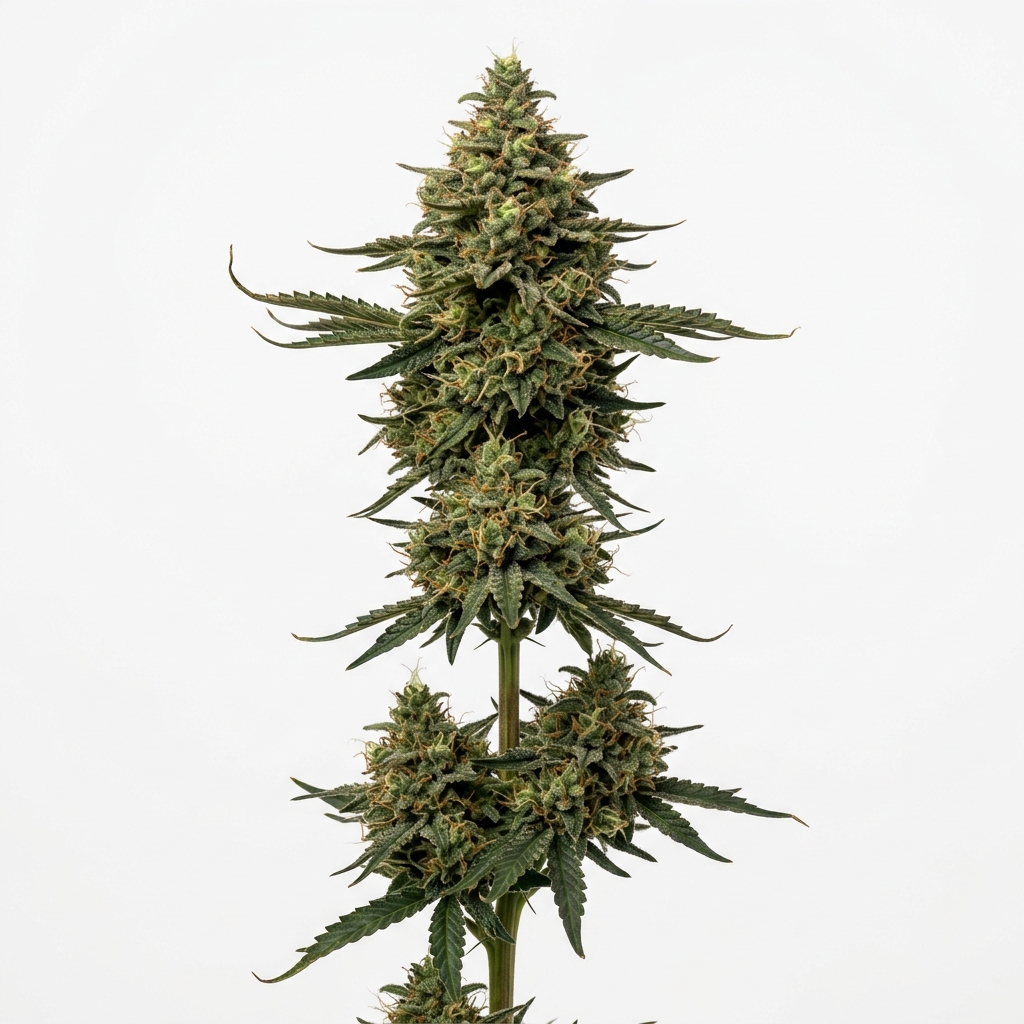
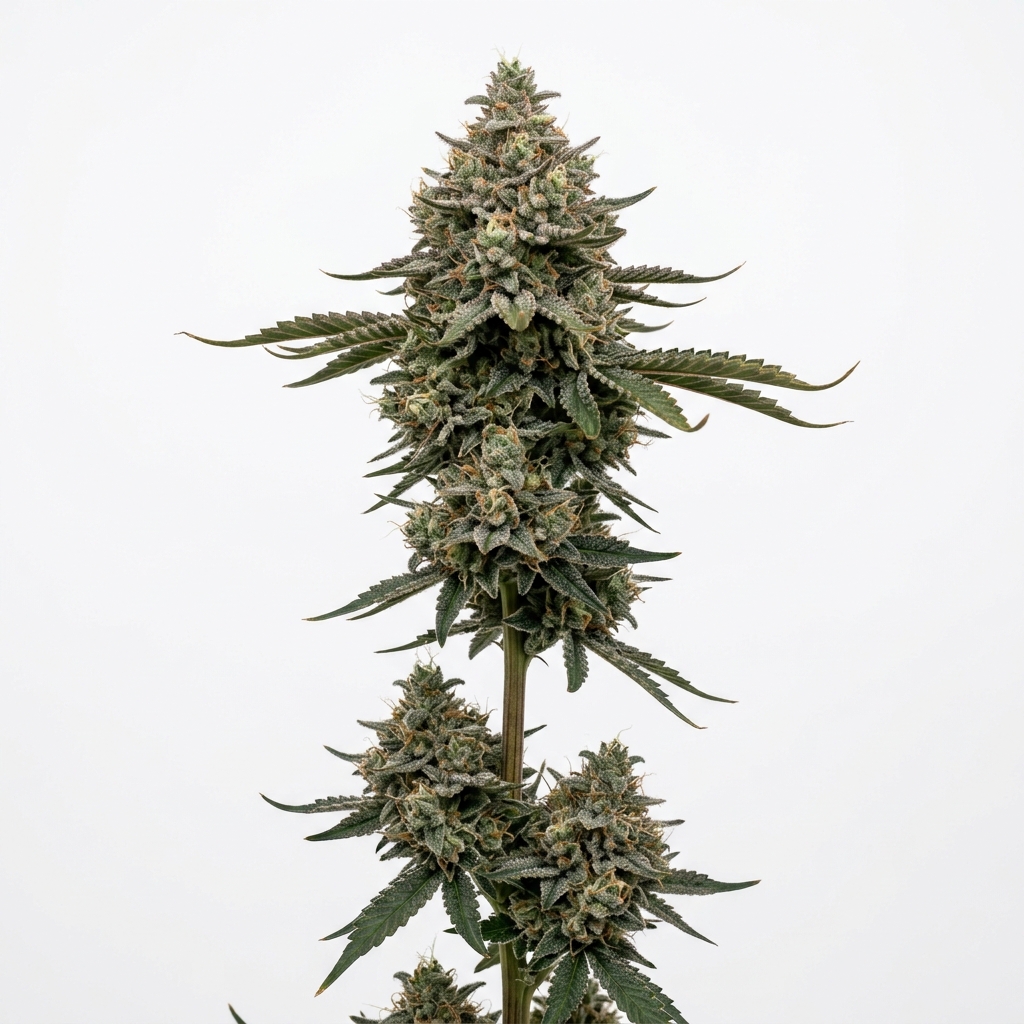
The morphology reflects both branches of its lineage, displaying the stacked calyx development of the Cookies line alongside the vigor and raw pungency of Chem genetics. Consumers commonly report a fast-acting cerebral lift that transitions into a calm, physically grounded finish without immediate sedation. In the garden, the cultivar handles training techniques well and finishes with deep green foliage occasionally laced with subtle purple accents under cooler night cycles.
Quick Facts
| Field | Detail |
|---|---|
| Breeder | Greenpoint Seeds |
| Genetics | Orange Cookies × Stardawg |
| Variety | Hybrid |
| THC Range | 20% – 26% |
| Flowering Time | 9 – 10 weeks (63 – 70 days) |
| Yield Potential | Moderate to High |
| Plant Height | Medium to Tall |
| Climate Preference | Temperate, Mediterranean |
| Difficulty | Moderate |
Scientific & Botanical Overview
Botanically, Orange Cookie Chem presents a vigorous hybrid architecture with moderate internodal elongation during early flower. The foliage typically leans toward hybrid broad-leaf traits during vegetative growth before thinning slightly under intense flowering light. Stems develop sufficient rigidity to support medium-heavy terminal colas, though lateral branching benefits from early structural trellis support.
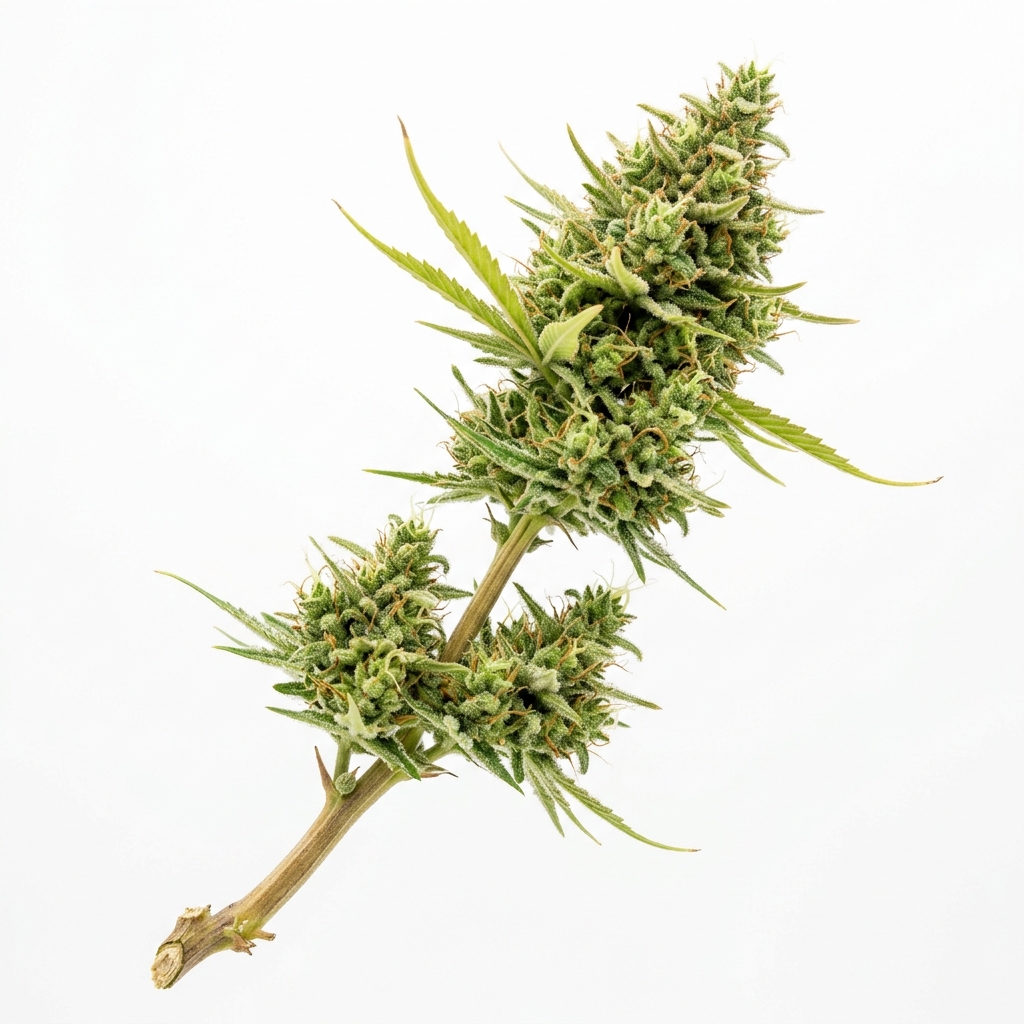
Inflorescence structures feature rounded, compact bract clusters with pronounced calyx swelling late in the maturation cycle. The surface area of the buds is densely coated with capitate-stalked trichomes that retain a tacky, oily feel upon handling. Under magnification, the resin heads exhibit broad gland diameters with fragile necks, facilitating clean trichome separation during mechanical extraction.
Pigmentation remains predominantly forest green with brassy tangerine pistils weaving through the flower matrix. Minor anthocyanin accumulation can manifest along the leaf margins and outer bract tips when ambient night temperatures drop during the flush window. The overall biomass shows high density, requiring careful attention to internal airflow during curing to protect its tight structural core.
Effects & Use-Cases (Reported)
Commonly reported effects: Consumers typically report a clear, mood-elevating onset marked by sharp sensory engagement and functional focus. As the session develops, the initial mental buzz settles into steady bodily relaxation, loosening tension in the shoulders and neck without inducing heavy lethargy. The experience is often described as balanced, offering moderate physical ease while leaving cognitive clarity intact.
Use-case context: The cultivar is frequently chosen for afternoon creative work, social gatherings, or unstructured weekend routines. Its dual-action profile makes it adaptable for active daytime use in moderation, as well as winding down early in the evening without immediately causing sleepiness.
Reported effects are based on user observations and should not be interpreted as medical advice. Individual tolerance, dose, and metabolic factors significantly influence outcomes.
Aroma & Flavors
Aroma: The initial jar note delivers a burst of sharp mandarin peel and sweet citrus sugar, backed immediately by an acrid wall of diesel, burnt rubber, and damp earth. Breaking down the dense flowers releases heavier skunky undertones and a pungent chemical bite characteristic of the Chem lineage.
Flavor: On the palate, the profile leads with tangy orange zest and warm sweet dough before shifting into a sharp, fuel-soaked finish. The exhale leaves a lingering sour citrus and peppery chem coating that persists on the tongue.
Terpene associations: The aromatic profile is predominantly driven by limonene, beta-caryophyllene, and myrcene, with secondary contributions from linalool and humulene providing floral dough and earthy depth.
Tested Cannabinoid & Terpene Ranges
| Compound | Flower Concentration Range |
|---|---|
| Δ9-THC | 0.3% – 1.0% |
| THCA | 21.0% – 28.0% |
| Total THC | 20.0% – 26.0% |
| CBGA | 0.4% – 1.2% |
| Total CBD | < 0.2% |
| Total Terpenes | 1.8% – 3.2% |
| Dominant Terpenes | Limonene, β-Caryophyllene, Myrcene |
Range note: Cannabinoid and terpene content varies substantially across individual phenotypes, environmental conditions, lighting spectra, and post-harvest drying protocols. The figures listed above represent typical ranges observed in laboratory testing of dried flower material.
Cultivation Notes
- Humidity management: Maintain 55% to 60% relative humidity through early vegetative stages, gradually tapering down to 40% to 45% during late flowering to safeguard the dense bract structures from mold.
- Nutrient requirements: This cultivar handles moderate to heavy feeding schedules, showing strong nitrogen utilization in veg and elevated calcium and magnesium demands during Weeks 3 through 6 of bloom.
- Canopy training: Responds exceptionally well to topping and low-stress training (LST); establishing an even trellis grid early maximizes top cola exposure and prevents under-canopy shading.
- Defoliation: Perform a targeted strip around Day 21 and a light clean-up around Day 42 of flower to open sightlines to lower bud sites and promote uniform airflow.
- Harvest window: Optimal trichome maturity typically arrives between Day 63 and Day 70, when resin heads turn milky with approximately 10% to 15% amber coverage across the upper bracts.
Grower Notes (Week-by-Week Snapshot)
- Weeks 1–3 (Early Transition & Stretch): Plants exhibit a manageable stretch of 1.5x to 2x. Train lateral shoots horizontally under the net and prune lower spindly growth before button formation begins.
- Weeks 4–6 (Bud Set & Resin Production): Calyx sites swell rapidly into distinct clusters. Trichome development accelerates visibly by Week 5, accompanied by a sharp rise in pungent citrus and petrol odors.
- Weeks 7–9+ (Swelling & Ripening): Inflorescences harden into solid, resinous spears. Drop night temperatures slightly to encourage terpene preservation and monitor relative humidity strictly below 45%.
- Post-Harvest (Drying & Curing): Dry whole plants at 60°F (15.5°C) and 60% relative humidity for 12 to 14 days. A slow 3- to 4-week cure in sealed containers locks in the volatile citrus notes and smooths the chem finish.
Genetic Lineage
Orange Cookie Chem unites two modern pillars of North American cannabis breeding. The maternal parent, Orange Cookies (Orange Juice × Girl Scout Cookies), is renowned for its confectionary sweet citrus profile, compact bud architecture, and dense resin production. It contributes the unmistakable orange peel fragrance and tightly packed calyx formation to this pairing.
The paternal influence comes from Stardawg (Chemdog 4 × Tres Dawg), a foundational powerhouse celebrated for fuel-soaked potency, vigorous lateral growth, and heavy branching. Stardawg imparts increased yield potential, aggressive chemical bite, and robust vegetative resilience, balancing the sweeter dessert qualities of the Orange Cookies parent.
Research Insights
Scientific literature on cannabis phytochemistry highlights the synergistic presence of limonene and beta-caryophyllene in terpene profiles. Peer-reviewed studies indicate that beta-caryophyllene functions as a selective dietary cannabinoid capable of binding to peripheral CB2 receptors. In combination with monoterpenes like limonene, these volatile profiles are actively studied for their modulation of perceived sensory and aromatic characteristics.
While general analytical chemistry provides insight into individual cannabinoid and terpene pathways, comprehensive research specifically mapped to Orange Cookie Chem remains limited. Observations regarding its specific properties are largely drawn from standardized third-party certificate of analysis (COA) records and controlled horticultural evaluation.
Frequently Asked Questions
Who bred Orange Cookie Chem?
Orange Cookie Chem was bred by Greenpoint Seeds, crossing their selected Orange Cookies cut with a Stardawg male to blend sweet citrus confectionary traits with intense diesel funk.
Is Orange Cookie Chem an indica or sativa?
Orange Cookie Chem is a balanced hybrid that integrates physical structure and visual traits from both parent lines, delivering moderate physical relaxation paired with clear mental engagement.
What does Orange Cookie Chem smell and taste like?
The profile features sweet mandarin peel, orange zest, and cookie dough layered over a heavy base of pungent chem fuel, skunk, and cracked pepper.
How long does Orange Cookie Chem take to flower?
When grown in indoor environments, the cultivar typically completes its flowering cycle in 9 to 10 weeks (63 to 70 days), depending on phenotype selection and environmental conditions.
Educational Disclaimer
This content is for educational and informational purposes only. Cannabis laws and regulations vary by jurisdiction. Always consult with a qualified professional before beginning any cultivation project or consuming cannabis products.
Rate and review this strain
Ratings and reviews are accepted only from signed-in Google accounts.
Sign in with Google to leave a rating and written review.
Latest Reviews
0 reviewsNo reviews yet. Be the first Google user to rate and review this strain.
Follow New Cultivar Records
Get newly documented genetics, breeder history, research highlights, and important Strainpedia discoveries by email.