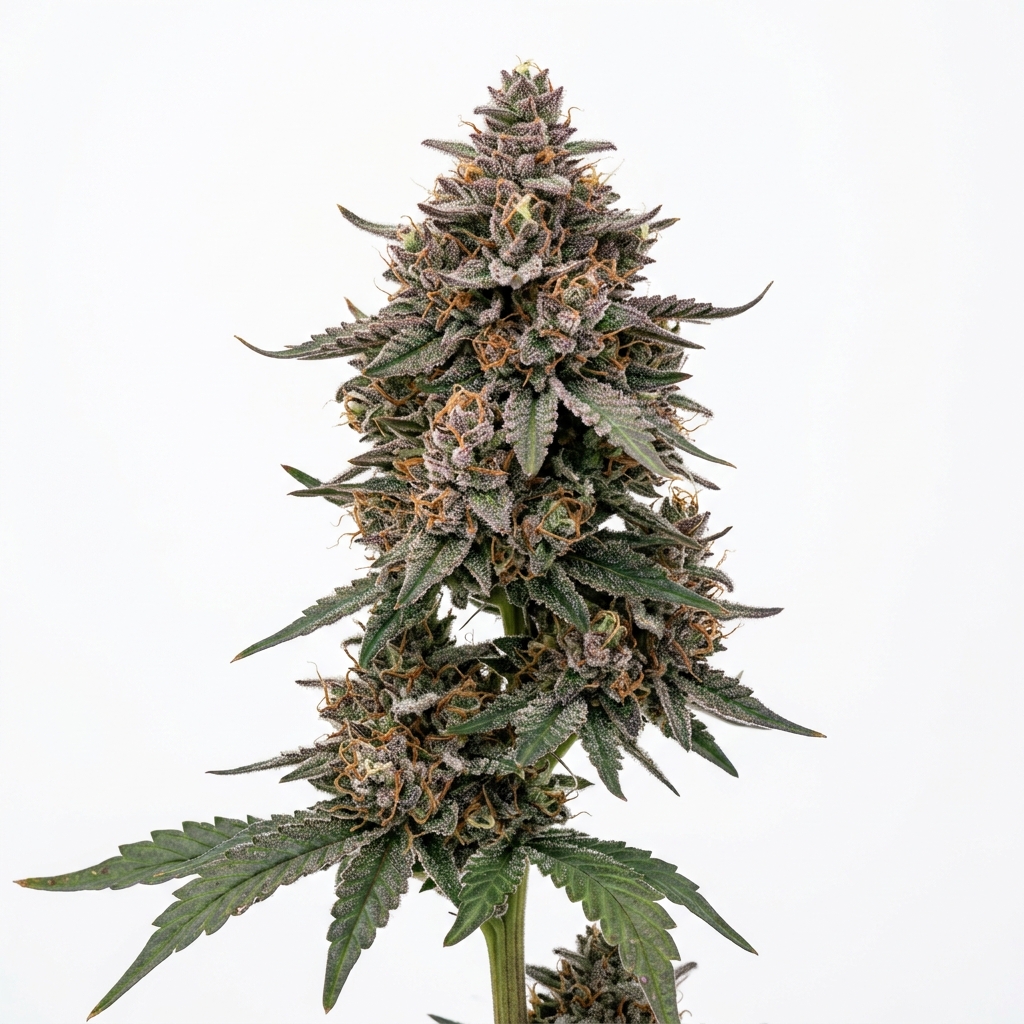
Nag Champa (Cannabis Strain)
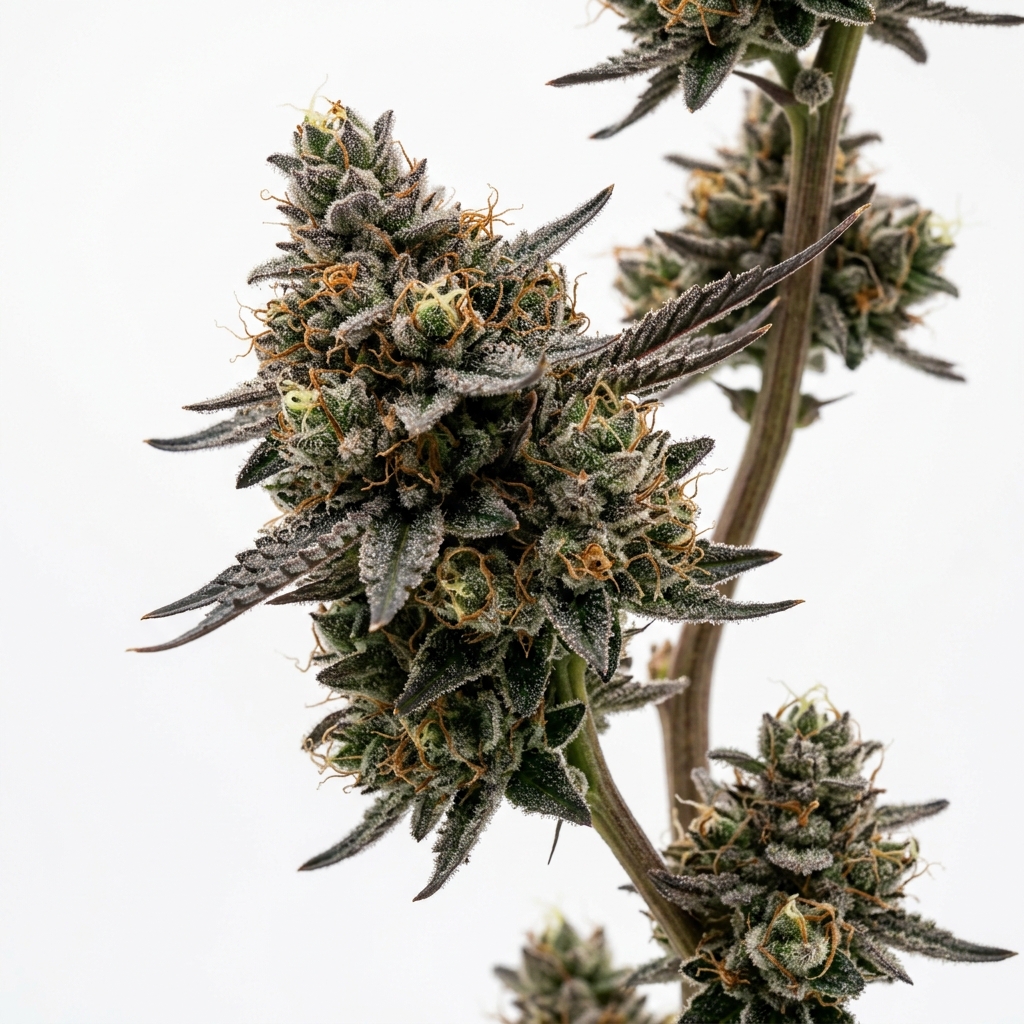
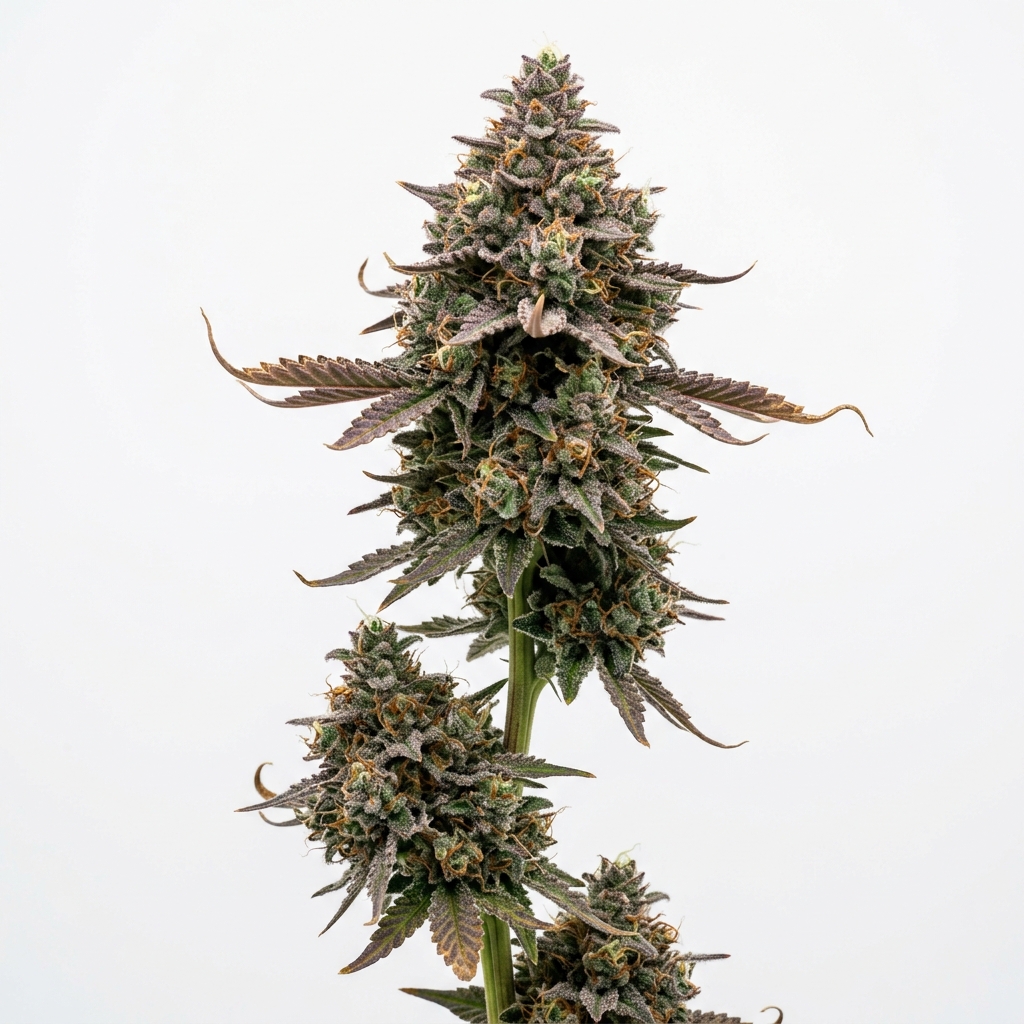
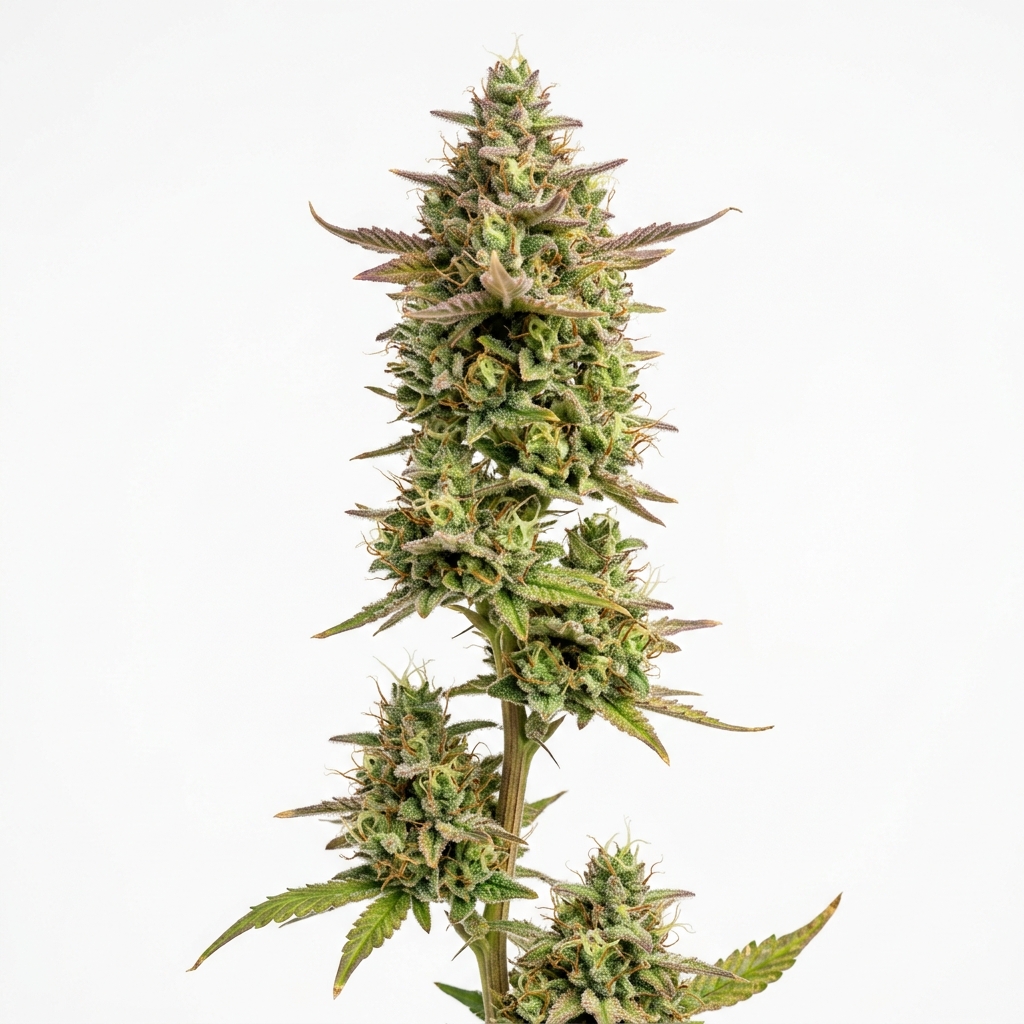
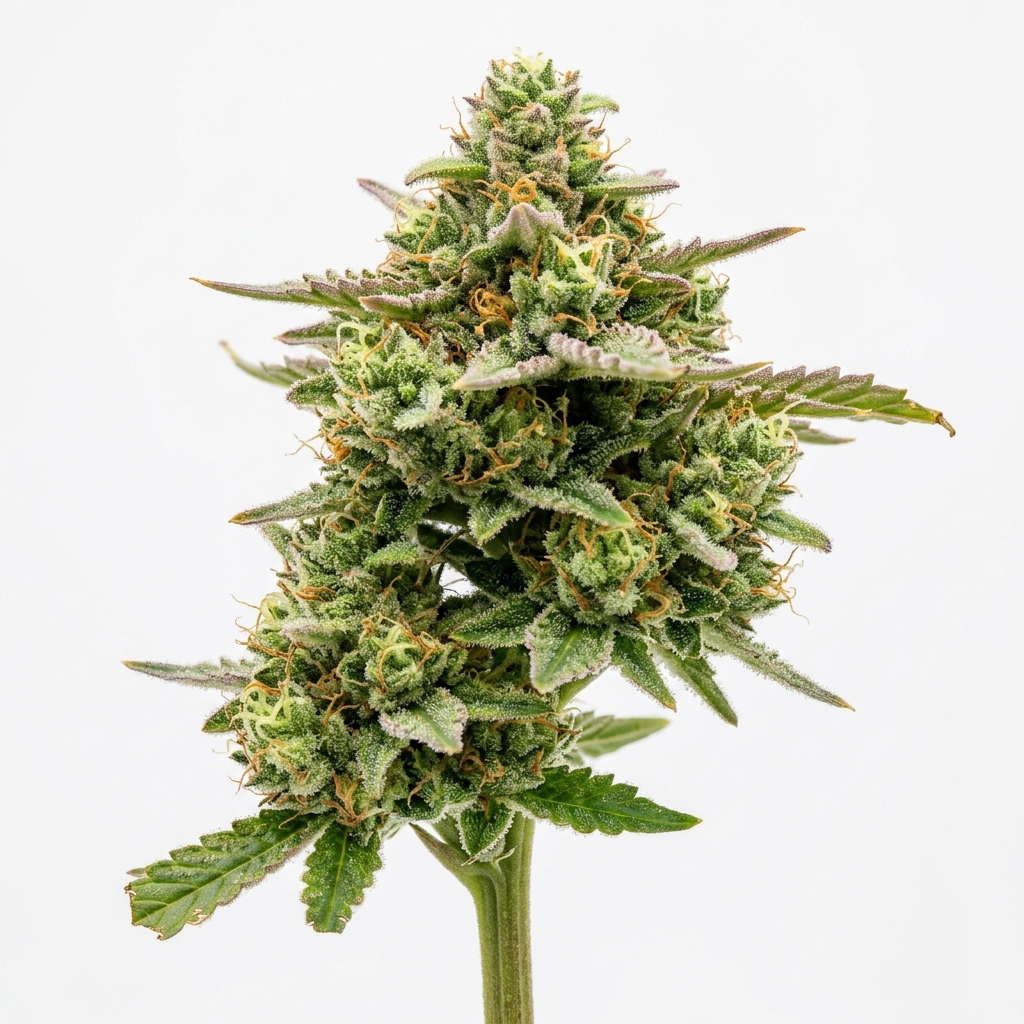
Nag Champa is an aromatic, indica-dominant hybrid cultivar typically testing between 18% and THC not consistently reported in uninfused flower. Originally bred by Terp Hogz Geneticz (3rd Gen Family), the cultivar pairs the candied tropical fruit sweetness of Zkittlez with the musky incense and floral resin of Big Sur Holy Weed. The result is a resin-rich plant that develops dense spear colas, heavy trichome coverage, and a distinct temple incense aroma that stands apart from conventional dessert profiles.
The cross inherits sturdy lateral branching and broad fan foliage from its parentage, transitioning into frosty, violet-tinged buds when exposed to mild late-bloom temperature drops. In cured flowers, the bouquet blends rich sandalwood and nag champa incense with tart fruit undertones. Consumers commonly report an easygoing, grounding body relaxation coupled with a clear, reflective headspace well suited for quiet evenings.
Quick Facts
| Field | Details |
|---|---|
| Breeder | Terp Hogz Geneticz |
| Genetics | Zkittlez × Big Sur Holy Weed |
| Variety | Indica-dominant hybrid |
| THC Range | 18% – 24% |
| Flowering Time | 8 – 10 weeks (56 – 70 days) |
| Yield Potential | Moderate to high |
| Plant Height | Medium |
| Climate Preference | Temperate to warm Mediterranean |
| Difficulty | Moderate |
Scientific & Botanical Overview
Nag Champa displays classic hybrid vigor with compact internodal spacing and broad, dark forest-green fan leaves. Stems thicken early in the vegetative cycle, providing the structural integrity needed to support heavy top-flower clusters. The plant handles training techniques cleanly, producing multiple uniform secondary shoots rather than a single dominant stalk.
During bloom, the floral bracts stack tightly along the branch nodes, forming chunky spear colas. Trichome development starts rapidly around week four of flowering, yielding large, bulbous glandular heads rich in aromatic resins. As flowers mature, the swollen calyxes crowd out excess sugar leaf, creating a high calyx-to-leaf ratio that eases post-harvest processing.
Phenotypes vary slightly based on ancestral expression, with some leaning toward the dense structure and sweet candy terpenes of Zkittlez and others expressing the taller stretch and earthy, floral hash notes of Big Sur Holy Weed. In cooler night cycles, calyxes frequently express plum and lavender anthocyanin coloration beneath a thick blanket of wet frost.
Effects & Use-Cases (Reported)
Commonly reported effects: The onset generally begins with a light, warm pressure around the temples and behind the eyes, introducing a calm and reflective mental state. As the experience settles, a steady wave of physical relaxation moves through the shoulders and torso. Muscles release tension without creating immediate, immobilizing lethargy at standard amounts.
Use-case context: Consumers commonly choose Nag Champa for winding down after work, meditation, listening to music, or low-intensity social settings. The soothing body sensations make it well suited for late afternoon or evening use when mental decompression and physical ease are preferred over high-energy productivity.
Note: Individual tolerance, personal body chemistry, and dosing determine actual effects. Cautious titration is recommended, particularly for individuals sensitive to potent terpene and cannabinoid combinations.
Aroma & Flavors
Aroma: Opening a jar releases a distinctive perfume of fresh sandalwood, floral musk, and temple incense, layered over an undercurrent of sweet tropical fruit and moist forest earth. Grinding the dried flower intensifies the peppery spice and sweet gas notes.
Flavor: The smoke or vapor carries an intricate profile dominated by spiced wood, sweet candy, and earthy hash. The exhale leaves a lasting floral, citrus, and herbal note on the palate, with a lingering incense finish that mirrors its namesake fragrance.
Terpene associations: Laboratory testing frequently associates this cultivar with elevated levels of beta-caryophyllene, myrcene, and linalool, with supporting concentrations of humulene and limonene contributing to its warm, spicy, and floral complexity.
Tested Cannabinoid & Terpene Ranges
| Compound | Typical Range (Dried Flower) | Primary Profile Role |
|---|---|---|
| Δ9-THC | 18.0% – 24.0% | Primary intoxicating cannabinoid |
| CBD | < 0.5% | Minor non-intoxicating cannabinoid |
| CBG | 0.4% – 1.2% | Supporting minor cannabinoid |
| β-Caryophyllene | 0.40% – 1.10% | Warm pepper, woody spice |
| Myrcene | 0.30% – 0.85% | Musky earth, herbal sweetness |
| Linalool | 0.15% – 0.55% | Floral lavender, soft spice |
| Humulene | 0.10% – 0.40% | Woody, earthy undertones |
Range note: Chemical concentrations vary across specific seed selections, phenotypes, environmental controls, lighting spectra, and curing methods. Values shown represent typical analytical ranges compiled from documented flower lab tests.
Cultivation Notes
- Humidity management: Maintain 55% to 65% relative humidity during vegetative growth, stepping down to 40% to 45% in late bloom to safeguard dense colas against mold and botrytis.
- Nutrient requirements: Plants handle moderate feeding schedules well; avoid excess nitrogen past week three of bloom to preserve terpene clarity and prevent nutrient tip burn.
- Canopy training: Responds exceptionally well to topping at the fourth or fifth node followed by low-stress training (LST) or a single-layer Trellis net to open up interior bud sites.
- Defoliation: Perform a targeted leaf strip around day 21 of bloom and light clean-up near day 42 to improve lower canopy light penetration and ensure optimal airflow.
- Harvest window: Optimal trichome maturity typically arrives between days 56 and 65 when glandular heads display roughly 80% to 90% milky white color with 10% to 20% amber tint.
Grower Notes (Week-by-Week Snapshot)
- Weeks 1–3 (Vegetative Foundation): Vigorous root development with broad, deep green fan leaves. Top early to encourage even lateral branching and establish a flat canopy surface.
- Weeks 4–6 (Transition & Stretch): Expect a controlled stretch of roughly 1.5x to 2x initial height. Flowering sites initiate quickly, and early resin covers the small sugar leaves by week four.
- Weeks 7–9 (Bulking & Ripening): Calyxes swell substantially while resin heads become milky and bulbous. Lower ambient room temperatures during dark periods to encourage purple color expression and preserve delicate volatile terpenes.
- Harvest & Cure: Dry whole hanging branches at 60°F (15.5°C) and 60% relative humidity for 12 to 14 days. A patient four-week glass jar cure deepens the sandalwood and fruit notes.
Genetic Lineage
The maternal contributor to Nag Champa is Zkittlez, a celebrated Mendocino-born cross of Grape Ape and Grapefruit backcrossed with an undisclosed third parent. Renowned for its candy-sweet fruit profile and dense trichome coverage, Zkittlez passes on vibrant terpene complexity and solid calyx formation to its progeny.
The paternal influence comes from Big Sur Holy Weed, an iconic heirloom strain tracing back to the central coast of California, frequently tied to early Mexican and Afghan landrace lines. This heritage contributes structural vigor, rich sandalwood and hashish aromatics, and deeply grounding resin qualities that ground the sweeter confectionery notes of the mother line.
Research Insights
Scientific literature on dominant cannabis terpenes highlights several physiological properties of the primary aromatic compounds present in Nag Champa. Research into beta-caryophyllene indicates that it functions as a dietary cannabinoid, selectively binding to CB2 receptors to mediate inflammatory pathways. Studies on linalool and myrcene explore their potential synergistic interactions with delta-9-THC, frequently noting sedative and muscle-relaxing qualities in preclinical models.
While general pharmacological studies explain how isolated monoterpenes and sesquiterpenes behave, whole-plant cannabis effects depend heavily on exact chemical ratios, method of administration, and personal metabolic differences. Controlled clinical data on specific branded cultivars remain limited, making individual laboratory batch certificates of analysis the most reliable guide to a sample’s true composition.
Frequently Asked Questions
Who is the breeder of Nag Champa?
Nag Champa was originally developed by Terp Hogz Geneticz (3rd Gen Family), the breeding collective widely recognized for creating and refining the original Zkittlez genetic lineage.
Is Nag Champa an indica or sativa cultivar?
Nag Champa is an indica-dominant hybrid. Its growth structure, flowering speed, and grounded body sensations closely reflect its indica-leaning genetic heritage.
What does Nag Champa smell and taste like?
The cultivar features an unmistakable temple incense profile characterized by sandalwood, floral musk, and damp earth, balanced by sweet tropical candy and tart fruit on the inhale.
What is the flowering time for Nag Champa?
Indoor plants typically finish flowering in 8 to 10 weeks (56 to 70 days), depending on the specific phenotype and desired ratio of clear, milky, and amber trichomes.
Educational Disclaimer
This content is for educational and informational purposes only. Cannabis laws and regulations vary by jurisdiction. Always consult with a qualified professional before beginning any cultivation project or consuming cannabis products.
Rate and review this strain
Ratings and reviews are accepted only from signed-in Google accounts.
Sign in with Google to leave a rating and written review.
Latest Reviews
0 reviewsNo reviews yet. Be the first Google user to rate and review this strain.
Follow New Cultivar Records
Get newly documented genetics, breeder history, research highlights, and important Strainpedia discoveries by email.